The New York Dreamers Guide To California In 2026
For many New Yorkers, 2026 is shaping up to be the year of a bold West Coast escape, and California is calling louder than ever.
Trading subway tunnels for open highways and skyline shadows for endless sunshine, travelers are discovering a state that feels both excitingly new and instantly familiar.
From iconic beaches where the Pacific meets the sand to energetic cities buzzing with culture, food, and creativity, California delivers the kind of variety that East Coasters crave when they want something different.
What makes this journey even more compelling are the stories behind it.
Fellow New Yorkers who’ve already made the trip share what surprised them, where they felt most at home, and which places completely changed their expectations.
Whether it’s wandering vibrant neighborhoods, chasing ocean views, or finding unexpected calm in nature, these experiences reveal why California continues to top travel wish lists.
This guide isn’t about glossy postcards or tourist clichés – it’s about real insights from people who understand New York life and wanted something more.
If you’re dreaming of a trip that feels refreshing, inspiring, and unforgettable, California in 2026 just might be your perfect next move.
1. Venice Beach: Where The Boardwalk Never Sleeps
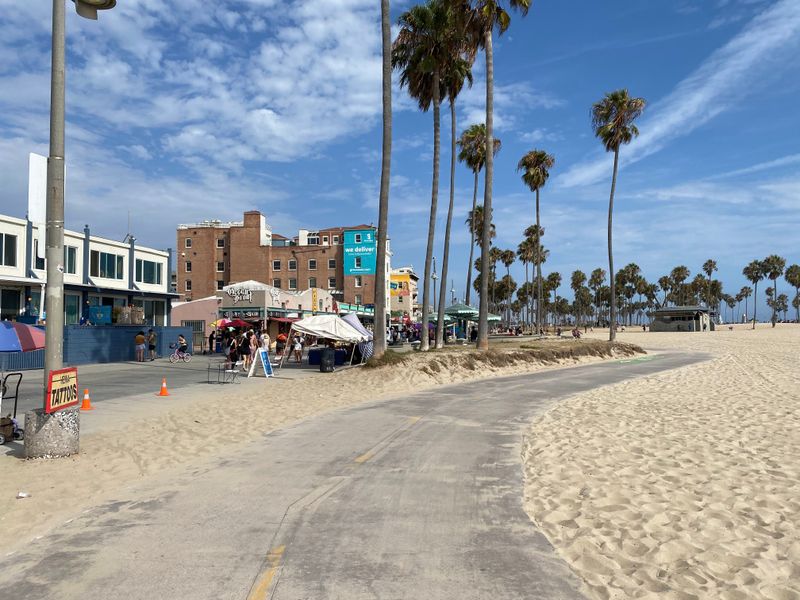
Walking along the Venice Beach boardwalk feels like stepping into a living art gallery where every corner reveals something unexpected.
Street performers juggle fire, artists sell handmade jewelry, and skaters glide past murals that stretch across entire building walls.
The energy here pulses from sunrise to sunset, drawing crowds who come to see and be seen. The wide sandy beach itself offers plenty of space to spread out a towel and watch the Pacific waves roll in.
Families build sandcastles near the shore while volleyball games heat up on the courts just steps from the water.
Morning visits tend to be calmer, with joggers and dog walkers claiming the sand before the afternoon rush arrives.
Food vendors line the boardwalk selling everything from fresh fruit to tacos, making it easy to grab a quick bite between people-watching sessions.
The mix of locals and tourists creates a welcoming atmosphere where everyone seems ready to strike up a conversation or share a smile.
2. Golden Gate Bridge: The Icon That Lives Up To The Hype
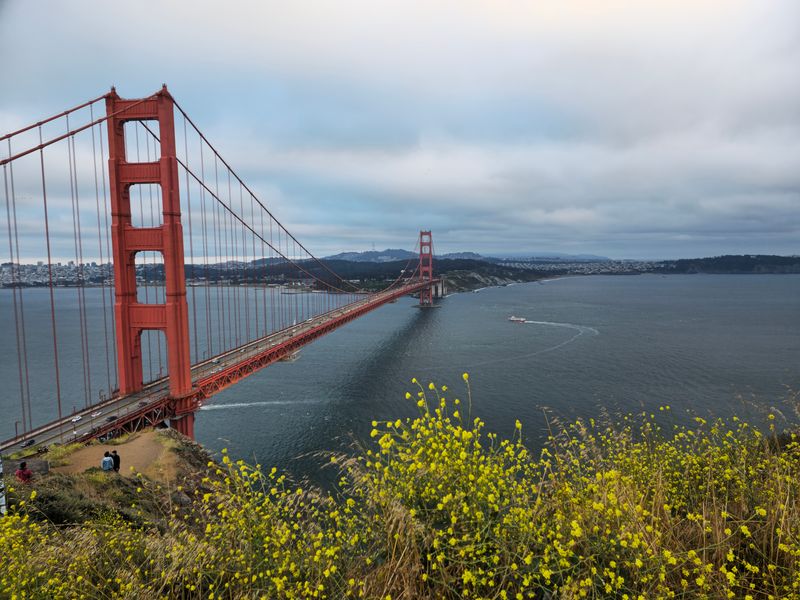
Standing beneath the massive orange towers of the Golden Gate Bridge makes even the most seasoned travelers pause in awe.
The structure stretches 1.7 miles across the bay, connecting San Francisco to Marin County in a graceful arc that’s become one of the most photographed landmarks in the world.
Fog often rolls through the bridge’s cables, creating an ethereal scene that changes throughout the day.
Walking across the bridge takes about 30 to 40 minutes one way, and the experience offers constantly shifting views of the city skyline, Alcatraz Island, and the Pacific Ocean.
The pedestrian walkway stays busy most days, so arriving early in the morning or on weekdays provides a more peaceful stroll. Wind can pick up quickly, making a light jacket useful even on warm days.
Several viewpoints near the bridge offer excellent photo opportunities without the walk, including Battery Spencer on the Marin side and Fort Point below the southern end.
3. La Jolla Cove: Where Sea Lions Steal The Show
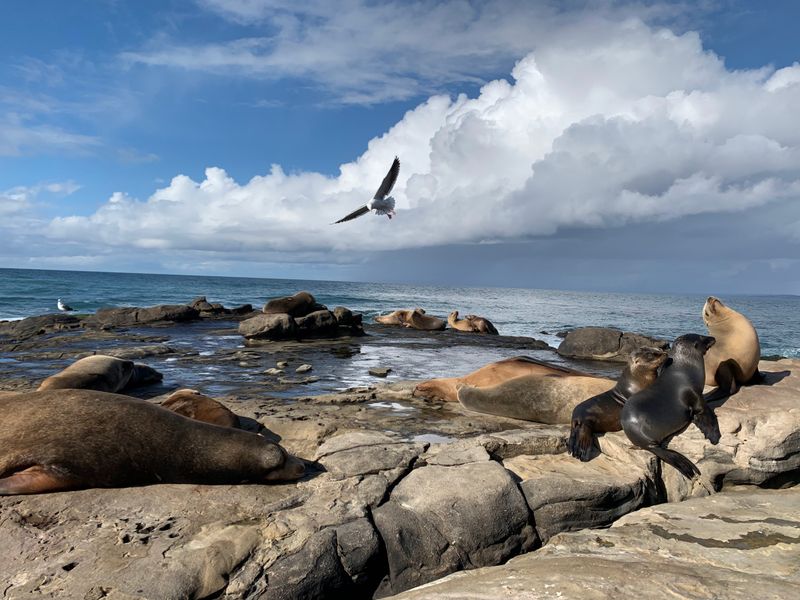
The barking of sea lions echoes across La Jolla Cove before visitors even reach the water’s edge, announcing the presence of dozens of these playful marine mammals lounging on the rocks.
Crystal-clear water reveals colorful fish swimming near the shore, making this spot popular with snorkelers and swimmers who don’t mind sharing the space with curious sea creatures.
Small beaches tucked between rocky outcrops provide cozy areas to settle in and watch the action.
A paved pathway follows the coastline, offering easy access to multiple viewpoints where the sea lions can be observed without disturbing their sunbathing sessions.
Weekday mornings typically see fewer crowds, allowing for better wildlife viewing and easier parking in the nearby lots.
The water stays chilly year-round, so wetsuits are common among those planning to swim or snorkel for extended periods.
Tide pools appear during low tide, revealing starfish, anemones, and tiny crabs that fascinate children and adults alike.
4. Joshua Tree National Park: Desert Magic Under Starlit Skies
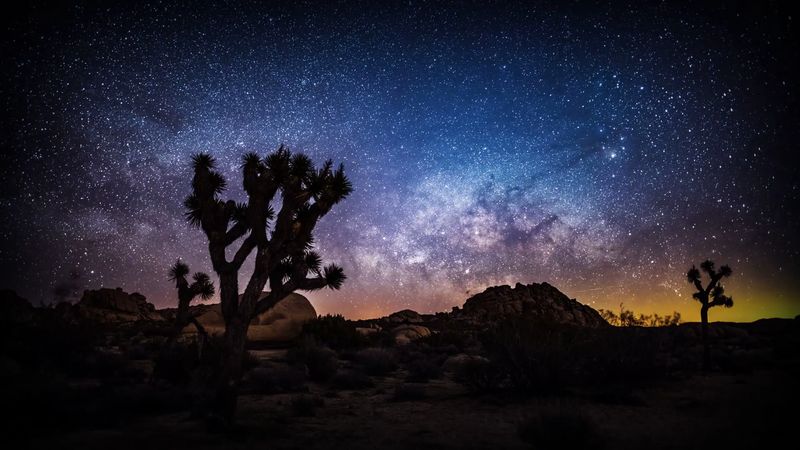
Twisted Joshua trees reach toward the sky like natural sculptures scattered across a vast desert landscape that feels otherworldly at first glance.
Massive boulder formations create natural climbing walls and hidden paths that invite exploration, while hiking trails range from easy nature walks to challenging scrambles through rocky terrain.
The park spans nearly 800,000 acres, offering enough space for visitors to find their own quiet corner away from the crowds.
Daytime temperatures can swing dramatically, with scorching heat in summer and surprisingly cold conditions in winter, so checking the forecast before heading out helps with packing the right layers.
Spring brings wildflower blooms that transform the desert floor into a carpet of color, though the exact timing varies from year to year depending on rainfall.
Most visitors enter through the west entrance near the town of Joshua Tree, where supplies and accommodations are readily available.
After sunset, the park becomes one of the best stargazing destinations in Southern California, with minimal light pollution revealing countless stars across the night sky.
5. Big Sur: Where Waterfalls Meet The Pacific Ocean
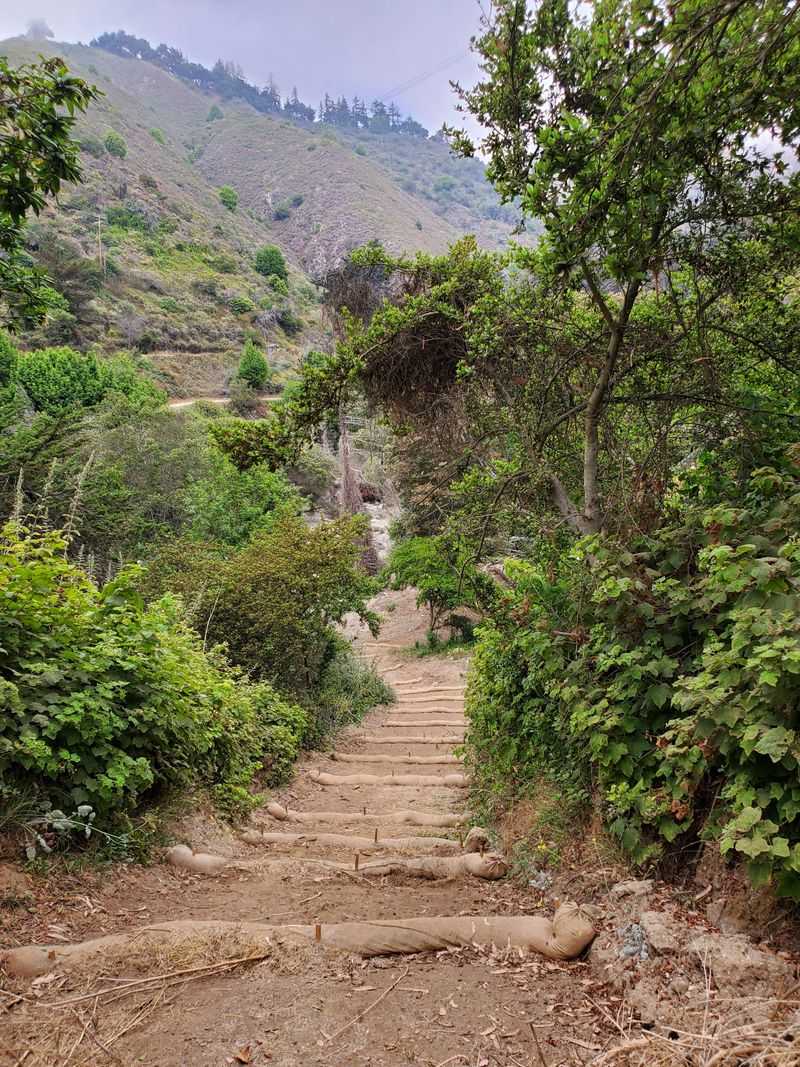
Driving along Highway 1 through Big Sur delivers one jaw-dropping vista after another, with steep cliffs plunging into the crashing Pacific waves hundreds of feet below.
McWay Falls stands out as one of the most photographed spots in California, where an 80-foot waterfall drops directly onto a pristine beach framed by rocky cliffs.
A short trail from the parking area leads to an overlook where the falls can be viewed and photographed, though access to the beach itself is not permitted.
The entire Big Sur coastline stretches for about 90 miles, with numerous pullouts and scenic viewpoints that make the drive an all-day adventure worth savoring slowly.
Fog often blankets the coast in the morning, gradually burning off by midday to reveal brilliant sunshine and deep blue water.
Several state parks dot the route, offering hiking trails through redwood groves and along coastal bluffs.
Cell phone service remains spotty throughout much of Big Sur, so downloading maps and directions before starting the drive prevents navigation headaches along the way.
6. Alcatraz Island: History Echoes Through Prison Walls
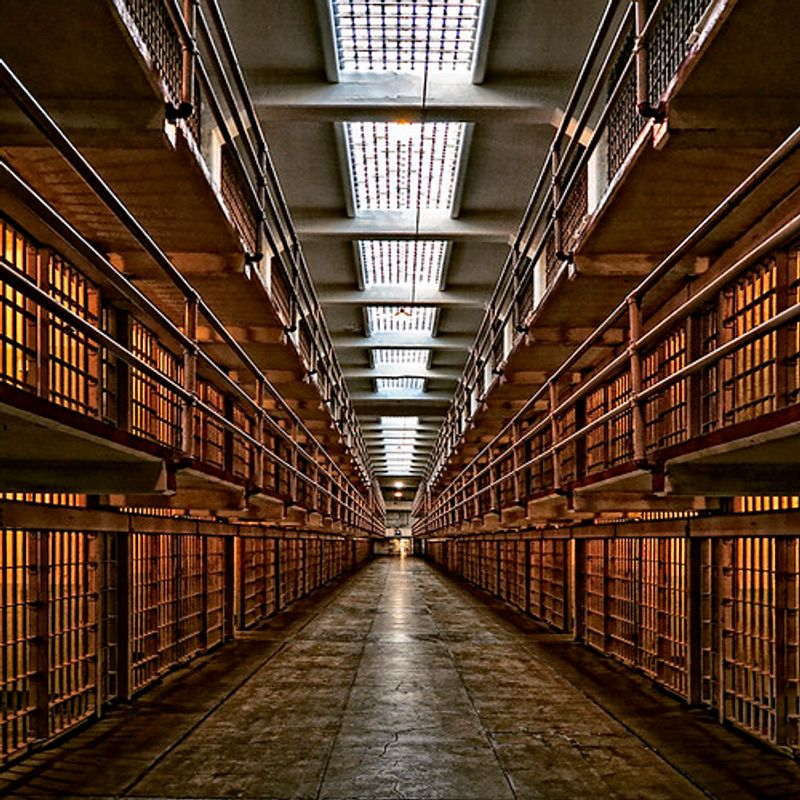
Ferry boats depart from San Francisco’s Pier 33 carrying visitors across the choppy bay waters to Alcatraz Island, where America’s most notorious federal prison once held criminals like Al Capone and Machine Gun Kelly.
The 22-acre island rises dramatically from the water, its weathered buildings and lighthouse creating a stark silhouette against the city skyline in the distance.
Audio tours guide guests through cell blocks and corridors, sharing stories of escape attempts and daily prison life that bring the cold concrete spaces to life.
Tickets sell out weeks in advance, especially during summer months, so booking online as early as possible ensures a spot on this popular attraction.
The ferry ride itself takes about 15 minutes each way, offering excellent views of the Golden Gate Bridge and San Francisco’s waterfront.
Layers are essential since island weather can be significantly colder and windier than conditions in the city.
Gardens planted by families of prison guards during the island’s operational years still bloom in unexpected corners, adding splashes of color to the otherwise austere landscape.
7. Balboa Park: San Diego’s Cultural Heart
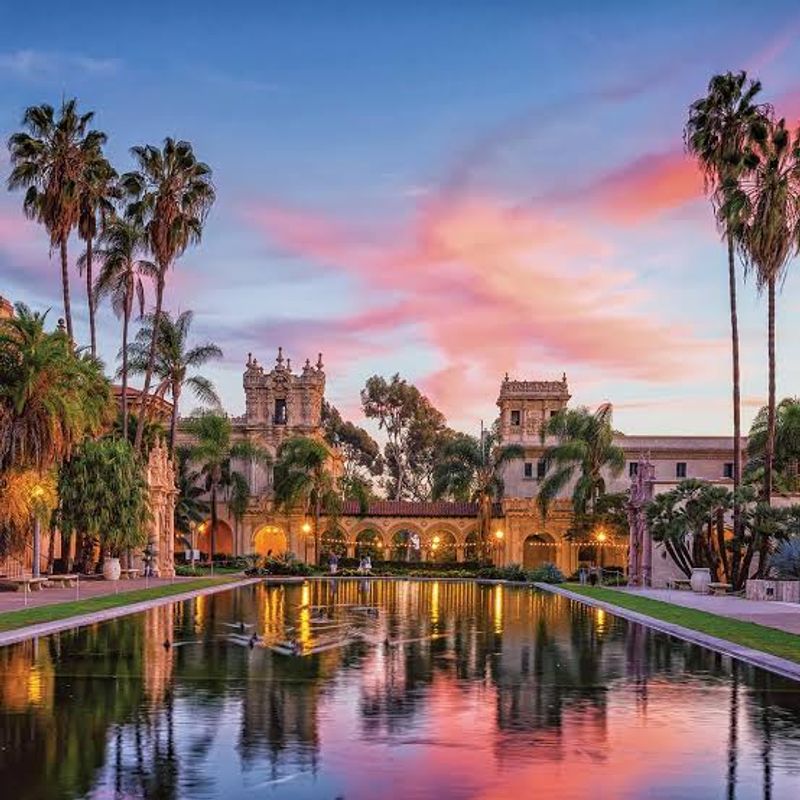
Spanning 1,200 acres in the heart of San Diego, Balboa Park houses 17 museums, multiple gardens, and the world-famous San Diego Zoo all within walking distance of each other.
Spanish Colonial Revival architecture defines many of the park’s buildings, with ornate facades and bell towers that create a distinctive visual character unlike any other urban park in America.
Wide pedestrian promenades connect different areas of the park, making it easy to spend an entire day exploring without ever getting in a car.
The Botanical Building showcases over 2,100 plants in a stunning lath structure that’s one of the most photographed spots in the park, while the Japanese Friendship Garden offers peaceful walking paths and koi ponds.
Free concerts and cultural performances happen regularly in the park’s outdoor spaces, especially on weekends during warmer months.
Many museums offer free admission to San Diego County residents on rotating Tuesdays, though out-of-state visitors pay regular rates.
Parking can be challenging on busy weekends, so arriving early or using rideshare services often proves easier than circling for spots.
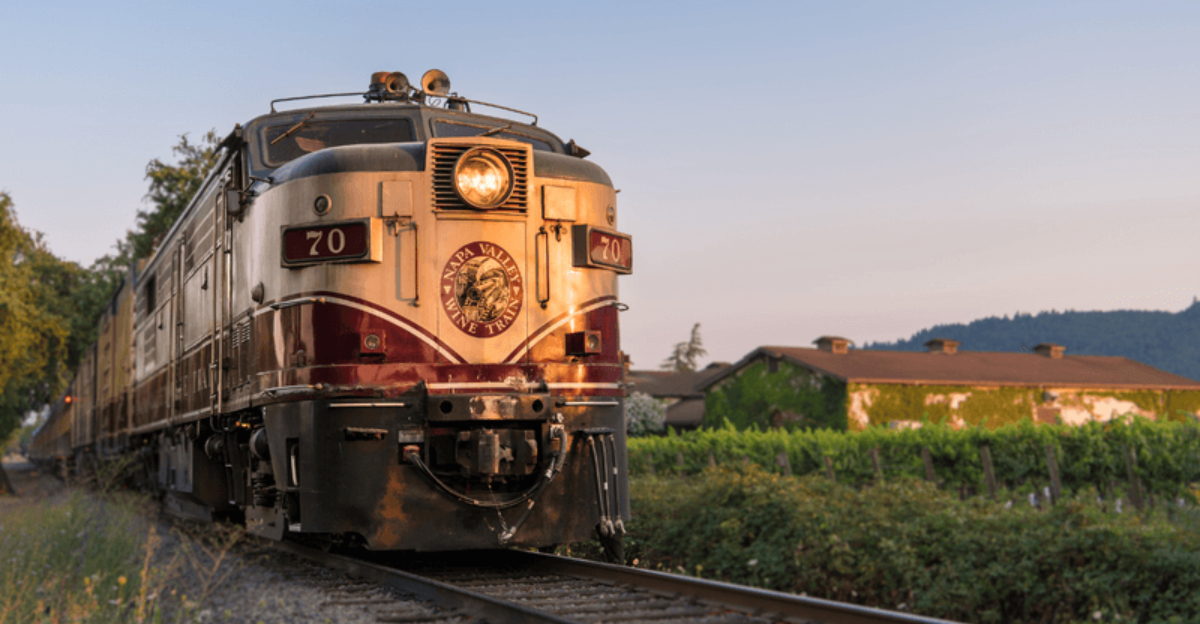
8. Napa Valley Wine Train: Rolling Through Vineyard Country
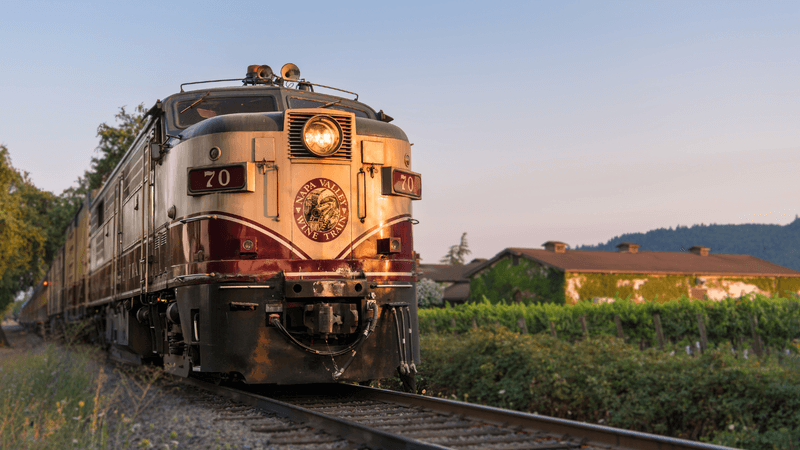
Climbing aboard the vintage Napa Valley Wine Train feels like stepping into an earlier era of luxury travel, with polished wood interiors and white-tablecloth dining cars that evoke classic rail journeys.
The three-hour round trip travels through 36 miles of vineyard-covered countryside, passing rows of grapevines that stretch toward the mountains in every direction.
Large windows frame the scenery like moving paintings, making every seat feel like the best seat in the house.
Multiple dining options are available, from lunch service to dinner packages that include wine pairings, though reservations should be made well in advance especially during peak harvest season in fall.
The train moves at a leisurely pace, allowing passengers to truly absorb the landscape without the rush of driving the same route.
Some packages include stops at local wineries for tours and tastings before reboarding for the return journey.
Families with children are welcome on certain afternoon departures, making this experience accessible beyond just couples or groups of adults seeking wine country adventures.
9. Santa Monica Pier: Classic California Boardwalk Charm
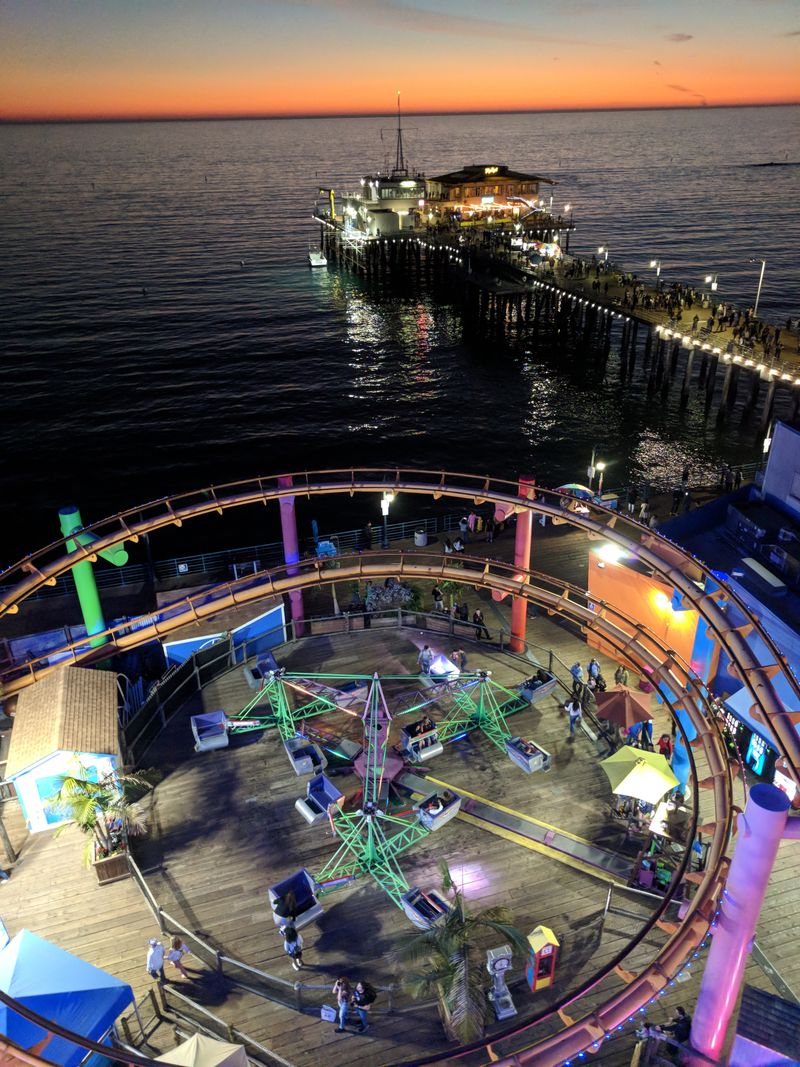
The iconic Santa Monica Pier has welcomed visitors since 1909, making it one of the oldest pleasure piers on the West Coast and a symbol of Southern California beach culture.
A solar-powered Ferris wheel lights up the night sky with colorful patterns, while a vintage carousel with hand-carved horses spins inside a building that’s been standing for over a century.
Games, rides, and food stands create a carnival atmosphere that appeals to families, couples, and solo travelers alike.
The pier extends out over the Pacific Ocean, offering fishing opportunities from the deck and views of the coastline stretching in both directions.
Street performers and musicians add to the lively energy, with different acts setting up throughout the day and into the evening hours.
The beach below the pier provides easy access to sand and surf for those who want to combine boardwalk fun with actual beach time.
Parking in nearby structures fills up quickly on summer weekends, so using public transportation or arriving before mid-morning helps avoid the frustration of circling for spaces.
10. Mission District: San Francisco’s Artistic Soul
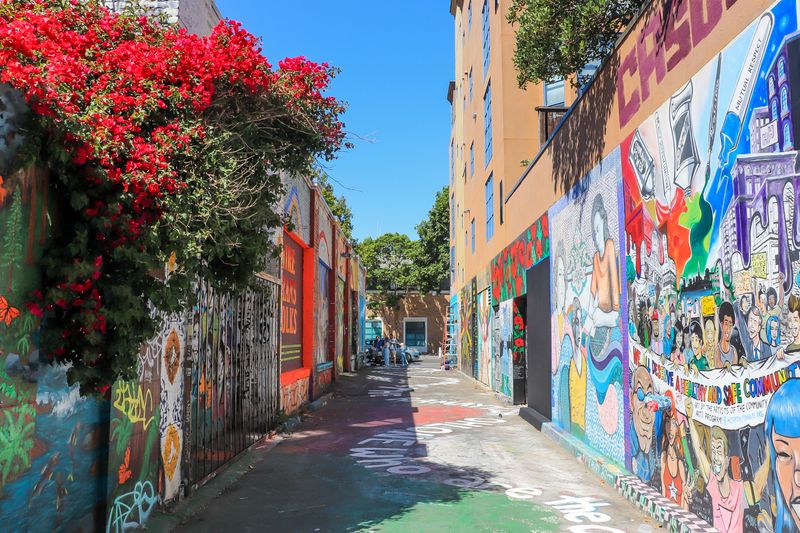
Colorful murals transform entire building walls throughout San Francisco’s Mission District, creating an outdoor art gallery that changes and evolves as new pieces appear and older ones get refreshed.
Clarion Alley and Balmy Alley stand out as two of the most concentrated mural locations, where nearly every available surface showcases vibrant artwork addressing social issues, cultural heritage, and pure creative expression.
Walking these streets feels like stepping into a constantly shifting exhibition where art becomes part of everyday neighborhood life.
The district’s food scene draws visitors from across the city, with taquerias, bakeries, and restaurants representing cuisines from around the world packed into a walkable area.
Mission Dolores Park serves as the neighborhood’s gathering spot, where locals spread out blankets on the sloping lawn to picnic and enjoy views of downtown San Francisco.
The park gets especially crowded on sunny weekend afternoons, becoming a scene unto itself.
Valencia Street runs through the heart of the district, lined with bookstores, vintage shops, and cafes that invite browsing and people-watching from morning until late evening.
11. Palm Springs Aerial Tramway: Rising Above The Desert Floor
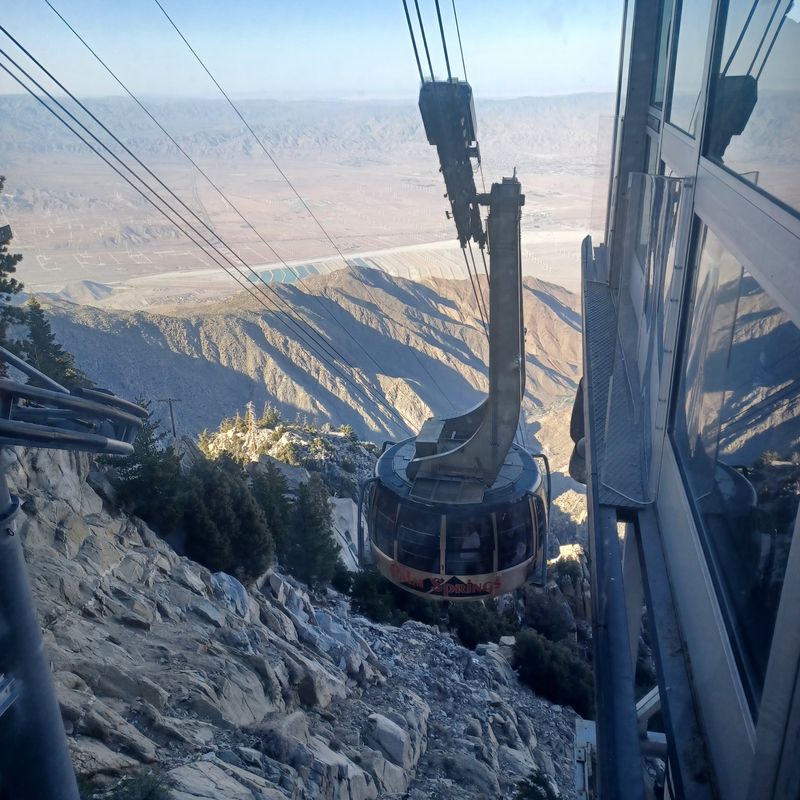
The world’s largest rotating tramcar climbs nearly 6,000 vertical feet in just ten minutes, carrying passengers from the desert floor to the pine-covered peaks of Mount San Jacinto.
Views through the tramcar’s windows shift dramatically during the ascent, starting with cactus-dotted desert landscape and transitioning to alpine forest as the temperature drops by 30 to 40 degrees.
The rotating floor completes two full turns during each journey, ensuring every passenger gets panoramic perspectives without jostling for position.
At the Mountain Station, over 50 miles of hiking trails wind through wilderness areas where snow may linger into spring even as the valley below bakes in summer heat.
Two restaurants serve meals with floor-to-ceiling windows overlooking the Coachella Valley, making the dining experience as much about the scenery as the food.
Winter visits may require reservations due to crowds seeking snow play and cooler temperatures.
The tramway is located at 1 Tramway Road in Palm Springs, with the Valley Station serving as the departure point for all rides to the summit.
12. Silver Lake: Los Angeles Neighborhood With Creative Energy
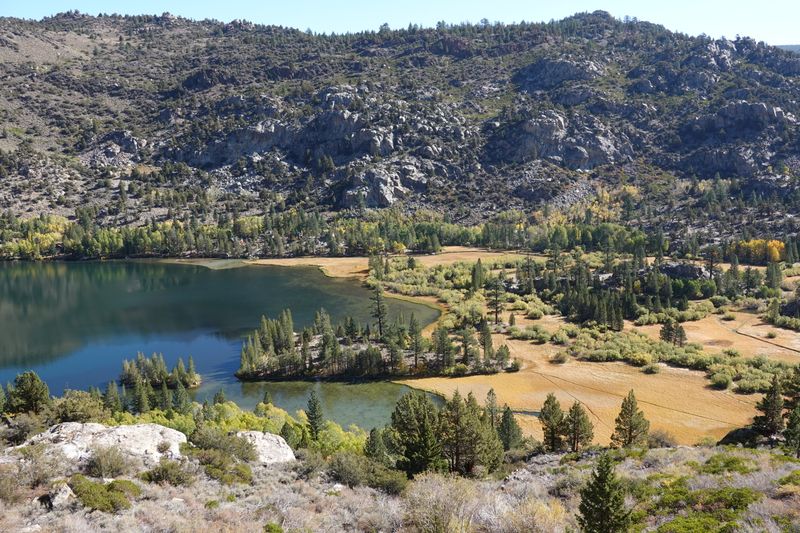
Tucked into the hills east of Hollywood, Silver Lake has evolved into one of LA’s most distinctive neighborhoods, where mid-century modern homes cling to steep hillsides and independent coffee shops anchor nearly every corner.
The Silver Lake Reservoir provides a central gathering point with a 2.25-mile walking path that loops around the water, popular with joggers, dog walkers, and neighbors catching up during evening strolls.
Trees shade much of the path, making it comfortable even during warmer months. Sunset Boulevard cuts through the neighborhood, lined with boutiques, record stores, and restaurants that reflect the area’s artistic and creative community.
Weekend mornings bring locals out to farmers markets and brunch spots where wait times can stretch past an hour at popular places.
The neighborhood’s hilly terrain means parking can be tricky, with many streets requiring careful parallel parking skills on steep inclines.
Architecture enthusiasts come to spot houses designed by notable modernist architects like Richard Neutra and Rudolph Schindler, whose work helped define Southern California’s residential style in the mid-20th century.
13. Monterey’s 17-Mile Drive: Coastal Scenery At Every Turn
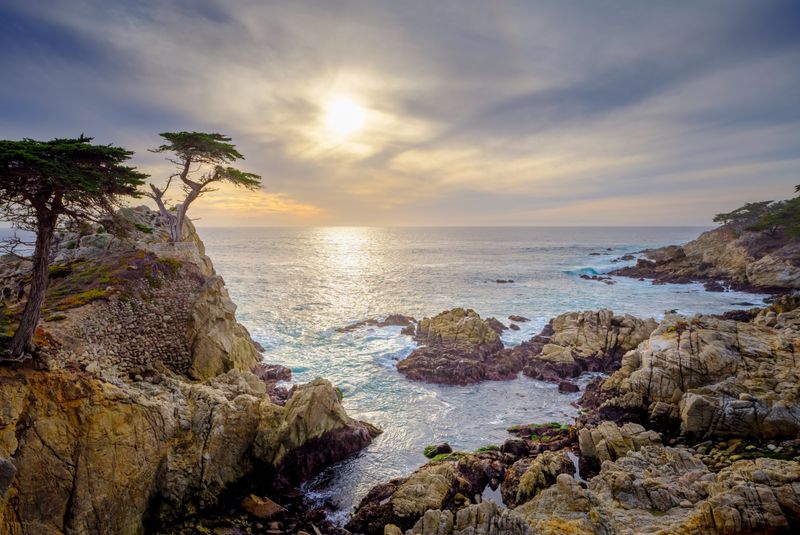
This private toll road winds along the Monterey Peninsula coastline, connecting Carmel-by-the-Sea to Pacific Grove through some of California’s most exclusive real estate and dramatic ocean views.
Twenty-one marked stops along the route highlight notable landmarks including the famous Lone Cypress tree, which has perched on its rocky outcrop for over 250 years.
Golf courses designed by legendary architects border sections of the drive, their manicured greens contrasting with the wild coastal landscape just beyond.
Harbor seals and sea otters often appear in the protected coves along the route, especially at points like Seal Rock and Bird Rock where pullouts allow safe viewing without disturbing the wildlife.
The drive typically takes about two hours when stopping at most viewpoints, though it’s easy to spend much longer exploring the various beaches and trails accessible from the main road.
A small entrance fee applies at the gates, with maps provided showing all marked stops and points of interest.
Morning fog may obscure views during certain times of year, while afternoon sunshine typically brings clearer skies and better photography conditions.