The North Carolina River Town Where Pirates Left Their Mark
Not every small river town comes with a backstory that feels straight out of a pirate legend.
This one, along the water in North Carolina, carries a past that’s far more dramatic than you’d expect.
I’m talking about a time when pirates actually sailed these waters and left their mark. It sounds like something out of a movie, right? But it’s true.
This river town has stories to tell, tales of adventure and maybe even a bit of danger.
Come along as we explore this unique spot and uncover the pirate connections that make it so interesting.
Legendary Pirate Historical Marker
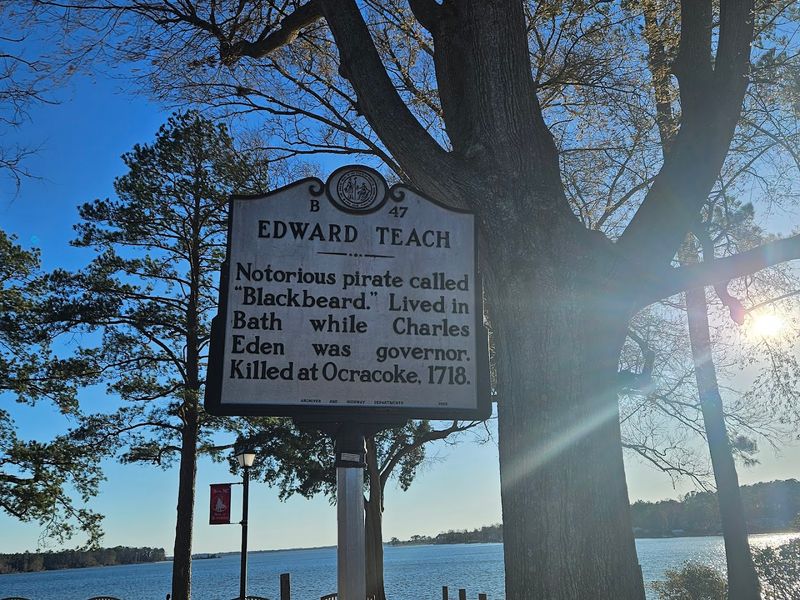
A simple sign on South Main Street holds the attention of every passerby. The Edward Blackbeard Teach Historical Marker serves as a silent witness to a famous past.
Edward Teach was not merely a character created for adventure novels. He existed as a documented person who navigated the coastline during the 1700s.
This river town is associated with Blackbeard’s activities along the coast. Some historical records suggest political and economic tensions involving piracy during the era.
For those who admire early American chronicles, this spot is a deep doorway. It leads into a world that one might not expect on a quiet lane.
The marker invites a long pause to contemplate the shadows of the wharf. I was surprised by how much power a single metal sign can hold.
Can you believe that a notorious outlaw once walked these exact paths? History is not trapped in a book but etched into the local landscape at 203-219 S Main St, Bath, NC 27808.
North Carolina’s Oldest Town
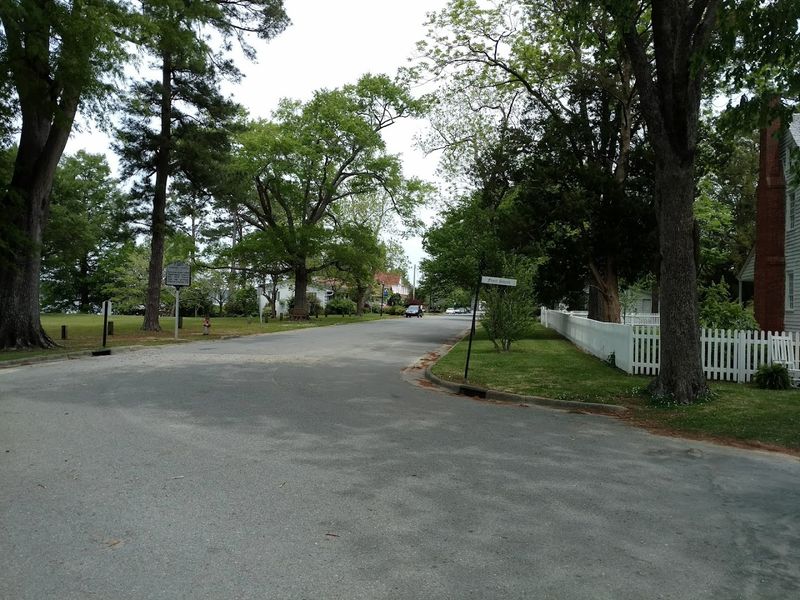
Before any seafaring outlaws arrived, the community was already creating a legacy. The settlement was incorporated in 1705, earning it a very prestigious title.
Bath stands as the most ancient incorporated town within the entire state.
Wandering through the area feels different from exploring a modern tourist park. The layout of the streets reflects centuries of actual use by generations.
The village is situated along the Pamlico River within Beaufort County. This geographic position made it a central point for early colonial commerce.
Vessels could navigate the channels with ease, benefiting merchants and sailors alike. The town is an important example of early colonial settlement in the region.
Its age makes it a worthy stop, yet the pirate connection adds intrigue. The atmosphere seems aware of the countless events it has observed over three centuries.
The placement of the memorial feels entirely appropriate for such a setting. You can trace the evolution of the colony just by observing the architecture.
The waterfront remains the soul of the community, just as it was long ago.
Every corner of the village offers a glimpse into the eighteenth century. The oldest town in the state carries its years with remarkable elegance.
Scenic River Vistas
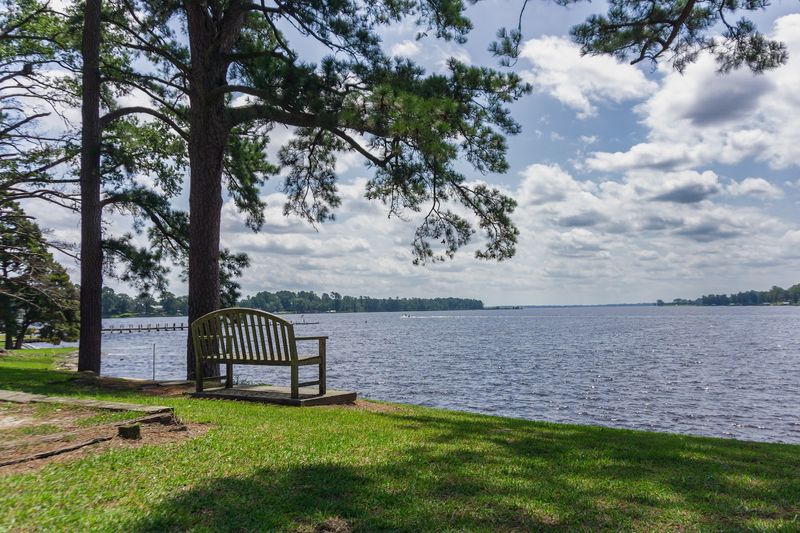
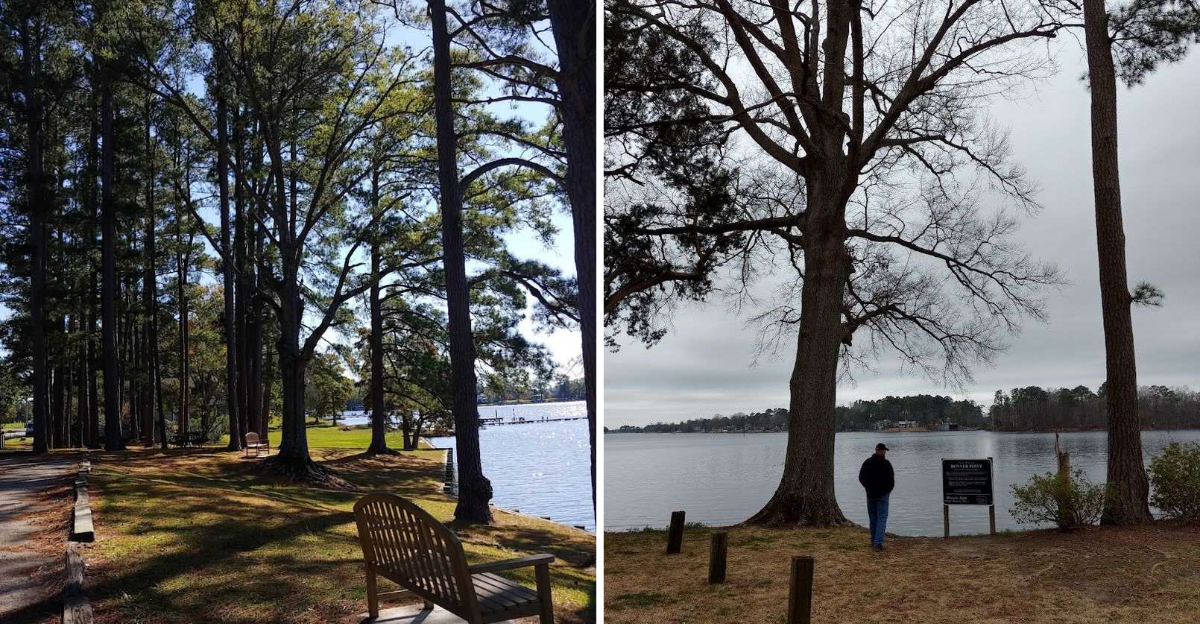
The first thing that caught my eye was the vastness of the water. The Pamlico River stretches toward the horizon with a beauty that is staggering.
Benches line the bank, inviting visitors to sit and contemplate the flowing currents.
It is difficult to rest there without envisioning the tall ships of old. For a navigator, this channel functioned as both a path and a sanctuary.
The local waterways provided rapid access to the open routes of the ocean. The natural cover of the creeks made pursuit by naval forces quite challenging.
I found the view to be one of the most peaceful sights in the region.
The spot is clean and remains remarkably stunning for such a modest village. The scenery persists as a highlight regardless of the current weather or month.
During the warm season, the afternoon glow turns the ripples into liquid gold.
Colder periods bring a misty stillness that feels like a scene from cinema. One does not need to be a scholar to appreciate this coastal vista.
The sight alone justifies the trip, while the backstory only adds depth. Local lore often links the waterways to Blackbeard’s movements, though details are debated among historians.
I sat for an hour just watching the light shift across the distant shore. The water remains as unhurried as the pace of the town itself.
Nature and lore converge at the water’s edge in a perfect balance.
The beauty of the Pamlico is a silent partner to the town’s history.
Beyond The Pirate Legend
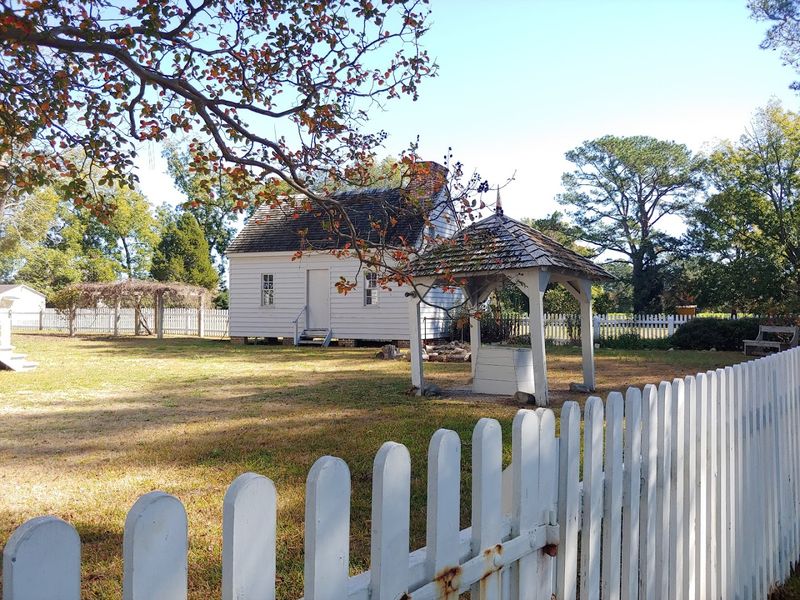
Most people imagine a life of constant chaos and smoke on the high seas. The reality of the situation was much calmer during his time in the colony.
Blackbeard moved into a local residence around the year 1718 to seek peace, and for a short duration, he participated in the daily life of a colonial citizen.
The link between the sailor and the local authorities is a fascinating thread. Some historical accounts and local tradition suggest interactions between colonial leaders and seafarers of the pirate era.
The memorial captures this multifaceted tale better than a standard textbook could. It directs the mind toward a version of the man that is deeply human.
He was far more complicated than the simple villains found in popular films. Grasping his actual roots in the community changes your perception of the past.
This shift in perspective is the most satisfying part of the entire excursion. You begin to see him as a neighbor rather than just a ghostly myth.
The house he once owned represents a period of surprising domesticity and calm.
The proximity of the church and the wharf shows the duality of his life. He balanced the world of the outlaw with the rules of the settlement.
This complexity makes the story far more relatable to the modern visitor.
The truth is often more compelling than the fictions we create for entertainment.
Marker Site Atmosphere

The location along the main street does not scream for your attention or focus. Instead, the site earns your respect through its simple and dignified presence.
The setting is authentically aged and is surrounded by centuries of memory.
Structures nearby have existed since the era when the village was still young. The area is kept in excellent condition, reflecting the care of the residents.
One can take their time to absorb the facts without feeling a sense of rush. On a clear afternoon, the architecture and the river create a scenic masterpiece.
I felt that this was an ideal spot for a slow walk or a picnic. The lack of commercial noise sets this destination apart from other heritage parks.
The community values the integrity of the site above modern entertainment trends.
The silence of the street allows the imagination to wander back to 1718. The memorial is a sturdy anchor for the entire historic district of the village.
It serves as a bridge between the busy modern world and the colonial era. The placement of the sign encourages a respectful dialogue with the past.
Every element of the scene contributes to a sense of profound discovery.
It is a rare place where the echoes of the wharf still seem to linger. The atmosphere is heavy with the weight of uncounted maritime stories.
Surrounding Heritage Locations
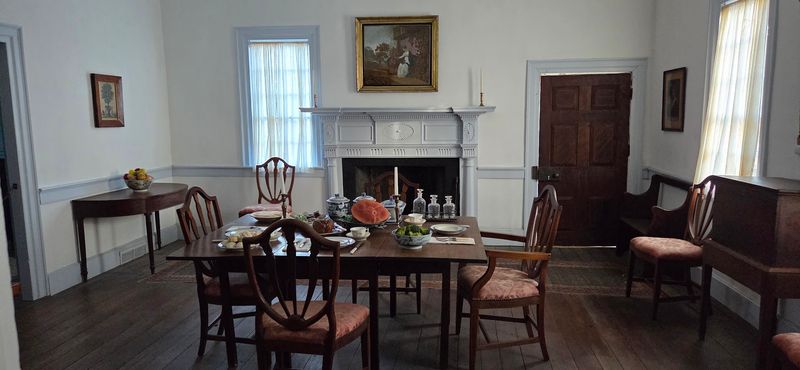
The memorial serves as a great starting point for a wider exploration.
St. Thomas Episcopal Church was constructed around the year 1734 nearby. It remains one of the state’s oldest surviving church buildings.
The simple colonial lines and the ancient cemetery create a solemn mood. The Bonner House is a well-maintained residence from the early nineteenth century.
The Palmer-Marsh House dates back even further to the middle of the 1700s. Both dwellings are open for those who wish to see colonial life firsthand.
They provide a concrete sense of how early residents managed their daily tasks. I found that there was much more to observe than I had initially expected.
The small scale of the town allows for a full tour conducted entirely on foot. The historic core has been preserved with an incredible eye for original detail.
The pirate memorial fits naturally into a full afternoon of wandering through time. Each structure adds a new chapter to the story of the oldest town.
The cemetery holds the names of those who built the foundation of the state. The trees themselves seem old enough to have provided shade to the pioneers.
The harmony between the different sites creates a unified and rich experience.
Exploring the side streets reveals hidden gardens and aged stone walls. The entire district functions as an open-air museum for the curious traveler.
Planning Your Visit
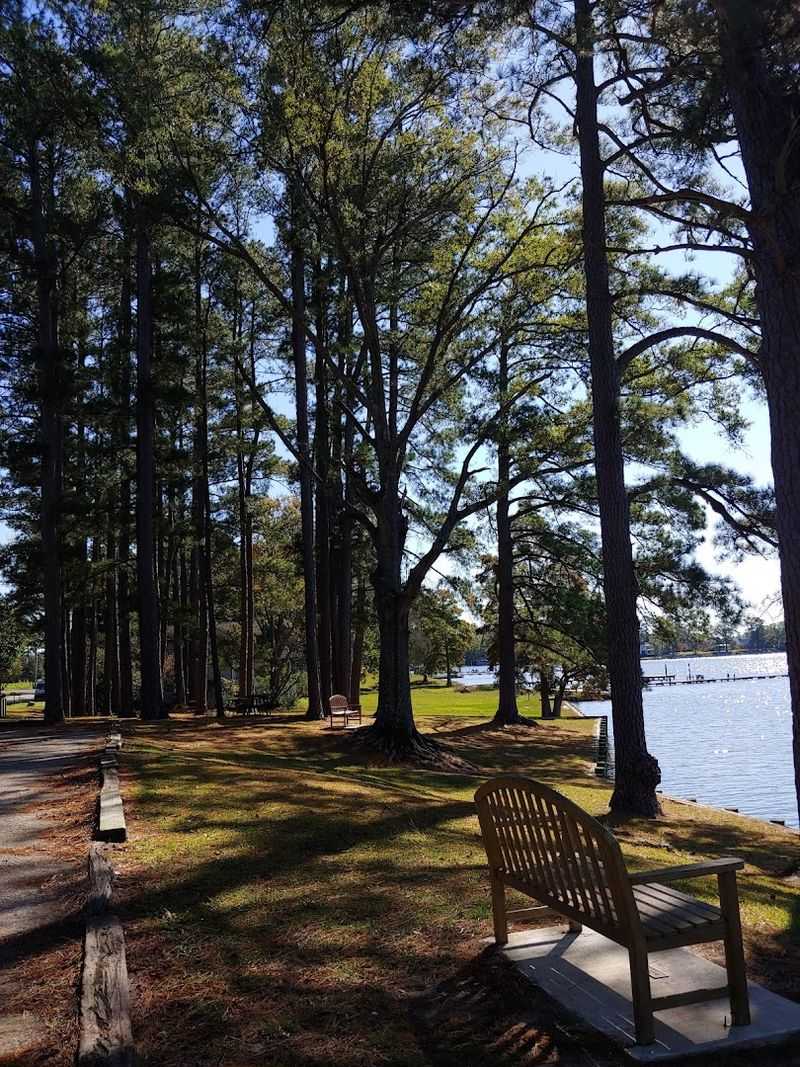
The community is small, which ensures that it never feels overwhelmed by crowds. Timing your arrival can significantly alter the quality of your personal experience.
The peak seasons for a trip are generally considered to be spring or autumn.
Temperatures during these windows are ideal for long strolls along the river. The light on the water is particularly soft and beautiful for photography then.
Occasional local gatherings bring the residents together to celebrate their roots.
Summer offers more heat and longer hours of daylight for your explorations. The humidity of the region can make extensive walking more of a challenge.
Early mornings provide the coolest and most pleasant air for outdoor activities.
The memorial itself is located outdoors and can be viewed at any hour. Tours of the historic residences usually follow a standard daytime schedule.
Verifying the current seasonal hours is a wise move before you depart.
I would describe this destination as a low-key and very calm retreat. Arriving without a rigid agenda allows the village to reveal its own secrets.
I found that the best moments were those spent simply sitting by the wharf. The town does not demand your energy; it offers a chance to recharge.
A return trip seems inevitable once you have tasted the local tranquility.
National Historical Significance
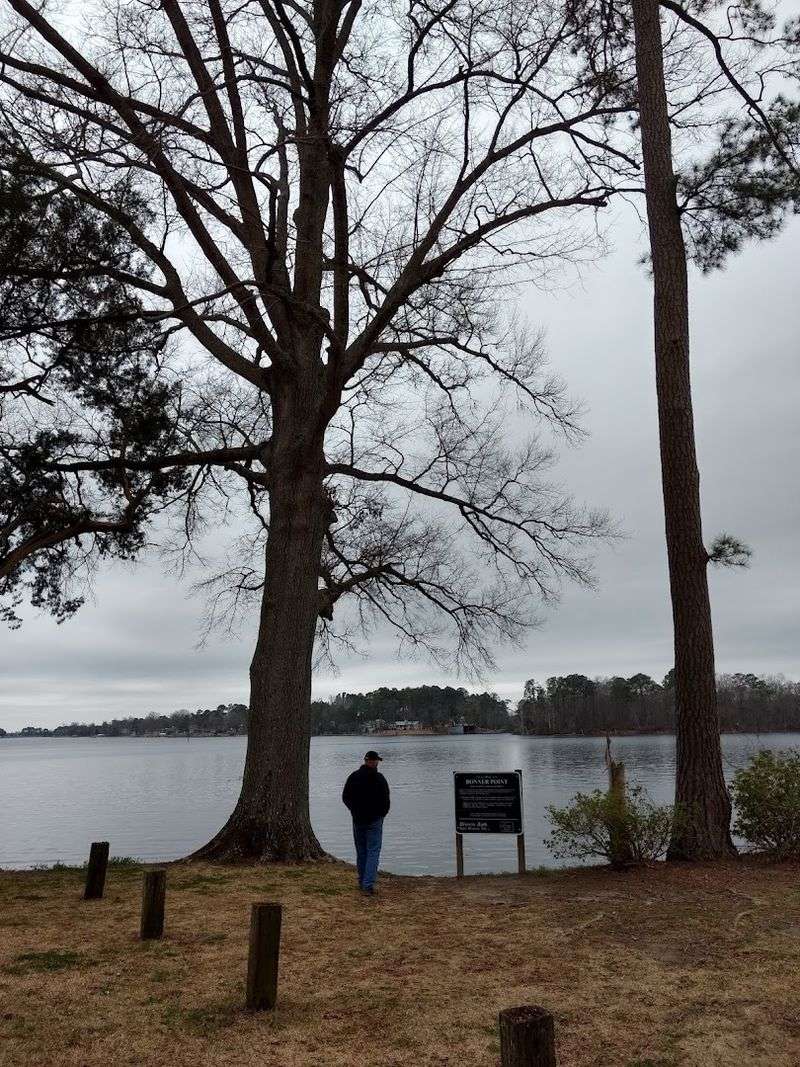
Some signs along the road are easily ignored or passed without a thought. This specific plaque earns a different level of regard from the public.
The story highlights an intriguing chapter in colonial maritime history.
His presence in the colony was far more than a colorful or strange footnote. His piracy and the response to it reflect conflicts over maritime security in colonial times.
Growing anti‑piracy efforts influenced colonial law enforcement. The decision to honor this connection shows a commitment to the full truth.
The village does not hide its link to the outlaw but owns the entire story.
It is a documented piece of the American puzzle that shaped the shoreline. For students and enthusiasts, the site is a reminder of a messy past.
Early chronicles were often complicated and far more than just a simple text. I was impressed by the honesty with which the town presents its legacy.
The modest marker delivers a massive promise of genuine discovery for the visitor. It serves as a physical point of contact for a world that has long vanished.
The influence of the events here reached across the ocean to the halls of power.
The memorial stands as a testament to the wild origins of the coastal states. The legacy of the oldest town is forever intertwined with the shadows of the mast.