The Oldest Cathedral West Of The Alleghenies Is In A Small Kentucky Town
You might expect a historic cathedral to stand in a big, bustling city. Kentucky had other plans, and they worked out beautifully.
In one small town, a grand church has watched over the streets for more than two centuries. Construction began in 1816, back when Kentucky was still considered the frontier.
It became the first Catholic cathedral west of the Allegheny Mountains. That was a big deal for a young country still finding its way.
Today, it carries the special title of proto-cathedral. That means it was once a bishop’s seat, before that role moved to Louisville.
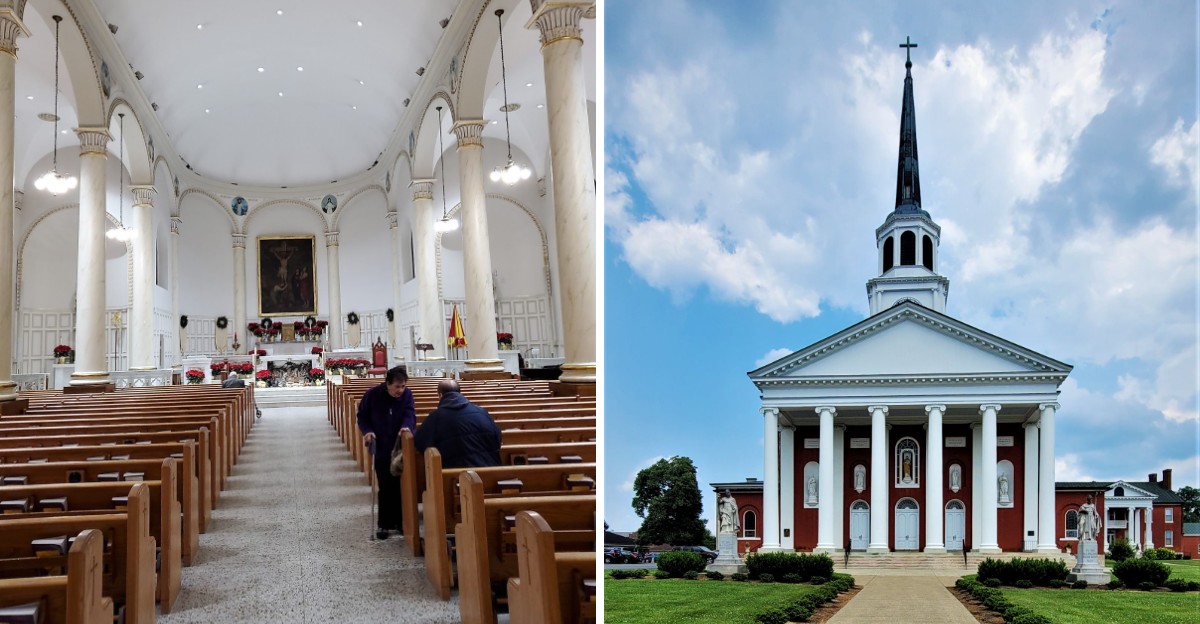
The building still turns heads with its tall columns and elegant steeple. Inside, the quiet atmosphere invites you to slow down and look around.
History lovers and curious travelers will both find plenty to admire. So bring your camera and your sense of wonder.
This small town has a big story to tell.
A Church That Beat Everyone West Of The Mountains
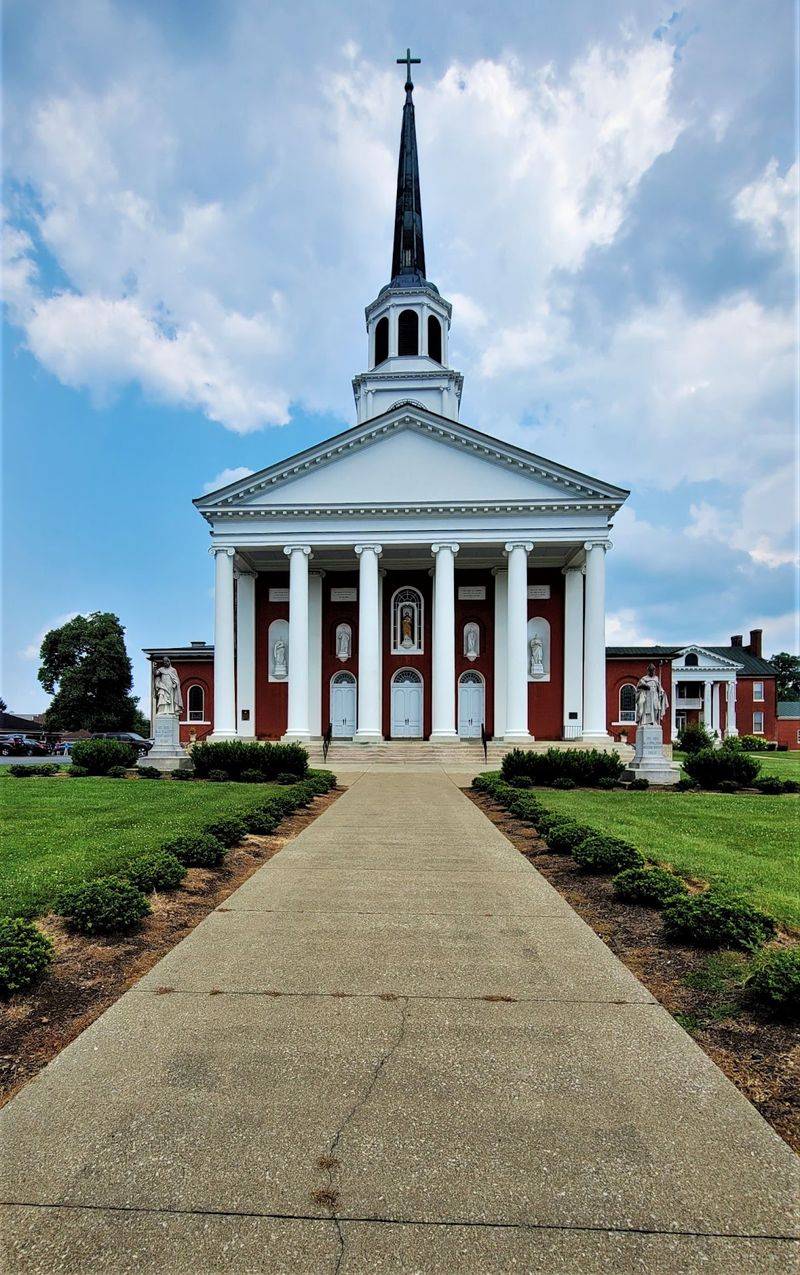
Being first is a big deal, and this church wears that crown quietly. The Basilica of Saint Joseph Proto-Cathedral in Bardstown was the first Catholic cathedral built west of the Allegheny Mountains.
Workers laid the cornerstone on July 16, 1816. That was only a few years after Kentucky became a busy frontier state.
Construction moved fast for the time. Mass was held inside by 1819, and the interior was finished by 1823.
John Rogers of Baltimore served as both architect and builder. He shaped a building that people still admire more than two centuries later.
Here is the part that makes history fans smile. It is also recognized as the oldest standing cathedral in the United States.
Think about that for a moment. Plenty of big cities have grand churches, yet none of their cathedrals have stood longer than this one.
So when you stand on the sidewalk out front, you are looking at a true pioneer. The steeple rises above the street like a patient old friend.
Take a slow walk around the outside before heading in. Every angle gives you a new reason to appreciate how bold this project was.
It set the tone for everything that followed in the region.
You will find it at 310 West Stephen Foster Avenue, Bardstown, Kentucky.
Ten States Under One Bishop
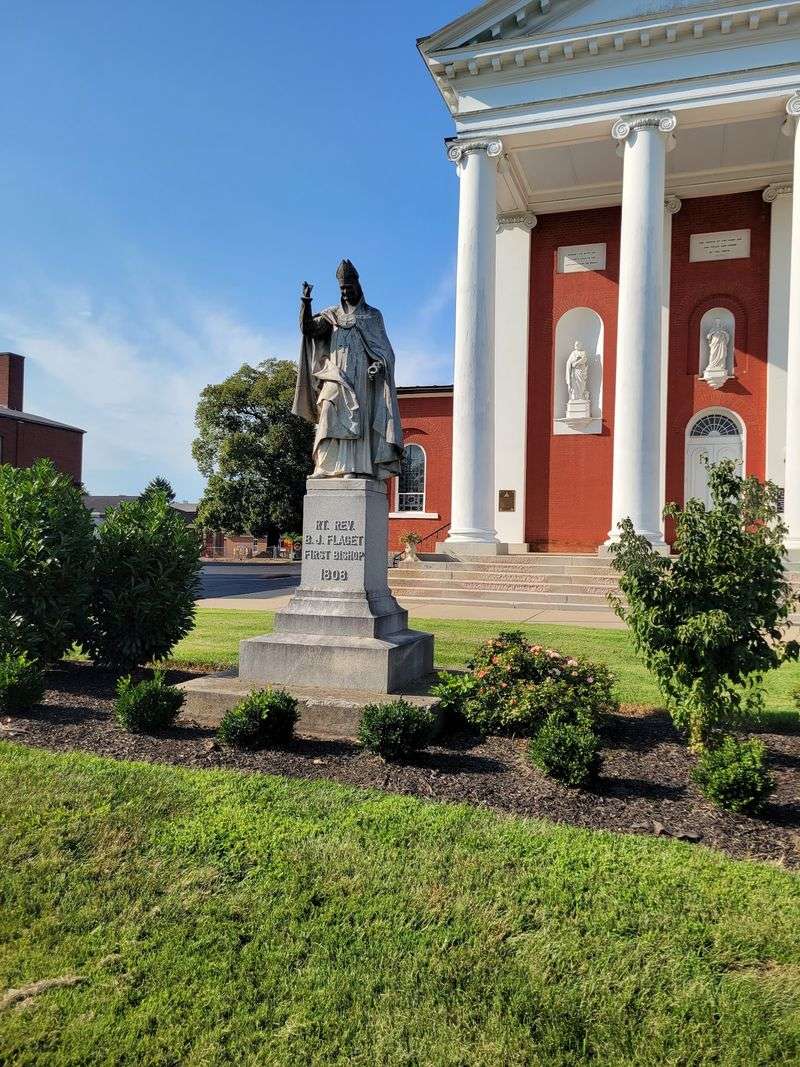
Imagine a job description covering ten states and zero highways. Benedict Joseph Flaget took on exactly that as the first bishop of the Diocese of Bardstown.
The diocese stretched from the Appalachians all the way to the Mississippi River. It was the first inland diocese in the United States.
That means priests traveled huge distances on horseback and by river. Their home base was the brick cathedral you can visit today.
Flaget guided a growing flock across a wild and changing land. His leadership helped plant churches in places that later became major cities.
Times changed as the river trade grew stronger. In 1841, the seat of the diocese moved to Louisville, a city booming with steamboat traffic.
Saint Joseph did not lose its importance, though. It gained a special title that tells its whole story in one word.
Knowing this background makes a visit feel richer. You are standing where decisions once reached families hundreds of miles away.
Picture letters, travelers, and news flowing through this small town. For a while, Bardstown was a true center of the frontier church.
Try pointing to the Mississippi on a map before you arrive. Then imagine riding there from this very doorstep on horseback.
Suddenly, your own road trip will feel pretty easy.
What Proto And Basilica Really Mean
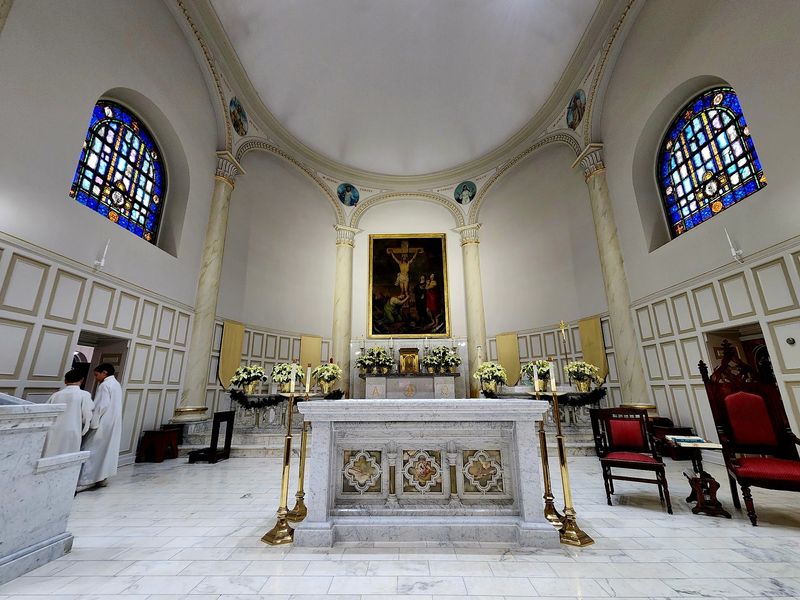
Fancy titles can sound confusing, but these two are worth learning. Once you know them, the name on the sign starts to make perfect sense.
A proto-cathedral is the original cathedral of a diocese that later moved. Saint Joseph earned that title after the bishop’s seat shifted to Louisville in 1841.
So the word proto simply means first. It is a badge of honor, not a demotion.
Then came another big moment in 2001. Pope John Paul II named the church a minor basilica.
That title is given to churches with special history, beauty, or importance. Only a limited number of churches in the country hold it.
Volunteer guides have been known to explain the difference between a basilica and a cathedral. If a guide is around, that question makes a great conversation starter.
The church is also an official pilgrimage site for the Archdiocese of Louisville. People come for prayer, history, and the calm atmosphere.
Here is a fun way to remember it all. First cathedral, proto title, basilica honor, all wrapped in one brick building.
Share that trio with your travel buddies. You will sound like a local expert before lunch.
And nobody needs to know you learned it five minutes ago.
A Million Bricks And A Whole Lot Of Muscle
Forget power tools and delivery trucks. The builders of this cathedral worked with their hands and whatever Kentucky could offer.
They quarried local limestone and made bricks by hand. Timbers came straight from Kentucky forests nearby.
An estimated one million bricks went into the building. That is a staggering number to shape, dry, and stack without machines.
The outer walls measure between 32 and 34 inches thick. You could nearly stretch out a yardstick across them.
When it was finished, the cathedral ranked among the largest buildings in the nation. Only the United States Capitol was considered bigger at that time.
Now picture that giant rising above a tiny frontier town. Travelers must have stopped their horses just to stare.
Another sweet detail shows the spirit of the community. Protestant neighbors donated generously, and their gifts even topped those from Catholic families.
That kind of teamwork says a lot about early Bardstown. Neighbors helped neighbors build something lasting, no matter their church.
When you touch those old bricks, remember the many hands behind them. Each one carries a small piece of that shared effort.
Run your eyes along the walls and count a few rows. Then give up gracefully, because a million is a lot.
Six Columns And A Steeple That Means Business
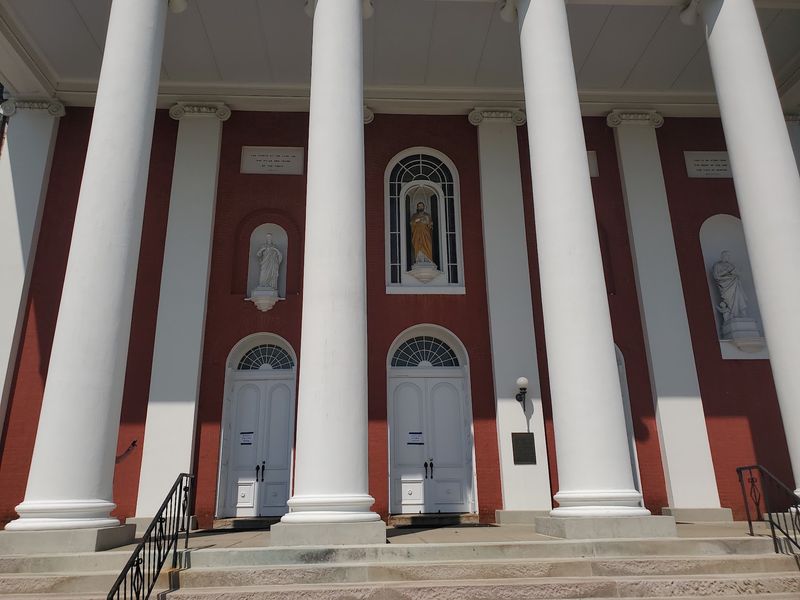
Greek temples called, and Kentucky answered with style. The basilica shows off a Greek Revival look that feels calm, strong, and balanced.
Six white columns line the front. They greet you like tall, polite ushers standing in a row.
Above them rises a steeple about 140 feet tall. It holds a historic bell and a clock that keeps watch over the street.
The building itself is roomy by any standard. It measures 138 feet long, 64 feet wide, and 60 feet high.
Here is a quick way to picture that length. It is close to half the length of a football field.
Photographers love the front at different times of day. Morning light makes the columns glow, while evening shadows add depth.
Stand across the street for the best full view. You can fit both the columns and the steeple in one frame.
The church joined the National Register of Historic Places in 1974. Its listing grew in 1976 to include Spalding Hall and Flaget Hall nearby.
The Library of Congress even calls it a landmark worthy of careful preservation. That is high praise from a very serious institution.
So snap your photo, then look up at that clock. It has been counting time here far longer than any of us.
Royal Gifts From Across The Ocean
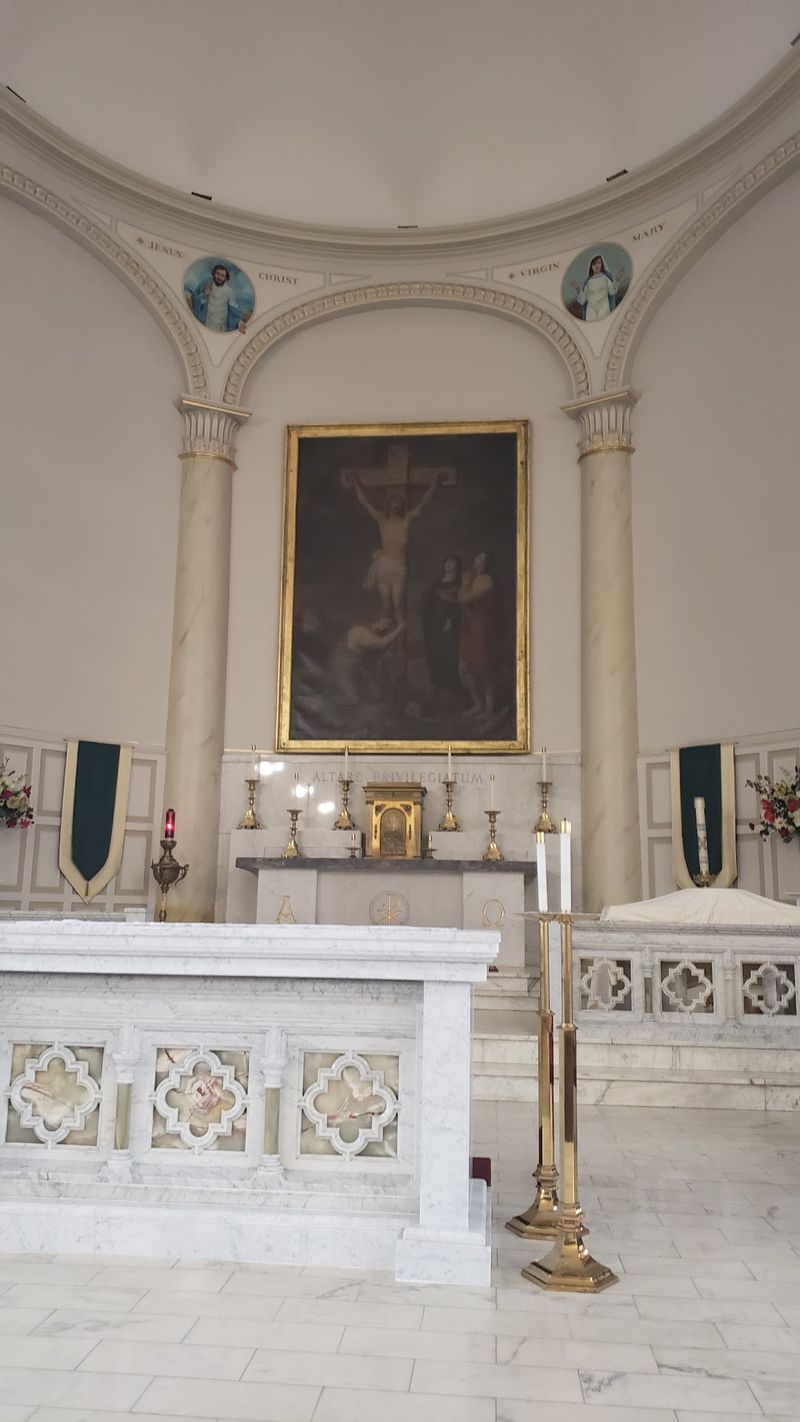
Kings do not usually mail presents to small Kentucky towns. Yet this cathedral received treasures from some of the most powerful people in Europe.
Gifts came from Pope Leo XII and King Louis-Philippe of France. King Charles X of France and King Francis I of the Two Sicilies also sent items.
The collection includes paintings linked to famous names. Murillo, Van Dyke, Mattia Preti, Philippe Van Bree, and Jan Van Eyck all appear on the list.
One standout is The Martyrdom of St. Bartholomew by Mattia Preti. The Getty Museum restored it, bringing its colors back to life.
Look closely at the altar area too. The original copper tabernacle, a gift from King Charles X, dates to 1824.
Royal embroidered vestments and sacred vessels were part of the gifts as well. They show how much attention this frontier church received from overseas.
Give yourself time to study the paintings slowly. Details like faces, fabric folds, and light reward patient eyes.
The Stations of the Cross also draw quiet attention from visitors. Many find them moving and worth a thoughtful pause.
It is honestly hard to believe these masterpieces rest in a town this size. That surprise is half the fun of the visit.
Peek Inside The Columns And Listen Up
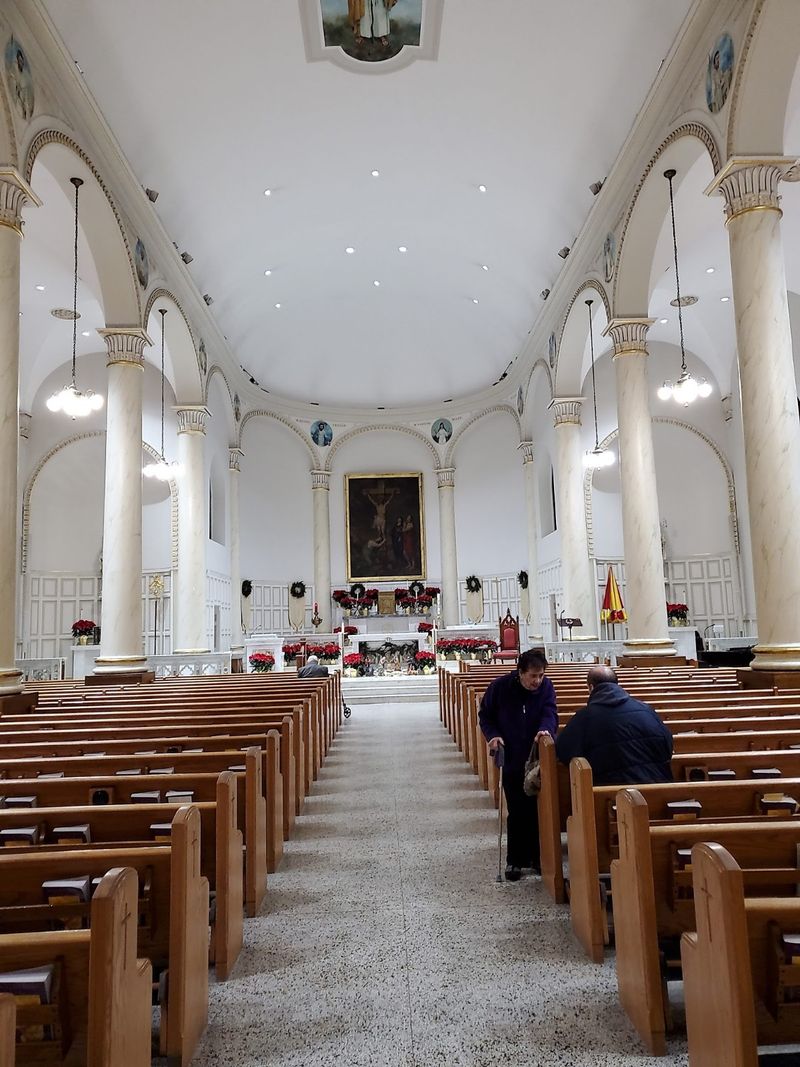
Most columns keep their secrets hidden, but not these. A glass-sided base lets you see the native Kentucky poplar wood used inside them.
It feels a bit like getting a backstage pass. You see the bones of the building, not just its polished skin.
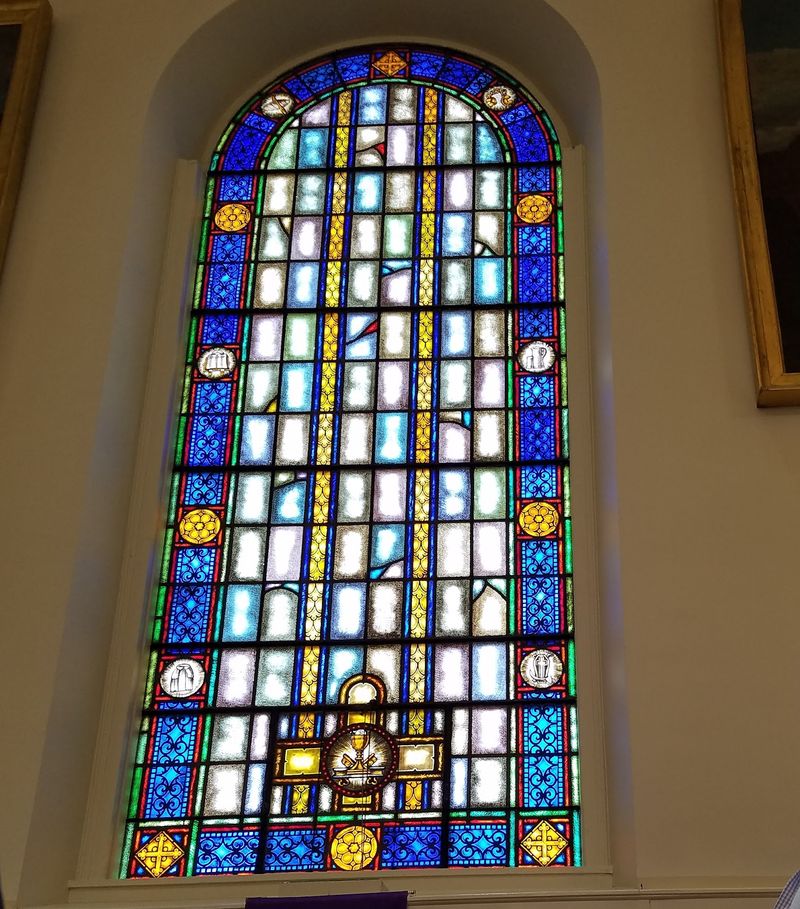
Next, turn your attention to the windows. Vibrant stained glass fills the room with color when sunlight pours through.
Photography is generally welcome, so bring your camera or phone. Just keep a respectful, quiet manner while others pray.
Now for your ears. The basilica boasts an organ with about 3,600 pipes.
When that instrument plays, the sound seems to fill every corner. Visitors attending Mass often praise the music as a highlight.
Here is a small tip. Look up at the organ even when it is silent, because the pipes alone are impressive.
One more treasure has a comeback story. The original cornerstone was lost for years, then rediscovered during restoration work in the 1980s.
Imagine the excitement of that find. A piece of 1816 history popped back into view.
The interior is simpler than some ornate city churches. That calm design lets the art, light, and music shine.
Make A Day Of It In Old Bardstown
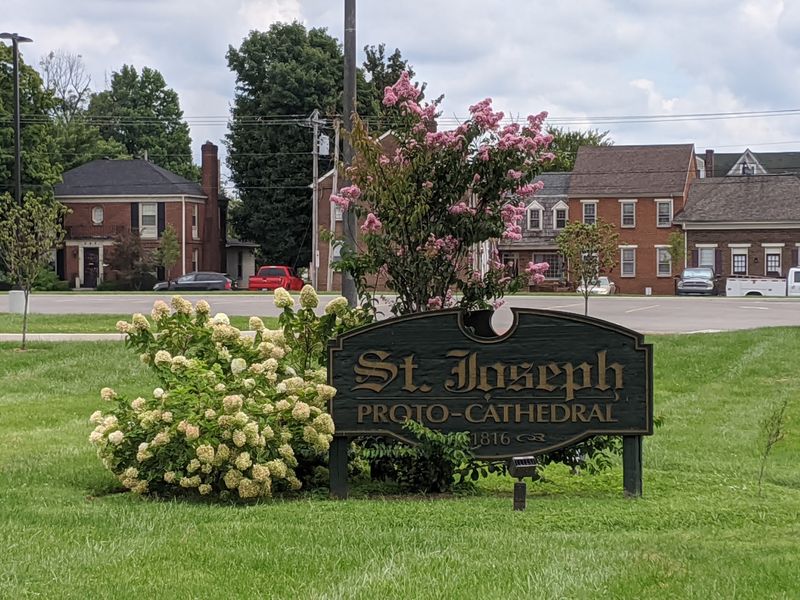
Your visit does not have to end at the church doors. The surrounding town is packed with history worth a stroll.
Bardstown was settled in 1780, making it one of the oldest cities in Kentucky. Its historic district includes 279 structures on the National Register of Historic Places.
It was also the first Kentucky city to adopt historic zoning and preservation rules. That care shows in the tidy, charming streets.
My Old Kentucky Home is close by and makes a lovely next stop. The Old Talbott Tavern building also carries plenty of local history.
Plan to walk when you can. The basilica sits right along West Stephen Foster Avenue, easy to reach from downtown.
Visitors consistently give the basilica glowing marks. Friendly staff and volunteers help make first-timers feel welcome.
If a guided tour is available, grab it. Guides share stories you might miss on your own.
For the full experience, consider attending Mass. Hearing the music and seeing the space in use adds real meaning.
A small church in a small town turns out to hold a very big story. You leave knowing more than you expected.
And you just might start planning a return trip before you reach the car. Frankly, that is the best souvenir.