The Oregon Lake That Offers 125 Miles Of Rugged Shoreline Without A Single Crowd
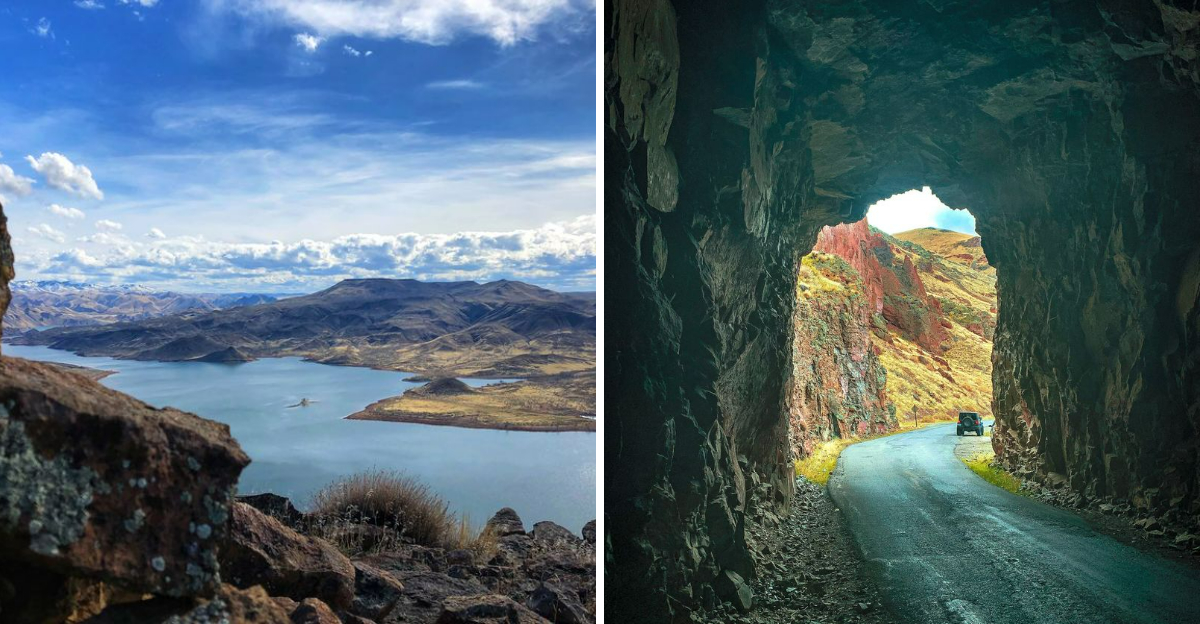
I’ve stood on crowded beaches my whole life, elbow to elbow with strangers just to see the water. This was nothing like that.
I found this lake almost by accident, deep in a desert canyon where the silence felt heavier than usual. The water sat so still it looked painted, and the only sounds came from fish jumping and wind moving through canyon walls.
I counted more birds than people that entire afternoon. Oregon has no shortage of scenic lakes, but this one plays by different rules entirely.
Miles of shoreline stretched out with nobody in sight, no coolers, no crowds, nothing but rock and water. Oregon somehow keeps this place quiet despite its size, and after one visit, I understood exactly why locals want to keep it that way.
A Desert Canyon Holding Oregon’s Longest Lake
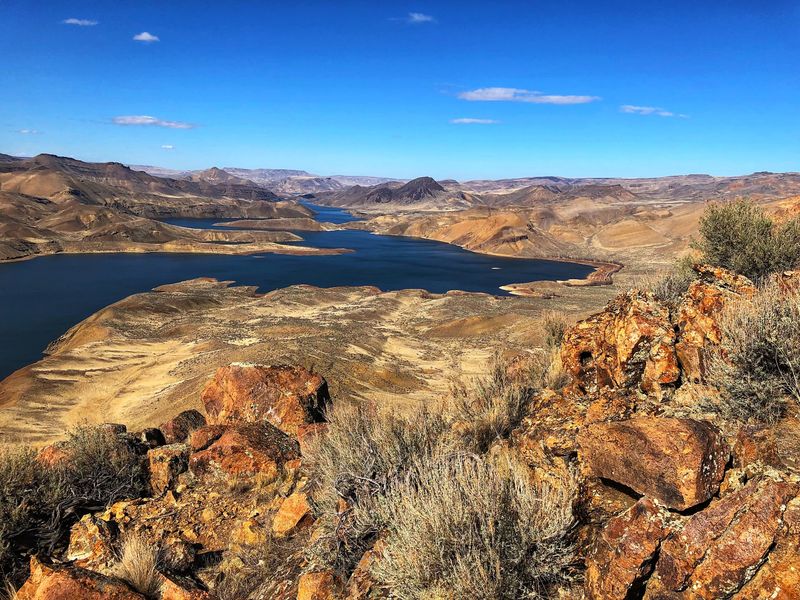
Oregon’s longest lake does not sit among pine trees or ski cabins. It stretches roughly 52 to 53 miles through a dry, dramatic desert canyon in the eastern part of the state.
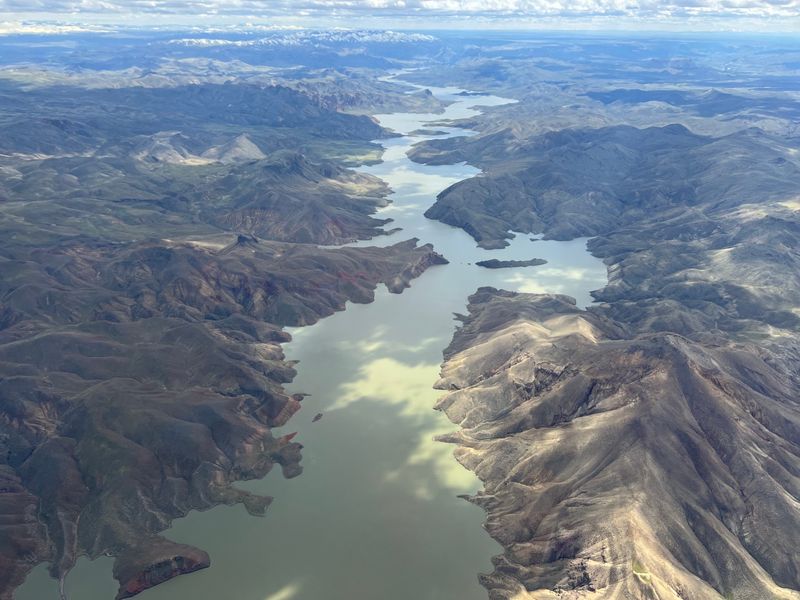
The water winds like a ribbon between steep walls of ancient volcanic rock. From above, it looks less like a lake and more like a river that decided to stay awhile.
What surprised me first was the color contrast. Deep blue water against rust, tan, and cream colored cliffs makes every photo look edited when it is not.
Because the canyon is narrow, the lake never feels wide open or exposed. You always have a rock wall nearby, which gives the whole place a sheltered, private feeling.
Distance matters here in a practical way. A lake this long spreads visitors out until you can go an hour without seeing another human being.
Plan your day around the fact that mileage adds up quickly on water. What looks close on a map may take longer than you expect by boat.
The official address is simply Oregon 97910, which tells you plenty. Welcome to Owyhee Reservoir.
125 Miles Of Shoreline You Mostly Reach By Boat
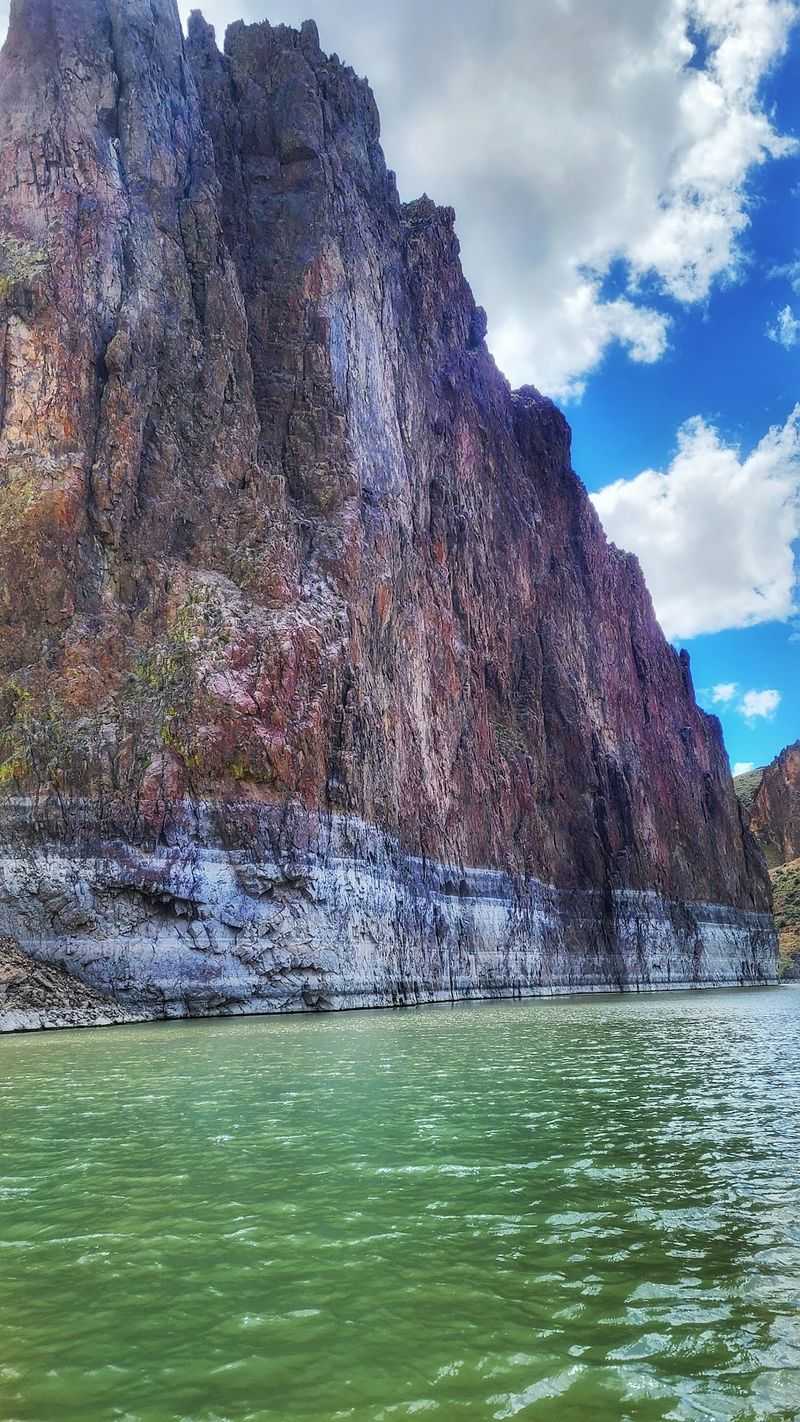
Here is the number that hooked me: 125 miles of shoreline. That is more coastline than some entire coastal counties, packed into one desert canyon.
The catch is access. Steep canyon walls mean much of that shoreline can only be reached by boat, which keeps foot traffic almost nonexistent.
Hidden coves appear around nearly every bend. Some are barely wide enough for one boat, and that is exactly what makes them feel like a private discovery.
A boat changes the entire trip. Without one, you are limited to a small area near the dam, campgrounds, and launch.
If you do bring a boat, watch your fuel and your daylight. Long stretches of water mean long returns, and there are no services waiting mid canyon.
Kayakers and paddleboarders get a different reward. Moving slowly along the base of those walls, you notice layers in the rock that speedboats blur right past.
My advice is simple. Pick one section, explore it well, and save the rest for another visit.
The Dam That Taught Hoover Dam How It Was Done
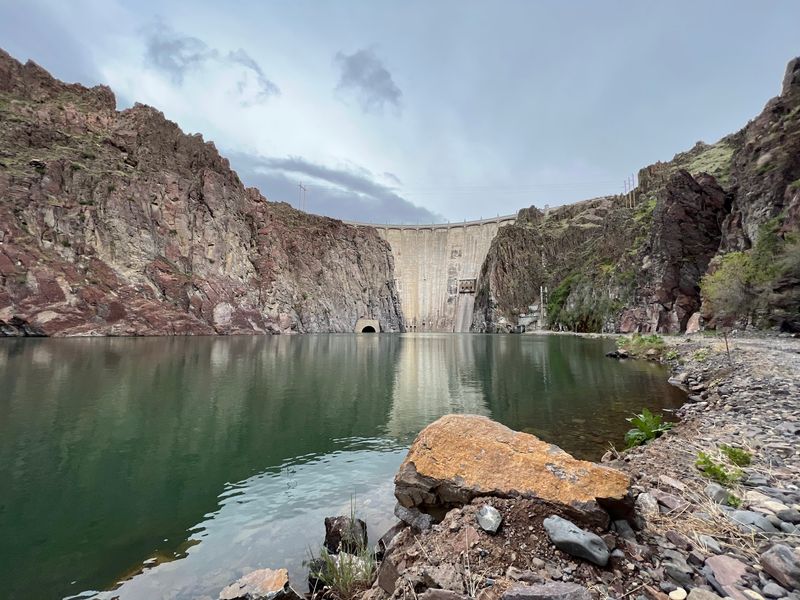
Long before Hoover Dam became famous, engineers were testing ideas out here in the desert. The Owyhee Dam was completed in 1932 and created this entire reservoir.
It served as a prototype for the far more famous Hoover Dam. Standing at its base, that history suddenly feels much bigger than the empty road you drove in on.
The scale is genuinely startling in such a remote spot. A structure this ambitious in a canyon this quiet creates a strange and memorable contrast.
Many visitors treat the dam as their first stop, and it makes sense. Parking, viewpoints, and the boat launch all sit within a short distance.
Take a few minutes to just look at the concrete and the canyon it plugs. Knowing it influenced one of America’s most photographed dams adds real weight to the view.
Photographers should aim for morning or late afternoon. Harsh midday sun flattens the rock colors that make the setting special.
It is one of the few spots here where engineering competes with nature for attention. Both hold up well.
Fishing That Actually Lives Up To The Talk
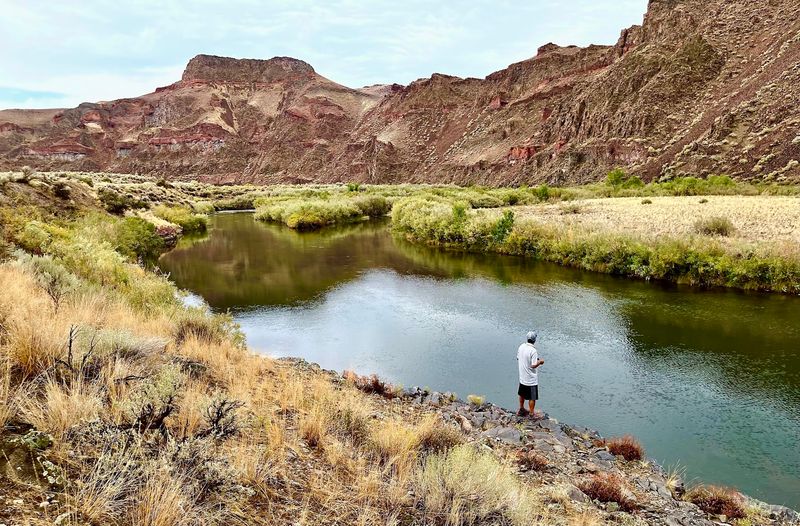
Fishing is the single most mentioned reason people make this drive. Warm water species thrive here, and anglers come back season after season.
Largemouth bass and crappie headline the catch list. The warm water and rocky structure create the kind of habitat bass fishermen daydream about.
What I noticed on the water was the pace. Nobody seemed rushed, and boats spread far enough apart that casting space is never a concern.
Fly fishing has a following here too. The calm morning surface near the dam gives you clean casts and easy visibility.
Bring more tackle than you think you need. There are no shops nearby, so a snapped line can quietly end your afternoon.
Water levels shift through the season, and late summer can run low. Checking conditions before towing a boat saves real frustration.
Early morning and evening produced the most action for the people I saw. Midday heat in the canyon slows both fish and fishermen down considerably.
Leslie Gulch And Its Wildly Colorful Rock
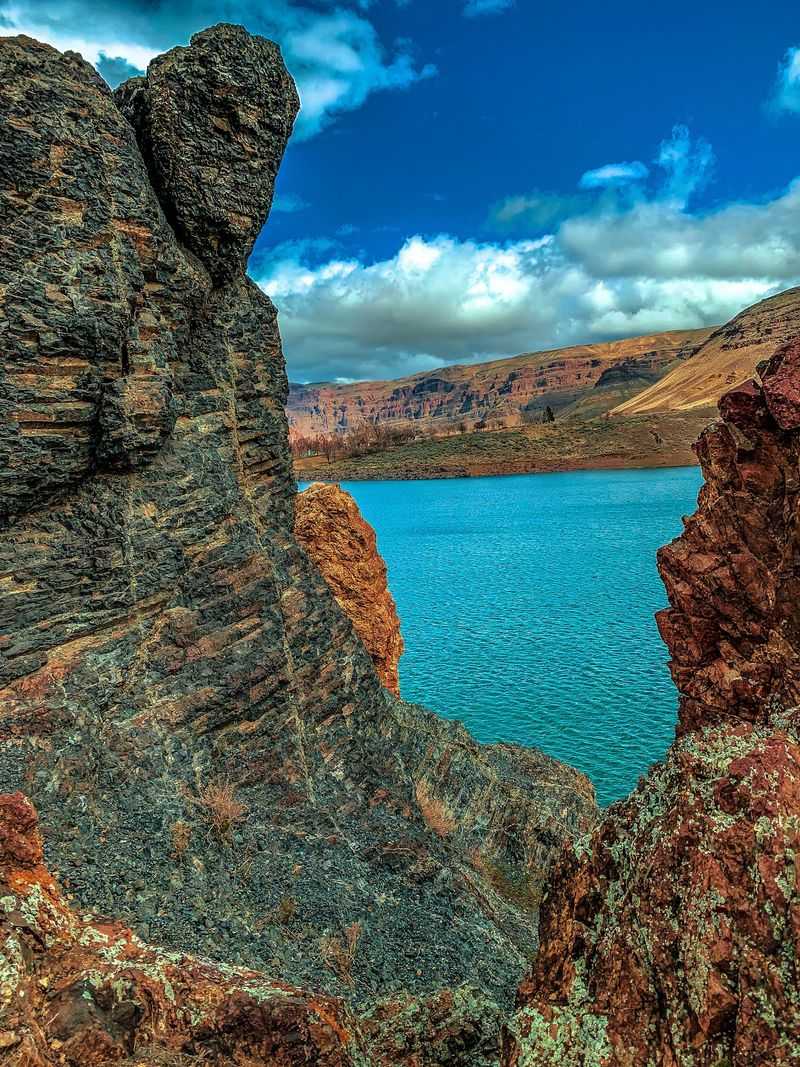
Ask anyone who explores this area and Leslie Gulch comes up fast. The formations there look sculpted by someone with an unusual imagination.
Towers, spires, and honeycombed pockets rise straight from the roadside. The colors range from pale cream to deep orange depending on the hour.
Hiking here does not require technical skill, just water and sturdy shoes. Side canyons branch off the main route and reward anyone willing to wander.
The road in is gravel and narrow in spots. Drive slowly, and give yourself more time than a map suggests.
Even when water levels drop low, the gulch stays worth the trip. Several visitors have said the rock alone justified the drive.
Shade is rare, so timing matters. Morning hikes keep you comfortable and light up the eastern rock faces beautifully.
Pack out everything you bring. Places this untouched stay that way only when visitors treat them carefully.
It became my favorite land based stop of the entire trip.
Bighorn Sheep Eagles And Birds All Around
Wildlife here does not perform for visitors, which somehow makes each sighting better. Bighorn sheep pick their way along cliffs that look impossible.
Golden eagles ride the thermals above the canyon. Watching one circle without flapping is a quiet thrill you cannot schedule.
Bird watching is a legitimate reason to visit. The mix of water and desert habitat attracts species you rarely see side by side.
Binoculars earn their space in your bag. Distances in the canyon are deceiving, and details vanish without a little magnification.
Scan the upper rock ledges rather than the shoreline for sheep. They favor high ground where predators struggle to follow.
Keep noise down if you want sightings. Sound travels far across still water and carries up canyon walls easily.
Dawn and dusk are the productive windows. Animals move when the temperature drops, and so should your camera.
Never approach or feed wildlife. Watching from a distance keeps both you and the animals comfortable.
Camping Where The Stars Do The Entertaining
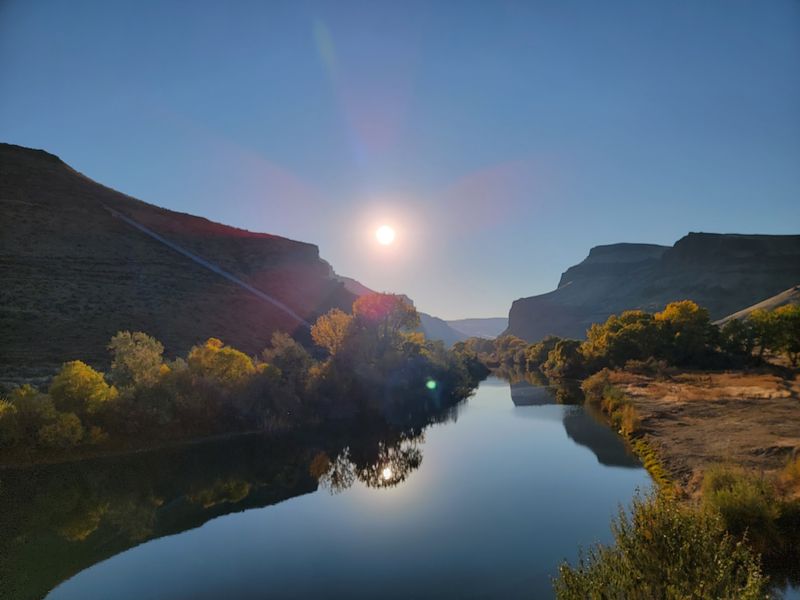
Night out here delivers something cities cannot fake. With almost no light pollution, the sky fills in completely.
Two campgrounds sit a short distance from each other near the dam. Lake Owyhee State Park provides additional options for overnight stays.
Sites are simple rather than fancy. Restrooms exist, and picnic tables make lunch easy, but nobody comes here for luxury.
Wind can pick up dramatically after dark. Visitors have reported gusts near 35 miles per hour, so stake your tent properly.
Reservations and season dates change, so verify before you load the car. Arriving to a closed gate after a long drive is no fun.
Bring your own shade if you are tent camping in summer. Trees are limited and afternoon sun in the canyon is direct.
Firewood, ice, and groceries should come with you. Stores are far away, and the nearest options may be closed when you pass.
Sleeping beside water this calm is genuinely restful.
One Lane Roads And A Tunnel Worth The Drive
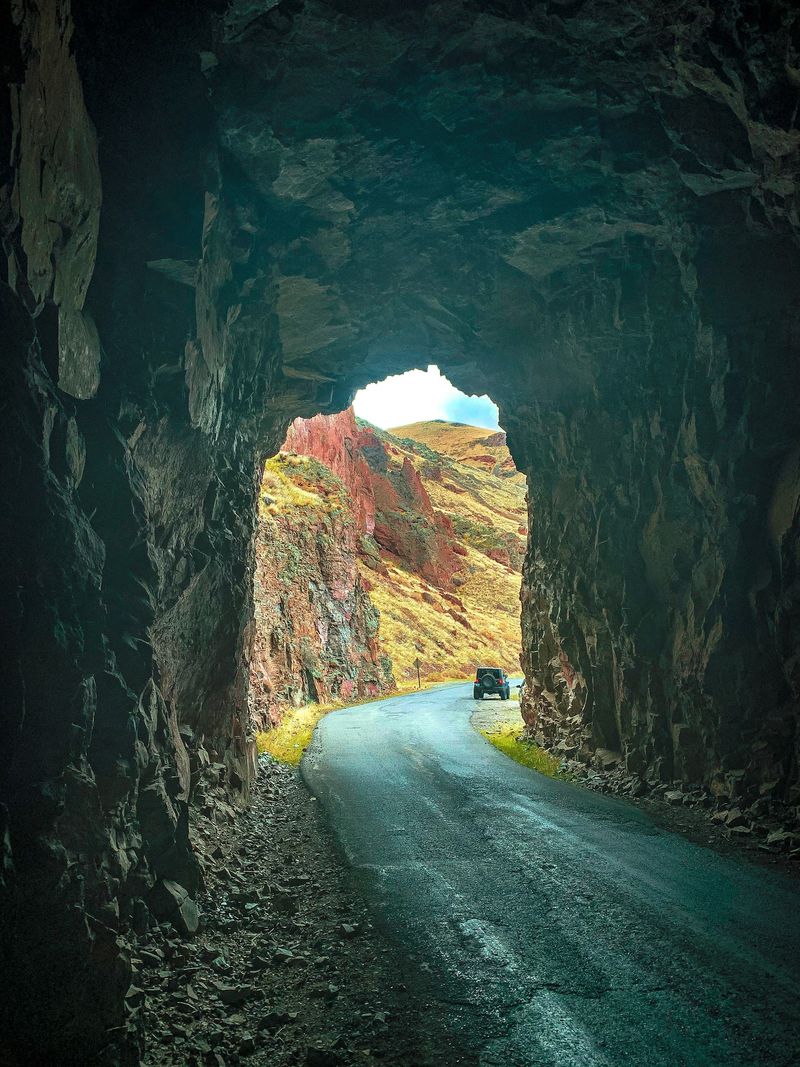
Getting here is part of the story, not just the commute. The road up the canyon to the dam narrows to one lane with turnouts.
Towing a trailer requires patience and full attention. Take the turnouts, use your horn on blind curves, and let faster drivers pass.
A rock tunnel along the route has become a favorite stop. Driving through it feels like passing through a doorway into a different world.
Signage is inconsistent in places. Where warnings exist they are clear, but do not count on a sign at every turn.
Fill your gas tank before you commit to the final stretch. Fuel stations do not appear once you enter the canyon.
Several routes lead into the area, and each offers different scenery. Ask about current road conditions if rain has been recent.
Maintenance crews clearly take pride in the area. Roads and facilities felt cared for during my visit.
Drive slowly and the approach becomes a highlight.
No Cell Service, No Crowds, No Complaints
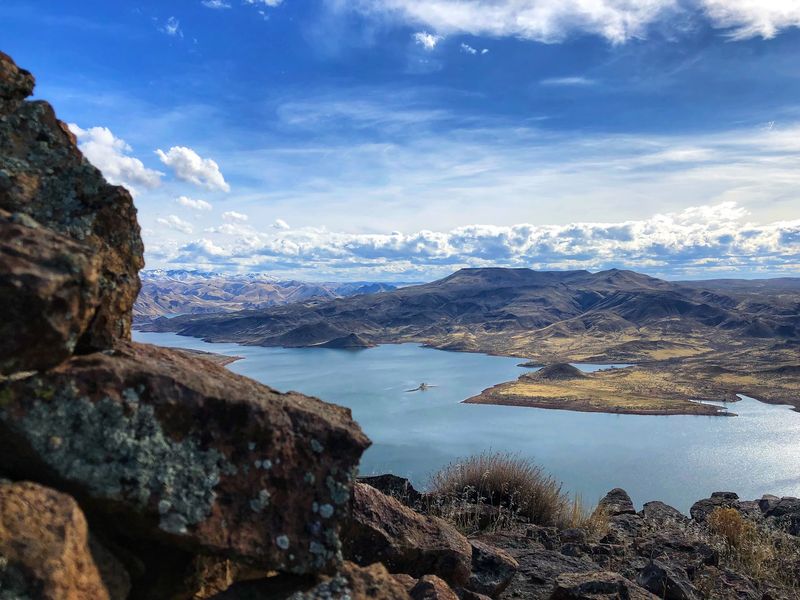
Cell service disappears here, and honestly that is the main attraction. No pings, no scrolling, just wind and water.
There are no dining spots or gas stations along the shoreline. What you bring is what you have, which sharpens your packing skills fast.
Even on a Fourth of July weekend, visitors have described the place as quiet. More anglers than boats, and plenty of open water.
Download maps before you lose signal. Written directions and a paper map are smart backups in country like this.
Tell someone your plan and expected return time. Remote beauty deserves a little extra preparation.
Pack extra water, food, and sun protection. The desert does not negotiate about heat.
Floating here on warm water with scenery in every direction ranks among the calmest afternoons I have had anywhere.