The Overlooked California Town Where Retirement Dreams Start Around $300,000
Retirement talk gets more interesting when the price tag stops shouting.
A smaller town changes the conversation fast. Budgets feel less dramatic. Mornings sound quieter.
A home around $300,000 can make a California retirement plan feel surprisingly real again.
Big coastal prices get all the attention, but overlooked towns can tell a much calmer story.
Daily life feels easier when the pace slows down and the math stops looking impossible.
A place like this offers more than affordability. It offers breathing room.
Local shops and a gentler routine can make retirement feel less like a financial puzzle and more like an actual next chapter.
For anyone tired of sticker shock, that alone is worth a second look.
Housing Costs That Actually Make Sense For Retirees
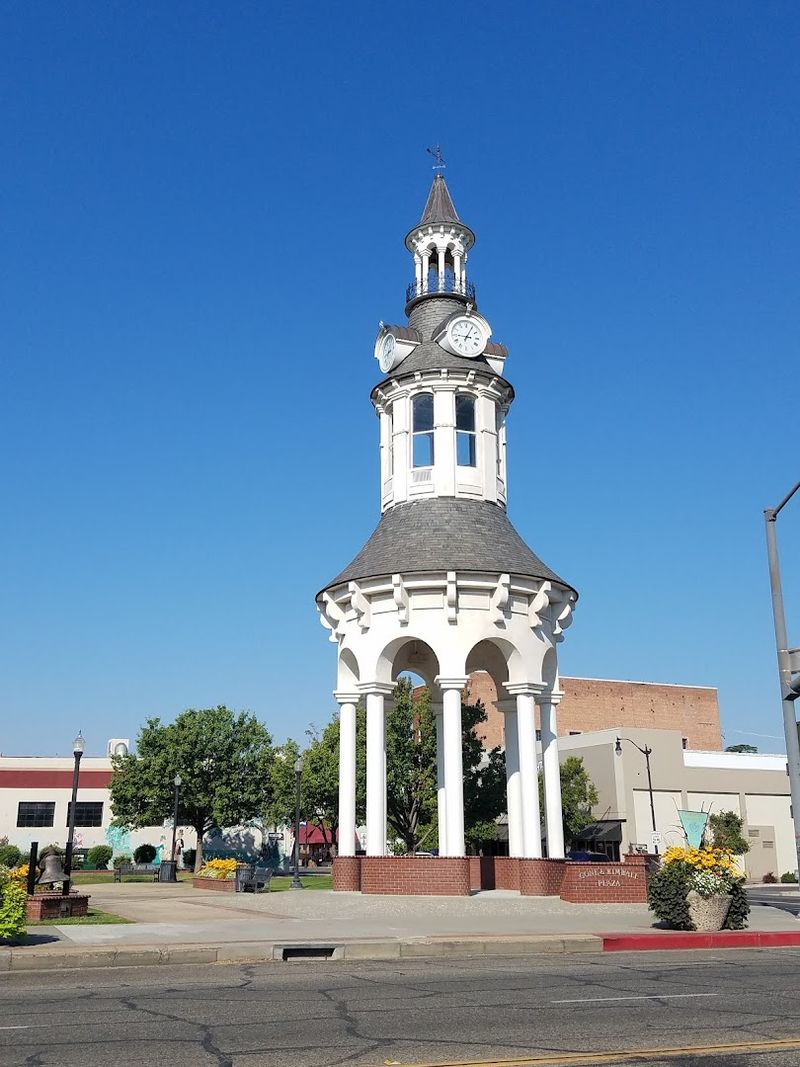
Finding a home under $400,000 in California sounds like a punchline, but Red Bluff is genuinely changing that conversation.
Zillow data from April 2026 shows an average home value of $316,294, and multiple listings have shown 3-bedroom homes available at or below $300,000.
That kind of pricing creates real breathing room for retirees working with fixed incomes or limited savings.
Realtor.com places the median listing price closer to $399,500, which reflects the full market range rather than just entry-level options.
The gap between these figures tells a useful story: there are affordable homes available, but the market also has higher-end inventory for buyers who want more space or newer construction.
Housing costs in Red Bluff are considered lower than the national average, which makes the monthly financial picture much more manageable.
A retiree selling a coastal California home could potentially purchase a Red Bluff property outright and still have significant equity left over.
That kind of financial flexibility is hard to find anywhere else in the state, and it makes the town worth serious consideration for anyone planning their next chapter.
A Cost Of Living That Quietly Outperforms The State Average
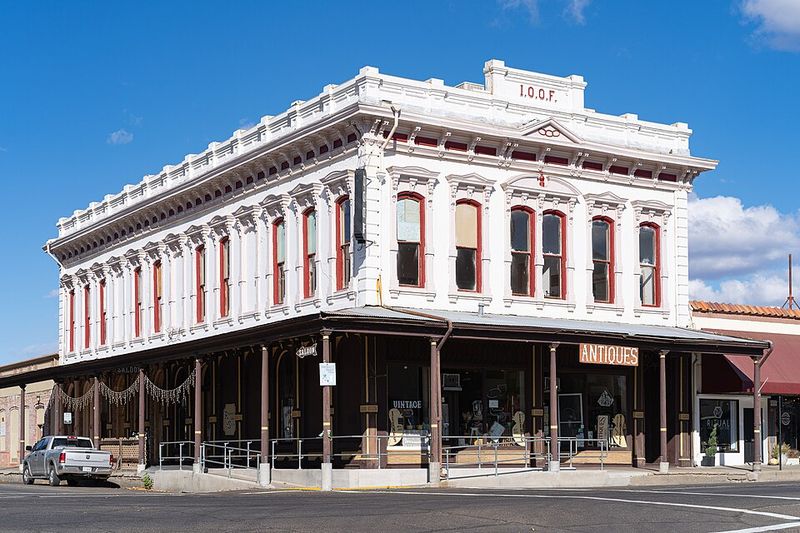
Most California cities come with a financial weight that retirees feel almost immediately, from groceries to utilities to everyday services.
Red Bluff operates differently, with ERI cost-of-living data describing it as much less expensive than the average California city and slightly below the national average overall.
That combination is genuinely rare for any town within state borders.
Utilities tend to run about 12 percent higher than the national average, which is worth factoring into a monthly budget.
Food expenses also trend slightly higher at around 10.7 percent above average, likely reflecting the town’s distance from major distribution hubs.
Still, these increases are offset considerably by the savings on housing and general services.
Everyday life in a smaller Northern California town tends to move at a slower pace, and that pace has real financial benefits.
Fewer entertainment venues and a quieter social scene often mean less spontaneous spending, which adds up over time.
For retirees on a structured budget, the overall cost profile of Red Bluff could allow for a more comfortable and less financially stressful lifestyle than most California alternatives can offer.
Rent Options That Keep Flexibility On The Table
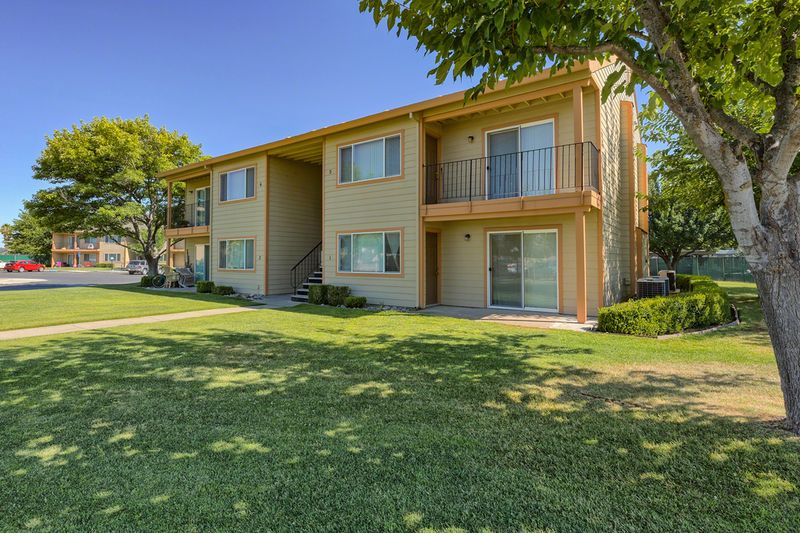
Not every retiree arrives in a new town ready to buy, and Red Bluff gives renters a reasonable starting point.
Apartments.com data from May 2026 shows average rent around $1,195 per month, which is a figure that would be laughably low in most California cities.
Zillow’s rent data also places Red Bluff below the national average, adding further support to the affordability angle.
Renting first allows retirees to experience the town through different seasons before committing to a purchase.
Summers in Red Bluff run hot, and winters are mild but occasionally rainy, so spending a year as a renter can help set realistic expectations.
That kind of test-drive approach is especially valuable for people relocating from coastal areas with very different climates.
The rental market also serves retirees who prefer to keep their capital liquid rather than tied up in property.
Monthly costs at this level leave room for travel, healthcare expenses, and leisure without creating financial pressure.
Whether someone is transitioning between homes or simply prefers the flexibility of renting, the options available here tend to be far more accessible than what most of California can offer at this price point.
Senior Living Communities With Real Care Options Nearby
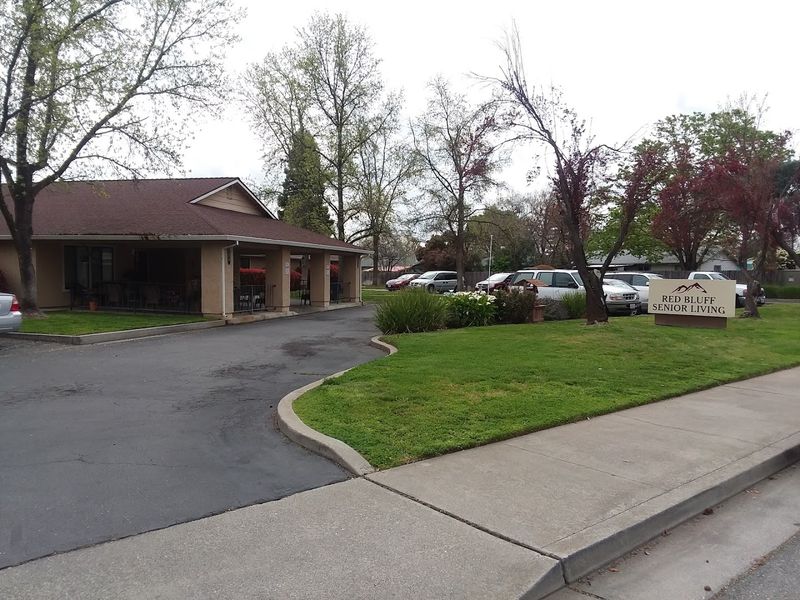
Planning for retirement means thinking beyond the first few years, and Red Bluff has options for retirees who want care resources close by.
Lassen House Senior Living is one local example, offering assisted living and memory care services within the community.
Having that kind of specialized support available locally removes a significant logistical burden for both retirees and their families.
Memory care in particular requires consistent staffing and specialized environments, and having it available locally means retirees do not need to plan for a major relocation if their care needs change over time.
Beyond a single facility, the broader availability of senior living communities in the area suggests that the local infrastructure recognizes and supports an aging population.
For retirees who want to age in place within one community rather than moving multiple times, having these options within the same small town is genuinely practical.
It transforms Red Bluff from just an affordable place to retire into a place where the full arc of retirement could realistically be supported.
The Sacramento River And Outdoor Access Right At The Doorstep
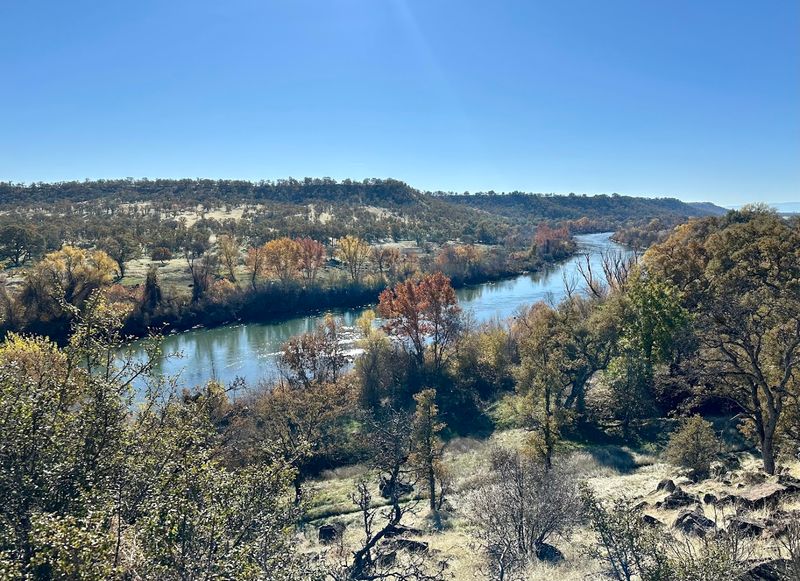
Retirement living along a river has a rhythm that is hard to replicate anywhere else, and the upper Sacramento River gives Red Bluff that quality naturally.
Fishing, kayaking, and quiet riverside walks are all accessible without driving far, which matters for retirees who want low-effort outdoor activity built into daily life.
The river corridor also supports local wildlife, making it a genuinely interesting place to spend an afternoon.
The Sacramento River Discovery Center offers educational exhibits and nature trails for those who want a more structured outdoor experience.
Located along the river, it provides context for the ecosystem that surrounds the town and gives retirees a place to spend a few hours that feels both relaxing and engaging.
Trail access near the center allows for gentle walking at a comfortable pace.
Beyond the river itself, the surrounding landscape opens up quickly into open countryside and foothills.
Biking paths and walking trails connect parts of the town to natural areas that feel far removed from urban life.
Lassen Volcanic National Park As A Nearby Weekend Escape
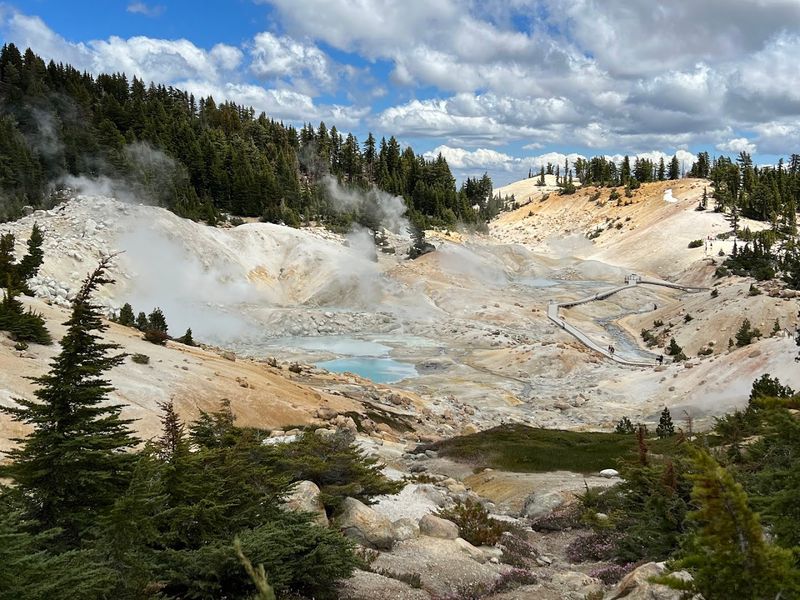
Having a national park within reasonable driving distance adds a dimension to retirement living that most suburban areas simply cannot offer.
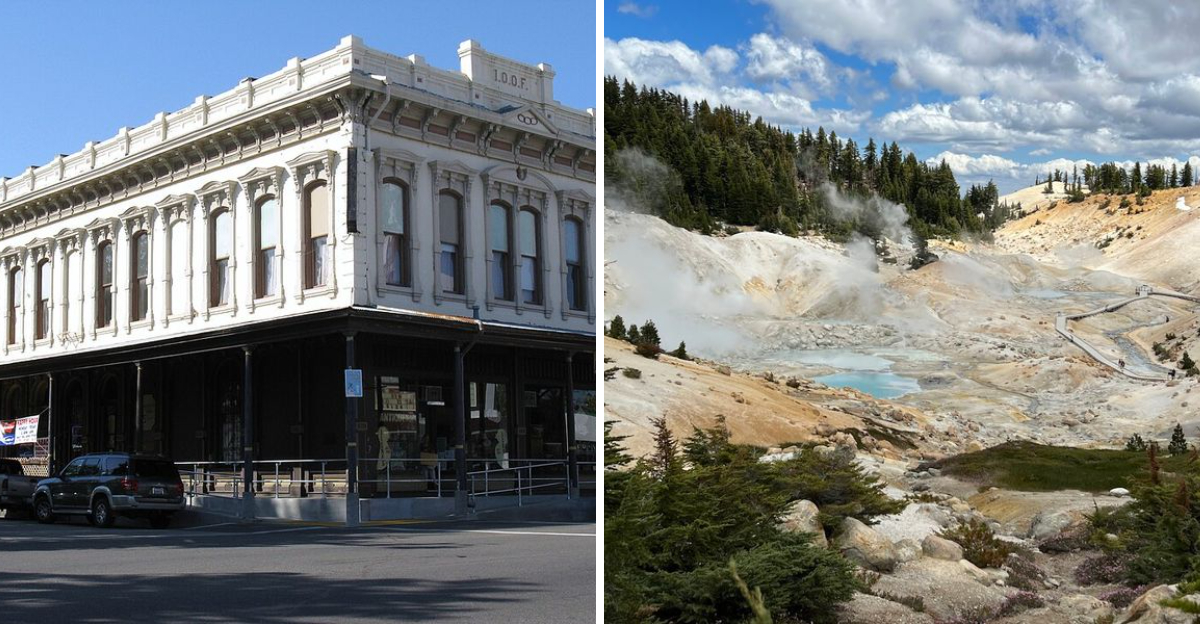
Lassen Volcanic National Park sits within reach of Red Bluff and provides a dramatically different landscape from the river valley below, with volcanic peaks, hydrothermal areas, and alpine lakes spread across its terrain.
Day trips there can feel like entering a completely different world.
The park offers hiking trails across a wide range of difficulty levels, which makes it accessible for retirees with varying mobility and fitness.
Some trails are short and relatively flat, while others climb to higher elevations with broader views.
Scenic drives through the park are also an option for those who prefer to experience the landscape from a vehicle rather than on foot.
Visiting on weekdays tends to mean smaller crowds and a quieter atmosphere, which suits the pace that many retirees prefer.
The park’s seasonal access varies, with higher elevations typically closed by snow through winter and early spring.
Planning visits for late spring through early fall tends to offer the most reliable access and the most comfortable temperatures.
A Historic Downtown That Feels Like A Real Community
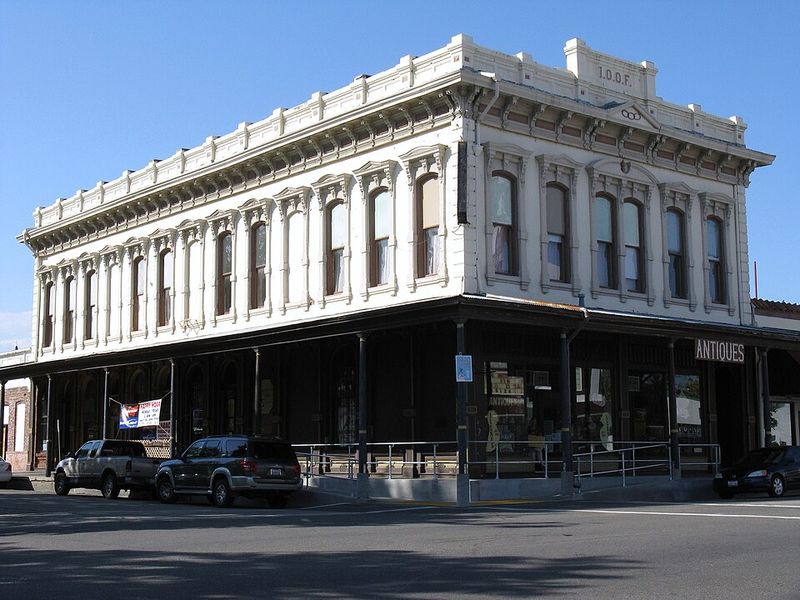
Downtown Red Bluff carries the kind of character that newer planned communities spend millions trying to manufacture.
The historic storefronts along the main corridor reflect the town’s roots as a Northern California river town, and local shops and restaurants give it an active, lived-in quality.
Walking through downtown on a weekday feels unhurried in a way that urban retirees often describe as deeply welcome.
Local dining options and small businesses contribute to a sense of self-sufficiency that matters when living in a smaller community.
Retirees who value supporting local economies tend to find that smaller towns like this one make that easier, since chain saturation is lower and independent businesses make up a larger share of daily life.
The result is a commercial district that feels personal rather than generic.
Annual events such as the Red Bluff Round-Up rodeo bring the community together in a way that reflects the town’s Western heritage and agricultural roots.
Cultural sites like the Kelly-Griggs House Museum and William B. Ide Adobe State Historic Park add historical depth for those who enjoy learning about the region they call home.
Healthcare Access And County Services Support Daily Life
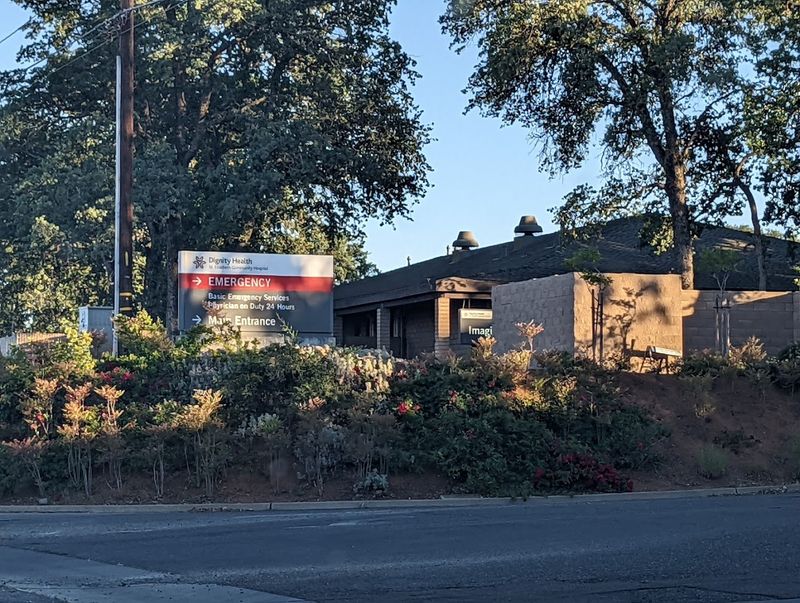
Access to reliable healthcare is often the deciding factor for retirees choosing between similarly priced towns, and Red Bluff holds a meaningful advantage as the county seat of Tehama County.
Being the county seat means the town concentrates government services, administrative offices, and civic infrastructure in a way that smaller towns nearby simply do not.
That concentration translates into more consistent access to the services retirees depend on regularly.
St. Elizabeth Community Hospital serves the local healthcare needs of the community and provides a level of medical access that many rural Northern California towns lack entirely.
Having a hospital within the town rather than a significant drive away changes the practical calculus for retirees managing ongoing health conditions or simply planning for emergencies.
Proximity to care tends to be a quiet but significant factor in retirement quality of life.
The broader range of county services available in Red Bluff also includes social programs and support networks that tend to develop more fully in county seats than in smaller surrounding communities.
For retirees who may eventually need assistance navigating benefits, transportation, or community programs, having those resources centralized locally reduces friction considerably.
The combination of healthcare access and county-level services makes Red Bluff a more practical long-term retirement base than its modest size might initially suggest.