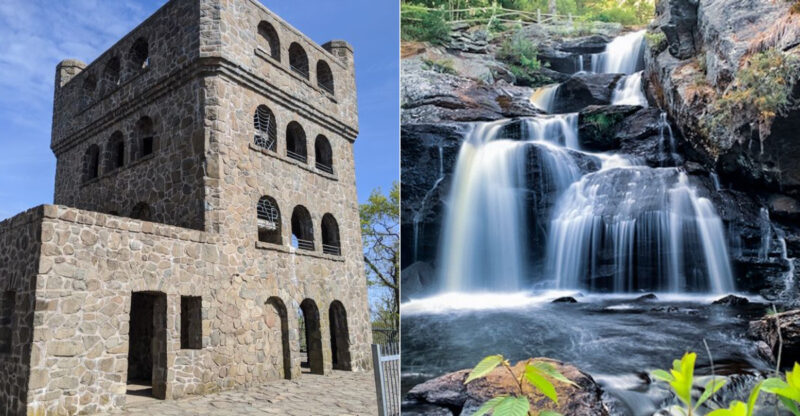
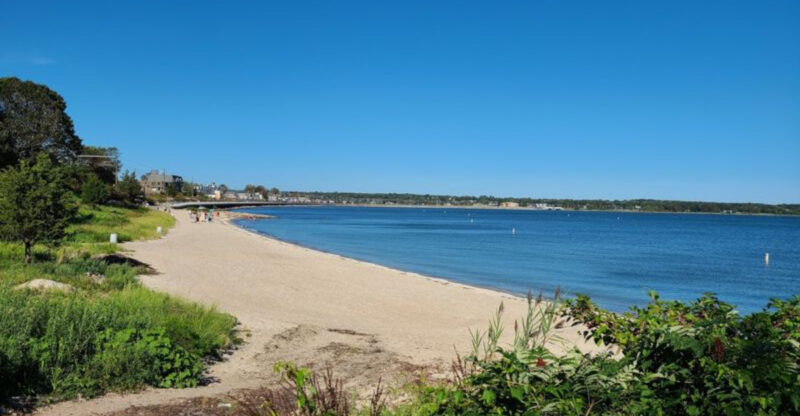
The Overlooked 1,245-Acre Connecticut State Forest Where The Crowds Seem A World Away
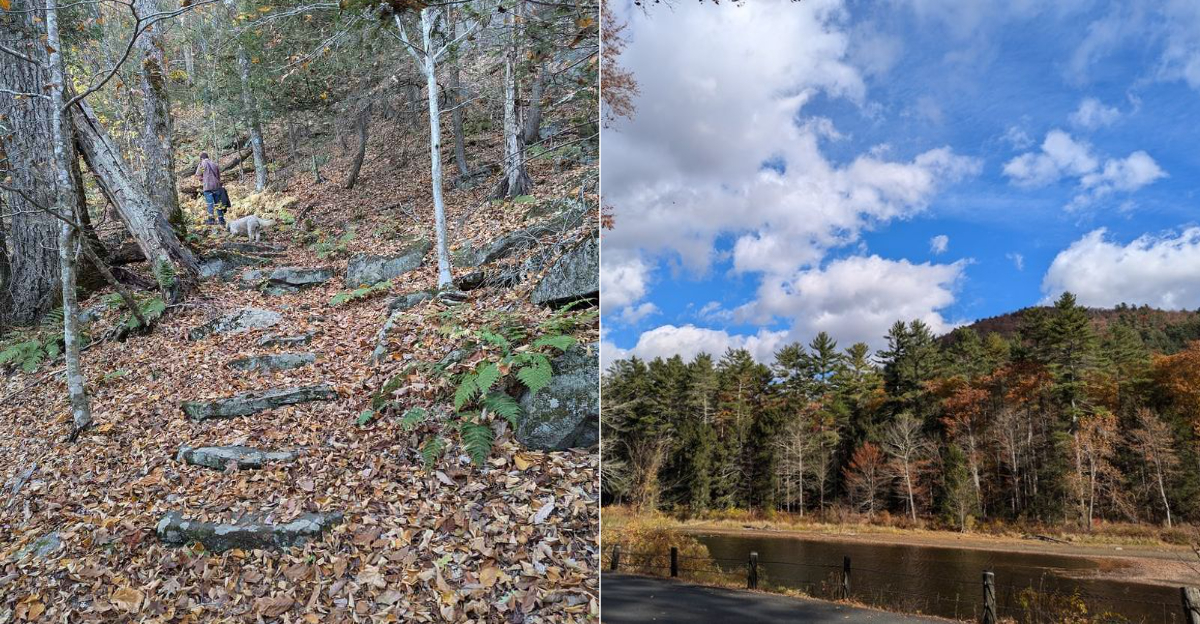
Some forests feel bigger than the map suggests, especially when the road noise fades and the trees seem to take over.
This one spreads across 1,245 acres, with rugged slopes giving the landscape a wilder mood than you might expect. The West Branch of the Farmington River runs nearby, adding a cool, quiet edge to the scenery.
For anyone craving breathing room, this Connecticut state forest offers a peaceful escape where the crowds can feel far away.
The trails make it easy to settle into that slower rhythm. You can follow the woods for a while and let the rest of the day become pleasantly unimportant.
There is history here too, but it never overwhelms the outdoor experience. The forest still feels like a place made for wandering first.
That may be why it sticks with you.
It is surprisingly easy to forget how close you are to ordinary life when the trees start closing in.
1. More Than A Thousand Acres Of Quiet
Numbers do not always tell you much about a forest, but 1,245 acres is a helpful place to start. That is enough land to walk for hours in Barkhamsted’s Pleasant Valley area without bumping into a parking lot, a snack stand, or a line of any kind.
The story behind those acres is genuinely charming. In 1927, the American Legion donated the first 213 acres with a specific goal in mind: to create a working example of good forest management.
The idea came from the carefully tended European woodlands that American soldiers had seen during World War I.
What began as a demonstration project grew into something much larger. During the 1930s, the Civilian Conservation Corps went to work here, building trails and infrastructure that hikers still use today.
You can sense that layered history in the stonework and the way certain paths seem thoughtfully cut into the hillsides.
Today the forest sits under the care of the Connecticut Department of Energy and Environmental Protection. It remains a genuine under-the-radar spot, the kind of place where the rustle of leaves and the murmur of the river handle most of the noise.
Quiet is the main attraction, and it is delivered generously.
2. River Views Without The Big Crowds
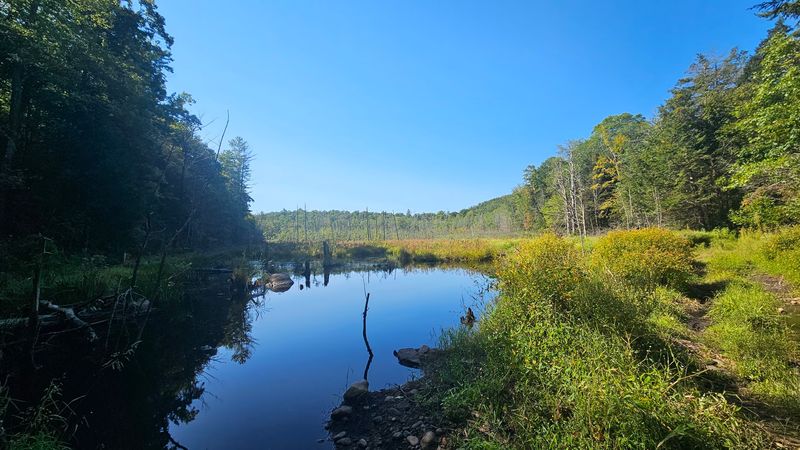
Riverfront parks in New England tend to come with a crowd, a soundtrack, and a scramble for parking. That is not the situation along this stretch of the West Branch of the Farmington River, which forms the forest’s constant companion and its most photogenic feature.
The West Branch carries a National Wild and Scenic River designation, a federal recognition given for exceptional natural and recreational value. Standing beside it, that label makes sense.
Water slides over stones, bends around wooded curves, and keeps up a steady sound that seems to lower your shoulders by an inch.
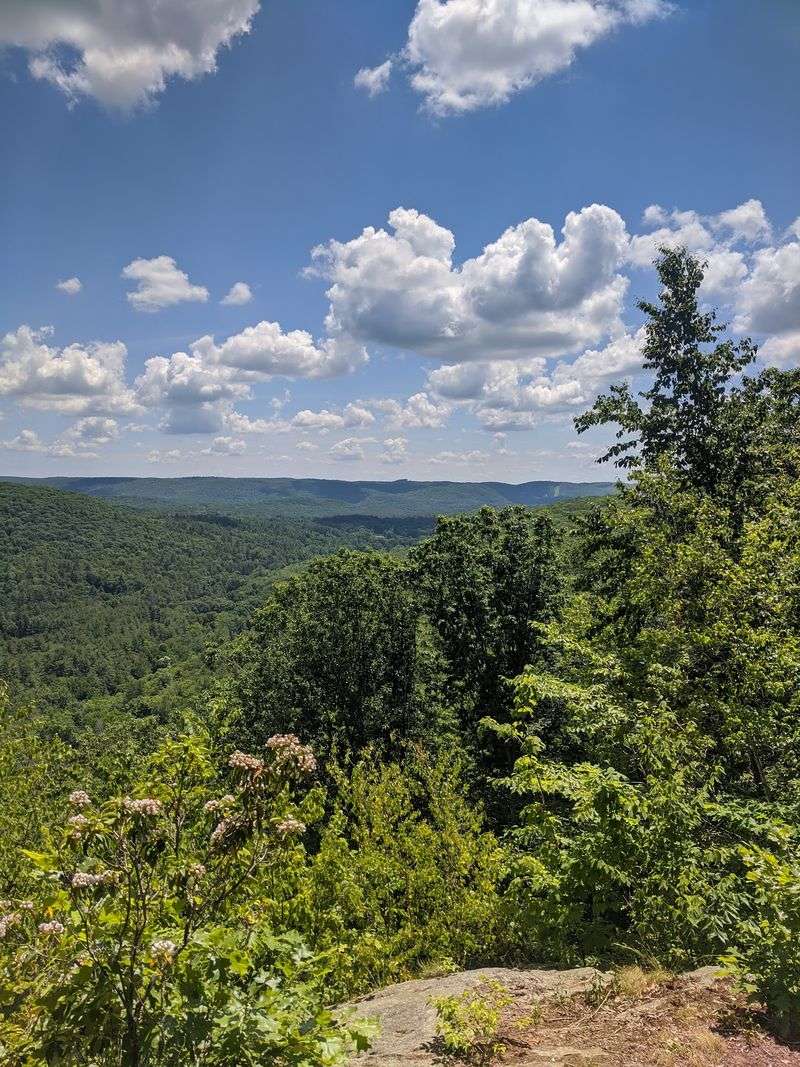
Because the terrain here is rugged and rises sharply from the water, the forest hands out elevated views as a bonus. Climb a bit and the valley opens up in front of you, with the river threading through and ridgelines stacking up beyond.
The practical upside of being overlooked is simple. Finding your own vantage point rarely takes effort, whether you want a flat rock near the bank or a shaded overlook higher up.
Bring something to sit on, give yourself twenty unhurried minutes, and let the current do the entertaining. Few free activities in the state deliver this much calm.
3. Rocky Trails And Deep Woods
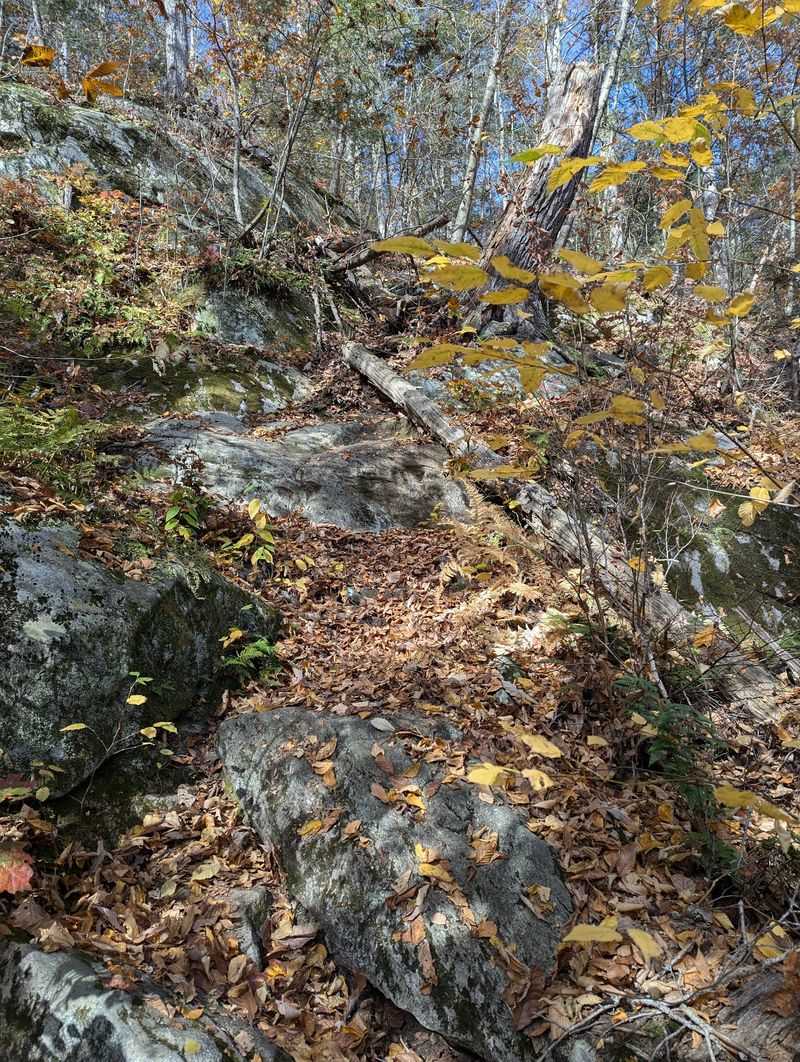
Sturdy shoes matter here. The hillsides inside American Legion State Forest are steep and stony, and hikers routinely mention how much rock and root the footing involves, especially in fall when fallen leaves hide what is underneath.
The reward for that effort is a forest with real depth to it. Towering hemlock and white pine create shaded corridors where the temperature drops noticeably and the light turns green and dim.
Mature woods like these feel older and heavier than the average trailside scenery.
Wildlife takes advantage of the cover. Deer move through the understory, songbirds work the canopy, and a fox occasionally slips across a path before you can reach for your phone.
Moving slowly and pausing often improves your odds considerably.
Trail options extend well past the forest boundary. American Legion connects into a roughly 14-mile network shared with neighboring Peoples State Forest across the river, so ambitious walkers can build a much longer day out of it.
Within American Legion itself, the choices range from moderate woodland strolls to genuinely strenuous climbs.
One honest note from experience shared by hikers: technical terrain slows you down. Plan for extra time even on short mileage, and carry water accordingly.
4. Old Mill Ruins Along The Way
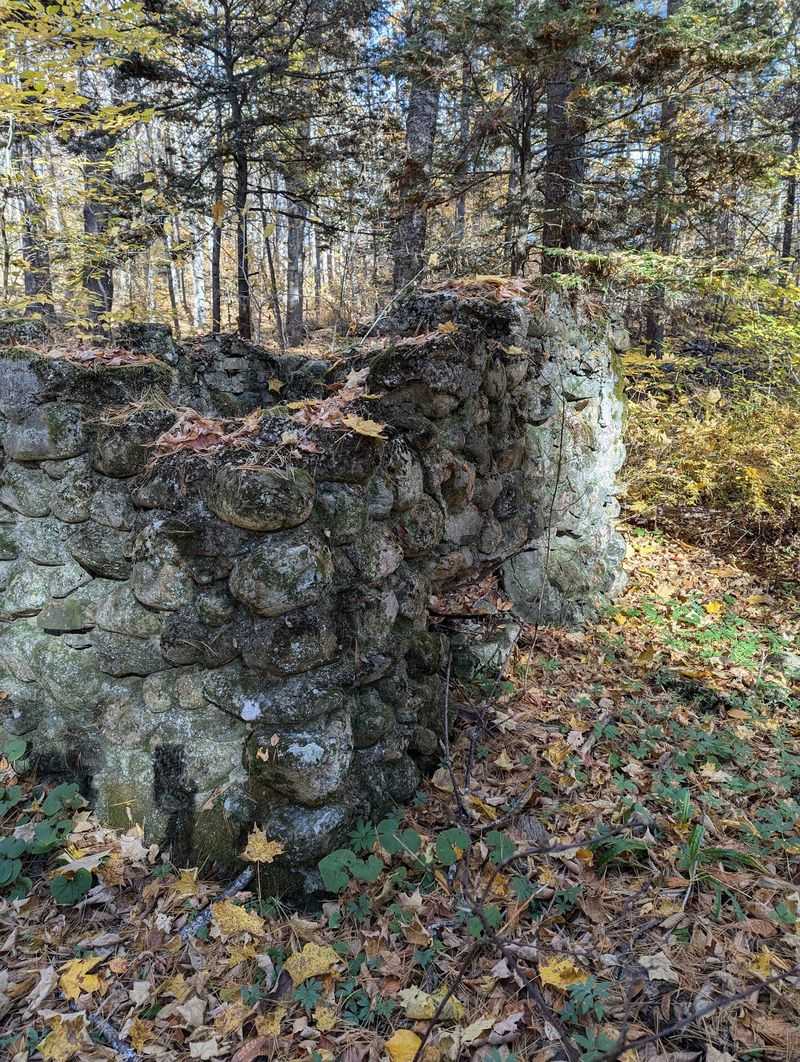
Halfway through a hike here, the woods hand you a history lesson. Stone foundations appear beside the trail, low and moss-covered, and suddenly the forest stops feeling untouched.
The most notable ruins belong to a cheese box mill dating to the early 1800s, found along the Henry Buck Trail. Cheese boxes were the round wooden containers used to ship cheese, and making them required water power, timber, and a lot of labor.
What remains today is stonework and foundations, enough to sketch the outline of a busy little operation.
Slightly upstream sits another piece of the puzzle: the remains of the power dam that once fed the mill. Seeing both together makes the engineering legible, even to a casual visitor.
Water was captured, directed, and put to work.
Pausing at these sites changes the pace of a walk in a good way. Kids in particular tend to slow down and start asking questions, which is more than most playgrounds accomplish.
The wider region carries similar traces, including a former soapstone quarry and the site known as the Barkhamsted Lighthouse. History runs deep in this corner of the state, and much of it is written in stone.
5. Henry Buck Trail Is A Standout
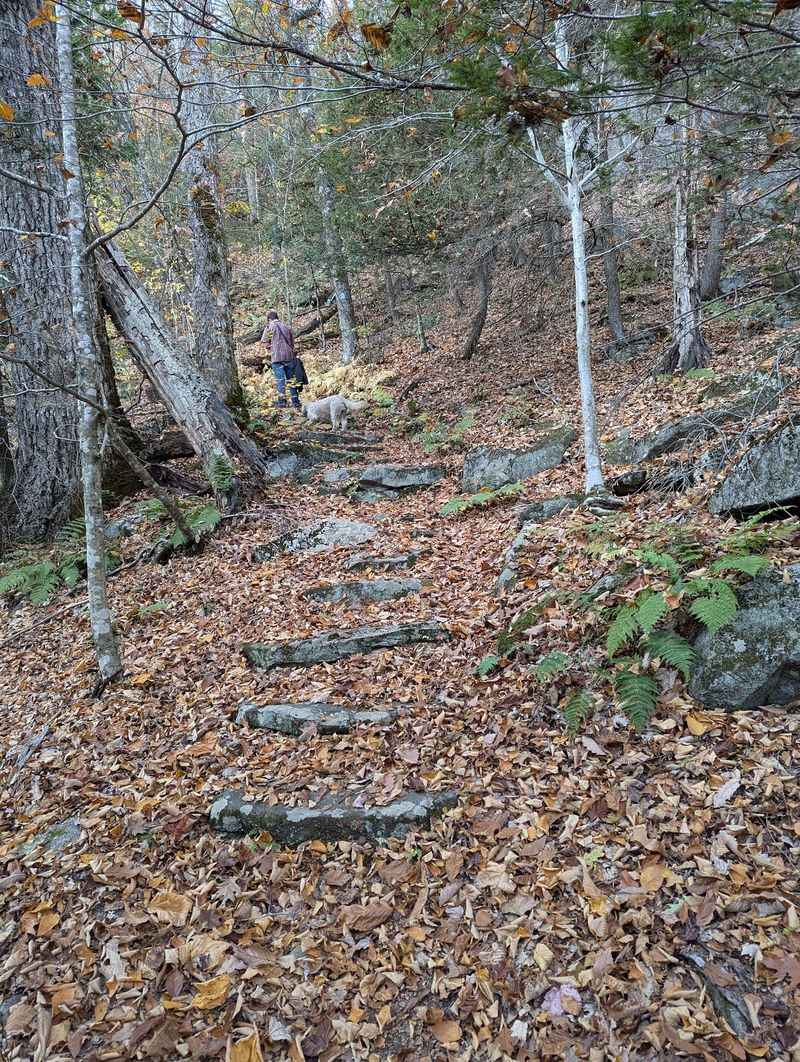
If the forest has a signature route, this blue-blazed path is it. The Henry Buck Trail runs roughly 1.8 miles, though listed distances vary slightly depending on the source, and it packs a surprising amount into that short span.
Difficulty lands somewhere between moderate and hard. Steep, rocky inclines make up much of the climb, so decent fitness and good balance help.
There is also a narrow ledge section, about eight feet across, that asks for a bit of care and attention.
Timing your visit well pays off. From late April into early May, dozens of wildflower species bloom across the forest floor, turning the mature woods into something colorful and briefly showy.
Higher up, rock formations grow more dramatic and the trail delivers views down into the river valley. The ascent toward the area known as the Tremendous Cliffs provides the most rewarding overlooks on the route.
Access begins at the old bridge site on West River Road, roughly 2.5 miles north of Pleasant Valley. Give yourself more time than the mileage suggests, bring water, and skip it after heavy rain or during icy stretches when the rock gets slick.
6. Camping Close To The Farmington River
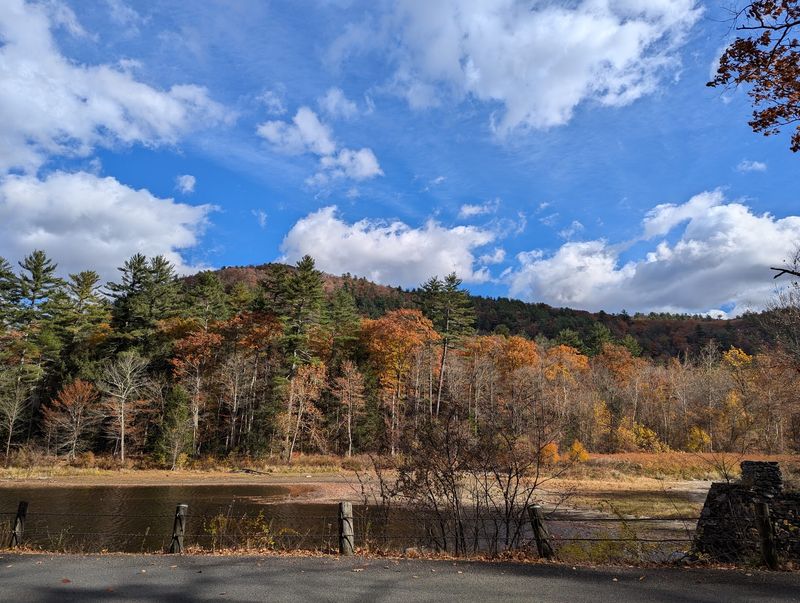
Waking up to river sound instead of traffic is the main selling point at Austin F. Hawes Memorial Campground, which sits among pine woods right along the Farmington River.
The layout keeps things comfortable rather than crowded. There are 30 campsites, each with a picnic table, fire ring, and grate, plus six rustic cabins for anyone who prefers walls to canvas.
RV travelers can be accommodated with vehicles up to 35 feet.
Amenities cover the basics well: restrooms, hot showers, and a laundry facility. Two accessible campsites are available by reservation, and pets are welcome in the camping area with a limit of one pet per site.
Season typically runs from mid-April through Columbus Day, with rustic camping sometimes offered outside those dates. Visitors consistently praise how clean and well maintained the grounds and shower buildings are, and how private many of the sites feel.
A few packing notes worth knowing: cabins are simple, so bring your own bedding and blankets. Sites nearer the river tend to be quieter than those closer to the road.
You will find the forest at 110 North River Road, Barkhamsted, CT 06063, an easy address to plug in before you lose cell service.
7. Fishing, Canoeing, And Slow Afternoons
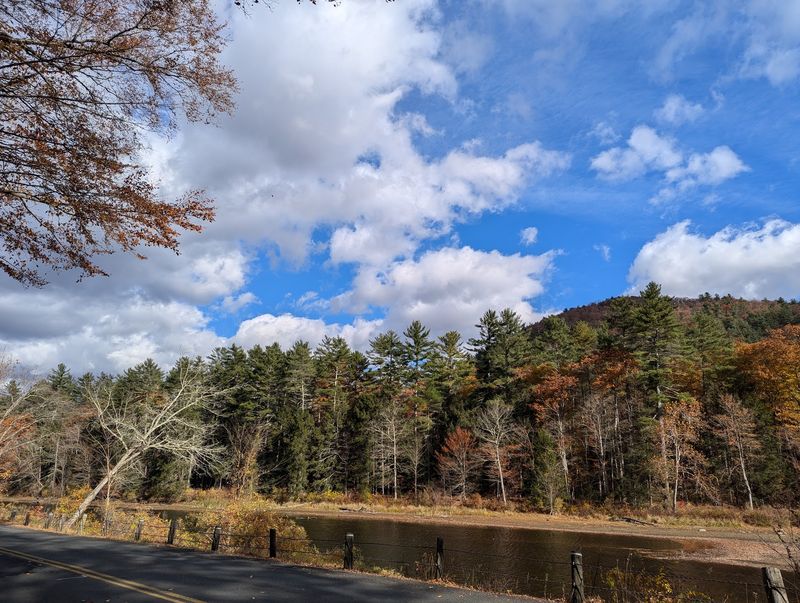
Anglers have known about this river for a long time. The West Branch of the Farmington is regarded as a world-class trout fishery, drawing visitors from across New England and well beyond, and it produces fishing opportunities throughout much of the year.
Paddlers get their share too. Canoes and kayaks let you experience the forest edge from water level, which changes the whole perspective on those steep wooded banks.
Tubing is a popular warm-weather option along gentler sections when conditions allow.
Swimming, however, is generally not recommended. Currents can be strong and water conditions vary, so wading anglers and paddlers should always check conditions before heading in.
Not every visit needs an activity. Wildlife watching along the trails, a picnic on a flat rock, and an afternoon spent doing very little are all perfectly valid uses of this place. The pace here encourages it.
Cold weather brings its own version of the forest. Snowshoeing, cross-country skiing, snowmobiling, and winter hiking all become options once the snow settles in, and the crowds thin even further.
Recreation areas are open daily from 8 a.m. to sunset, which is worth remembering if you are planning an early start on the water.
8. One Of Barkhamsted’s Best Escape Routes
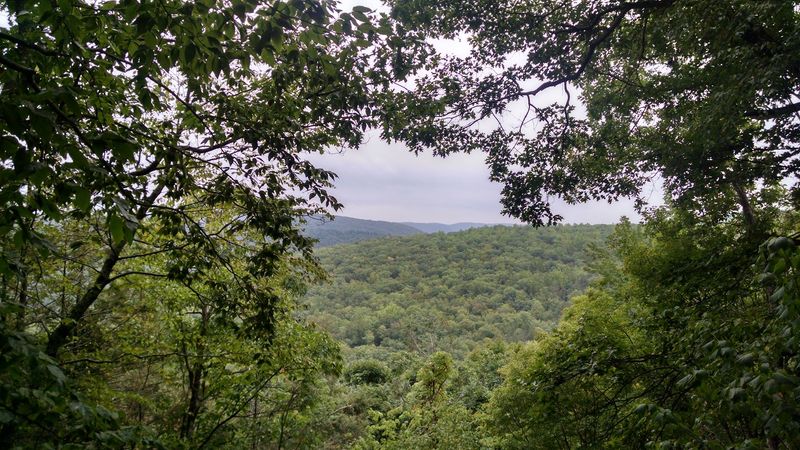
Some places earn loyalty quietly. American Legion State Forest is that kind of destination, a 1,245-acre pocket of woodland, wildlife, and river views that never seems to attract the attention it deserves.
Access is refreshingly simple. There is no entrance fee, and the forest is managed by the Connecticut Department of Energy and Environmental Protection.
Recreation areas open daily at 8 a.m. and close at sunset, while other forest areas can be entered from a half hour before sunrise until a half hour after sunset.
The geography adds another layer of appeal. Directly across the West Branch of the Farmington River sits the larger Peoples State Forest, and together the two protect roughly 3,900 acres of connected land.
That combination gives serious hikers room to plan trips well beyond a single afternoon.
For anyone in the region hunting for an easy reset, this works. Drive in, walk until the road noise fades, sit by the water, and drive home feeling like you went much farther than you actually did.
Bring layers, sturdy footwear, and water. Leave the expectation of crowds behind, because in this stretch of Barkhamsted, solitude is usually the default setting rather than a lucky accident.