The Quiet Litchfield Hills Town So Overlooked Even Most Connecticut Locals Have Never Heard Of It
Ever looked at a map of your own state and spotted a town you barely knew existed? It’s a funny feeling, especially when you realize you’ve probably driven somewhere nearby without giving it much thought.
And sometimes those unfamiliar names turn out to be surprisingly interesting.
One quiet Connecticut town in the Litchfield Hills offers a slower pace and a side of small-town life worth discovering.
I love the thought of visiting somewhere that doesn’t feel like it’s constantly competing for attention. No enormous crowds or endless tourist attractions demanding your time.
Just the pleasure of getting to know a place that might otherwise go unnoticed.
That’s what caught my eye. Even longtime residents can be surprised by how much of their own state remains unfamiliar.
And this little town has a story that deserves more attention than it usually gets.
1. A Town So Small It Could Fit In A Big Lecture Hall
Only 1,361 people live here. That’s an entire town with fewer residents than some high schools!
According to the 2020 census, Colebrook is one of those tiny communities where the population alone makes you curious about what life is like.
Up in the northwestern part of the state, this rural Litchfield County town has plenty of room for quiet roads and wooded scenery.
And its history goes back much further than you might expect.
The community was settled in 1765 and officially incorporated in October 1779, making it one of the later towns established during the colonial period.
Even the name comes with a little mystery.
It was borrowed from Colebrooke in Devon, England, although the exact reason for choosing it remains unclear.
Life here moves at a different pace from the state’s busier communities. Roads wind through the hills, and wooded stretches make the countryside feel wonderfully spacious.
For visitors, that’s a big part of the attraction. You can spend an afternoon enjoying the scenery without planning a packed itinerary.
Bring lunch, allow plenty of time for the drive, and enjoy a town where slowing down feels perfectly natural.
2. Stroll A Village Green That Barely Changed Since 1860
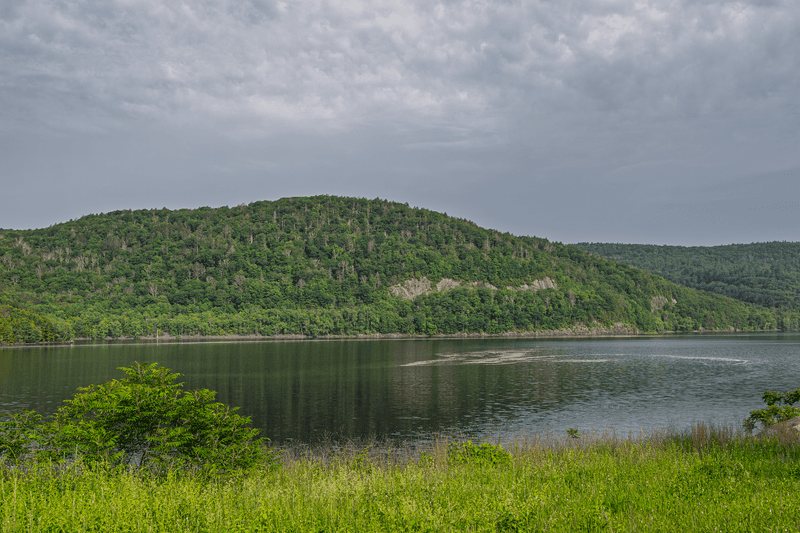
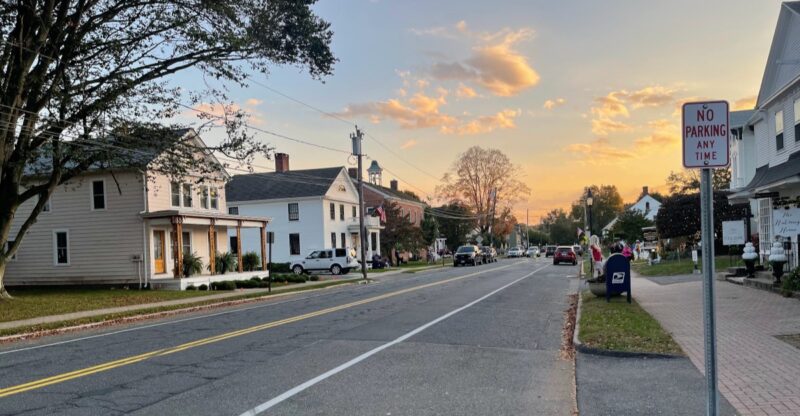
Some town centers get makeovers every decade. The heart of Colebrook skipped that trend and stayed largely unchanged since around 1860.
It’s officially the Colebrook Center Historic District. The National Register of Historic Places added it in 1991.
At its center is a small triangular common, the kind of green that looks straight out of an old postcard.
Around that triangle stand buildings with serious age on them. The Samuel Rockwell House is a historic building dating to 1794.
A Greek Revival church welcomed its first worshippers in 1842.
Then there’s the Colebrook Store, a Federal-period building from 1812. It has a long history as one of state’s longest-operating general stores.
As of early 2025, it was under renovation and looking for a new operator, so check its status before planning a stop.
You’ll find this cluster of history around 559 Colebrook Road, Colebrook, CT 06021. Everything sits close together, so a short walk covers a lot of centuries.
Bring a camera and some patience. The details reward slow looking, from the rooflines to the old window shapes.
Honestly, the whole green is basically a history lesson without the homework.
3. An Old Inn Now Holds The Town’s Best Stories
Back in 1816, travelers stopped at the Seymour Inn for rest. Today the same building houses the Colebrook Historical Society Museum, which feels like a pretty great second career.
The museum sits at 558 Colebrook Road, right across from the historic center. It tells how the town grew and changed over time.
Colebrook started out leaning on timber and charcoal, then slowly became a quiet farming community.
That shift explains a lot about what you see today. The forests, the cleared fields, and the old walls all connect to those early jobs.
Seeing the story laid out helps the landscape make more sense.
History buffs will love it, but curious kids can enjoy it too. Small museums often let you get closer to the past than giant ones do.
There’s no fighting through crowds just to read a sign.
The Historical Society also looks after another treasure up the road. Save some energy, because it’s worth seeing next.
Hours at small volunteer museums can be limited. Check ahead before you drive out, especially in colder months.
Nobody wants to admire a locked door, however charming it is.
4. No Wi-Fi, No Lights, No Plumbing, No Problem
Kids today complain when the Wi-Fi drops. Students at the Rock Schoolhouse never had electricity at all.
Built in 1779, the same year Colebrook was incorporated, this little schoolhouse is still in its essentially original state. It was never updated with electricity, running water, or indoor plumbing.
That makes it a rare look at how colonial children actually learned.
Most old schoolhouses got changed over the years. Someone added wiring, a new floor, or a heater.
The schoolhouse has retained much of its original character, although it was moved to its present location in 1971.
You’ll find it where Sandy Brook Road meets Colebrook Road. The Colebrook Historical Society cares for it, keeping it as close to its first days as possible.
It’s a great stop for families. Ask your kids how they’d handle a winter school day without a furnace.
Their faces alone make the trip worth it.
Standing near it, you get a real sense of scale. Classrooms were tiny, and life was simple in ways we can barely picture now.
I can’t imagine doing math homework by window light alone, but plenty of Colebrook kids did exactly that.
5. A Whole Village Rests Under This Lake
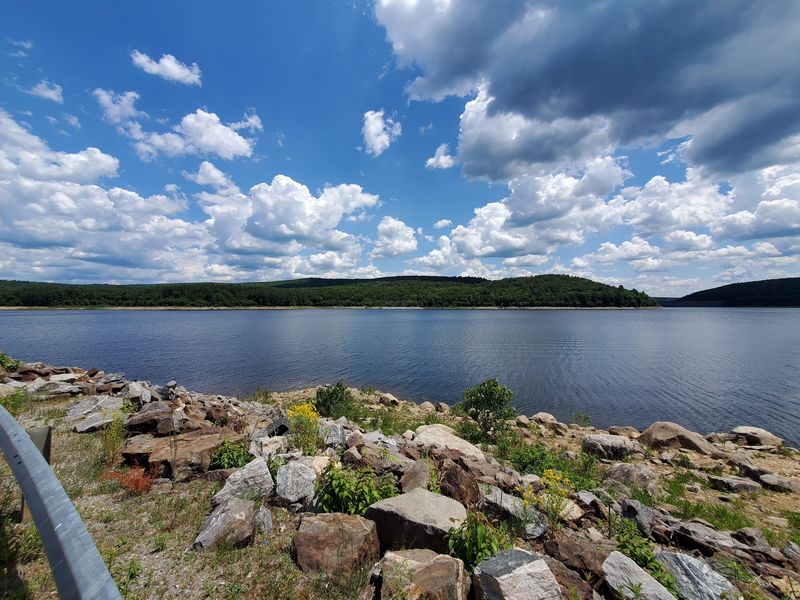
Here’s a story that sounds made up but isn’t. In the 1950s, the village of Colebrook River was flooded on purpose.
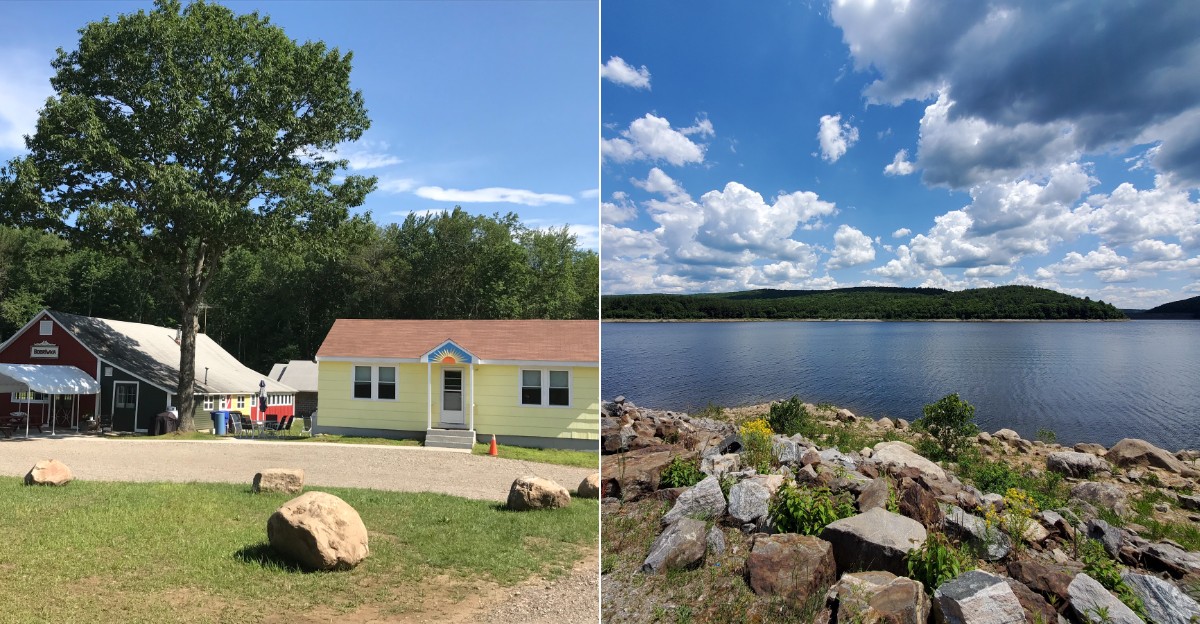
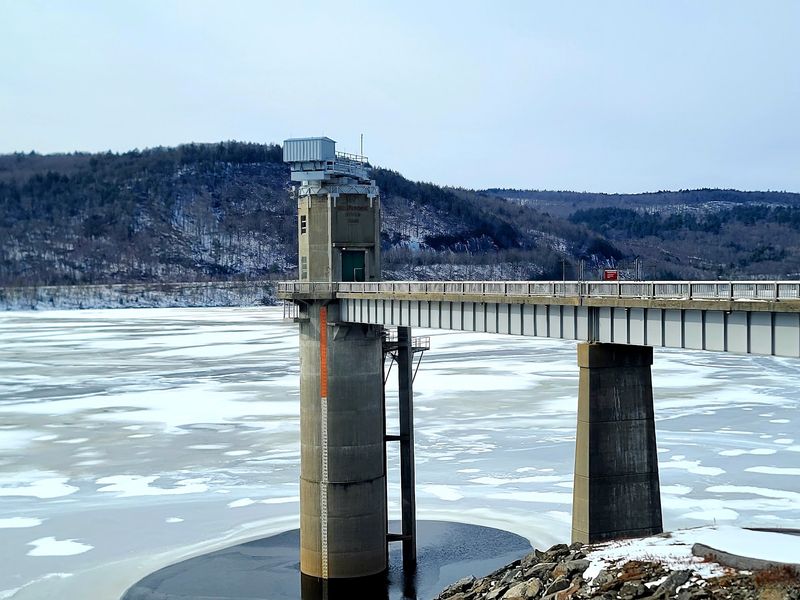
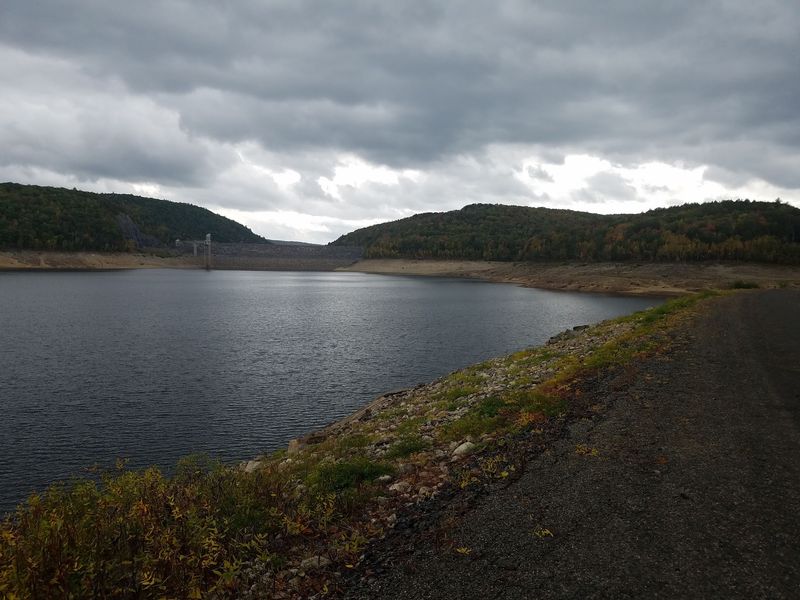
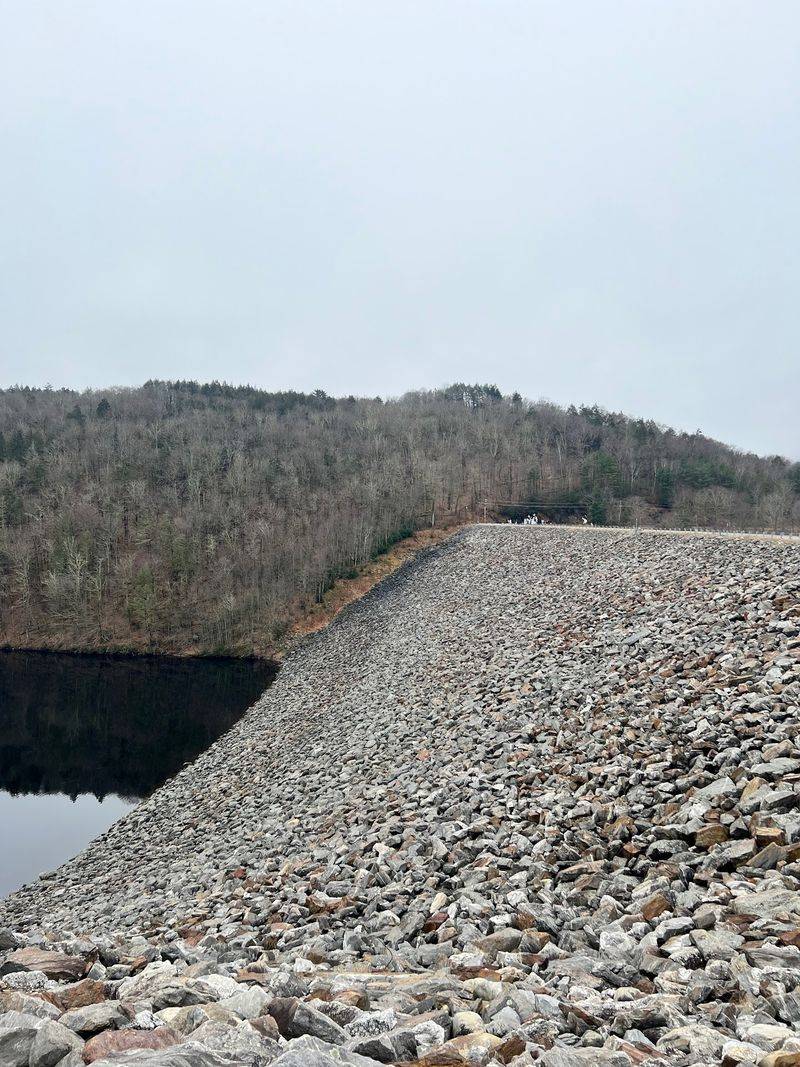
The original reservoir project was intended to supply water to the greater Hartford area, while the later Colebrook River Lake dam was developed primarily for flood control. The Colebrook Historical Society dates the flooding of the former village to the completion of the earlier Hogback dam project in 1955, while the separate Colebrook River Lake dam was completed in 1969.
Families had to move, and homes and roads disappeared under the rising water. It was a big sacrifice for one small town.
Many cities downstream still benefit from that choice today.
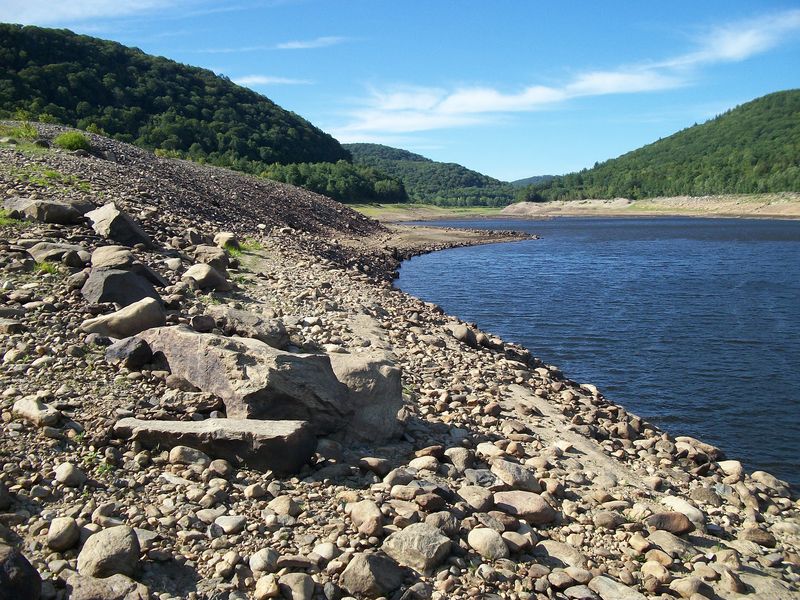
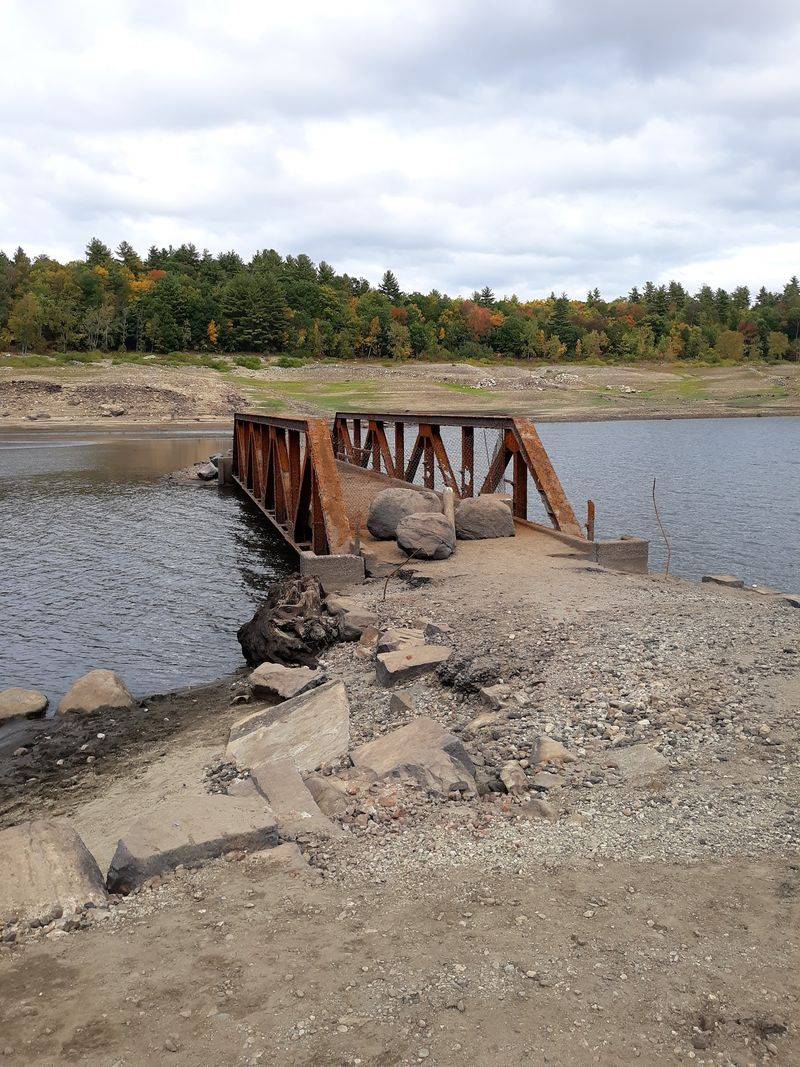
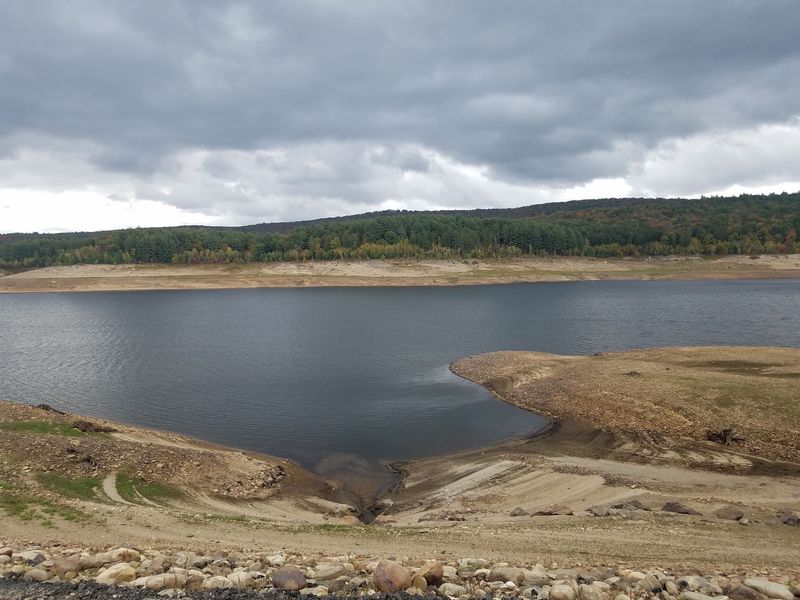
The spooky part comes during severe droughts. When the water drops low enough, pieces of the old village can reappear.
Sections of road and even an old bridge have surfaced before.
That’s not something you can schedule, of course. Nature decides when the past peeks out.
Still, knowing it’s down there changes how the lake looks, even on a normal sunny afternoon.
Bring binoculars and enjoy the wide views across the water. Then think about the streets below it.
Few lakes in Connecticut come with a backstory this unusual, and fewer still hide one so quietly.
6. Bring A Jacket, Because That Stream Is Seriously Cold
Sandy Brook has a reputation that any stream would envy. It’s known as one of the coldest and cleanest streams in the state.
The brook winds through woods that cover much of Colebrook. A big chunk of that forest belongs to Algonquin State Forest.
Inside it, you’ll find the Sandy Brook Natural Area Preserve and the Kitchel Wilderness Natural Area Preserve.
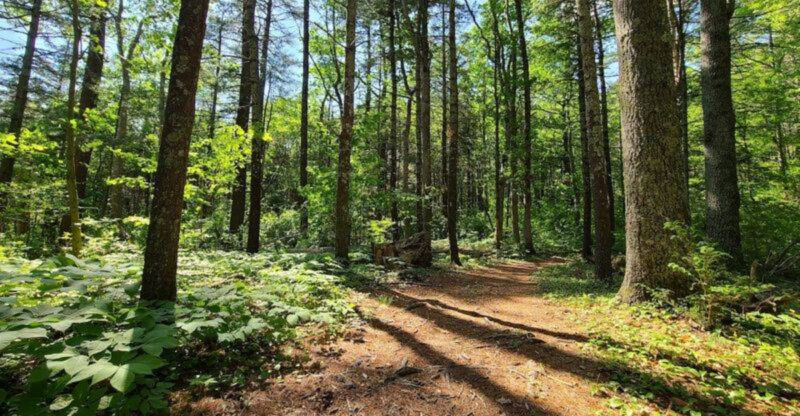
Hiking trails pass through pine and hardwood stands. The air smells fresh, and the shade keeps things cool even in summer.
It’s an easy place to forget your phone exists.
Keep your eyes open while you walk. Deer, raccoons, and porcupines live here.
Bears roam these woods too, and the occasional moose has shown up as well.
Spotting a moose in Connecticut would make anyone’s week. Just give all wildlife plenty of room and never feed them.
Store snacks carefully if you plan a picnic.
Wear sturdy shoes, since forest paths can be rocky and wet. Pack water, bug spray, and a map.
The woods here feel wild in the best way, so a little preparation goes a long way.
7. Pick A Trail, Any Trail, Even One With Ropes
Gentle stroll or rock scramble? The Colebrook Land Conservancy has you covered either way.
This local group protects the town’s special landscapes and keeps several trails open to the public. Options include the Deer Hill Trail, Hale Trail, Rockwell Trail, Pruyn-Trowbridge Woods, and Sandy Brook Trail.
Each one has its own feel.
Some paths wander softly through hemlock and northern hardwood forest. Others get more adventurous, with rock faces you climb using ropes.
A few reward that effort with nice views.
Families with little ones should start with the easier routes. Teens who love a challenge might beg for the rope sections.
Either way, everyone gets fresh air and a good night’s sleep.
Want a quick bonus stop? Colebrook Falls drops about ten feet in a pretty series of cascades.
You can see it from a bridge on CT 183, no long hike required.
It’s not Niagara, and it doesn’t pretend to be. That’s part of its charm.
Small waterfalls like this feel personal, like the town is quietly sharing a secret with you.
Download trail maps before heading out, since cell signals can be spotty.
8. Those Stone Walls Were Built One Heavy Rock At A Time
Early farmers built many of these stone walls by hand, using rocks cleared from fields and nearby land. Early farmers pulled them from their fields, one heavy stone after another, just to plant crops.
Drive any back road in Colebrook and you’ll spot them. The walls run along roadsides, through woods, and across old pastures.
They aren’t decoration at all.
Farmers used them to clear land and mark property lines. Centuries later, many still stand right where they were placed.
Some now wind through forests that grew back after farming faded.
That detail tells a neat story. A wall deep in the trees means the spot was once an open field.
The woods slowly reclaimed it, but the wall stayed put.
I like how these walls connect everyday drives to real history. You don’t need a museum ticket to see them.
They’re simply part of the scenery, quietly holding the past together.
Fall is a lovely time to notice them. Bright leaves frame the gray stones beautifully.
Snow makes them stand out too.
Please don’t climb on them or take stones home. They’ve lasted this long, and they deserve to keep going.
9. Giant Wind Turbines Meet A Very Old Town
Two enormous wind turbines turn above a town founded before the American Revolution ended. BNE Energy installed them in Colebrook in 2015, and they help meet the area’s energy needs.
It’s a surprising mix, and kind of a fun one. Colonial houses below, modern blades spinning above.
Colebrook manages to hold onto its past while still making room for something new.
Community life matters here too. The Community and Senior Center offers services, nutrition programs, and activities for all ages.
Small towns often rely on spaces like this to keep neighbors connected.
The Town Hall sits at 562 Colebrook Road, close to the historic center. It’s typically open Monday through Thursday from 8:30 a.m. to 4:30 p.m.
Fridays run from 8:30 a.m. to noon.
That’s handy if you want local maps or information before exploring. Town staff in small places usually know the area well.
So why do so few locals know about Colebrook? It never tried to be flashy.
No chain restaurants, no busy shopping centers, just woods, water, and history. Honestly, that quiet confidence might be the best reason to finally pay it a visit.