The Serene Japanese Garden In California That Feels Like Another World
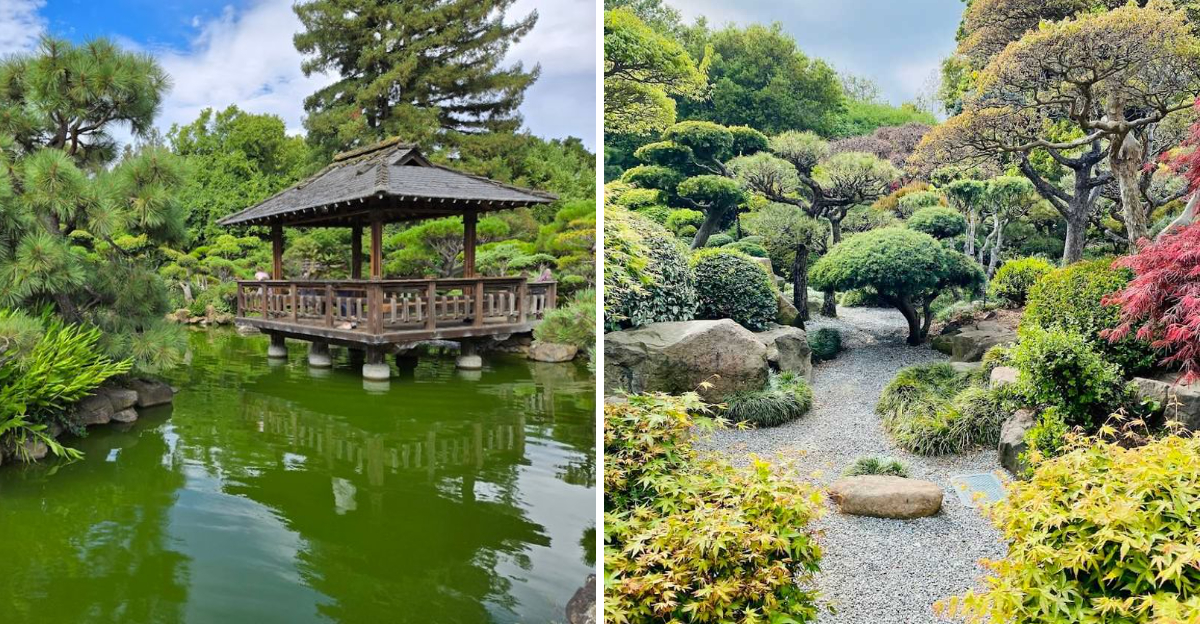
There’s a kind of quiet that feels different the moment you step into it. Not forced, not designed, just naturally there.
In one corner of California’s East Bay, a garden creates that feeling almost instantly.
The outside world fades, replaced by the soft sound of water, carefully placed stones, and pathways that seem to guide you without urgency. It feels both intentional and effortless at the same time.
What makes this place stand out is how seamlessly it blends influences.
Traditional Japanese design shapes the layout, while California plants and natural elements ground it in its surroundings. The result feels balanced, familiar, and quietly striking.
Nothing here asks for attention, yet everything invites you to slow down. Bridges, ponds, and shaded corners reveal themselves gradually, making even a short visit feel layered and complete.
Whether the goal is a calm walk, a few photos, or simply a break from the pace of the day, this garden offers a kind of stillness that is rare to find and easy to appreciate.
One Of California’s Oldest Traditional Japanese Garden
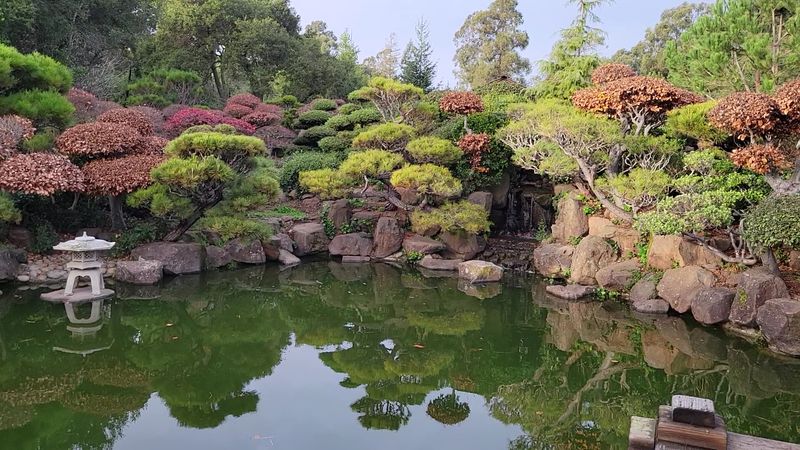
Not every garden can claim to be one of the oldest of its kind in the state, but the Hayward Japanese Gardens hold that distinction with quiet confidence.
Established in 1980, the garden was designed by landscape architect Kimio Kimura and carefully built to reflect authentic Japanese design principles from the ground up.
That level of intention is visible throughout the entire space.
Located at 22373 N 3rd St, Hayward, CA 94546, the garden sits within a larger public park yet feels completely separate once inside.
The transition is immediate, with the noise of the surroundings giving way to a more focused and peaceful atmosphere.
Instead of relying on imported materials, the design incorporates California native stone and plants, creating a balance between regional character and traditional Japanese aesthetics.
The result feels both grounded and thoughtfully crafted. Open daily from 8:30 AM to 4 PM, the garden invites visitors to explore its 3.5 acres at an unhurried pace.
Its history, combined with consistent care over the years, gives the space a sense of quiet permanence.
For those interested in garden design or cultural landscapes, it offers a meaningful and rewarding way to spend an afternoon.
The Thoughtful Design Behind Every Stone And Plant
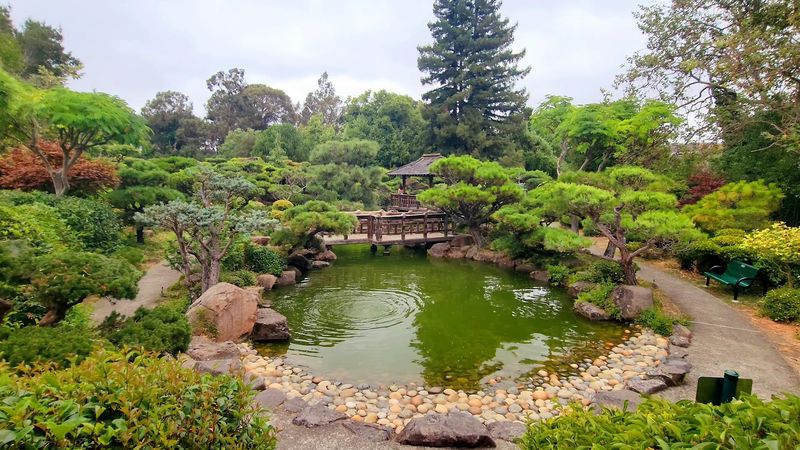
Good garden design is rarely accidental, and at the Hayward Japanese Gardens, every element was placed with clear intention.
Landscape architect Kimio Kimura chose to use California native stone and plants throughout the garden rather than relying on imported materials, which was a deliberate decision that helped the space age naturally and authentically over time.
The wooden structures within the garden were built without stains, with nails and fasteners recessed carefully out of sight.
All wood was notched and aged to simulate the weathered appearance found in traditional Japanese gardens, giving the structures a timeworn quality that feels earned rather than manufactured.
Stone lanterns, carved wooden details, and carefully arranged pathways all work together to create a sense of visual harmony that rewards slow and attentive walking.
Visitors who rush through tend to miss the smaller details, like the way light hits a stone surface in the late morning or how the texture of the path changes underfoot as the route winds through different sections.
Taking time to notice these details makes the visit feel much richer and more satisfying than a quick loop around the garden.
Over 70 Plant Species Growing Together
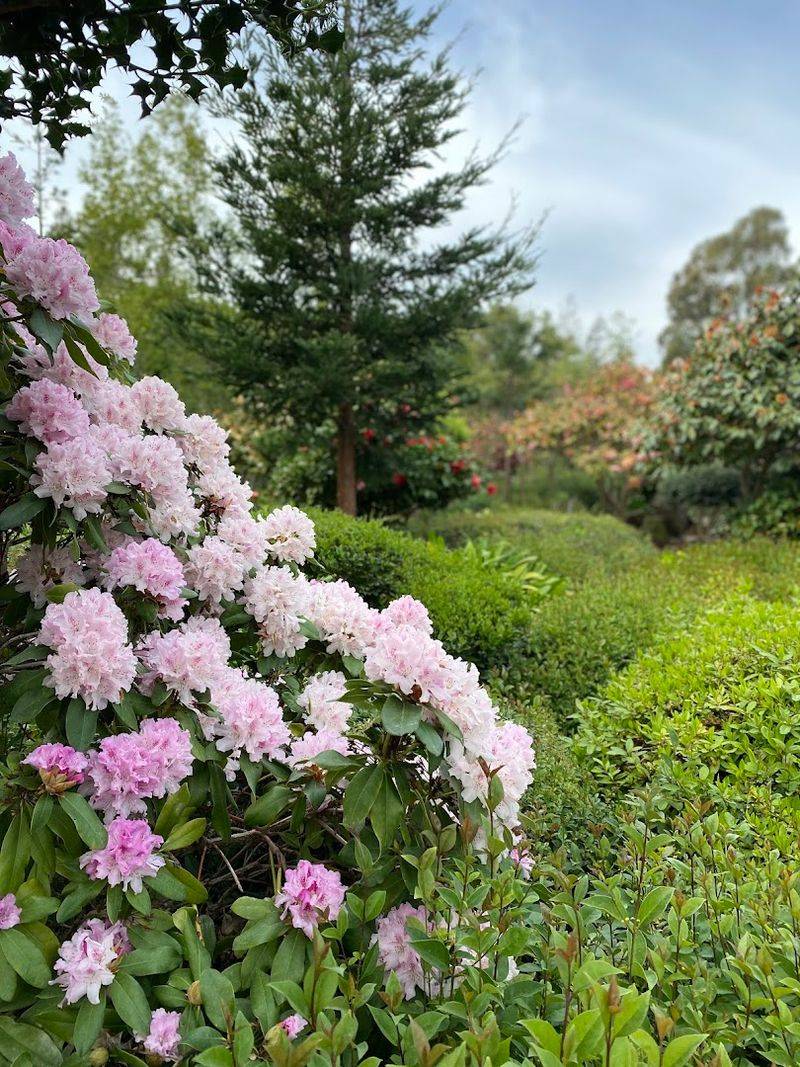
Few small urban gardens can claim the kind of plant variety found within the Hayward Japanese Gardens.
The space contains over 70 distinct plant species, ranging from mondo grasses and Japanese black pine to cedar, juniper, and rhododendron, all growing together in a way that feels layered and alive rather than curated and stiff.
Each plant was selected to contribute to the overall aesthetic while also thriving in the Northern California climate.
The result is a garden that looks genuinely lush throughout most of the year rather than sparse or seasonal in the way that some planted spaces can feel during off-peak months.
Walking through the garden, the changes in texture and color between plant groupings are noticeable without being jarring.
Low-growing grasses create a soft ground layer beneath taller pines and cedars, and the rhododendrons add a pop of color during their bloom period.
For anyone with an interest in horticulture or simply a love of green spaces, the plant diversity here gives the garden a depth that keeps repeat visitors finding something new to appreciate on each visit.
The Koi Pond That Draws Everyone In
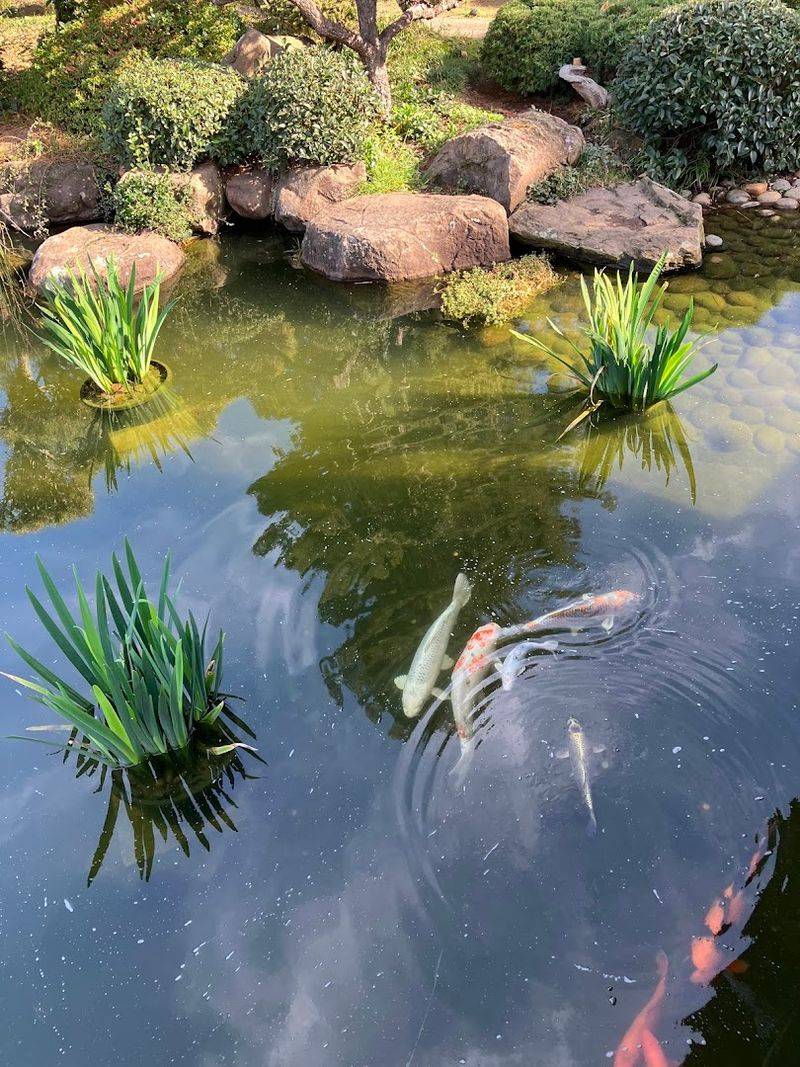
There is something almost magnetic about a well-maintained koi pond, and the one at the Hayward Japanese Gardens does not disappoint.
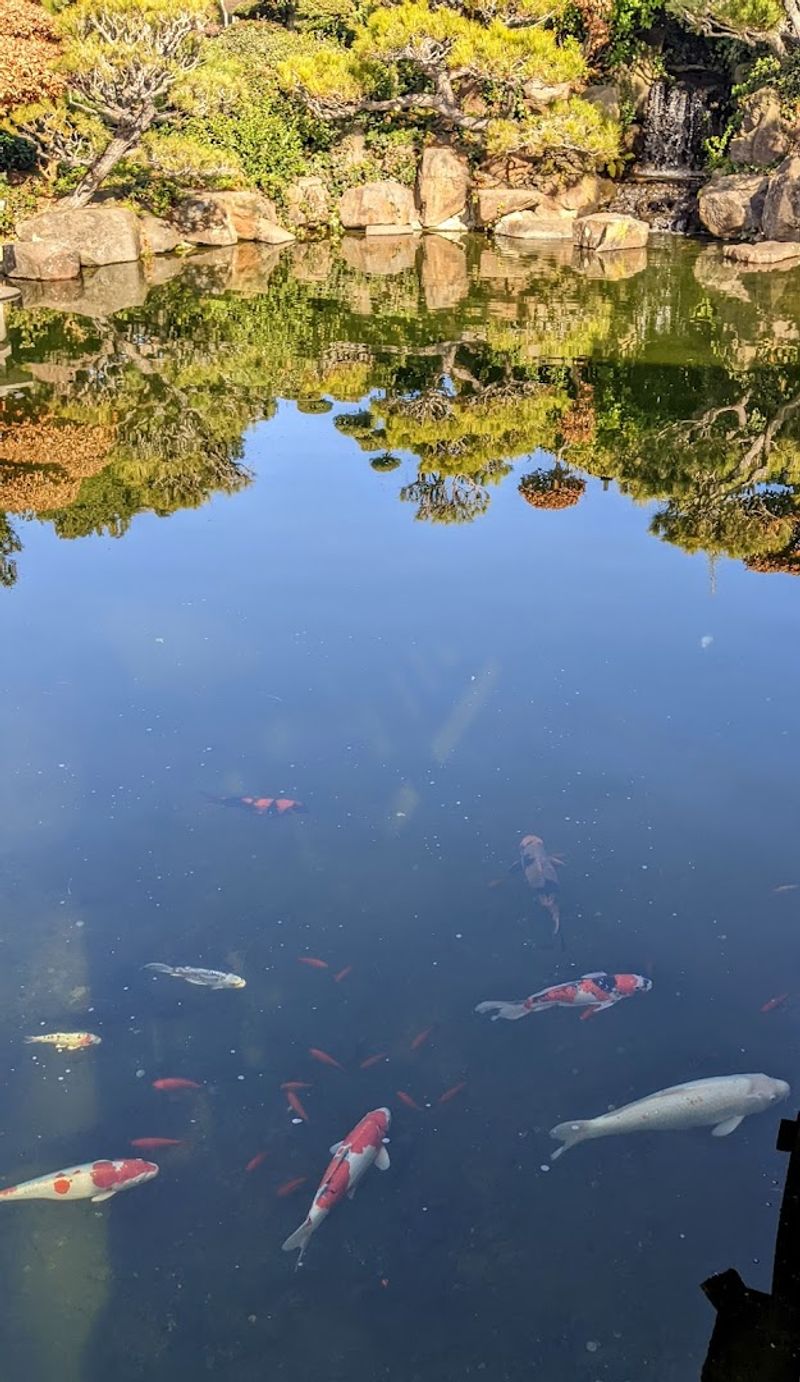
Brilliant-colored koi and goldfish move through the water with an unhurried ease that seems to slow everything around them down, and most visitors end up spending far more time at the pond than they originally planned.
Turtles also share the pond, and on warmer days they can be spotted basking near the surface or moving slowly through the shallower areas alongside the fish.
The water is kept clean and the surrounding landscaping frames the pond in a way that makes it feel like a natural feature rather than something constructed.
One important note for visitors with children is that feeding the fish is not permitted, so it is worth mentioning that before arrival to avoid disappointment.
The fish are friendly and will swim toward the edges when people approach, which makes for a delightful and interactive experience even without feeding.
Sitting near the pond for a few quiet minutes tends to be one of the most calming parts of the entire visit, and many people return to this spot multiple times during a single trip through the garden.
A Tea House Pavilion Worth Sitting In
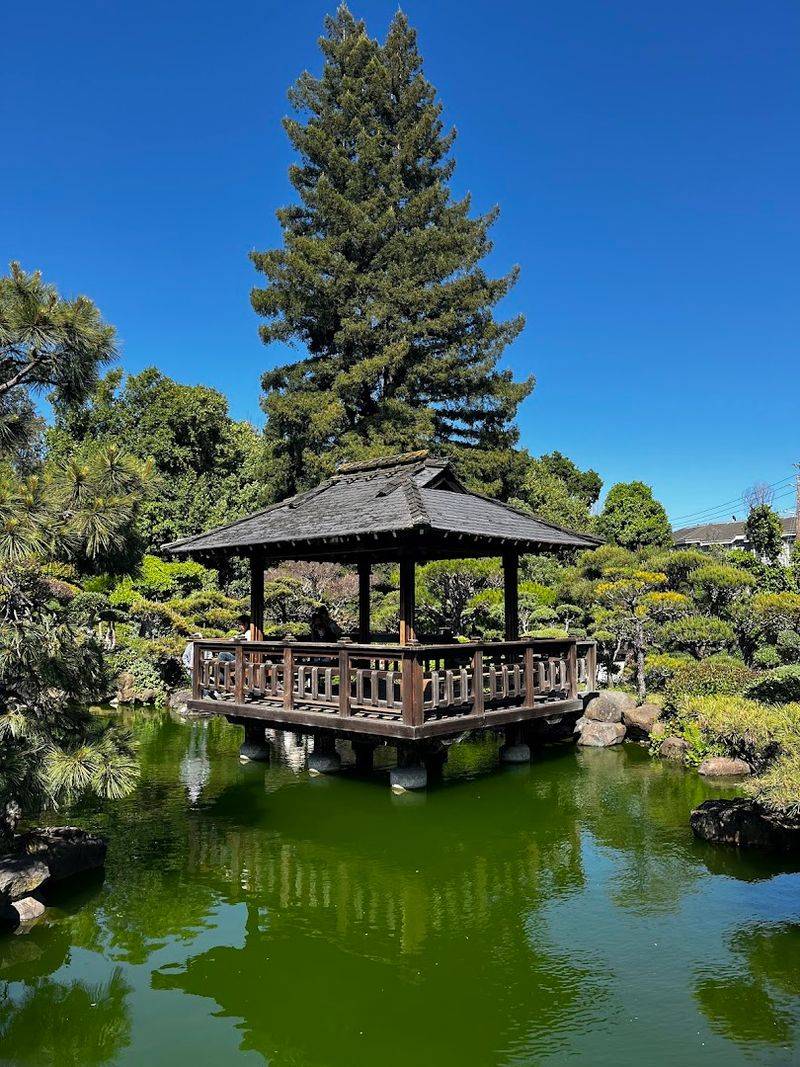
Shade can be hard to come by in a garden that sits under the open California sky, which makes the Tea House Pavilion at the Hayward Japanese Gardens a genuinely welcome feature.
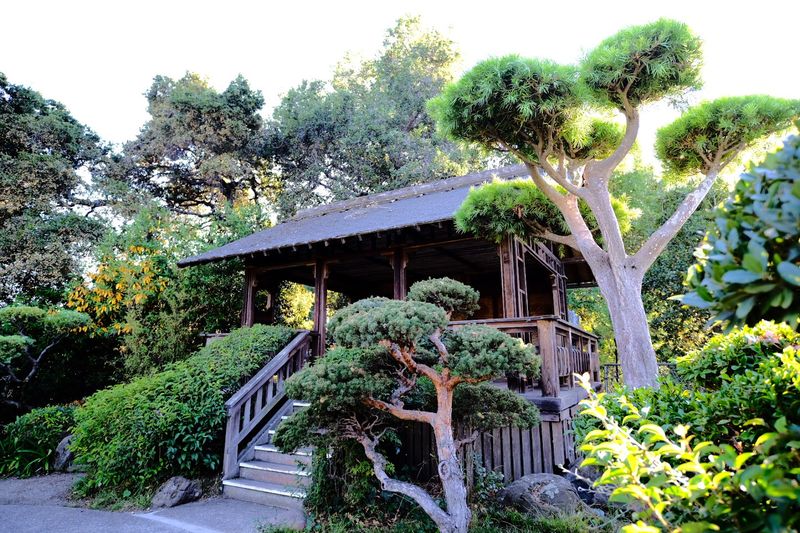
The structure is built in a traditional style and offers a shaded area where visitors can pause, look out over the surrounding garden, and take a real break from walking.
Sitting inside the pavilion while watching the pond and listening to the soft sounds of water nearby brings a specific kind of calm that is different from simply standing in the garden.
The structure itself is part of the design, not just a practical addition, and it fits naturally into the overall aesthetic of the space.
Visitors who have spent time in the pavilion often describe it as the highlight of the visit, particularly on warm afternoons when the shade feels especially welcome.
Bringing a book or simply sitting quietly and watching the koi from a distance are both perfectly fitting ways to use the space.
The pavilion is open to all visitors during regular garden hours, and no reservation or special access is required to enjoy it.
The Zen Garden And Its Raked Gravel Calm
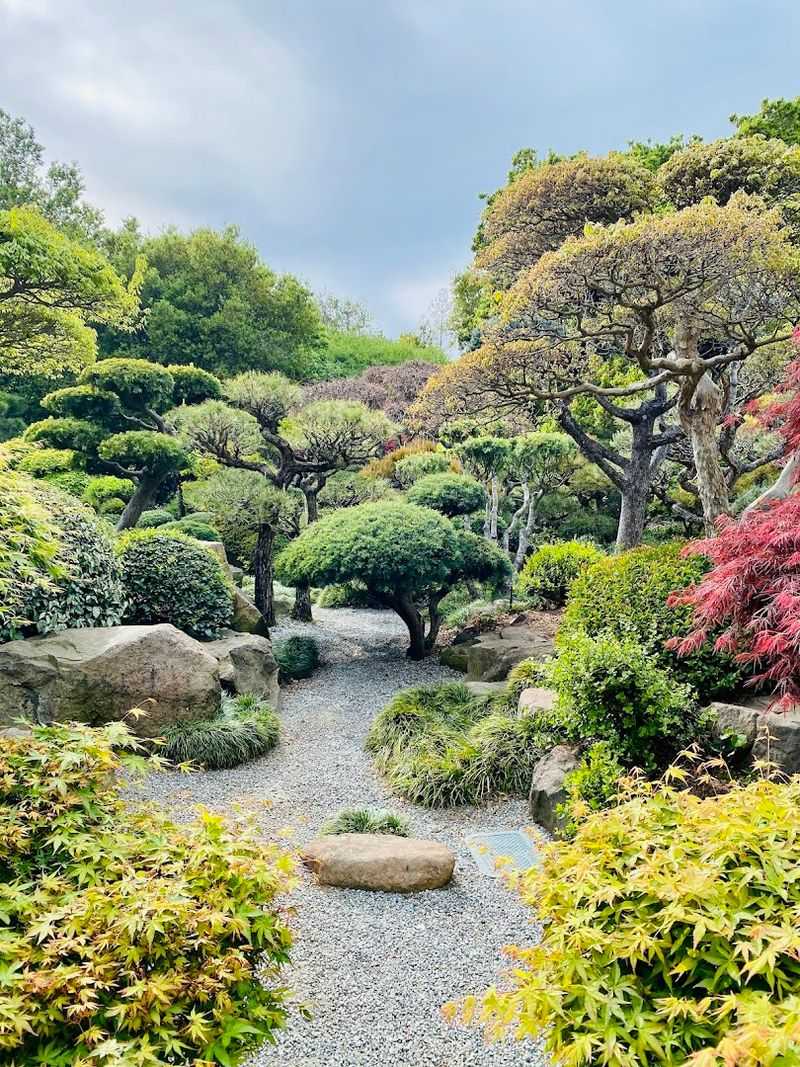
Raked gravel is one of those things that sounds simple until you actually see it done well, and the Zen garden at the Hayward Japanese Gardens demonstrates the concept with quiet precision.
The gravel is arranged in careful patterns around thoughtfully placed rocks, and the whole composition communicates a sense of stillness that feels almost deliberate in its restraint.
Traditional Japanese Zen gardens are designed to represent water, islands, and natural landscapes in an abstract way, using minimal materials to suggest something much larger.
The version at Hayward follows that same philosophy, keeping the visual language clean and uncluttered so that the eye can rest rather than search.
Spending a few minutes near the Zen garden tends to have a noticeably grounding effect, even for visitors who are not particularly familiar with Japanese garden philosophy.
The contrast between the raked gravel and the surrounding lush plantings creates an interesting visual tension that makes the space feel more dynamic than its simplicity might suggest.
It is a small section of the overall garden but one that carries a disproportionate amount of presence and tends to stay with visitors long after they have left the grounds.
Seasonal Blooms That Change The Whole Mood
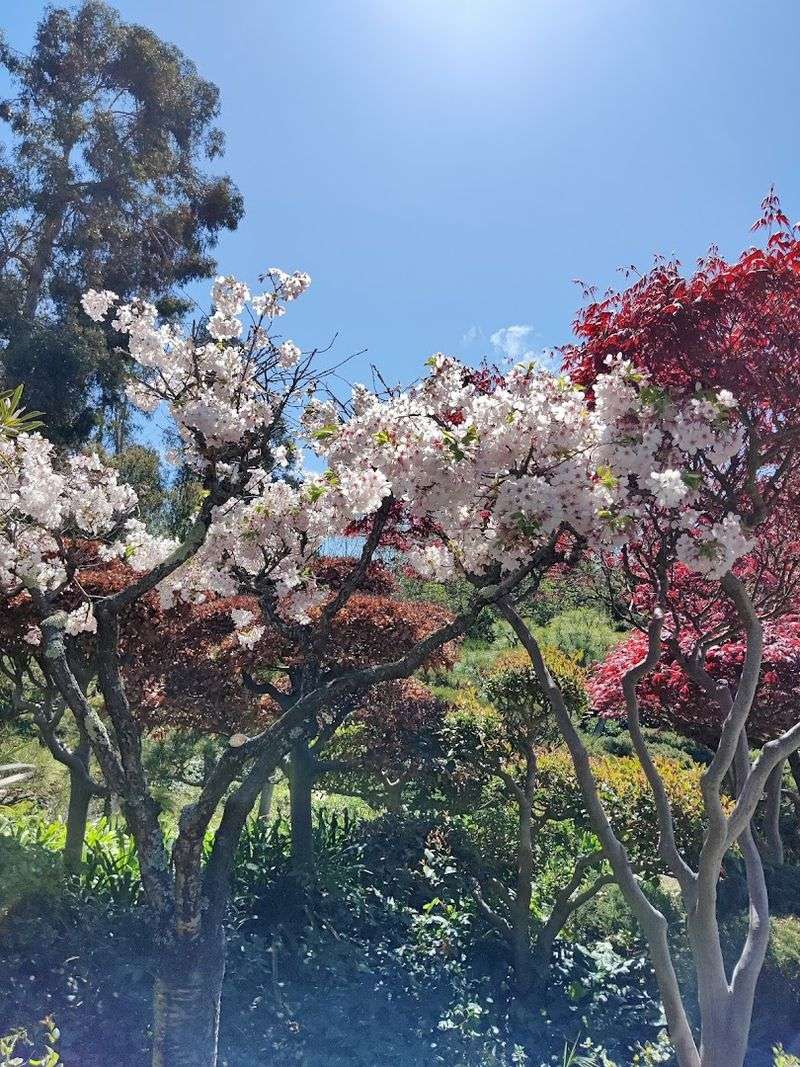
A garden that looks the same year-round is a garden that rewards only one visit, but the Hayward Japanese Gardens shift noticeably with the seasons, giving returning visitors a genuinely different experience depending on when they arrive.
Spring brings cherry blossoms that cast a soft pink light over the paths and pond, while fall turns the foliage into warmer shades of orange and red.
The timing of blooms can vary from year to year depending on weather patterns, so checking in advance or following updates from the garden is a good idea for visitors who specifically want to catch a particular seasonal display.
Cherry blossoms in particular tend to have a short window, and arriving even a week late can mean missing the peak entirely.
Outside of the showiest bloom periods, the garden still maintains a lush and full appearance thanks to its diverse plant mix, which includes evergreen species that hold their color through winter.
Visiting during quieter seasons can actually be a more peaceful experience, with fewer crowds and a more contemplative atmosphere.
Each season offers something genuinely different, which is part of what makes the garden worth visiting more than once throughout the year.
A Photographer’s Quiet Playground
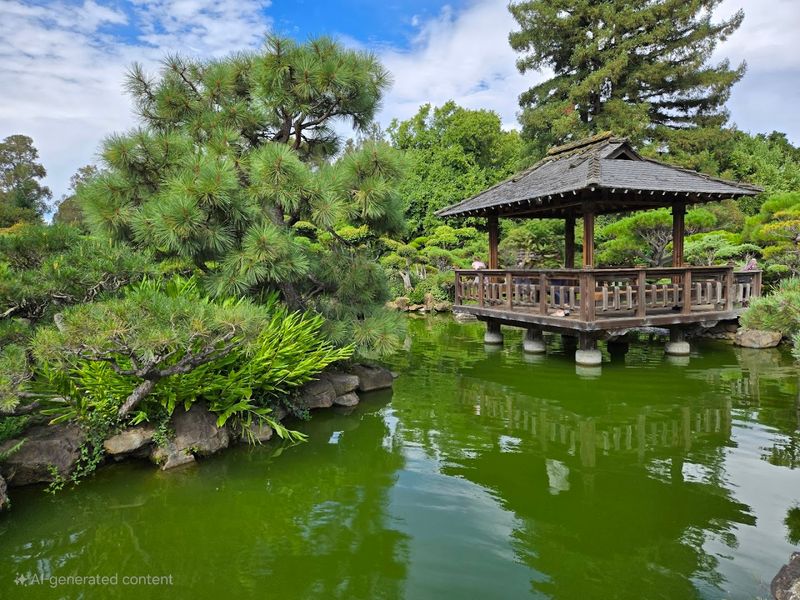
Natural light, reflective water, red bridges, stone lanterns, and layered greenery are the kinds of elements that photographers actively seek out, and the Hayward Japanese Gardens happen to have all of them in a compact and walkable space.
The garden has developed a reputation as a favorite spot for both casual phone photographers and more serious camera users looking for a calm and photogenic environment.
Morning visits tend to offer the best light, with softer shadows and a golden quality to the sunlight that flatters the garden’s textures and colors.
The pond is particularly effective as a reflective surface during low-wind mornings when the water sits still enough to mirror the surrounding plants and structures.
Portraits, macro shots of plant details, wide landscape compositions, and close-up water photography are all viable here without needing to travel between locations.
The garden’s relatively compact size means that a single visit can yield a wide variety of shots without any rushing.
Weekday mornings tend to be quieter, which allows for unobstructed compositions that weekend crowds can make more difficult to achieve.
The variety of textures and natural framing throughout the garden keeps photography sessions feeling fresh from one end to the other.
Educational Programs And Bonsai Demonstrations
Gardens can be more than just places to walk through, and the Hayward Japanese Gardens occasionally deepen the visitor experience through workshops and educational programming.
Bonsai demonstrations and gardening workshops have been offered at the garden, giving visitors a chance to learn about the practices and philosophies behind Japanese horticulture in a hands-on setting.
Bonsai is a centuries-old art form that involves cultivating small trees in containers using careful pruning and shaping techniques to mimic the appearance of full-sized trees in nature.
Seeing a demonstration in person, especially within a Japanese garden setting, adds a layer of context that books and videos cannot fully replicate.
Program availability tends to vary throughout the year, so checking the official city of Hayward recreation website before visiting is the best way to find out what events are currently scheduled.
The website for the garden is available at haywardrec.org, where event listings and updates are posted.
For families with older children or for adults with a genuine interest in Japanese garden culture, attending one of these programs can transform what might otherwise be a pleasant stroll into a genuinely memorable and educational outing.
Cultural Events Including Tea Ceremonies
Cultural programming at the Hayward Japanese Gardens goes beyond gardening and occasionally includes traditional Japanese practices like tea ceremonies and ikebana, which is the Japanese art of flower arranging.
These events bring a living dimension to the garden that goes beyond its physical beauty, connecting the space to the cultural traditions that originally inspired its design.
Tea ceremonies in particular carry a deep philosophical weight in Japanese culture, emphasizing mindfulness, respect, and the appreciation of simple moments.
Attending one within a garden setting that was designed to embody those same values creates a kind of thematic coherence that makes the experience feel genuinely authentic rather than performative.
Ikebana demonstrations introduce visitors to a floral art form that treats the arrangement of flowers and branches as a meditative and expressive practice rather than purely decorative work.
Both types of events tend to draw a mix of longtime enthusiasts and curious newcomers, making them accessible regardless of prior knowledge.
Event schedules are posted on the official Hayward recreation department website, and checking ahead of any planned visit is the best way to catch one of these cultural programs while they are being offered.
Available As A Wedding And Event Venue
Few outdoor settings in the East Bay offer the kind of quiet elegance found at the Hayward Japanese Gardens, which is part of why the space is available for private event rental.
Ceremonies can be held at the garden from 4:30 PM to 7:30 PM during the April through August rental window, taking advantage of the longer daylight hours and warmer temperatures of the late spring and summer months.
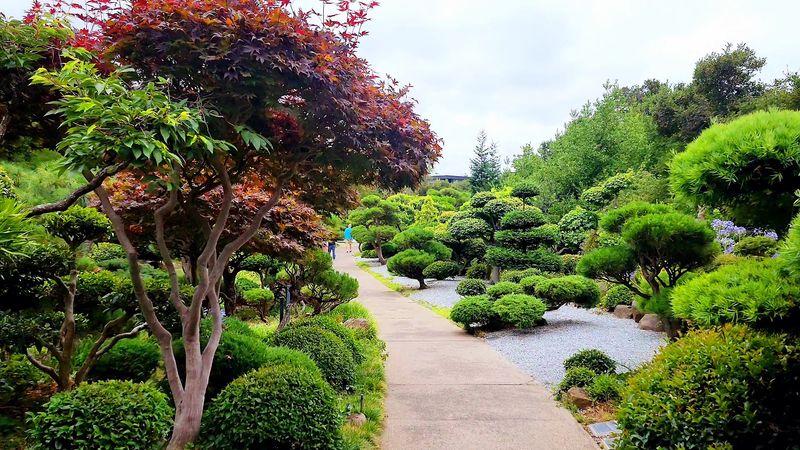
The garden’s combination of water features, traditional architecture, and layered greenery provides a naturally beautiful backdrop that requires minimal additional decoration.
For couples looking for a setting that feels distinctly different from a standard event venue, the garden offers a sense of place and cultural character that is genuinely hard to find elsewhere in the region.
Rental inquiries and fee information are handled through the Hayward Recreation Department, and the official documentation is available through haywardrec.org for those interested in planning an event.
Availability during the rental season can fill up, so reaching out well in advance of a preferred date is strongly recommended.
The combination of natural beauty, cultural significance, and manageable scale makes the garden a compelling option for intimate outdoor ceremonies.
Free Admission And Practical Visitor Tips
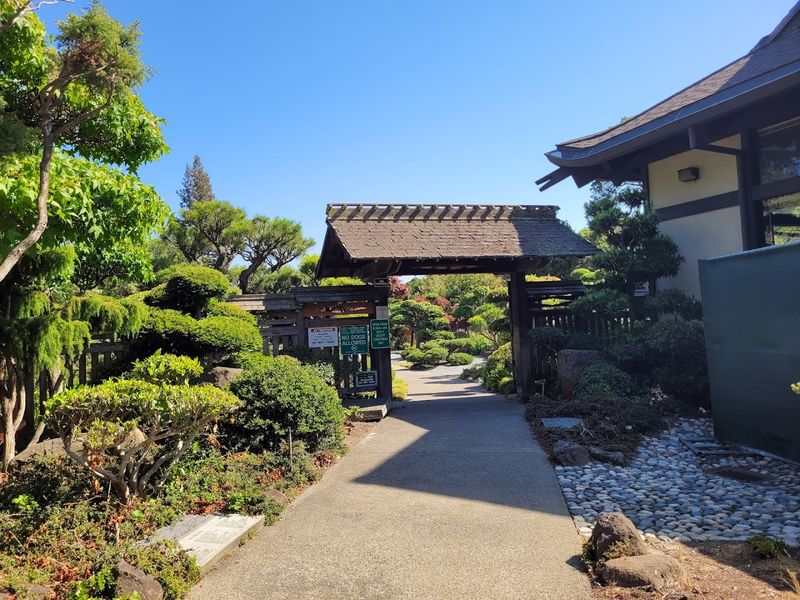
A garden this well-maintained and historically significant being free to enter is genuinely uncommon, and the Hayward Japanese Gardens offer full access without any admission fee.
That accessibility makes it a practical destination for families, solo visitors, and anyone looking for a meaningful outdoor experience without budget concerns getting in the way.
The garden is open daily from 8:30 AM to 4 PM, and arriving earlier in the day tends to result in a quieter and more relaxed visit.
Weekends can bring more foot traffic, and parking in the adjacent lot may become limited during peak afternoon hours, so a weekday morning visit is worth considering for anyone who prefers a calmer atmosphere.
Pets, food, and drinks are not permitted inside the garden, which helps maintain the clean and peaceful environment that makes the space so appealing in the first place.
Comfortable walking shoes are a practical choice given the paved paths and varied terrain throughout the 3.5-acre layout.
A quick walk through the garden takes roughly 15 minutes, but most visitors find themselves slowing down naturally and spending closer to an hour taking in the pond, the pavilion, and the quieter corners that reward a more unhurried pace.