The Slow-Paced Town In Vermont Where Retirement Feels Quiet And Refreshingly Simple
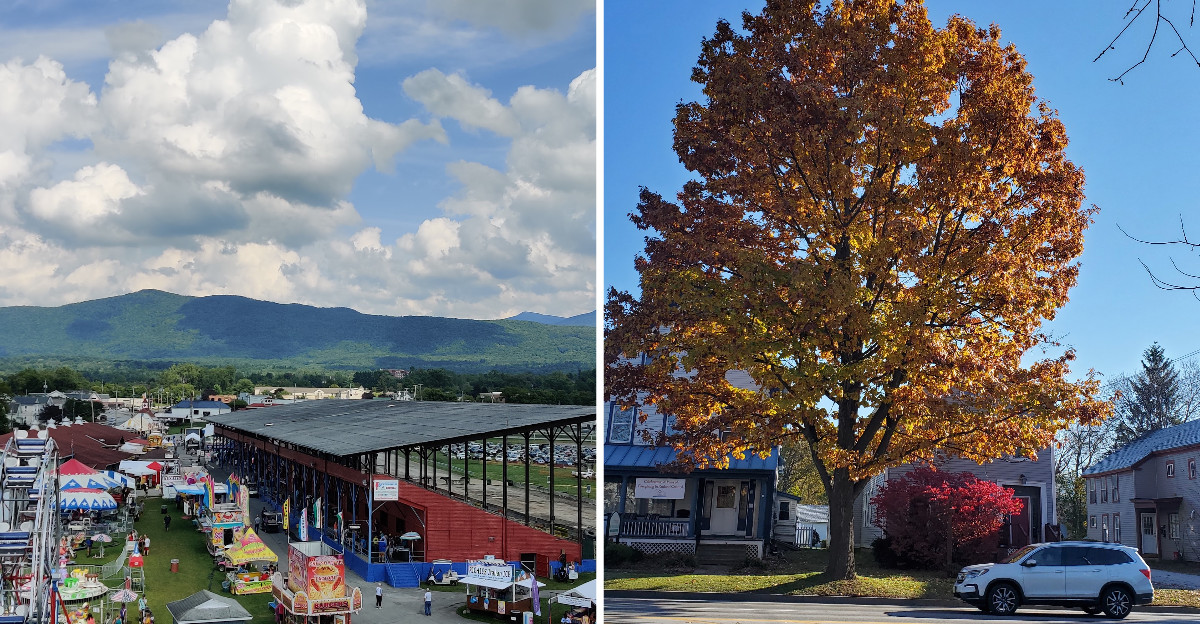
What if retirement looked less like endless activities and more like finally having nowhere urgent to be?
In Vermont, one slower-paced town makes that idea sound pretty tempting.
Daily errands stay manageable, coffee can actually be enjoyed sitting down, and mountain scenery waits nearby when the mood calls for fresh air.
Local art and community events add enough life without making the calendar feel crowded. That balance is the real appeal.
Nothing is screaming for attention. Nothing has to. A pleasant day can simply be a pleasant day.
After years of rushing around, that may be the most luxurious thing of all!
A Downtown Made For Wandering
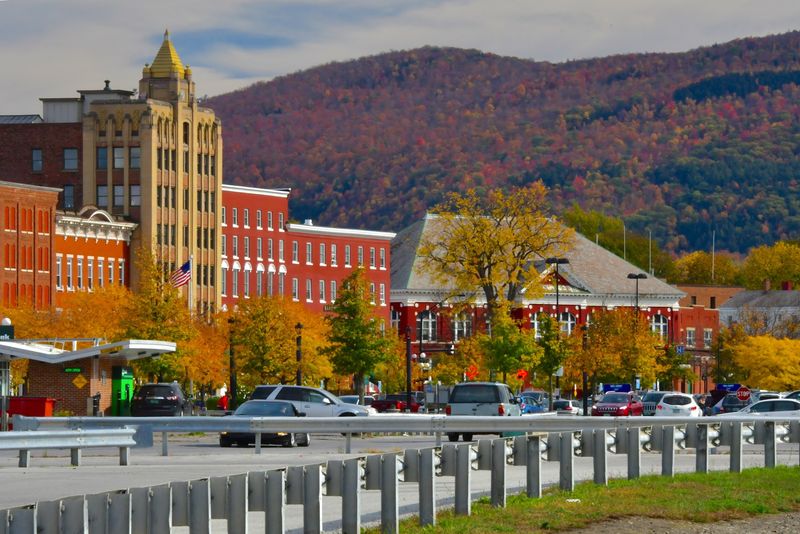
Merchants Row and the surrounding downtown form the commercial heart of Rutland, with restaurants, shops, offices, cultural venues, and public spaces concentrated within a fairly compact area.
Historic buildings give the district character while the streets continue functioning as an active business center.
Several errands can often be combined with a meal, a stop at the library, or a visit to a local shop. That can make an ordinary afternoon feel less dependent on long drives.
Anyone considering retirement here should test that convenience on a normal weekday. A pharmacy run, grocery stop, medical appointment, and downtown crossing reveal more than a quick weekend visit.
Winter changes the calculation. Snow, ice, plowing, and shorter daylight hours can affect sidewalks, parking areas, and the ease of moving between older buildings.
Accessibility also varies from one property to another. Historic storefronts add visual interest, but individual entrances and interior layouts should be checked rather than assumed to be step-free.
Rutland’s city bus network currently serves several in-town routes, including a hospital route.
That mix gives prospective residents several ways to judge whether ordinary routines would feel manageable before making a move.
Marble In The Details
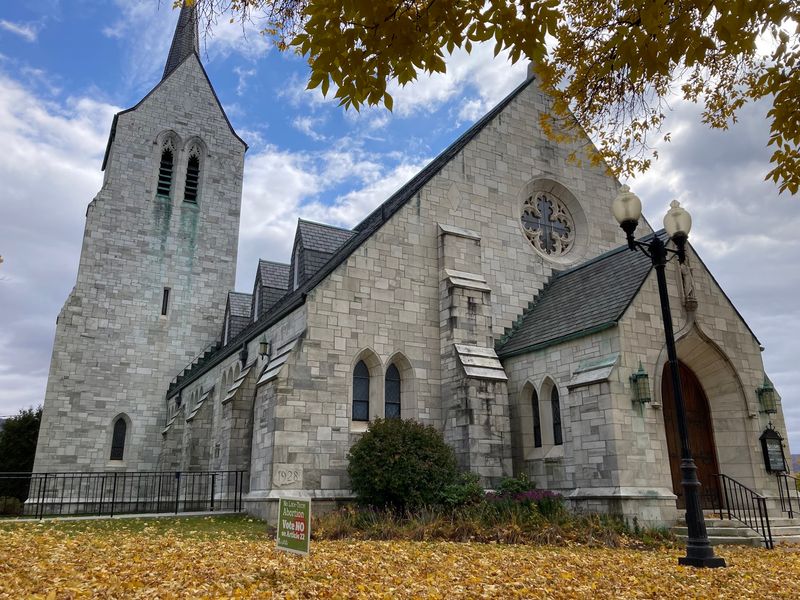
Rutland has long been known as the Marble City, a nickname tied to the industry that transformed the surrounding region during the nineteenth century.
Marble quarrying expanded rapidly in the late 1830s and 1840s.
Rail connections followed in the 1850s, making it easier to move stone and helping Rutland develop into an important transportation and industrial center.
Commercial blocks, civic buildings, and the old railroad corridor still reflect decades of growth rather than a single planned development.
The railroad also shifted the center of activity. As rail facilities expanded west of the older town center, new businesses and public buildings followed.
Rutland City became a separate municipality in 1892, when it split from Rutland Town. Earlier divisions had already created the separate communities of Proctor and West Rutland.
A few downtown blocks can reveal architectural details and reminders of the city’s industrial past.
Looking above street level is often worthwhile, since decorative features are easier to miss when attention stays fixed on storefronts and traffic.
For a future resident, that history offers more than trivia. Familiar streets can become more interesting once the reasons behind their layout and buildings are easier to recognize.
Room To Roam At Pine Hill
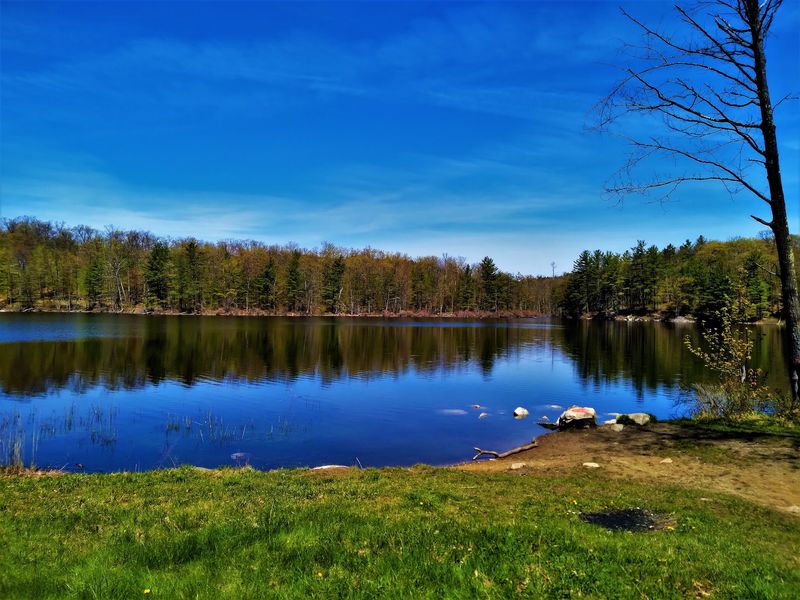
Fresh air is easier to work into a routine when a trail system begins inside the city. Pine Hill Park provides that option in northwest Rutland.
The park covers about 300 acres and contains roughly 16 miles of single-track trails. Walking and mountain biking are both established uses, though individual trails may carry restrictions.
The wooded setting offers shade during warmer months without requiring a long trip out of town.
Some trails close during wet periods, so checking current notices before heading out can prevent unnecessary damage and a disappointing arrival.
Uneven ground, roots, rocks, and changing grades also matter more than total mileage. A short loop may be a better choice than a longer route for anyone prioritizing steady footing.
A trail map is worth using instead of guessing at junctions. Some routes extend beyond park land, which makes staying aware of boundaries especially important.
Dogs are allowed but must remain on leash, and the park is limited to day use. Hunting, camping, and fires are not permitted.
For retirees who want regular outdoor exercise without planning a major excursion, having a trail network inside city limits can be a useful advantage.
Art Around The Corner
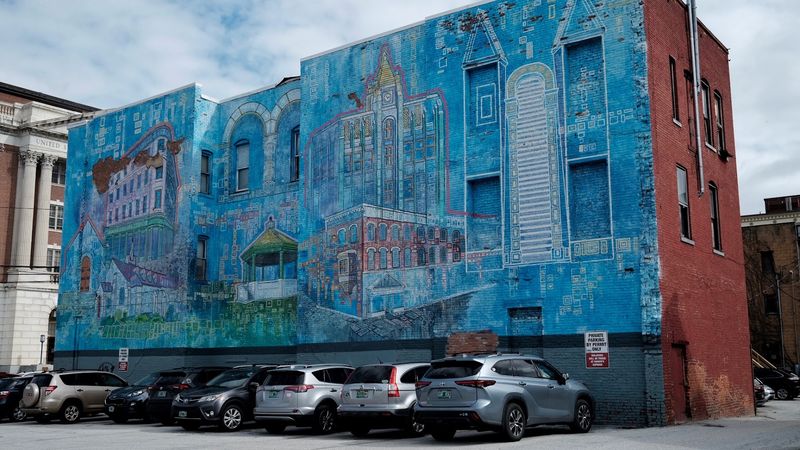
Downtown Rutland has a visible public-art presence, including murals and a sculpture trail that add color to ordinary walks through the center.
The Chaffee Art Center provides a more structured option. Its South Main Street building hosts changing exhibitions, classes, workshops, youth programs, and special events.
The 2026 calendar remains active, with rotating gallery shows running through the year and additional classes scheduled for children, teens, and adults.
Art in the Park adds another community-focused element, with summer and fall festivals bringing artists, craftspeople, food vendors, demonstrations, music, and family activities to Main Street Park.
Programs do change, so checking a current calendar is more useful than relying on an older brochure or previous year’s schedule.
Rutland’s arts scene provides recurring opportunities to see local work, take a class, or attend an event without leaving the city.
An Evening At The Paramount
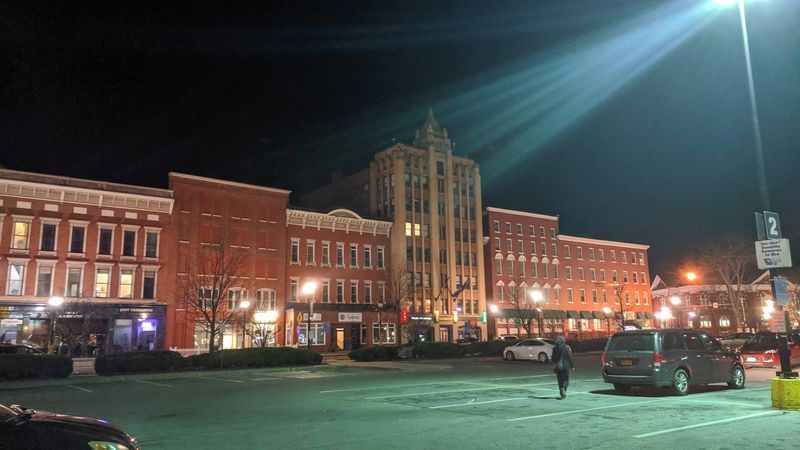
A quieter retirement can still leave room for occasional nights out. The Paramount Theatre gives downtown Rutland a historic venue for live entertainment and film.
The building opened in 1914 after construction during 1912 and 1913. Its restored interior reflects the elaborate theater design of the early twentieth century.
The current calendar includes concerts, films, touring performers, community presentations, and other events, so the schedule changes considerably from week to week.
Planning ahead matters for accessibility. Wheelchair seating is available on the orchestra floor, while the loge and balcony levels are not wheelchair accessible.
Downtown restaurants can make a performance part of a longer evening without adding much travel between stops.
Winter deserves extra thought after an event, particularly when sidewalks, parking lots, or roads may be icy.
For anyone comparing retirement locations, an active venue like this helps answer what there is to do after the first round of sightseeing is over.
A Market For Everyday Meals
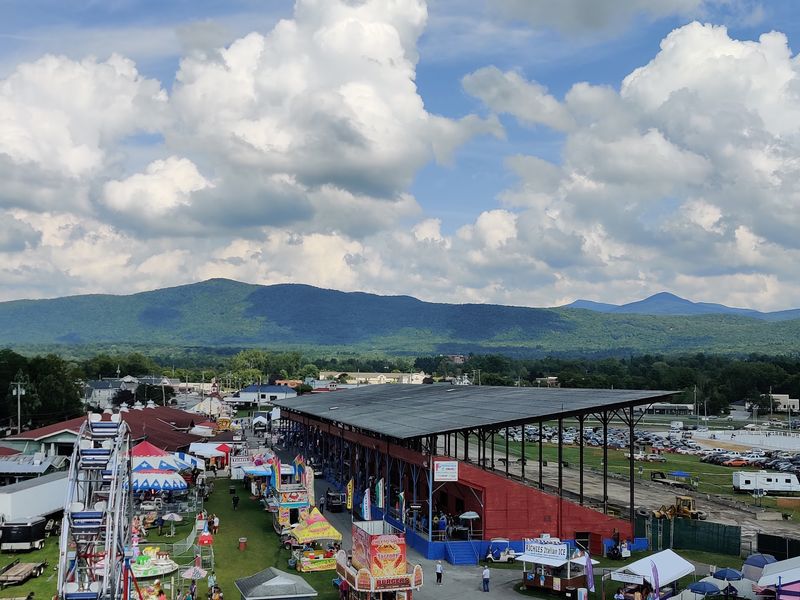
A farmers market can turn a routine food run into a more social weekly stop, and Rutland has one operating throughout the year.
The Vermont Farmers Market runs on Saturdays, but the location and hours change with the season. The outdoor market operates at Depot Park during the warmer months.
When the outdoor season ends, the market moves indoors to the Vermont Farmers Food Center on West Street for the colder part of the year.
Produce, baked goods, cheeses, prepared foods, maple products, crafts, and other locally made items appear among the vendor mix.
Selections naturally change through the seasons. Summer vegetables and fruit give way to storage crops, preserved foods, baked goods, and other cold-weather offerings as the year progresses.
Buying a smaller amount can make the trip easier to carry home while leaving room to return the following week.
The year-round schedule also extends well beyond peak visitor season.
Checking the current vendor list and seasonal location before leaving home is the simplest way to avoid surprises.
Seasons Worth Planning Around
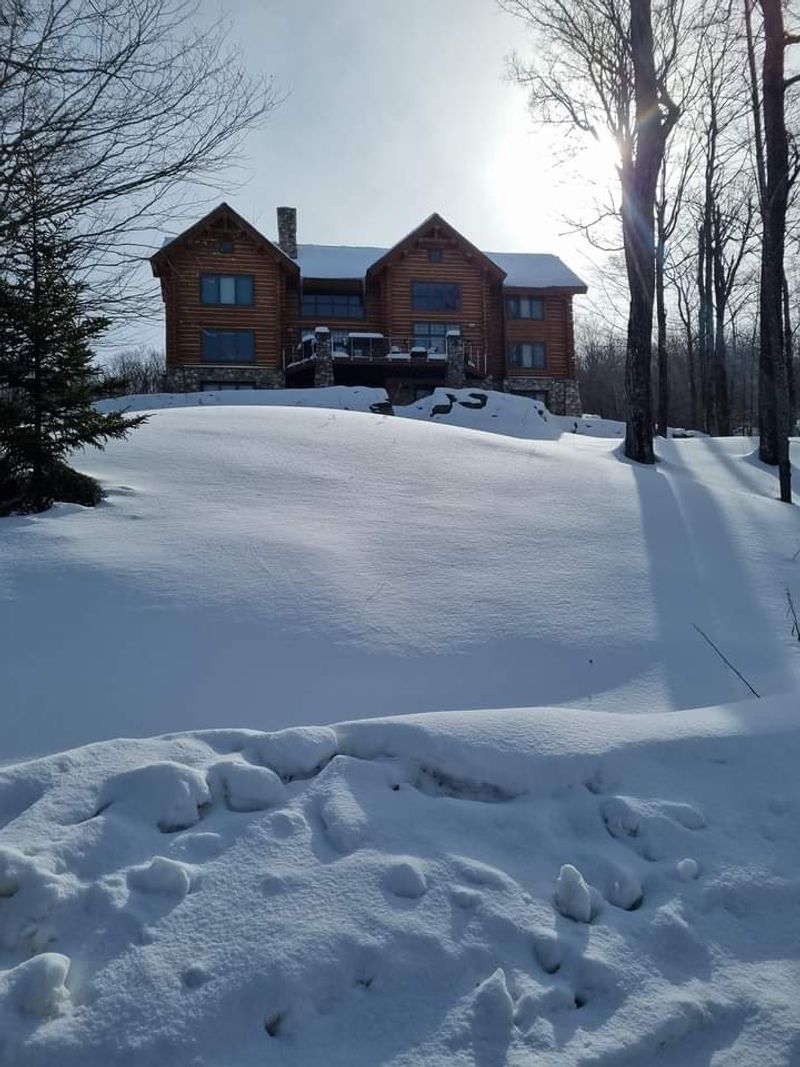
Autumn may be the easiest season to romanticize, but retirement decisions need to account for the entire year.
Spring can bring wet ground, mud, melting snow, and quickly changing temperatures. Trails and sidewalks may need time to dry even after daytime temperatures become comfortable.
Summer makes longer walks, outdoor markets, and regional day trips easier to plan. Water, shade, and cooler parts of the day still matter during warmer stretches.
Fall brings changing foliage and crisp conditions, but daylight shortens quickly as the season advances.
Winter requires the most practical preparation. Snow removal, heating, parking, steps, entryways, and regular transportation should all be considered before choosing a home.
Housing inspections should include the systems that matter most in cold weather. Heating equipment, insulation, drainage, stairs, and driveway maintenance can shape daily life more than a scenic view.
A short distance on a map may feel very different after snowfall or during icy conditions.
Spending time in Rutland during more than one season can reveal details that a pleasant summer or foliage-season visit will never show.
Making Daily Life Work
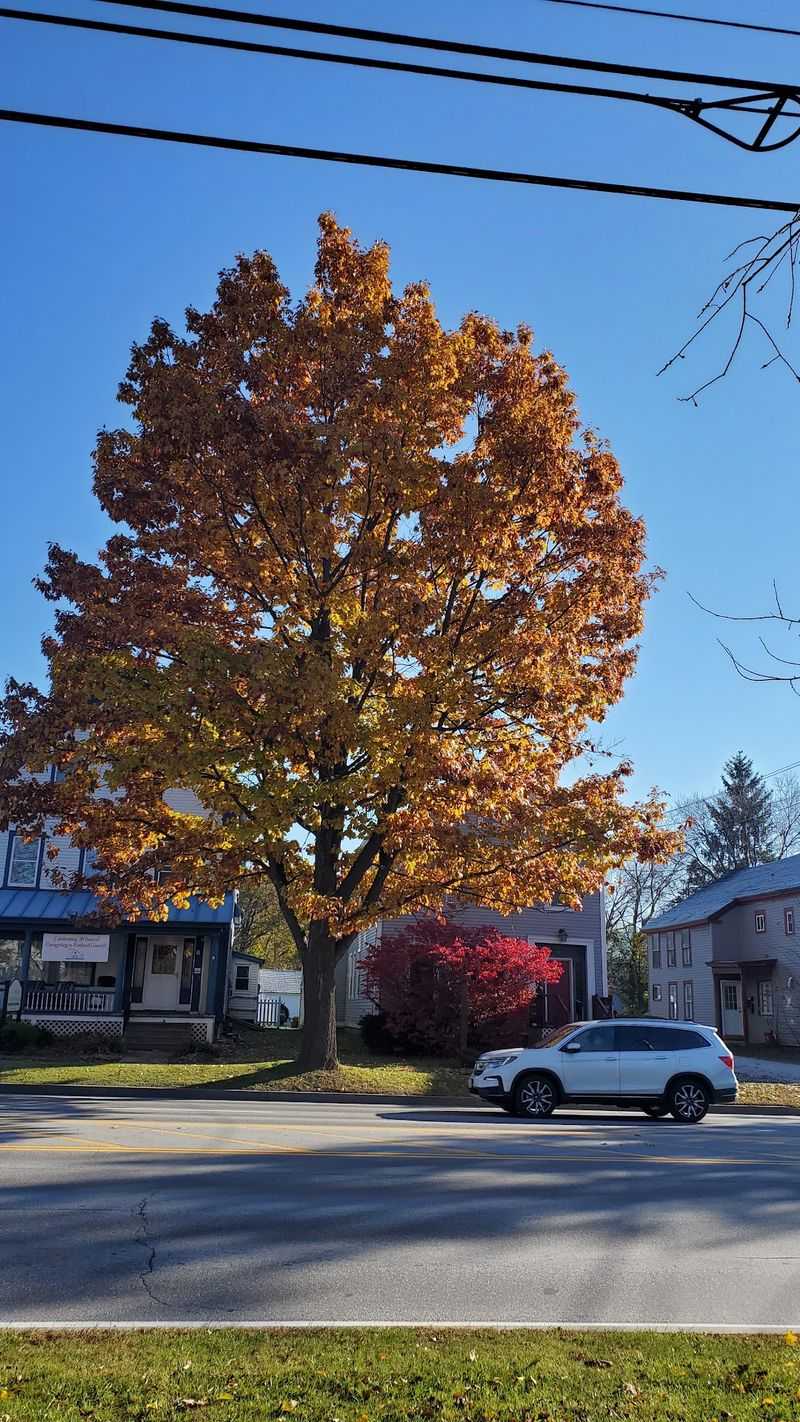
Before imagining an ideal retirement day, it helps to picture an ordinary Monday.
Groceries, prescriptions, appointments, transportation, and a comfortable place to take a break usually matter more than a long attraction list.
This Vermont town offers a regional hospital, local shops, community spaces, public transportation, cultural venues, and recreational options within the city.
Rutland Regional Medical Center provides inpatient and outpatient care along with a 24-hour emergency department, making healthcare a substantial part of the city’s service base.
The local bus system also operates fixed city routes and several regional connections. Service details and schedules should still be checked against the location of any prospective home.
Healthcare planning should go beyond proximity to a hospital. Provider availability, insurance participation, specialist access, and appointment wait times all need to be confirmed individually.
Housing deserves the same practical approach. Heating costs, stairs, storage, snow removal, parking, and outdoor maintenance can affect how manageable a property feels over time.
A smaller routine can leave more energy for enjoyable plans. The goal is not to eliminate every chore, but to keep ordinary tasks from taking over the week.