The Small Massachusetts Port Where The Clam Chowder Debate Never Ends
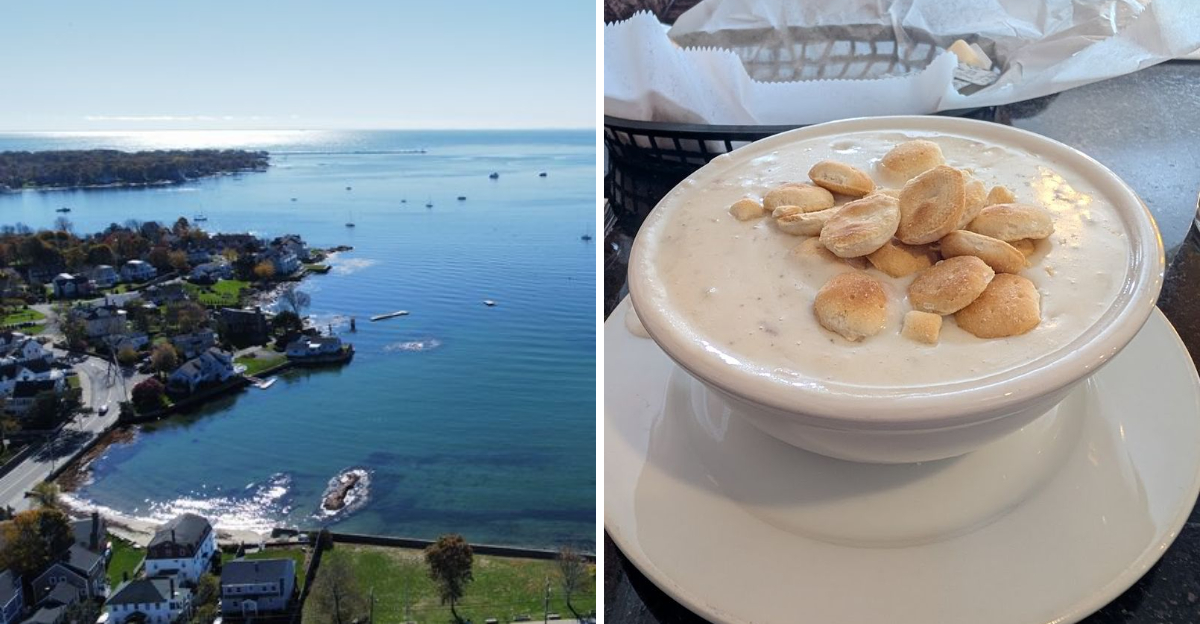
I have strong opinions about clam chowder and I am not ashamed of that.
What I did not expect was to drive into a Massachusetts fishing port and discover that my opinions were, at best, uninformed and at worst, completely wrong.
This town has been pulling fish out of the Atlantic since 1623 and has absolutely zero interest in your feedback about how it makes its chowder.
The recipes here are older than most American institutions, guarded more fiercely than most family secrets, and debated with the kind of passion that other towns reserve for local sports teams.
I pulled off the highway following a hand-painted sign and the kind of smell that bypasses rational thought entirely.
What ended up in front of me was a bowl that made me sit quietly for a moment, which anyone who knows me will tell you is genuinely rare.
This place does not ask for your approval. It just makes the chowder and lets you figure out the rest.
Ground Zero For The Chowder Debate
Gloucester, Massachusetts, did not get into the clam chowder business quietly. Founded in 1623, it is the oldest seaport in America, and it has had centuries to develop strong opinions about what belongs in a bowl of chowder.
The fishermen here were not playing around. They pulled hard-shell clams from the cold Atlantic and built a chowder tradition based on what was fresh, available, and honest.
No tomatoes. No shortcuts.
Just clams, cream, potatoes, and a very firm point of view.
The debate is not just between Gloucester and Manhattan. It runs right through the town itself.
Every restaurant, every fish shack, every diner with a handwritten menu has its own version, and every local will tell you theirs is the correct one.
Visiting Gloucester in Massachusetts means choosing a side, eating your way through the disagreement, and coming out the other end with strong opinions of your own.
The harbor is beautiful, the history is real, and the chowder is the kind of thing people drive two hours for without complaining once about the traffic.
Different World Of Clam
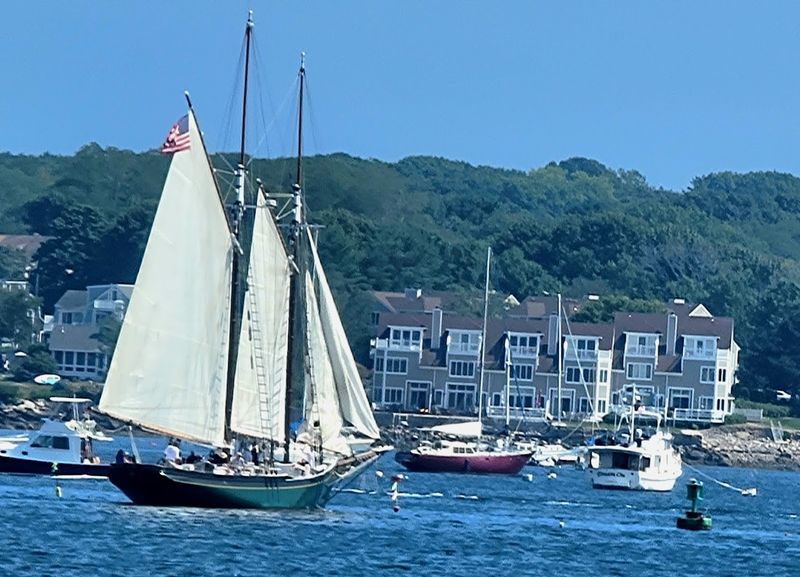
Not all clams are equal, and Gloucester locals will make sure you understand that before the conversation goes any further.
The quahog, a thick-shelled hard clam pulled from cold North Atlantic waters, is the foundation of everything good in this town.
Quahogs have a briny, slightly sweet flavor that holds up beautifully in a cream-based broth.
They do not turn rubbery when cooked right, and a skilled chowder cook knows exactly how long to let them simmer before pulling them off the heat. The difference between fresh local clams and canned ones is not subtle.
It is the difference between a meal and an experience.
Local seafood markets along the waterfront sell quahogs by the pound, and some restaurants will even show you the shells so you know what went into your bowl. That kind of transparency is refreshing.
Gloucester takes its clam sourcing seriously, and you can taste the difference in every spoonful.
If you ever wondered why New England clam chowder tastes different depending on where you order it, the answer almost always comes back to the quality and freshness of the clam itself.
The Bowl That Divides The Table
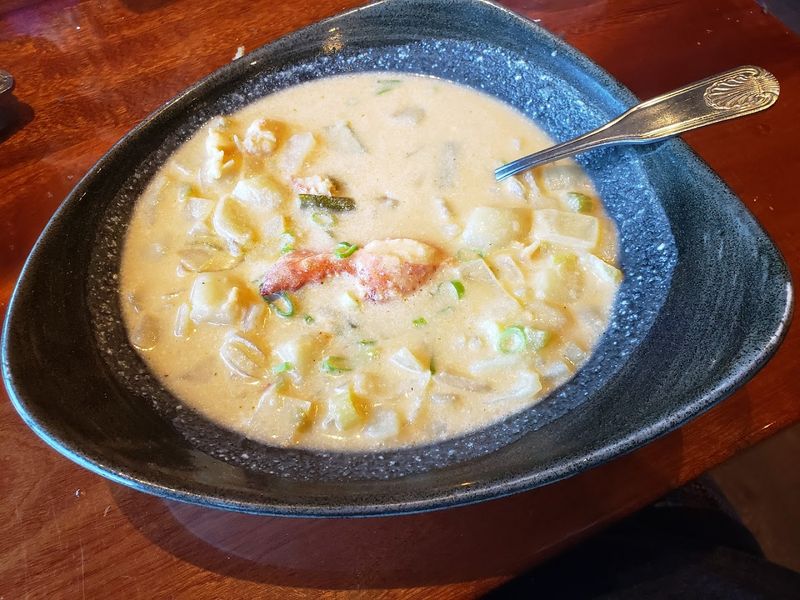
Ask ten people in Gloucester, Massachusetts, what makes a perfect chowder and you will get eleven answers. The loudest argument is almost always about the base.
Cream or broth? Thick or thin?
Rich or light?
The classic New England style leans on heavy cream and a flour-thickened broth that coats the back of a spoon. It is filling, comforting, and the kind of thing that makes cold weather feel like a personal invitation.
Some chefs in Gloucester push back on the thickness, arguing that a lighter, cleaner broth lets the clam flavor actually shine through instead of getting buried under dairy.
Both camps have loyal followings. The thick-cream crowd tends to be older locals and visitors who grew up on the style.
The lighter-broth fans are often the younger chefs who trained elsewhere and came back with new ideas.
Neither version is wrong. Both are worth ordering.
The smartest move is to ask your server which version the kitchen is proudest of that day, then order a bread bowl and commit fully.
You can always settle the debate yourself once the spoon hits your lips.
The Neighborhood That Feeds The Argument
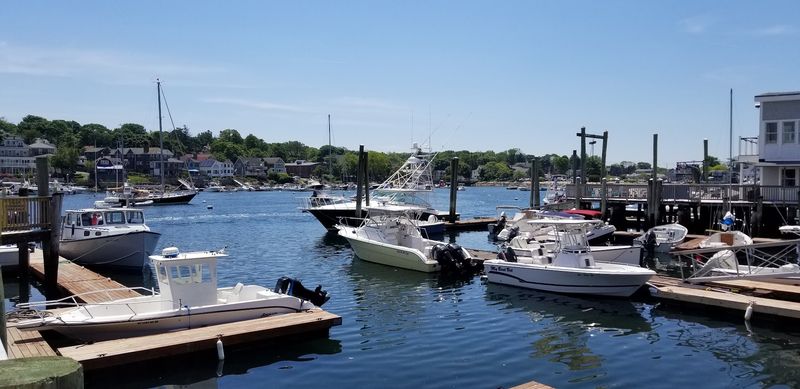
Rocky Neck is not a tourist invention.
It is a real working neighborhood on the eastern side of Gloucester that happens to be the oldest continuously operating art colony in the United States, and it also happens to have some seriously good food.
The restaurants here sit right on the water. You can watch lobster boats come in while your chowder cools enough to eat.
That kind of setting does something to your appetite.
Everything tastes better when the context is a weathered dock, a handful of seagulls, and the actual ocean twenty feet away.
Rocky Neck has a handful of spots that have been serving chowder for decades. The recipes are guarded carefully, passed between cooks who know that consistency is what keeps regulars coming back.
Visitors who skip this neighborhood in favor of the main drag are missing the most authentic version of Gloucester’s food culture.
Come hungry and plan to stay longer than you intended. That is not a warning, it is a promise.
Where The Chowder Speaks For Itself
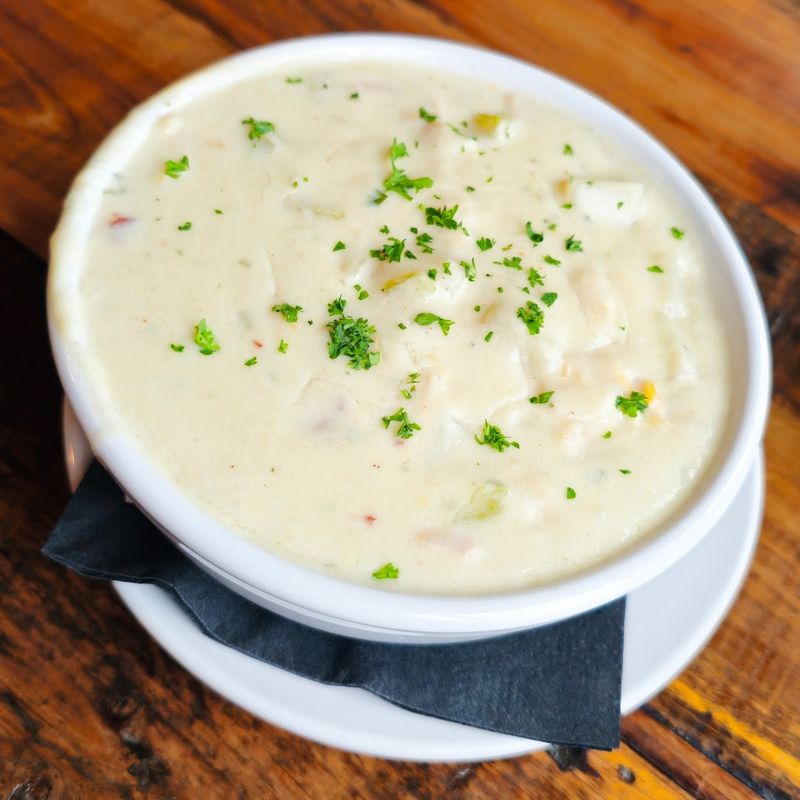
There is a point where all the debate stops and the only thing that matters is what is in the bowl in front of you.
Causeway Restaurant at 78 Essex Ave, Gloucester, Massachusetts is one of those places where that moment happens almost immediately.
Sitting just outside the busiest part of town, it has built a reputation on doing the basics exactly right without trying to reinvent anything.
The clam chowder here leans firmly into the New England style. Thick enough to feel substantial, but not so heavy that it buries the flavor of the clams.
You actually notice the seafood first, which is exactly how it should be.
The portions are generous without feeling excessive, and the consistency is what keeps people coming back. A bowl ordered on a quiet weekday afternoon tastes just as dialed in as one served during the weekend rush.
Nothing about it feels forced or overthought. It is simply a well-executed version of something this town has been doing for generations.
If you are trying to understand why Gloucester takes its chowder so seriously, this is the kind of place that makes the answer obvious after the first few bites.
What The Fishing Heritage Adds To Every Bowl
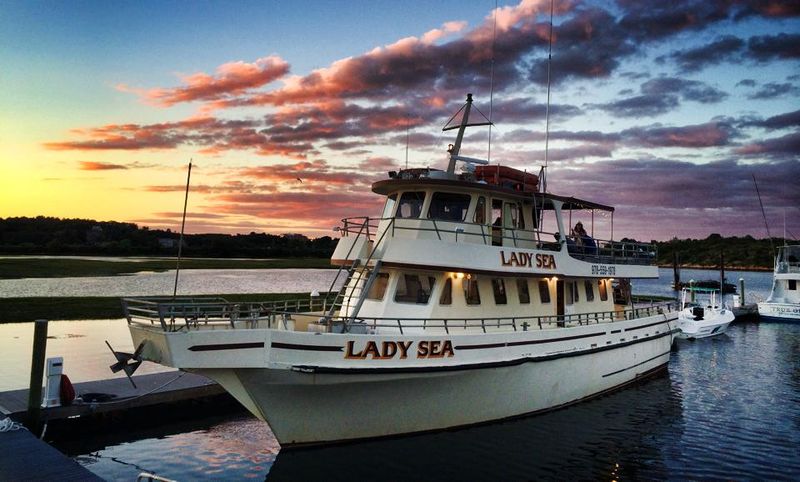
Gloucester in Massachusetts has been a working fishing port for over four hundred years. That history is not decoration.
It is in the water, the docks, the equipment, and the people who still make their living from the sea.
It also shows up directly in the food.
The fishing industry here shaped what went into chowder long before restaurants existed. Fishermen needed meals that were warm, filling, and made from what was available on the boat.
Clams, potatoes, onions, and salt pork were practical choices that became tradition. That tradition is still honored in most of the kitchens around town.
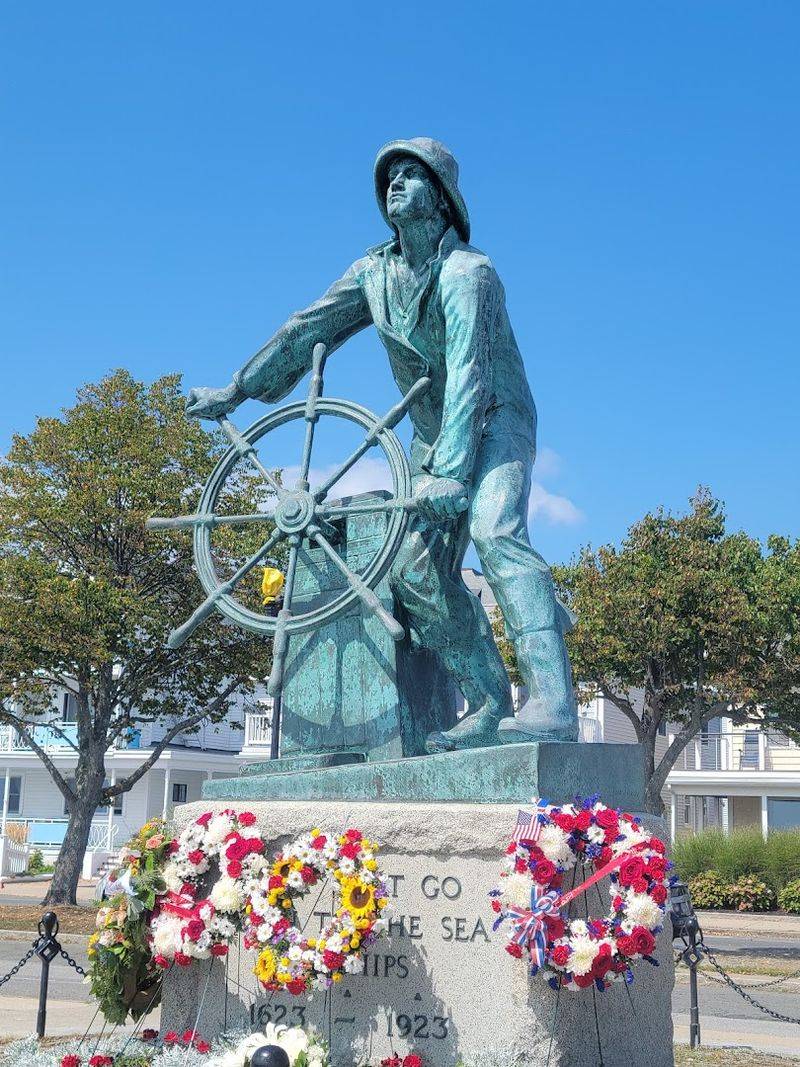
The famous Gloucester Fisherman statue, officially called The Man at the Wheel, stands at the intersection of Western Avenue and Stacy Boulevard.
It was erected in 1925 and commemorates the thousands of fishermen lost at sea over the centuries. Standing next to it and then walking to a nearby chowder spot puts the meal in a completely different frame.
You are not just eating lunch. You are eating something that has been part of this community for generations.
That context makes the chowder taste richer and more meaningful than it would anywhere else.
How The Locals Order
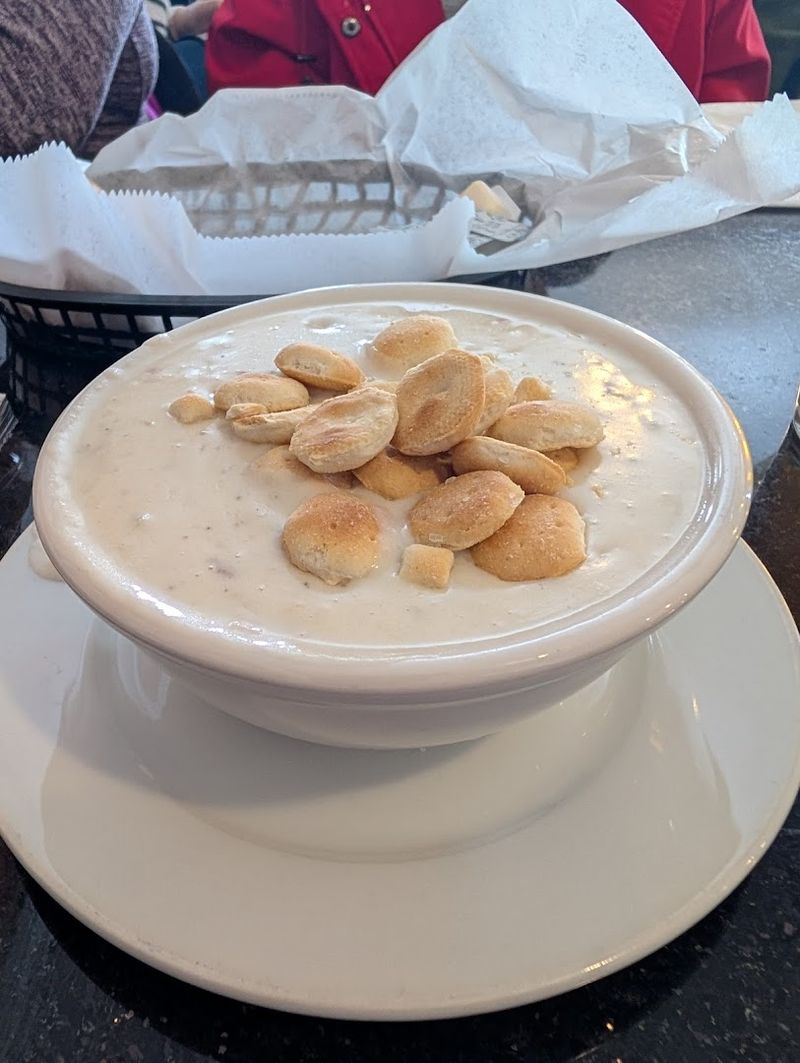
Ordering chowder in Gloucester is a skill, and watching locals do it is a masterclass in confidence. They do not look at the menu for long.
They already know what they want, and they usually say it in about four words.
The move is to ask for a cup first, not a bowl. A cup lets you taste the chowder without committing to a full portion before you know if the kitchen is having a good day.
If the cup is excellent, you order the bowl. If the bowl is excellent, you consider ordering another cup to take home in a container, which is something that happens more often than you might think.
Locals also know to ask about the clam-to-potato ratio. A chowder that is mostly potato is filling but not exciting.
A chowder that is heavy on clams is the real thing.
The best kitchens in Gloucester do not skimp on the clams because they know their customers will notice immediately. Pair the chowder with oyster crackers, not bread, for your first taste.
The crackers are traditional, they add a gentle crunch, and they will not fill you up before you get through the bowl.
Why The Debate Will Never End
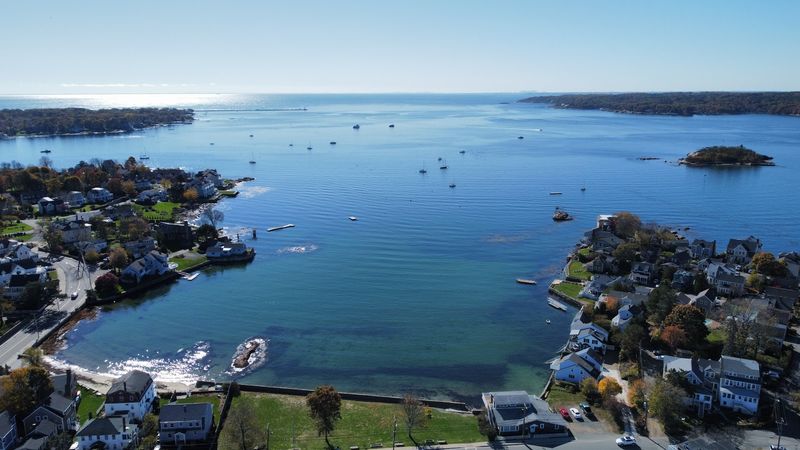
The clam chowder debate in Gloucester, Massachusetts is not going to be resolved anytime soon, and honestly, that is exactly the point.
The argument keeps people invested. It gives strangers something to talk about while waiting for a table.
It makes every bowl feel like a vote.
Food debates like this one are really about identity. Gloucester residents are proud of their fishing history, their independence, and their willingness to tell you exactly what they think.
The chowder is an extension of all of that. Every cook who defends their recipe is also defending something larger about who they are and where they come from.
Visitors who come expecting a single definitive answer are going to leave confused. Visitors who come ready to try four different versions and argue about their favorite at dinner are going to have the time of their lives.
Gloucester rewards curiosity and punishes indifference. Show up hungry, ask questions, order the chowder, and pick a side.
The locals will respect you for it, and you will leave with a strong opinion and probably a to-go container. That is the best possible outcome from any food trip, and Gloucester delivers it every single time.