The 5,700-Acre State Park In California That Most People Don’t Know Exists
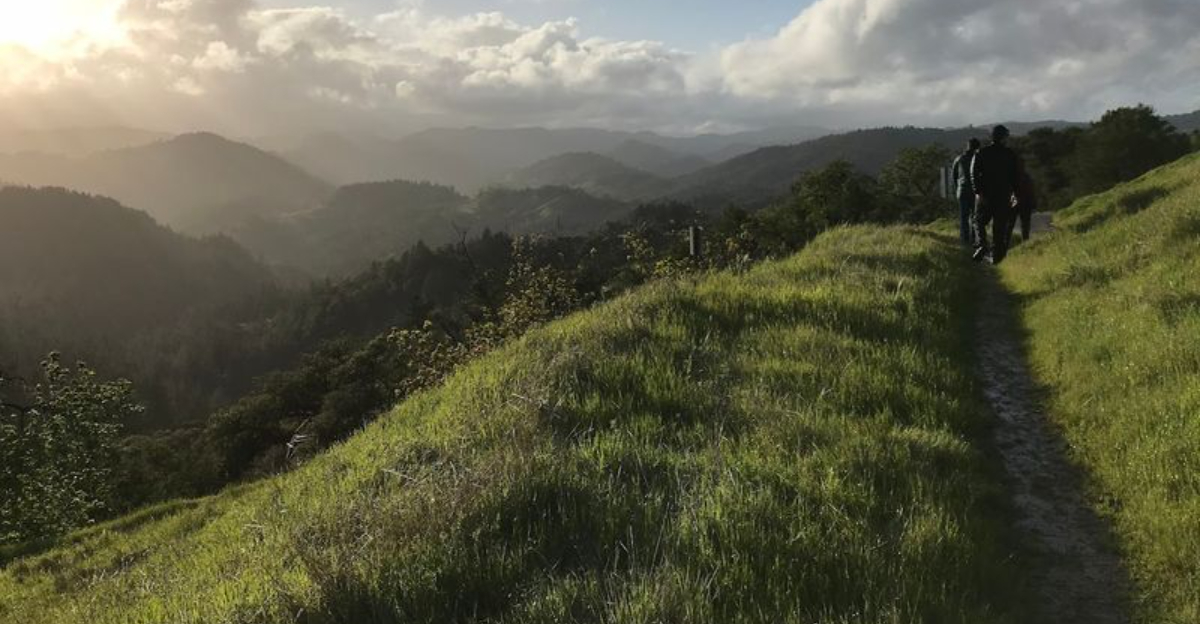
The road narrows without warning. Pavement turns quieter, rougher, like fewer people bothered to keep going. Then the space opens up, and everything shifts.
Hills roll out in wide stretches. Oaks stand scattered instead of packed tight. Trails cut through land that doesn’t try to guide every step, just invites you to keep moving and see where it leads.
What sits right next to one of the most visited areas in California stays almost invisible, something most people drive past without realizing.
Movement changes as you go. A shaded ravine pulls you in, then releases you into open ground again.
Wildlife crosses without hesitation. The distance between other hikers grows until there’s no one else in sight. Each turn feels less expected than the last.
That rhythm shows up across parts of California where the crowds stop but the landscape keeps going.
A simple hike stretches out. Stops last longer than planned. The route matters less than the experience of moving through it.
What starts as a day trip turns into something that feels harder to leave behind once it settles in.
The Park Covers A Massive 5,700 Acres Of Rugged California Wilderness
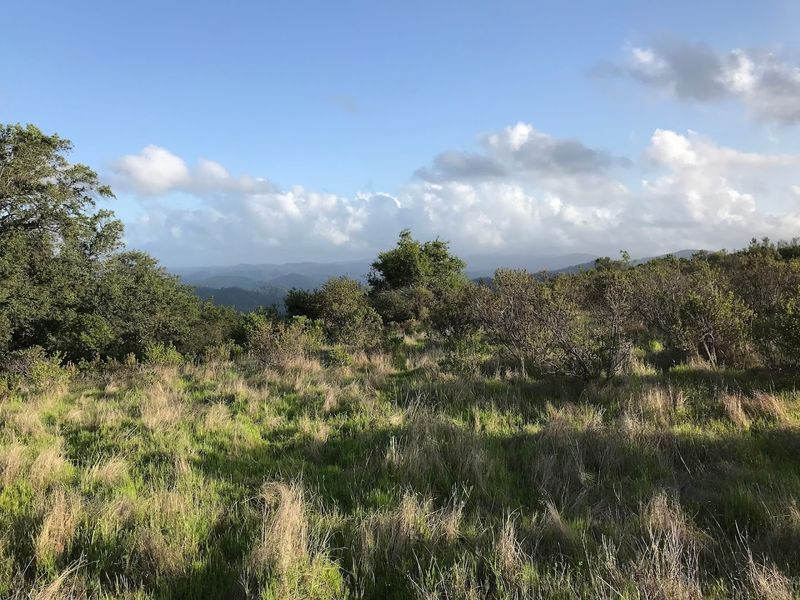
Few state parks in California pack this much raw, unspoiled terrain into a single visit.
Austin Creek State Recreation Area spans 5,700 acres of open woodlands, grassy hillsides, rocky summits, and deep ravines in Sonoma County, making it one of the more expansive and underappreciated parks in the state park system.
Elevations across the park range from around 150 feet at the lower creek areas to approximately 1,500 feet at the higher ridgelines.
That kind of vertical range means the landscape changes noticeably as visitors move through different sections of the park, shifting from shaded creek corridors to wide-open hilltop views.
The sheer size of the park means it rarely feels crowded, even on weekends when nearby Armstrong Redwoods draws larger numbers of visitors.
Hikers heading into the backcountry sections can go long stretches without encountering another person.
For anyone craving real solitude in nature, the scale of this park is one of its most appealing qualities.
Getting There Requires Navigating A Steep And Narrow Mountain Road
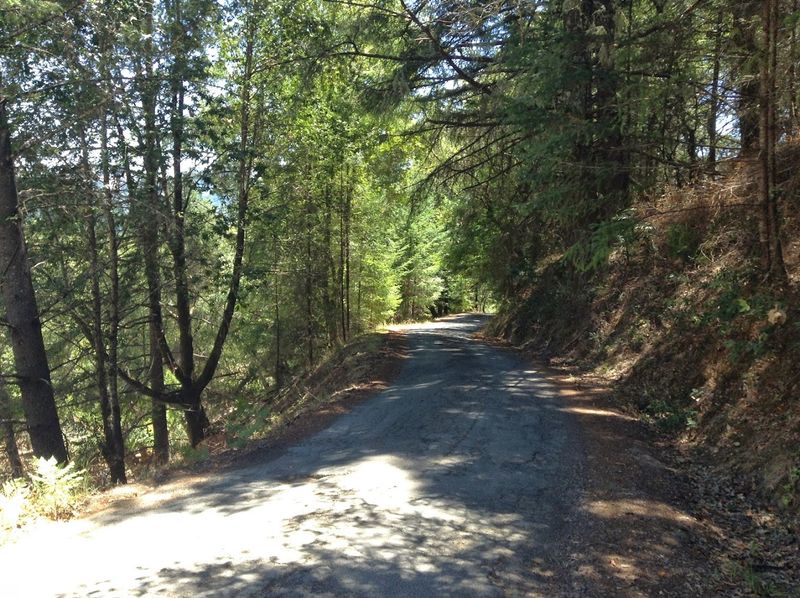
Reaching Austin Creek is not like pulling into a standard park entrance with a wide paved lot and easy signage.
The access road from the Armstrong Redwoods parking area is a steep, narrow, winding 2.5-mile route that climbs sharply up the mountain with multiple hairpin turns and very limited passing room.
For safety reasons, vehicles longer than 20 feet are not permitted on this road. That means large RVs, trailers, and oversized trucks should stay at the base.
Drivers unfamiliar with single-lane mountain roads may find the experience genuinely challenging, and caution is strongly recommended throughout the climb.
The park address is 17000 Armstrong Woods Rd, Guerneville, CA 95446, and the drive begins after passing through the Armstrong Redwoods area.
Arriving early in the day can reduce the chances of meeting oncoming traffic on the narrowest sections of the road.
Checking current road conditions before departing is always a smart move, since weather and seasonal factors can affect access at certain times of year.
The Terrain Shifts Dramatically Across Different Sections Of The Park
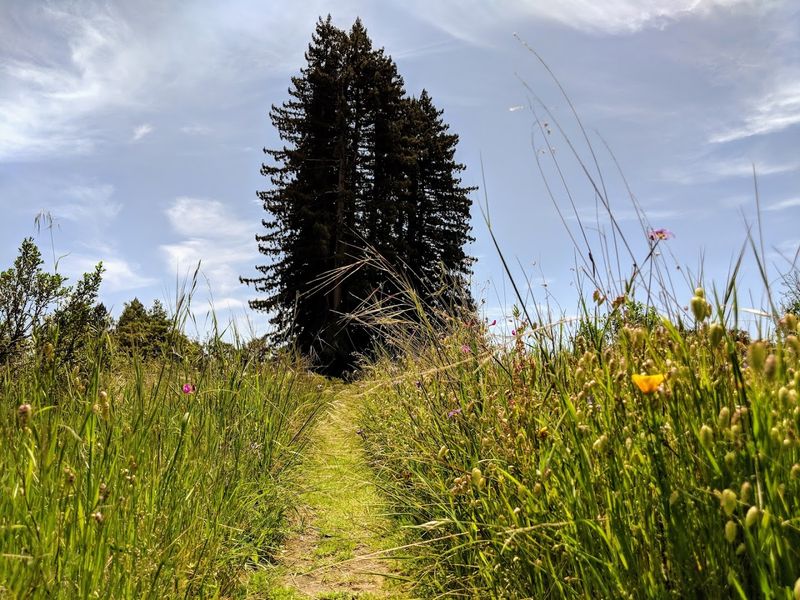
One of the most surprising things about Austin Creek is how much the environment changes from one section to the next.
At lower elevations, shaded creek corridors and dense woodland create a cool and sheltered atmosphere that feels quite different from the exposed ridgelines higher up.
Moving upward, the forest gives way to open grassy hillsides dotted with oak trees, and eventually to rocky summits with sweeping views of the surrounding coastal mountains.
The contrast between these zones is striking and gives the park a layered character that rewards explorers willing to cover some ground.
Deep ravines cut through the landscape in several areas, adding a sense of drama and depth to the terrain.
The rugged topography also creates natural habitats for a wide range of plant and animal species, which contributes to the park’s impressive ecological diversity.
Visitors who take the time to move through multiple elevation zones tend to come away with a richer sense of just how varied and complex this landscape truly is.
Wildlife Sightings At Austin Creek Are Genuinely Impressive
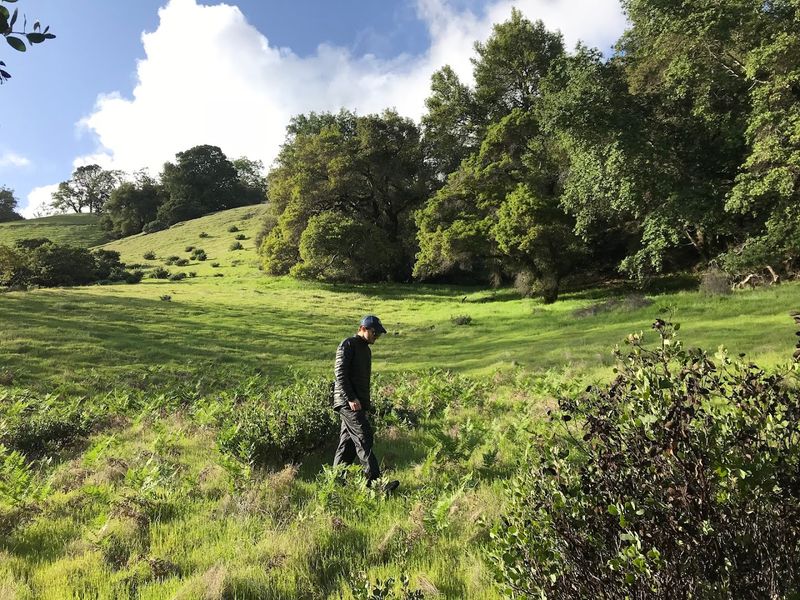
Few state parks in the region can match the variety of wildlife that calls Austin Creek home.
Native mammals found throughout the park include deer, foxes, coyotes, raccoons, skunks, bobcats, and squirrels, with occasional sightings of black bears and mountain lions reported as well.
Birdwatchers tend to find the park especially rewarding.
Species that have been documented here include spotted owls, great blue herons, white-tailed kites, wood ducks, California quail, ravens, various woodpeckers, and several species of hawks.
Wild turkeys and feral pigs are also present, representing introduced species that have established themselves in the area over time.
Aquatic wildlife adds another layer to the experience, with trout, salmon, newts, salamanders, sunfish, black bass, and bullfrogs found in the creek and pond environments.
Spotting a great blue heron standing motionless at the edge of a still pool is the kind of moment that tends to stay with visitors long after they leave.
Keeping a quiet pace and staying alert on the trails gives the best chance of encountering the park’s resident animals.
Spring Wildflowers Transform The Meadows Into Something Truly Colorful
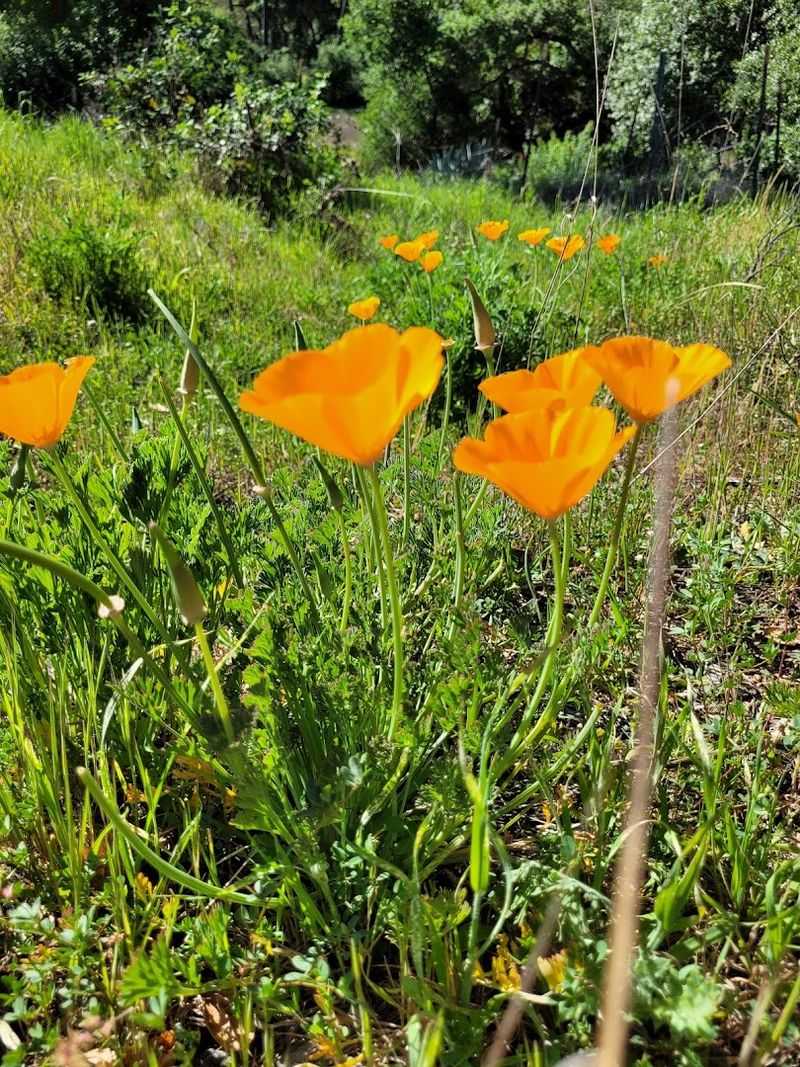
Springtime at Austin Creek brings one of the most visually rewarding displays in the Sonoma County park system.
Meadows and hillsides fill with blooming wildflowers that include Douglas irises, Indian paintbrushes, buttercups, lupines, cluster-lilies, California poppies, and shooting stars.
The color contrast against the green hills and blue sky creates a landscape that feels almost unreal in its vividness.
Hiking through a meadow carpeted in orange California poppies and purple lupines during peak bloom is a genuinely memorable experience that draws photographers and nature lovers alike.
Peak bloom timing varies depending on rainfall and temperatures for that particular year, so checking in with the park or California State Parks resources before planning a spring visit is a helpful step.
Cooler and wetter winters tend to produce more abundant wildflower seasons.
The display typically runs from late February through early May, with some species peaking earlier and others lingering into the warmer weeks.
Arriving on a clear morning when the light is soft and low gives the best conditions for both photography and simply taking in the color.
Twenty Miles Of Trails Offer Options For Every Skill Level
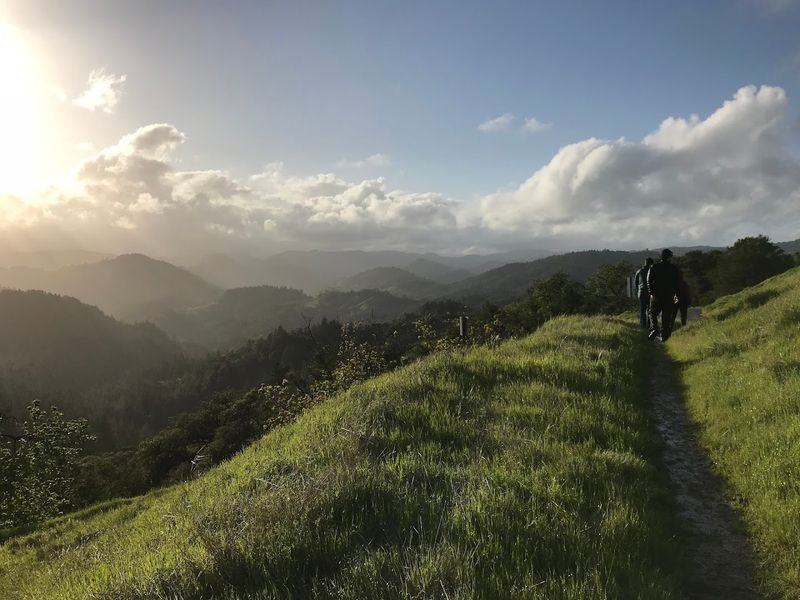
Twenty miles of trails wind through the park’s varied terrain, giving visitors a solid range of options depending on their fitness level and how much time they have available.
Trails are open to both hikers and horseback riders, which adds a pleasant and traditional feel to the backcountry experience.
Notable routes include the Austin Creek Trail, Gilliam Creek Trail, Pool Ridge Trail, and East Ridge Trail.
The East Ridge Trail is considered a solid workout at approximately 3.5 miles with significant elevation gain, while other trails offer gentler grades through meadows and woodland.
Mixing and matching trail segments allows visitors to build custom loops that suit different goals.
Ticks can be present on the trails, particularly during warmer months, so wearing light-colored clothing and checking thoroughly after a hike is a practical habit worth developing.
Staying on marked trails helps protect the vegetation and reduces the chance of getting turned around in the more remote sections.
Trail conditions can change after heavy rain or following fire recovery periods, so confirming current status before heading out is always a reasonable precaution.
Backcountry Camping Gives Visitors A True Off-The-Grid Experience
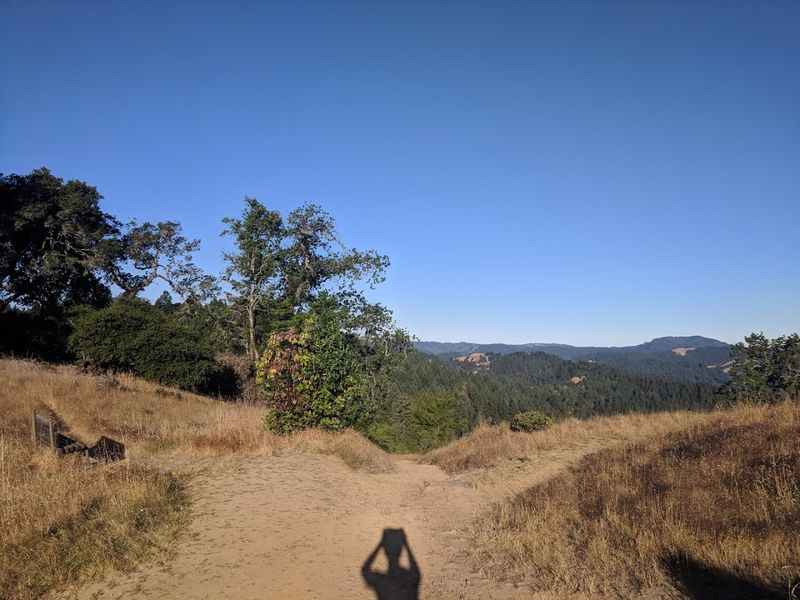
Camping at Austin Creek takes on a different character depending on which option visitors choose.
Bullfrog Pond Campground offers 23 vehicle-accessible campsites, each with a picnic table and fire ring, but as of the most recent available information that campground has been closed and is currently inaccessible, so confirming its status before planning is essential.
Backcountry camping remains available at Tom King and Manning Flat, two primitive sites that offer a much more secluded and self-sufficient experience.
Reaching these sites requires hiking in with all gear, water, and supplies, since there are no public water sources available anywhere in the park.
Sleeping under a sky undimmed by city light pollution, surrounded by oak woodland and the sounds of the creek, is the kind of experience that backcountry camping enthusiasts specifically seek out.
Planning carefully and packing conservatively makes the difference between a smooth overnight stay and a difficult one.
Reservations and current conditions should always be verified through the official California State Parks website or by contacting the park directly at the listed phone number before any overnight trip.
Summer Heat At Austin Creek Can Be Intense And Demands Real Preparation
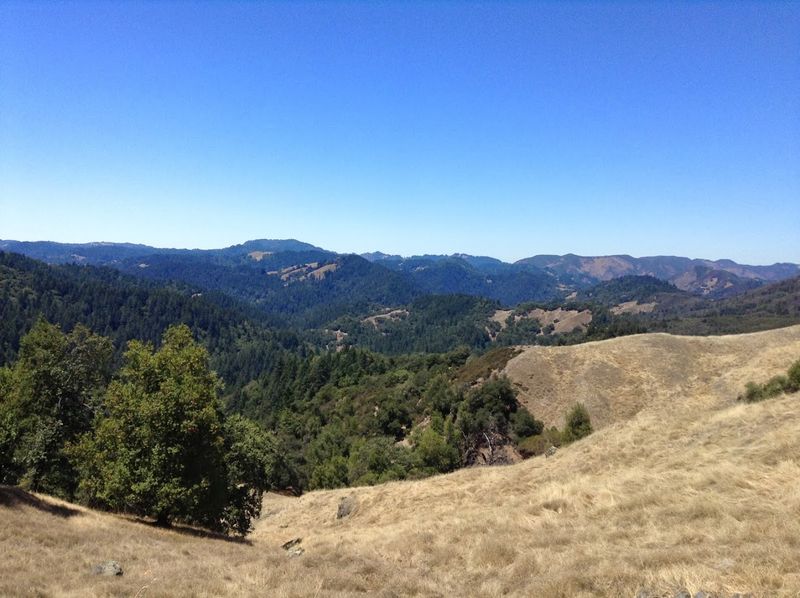
Summer temperatures at Austin Creek can climb past 100 degrees Fahrenheit on the exposed ridgelines and open meadow sections of the park.
Unlike the shaded redwood groves just down the road at Armstrong, much of the terrain here sits in direct sun with limited natural shelter from midday heat.
Carrying significantly more water than feels necessary is the single most important preparation step for a summer visit.
There are no public water sources within the park, which means every drop consumed during the hike must be brought in from outside.
Filling up at the water fountain at Armstrong Redwoods before heading up the access road is a practical step that can prevent a very uncomfortable situation.
Starting hikes in the early morning hours when temperatures are still manageable gives visitors a much more comfortable and enjoyable experience.
Light, breathable clothing and sun protection are practical essentials rather than optional extras in this environment.
Keeping an eye on the weather forecast and being willing to adjust plans based on conditions is a sensible approach that experienced hikers in hot climates tend to follow consistently.
Winter Conditions Bring Cold Temperatures And Heavy Rainfall To The Park
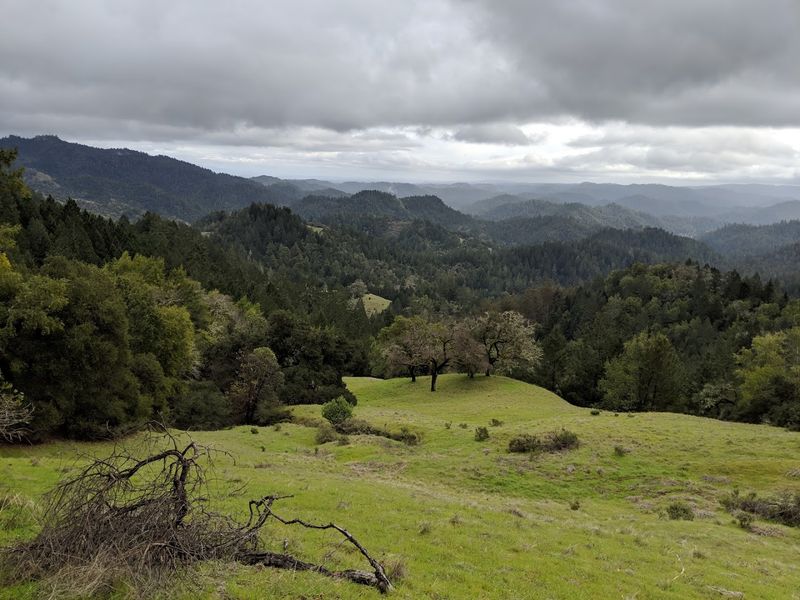
Cold weather and heavy rain define the winter character of Austin Creek in ways that surprise visitors expecting mild California conditions.
The park receives over 50 inches of annual rainfall, and winter months can bring temperatures that drop below freezing at higher elevations, with occasional snow flurries adding to the chill.
Trail surfaces can become muddy and slippery after sustained rainfall, and creek levels rise considerably during wet periods.
The access road itself can become more challenging in wet conditions, and visibility can drop during heavy rain or fog.
Checking road and trail conditions before visiting during winter months is especially important. That said, winter visits offer their own quiet appeal.
The hills turn a vivid green after the first autumn rains, and the park takes on a moody and atmospheric quality that feels completely different from the dry golden tones of summer.
Wildlife tends to be more active during the cooler months, and the absence of summer heat makes long hikes far more comfortable for those who are properly dressed.
Layering clothing and carrying rain gear makes a significant difference in how enjoyable a winter visit turns out to be.
The Park Sits Adjacent To Armstrong Redwoods And Makes A Natural Pairing
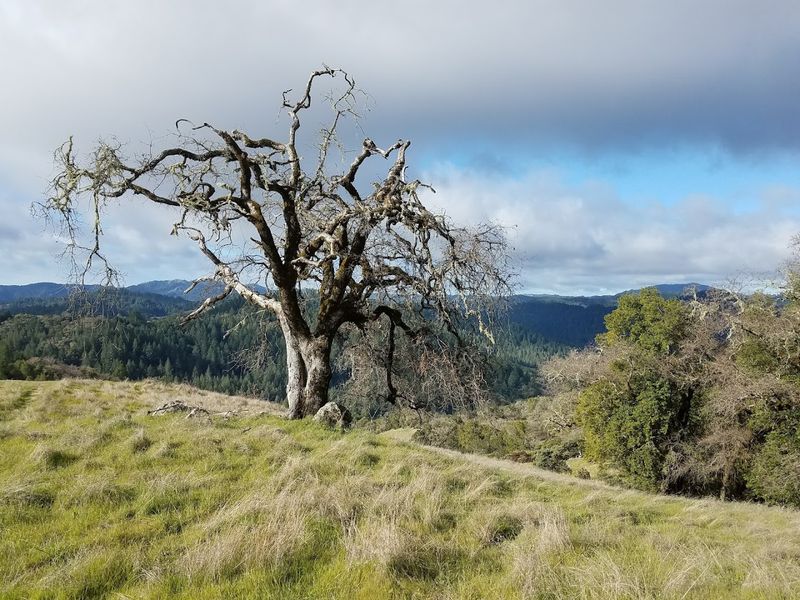
Positioned directly adjacent to Armstrong Redwoods State Natural Reserve, Austin Creek offers a striking contrast to its famous neighbor.
Where Armstrong features dense, cathedral-like groves of towering coast redwoods, Austin Creek opens up into rolling hills, exposed ridgelines, and creek-fed valleys that feel distinctly different in character and scale.
Combining both parks in a single visit creates a genuinely well-rounded experience of Sonoma County’s natural landscape.
Spending the morning walking quietly among the old-growth redwoods and then heading up the access road to hike the open terrain of Austin Creek gives a sense of just how varied the local ecology truly is within a small geographic area.
The shared access point through Armstrong Redwoods means visitors do not need to make a separate drive to reach Austin Creek.
Parking at Armstrong and then navigating up the mountain road is the standard approach.
Having a full day available rather than trying to rush both parks into a short afternoon gives enough time to genuinely appreciate what each area has to offer without feeling pressed for time.