The Stunning South Carolina State Forest That Feels Worlds Away From Everyday Life
There is a version of a perfect day that does not involve a single notification, a packed schedule, or the low hum of city noise that you stopped noticing years ago.
It involves tall pines, soft trails, and the kind of quiet that feels almost foreign at first and then deeply necessary about ten minutes in.
South Carolina, thankfully, has exactly that kind of place.
This state forest does not try to impress you with dramatic vistas or engineered attractions.
It simply exists, unhurried and expansive, and lets the towering trees and clean air do all the convincing.
I showed up on an ordinary afternoon with no real plan and found myself still wandering well past the point where I had intended to leave.
Some places genuinely slow your pulse down, and this is one of them. South Carolina has been keeping this one quietly and very effectively to itself.
The Forest Overview
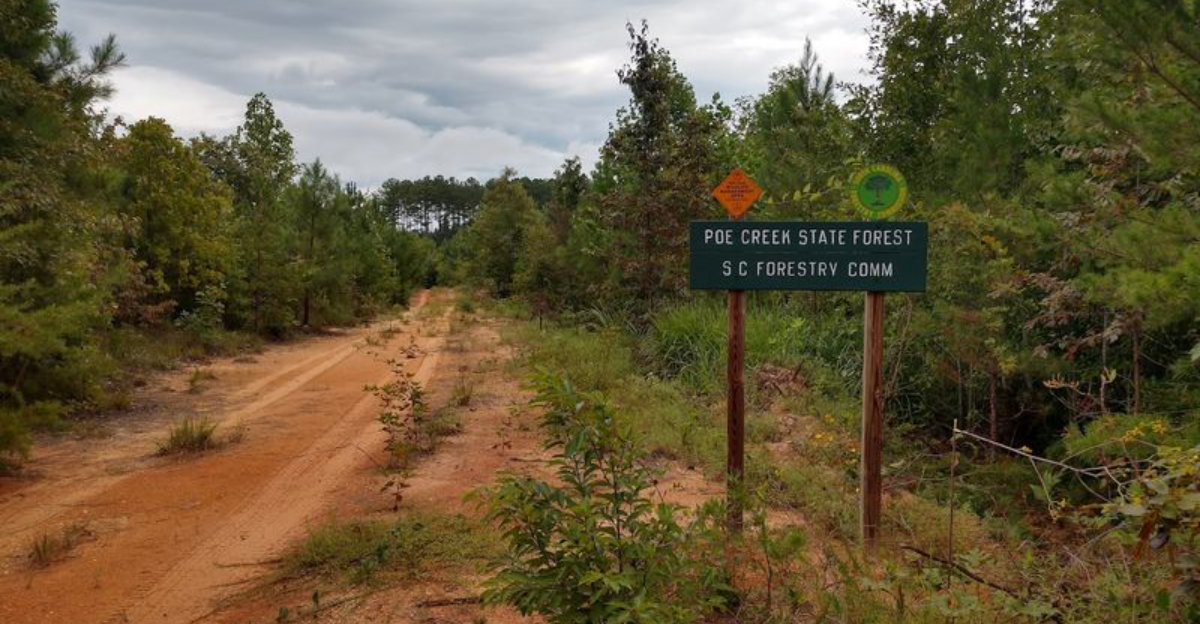
Poe Creek State Forest sits in Chesterfield County, South Carolina, and it does not care one bit about being famous.
This working state forest covers thousands of acres of managed pine and hardwood land that most people drive right past without a second glance.
That’s honestly their loss. The forest is managed by the South Carolina Forestry Commission, which means it’s maintained with real intention, balancing timber production with outdoor recreation in a way that feels surprisingly natural.
What makes it stand out is the combination of open forest roads, creek corridors, and the kind of birdsong soundtrack that no playlist can replicate. You don’t need gear, a guide, or a reservation.
Just show up, park the car, and start walking. The forest located off Secondary Road 467 near Patrick, South Carolina, rewards curiosity more than planning.
First-timers often leave already thinking about the next visit, which says everything you need to know about the place.
The Trail System
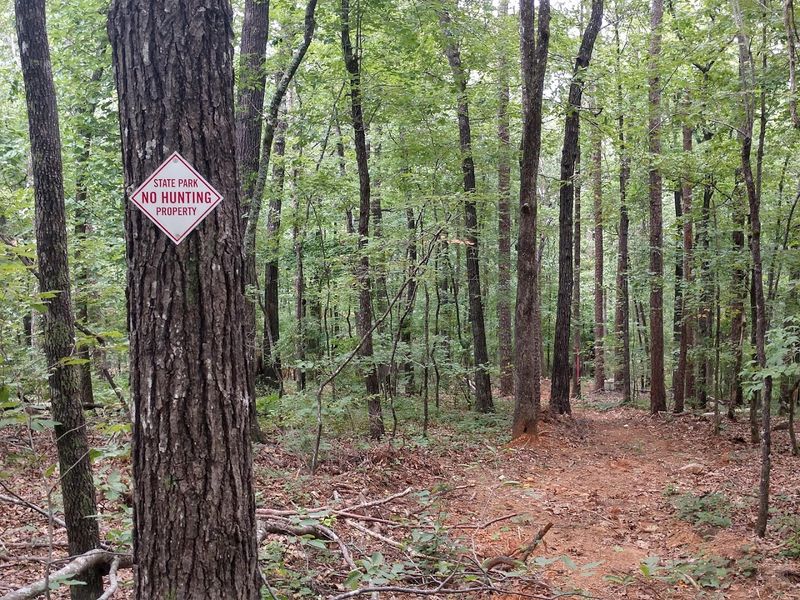
Not every trail needs a dramatic viewpoint to be worth your time. The trails at Poe Creek State Forest prove that point thoroughly.
The routes wind through longleaf pine stands, cross small creek drainages, and occasionally open into grassy clearings that feel completely unexpected.
Most of the trails are unpaved forest roads and footpaths that don’t show up on mainstream hiking apps. That’s part of the appeal.
You’re navigating with a bit of instinct, a downloaded map, or just following the tree blazes like someone who actually knows what they’re doing.
The terrain is mostly flat to gently rolling, which makes it accessible for families, older hikers, and anyone who wants a long walk without the drama of elevation.
The trails are also open to mountain bikers and horseback riders, so the experience changes depending on when you visit. Morning walks tend to be quieter.
Afternoons bring more activity.
Either way, the forest doesn’t disappoint. Bring water, wear good shoes, and plan for longer than you think.
Time moves differently here.
Wildlife You Might See
White-tailed deer are practically the welcoming committee at Poe Creek. You’ll spot them near the forest edges at dawn and dusk, looking mildly offended that you interrupted their morning routine.
Beyond deer, the forest supports a surprisingly rich mix of wildlife that makes every walk feel like a slow-motion nature documentary.
Wild turkey are common sightings, especially in the open pine areas. Red-tailed hawks circle overhead with the confidence of birds who know they own the airspace.
Box turtles cross the forest roads at their own unhurried pace, and nobody rushes them.
Birdwatchers will find the forest especially rewarding during migration season. Species like the brown-headed nuthatch, pine warbler, and various woodpeckers call the longleaf pine habitat home year-round.
The creek corridors attract wood ducks and herons. If you move quietly and resist the urge to check your phone every five minutes, the wildlife encounters become genuinely memorable.
Bring binoculars.
You won’t regret it, and your phone camera zoom simply won’t cut it out here.
The Forest Itself
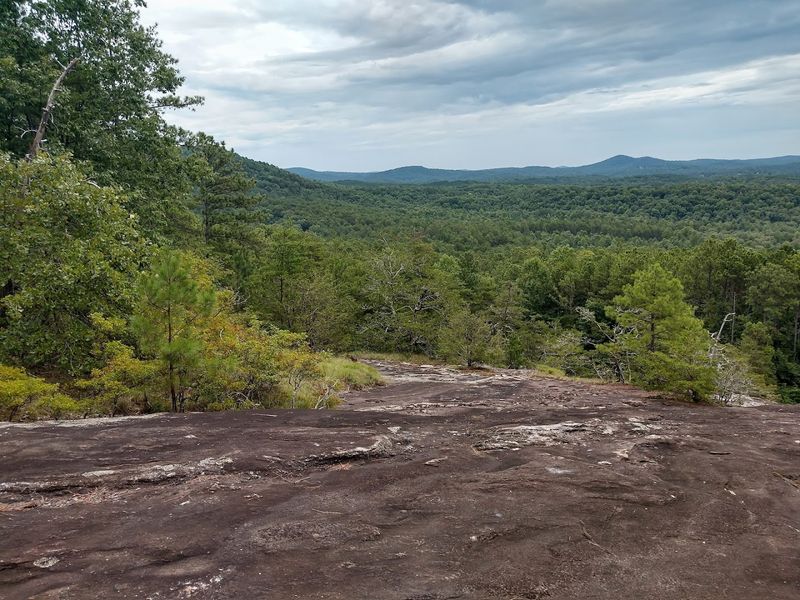
The creek the forest is named after is not a dramatic waterfall or a wide river. It’s better than that.
Poe Creek is the kind of slow, clear, sandy-bottomed stream that makes you want to take off your boots and just stand in it for a while.
The water moves quietly through the forest, bordered by cypress trees and dense shrubs that create a shaded corridor completely separate in feel from the open pine uplands nearby.
The contrast between the two habitats within the same forest is one of the more underrated experiences the place offers.
Creek corridors like this one are ecologically rich zones where amphibians, birds, and small mammals concentrate. You’re likely to hear frogs before you see them, and the sound alone is worth the walk.
Kids absolutely love the creek sections. Adults do too, though they’re less likely to admit it out loud.
The sandy banks make for easy walking and occasional impromptu nature study. It’s one of those spots that feels genuinely peaceful without trying to be anything other than exactly what it is.
Hunting And Fishing Opportunities

Poe Creek State Forest is open to licensed hunting, and that’s a big part of why the local community values it so much.
The forest supports deer, turkey, and small game hunting seasons managed in coordination with South Carolina Department of Natural Resources regulations.
If you’re planning a hunt, check current season dates and licensing requirements before heading out.
Fishing is another draw.
The creek and nearby water features hold populations of bass, bream, and catfish that keep anglers coming back with the quiet confidence of people who know a good spot when they find one.
Catch-and-release fishing is popular, though keeping a legal catch is permitted.
What’s refreshing about Poe Creek as a hunting and fishing destination is that it hasn’t been overrun.
The crowds that descend on more famous South Carolina outdoor spots simply haven’t found their way here in large numbers yet.
That means more space, more quiet, and a more authentic outdoor experience.
Whether you’re an experienced hunter or a first-time angler, the forest offers room to learn and space to enjoy it without feeling like you’re competing for territory.
Best Times To Visit
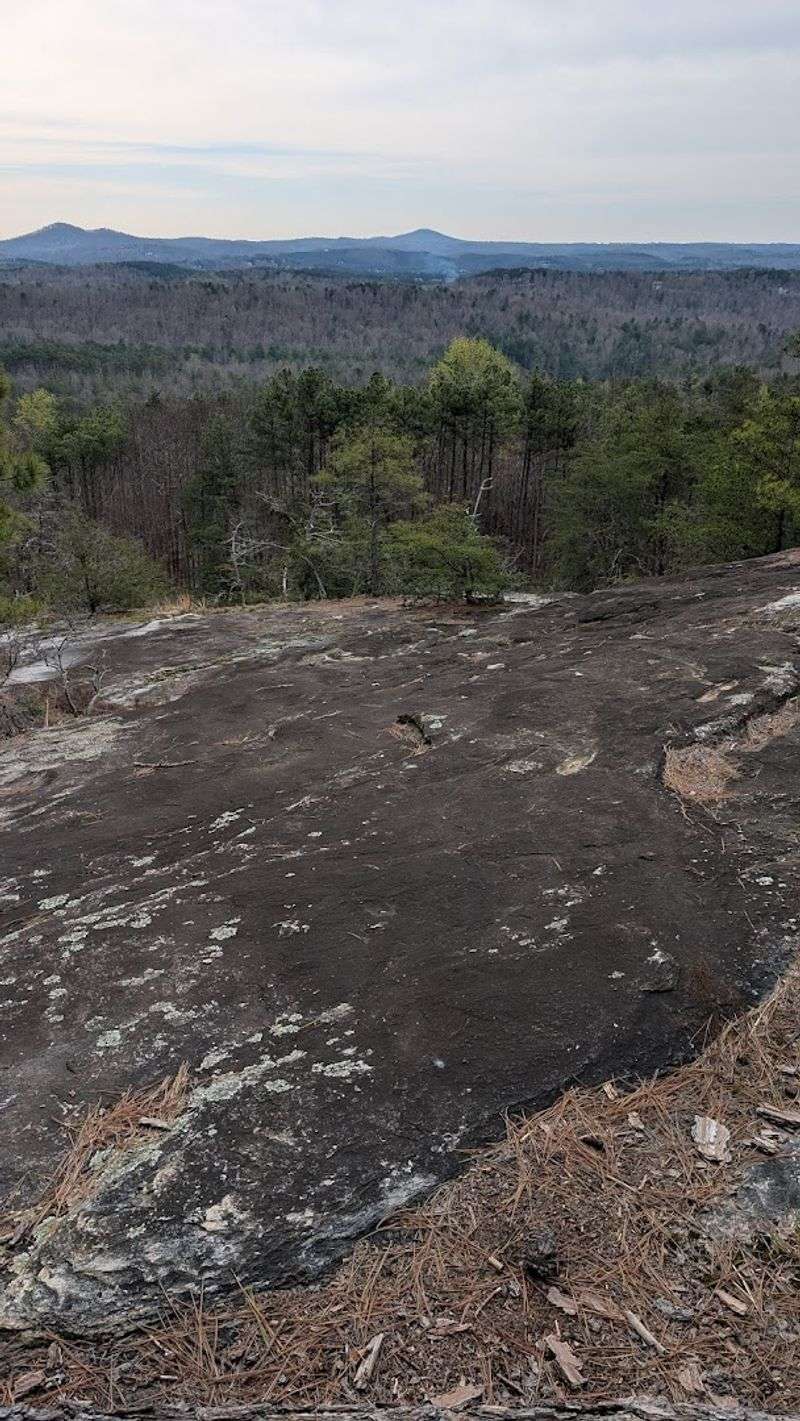
Fall is the undisputed highlight season at Poe Creek. October and November bring cooler temperatures, changing leaf color in the hardwood sections, and a level of sensory richness that summer simply cannot match.
The mosquito population also drops dramatically, which is its own form of seasonal magic.
Spring runs a close second. Wildflowers appear along the creek banks and forest edges in March and April, and migratory birds pass through in numbers that make birdwatchers genuinely emotional.
The forest feels alive in a different way during spring, louder and more energetic than any other time of year.
Summer visits are absolutely doable, but go early in the morning. The South Carolina heat and humidity are real, and the forest offers shade but not air conditioning.
Midday summer hikes are a commitment.
Winter is surprisingly pleasant for those who enjoy the stripped-down quietness of bare hardwood trees and uncrowded trails.
Deer are easier to spot without leaf cover, and the whole forest takes on a calm, almost contemplative quality. Every season offers something genuinely different, which is a rare quality in any outdoor destination.
Getting There And What To Bring
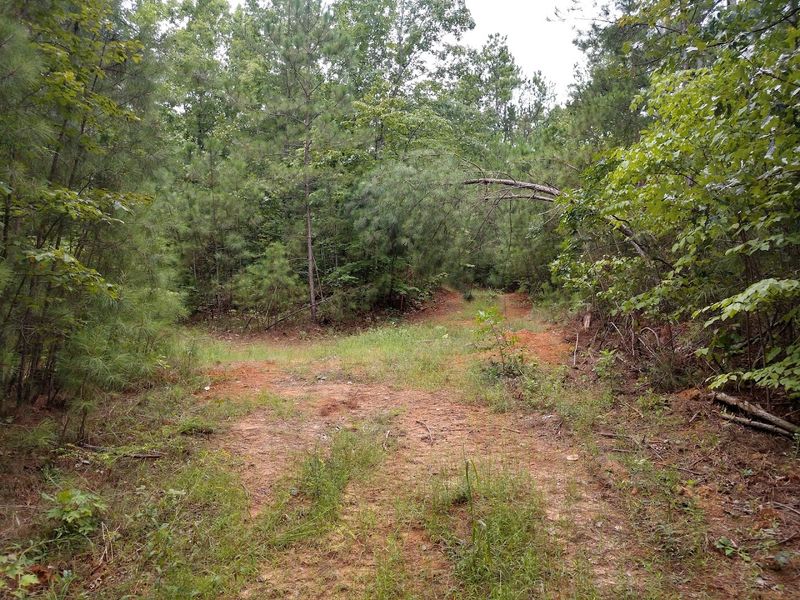
Poe Creek State Forest is located in Chesterfield County in the northeastern part of South Carolina, roughly between the towns of Patrick and Cheraw.
The area is rural, which means navigation apps occasionally get creative with directions. Download an offline map before you leave cell range, because coverage out here is optimistic at best.
The forest has multiple access points via secondary roads. Gravel roads lead into the interior, and most are passable with a standard vehicle in dry conditions.
After heavy rain, a higher clearance vehicle is a smarter choice. The forest doesn’t have a staffed visitor center, so self-sufficiency is part of the experience.
Pack more water than you think you need. Sunscreen matters even on cloudy days under a forest canopy.
Insect repellent from spring through early fall is non-negotiable.
A basic first aid kit, a charged phone, and a printed or downloaded trail map round out the essentials. Wearing layers in cooler months pays off because temperatures shift quickly once you’re moving through the forest.
The preparation is minimal, but doing it right makes the difference between a great day and an uncomfortable one. This forest rewards the prepared visitor generously.
Why It Deserves More Attention
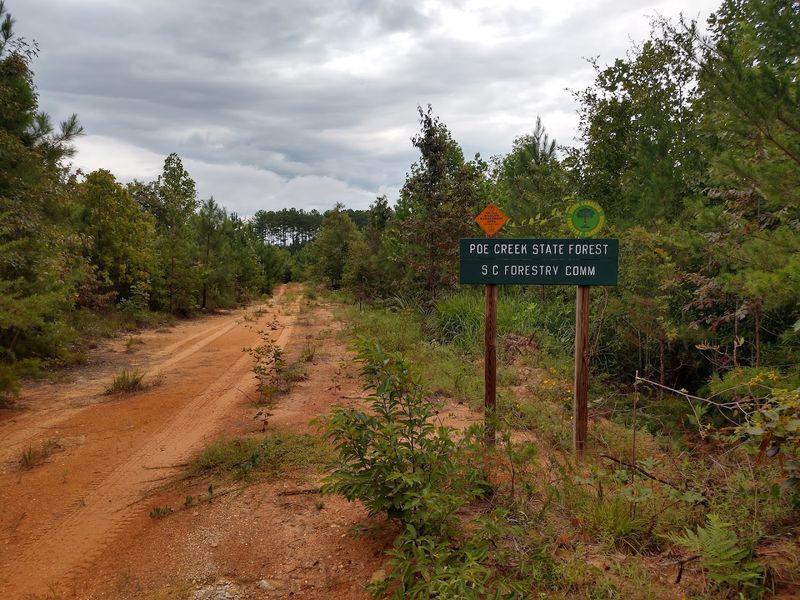
South Carolina has no shortage of outdoor destinations that get all the attention. Congaree National Park, Hunting Island, Table Rock.
They’re all fantastic, and they all have the crowds to prove it.
Poe Creek State Forest exists in a completely different category, one where you can show up on a Saturday morning and feel genuinely alone in the woods.
That solitude is increasingly rare and increasingly valuable. The forest offers a legitimate outdoor experience without the trailhead parking chaos or the need to reserve a spot three weeks in advance.
It’s the kind of place that rewards locals who bother to look beyond the obvious choices.
The South Carolina Forestry Commission manages Poe Creek with a practical, conservation-minded approach that keeps the land healthy and accessible.
There’s something deeply satisfying about spending a day in a forest that’s being actively cared for rather than just preserved behind a fence. Poe Creek isn’t trying to be a destination.
It just is one, quietly and without any fuss. If you’ve been looking for a place that genuinely resets your sense of scale and slows everything down, this forest is worth the drive without any hesitation.