The Ultimate Maine Travel Bucket List For An Unforgettable Adventure
Maine gets under your skin in a way that is genuinely difficult to explain to someone who has never been.
It is not just the coastline, though the coastline is extraordinary. It is not just the forests, though the forests will make you feel like a completely different person by the third mile of trail.
It is the combination of all of it, the wildness, the quiet, the cold clean air, and the persistent feeling that you have somehow stumbled onto one of the last truly unhurried corners of the country.
I keep coming back to this state because it consistently delivers something that most destinations simply cannot. That rare feeling of being somewhere that asks nothing of you except to pay attention.
These are the places that define what makes Maine so completely worth the trip, the bucket list stops that earn that title honestly and deliver every single time.
1. Acadia National Park
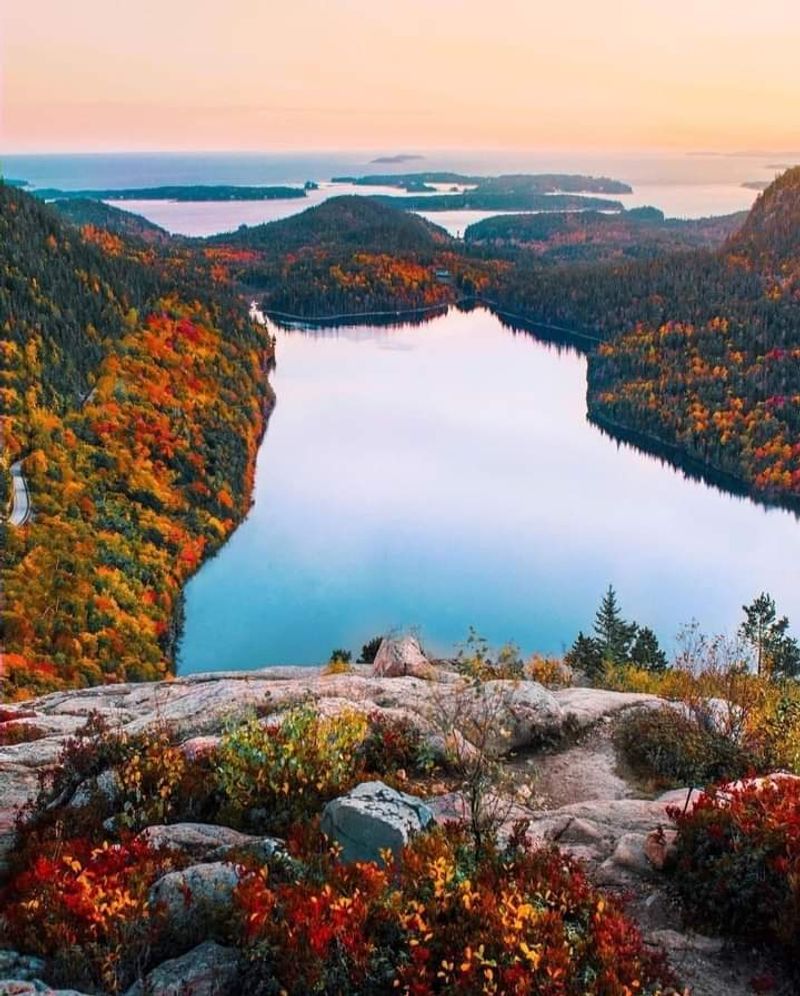
Standing on the summit of Cadillac Mountain at sunrise, you realize pretty quickly why people set alarms for 4 a.m. just to be here.
Acadia National Park sits on Mount Desert Island and draws over three million visitors a year, yet somehow still manages to feel personal.
The views from the top stretch across Frenchman Bay in a way that makes your phone camera feel completely inadequate.
The park offers 158 miles of hiking trails, 45 miles of scenic carriage roads, and some of the best tide pooling on the East Coast.
Jordan Pond is a must-visit spot, famous for its crystal-clear water and the surrounding mountains called the Bubbles. You can grab a bite nearby and just sit there watching loons glide across the surface.
Fall foliage season turns the whole park into something out of a painting. If you visit in October, bring layers because the wind off the ocean has serious opinions.
The park entrance is at 25 Visitor Center Rd, Bar Harbor, and the visitor center staff are genuinely helpful when it comes to trail recommendations.
2. Portland Head Light
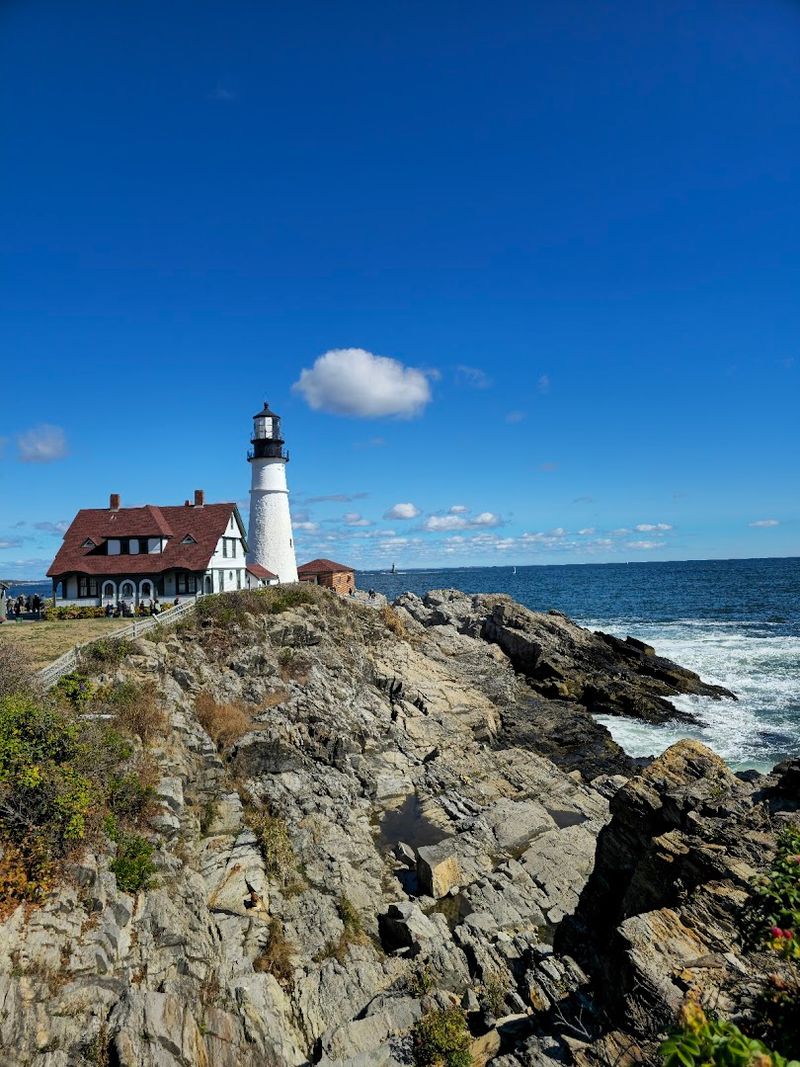
Built in 1791, Portland Head Light is the oldest lighthouse in Maine and looks exactly like a lighthouse should look, bold, white, perched on dramatic rocks with the Atlantic roaring below.
George Washington commissioned it. That alone earns it a spot on any serious bucket list.
Located at 1000 Shore Rd in Cape Elizabeth, the lighthouse sits inside Fort Williams Park, which means your admission to the grounds is free.
The museum inside the keeper’s quarters tells the full history of the light station, and it is genuinely interesting even if you are not a history buff.
Kids seem to love it too, mostly because the rocks are spectacular for scrambling.
Photographers show up here at all hours chasing the perfect shot, and honestly, every hour delivers something different.
Morning light makes the white tower glow. Stormy days turn the whole scene cinematic.
I visited on a gray November afternoon and the place felt completely alive despite the cold.
Pack a warm jacket, bring your camera, and plan to stay longer than you think. The view earns every minute.
3. Coastal Maine Botanical Gardens
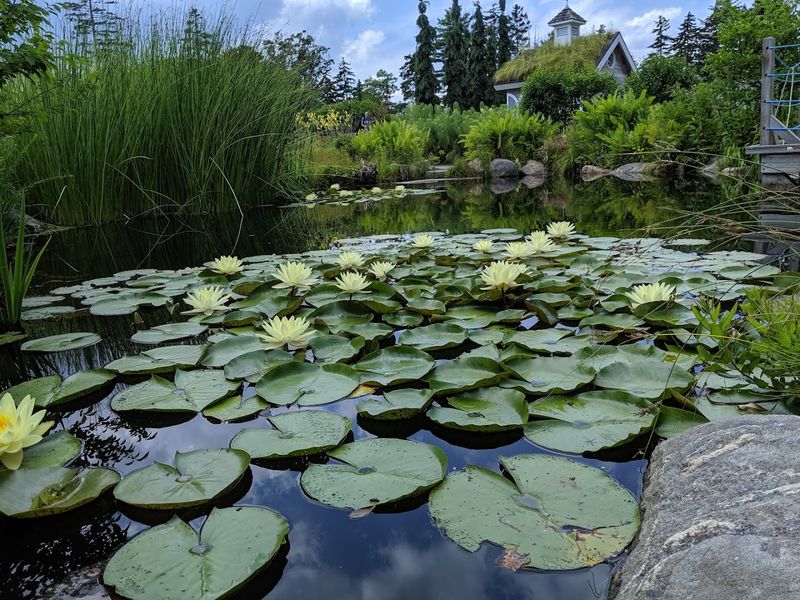
Somewhere between a garden and a full sensory experience, Coastal Maine Botanical Gardens covers 295 acres of carefully tended and wild coastal landscape.
It is the largest botanical garden in New England, which sounds impressive until you actually walk through it and realize the numbers do not do it justice. The place is genuinely stunning in every season.
Spring brings tulips and magnolias. Summer explodes with color across the Bibby and Harold Alfond Children’s Garden, which is interactive and creative enough to entertain adults just as much as kids.
The Kitchen Garden grows herbs and vegetables that feel almost theatrical in their abundance. Every path leads somewhere worth stopping.
Fall might be the secret best season here. The foliage surrounding the garden beds creates a contrast that feels almost unreal.
Winter brings its own magic through the Garden Aglow event, where thousands of lights transform the grounds after dark.
The address is 132 Botanical Gardens Dr, Boothbay, and I would recommend arriving early because parking fills up faster than you expect. Give yourself at least three hours, preferably more.
You will use every minute.
4. Pemaquid Point Lighthouse
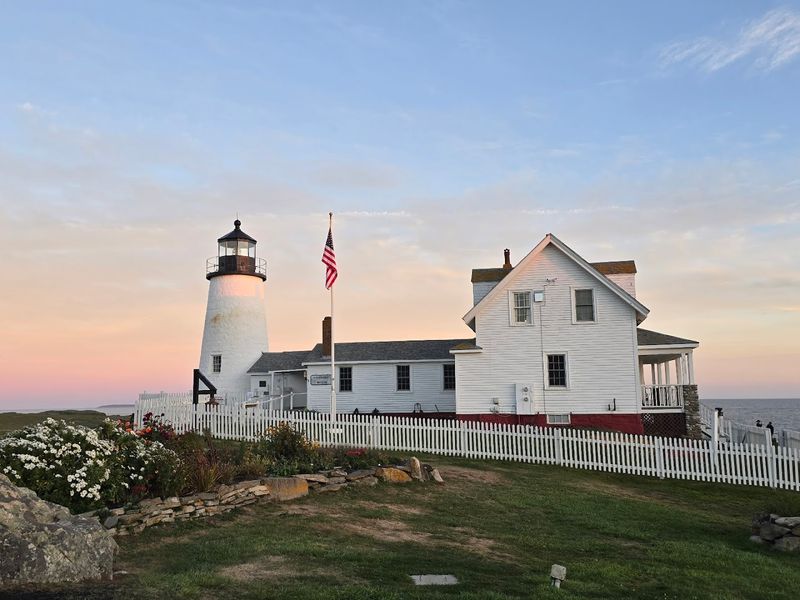
The rocks at Pemaquid Point are the real story here. Geologists call the formation metamorphic bedrock, but what you see is a wild swirl of dark and light stone folded and tilted by millions of years of pressure.
It looks like the earth could not decide which direction to go and just went everywhere at once.
Pemaquid Point Lighthouse was built in 1835 and has been warning ships away from this dramatic coastline ever since.
The lighthouse keeper’s cottage now serves as a fishermen’s museum, small but packed with local maritime history.
Climbing to the top of the tower gives you a view of the open Atlantic that puts everything into perspective fast.
What makes Pemaquid special beyond the lighthouse is the sheer accessibility of those rock formations. You can walk right out onto them, sit down, and watch waves roll in from the open ocean.
Sunrise and sunset both deliver here in completely different ways. The address is 3119 Bristol Rd, Bristol, and the site is part of Pemaquid Beach Park.
Parking is available and the entry fee is very reasonable. Plan for a full morning or afternoon because leaving early feels like a mistake.
5. Camden Hills State Park
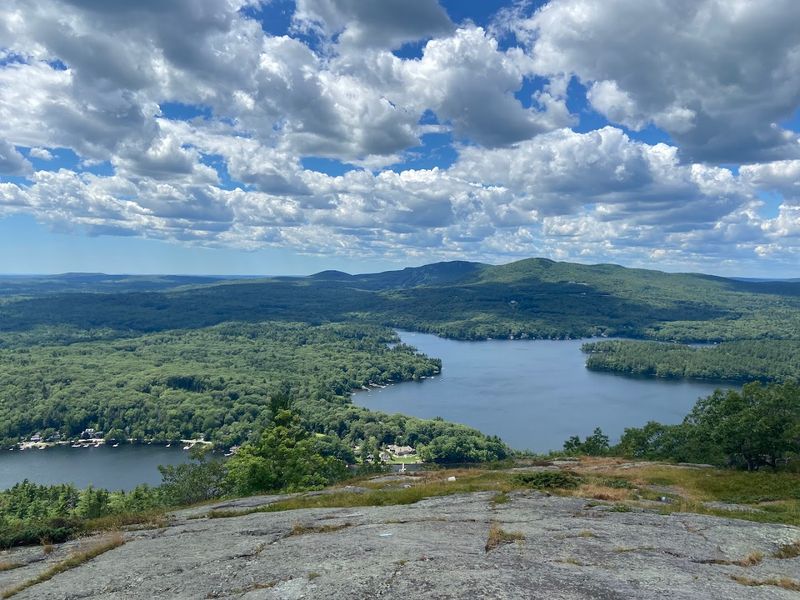
Mount Battie has a secret that every local already knows: the view from the top is one of the best in all of New England.
Camden Hills State Park rises right behind the town of Camden, and the summit can be reached either by hiking trail or by driving the auto road, which means no one has an excuse to skip it.
The panorama over Penobscot Bay is the kind that makes you go quiet for a minute.
The park covers 5,700 acres with 30 miles of trails ranging from easy walks to challenging climbs. Megunticook Trail is a favorite for hikers who want a real workout with a rewarding payoff at the top.
In fall, the hillsides turn every shade of orange and red, and the contrast against the blue harbor below is almost too beautiful to process.
Camping is available inside the park, which makes a night under those Maine stars very accessible. The park entrance is at 280 Belfast Rd, Camden, and it is open year-round.
Winter hiking here is surprisingly popular because the trails stay well-maintained. Bring traction devices for icy conditions and you will have the mountain mostly to yourself, which is its own kind of reward.
6. Baxter State Park
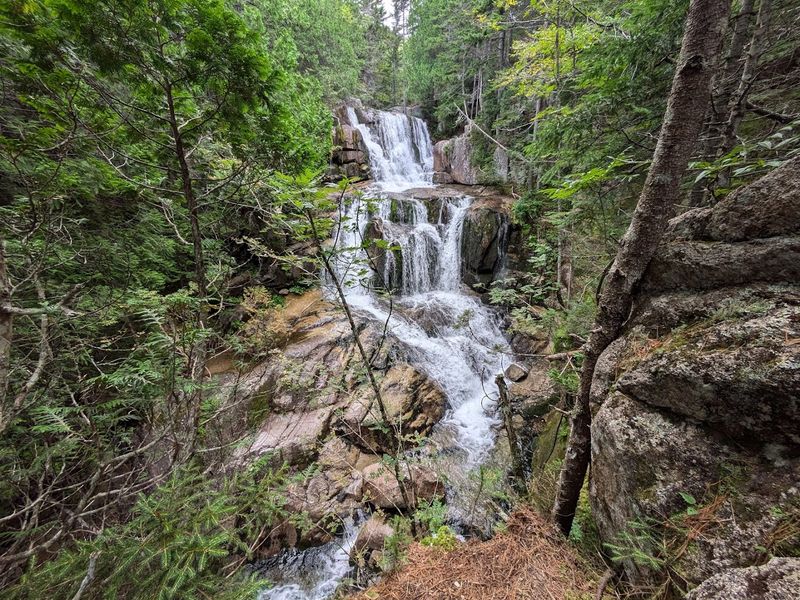
Baxter State Park is not a place you stumble into casually. It takes planning, a reservation, and a genuine willingness to leave your comfort zone behind.
The park was donated to the people of Maine by Governor Percival Baxter, who spent decades acquiring the land piece by piece with his own money. That kind of dedication leaves a feeling on the place.
Mount Katahdin is the crown jewel, standing at 5,269 feet as the highest peak in Maine and the northern terminus of the Appalachian Trail.
The Knife Edge trail along the summit ridge is one of the most thrilling hikes in the entire country, narrow enough in spots that you want both hands free and your full attention on your feet.
It is not for the faint of heart, but the payoff is extraordinary.
Even if Katahdin is not your goal, the park delivers. Moose sightings are common, especially around ponds at dawn.
Sandy Stream Pond is a legendary moose-watching spot that requires zero hiking and maximum patience.
The park address is 64 Balsam Dr, Millinocket, and reservations fill up fast in summer. Book early, pack smart, and bring your sense of adventure.
7. Farnsworth Art Museum

Most people do not expect to find a world-class art museum in a small coastal Maine city, but Rockland has been quietly hosting one since 1948.
The Farnsworth Art Museum holds one of the most important collections of American art in the country, with a particular focus on artists connected to Maine. The Wyeth collection alone makes the trip worthwhile.
Andrew Wyeth, N.C. Wyeth, and Jamie Wyeth are all represented here in depth, and seeing their work in this context, so close to the landscapes that inspired it, changes how you experience the paintings.
Christina’s World is not here, but related works and studies give you a completely new appreciation for how Wyeth saw the Maine coast.
The Olson House, which inspired that famous painting, is a short drive away and is managed by the museum.
The museum building itself is elegant without being intimidating, and the rotating exhibitions keep things fresh even for repeat visitors.
Located at 16 Museum St in Rockland, it sits right in the middle of a town that has developed a genuinely vibrant arts scene around it.
Admission is reasonable, the gift shop is excellent, and the whole experience feels like a cultural discovery rather than an obligation.
8. Rachel Carson National Wildlife Refuge
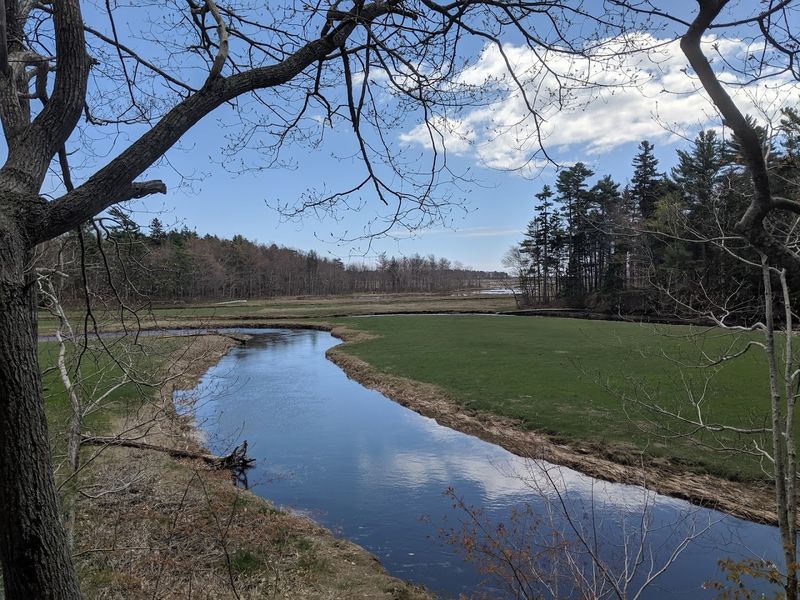
Rachel Carson wrote Silent Spring, one of the most influential environmental books ever published, and this refuge bearing her name along the southern Maine coast feels like a living tribute to everything she cared about.
The refuge protects over 9,000 acres of coastal habitat including salt marshes, barrier beaches, and upland forest across eleven divisions stretching from Kittery to Cape Elizabeth.
The Carson Trail near the Wells headquarters is a one-mile loop that winds through a white pine forest and along the edge of a salt marsh. It is flat, quiet, and genuinely peaceful.
Shorebirds, herons, and ospreys are regular sights depending on the season.
In spring and fall, the refuge becomes a critical stopover for migratory birds, and birdwatchers show up with serious equipment and even more serious focus.
What strikes you most is the sound, or rather the absence of it. The main road noise fades fast once you step onto the trail, replaced by wind through marsh grasses and the occasional splash of a bird landing in the water.
The headquarters is at 321 Port Rd, Wells. There is no admission fee, which makes this one of the most accessible and underappreciated stops on any Maine itinerary.
9. Quoddy Head State Park
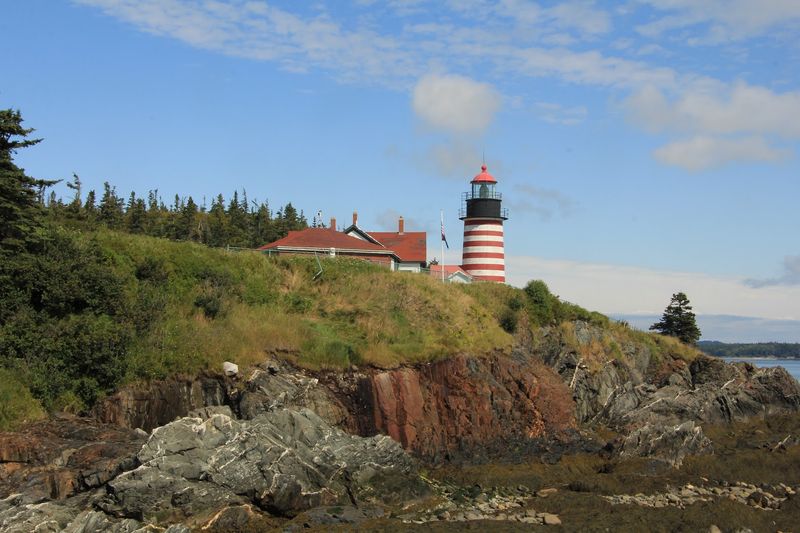
Quoddy Head State Park holds a distinction that no other place in the continental United States can claim: it is the easternmost point of the country.
Standing on those cliffs in Lubec, you are looking out at the Bay of Fundy and, beyond it, Canada. The tides here are among the highest in the world, sometimes swinging more than 20 feet between low and high tide.
The West Quoddy Head Lighthouse, with its distinctive red and white candy-stripe pattern, has been guiding ships since 1808.
The current tower dates to 1858 and is an absolute icon. The keeper’s house now serves as a visitor center with exhibits about the lighthouse history and the natural environment of the Bold Coast.
It is charming, informative, and completely free to explore.
The park trails along the cliffs give you dramatic views of the ocean and, on clear days, the Canadian coastline.
The bog loop trail is a surprising highlight, passing through a rare raised peat bog ecosystem full of pitcher plants and other unusual flora.
The park address is 973 South Lubec Rd, Lubec. Getting here requires a real drive, but arriving at the edge of the country feels like an achievement worth the miles.
10. Moosehorn National Wildlife Refuge
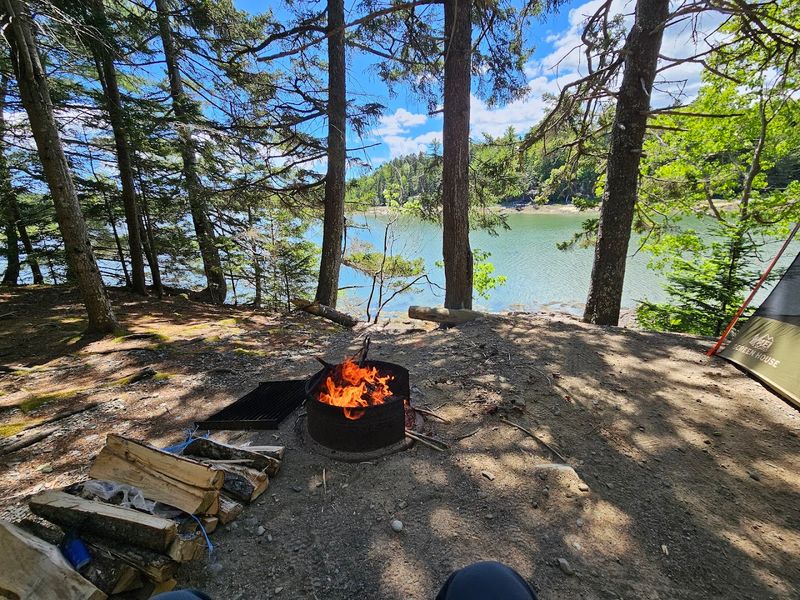
Few places in the eastern United States offer wildlife encounters as raw and unhurried as Moosehorn National Wildlife Refuge.
Located near the Canadian border in Washington County, this 30,000-acre refuge was one of the first national wildlife refuges established in the country, dating back to 1937.
It has been quietly doing its job ever since, and the wildlife population shows it.
American woodcock are the refuge’s signature species, and the spring courtship displays are one of the most entertaining wildlife spectacles you can witness in Maine.
At dusk, male woodcocks perform elaborate aerial displays accompanied by a distinctive peenting call that sounds like something out of a nature documentary.
Rangers sometimes lead evening woodcock walks during peak season, and they fill up fast for good reason.
Moose, white-tailed deer, bald eagles, and black bears all call this refuge home. The trail system is modest but well-maintained, with routes that wind through forest, along stream edges, and past beaver ponds.
The refuge headquarters is at 103 Headquarters Rd, Baring, and the grounds are open year-round during daylight hours.
Cell service is limited out here, so download your maps ahead of time. The solitude is part of the appeal, and it is completely worth it.