The Underrated Car Museum In Tennessee That’s Absolutely Worth The Drive
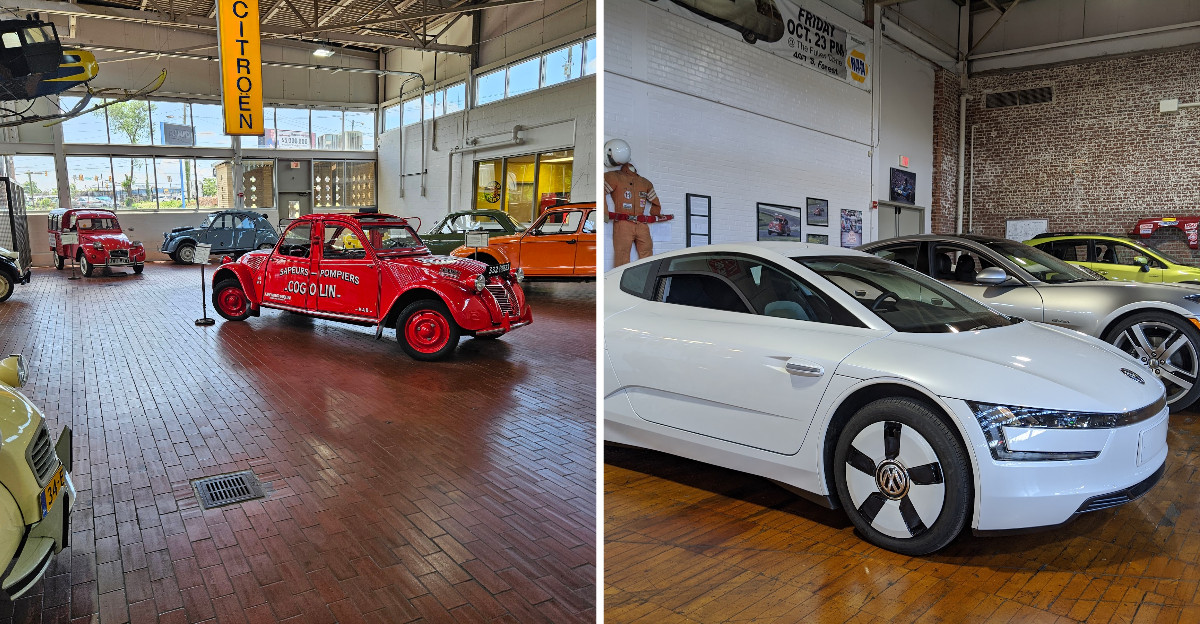
A three-wheeled car steals the spotlight before you even know what you’re looking at. How fun is that?
Tennessee has an underrated museum where propeller cars, odd motorcycles, and wonderfully strange designs turn every room into a guessing game.
You do not need to know engines to enjoy it.
Half the fun is trying to figure out what each vehicle was built to do. Then another bizarre shape appears and resets the conversation.
This is not a museum for quietly nodding at polished classics.
It is the kind of place that makes you point, laugh, and say: “Wait, that was actually road legal?”
A Collection With a Purpose
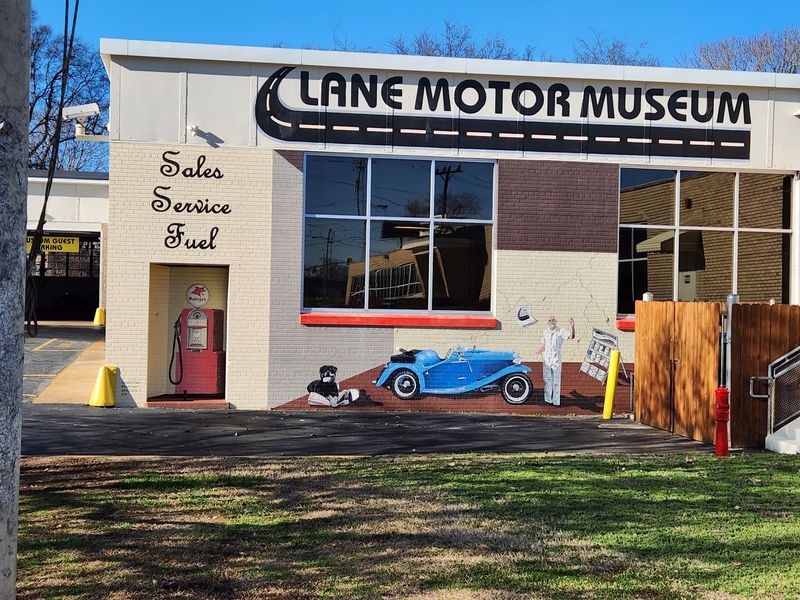
Familiar classics are not the main focus here, and the first unusual vehicle makes that clear.
Lane Motor Museum focuses on machines that sit outside the usual lineup of famous badges.
The collection began with about 70 vehicles donated by its founder. The museum opened to the public in 2003.
Its goal is to collect, preserve, document, and interpret transportation history. That purpose is reflected in the technically significant and unconventional vehicles selected for the collection.
Some vehicles solved practical problems; others tested ideas that never became common. Together, they show how much experimentation shaped automotive history.
Reading the signs beside the least familiar models gives each odd shape a reason to exist. That context turns unusual engineering into a story rather than a novelty.
A narrow body might answer crowded streets or limited fuel. An extra wheel might show a designer trying something new.
The full collection now includes more than 550 vehicles. The mix makes overlooked ideas interesting, not just rare cars impressive.
The Bakery Behind The Cars
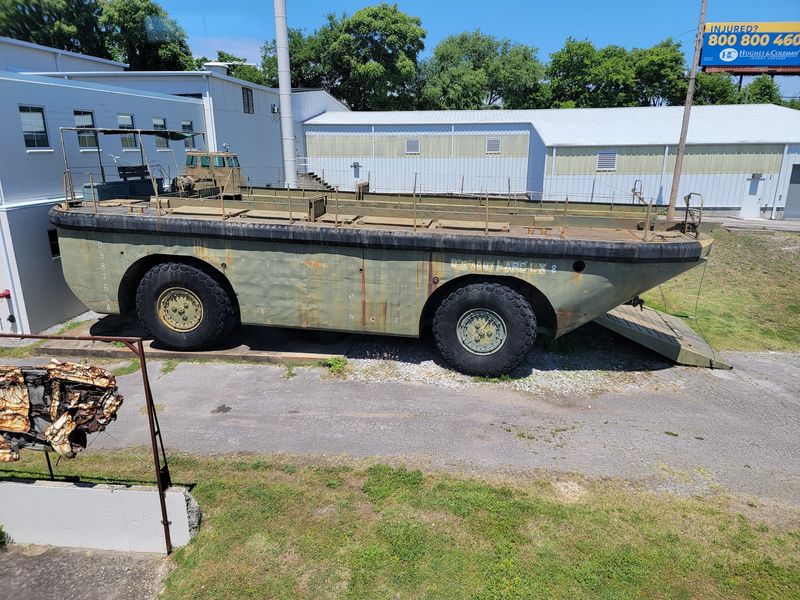
The building at 702 Murfreesboro Pike has its own history before any engine catches your eye.
A 2026 expansion added 25,000 square feet of exhibit space and room for about 60 more vehicles.
Lane Motor Museum occupies a former Sunbeam Bakery building in Nashville. Its past gives the car displays a setting with character.
The bakery opened in 1951, long before these halls held exhibits. Today, the broad floor leaves space for thoughtful viewing.
Small cars remain easy to study without getting lost among larger vehicles. Open sightlines also make it easier to choose the next stop.
Brick details and high ceilings give the interior a clear identity. The setting feels different from a plain showroom.
That matters when you plan your visit. A roomy gallery invites slow looking rather than a quick lap.
Stepping back makes it easier to compare sizes and body shapes. Those comparisons reveal details that can disappear when standing beside one vehicle at a time.
The gallery works best at an easy pace.
Different displays may hold your attention for different lengths. The old bakery makes that wandering pleasant rather than confusing.
Small Cars, Big Ideas
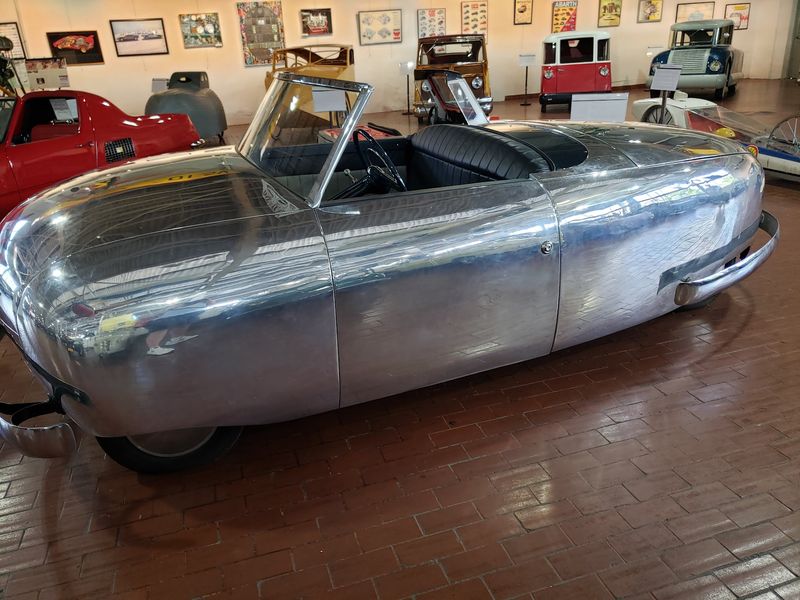
One tiny car can make the scale of the collection feel completely different. Microcars turn an ordinary question into an interesting design challenge.
How little space does one person need for a short trip? The vehicles here offer several very different answers.
A Peel P50 replica is a standout example in the collection. Its tiny single-seat body shows why the original became famous for its extreme size.
The three wheels, compact cabin, and rear lifting handle reveal how little space the design required. The original P50 had no reverse gear because it was light enough to move by hand.
Small cars were not made simply to look amusing. Designers considered street space, daily travel, and fuel use.
Those practical choices explain many of the unusual proportions. What looks funny at first can also reflect careful planning.
These displays make vehicle-size differences obvious even without detailed automotive knowledge. The nearby signs add the history behind those choices.
Tennessee has plenty of driving destinations, but this one rewards close inspection. Some of the museum’s biggest ideas are packed into its smallest vehicles.
Machines That Break The Rules
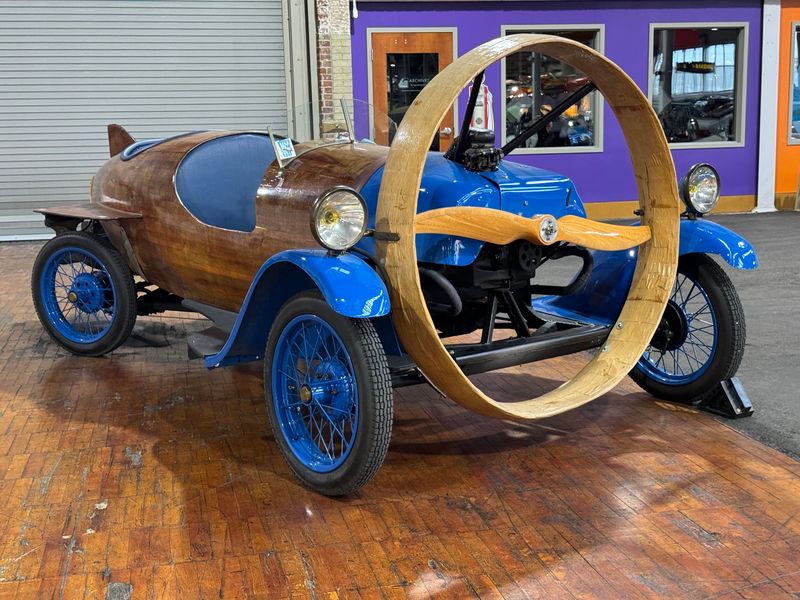
A propeller on a car raises the most obvious question immediately. The 1932 Helicron makes that question especially interesting.
Its large front propeller gives visitors plenty to study. The propeller is connected directly to the engine and pulls the one-of-a-kind French vehicle down the road.
Elsewhere, amphibious vehicles show another unusual design goal. They were built to travel on land and water.
The 1964 Amphicar 770 in the collection is one example. Two propellers move it through water while the front wheels help steer.
Doors, body shape, and wheel placement suddenly seem more important. Every part had to support a vehicle expected to function in two very different environments.
These machines make the collection feel less predictable. Each display introduces a new problem and an unexpected answer.
The vehicle labels show that the real purpose can be stranger than the first guess.
Features that seem out of place often have a practical explanation. Many exist because the designer had a specific challenge.
Lane Motor Museum celebrates experiments without pretending every experiment became popular. That honest view makes its unusual vehicles more interesting.
A World Of Different Designs
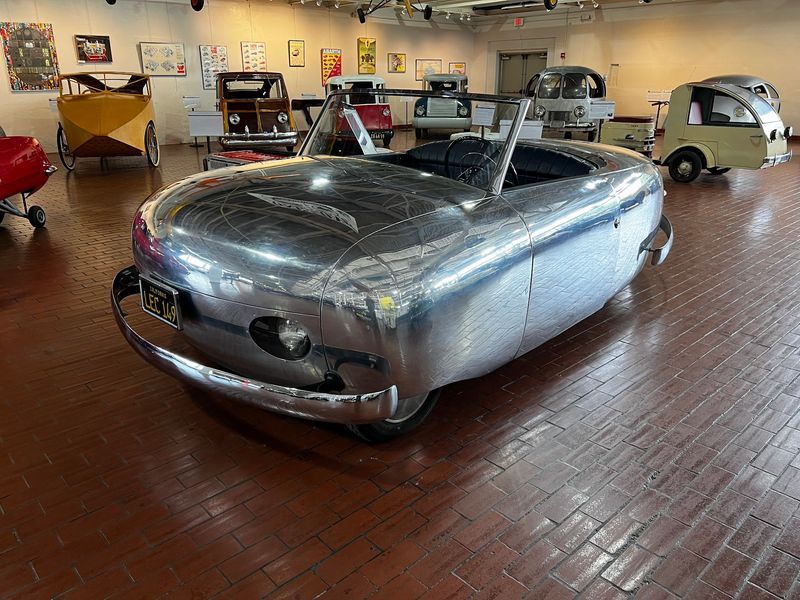
The museum gathers vehicles with roots in several parts of the world. That gives the galleries a broad view of how different regions approached transportation.
European designs form a major part of the collection. Cars and motorcycles from other regions broaden the picture.
Similar needs did not always produce similar shapes. A compact cabin or unusual wheel layout can reflect completely different priorities.
The labels connect those choices to each vehicle. Instead of memorizing brands, visitors can compare what the makers were trying to accomplish.
Some designs favored small size; others pursued new forms of travel. Seeing them together makes those differences easier to grasp.
Comparing two very different vehicles can reveal the problems each was designed to address.
That approach also works well for visitors without deep car knowledge.
Nashville may be better known for music than international motoring history. Lane Motor Museum nevertheless brings vehicles from Europe, Asia, and the Americas together under one roof.
The motorcycles deserve attention alongside the cars. Their parts and riding positions add another set of design choices.
History Kept Running
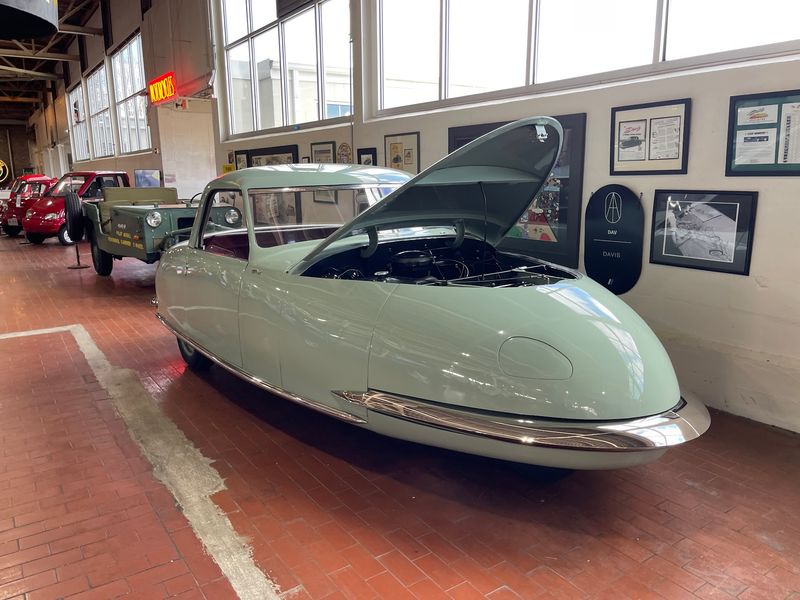
Looking at a parked car tells only part of its story. Many vehicles here remain in working condition.
Lane Motor Museum treats preservation as an active job. Keeping older machines running takes regular care and skilled attention.
That work adds another layer to the exhibits. Wheels, controls, and engines were designed for actual use.
A vehicle’s movement can reveal things a still display cannot. Its sound and turning ability become part of the lesson.
Vehicle demonstrations are currently scheduled every Saturday and Sunday at 11 a.m. They give weekend visitors a regular chance to see selected machines operating.
Even without a demonstration, the working collection adds meaning. Repairs help preserve each machine’s unusual features.
The museum says roughly 90 percent of the collection runs on a good day. Regular tune-ups, oil changes, repairs, and restorations keep that working collection active.
Maintenance becomes another way of understanding transportation history.
In Tennessee, that kind of hands-on preservation makes this stop distinctive. It shows respect for the ideas behind each machine.
More Cars Below The Gallery
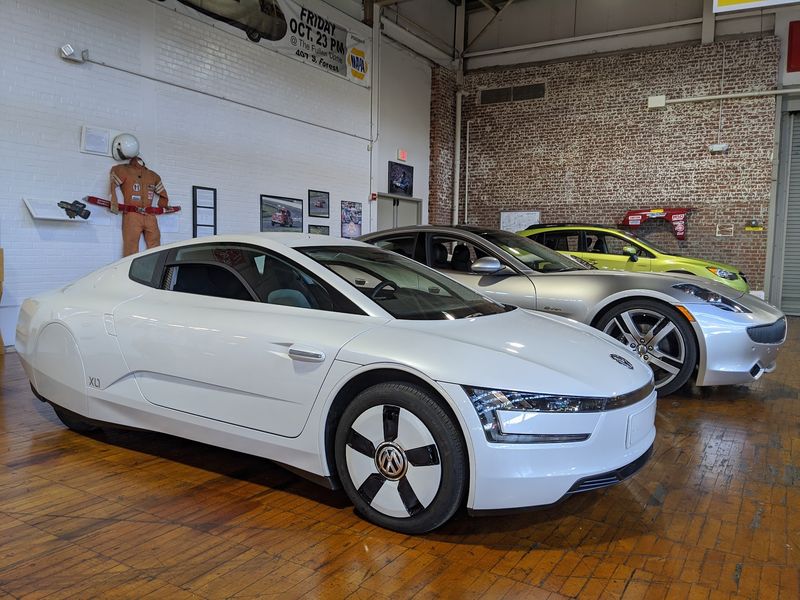
The main gallery is not the end of the collection. The lower-level Vault holds many vehicles that are not part of the regular exhibits.
That storage area holds vehicles outside the regular displays. Guided tours offer a closer view of its contents.
Rows of cars show why only a portion of more than 550 vehicles can be displayed at one time. A Vault visit adds a behind-the-scenes view of the collection.
Tours are currently offered on most Saturdays and Sundays at 11:30 a.m. and 2:30 p.m. Availability can vary by weekend.
Access from the main exhibit level involves a long, steep flight of stairs. Staff can arrange entry through a rear door for visitors who cannot use the stairs.
The Vault is different from browsing the main gallery. Staying with the guide and inside the marked areas is required.
Details about vehicles not currently displayed upstairs add context to the collection.
Lane Motor Museum offers plenty to see without this extra tour. Still, the Vault adds depth for especially curious visitors. An unhurried afternoon leaves room for both spaces.
Plan A Better Museum Day
A good visit starts with the current schedule. In 2026, the museum is open from 10 a.m. to 5 p.m. Monday and Thursday through Sunday.
Tuesday and Wednesday are regular closed days. The museum also closes on New Year’s Day, Easter Sunday, Thanksgiving, and Christmas.
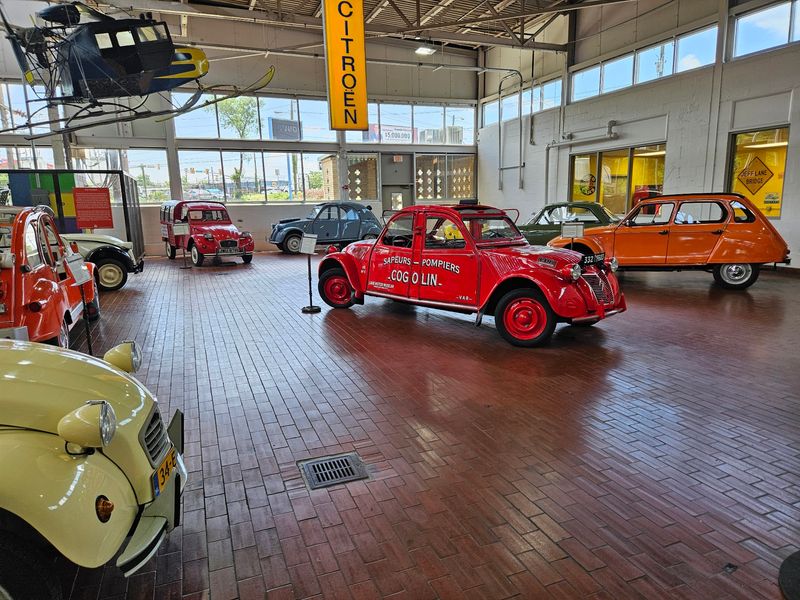
Give the collection more than a rushed stop. The expanded public galleries now feature more than 200 cars and motorcycles. A vehicle that sparks curiosity can shape the route naturally.
A few carefully read signs can turn strange shapes into understandable decisions. For children, size comparisons make an easy starting point.
Weekend vehicle demonstrations are scheduled at 11 a.m. Vault tours are usually offered separately at 11:30 a.m. and 2:30 p.m.
The main exhibit area is wheelchair accessible, and manual wheelchairs are available on a first-come basis. The Vault requires a separate access arrangement for anyone unable to use its stairs.
Tennessee travelers can make this the focus of their drive. Leaving enough time for unexpected favorites makes the gallery easier to enjoy.
Lane Motor Museum stands out because its cars invite questions. Knowing every model beforehand is not required for the collection to make sense.