The Untold Story Of How A Vietnamese Fishing Community Transformed The Mississippi Gulf Coast
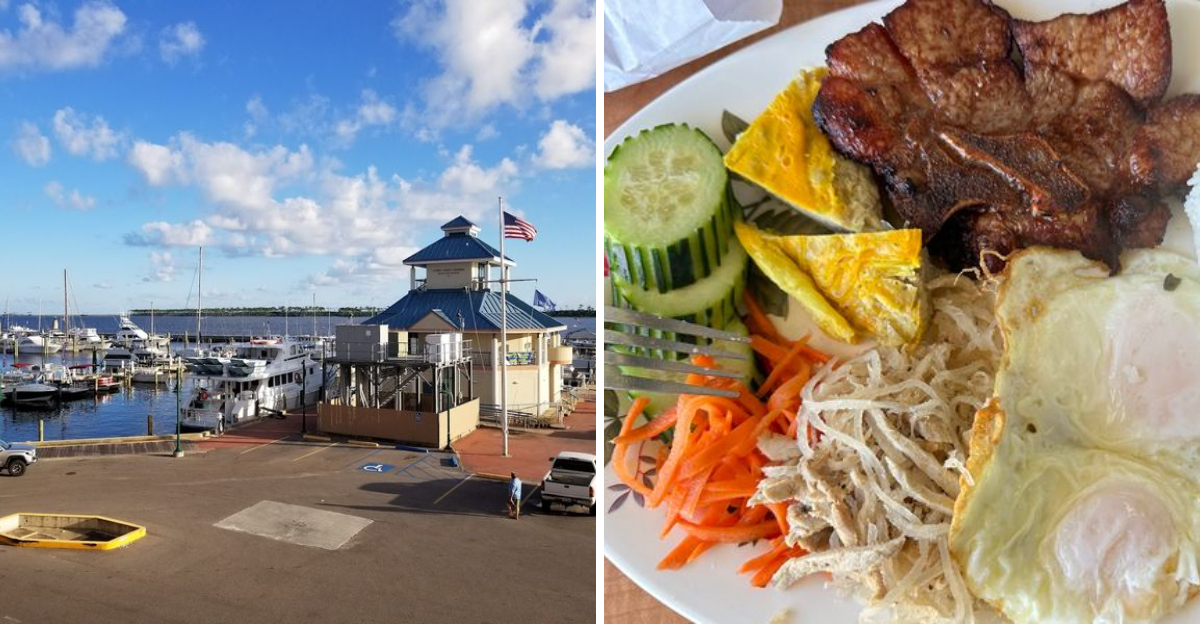
A parking lot full of pickup trucks is the oldest reliable food review system in America, and it has never once let me down.
But the real story on the Mississippi Gulf Coast has nothing to do with any single restaurant and everything to do with the people behind them.
Vietnamese fishing families began arriving here in the late 1970s, drawn by waters that reminded them of home, and they brought with them something this coastline did not know it was missing.
They came with cast nets, family recipes, and a generational knowledge of the sea that runs deeper than any fishing license.
They built communities, launched boats before sunrise, and quietly rewired the entire food culture of coastal Mississippi in the process.
The shrimp is fresher, the broth is richer, and the waterfront has a completely different energy because of them. Most visitors never connect the dots between what is on their plate and who put it there.
This is that story, and it is long overdue.
The Unlikely Capital Of Vietnamese Gulf Culture
Biloxi, Mississippi is not the first place most people picture when they think of Vietnamese culture, but that assumption falls apart the moment you start paying attention.
This city holds one of the most remarkable immigrant success stories in American history.
After the fall of Saigon in 1975, thousands of Vietnamese refugees were resettled across the United States.
A significant number landed in the Gulf South, specifically in Biloxi, because the landscape felt familiar.
The warm water, the shrimping culture, and the fishing traditions mirrored what many had left behind.
Within a generation, Vietnamese families were not just participating in the local fishing economy.
They were leading it. Today, Vietnamese-owned shrimp boats, seafood processors, and restaurants are woven so deeply into Biloxi’s identity that separating them feels impossible.
Locals will tell you the Gulf Coast shrimping industry would look very different without them. That is not an exaggeration.
It is simply the truth spoken quietly by people who were here to watch it happen.
Survival, Identity And Purpose
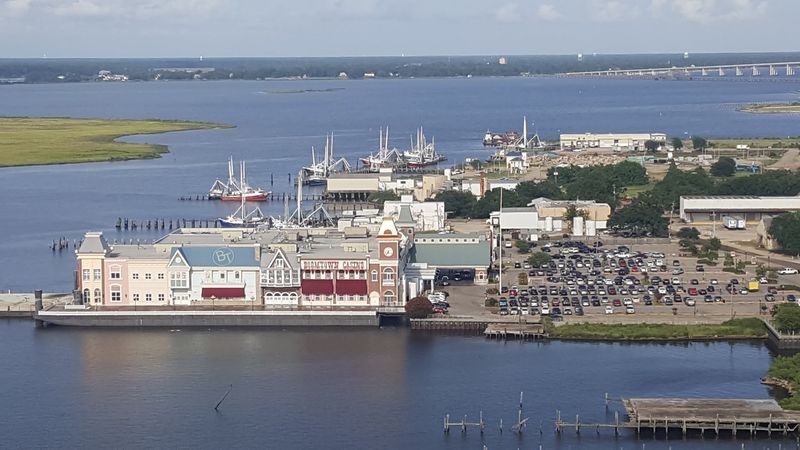
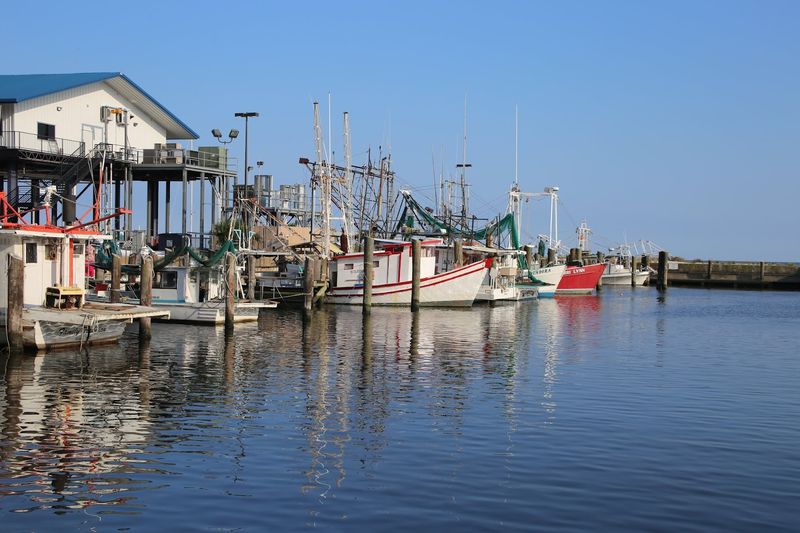
Picture a fleet of shrimp boats leaving the harbor before dawn, their lights reflecting off the dark water like scattered stars. That image is not just poetic.
For Vietnamese fishermen along the Mississippi Gulf Coast, it was survival, identity, and purpose all wrapped into one early morning routine.
When Vietnamese families first arrived, many found work as deckhands on existing boats. They learned fast.
Within years, some had saved enough to purchase their own vessels.
The boats became family operations, with parents, children, and cousins all playing roles in the daily catch.
What made Vietnamese fishermen stand out was their technique and their tireless work ethic.
They introduced methods from Southeast Asia that improved efficiency without harming yields. Local processors noticed.
Buyers noticed. And slowly, the industry shifted around them.
Today, Vietnamese-owned boats account for a meaningful share of the Gulf’s shrimping output.
The boats have names painted in both English and Vietnamese, a small but powerful symbol of a community that never stopped being proudly itself.
Watching one pull into port at sunset, heavy with the day’s catch, feels like watching history move in real time. It never gets old.
How Vietnamese Cuisine Rewired The Local Food Scene
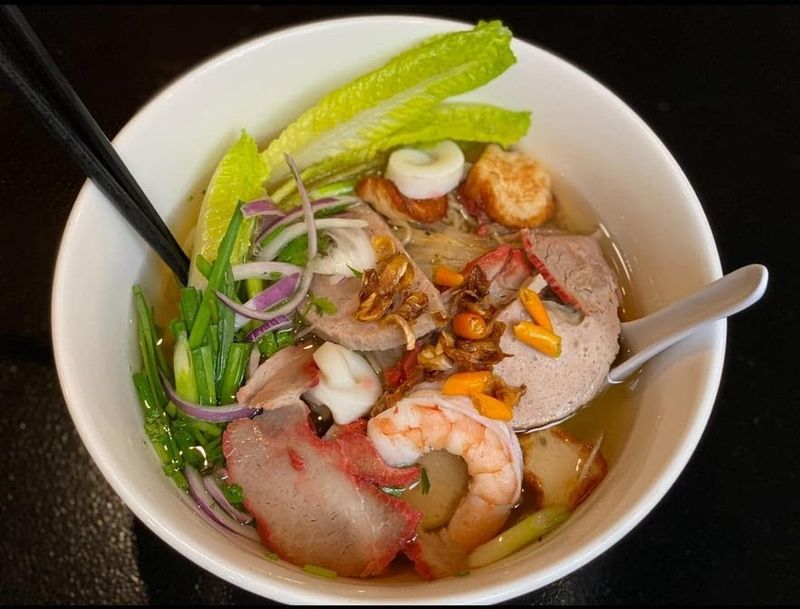
Nobody saw it coming. One decade the Gulf Coast was all boiled crawfish and fried catfish, and the next, pho broth was simmering on stovetops across Biloxi.
Vietnamese food did not replace Southern cuisine here. It pulled up a chair and started a conversation that neither side wanted to end.
Family-owned Vietnamese restaurants began opening along the coast in the 1980s and 1990s. Many were modest spots with handwritten menus and tables that wobbled slightly.
None of that mattered once the food arrived. Fresh Gulf shrimp prepared with lemongrass, garlic, and fish sauce introduced local diners to flavors they had never experienced but immediately loved.
The fusion that naturally developed was not forced or trendy. It was practical.
Vietnamese cooks used what was abundant and local, which meant Gulf seafood found its way into spring rolls, noodle soups, and rice dishes that felt completely at home on the coast.
Today, some of the most celebrated restaurants along the Mississippi Gulf Coast are Vietnamese-owned. Food writers from national publications have made the trip specifically to eat here.
What started as immigrant families feeding their own community quietly became one of the region’s most compelling culinary identities.
The Catholic Church That Became A Community Anchor
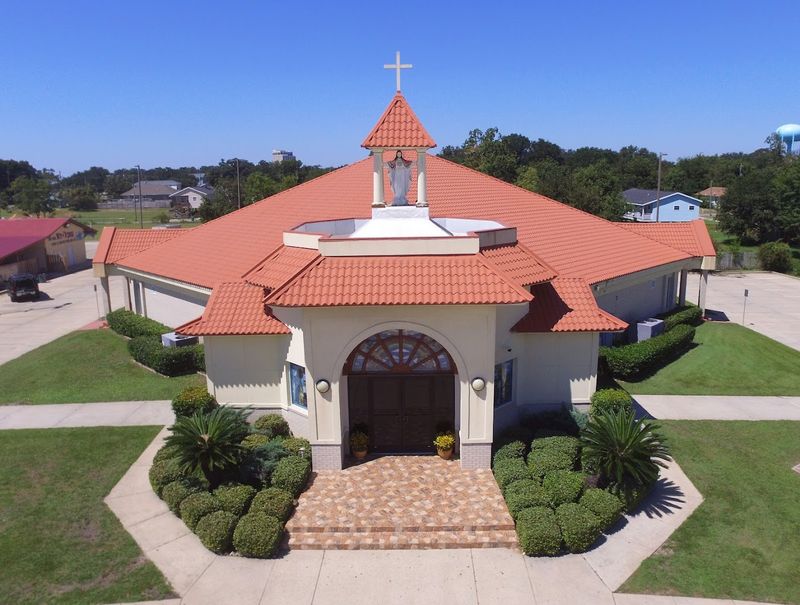
Faith traveled across the ocean with the first wave of Vietnamese refugees, and it landed firmly on the Gulf Coast.
The establishment of Vietnamese Catholic parishes in and around Biloxi became one of the most important forces holding the community together during its earliest and most uncertain years.
Many Vietnamese refugees were already practicing Catholics, a legacy of French colonial influence in Vietnam. Finding familiar religious spaces in Mississippi gave families an immediate sense of continuity.
The church was not just a place to pray. It was where people shared news, found work leads, helped new arrivals get settled, and kept their language alive in a new country.
Masses held in Vietnamese drew hundreds of attendees. Church halls hosted Tet celebrations, language classes for children, and community dinners that smelled absolutely extraordinary.
The social network built inside those church walls proved just as important as anything happening on the water.
Several parishes along the coast still hold Vietnamese-language services today.
Young Vietnamese-Americans who grew up attending those masses often describe them as the place where they first understood what it meant to belong to something larger than their immediate family.
That kind of community infrastructure does not happen by accident. It is built with intention, every single week.
A Celebration Nobody Expected To Love This Much
The first time I stumbled onto a Tet celebration near the Biloxi waterfront, I genuinely thought I had taken a wrong turn.
Red lanterns, the sound of drums, the smell of banh chung, and hundreds of people in bright traditional clothing filled a space I had only ever associated with seafood festivals and sunburns.
Tet, the Vietnamese Lunar New Year, has become one of the most anticipated annual events along the Mississippi Gulf Coast.
What began as private family celebrations inside homes and church halls eventually grew into public festivals that draw attendees from across the region.
Many of them have no Vietnamese heritage but show up every year because the experience is genuinely joyful.
Local officials and tourism boards have taken notice. Tet is now listed on regional event calendars alongside Mardi Gras and the Biloxi Seafood Festival.
That placement is not just symbolic.
It reflects a real shift in how the Gulf Coast understands its own cultural identity.
Children of Vietnamese fishermen perform traditional dances. Grandmothers sell homemade rice cakes from folding tables.
Everyone eats too much.
The celebration manages to feel both deeply traditional and completely at home on the Mississippi coast, which might be the most impressive thing about it.
The Next Generation: Vietnamese-Americans Reshaping The Coast
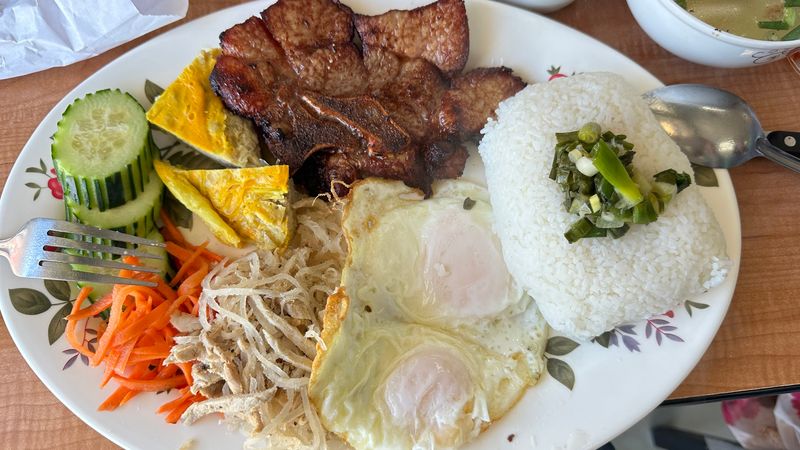
The children of shrimpers did not all become shrimpers. Some became doctors, lawyers, engineers, and restaurateurs.
Others went into marine biology, specifically to study and protect the Gulf waters their parents had worked for decades.
The second and third generations of Vietnamese-Americans on the Mississippi Gulf Coast are writing a chapter their grandparents could not have imagined.
Several Vietnamese-Americans who grew up in Biloxi have returned after college to start businesses that blend both worlds.
Seafood companies now run by the children of original fishermen use modern logistics and social media to sell Gulf shrimp directly to consumers across the country. The family boat has become a brand.
Community organizations led by younger Vietnamese-Americans are also working to document and preserve the oral histories of the founding generation.
Recording stories from elderly fishermen and their spouses before those voices are gone has become an urgent and loving project.
What strikes me most about this generation is their comfort with complexity. They are fully American and fully Vietnamese, and they see no contradiction in that.
They carry their parents’ resilience without carrying their parents’ hardship, which is exactly what every immigrant family hopes for when they make the crossing.
The Strength Nobody Reported
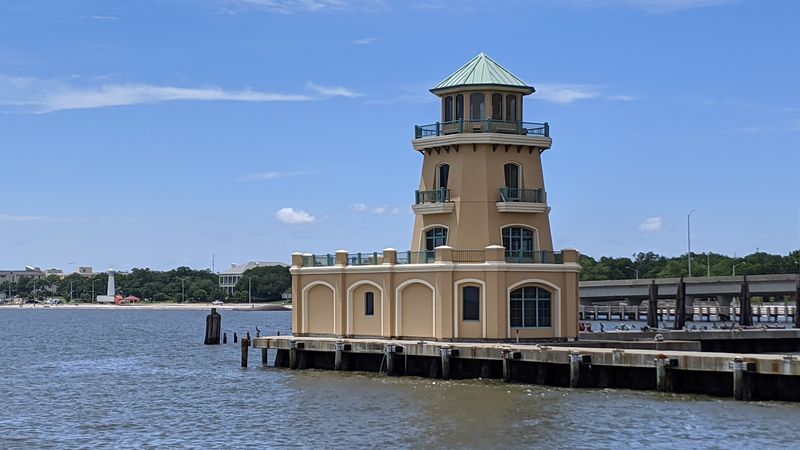
Hurricane Katrina in 2005 did not distinguish between communities when it tore through the Gulf Coast. It took homes, boats, businesses, and years of savings in a matter of hours.
For Vietnamese fishing families who had already rebuilt their lives once from nothing, the storm was a gut punch with a familiar shape.
What happened next did not make national headlines, but it absolutely should have. Vietnamese communities along the coast organized faster than almost any other group.
Families pooled resources. Boats were repaired collectively.
Church networks activated immediately to distribute food, supplies, and labor to whoever needed it most.
Some families lost everything and were back on the water within months. Not because they had more resources than their neighbors, but because they had deeper community infrastructure and a cultural refusal to wait for someone else to solve their problems.
Researchers studying post-Katrina recovery later noted that Vietnamese-American communities showed some of the fastest rebuilding rates in the region. That finding surprised outside observers.
It surprised nobody who had been paying attention to how this community had operated since the 1970s. Resilience was never a new skill here.
It was simply the way things were done.
Why This Story Deserves A Louder Spotlight
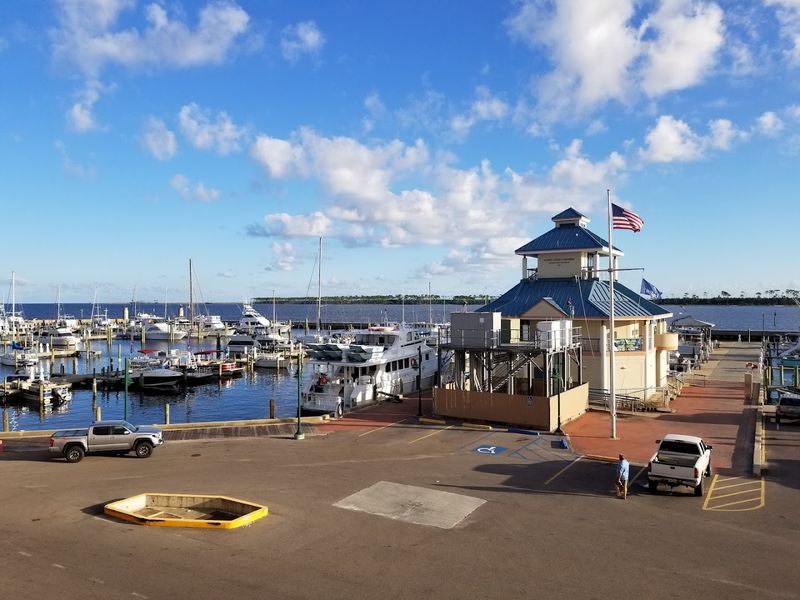
Most travel guides covering the Mississippi Gulf Coast mention casinos, beaches, and seafood. Very few mention the Vietnamese families who helped make that seafood industry what it is today.
That gap is not just an oversight. It is a missed opportunity to understand a place more fully and honestly.
The story of Vietnamese fishing communities on the Gulf Coast is a story about reinvention, about finding the familiar inside the foreign, and about building something lasting from very little.
It deserves the same attention given to any other defining chapter in American regional history.
Visitors who take the time to seek out Vietnamese-owned restaurants, attend a Tet celebration, or simply talk to a fisherman at the harbor will find a richness to this coastline that the standard tourist trail completely misses.
The food alone is worth the detour. The history makes it unforgettable.
I left Biloxi with a full stomach, a notebook full of names and stories, and a strong suspicion that I had only scratched the surface.
The Vietnamese Gulf Coast community has been quietly extraordinary for fifty years. It does not need to be discovered.
It just needs more people paying attention, which, if you have read this far, you clearly already are.