The Whole Business District Of This Quiet Nebraska Sandhills Town Fits On One Short Block
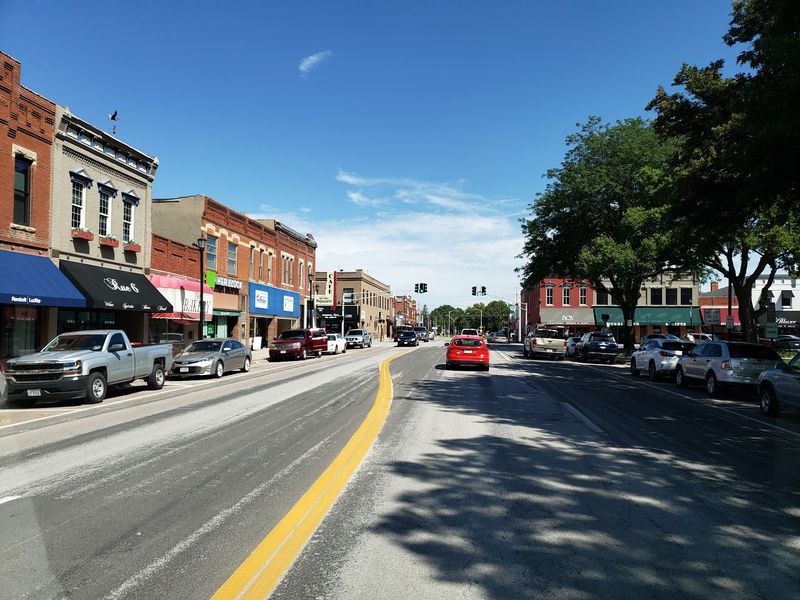
I had been driving a two-lane Nebraska highway long enough to stop expecting anything but grass when a handful of buildings showed up in a river bottom. The entire commercial district turned out to be shorter than a grocery store parking lot, and I nearly blew past it at highway speed.
What sits there is small, stubborn, and a lot older than it looks. Once you learn what used to stand on that block, the place reads completely differently.
A Thirteen-Person Community on the North Loup River
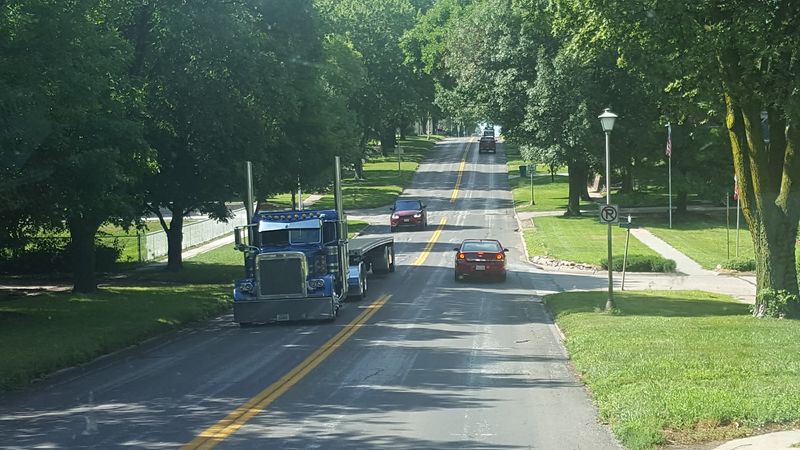
Cottonwoods mark the river bottom, and a short line of buildings sits where the road levels out, close enough together that you could read every sign without turning your head. That cluster is the entire commercial heart of Brownlee, an unincorporated community in the middle of Cherry County, where the Sandhills roll away in long, grass-covered swells.
The 2020 census counted 13 residents. Ranching sets the rhythm for miles in every direction, and the North Loup River threads past the settlement on its way southeast through the hills.
Plenty of Nebraska towns announce themselves from a distance with a water tower or a grain elevator. Brownlee does not.
You come over a rise, the buildings appear, and unless you slow down on purpose the whole business district is behind you before you finish a sentence.
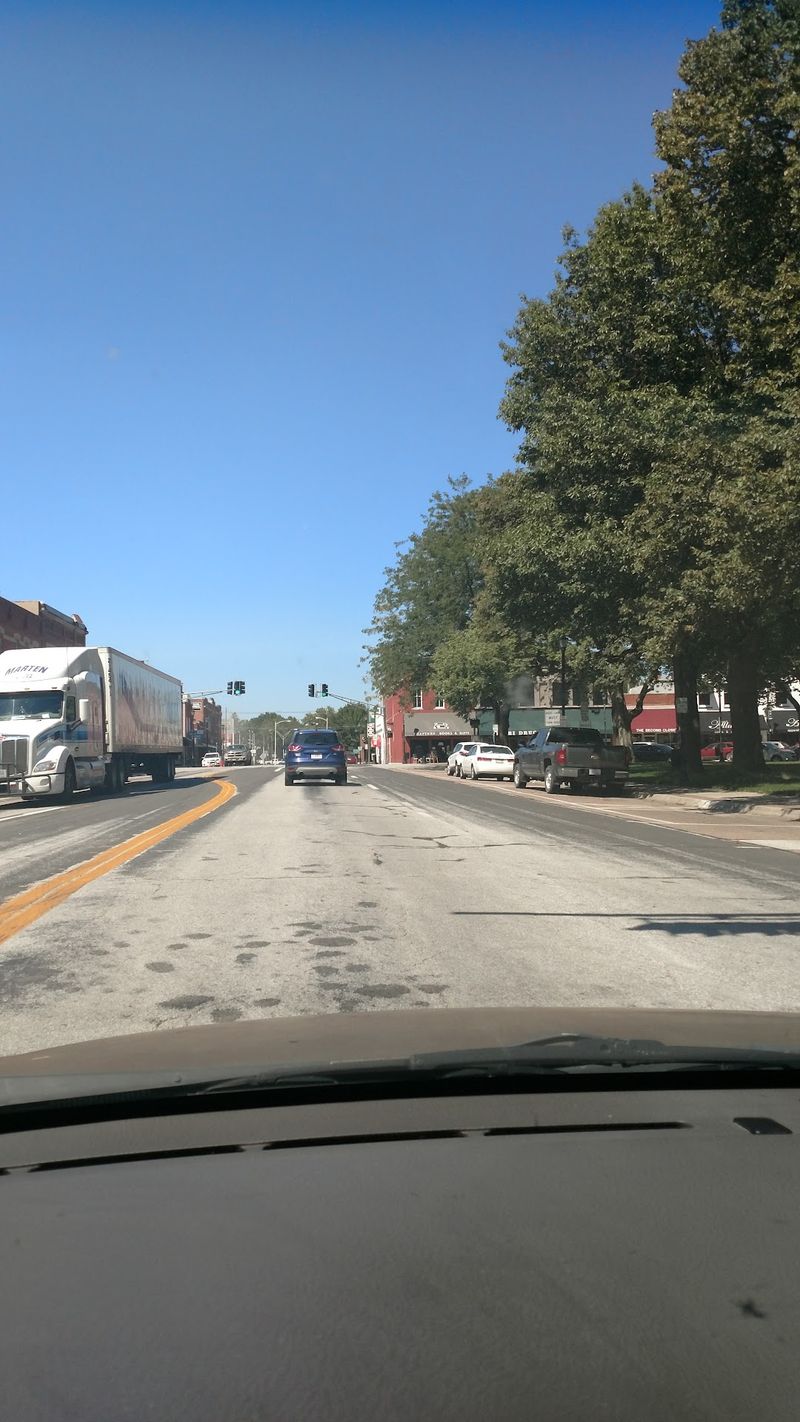
Scale is the thing that sticks with you here. A single short block holds what a county seat spreads across ten, and the grass picks up again immediately at both ends.
Walking from one end of downtown to the other takes less time than waiting out a stoplight in Lincoln.
The General Store That Holds the Whole Block Together
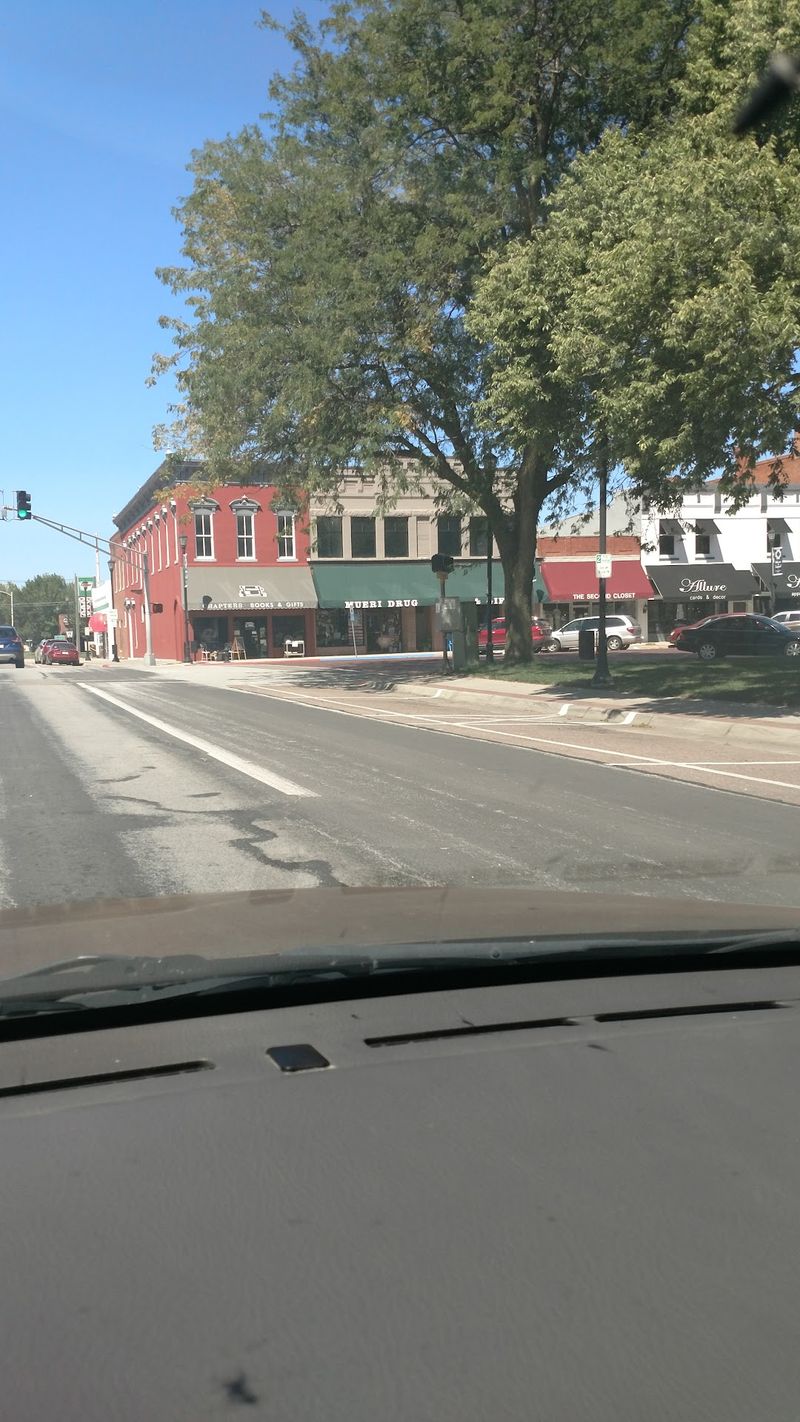
Groceries, hardware odds and ends, cold drinks and a counter where conversations start: White’s General Store carries the load that a dozen storefronts once shared. It stands as the working center of Brownlee’s business district, and for ranch families scattered across the surrounding range it is the nearest place to grab something forgotten.
How does one store serve a community of thirteen? The answer sits well outside the town limits.
Trade comes from the ranches, the hired hands, the hunters, and drivers who spot a building with a light on after a long empty stretch of highway.
Big-box shopping means a serious drive in this corner of the state, so a general store here does the work of a grocery, a hardware aisle and a message board all at once. Stop in for one item and you tend to leave with three, plus whatever the person behind the counter mentions about road conditions.
Hours in a place this remote follow the season and the ranch calendar rather than a posted schedule, so check before you build an afternoon around it, especially in winter.
1886, Three Stores, and a Hotel
The year was 1886 when John R. and William B. Lee laid out the settlement, and the first general merchandise store opened under John R.
Lee’s name with the post office sharing the same room.
A blacksmith shop followed, then a livery barn, a drug store and a hotel. Later came a bank and a community hall for meetings and dances, and for a stretch the town supported three general merchandise stores at the same time.
Distance made all of it possible. Wagons came in from many miles out because supplies, mail and neighbors gathered in the same handful of buildings, which turned a small crossroads in the hills into a working trade center.
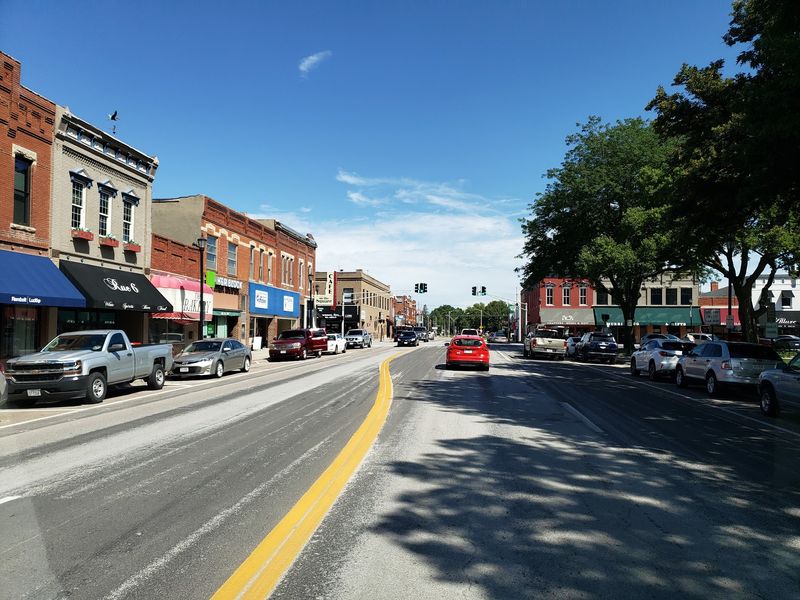
Line that inventory up against what stands there now and the math refuses to cooperate. Three stores, a hotel and a bank would fill the existing block several times over.
The buildings went one at a time across the decades rather than all at once, which is how most Sandhills towns thinned out. No single event closed the district; the customers simply spread farther apart with each generation.
The Brownlee Booster and the Town Doctor
Small as it was, the settlement once printed its own newspaper. The Brownlee Booster reported local news for a community with enough subscribers, enough advertisers and enough happenings to justify a press run.
The name alone tells you the tone: optimism, ambition, a town talking itself up.
A doctor also kept a practice here for a period, which says plenty about how far the nearest alternative sat. Ranch families were not driving two hours for a sore throat in those years, so care either came to the hills or it did not come at all.
What does a newspaper tell you about a town? Mostly that people expected to stay.
Presses, prescriptions and bank ledgers are investments in a future, and for a while the future in this pocket of the Sandhills looked crowded.
Nothing on the block advertises any of that today. There is no plaque, no museum case, no restored storefront explaining the Booster to passing drivers.
The record lives in county histories and in families who still run cattle within sight of the old townsite.
How Cattle Country Replaced Nebraska’s Homestead Farms
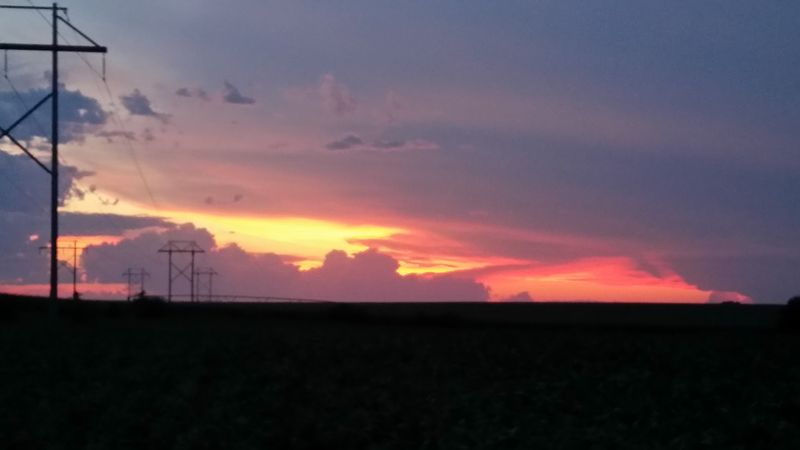
Sandy soil under thin prairie sod does not forgive a plow for long. Homestead-era farming spread across these hills in the late 1800s, and much of it gave way to grazing within a couple of generations.
Blowouts, dunes and shortgrass make better pasture than cropland, and the market eventually agreed with the landscape.
Grass held the sand in place, and cattle turned grass into a living. Ranches grew larger as farms consolidated, which left fewer households spread across the same square miles.
Fewer households means fewer customers, and fewer customers close stores. The drug store, the livery barn, the hotel and the bank each leaned on foot traffic that thinned every decade, and three general stores could never survive on a shrinking trade area.
Population followed the same slope until the census line read 13.
Ranching, though, never left. Cattle still set the calendar across this stretch of Cherry County, from calving through hay season, and the store on the block still stocks for people whose work has changed little in a century.
The economy here did not collapse. It just stopped needing a downtown.
Grass, Water, and Sky in Cherry County
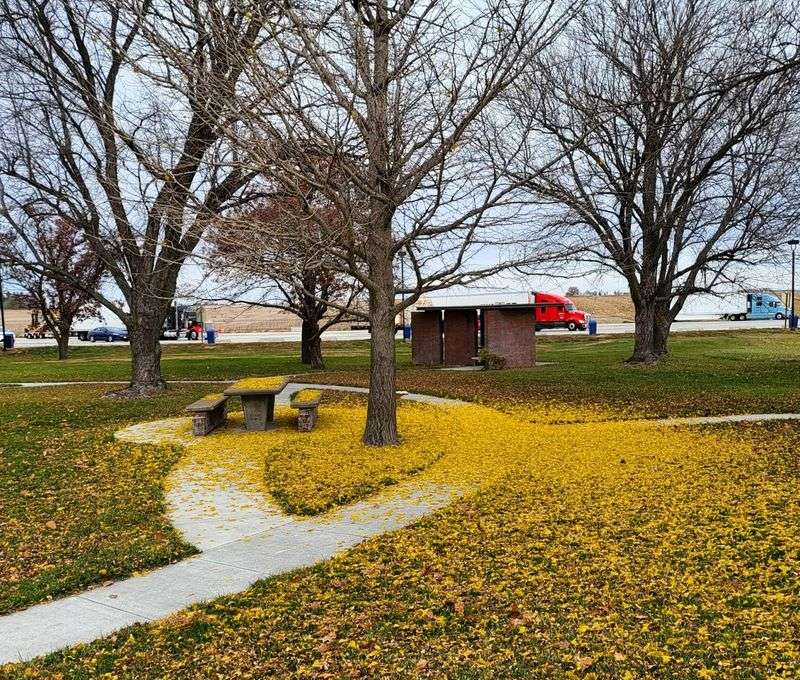
Wind moves through the bunchgrass in visible waves, and the dunes behind the townsite hold their shape only because roots hold the sand. Windmills turn above stock tanks, wet meadows shine in the low spots, and cattle dot the ridgelines in every direction.
Cherry County is the largest county in Nebraska by land area, covering more square miles than the state of Connecticut. The North Loup River rises in these hills and slides past the old townsite on its way toward the Platte valley.
Landscape does the heavy lifting in this part of the state. There is no overlook parking lot and no interpretive sign at every mile marker, just range running uninterrupted to the horizon in colors that shift from green to gold as summer winds down.
Late September and October bring the best of it, when the grass goes copper and the cottonwoods along the river turn. Morning fog on the meadows is common once the nights cool.
After dark, with no town glow for many miles, the sky fills with stars as thickly as anywhere in Nebraska.
The Quiet, and Who It Suits
Quiet in the central Sandhills has texture: a meadowlark, a gate latch, tires on gravel a mile off, then nothing at all. Traffic on the block gets measured in vehicles per hour, sometimes fewer than that.
Drivers who enjoy the road more than the destination get the most out of a stop here. So do photographers chasing open-country light, anyone tracing family who homesteaded in Cherry County, and retirees on an unhurried day drive with no clock to beat.
There is no restaurant row, no gift shop, no visitor center handing out brochures. A cold drink, a snack, a look at the river and a conversation at the counter is the full slate of activity.
Anyone expecting attractions will be back in the car within ten minutes.
Kids handle it fine, provided the stop is one piece of a bigger loop through the hills. Pair it with the drive along Highway 2, the Valentine country to the north, or an afternoon on the water, and this short block becomes the part of the trip you describe later rather than the reason you left home.
Finding It on a Nebraska Map: What to Sort Out First
Getting there is the commitment. Brownlee sits in Cherry County along the North Loup River, roughly five miles west of U.S.
Route 83 between Valentine and North Platte, with gravel and sand roads handling the final stretch.
Fill the tank before you leave the highway, and assume cell coverage will fade in and out. Sand roads soften after heavy rain and drift shut in winter, so weather matters more than mileage in this country.
Business hours in a community this size follow the season instead of a posted schedule, so check locally before you build a day around a stop. Costs stay minimal either way: fuel, a few dollars at the counter, and the hours the drive takes.
Water and a camera cover the rest of the packing list.
The payoff is not a list of things to do. It is standing on one short block of Nebraska ranch country and realizing a hotel, a bank, three stores and a newspaper once shared that same ground.
For a fall afternoon with a full tank and no schedule, that trade sounds fair.