The World’s First Ski Chairlift Was Built On This Idaho Mountain Nearly 90 Years Ago
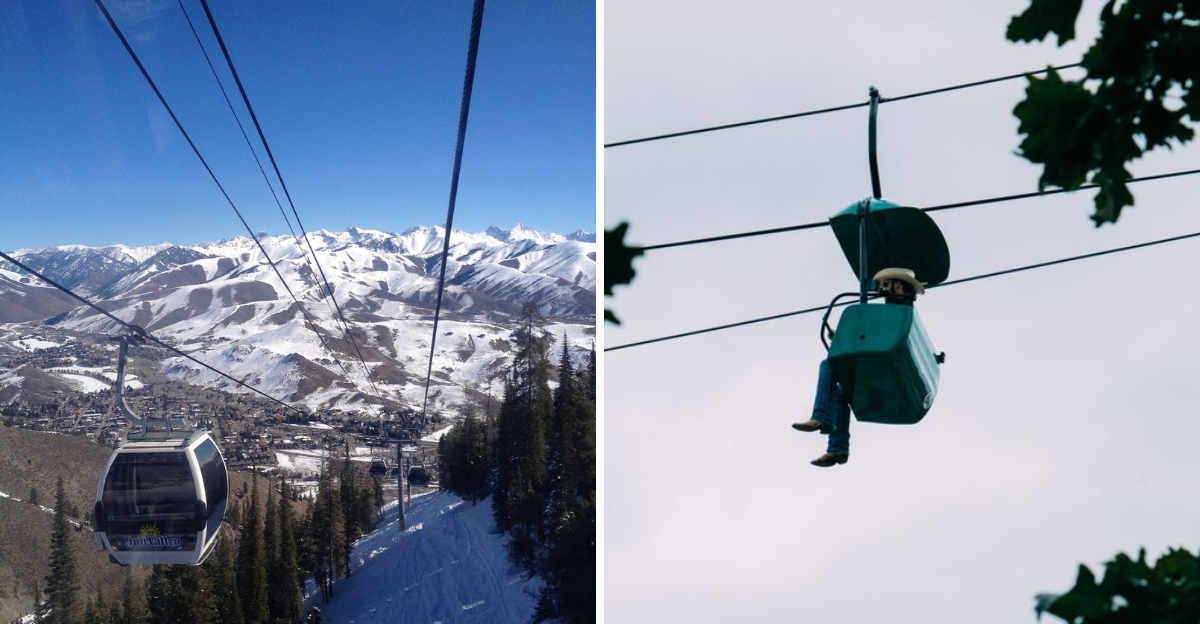
Skiing once had a very inconvenient problem.
The mountain kept insisting on being uphill.
Then, in 1936, engineers in Idaho came up with an answer so clever it sounds slightly ridiculous: borrow an idea from equipment used to move bananas onto ships and turn it into a seat for skiers.
That experiment became the world’s first chairlift.
Suddenly, getting back to the top no longer required nearly as much effort as coming down, and a basic design born on an Idaho mountainside began spreading to ski resorts around the world.
Nearly 90 years later, the concept still looks remarkably familiar.
The original landscape has changed, but the history has not vanished with the snow.
You can still walk through the place where somebody looked at a banana conveyor and accidentally helped reinvent skiing.
A 1936 Innovation Changed Skiing Forever On These Idaho Slopes
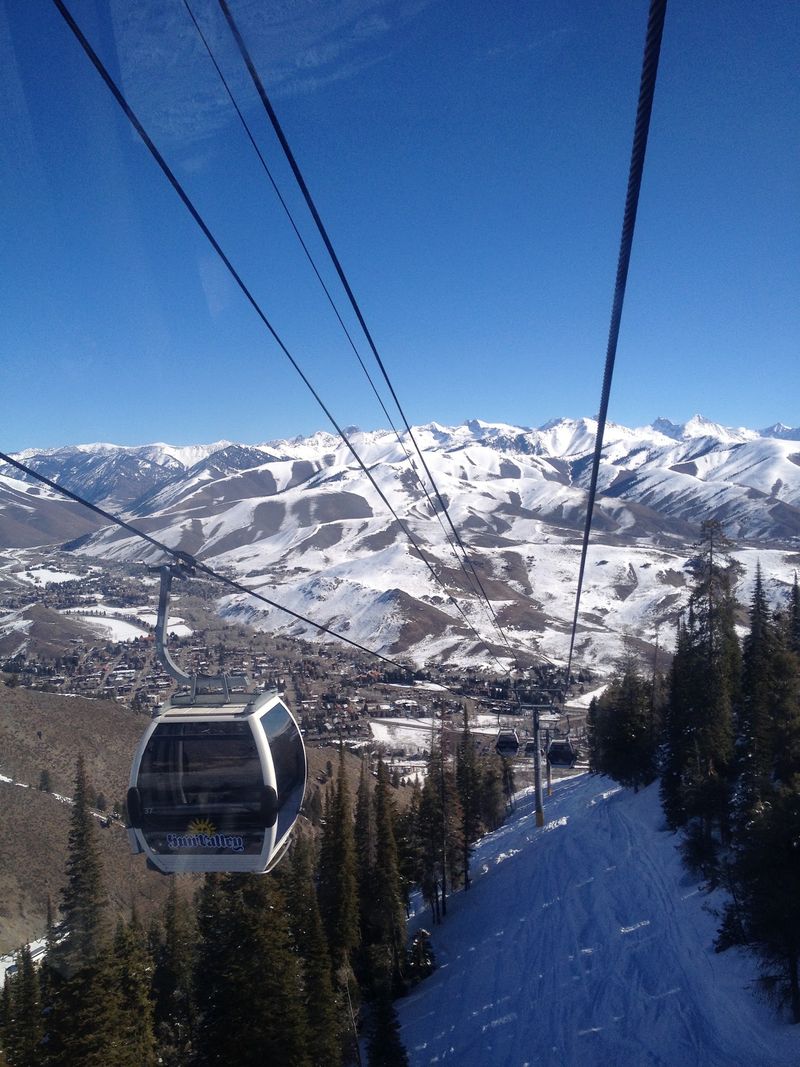
Comfort was a serious problem when Union Pacific began developing Sun Valley Resort in 1936.
Chairman Averell Harriman envisioned a destination that could compete with celebrated European winter resorts, but conventional uphill transportation did not fit the experience he wanted to create.
Rope tows already existed, along with cable cars and other mechanical systems, yet engineers were asked to find something that could carry more skiers while making the ride considerably easier. James Curran’s chairlift concept became the answer.
Construction began on Proctor and Dollar mountains during the summer of 1936, and the new resort opened that December with a transportation system unlike anything skiers had used before.
Proctor Mountain became the historic centerpiece of that breakthrough, while Dollar served less experienced skiers nearby.
Bald Mountain, now the resort’s primary alpine mountain, did not open for lift-served skiing until 1939. The contrast makes the early experiment even more interesting.
Sun Valley began its skiing story on comparatively modest slopes, yet the technology tested there would eventually become a defining feature of mountain resorts far beyond Idaho.
Proctor Mountain Became Home To The Earliest Known Chairlift In The World
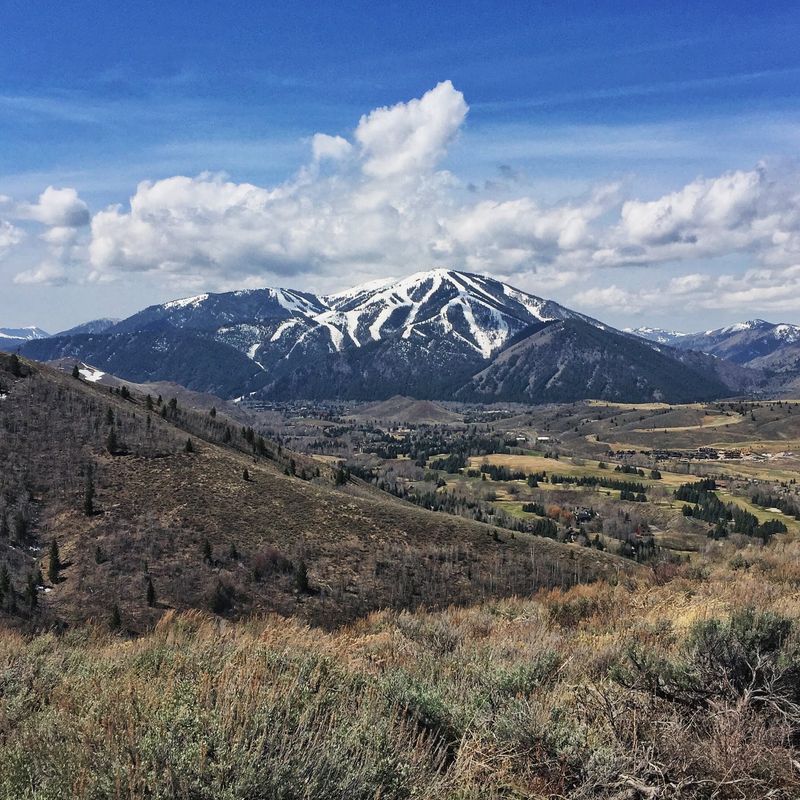
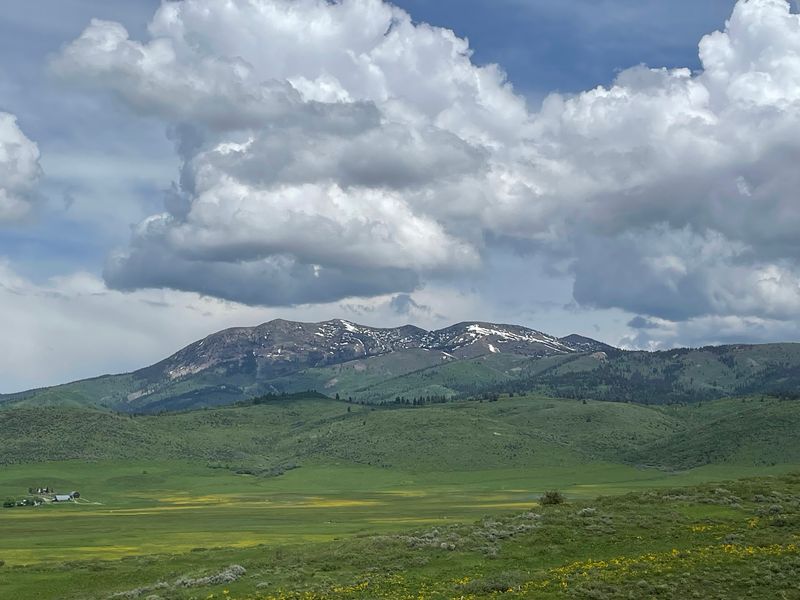
The mountain itself is not the towering centerpiece most visitors associate with Sun Valley today. Proctor Mountain rises near the resort village and Trail Creek, where its quieter slopes hold one of skiing’s most important engineering stories.
The National Register of Historic Places nomination for the Proctor Mountain Ski Lift describes the 1936 installation as the earliest known chairlift in the world and identifies James Curran as its inventor.
The lift climbed the mountain’s northwest slope using a single moving cable and individual suspended seats, giving skiers a completely different way to regain elevation.
Proctor also served more accomplished skiers during Sun Valley’s first winter, while neighboring Dollar Mountain catered to beginners.
The Proctor lift continued operating until about 1950, long enough to bridge the resort’s earliest years and the rise of Bald Mountain as its primary skiing destination.
Proctor Mountain has since become a hiking landscape rather than an active ski hill, but its historical importance remains unusually visible.
Unlike an invention preserved only in photographs or museum cases, this one can still be traced through the same hillside where those first chairs once carried skiers upward.
Railroad Engineer Jim Curran Borrowed The Idea From Banana Conveyor Systems
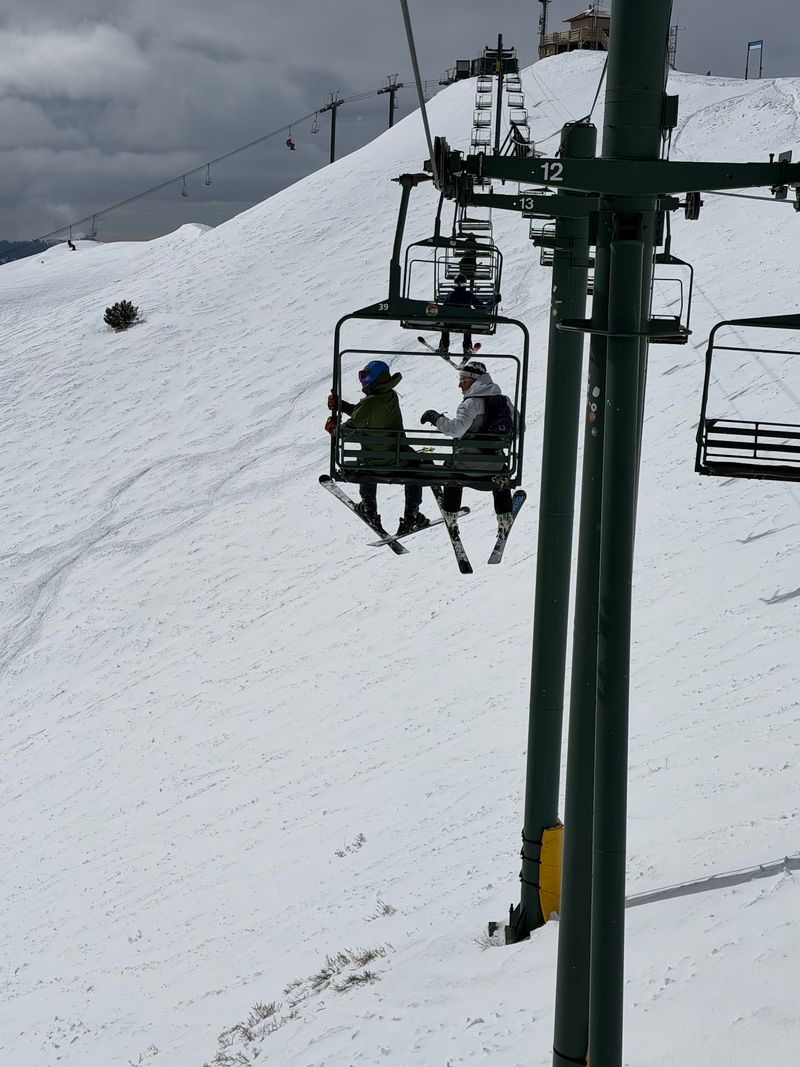
The inspiration came from a workplace about as far removed from snowy mountains as possible. Before joining Union Pacific, James Curran worked for Paxton and Vierling Iron Works in Omaha, a company involved with conveyor systems used to load bananas onto fruit ships.
When Union Pacific needed a better method of moving skiers uphill at Sun Valley, Curran adapted the basic idea of a continuous overhead cable carrying suspended loads. Banana hooks became chairs, and people replaced fruit.
The concept still needed considerable engineering before anyone could safely ride it. Curran and his colleagues worked through cable tension, power requirements, tower placement, chair spacing, loading speed, and other practical problems.
Early testing took place in Union Pacific’s Omaha rail yards, where a chair was suspended from a structure mounted on a moving vehicle so the team could study how a passenger would be picked up by a continuously moving seat.
The eventual design was developed with engineers including Glen Trout and Gordon Bannerman, whose names later appeared with Curran on the aerial ski tramway patent.
What began as industrial material-handling knowledge became one of recreational skiing’s most recognizable inventions.
The First Chairs Carried Skiers Uphill When Rope Tows Were Still The Norm
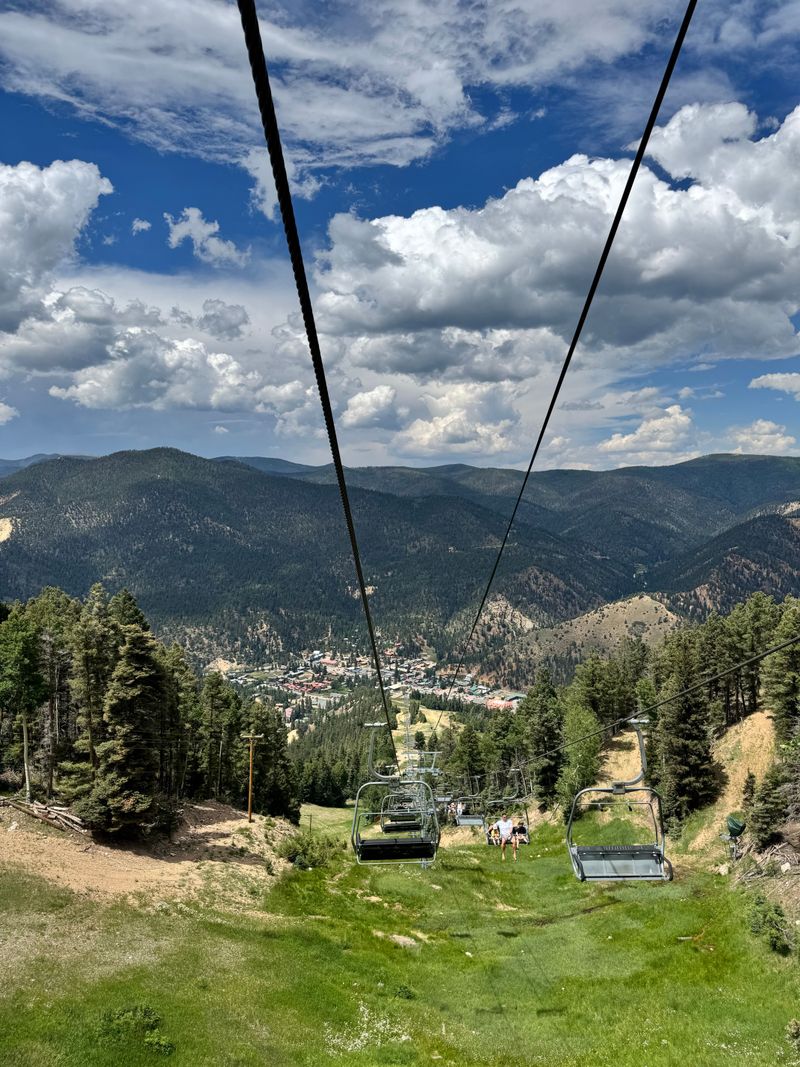
Sitting down while traveling uphill immediately changed the physical rhythm of a ski day.
Earlier tow systems could require skiers to hold onto a moving rope or bar while remaining on their skis, and the National Register documentation specifically notes that Union Pacific wanted something more comfortable with greater carrying capacity.
Curran’s design lifted passengers entirely above the slope and carried them toward the next run while they rested.
Proctor Mountain added another challenge because its colder exposure could make the ride uncomfortable, so historical accounts describe blankets being provided to chairlift passengers during the resort’s early years.
The chairs themselves were simple single seats, far removed from the high-capacity detachable lifts common today, but the essential experience would look immediately familiar to a modern skier.
A seat approached from behind, picked up its passenger, traveled along an overhead cable, and released the rider near the top.
That combination of simplicity and usefulness explains why the idea lasted. Sun Valley Resort did not merely introduce an unusual attraction in 1936.
It demonstrated that uphill transportation could become a comfortable part of skiing rather than an obstacle that drained energy before the next descent.
Dollar Mountain Joined The Experiment During Sun Valley’s Opening Winter
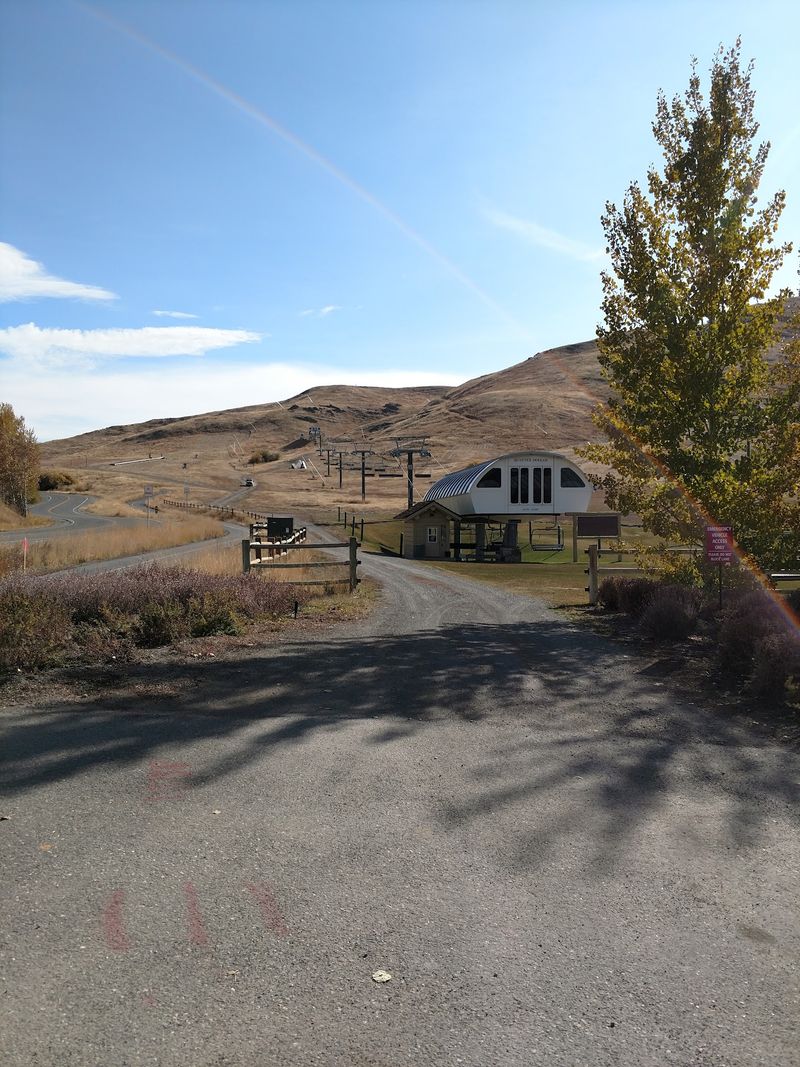
Proctor Mountain did not stand alone for long. Dollar Mountain was part of Sun Valley’s original chairlift experiment, with the Proctor and Dollar installations recognized as the world’s first two ski chairlifts from 1936.
Their roles were different from the beginning. Proctor offered more demanding skiing, while Dollar provided gentler terrain better suited to people still developing their skills.
That beginner-friendly identity remains strong almost 90 years later. The modern Dollar Mountain has 296 skiable acres, 628 feet of vertical, five lifts, and 16 named winter trails, with broad treeless slopes that make it one of the resort’s learning areas.
The original chairlift is gone, but Dollar’s place in skiing history gives the current mountain another layer beyond its lessons and terrain parks.
It represents the moment when the chairlift stopped being a single experimental machine and became part of a functioning resort system.
Sun Valley was already using the new technology on more than one hill during its opening era, showing just how quickly Union Pacific committed to the concept.
Modern skiers using Dollar’s current lifts are riding almost directly through the next chapter of an idea first tested nearby on Proctor.
Remnants Of The Original Lift Terminal Still Survive On Proctor Mountain
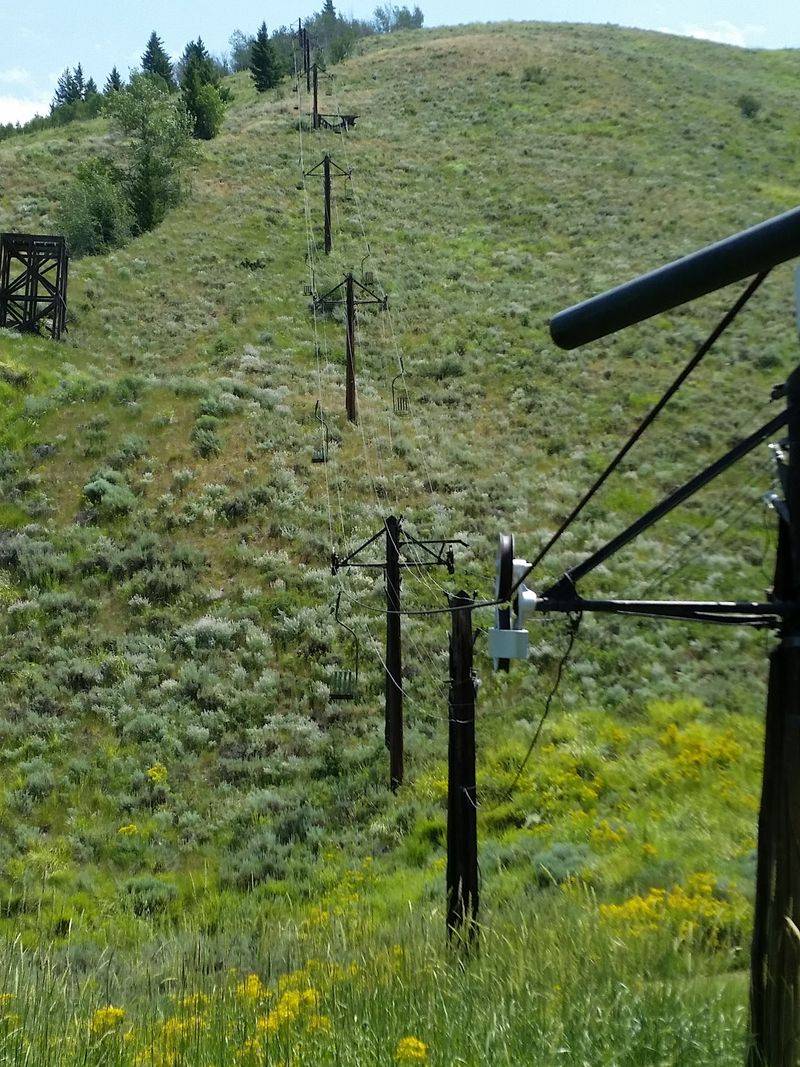
The most rewarding part of this history is that visitors can explore its setting without skis. Sun Valley Resort currently recommends the Proctor Mountain Trail as a moderate 4.3-mile loop with about 1,072 feet of elevation gain and an estimated hiking time of roughly two and a half hours.
The route begins near the Hemingway Memorial parking area, only about 1.4 miles from Sun Valley Village, then climbs through aspen before reaching more exposed ridges overlooking the surrounding valley. Along the way, hikers pass the site associated with the area’s first chairlift.
Sun Valley’s historical material specifically notes that remnants of the world’s first chairlift terminal remain visible on Proctor Mountain, while the National Register recognizes the Proctor Mountain Ski Lift for its significance to engineering, recreation, and invention.
The walk therefore doubles as a rare piece of outdoor industrial history.
There is no working vintage ride waiting at the top, and the current trail should not be confused with Ruud Mountain, where another early single-chair installation survived in a different form.
Proctor’s appeal is quieter: traces of a revolutionary machine remaining on the slope where the chairlift story began.
That Simple Single-Seat Design Quickly Spread To Ski Resorts Around The World
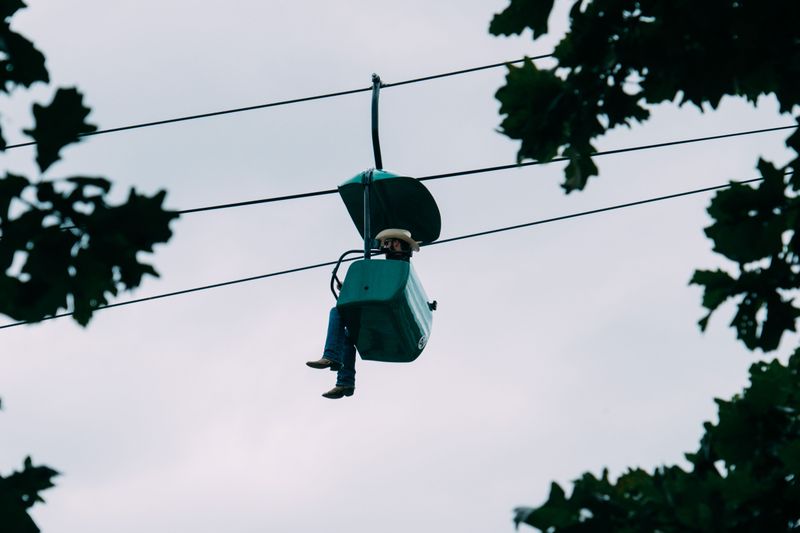
The original chair did not need to remain unchanged for Curran’s idea to succeed. What mattered was the underlying system: a continuously moving cable, towers guiding it uphill, and suspended seats carrying skiers above the ground.
The National Register documentation notes that Curran’s basic concept became influential in both North America and Europe, helping make lift-served winter resorts considerably more practical. Engineers steadily increased what the system could do.
Single chairs gave way to wider seats carrying several people, while later detachable technology allowed chairs to slow down in loading areas before traveling faster along the main cable.
Modern lifts can move far more people uphill than anything imagined during Sun Valley’s first winter, yet the family resemblance remains obvious.
Riders still wait for a chair to approach from behind and settle into a suspended seat for the trip uphill. That continuity gives Proctor Mountain unusual importance.
The machinery built there was not a forgotten engineering curiosity that disappeared after one season.
It established a practical format that could be improved without abandoning its original principle, which is why a nearly 90-year-old Idaho invention still feels familiar at ski areas around the world.
Family Adventures And Flavors Amidst Mountain Splendor
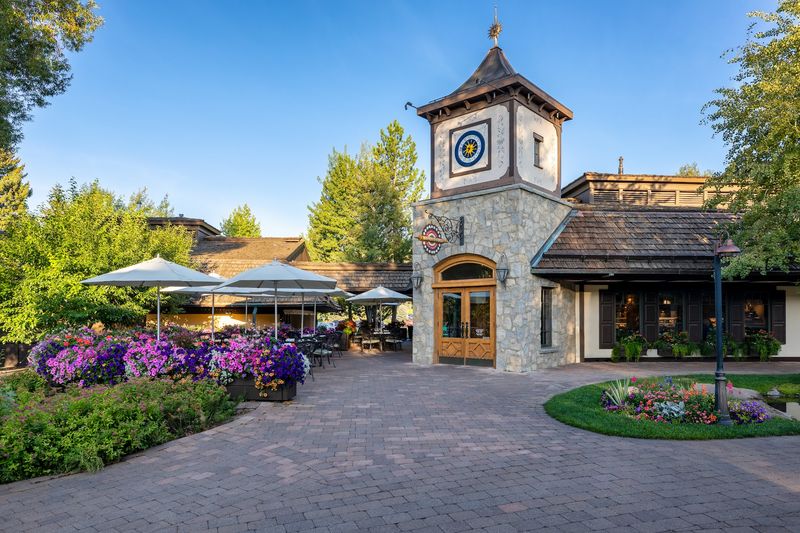
The chairlift story gives visitors a reason to look backward, but Sun Valley Resort remains an active four-season destination at 1 Sun Valley Road, Sun Valley, Idaho 83353.
Hiking offers the easiest present-day connection to Proctor Mountain, while nearby Dollar Mountain can also be explored on foot during summer without lift assistance.
Back in Sun Valley Village, Konditorei serves Austrian-inspired brunch dishes and pastries baked in-house daily, with current hours from 7 a.m. to 3 p.m.
The resort’s year-round outdoor ice rink adds another unusual mountain tradition, and the historic bowling alley inside Sun Valley Lodge provides an indoor option when a slower afternoon sounds appealing.
Horseback trail rides, biking, swimming for resort guests, and additional hiking routes broaden the warmer-weather choices, while winter eventually brings the focus back to skiing on Bald and Dollar mountains.
The resort is even celebrating its 90th winter season as it moves into 2026-2027, making this an especially fitting time to revisit the invention that helped launch its reputation.
A modern Sun Valley trip can therefore include polished resort comforts while staying surprisingly close to the modest hillside where one moving cable changed skiing nearly 90 years ago.