There’s A Small Rural Community In Texas That Feels Like A Completely Different World
I checked my phone twice, convinced I had lost signal and somehow driven back in time. Nobody was rushing anywhere, and honestly, neither was I anymore.
This small community does not show up on most travel lists, and after visiting, I almost understand why locals prefer it that way. Texas has its share of big, loud attractions, but this place runs on a completely different rhythm.
Front porches were actually used, neighbors waved at strangers, and time seemed to move slower in the best possible way. I parked my car and just wandered for an hour, no destination in mind.
Every corner felt like a small discovery. It is rare to find a place this genuinely different so close to everything familiar.
If you need a reminder that simple can still be beautiful, this Texas find is worth the detour.
The “Irish Capital Of Texas” Title That Actually Means Something
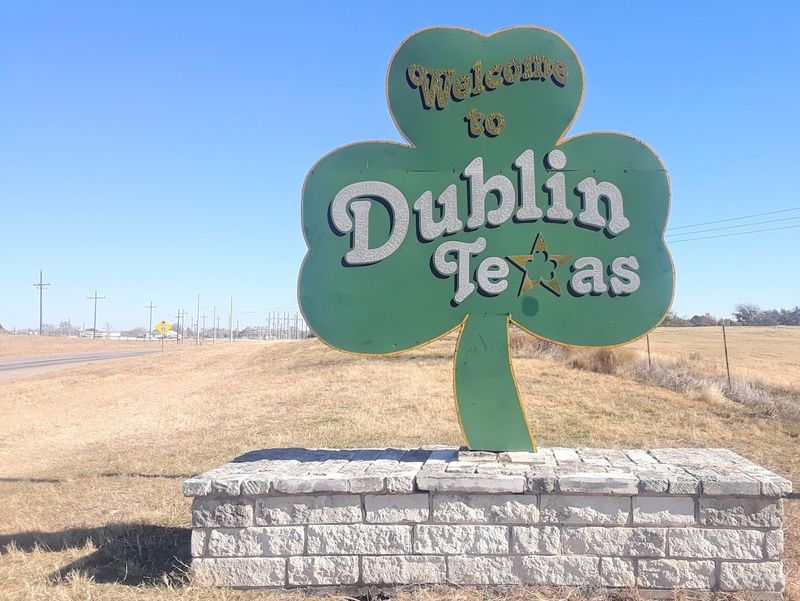
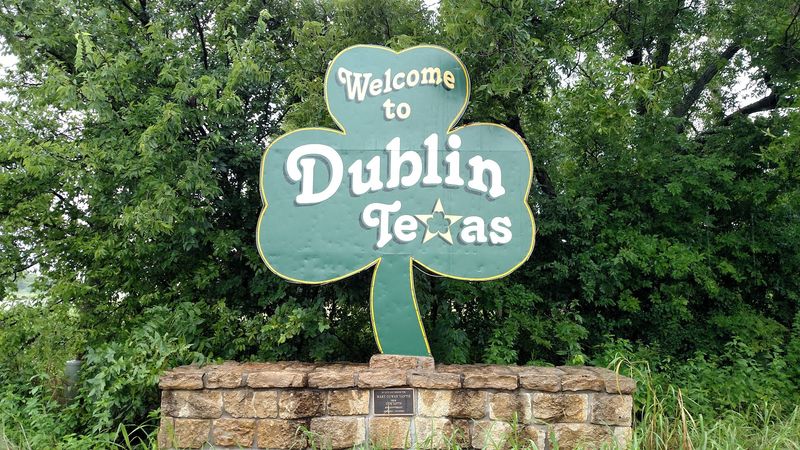
Not every small town earns a title from the state House of Representatives. Dublin did, and the “Irish Capital” designation isn’t just a fun nickname on a sign.
The story behind it goes back to the town’s founding in 1854.
The name “Dublin” itself has three possible origins. Some historians believe it came from the warning cry “Double In” shouted during Indian raids.
Others connect it to the capital of Ireland. A third theory points to the double-log cabins early settlers built for protection.
That layered history gives this place a personality most small towns simply don’t have. You feel it walking the downtown streets.
Every block seems to carry a story worth knowing.
The Irish connection runs deeper than just a name. Local events and community pride keep that heritage alive in a way that feels genuine rather than performed.
It’s refreshing to visit a town that actually knows where it came from. Dublin sits in southwestern Erath County, and the coordinates alone won’t prepare you for what you’ll find there.
The Dr Pepper Legacy That Changed Soda History
Few towns can claim they changed the way America drinks soda. This one can.
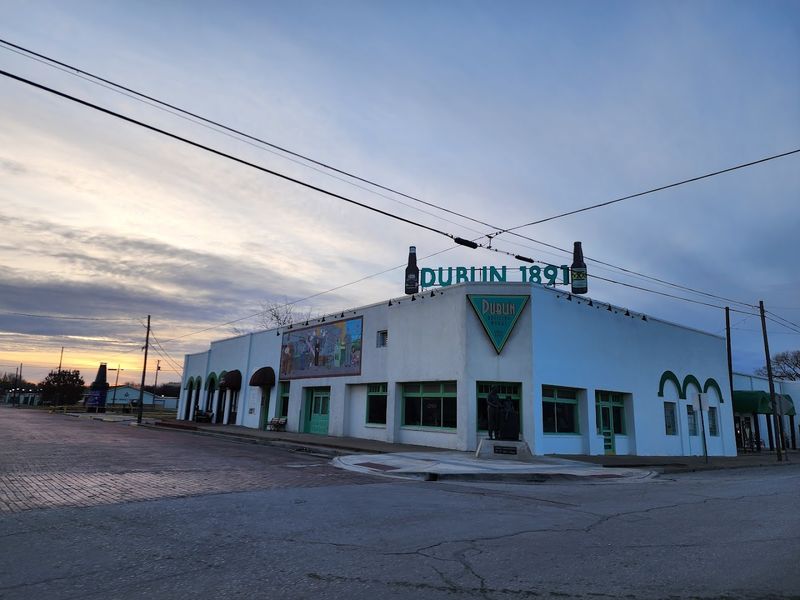
The world’s first Dr Pepper bottling plant opened here in 1891, and for over a century, it produced something special.
The Dublin Bottling Works used pure cane sugar instead of high-fructose corn syrup. That difference in recipe made the soda taste noticeably richer and smoother.
Fans drove hours just to get a bottle.
In 2011 and 2012, a legal dispute ended the Dr Pepper bottling operation. It was a tough moment for the community and for devoted fans everywhere.
But the story didn’t end there.
The bottling works reinvented itself. Today it produces its own line of craft sodas, still made with pure cane sugar.
The retail store remains open, and you can pick up bottles and merchandise that connect you to that remarkable history. The W.P.
Kloster Museum and Old Doc’s Soda Shop are currently closed indefinitely, but the retail experience alone is worth the visit. This spot keeps the spirit of that original recipe alive in every fizzy sip.
The Ben Hogan Museum That Honors A Texas Golf Legend
Ben Hogan is one of the greatest golfers in the history of the sport, and Dublin proudly celebrates his remarkable legacy.
Although he was born near Stephenville, he spent part of his childhood in Dublin, where his connection to the community remains an important part of local history.
The Ben Hogan Museum honors his life and achievements with thoughtfully curated exhibits, memorabilia, photographs, and stories from his extraordinary career.
Many of the museums around town offer free admission, making it easy to explore Dublin’s rich history at a relaxed pace.
Hogan overcame tremendous personal and physical challenges to become one of golf’s most respected champions. His determination, discipline, and influence on the game continue to inspire golfers around the world.
A visit to the museum offers a deeper appreciation for both Hogan’s accomplishments and the community that proudly preserves his story.
The exhibits focus on historical facts rather than flashy displays, allowing visitors to learn about one of golf’s true legends in an authentic setting.
The Rodeo Heritage That Rocked The Country For Two Decades
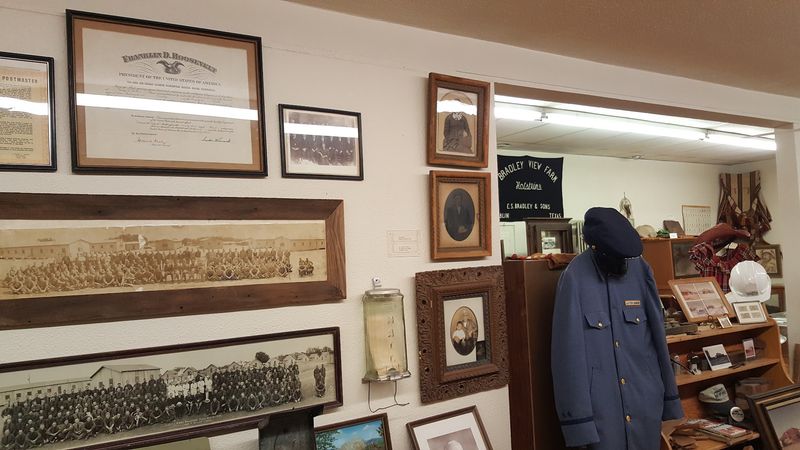
From 1937 to 1959, this community hosted the World Championship Rodeo. That’s not a local fair.
That’s a nationally recognized event that drew competitors and crowds from across the country.
The Dublin Rodeo Heritage Museum keeps that era alive. Exhibits cover the riders, the events, and the culture that made those years so electric.
Walking through it feels like stepping into a chapter of genuine American history.
Rodeo wasn’t just entertainment here. It was a serious economic and cultural force that shaped the town’s identity for generations.
The pride around that era is still very much present in how locals talk about their community.
What makes the museum stand out is its specificity. You’re not getting a generic overview of rodeo history.
You’re getting the story of this particular place and the particular people who made it matter. Free admission makes it easy to spend a leisurely afternoon absorbing everything.
The detail in the displays is impressive for a small-town museum. This is one of those stops where you plan to stay twenty minutes and end up staying two hours without noticing.
The Cheese Shop That Proves Texas Does Artisan Right
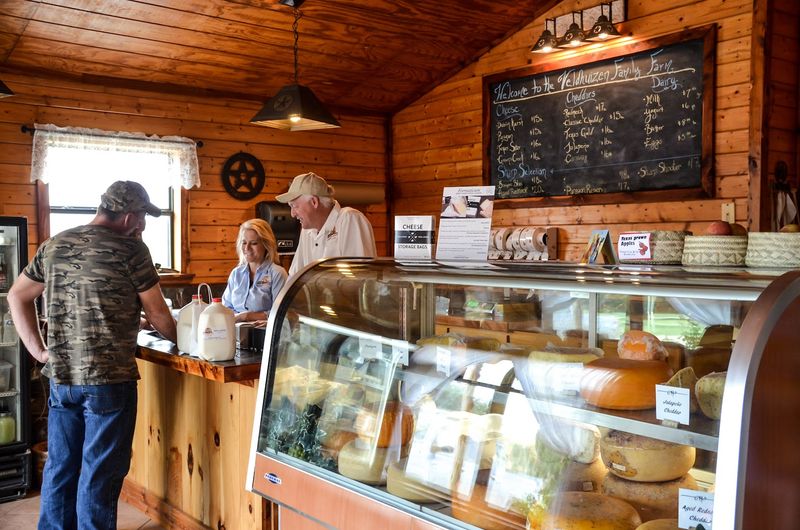
Artisan cheese in rural Texas sounds like a plot twist. But Veldhuizen Cheese Shoppe is very much real, and the quality is serious.
Erath County is one of the top milk-producing regions in Texas, so the dairy foundation here is genuinely strong.
The local agricultural economy makes a cheese shop like this one feel completely natural rather than out of place. Fresh, quality milk doesn’t have to travel far to become something extraordinary.
That short farm-to-table distance shows up clearly in the flavor.
Visiting this place is a sensory experience from the moment you step inside. The variety of cheeses available reflects real craftsmanship and care.
It’s the kind of stop that makes you rethink what small-town food culture can look like.
Picking up a wedge or two to take home is practically mandatory. The cheeses pair well with the craft sodas available nearby, making for a surprisingly satisfying local tasting experience.
Agriculture is the backbone of this community, and this shop is one of the most delicious ways to experience that directly. It’s the kind of discovery that makes you feel like a genuinely smart traveler for finding it.
The 1882 Grist Mill That Still Turns Heads Today
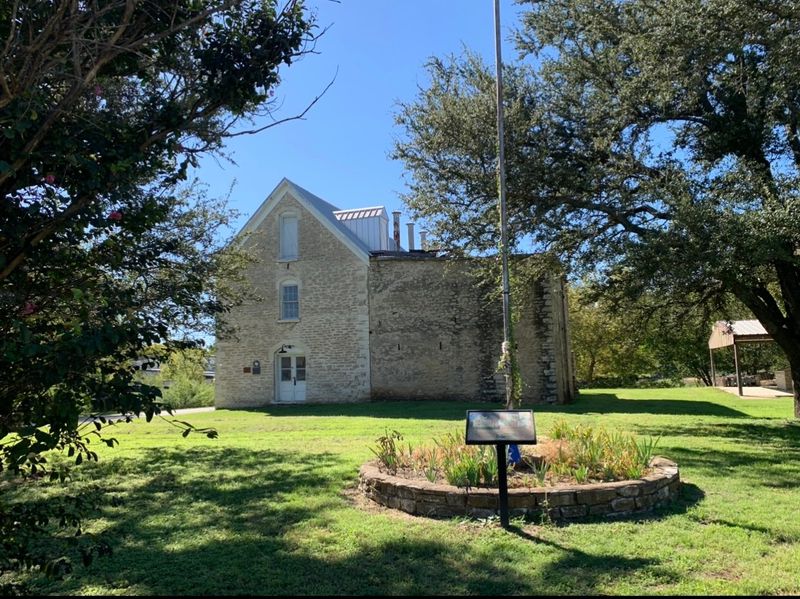
History doesn’t always come packaged in a museum. Sometimes it’s standing right outside in a park, aged and real.
W.M. Wright Historical Park is exactly that kind of experience.
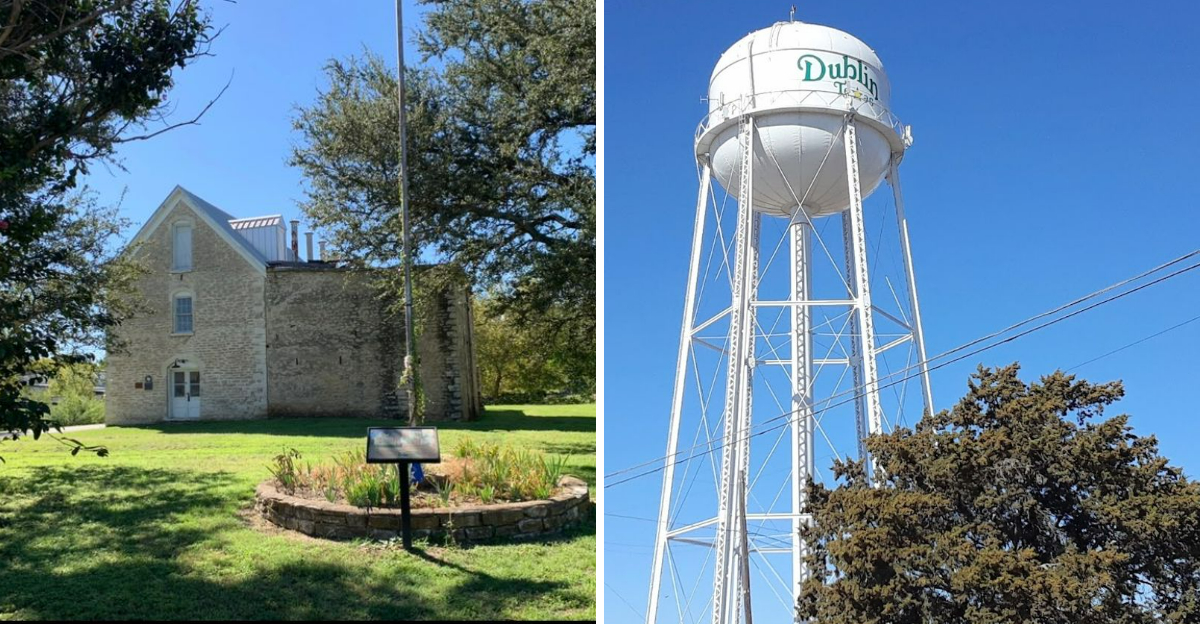
The park features an 1882 grist mill and an 1855 log cabin. Both structures are remarkably well-preserved.
Standing next to them makes the 1800s feel less like a textbook chapter and more like something tangible you can actually touch.
The log cabin dates back further than the town’s founding by just one year. That kind of age gives the structure a gravity that photos simply can’t capture.
What works beautifully about this park is how understated it is. There’s no dramatic signage or over-produced presentation.
You just show up and the history is right there in front of you. It’s the kind of spot that rewards curious visitors who slow down long enough to look carefully.
Families, history buffs, and casual explorers all seem to enjoy it equally. The park grounds are open and walkable, making it a relaxed and genuinely memorable stop during any visit to the area.
An Economy Built On Real Things, Not Just Tourism
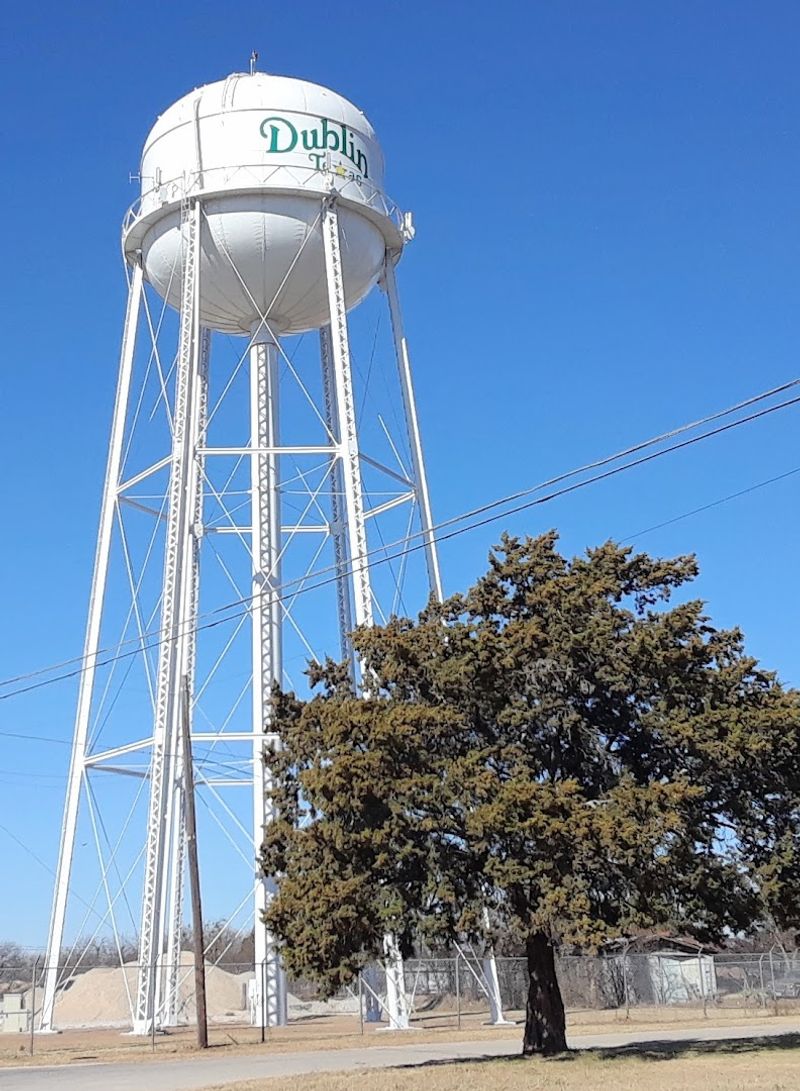
Some towns survive on charm alone. This community actually produces things.
The local economy runs on agriculture, oil and gas, dairy, peanut processing, saddle making, rope production, and metal stamping.
Erath County consistently ranks among Texas’s top milk producers. That’s not a small achievement in a state this size.
The dairy industry alone supports countless families and businesses across the region.
Beyond dairy, the variety of industries here is genuinely impressive. Clothing factories, feed mills, and milk processing plants all operate within or near the community.
It’s a working town in the truest sense of the phrase.
That economic diversity creates a stability that many rural communities struggle to maintain. The town doesn’t feel desperate or declining.
It feels purposeful. Visitors notice that energy almost immediately, even if they can’t quite name it at first.
There’s a confidence in the community that comes from actually making and growing things. Touring the area gives you a real sense of how interconnected rural Texas economies can be.
This isn’t a place frozen in nostalgia. It’s a place that keeps moving forward while honoring where it came from.
The Downtown Area That Rewards Slow Walkers
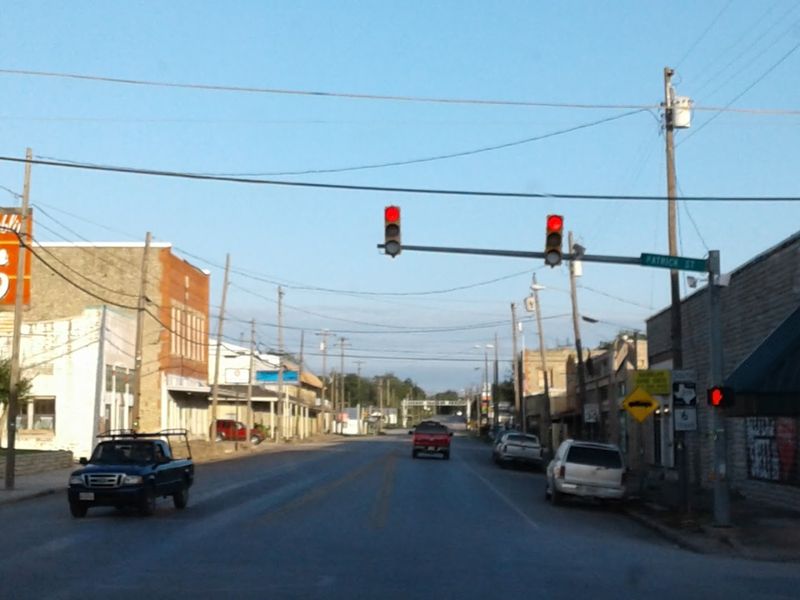
Fast travel misses everything worth seeing. The downtown area here is built for people who actually stop.
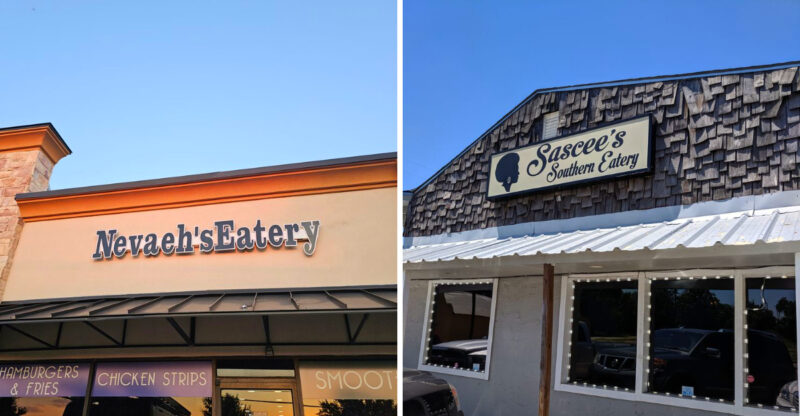
Unique shops and local restaurants line streets that feel genuinely unhurried and welcoming.
The architecture carries that classic small-town character. Buildings that have been standing for decades give the area a visual consistency that feels earned rather than manufactured.
Nothing here looks like it was designed for a lifestyle magazine.
Browsing the shops is a low-pressure pleasure. You’re not being sold to aggressively.
You’re just exploring, and that relaxed atmosphere makes every discovery feel more satisfying. Local business owners tend to know their products and their town extremely well.
Lunch or dinner at a downtown restaurant rounds out the experience beautifully. The food reflects local tastes rather than trying to appeal to every possible visitor preference.
That specificity is exactly what makes it good. You leave feeling like you actually experienced the place rather than just passed through it.
The pace of downtown Dublin is its own kind of attraction. In a world that rewards rushing, this stretch of road reminds you that slowing down is genuinely worthwhile.