These 6 Idaho Blizzards Buried Whole Towns And Locals Still Talk About Them
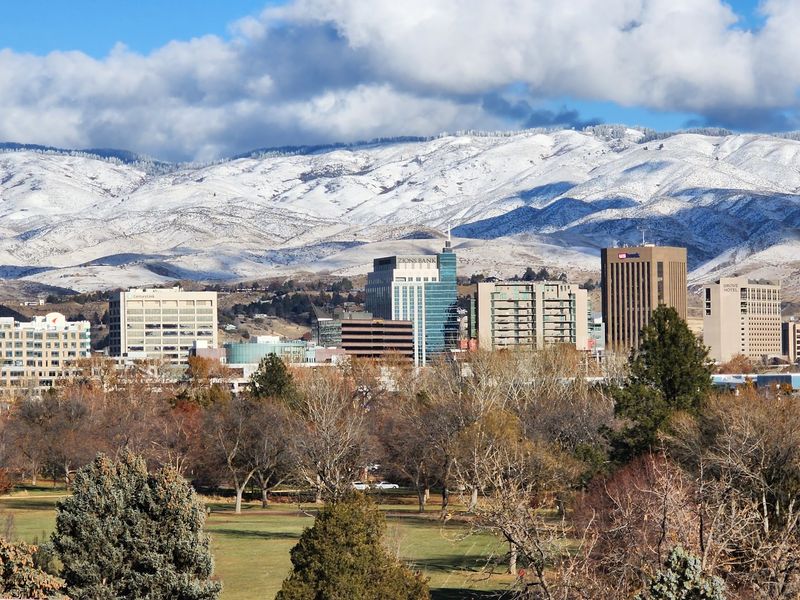
Dynamite once helped clear snow in Idaho. Crews used explosives because the drifts packed down so hard that regular plows simply gave up.
I love that detail, mostly because it sounds made up. It isn’t.
Some winters here have stacked drifts twenty feet high, stopped trains, and pushed wind chills past 100 degrees below zero. One storm even earned the nickname Siberian Express.
Those storms left more than snow behind. They cut towns off from the world, caved in roofs, and handed kids weeks of surprise vacation.
Mail sat waiting for days. Ask an old timer about a bad winter, and you will likely hear about one of these.
I can’t imagine shoveling my front door out from both sides just to get outside. Some folks did exactly that.
The stories got bigger over the years, but the snow totals were real. So which winter earned the loudest bragging rights?
1. The Great Winter of 1949
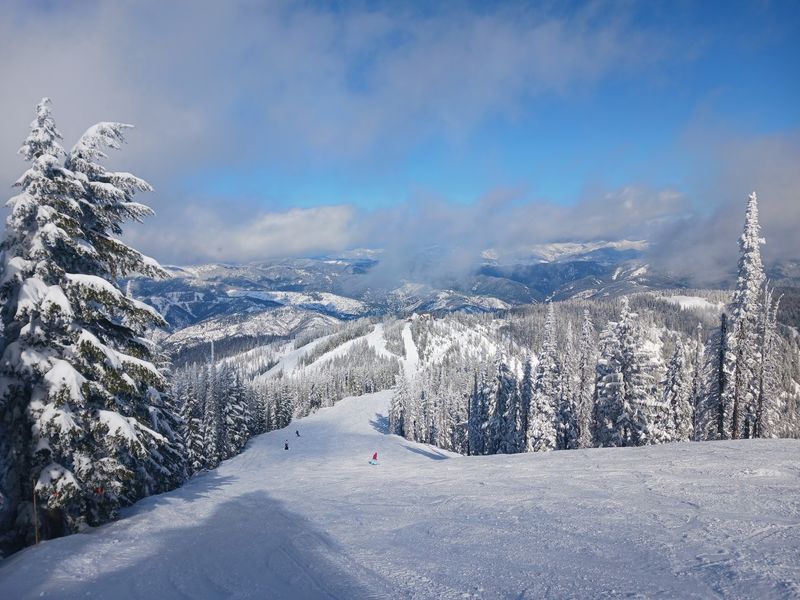
Snowplows were no match for the winter that made dynamite part of the snow-removal toolkit. From November 1948 into February 1949, southern Idaho sat in a deep freeze that seemed to have no off switch.
Residents faced about six weeks of snow and temperatures that kept sinking below zero. January and February brought the harshest stretch, and old timers still bring it up first.
During the week of February 4 to 11, 1949, many eastern Idaho towns were nearly cut off. Surface traffic simply stopped, and roads vanished under drifts reported as high as twenty feet.
In some spots, the snow packed down so hard that crews used explosives to break through. Can you blame them for reaching for something stronger than a shovel?
Pocatello set a record low for the date in January 1949 at 31.4 degrees below zero. That kind of cold turns your breath into a souvenir.
Ranchers took the hardest hit, with huge numbers of livestock lost to cold and hunger. Planes dropped supplies for both people and animals, which sounds like a movie plot but really happened.
Today the winter still ranks among the worst natural disasters in Idaho history. Mention 1949 to the right grandparent and get comfortable for a long story.
Address: Pocatello, ID 83201
2. The Winter of 1915-1916
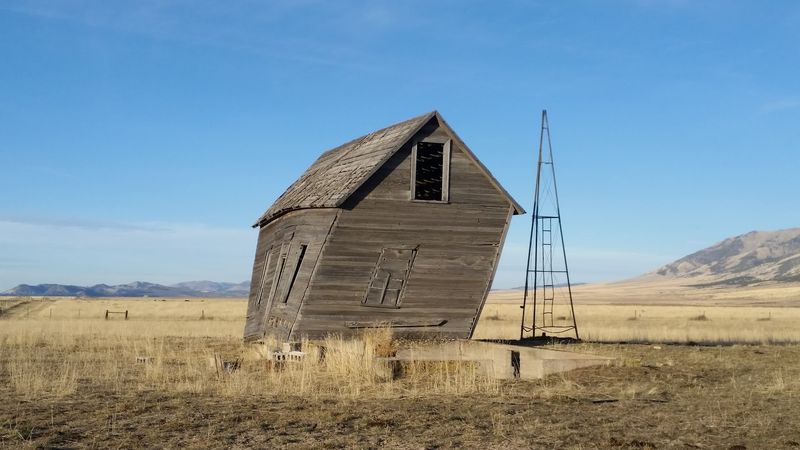
A schoolteacher building his own skis just to get to work tells you plenty about the winter of 1915 to 1916. Out in the Arbon Valley, that homemade solution reportedly carried him through the season at Central school.
Snow kept coming from December 1915 all the way into April 1916. That is a long time to keep the woodpile stocked and the boots by the door.
American Falls measured about eighteen inches, which almost sounds polite next to the totals in the hills nearby. Rockland and Arbon sat under roughly three feet of snow.
Then the wind showed up with an attitude on February 2, when a forty-mile gale tore through Rockland. Traffic stopped cold, and mail sat waiting for two days.
Even trains on the Short Line had to pause until conditions improved. In Bannock Valley, gusts were strong enough to knock down some buildings.
Think about life in rural southeast Idaho back then, with no snowblowers and no weather apps. A delayed mail run meant no news, no letters, and no orders from the outside world.
Arbon Valley still holds onto this story as a piece of its local history. Skis made by hand beat waiting for spring, after all.
Address: Arbon, ID 83212
3. The Sandpoint Blizzard of 1968-1969
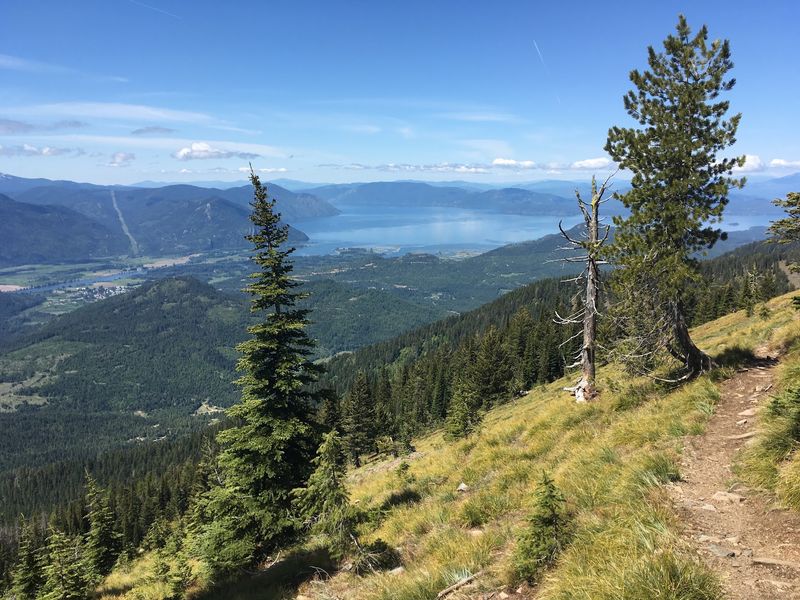
Shoveling your door out from both sides sounds like a riddle, but in the Panhandle it was a real chore in the winter of 1968 to 1969. The storm got rolling in late December 1968 and stuck around for roughly six weeks.
By the time it eased, about 82 inches of snow had piled onto the area. Wind pushed much of it sideways, so cars disappeared and back doors vanished.
Drifts in town reached around twelve feet. Out in the Selle Valley north of town, some drifts hit twenty feet.
Temperatures dropped to thirty below zero, cold enough to make Lake Pend Oreille look like a postcard nobody wants to visit. Schools stayed closed for weeks while families dug out.
Recollections from that season include being stranded in a motel with skiers who came for powder and got far more than planned. Talk about getting your money’s worth on a ski trip.
Bring up a few inches of snow in North Idaho, and a storm like this one makes it sound tiny. It set the bar for what a real Panhandle winter looks like.
For anyone who grew up near Bonner County, 1968 is shorthand for snow you had to tunnel through. Not bad bragging rights for a storm that started right after Christmas.
Address: Sandpoint, ID 83864
4. The Dubois Blizzard of 1989
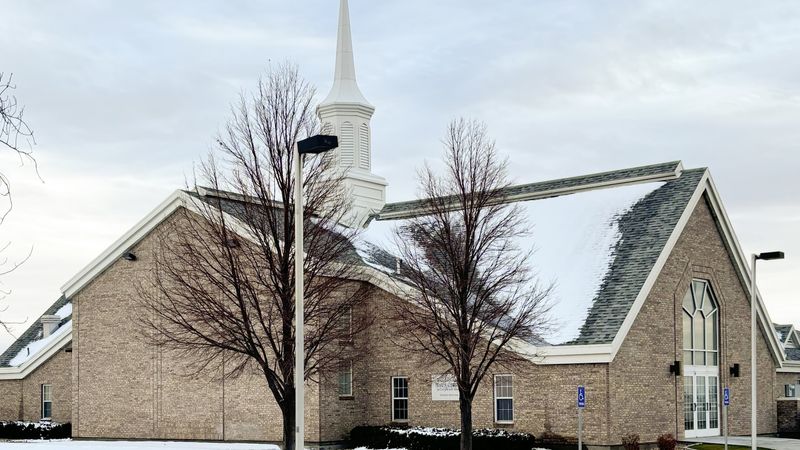
Any storm nicknamed the Siberian Express is not showing up for a friendly visit. From February 2 to 6, 1989, that blast hammered Dubois and Spencer in eastern Idaho.
Some folks also called it the Hundred-year Storm, and the numbers back that up. Winds gusted between 40 and 80 miles per hour while snow and ice blew sideways.
The wind chill reached 101 degrees below zero. At that level, exposed skin can freeze in under a minute.
Drifts swallowed whole homes and buildings, including facilities at the sheep station near Dubois. One farmhand even got trapped inside his trailer after the snow buried it.
Ranchers in Clark County faced staggering losses. Roughly 800 cattle and nearly 2,000 sheep were lost, making it one of the greatest agricultural disasters in eastern Idaho.
One resident later described it simply: it blew for five days straight. That quote says more than any weather chart could.
Spencer, known today for its opal, got buried right alongside its neighbor down the highway. Interstate 15 links the two, though that week it hardly mattered.
Clark County is one of the least populated corners of the state, so a storm like this hit close to home for families across the area. Mention February 1989 near Dubois and expect people to nod knowingly.
Address: Dubois, ID 83423
5. The North Idaho Winter of 1996-1997
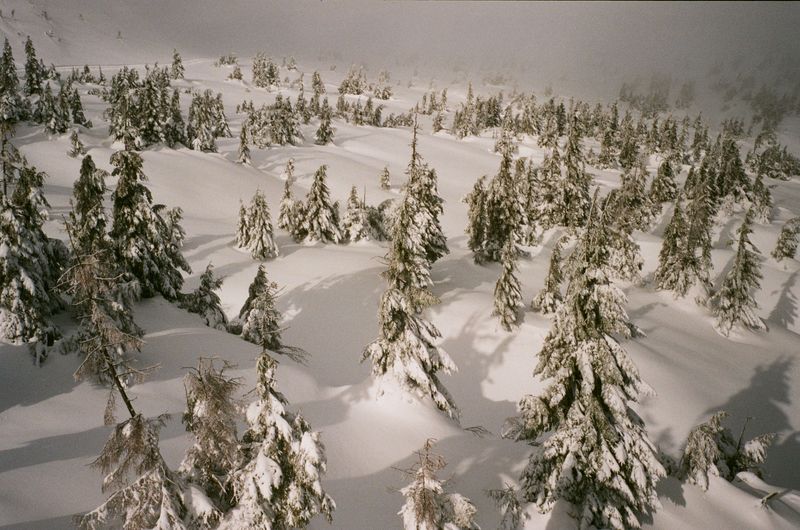
An inch of freezing rain is a rough way to kick off a winter, and North Idaho got exactly that on November 19, 1996. Snow fell first, then ice coated trees and power lines across the region.
Freezing rain is sneaky because it looks pretty while it causes trouble. Glittering trees are lovely right up until they land on the power lines.
Branches snapped and power lines came down. Widespread outages followed, so the season began in the dark for many families.
And then the snow simply kept coming for months. Downtown Sandpoint turned into a maze of snow berms about ten feet tall.
Pedestrians moved through what were described as cave-like sidewalk canyons. Running errands felt more like exploring a glacier than shopping on First Avenue.
The weight proved too much for numerous roofs around town. Among them was the auditorium at Sandpoint High School.
Students reportedly ended up with a month-long winter break out of the deal. Ask a Sandpoint grad from that era and you might hear it called the best vacation ever.
Grownups shoveling roofs probably remember it a little differently. Still, few Panhandle winters spark as many stories, and this one became a conversation starter that never quite melted.
Address: Sandpoint, ID 83864
6. The Snowpocalypse of 2016-2017
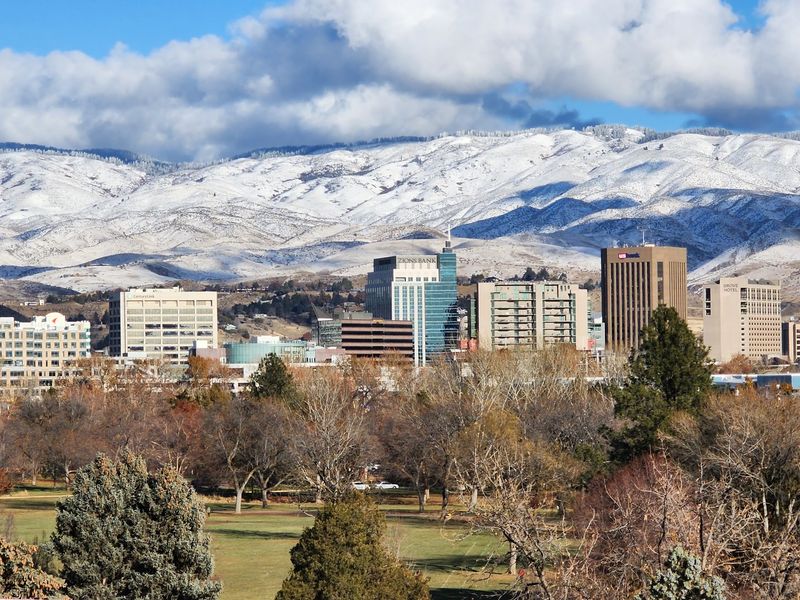
Snowpocalypse is a dramatic name, but southern Idaho earned it in the winter of 2016 to 2017. Modern plows and forecasts did not stop the season from bringing the Treasure Valley to a near standstill.
Snow piled up in round after round across Boise and surrounding communities. Many residents found they couldn’t even leave their neighborhoods because side streets became impassable.
Roofs strained under the load, and numerous collapses followed across the affected areas. Business owners and homeowners alike suddenly cared a lot about how much snow a roof can hold.
Kids, of course, saw it differently. Snow days kept stacking up, and sledding hills got a serious workout.
The season is widely remembered as one of the worst winters Idaho has ever seen. That is quite a statement in a state with a history like this one.
What sets it apart from the others on this list is how recent it is. Plenty of current Treasure Valley residents shoveled through it themselves, so the stories come with photos on their phones.
It also proved that a growing city with modern equipment can still get buried. Next time a forecast calls for a big storm in Boise, you know which winter people will mention first.
Address: Boise, ID 83702