These Are 14 Hidden California Beaches That Are Most Beautiful In Spring
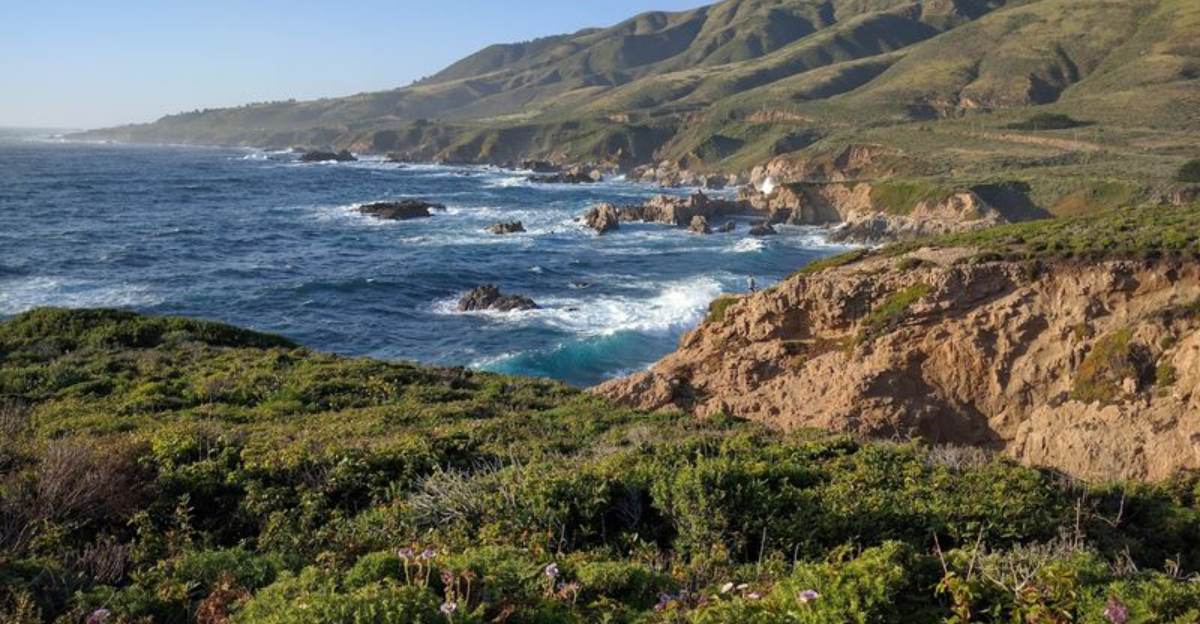
Spring flips a switch along the California coast.
Cliffs turn neon with wildflowers. Hills roll green all the way to the surf. Coves that sit quiet most of the year suddenly feel alive, washed clean by winter storms and glowing under softer sun.
This is the window locals wait for.
Before summer crowds claim every parking spot. Before the beaches everyone knows start trending again. Hidden stretches of coastline get a rare moment to breathe, and if you time it right, you can have entire coves nearly to yourself.
Barefoot walks feel better in that crisp coastal air. Tide pools pulse with color, packed with starfish, anemones, and tiny creatures that only show themselves this time of year. Waves crash harder, carving sea caves deeper and reshaping the sand overnight.
Some of these beaches hide at the end of bluff trails lined with blooms. Others sit quietly off the highway, easy to miss if you don’t know where to look.
All of them hit differently in spring.
This is when California’s coastline feels raw, colorful, and almost secret again, right before summer turns it into something louder.
1. Bowling Ball Beach
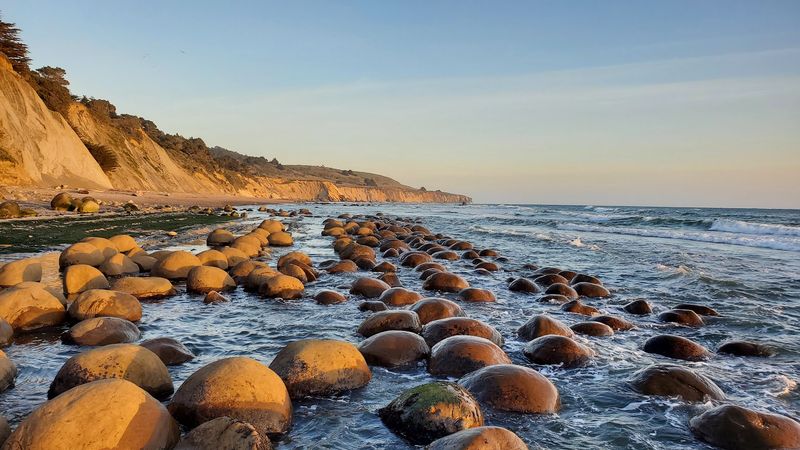
Round boulders scattered across the sand create one of the most unusual coastal scenes along the northern California shoreline.
These spherical rocks formed millions of years ago through a geological process called concretion, where minerals cemented together in layers around a central core.
The result looks like a giant left bowling balls on the beach after a game. Timing matters quite a bit when planning a visit here.
Low tide reveals the full collection of boulders, some measuring several feet across, while high tide covers most of them completely.
Spring tides during new and full moons offer the best viewing conditions, when the water pulls back farther than usual. Checking a tide chart before heading out helps ensure the rocks will be visible.
The beach sits within Schooner Gulch State Beach, accessible via a moderately steep trail that winds down the bluff.
Parking appears limited along the highway pullout, so arriving early in the day works better than afternoon visits. The hike down takes about fifteen minutes, with some uneven sections that require careful footing.
Spring weather in Mendocino County tends toward cool and breezy, making layers a smart choice even on sunny days.
Tide pools form between the boulders when water recedes, creating small ecosystems worth examining closely without disturbing the creatures inside.
2. Glass Beach
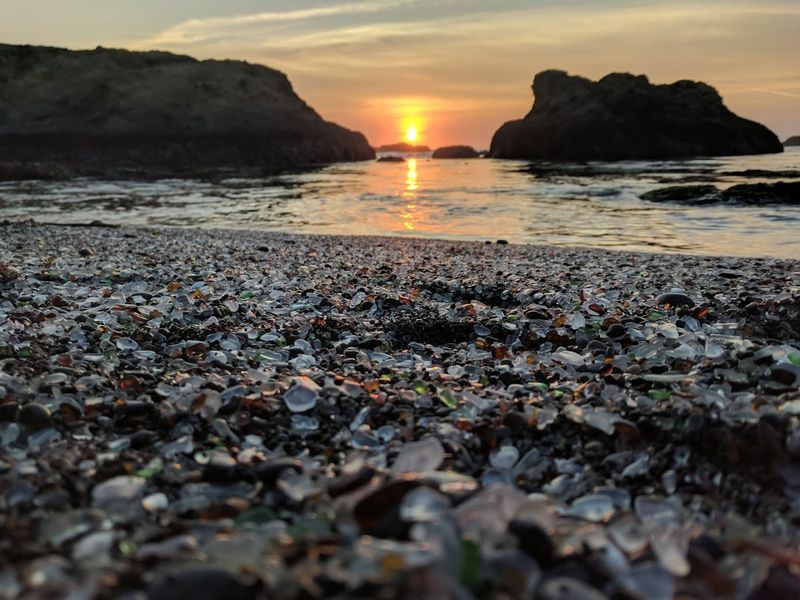
Decades of discarded glass bottles transformed into something unexpectedly beautiful at this former dump site turned natural wonder.
The ocean spent years tumbling broken glass against rocks and sand, smoothing sharp edges into frosted gems that now carpet sections of the shoreline.
Green, brown, and clear pieces appear most commonly, while blue and red fragments count as lucky finds that beachcombers prize.
The beach occupies a small cove within MacKerricher State Park, just north of Fort Bragg. A short walk from the parking area leads to the main viewing spot, where weathered glass mingles with regular pebbles and stones.
Spring brings fewer visitors than summer months, allowing more relaxed exploration of the shoreline.
Park rules prohibit removing glass from the beach, helping preserve this unusual landscape for future visitors.
The glass supply has diminished noticeably over the years as people collected pieces despite regulations.
What remains still creates an interesting mosaic of colors against the gray rocks, especially when wet from waves or rain.
Overcast spring days actually enhance the glass colors, which seem to glow against damp stones. Low tide exposes more of the beach and makes walking easier across the rocky terrain.
Sneakers with good grip work better than sandals on this uneven surface covered in smooth round stones.
3. Pirate’s Cove
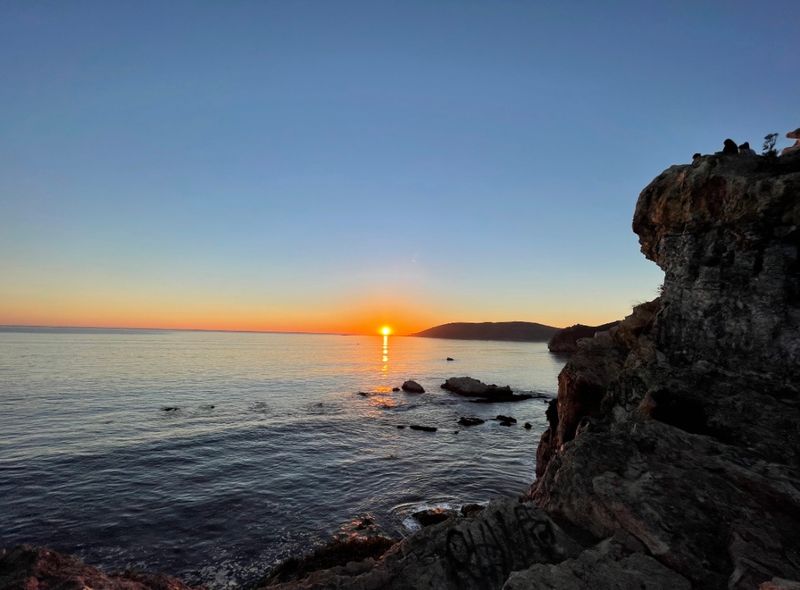
A steep path winds down through coastal scrub to reach this clothing-optional beach tucked between rock walls south of Avila Beach.
The unofficial name stuck over decades of use by locals and visitors seeking privacy away from family-friendly stretches of sand.
Spring wildflowers color the hillside trail with purple lupine and yellow mustard before the summer heat dries everything to brown.
The descent requires steady footing on loose dirt and rocks, taking ten to fifteen minutes from the roadside parking spots.
Ropes secured to posts help with the steepest sections, though the trail remains manageable for most people with reasonable mobility.
The cove itself curves in a protected crescent, with sand at the center and boulders piled at both ends.
Water stays relatively calm compared to more exposed beaches, though spring currents can still surprise swimmers.
Clothing remains optional rather than required, with a mix of dressed and undressed beachgoers on most days.
The relaxed atmosphere draws people who value the quiet setting over any particular beach culture. Weekdays see lighter use than weekends, when parking along the shoulder becomes competitive.
No facilities exist at the beach itself, so bringing water and snacks makes sense for longer visits. The climb back up feels steeper than the descent, especially in afternoon heat.
4. Thousand Steps Beach
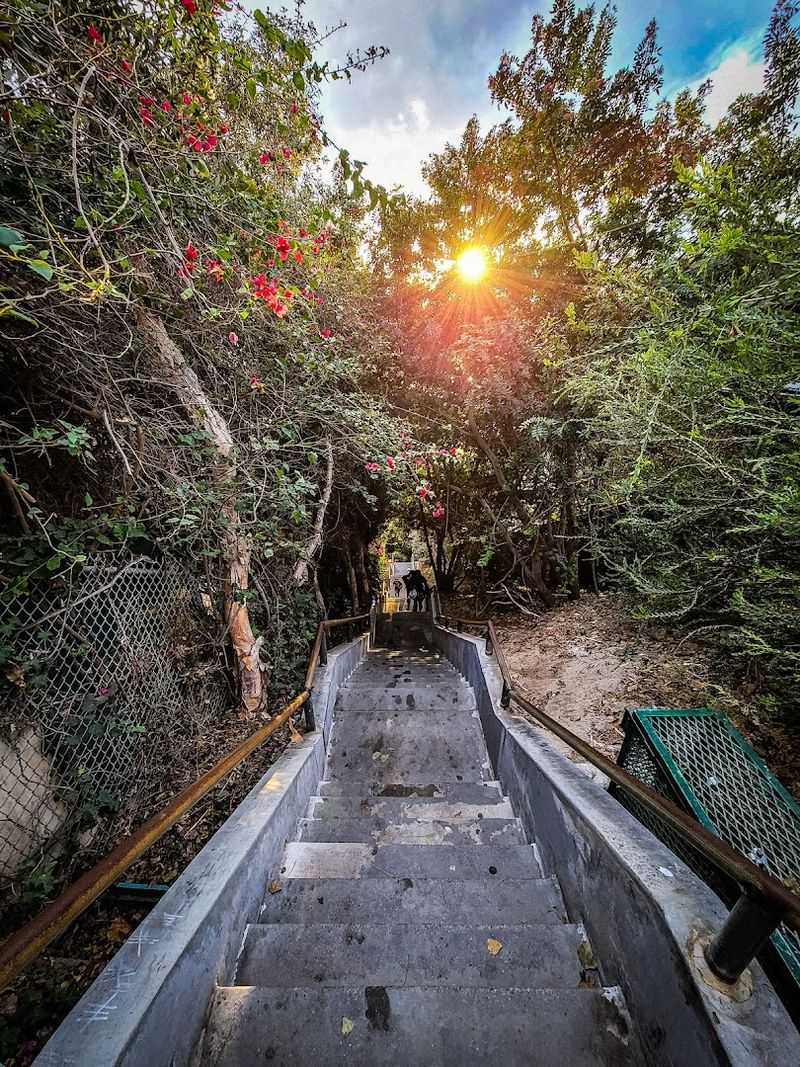
The name exaggerates quite a bit, with the actual staircase containing closer to two hundred steps rather than a thousand.
Still, the descent feels substantial as wooden stairs zigzag down the cliff face between million-dollar homes perched on the hillside.
Each landing offers a chance to pause and admire the expanding ocean view before continuing downward.
Parking presents the main challenge for this South Laguna Beach spot, with limited street spaces filling quickly on nice spring days.
A small public parking lot serves the beach access, but spaces disappear by mid-morning on weekends.
The neighborhood streets allow parking with attention to posted restrictions and residential driveways.
Once parked, finding the stairway entrance requires looking for a small sign between houses on the ocean side of Pacific Coast Highway.
The beach itself stretches wider than expected, with soft sand perfect for laying out towels or blankets.
Tide pools form among rocks at the north end when water recedes, revealing sea anemones, crabs, and small fish trapped in temporary pools.
Spring brings ideal conditions for exploring these pools, with cooler weather making the stair climb more comfortable.
The water stays cold year-round, typical for Southern California beaches, though spring sunshine warms the air to pleasant temperatures. Climbing back up the stairs provides a solid workout, with legs feeling the burn by the halfway point.
5. El Matador State Beach
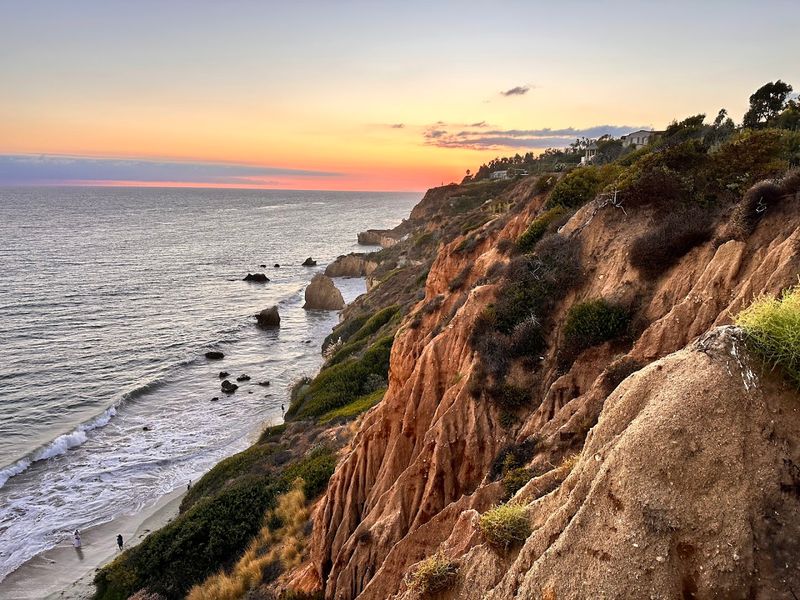
Towering rock formations rise from the sand like sculptures, creating natural frames for sunset photos that fill social media feeds.
Sea caves tunnel through some of the larger rocks, with openings just big enough to walk through at low tide.
The golden color of the sedimentary cliffs contrasts beautifully with blue-green water, especially in spring when the angle of sunlight hits differently than summer months.
A steep staircase leads down from the small parking lot off Pacific Coast Highway, dropping about a hundred feet to beach level.
The lot fills fast on weekends and nice weekdays, with only space for about two dozen cars. Arriving before 10 AM or after 3 PM improves parking odds significantly.
The beach spreads out in both directions from the stairs, with the most dramatic rock formations clustered to the north. Spring tides create the best conditions for exploring caves and walking around rock bases.
High tide covers much of the narrow beach and makes some areas impassable, while low tide exposes tide pools and walking routes between formations.
The sand stays relatively clean despite the beach’s popularity, though weekends see more crowds than weekdays.
Water remains cold throughout spring, with temperatures in the upper 50s that feel refreshing rather than inviting for long swims. The cliffs provide some wind protection, creating warmer pockets on breezy days.
6. Victoria Beach
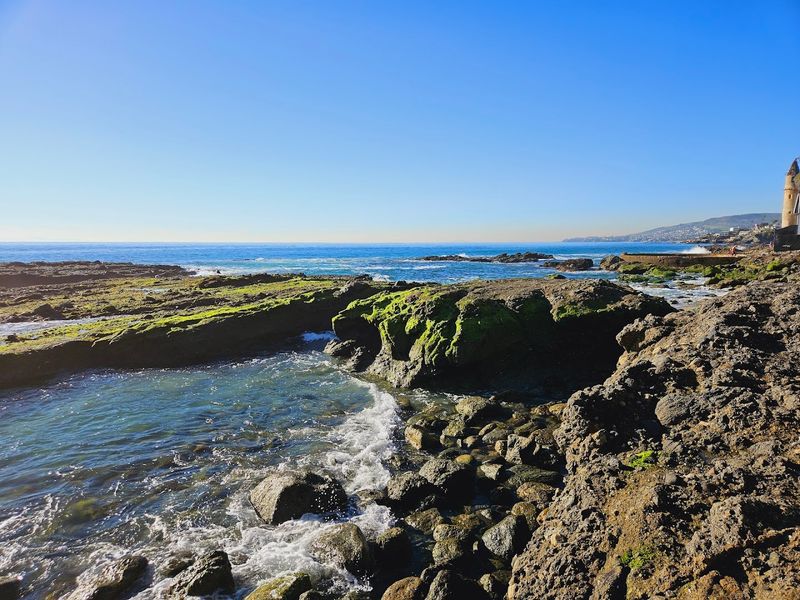
A peculiar tower rises from the rocks at the south end of this Laguna Beach spot, looking like something from a fairy tale or adventure movie.
Built in the 1920s as a private stairway for a clifftop mansion, the sixty-foot structure now stands as a public curiosity that draws photographers and explorers.
The tower’s weathered concrete and narrow spiral staircase inside create an atmosphere of mystery, though the stairs themselves remain off-limits to climbers.
Finding the beach access requires navigating residential streets in a quiet neighborhood where parking stays restricted.
A public pathway between houses leads to a staircase down the bluff, marked by a small sign that’s easy to miss while driving.
The beach itself curves gently, with soft sand perfect for walking barefoot and enough width to spread out even when other visitors arrive.
Spring typically brings lighter crowds than summer, making this a good season for a more peaceful visit.
Tide pools dot the rocky areas near the tower when water pulls back, revealing colorful sea life clinging to stones.
The best viewing happens during low tide, when more rocks emerge and pools deepen with trapped creatures.
Spring weather in Laguna Beach tends toward mild and sunny, with occasional morning fog that burns off by midday.
The water stays characteristically cold, though some visitors brave it for quick dips on warmer afternoons.
7. Black Sands Beach
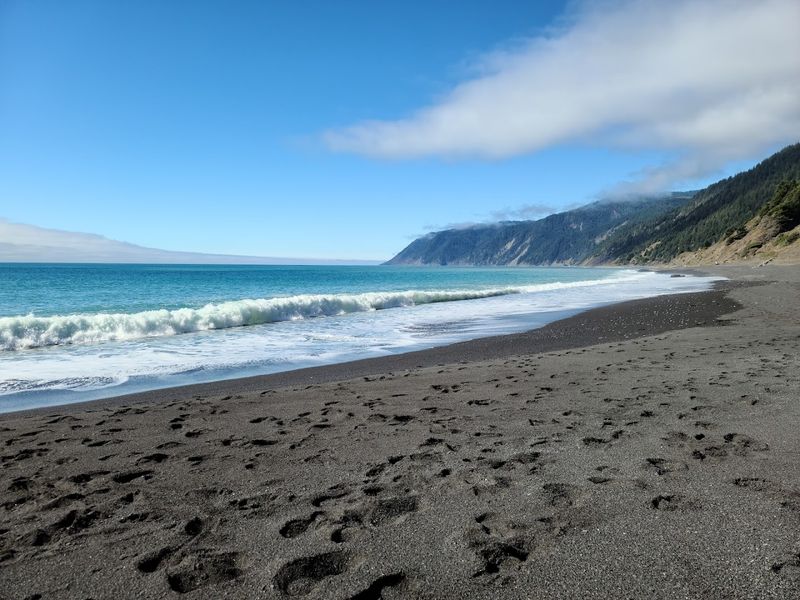
Dark volcanic sand creates an otherworldly landscape where the Lost Coast meets the Pacific in one of California’s most remote coastal regions.
The black grains formed from eroded rock carried down by the Mattole River, mixing with regular sand to create varying shades of gray and charcoal across the beach.
Driftwood logs bleached silver by sun and salt scatter across the upper beach, creating stark contrast against the dark sand.
Getting here requires commitment, with Shelter Cove sitting at the end of a winding mountain road that takes over an hour from Highway 101.
The isolation contributes to the beach’s wild character, with dramatic cliffs rising immediately south and the beach stretching north for miles.
A small parking area provides direct beach access near the Shelter Cove community, with trails leading to more secluded sections in both directions.
Spring weather in this region runs cool and often foggy, with wind a near-constant presence that shapes the landscape.
The beach serves as a starting point for hikers tackling the Lost Coast Trail, though day visitors can simply enjoy the unique scenery without committing to a multi-day trek.
Waves tend toward powerful and unpredictable, making swimming dangerous despite the appealing look of the water.
Beachcombing yields interesting finds, with Japanese glass floats occasionally washing up alongside more common shells and stones. The remote location means bringing supplies, as no facilities exist right at the beach.
8. Pfeiffer Beach
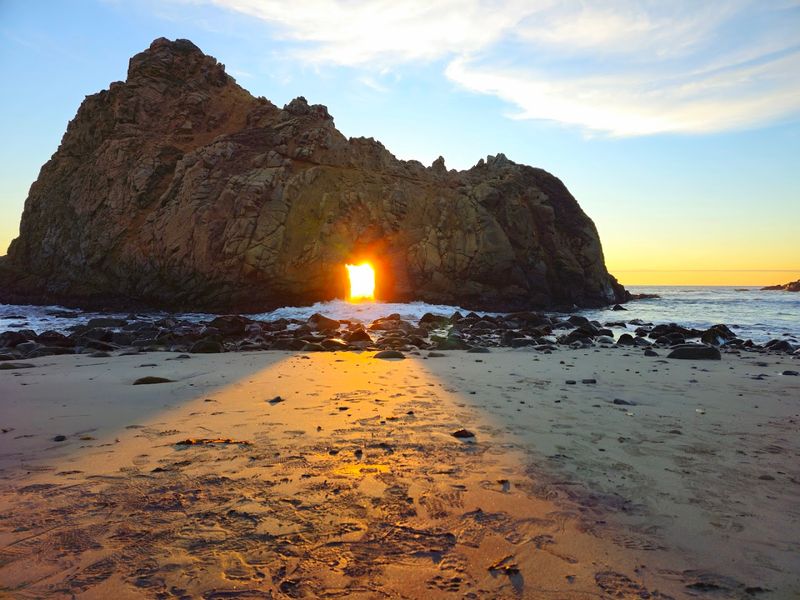
Purple-tinged sand sets this Big Sur beach apart from every other coastal spot in California, created by manganese garnet particles washing down from the hills above.
The color appears most vivid when sand is wet from waves or rain, with individual grains catching light and showing their violet hue.
Keyhole Rock stands offshore as the beach’s signature feature, a natural arch formation that frames the setting sun during winter and spring months.
Finding the unmarked turnoff from Highway 1 challenges first-time visitors, with only a small sign reading “Pfeiffer Beach” marking the narrow Sycamore Canyon Road.
The drive winds inland through towering redwoods before opening to a modest parking area that fills quickly during peak hours.
From there, a short walk leads over low dunes where the first glimpse of the Pacific comes suddenly and dramatically.
Wind often sweeps across the sand, sculpting ripples that enhance the purple streaks running through the shoreline.
Waves crash with force against the rock formations, sending mist into the air and deepening the beach’s moody, cinematic atmosphere.
Low tide reveals sea caves and tide pools tucked near the cliffs, while sunset bathes the entire cove in gold and violet tones. The setting feels raw, secluded, and unmistakably Big Sur.
9. Chinese Cove
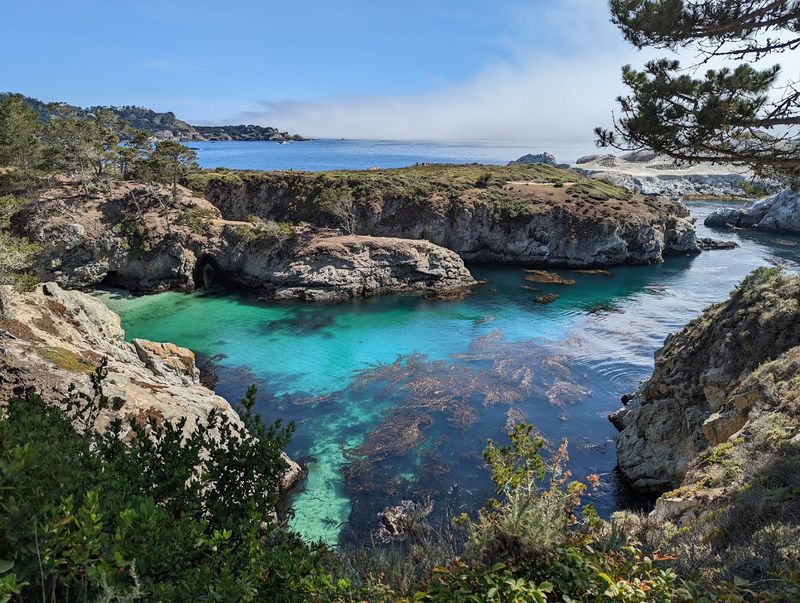
Turquoise water fills this tiny cove within Point Lobos State Natural Reserve, protected by rocky points that block wind and waves.
The small beach consists mostly of smooth pebbles rather than sand, with water so clear that rocks on the bottom remain visible even in deeper sections.
Cypress trees twisted by decades of wind frame the cove from above, their gnarled branches creating natural sculptures against the sky.
The reserve entrance sits along Highway 1 south of Carmel, with an entry fee required for all vehicles. Parking fills quickly on spring weekends, sometimes requiring a wait for spaces to open.
From the lot, a short trail leads down to the cove, passing through coastal scrub and offering glimpses of the water below.
The reserve limits daily visitors to protect the fragile ecosystem, so arriving early helps ensure entry on popular days.
Swimming and diving attract people to this particular cove despite cold water temperatures that hover in the mid-50s during spring.
The protected location and exceptional clarity make it a favorite spot for snorkeling, with kelp forests visible just offshore. Harbor seals often haul out on nearby rocks, and sea otters float on their backs in the kelp beds.
The small size of the cove means it feels crowded with just a handful of visitors, so timing visits for weekday mornings provides the most space. Trails throughout the reserve offer additional exploration opportunities beyond just the beach itself.
10. College Cove
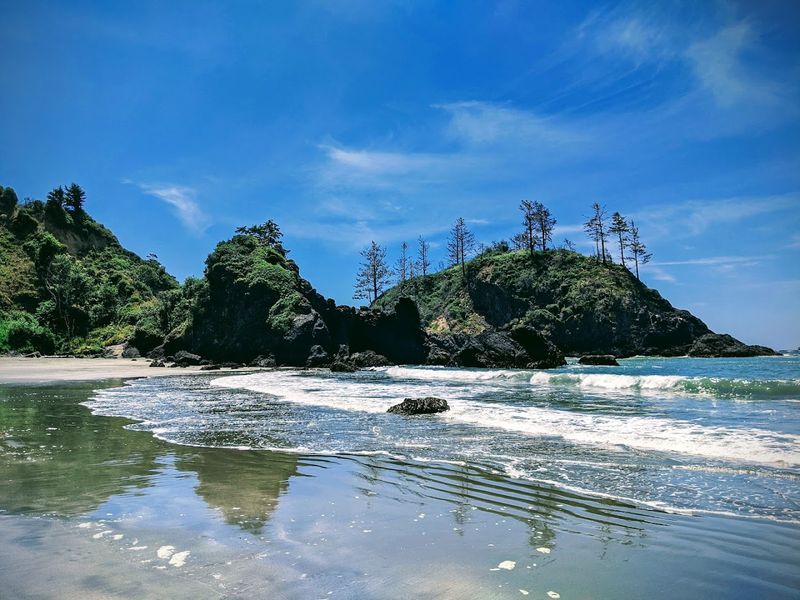
Tall coastal forest surrounds this crescent-shaped beach north of Trinidad, creating a sense of complete separation from the outside world. The trail down passes through dense vegetation, with ferns and wildflowers lining the path in spring.
Rock formations called sea stacks rise from the water offshore, creating dramatic silhouettes at sunset and providing perches for seabirds.
The trailhead sits along Scenic Drive in Trinidad, with limited parking in a small dirt lot that accommodates maybe a dozen vehicles.
The hike down takes fifteen to twenty minutes, following a moderately steep path that can get muddy after rain.
Spring in this region brings frequent showers that keep everything green but also make trails slippery. The beach itself curves around the cove, with soft sand in the middle and rocky areas at both ends.
College Cove attracts fewer visitors than more accessible beaches nearby, partly due to the hike required and partly because it’s clothing-optional.
The atmosphere stays relaxed and respectful, with a mix of dressed and undressed beachgoers sharing the space. Driftwood logs piled along the upper beach provide seating and windbreaks on breezy days.
Water temperatures stay cold year-round, typical for Northern California, though some people swim on warmer spring afternoons.
The protected cove location means calmer water than exposed beaches, though currents and undertow still require caution.
No facilities exist at the beach, so planning ahead with water and snacks makes sense for longer visits.
11. Greyhound Rock Beach
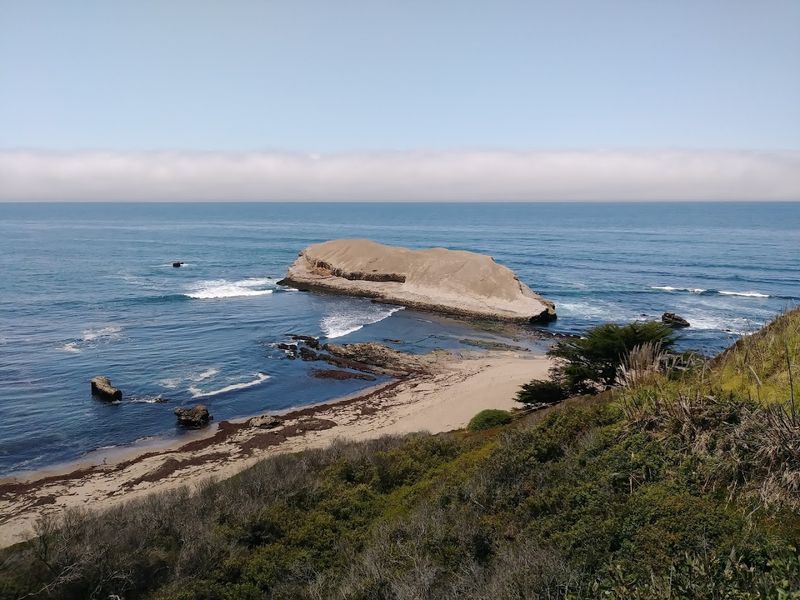
A massive offshore rock formation gives this beach its name, though the shape requires some imagination to see the greyhound profile local stories describe.
The rock stands as a distinctive landmark visible from Highway 1, marking this relatively unknown beach between Santa Cruz and Davenport.
Spring brings wildflowers to the coastal bluffs above, with California poppies and lupine creating orange and purple patches against green grass.
The beach access road turns off Highway 1 and winds down through agricultural land to a small parking area near the sand.
The road condition varies with weather and maintenance, sometimes developing potholes that require careful driving.
The beach itself stretches wide and long, with plenty of space to spread out even when other visitors arrive.
Soft sand makes walking easy, and the relatively flat approach means no stairs or steep trails to navigate.
Fishing appears popular here, with anglers casting from the beach and rocks for perch and other species.
The area also attracts surfers when swells arrive, though the break works better on certain tide and wind conditions.
Spring weather along this stretch of coast runs cool and often foggy in mornings, with afternoons sometimes clearing to reveal sunshine. The beach faces west, making it excellent for sunset viewing when skies cooperate.
Creek mouths create small lagoons where the water temperature runs slightly warmer than the open ocean, though still quite cold by most standards.
12. Stairs Beach
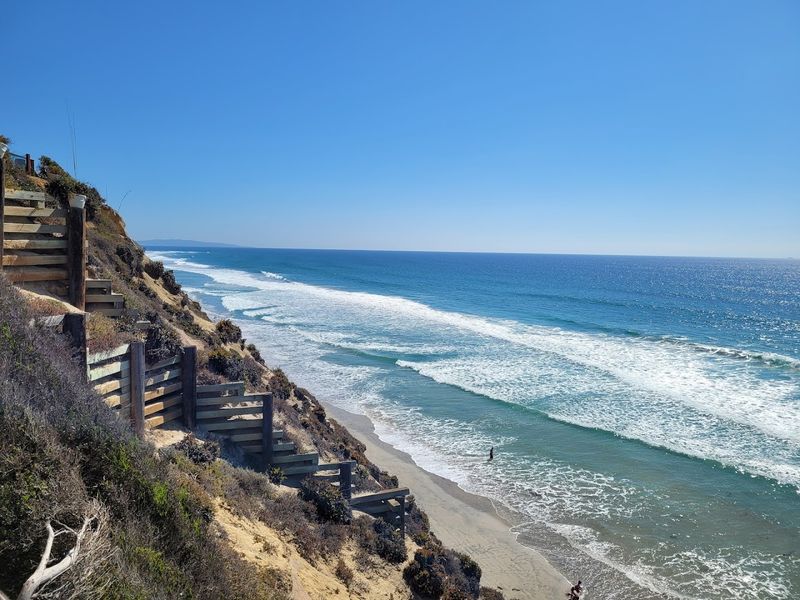
Wooden stairs descend the sandstone bluff at this Encinitas beach access point, giving the spot its straightforward name.
The stairs replace the old rope-assisted trail that once provided the only way down, making access much easier for visitors of varying fitness levels.
Spring blooms color the bluff face with native plants that thrive in the sandy soil and salt air. Parking along Neptune Avenue requires attention to street signs and time limits, with enforcement active in this residential neighborhood.
The beach access sits between houses, marked by a sign that’s visible from the street. The stairs drop about eighty feet to beach level, with landings every twenty steps or so providing rest spots.
The beach below stretches in both directions, with sand giving way to rocky tide pools at low water. This section of Encinitas coastline attracts a mix of locals and visitors, with a relaxed vibe typical of North County San Diego beaches.
Surfing happens at nearby breaks, while the beach itself works better for walking, sunbathing, and exploring tide pools.
Spring brings warmer temperatures than northern California beaches, with water in the low 60s that some people find swimmable.
The bluffs provide afternoon shade that moves across the beach as the sun shifts west. High tide reduces the available beach space significantly, making low tide better for visits.
The stairs climb back up more easily than expected, with the gradual angle reducing the workout compared to steeper beach accesses elsewhere.
13. Refugio State Beach
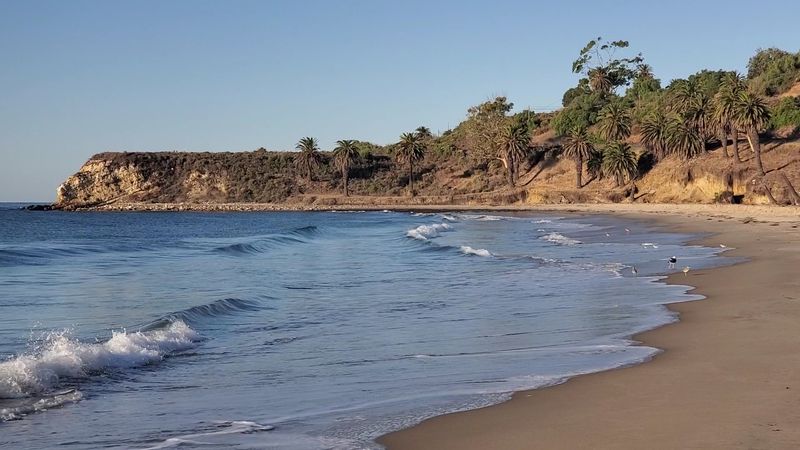
Palm trees line the back of this crescent beach west of Santa Barbara, creating an almost tropical appearance unusual for California state beaches.
The sheltered cove location and south-facing orientation make Refugio one of the warmer beach options in the area, with water temperatures climbing into the mid-60s by late spring.
Coastal mountains rise directly behind the beach, creating a scenic backdrop that changes color throughout the day.
The state beach includes a developed campground, day-use picnic areas, and ample parking, making it more accessible than many hidden beaches on this list.
An entrance fee applies for vehicles, with a kiosk at the park entrance collecting payment. The beach itself curves gently, with soft sand perfect for typical beach activities like volleyball, frisbee, or simply laying out a towel.
Lifeguards staff the beach during busy periods, adding a safety element for families with children. Tide pools form on the rocky eastern end of the beach when water recedes, revealing sea stars, anemones, and crabs in shallow pools.
Spring low tides provide the best viewing conditions for these temporary ecosystems. The western end of the beach connects to other beaches via a bike path that follows the coastline.
Facilities include restrooms, outdoor showers, and a small store during peak season. The campground offers an option for overnight stays, with sites bookable months in advance through the state parks reservation system.
14. Garrapata State Park Beach
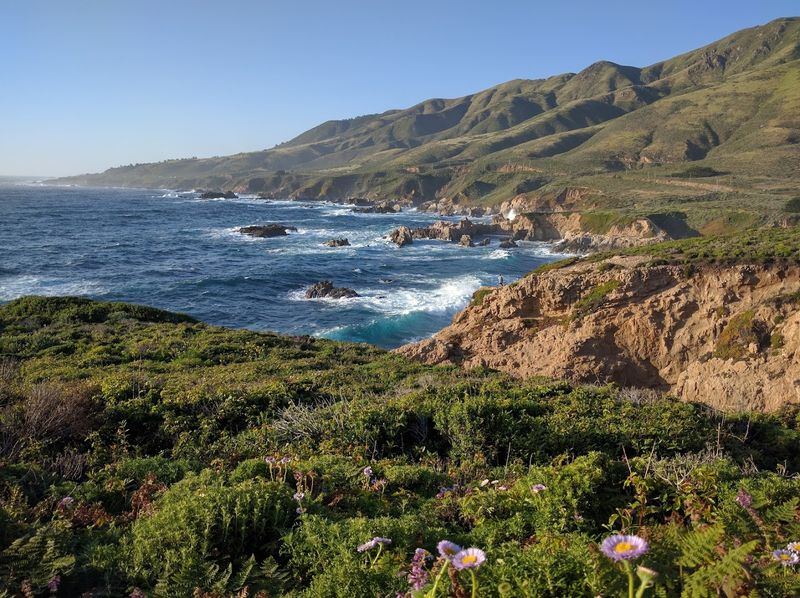
Wildflowers transform the coastal bluffs into a rainbow of colors during spring months, with this Big Sur park offering some of the best displays along Highway 1.
The beach itself sits below dramatic cliffs, accessible via steep unofficial trails that require caution and good footwear.
Multiple beach access points exist within the park, each offering different perspectives on the rugged coastline.
Parking appears along Highway 1 pullouts rather than in developed lots, with several spots marked by small signs indicating beach access.
The lack of facilities keeps crowds lighter than at more developed Big Sur beaches, attracting visitors who prefer wild landscapes over amenities.
Spring weather in this region runs cool and often foggy, with layers essential even on days that start sunny.
The trails down to the beach vary in difficulty, with some requiring scrambling over rocks and others following more established paths.
The beach consists more of rocks and boulders than sand, with dramatic wave action creating impressive displays of spray and sound.
Swimming appears dangerous here due to strong currents and unpredictable waves that crash against rocks. The appeal lies more in the scenery and solitude than in typical beach activities.
Tide pools form among the rocks at lower tides, though accessing them requires careful footing on slippery surfaces.
The coastal bluff trails offer easier walking with spectacular views, passing through areas where wildflowers bloom in dense patches during spring. Cypress trees bent by wind dot the headlands, creating natural sculptures that photographers favor.