These Are 9 Oregon Sunset Spots Where The Sky Puts On A Show
Oregon has a way of making the sky look like it was painted just for you.
Cliffs light up, the ocean turns molten, and inland ridges glow like slow-burning embers.
A run of secret lookouts frame the show differently, keeping each dusk feeling brand new. Photographers, couples, and dreamers race the sun to claim a killer front-row perch.
Time it for that final golden burst and a plain pullout becomes instant open-air theater. Some skies here look almost edited, and the camera still struggles to keep pace.
These spots are where the sky truly puts on a show, and every single one is worth the trip. So, which fiery horizon are you chasing down first before the summer light fades?
1. Haystack Rock, Cannon Beach
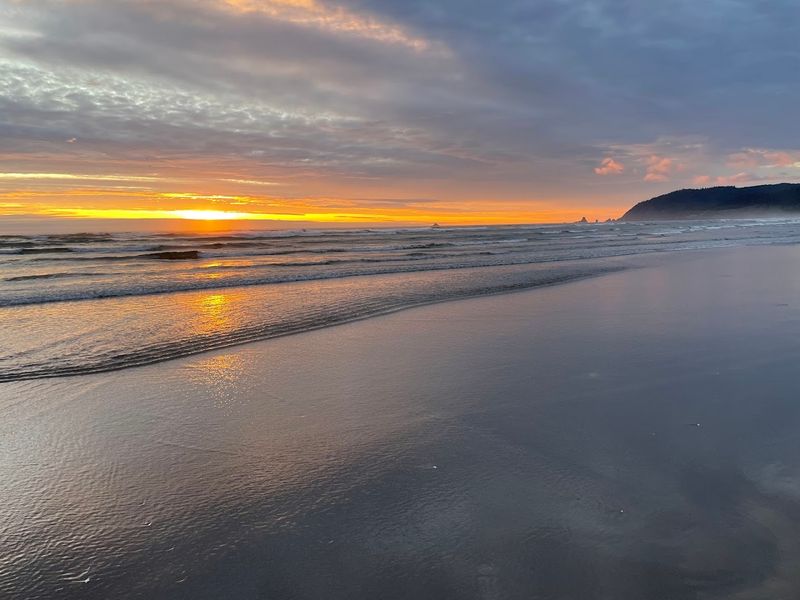
This view is one of those rare sights that makes you question whether you are still on planet Earth.
Haystack Rock rises 235 feet straight out of the Pacific Ocean, bold and unapologetic. At sunset, the light turns the basalt surface into deep amber and rust tones that feel almost unreal.
Cannon Beach sits on the northern Oregon coast, and it draws visitors year-round for good reason. The wide, flat shoreline gives you a clear sightline to the horizon, with no obstructions blocking the show.
Tide pools at the base of the rock add extra life to the scene, especially when the water reflects the colored sky above.
Late summer and early fall tend to offer the clearest skies along this stretch of coast. Arriving about an hour before sunset gives you time to find your footing on the sand.
The colors shift quickly here, so keep your eyes open and your camera ready.
Photographers often set up wide-angle shots with the rock as the anchor point. Families spread out blankets and watch the whole event unfold naturally.
The address for beach access is US-101, Cannon Beach, and parking is available nearby. Few sights in the Pacific Northwest carry this kind of quiet power and raw coastal beauty all at once.
2. Cape Kiwanda, Pacific City
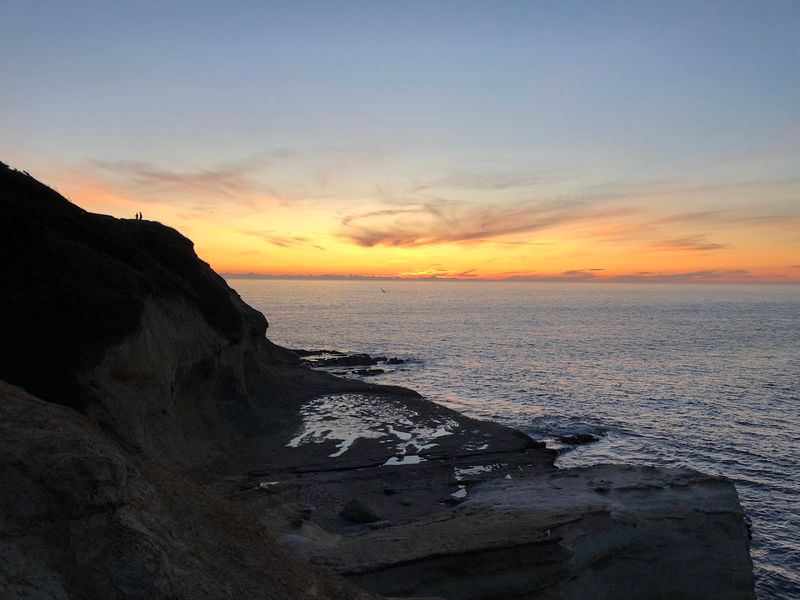
The sandstone headland catches the late afternoon sun in a way that makes the entire cliff face look like it is lit from within.
Shades of peach, gold, and deep orange wash over the rock in waves that mirror the surf below. Pacific City sits along the central Oregon coast, and Cape Kiwanda is its crown feature.
The headland is one of the few sandstone formations on the Oregon coast, which makes it visually distinct from the darker basalt cliffs found elsewhere.
Climbing to the top of the dune beside the cape gives you a sweeping panoramic view of the Pacific that stretches endlessly westward.
Surfers often ride the break just offshore, adding movement and scale to an already dramatic scene. Dory boats launch directly from the beach here, a tradition unique to this stretch of coastline.
That combination of natural and local character makes Cape Kiwanda feel genuinely layered and alive.
Spring evenings can bring spectacular cloud formations that amplify the color display at sunset. Wear sturdy shoes if you plan to climb the sandstone, as the surface can be slippery near the edges.
The cape is in Pacific City, easily accessible from the main beach parking area. When the sky finally dims, the afterglow over the water keeps the magic going just a little longer.
3. Yaquina Head Lighthouse, Newport
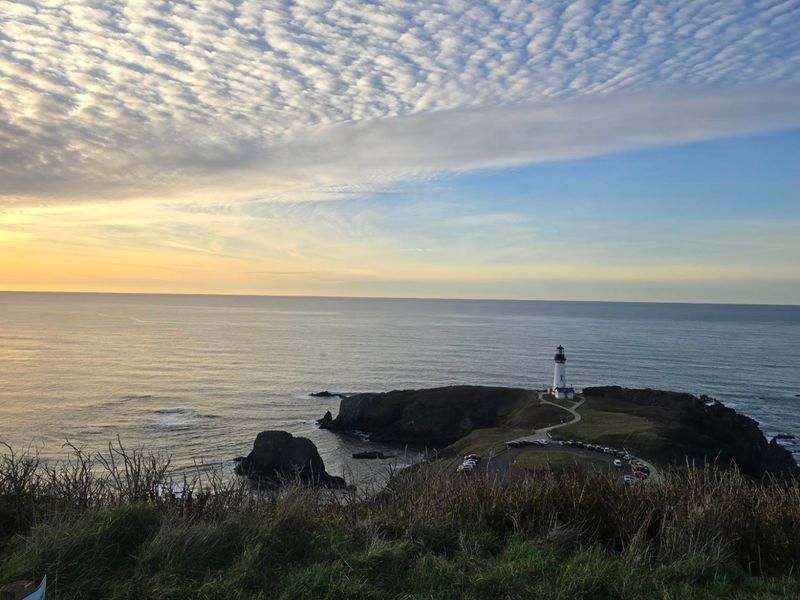
Sounds too good to be true, but standing beside a working 19th-century lighthouse while the sky erupts in color is absolutely a real experience in Newport.
Yaquina Head Lighthouse is the tallest lighthouse in Oregon, reaching 93 feet above the basalt headland it has occupied since 1873. At sunset, the white tower becomes a striking silhouette against skies that shift from gold to deep violet.
The surrounding Outstanding Natural Area protects tidepools, nesting seabirds, and a cobblestone beach that crunches satisfyingly underfoot. Harbor seals often rest on offshore rocks, and their silhouettes add a wild, unhurried quality to the evening scene.
Watching the light begin its nightly rotation while the sun drops is a layered experience that connects the natural and the historical.
The headland juts far enough into the Pacific that you get nearly 180 degrees of open ocean view. Cloud cover actually works in your favor here, since high clouds often catch the most dramatic colors at this latitude.
Arrive early enough to explore the tidepool area before the light fades completely. Interpretive programs run during warmer months, giving context to the lighthouse history and the surrounding ecosystem.
The site is well maintained with paved paths that make it accessible for most visitors.
You can find Yaquina Head Lighthouse at 750 NW Lighthouse Dr, Newport. Few sunsets in the state carry this combination of history, wildlife, and sheer coastal drama so effortlessly.
4. Cape Perpetua Overlook, Yachats
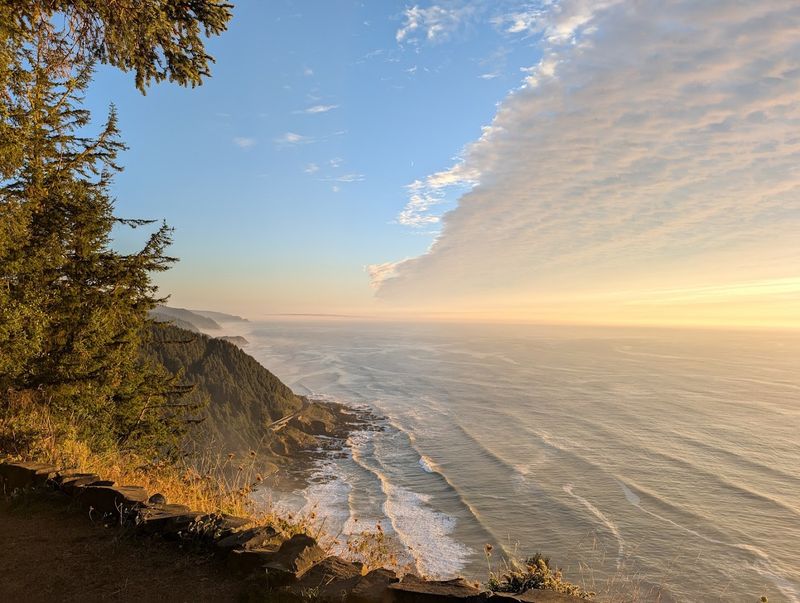
Let’s be real for a second, not every overlook earns its reputation, but Cape Perpetua is the real deal.
Perched about 800 feet above sea level, this forested headland delivers one of the highest coastal viewpoints accessible by car on the entire state’s coast.
The panorama stretches north and south for miles, with the forest canopy framing the ocean below like a natural painting.
Located near Yachats in central coastal Oregon, Cape Perpetua sits within the Siuslaw National Forest. The overlook rewards visitors who time their arrival to the last hour of daylight, when the setting sun turns the ocean surface into hammered copper.
Dense Sitka spruce and Douglas fir trees on the headland add depth and texture to the foreground of every view.
Spruce trees here can be over 500 years old, and their scale puts the human experience in sharp perspective.
The area also features the famous Thor’s Well and Spouting Horn along the shoreline below, which catch wave energy in spectacular fashion. On clear evenings, you can sometimes see the curvature of the horizon from the summit.
Trails wind through the forest and down to the shore, making it easy to combine a hike with a sunset stop. The area can get windy, so bringing a light jacket is always a smart move.
Cape Perpetua Overlook is located near Yachats, off US-101. The elevation and the silence up there make the whole experience feel wonderfully removed from everyday life.
5. Cape Blanco, Port Orford
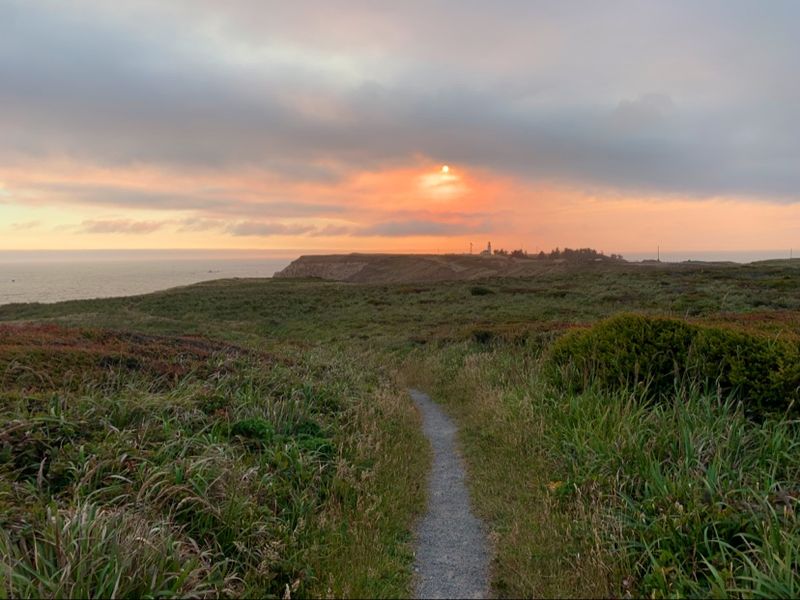
The westernmost point in Oregon is also one of its least-crowded sunset spots, and that combination is almost unfair.
Cape Blanco juts further into the Pacific than any other point in the state, meaning the sunsets here happen over an unobstructed stretch of open ocean. The light falls clean and wide, with nothing between you and the horizon.
Located near Port Orford on the southern Oregon coast, Cape Blanco also holds the oldest lighthouse still operating in Oregon, built in 1870.
The white lighthouse tower catches the last light of day in a warm glow that contrasts beautifully with the surrounding green headland.
The combination of historic structure, coastal prairie, and ocean views makes every evening here feel curated by nature itself.
The cape sits at an elevation that keeps you above the coastal fog on many evenings, giving you clearer sky views than lower beach access points.
Winds can be strong and persistent, which also means clouds move quickly and the light shifts constantly during the golden hour. That movement keeps the scene dynamic from start to finish.
Elk are frequently spotted in the open meadows surrounding the cape, adding unexpected wildlife encounters to the experience. Camping is available nearby, making it easy to stay for the full sunset and into the evening.
Cape Blanco is found along Cape Blanco Rd, Port Orford. The sheer remoteness of this headland makes each sunset feel like a private showing arranged just for you.
6. Council Crest Park, Portland
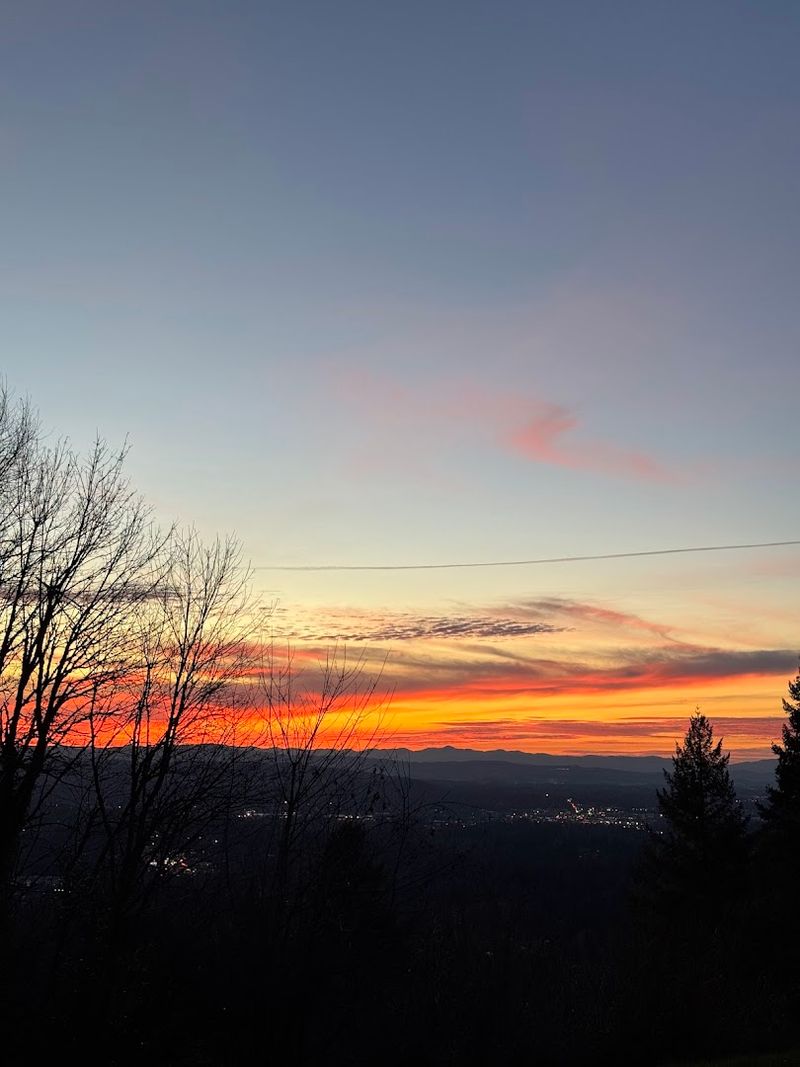
Portland is not usually the first city that comes to mind for sunset views, but Council Crest Park is here to change that narrative.
Sitting at 1,073 feet, it is the highest point in Portland and offers a 360-degree panorama that includes Mount Hood, Mount St. Helens, Mount Adams, and Mount Rainier on clear days.
At sunset, the volcanic peaks catch alpenglow while the city lights begin to flicker on below.
Council Crest sits within the West Hills neighborhood of Portland, surrounded by forested residential streets and accessible via a winding road or hiking trails.
The open summit clearing gives you an unobstructed view in every direction, which is rare for an urban park of this size. Watching the sun drop behind the Coast Range while the Cascade peaks glow in the east is a genuinely two-directional sunset experience.
The park is popular with joggers, dog walkers, and families throughout the day, but it quiets down considerably as evening approaches. That shift in energy makes the sunset hour feel almost contemplative, even though you are technically inside city limits.
Benches at the summit let you settle in without rushing.
Spring and fall tend to offer the clearest mountain views, though summer evenings bring long golden hours that stretch the color display well past 9 p.m.
The park is located at 1120 SW Council Crest Dr, Portland. Council Crest is proof that you do not need a coastline to witness a truly spectacular Oregon sky.
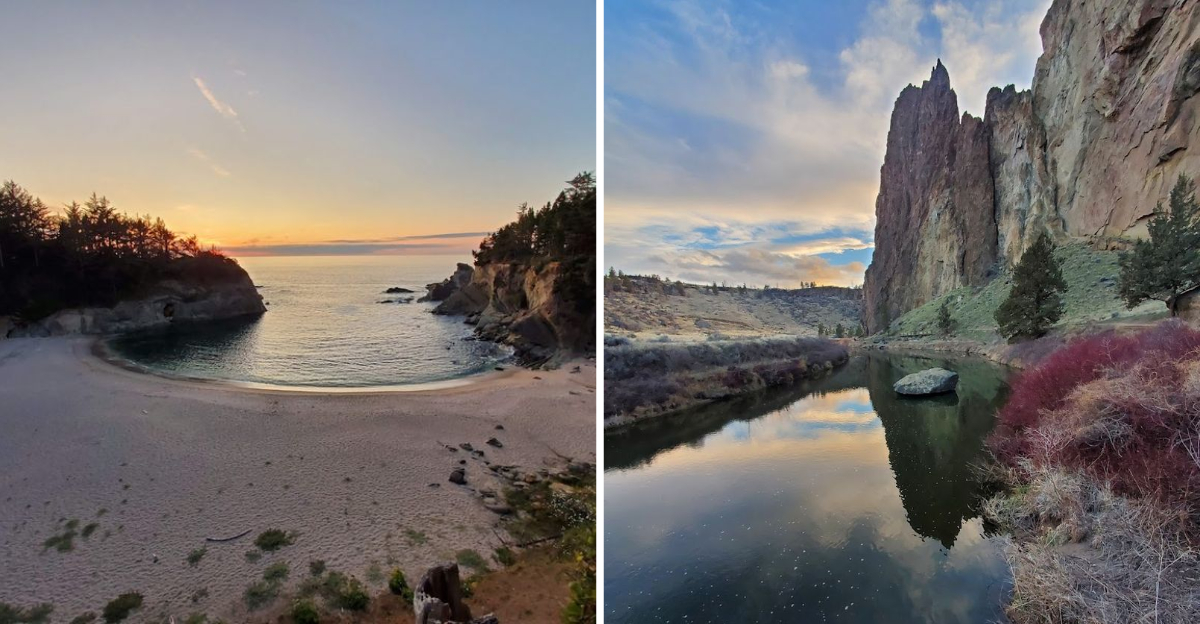
7. Smith Rock State Park, Crooked River
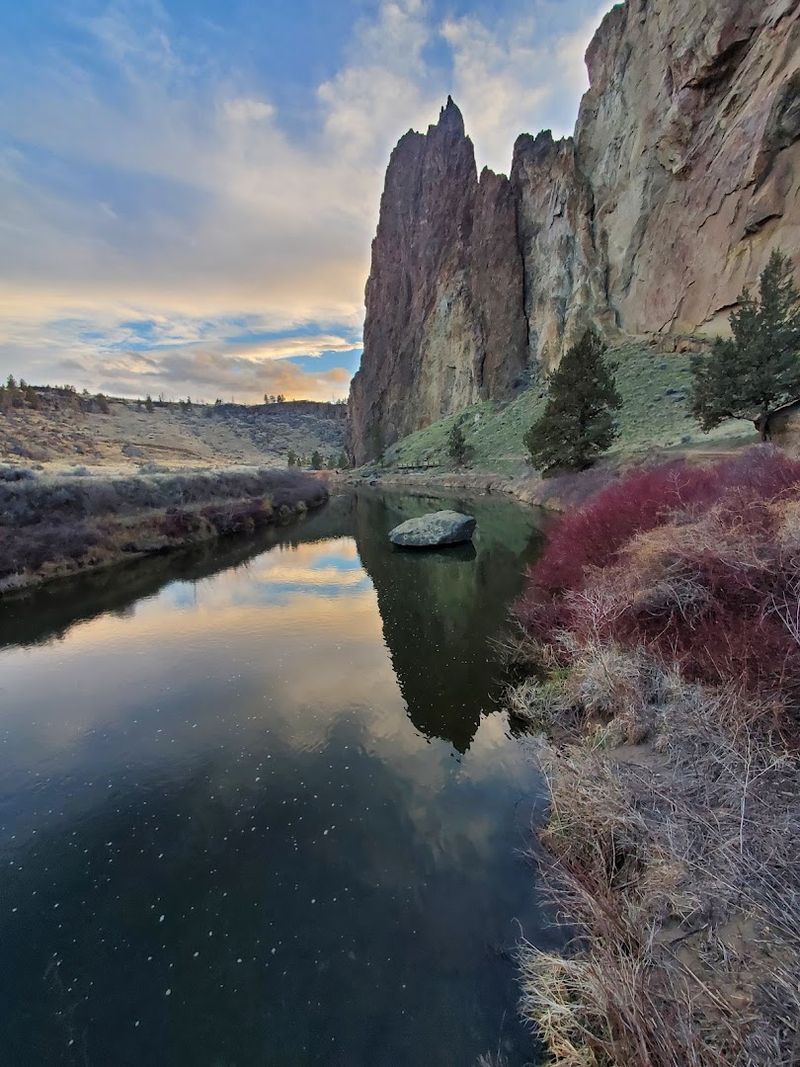
I almost couldn’t believe that it’s real when I saw the Crooked River reflecting a burning orange sky beneath those towering rock spires.
Smith Rock State Park is one of the most photographed landscapes in all of Oregon, and the high desert setting makes the sunset palette completely different from anything on the coast.
Reds, burnt oranges, and deep purples saturate the sky while the spires below absorb every last ray of light.
Located along the Crooked River in central Oregon, Smith Rock is internationally recognized as a premier rock climbing area.
The park draws climbers from around the world to its volcanic tuff formations, some of which rise over 600 feet above the river canyon floor.
At sunset, those same formations become dramatic silhouettes that frame the sky in ways that feel almost theatrical.
The Misery Ridge Trail leads to a high vantage point with sweeping views of the park and the surrounding high desert plateau. Reaching the ridge before sunset gives you a front-row seat to the full color event as it unfolds across a massive sky.
The lack of coastal humidity means colors here tend to be more saturated and vivid than on the western side of the state.
Golden eagles and prairie falcons are often spotted riding thermals above the canyon in the late afternoon hours. The park can get hot in summer, so bringing water is essential for any evening hike.
Smith Rock State Park is situated along the Crooked River. There is simply no other landscape in the state that makes the sky look quite like this.
8. Sauvie Island, Near Portland
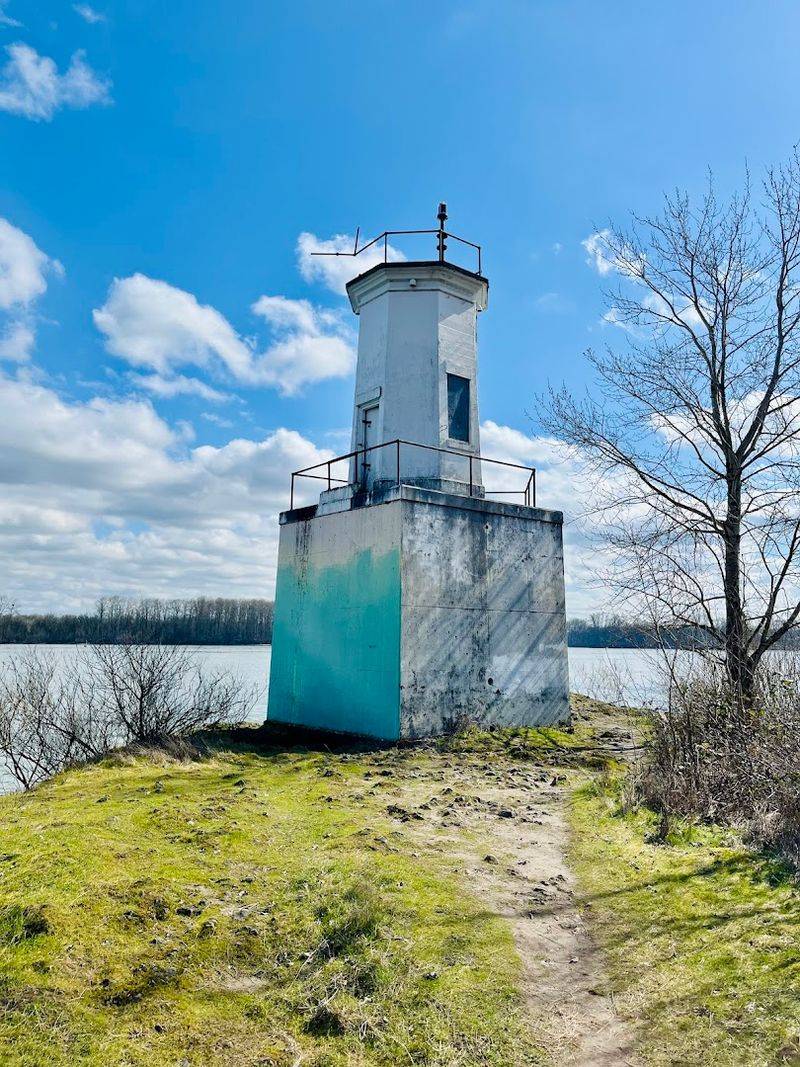
Most people drive past the Sauvie Island bridge without ever stopping, and that is a genuine missed opportunity.
This large river island sits at the confluence of the Willamette and Columbia Rivers, just northwest of Portland, and its flat, open landscape creates some of the most expansive sunset skies in the entire region.
Without mountains or tall buildings blocking the view, the horizon here is wide and fully exposed to the evening light.
Sauvie Island is a working agricultural area with farms, u-pick fields, and wildlife refuges that attract migratory birds by the thousands.
In fall and winter, flocks of snow geese and sandhill cranes fill the sky near dusk, adding movement and sound to an already beautiful scene. The open wetlands reflect the sunset colors in long, still pools that double the visual impact.
The island has a quieter, unhurried rhythm that feels genuinely different from the busy city just a few miles away. Cycling along the flat island roads as the sun drops is a favorite local activity that combines exercise with scenery in the best possible way.
Sandy beaches along the Columbia River shore offer unobstructed west-facing views perfect for watching the sun go down.
Wildlife sightings here include great blue herons, bald eagles, and river otters, making the evening hours especially rewarding for nature lovers.
The island is easily reached via Sauvie Island Road near Portland. As the last light fades over the Columbia, Sauvie Island has a way of making even a familiar Pacific Northwest evening feel quietly extraordinary.
9. Shore Acres State Park, Coos Bay
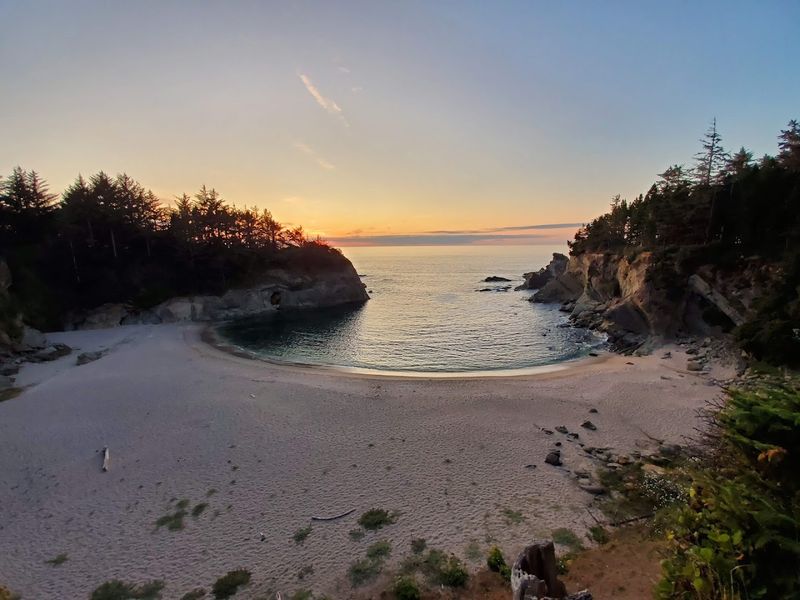
My jaw dropped the first time I watched waves slam into the sandstone cliffs at Shore Acres during a sunset storm.
The park sits on a rugged headland south of Coos Bay and the combination of crashing surf and evening light is genuinely unlike anything else on the coast.
On calm days the ocean turns glassy and reflects the pinks and oranges above with mirror-like precision.
Shore Acres was once the private estate of timber baron Louis Simpson, and the formal botanical gardens on the grounds still bloom beautifully in all seasons. The garden area provides a lush, colorful foreground for photographs taken as the sun descends.
Moving between the garden and the cliff-edge observation shelter gives you two completely different sunset experiences within the same visit.
The observation shelter at the cliff edge is a favorite spot for watching winter storm waves, which can reach heights of 30 feet or more.
Even in calmer months, the wave action here is more dramatic than at most Oregon beaches. The interplay of light, mist, and motion during sunset creates a sensory experience that photographs can only partially capture.
Wildlife sightings are common, including gray whales during migration season and sea lions on the rocks below. The park is well maintained with clear paths and good signage throughout the grounds.
Shore Acres State Park is at 89526 Cape Arago Hwy, Coos Bay. When the sky finally darkens, you will find yourself genuinely reluctant to leave.