These Are The Best Free Hot Springs In Idaho That Locals Don’t Want Tourists To Find
Free hot springs in Idaho are the kind of places locals would probably hide behind a fake “nothing to see here” sign if they could get away with it.
A warm soak after a rugged hike already feels unfairly good, but finding one in the middle of wild scenery makes the whole thing feel like nature forgot to charge admission.
That is exactly why people get protective.
Nobody wants a peaceful pool turning into a crowded selfie convention with muddy footprints and snack wrappers as the souvenir.
These geothermal spots reward effort, patience, and a little respect for the land around them.
Reaching them can feel like being let in on a secret, which is half the magic.
Anyone who goes should keep the vibe quiet, pack everything out, and understand why Idaho locals are not exactly handing out directions with a marching band.
1. Goldbug Hot Springs
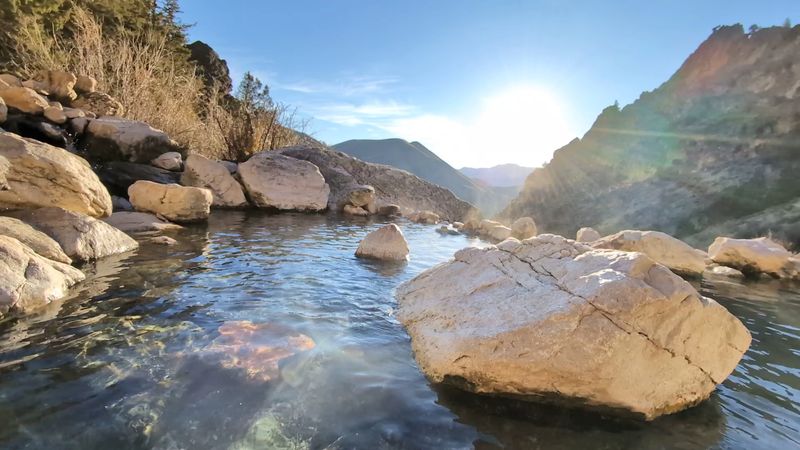
Steep canyon miles make this soak feel earned in the best possible way. Near Salmon and Elk Bend off U.S.
Highway 93, Goldbug Hot Springs requires a hike before visitors reach its terraced pools, and that approach is a major part of the experience. Warm water gathers in rocky basins above the valley, with views that make the climb feel less like a chore and more like a slow reveal.
The first stretch crosses private land through a public-access easement, so staying on the established route and respecting posted rules matters. Good shoes, water, snacks, and daylight are smart because the trail gains elevation and can feel tougher than its mileage suggests.
Early mornings usually bring a quieter mood, especially before weekend crowds arrive. Pool temperatures vary, which lets patient visitors find a comfortable spot without crowding anyone else.
This is one of Idaho’s most photographed natural soaks for a reason, but popularity also means extra responsibility. Pack out every bit of trash, keep dogs under control where required, and leave the pools as clean as possible for the next hiker.
2. Kirkham Hot Springs
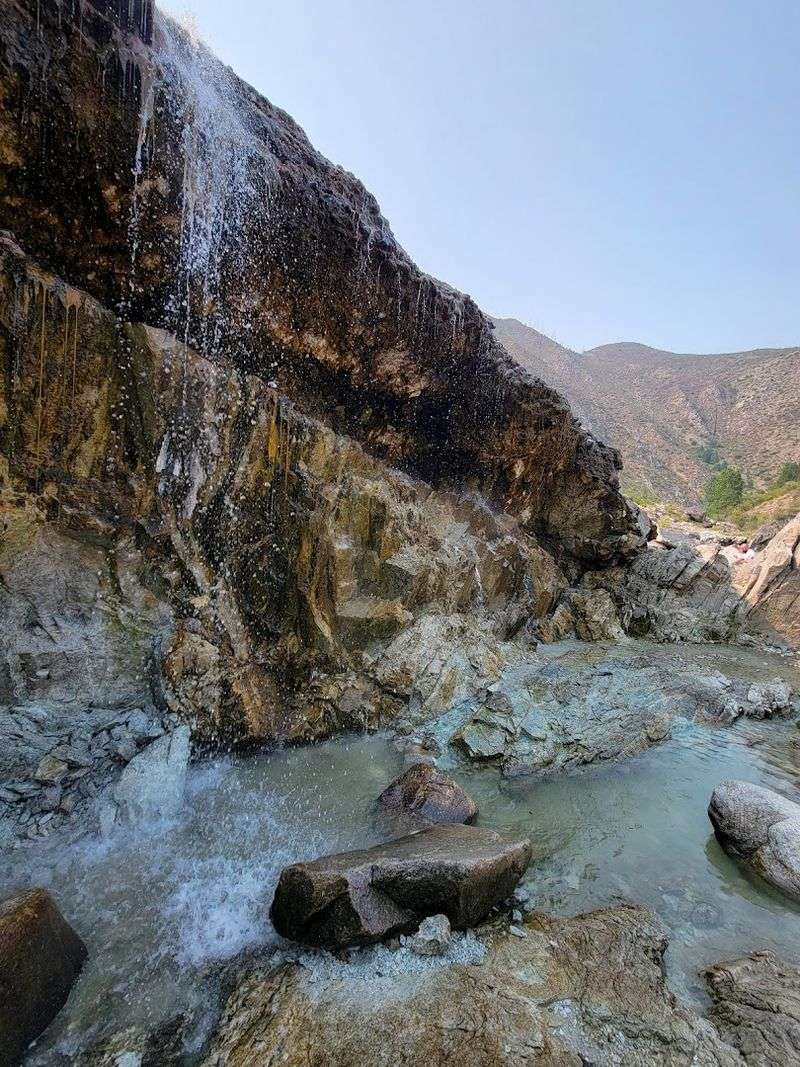
Roadside steam makes Kirkham one of the easiest Idaho hot springs to love, especially for travelers who want a dramatic soak without a long hike.
Along Highway 21 east of Lowman, hot water spills from canyon walls near the South Fork Payette River, creating one of the state’s most recognizable free soaking scenes.
Current public-land guidance has listed the area for day use only, with no overnight camping, so visitors should check rules before going instead of assuming anything is allowed. Accessibility is both the blessing and the challenge here.
A short walk from the road makes the pools convenient, but that same ease brings crowds during weekends, holidays, and pleasant weather.
Winter can make the setting look unreal, with snow, river mist, and steam all mixing together, yet Highway 21 conditions can change quickly and deserve serious attention.
Weekday mornings usually offer the best chance at a calmer visit. Bring sandals or water shoes for slick surfaces, keep belongings secure, and follow posted signs.
Kirkham feels generous because nature did most of the work right beside the road, but that convenience only lasts if visitors keep the area clean and respectful.
3. Sunbeam Hot Springs
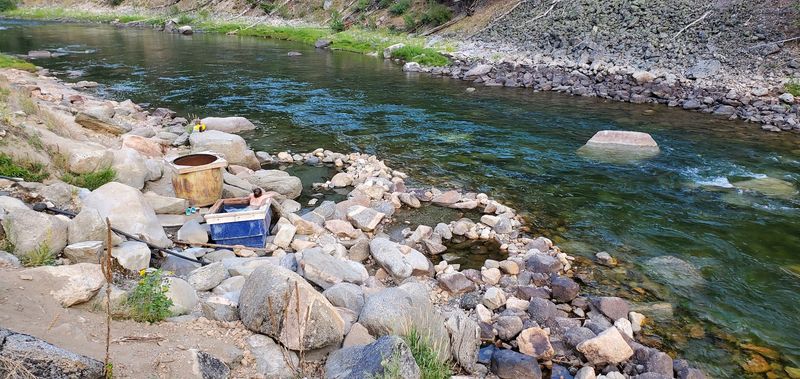
Beside the Salmon River, this free soak turns a Sawtooth road trip into something much more memorable. Sunbeam Hot Springs sits along Highway 75 near Stanley, where warm water seeps into primitive riverside pools and mixes with the cold current nearby.
Conditions can change with river levels, runoff, and visitor-built rock walls, so the experience may look different from one season to the next. That unpredictability is part of the charm, but it also means safety comes first.
Spring runoff can make the river too powerful or cold for comfortable access, while late summer and early fall often bring easier soaking conditions.
The setting carries most of the magic: open mountain scenery, rushing water, steam rising from the bank, and the kind of Idaho quiet that makes people stop longer than planned.
Parking is usually straightforward because the spring is close to the highway, but that does not make it a developed resort. Expect primitive conditions, no fancy facilities, and temperatures that need testing before anyone settles in.
A quick, careful soak here can be a perfect addition to a Stanley-area drive, especially when visitors keep the riverbank clean and share the pools politely.
4. Boat Box Hot Springs
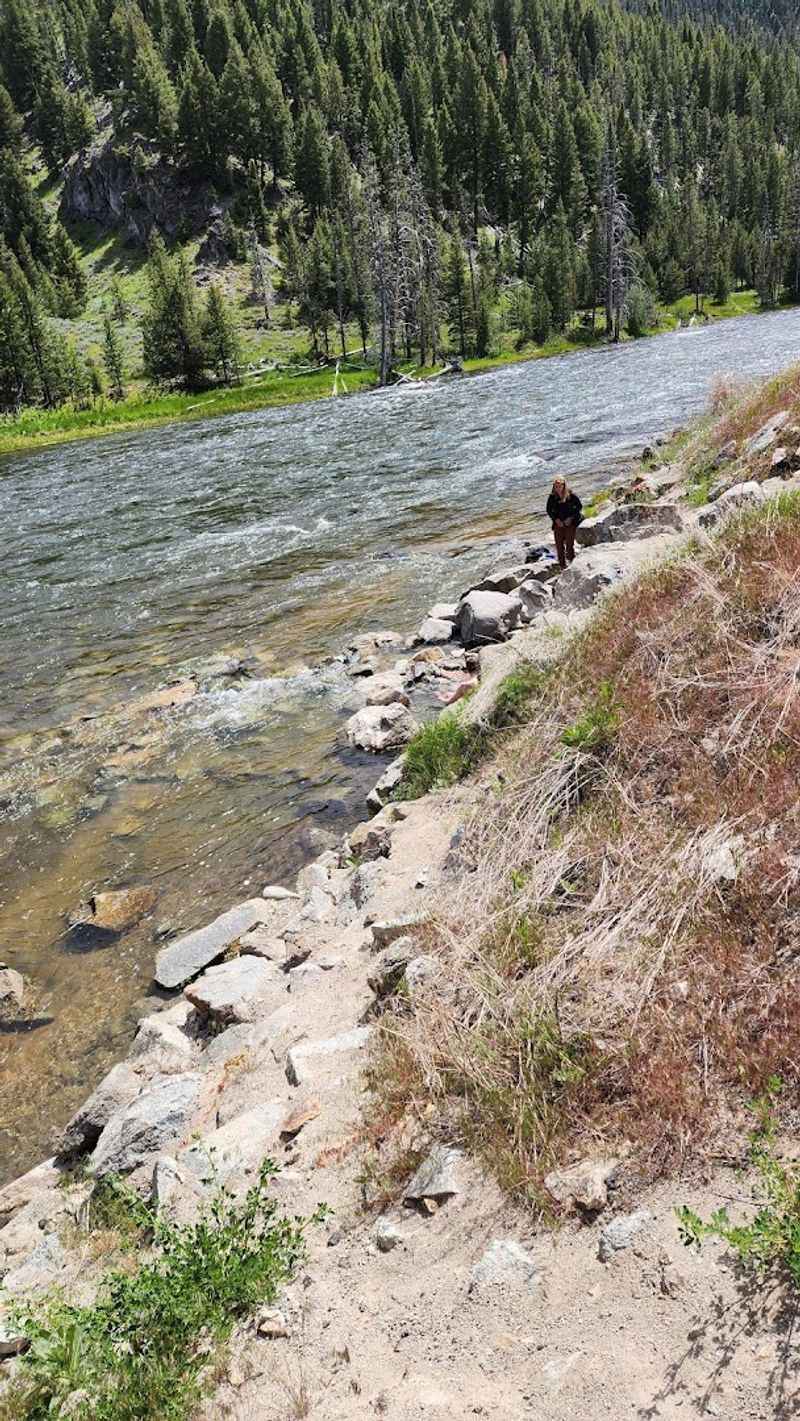
Quirky, tiny, and wonderfully memorable, Boat Box Hot Springs proves that a free soak does not need a sprawling pool system to become legendary.
Just north of Stanley along Highway 75, this little riverside tub is fed by hot water near the Salmon River and usually fits only a few people at once.
That limited space is exactly why etiquette matters so much. If someone is already soaking, waiting patiently or coming back later is better than crowding the tub.
Water can be very hot, so testing the temperature and mixing carefully before sitting down is important. The setting does a lot with very little: cold river air, wide mountain views, a simple tub, and the novelty of soaking beside one of Idaho’s most scenic highways.
Because there are no real facilities, visitors should come prepared with towels, warm layers, and a plan for changing discreetly. This is best treated as a short stop rather than an all-day hangout.
Boat Box has stayed beloved because it feels unusual and fragile at the same time. Keeping visits brief, quiet, and clean helps protect the charm that makes it special.
5. Frenchman’s Bend Hot Springs
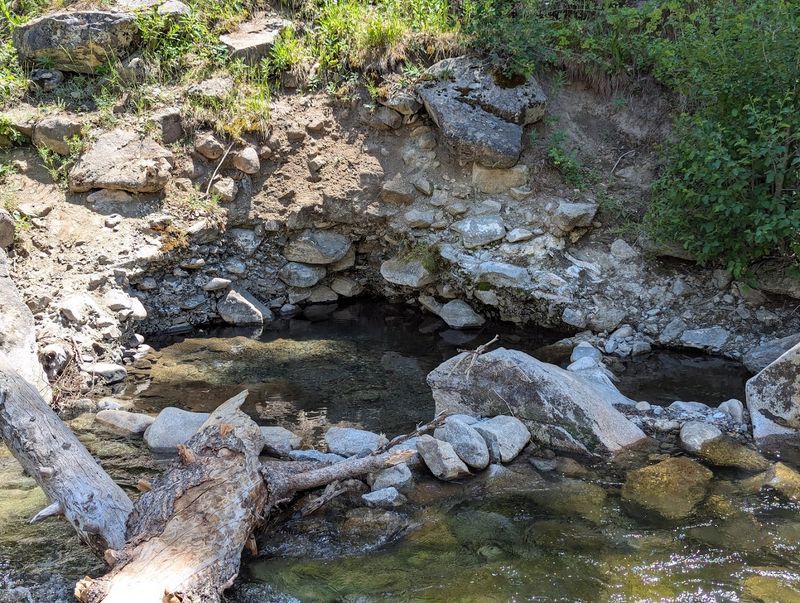
Warm Springs Creek gives this Ketchum-area favorite its easygoing appeal. Also known as Warfield Hot Springs, Frenchman’s Bend sits west of Ketchum along Warm Springs Road, where natural pools collect near the creek in a scenic mountain setting.
Its location near Sun Valley makes it convenient for visitors already exploring central Idaho, but that convenience also means it can get busy. No-camping rules around the springs should be respected, and anyone planning a visit should check current access before heading up the road.
Pool temperatures shift as hot water mixes with cooler creek flow, so moving slowly and testing each spot is smarter than rushing in. Water shoes help with uneven, rocky bottoms, while extra layers are useful after sunset or during shoulder seasons.
Spring and fall can be especially pleasant because the surrounding hills feel quieter and the air makes the warm water more satisfying. Frenchman’s Bend works best as a relaxed, shared soak rather than a private escape.
Keep voices low, give others space, pack out trash, and remember that a free spot near a famous resort town only stays enjoyable when visitors treat it with care.
6. Trail Creek Hot Springs
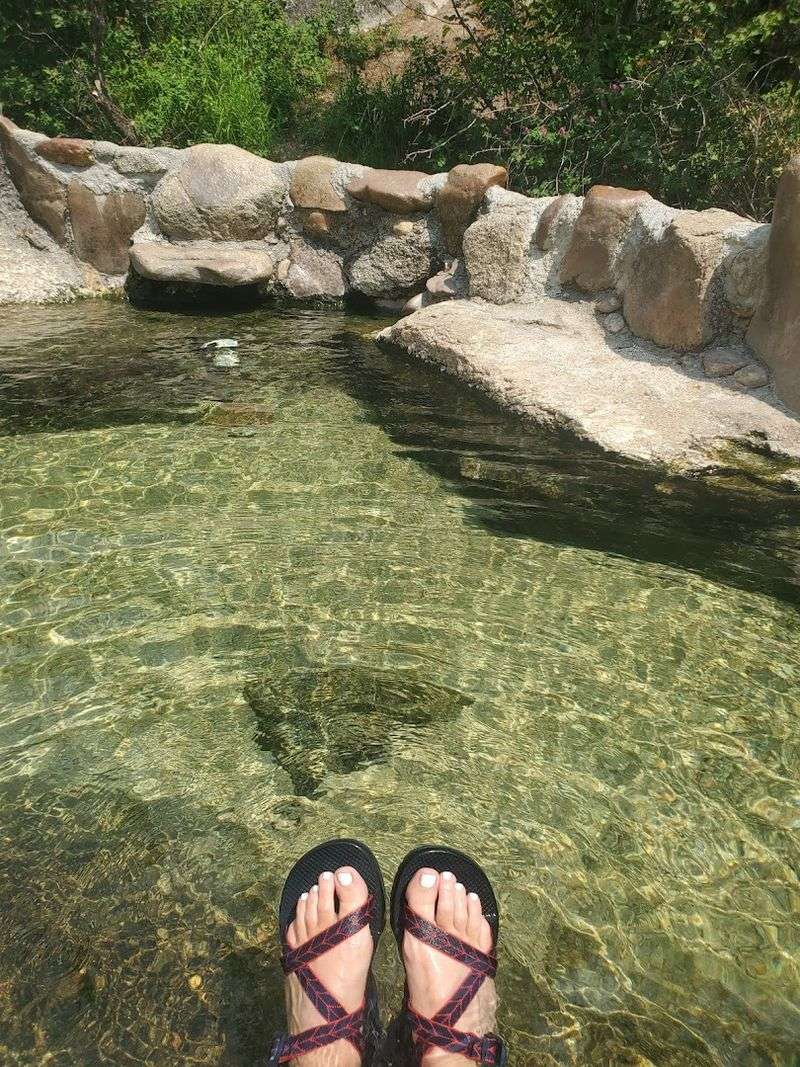
Forested quiet gives Trail Creek Hot Springs a different mood from Idaho’s more famous roadside pools. Northeast of Cascade along the Warm Lake Road corridor, this primitive soak usually involves a short walk down toward creekside pools where hot and cold water mix.
The drive itself feels like part of the outing, with mountain roads, forest scenery, and seasonal conditions that can change quickly. Checking current access before leaving is important, especially after storms, during mud season, or outside the warmer months.
Pool structure and temperature can vary because natural springs shift and visitors often adjust rock walls, so expectations should stay flexible. This is not a polished spa with guaranteed conditions.
It is a small, natural soak where the reward comes from the forest, creek sounds, and a calmer setting. Because the pools are limited in size, visitors should be especially thoughtful about sharing space.
A loud group can change the whole experience for everyone. Bring sturdy footwear, towels, water, and a trash bag for anything you pack in.
Trail Creek feels most rewarding when the visit stays simple: arrive prepared, soak quietly, respect the setting, and let the forest do the rest.
7. Rocky Canyon Hot Springs
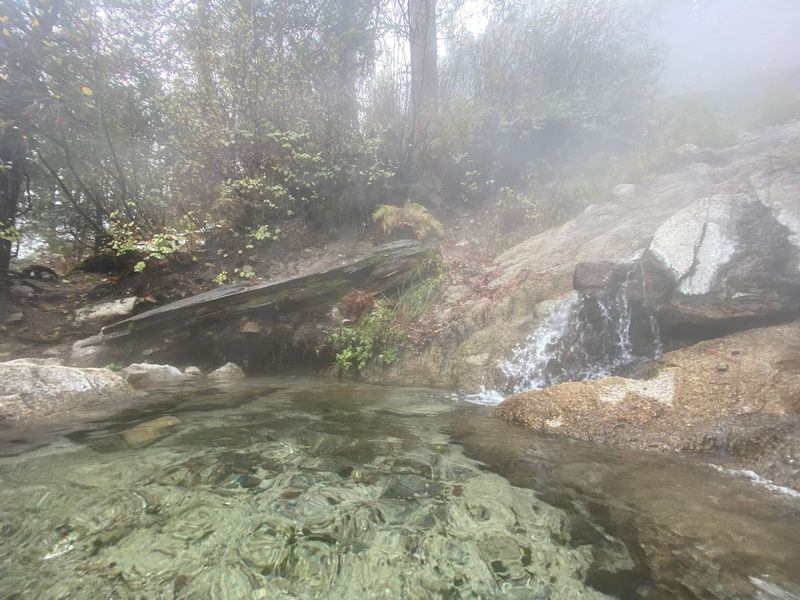
River crossing keeps Rocky Canyon from being a casual roadside stop, and visitors need to take that seriously.
North of Garden Valley along the Middle Fork Payette River area, the pools sit across the river, which means access depends heavily on water level, current strength, season, and personal ability.
During high runoff, cold weather, or fast water, crossing can be dangerous or impossible. Late summer and fall are usually more realistic, but even then, judgment matters more than ambition.
No soak is worth a risky crossing. When conditions are safe, the reward is a rugged canyon setting with warm pools tucked along the river and rock walls that make the sound of moving water feel even bigger.
Water shoes, a dry bag, and stable footing are smart, while extra caution is essential for anyone carrying gear or visiting with children. The scenery feels wild and removed, which is part of the draw, but that also means there are no resort-style comforts waiting nearby.
Rocky Canyon belongs on a free hot springs list because the place is unforgettable under the right conditions. Honest planning, safe timing, and respect for the river are what make the visit work.
8. Loftus Hot Springs
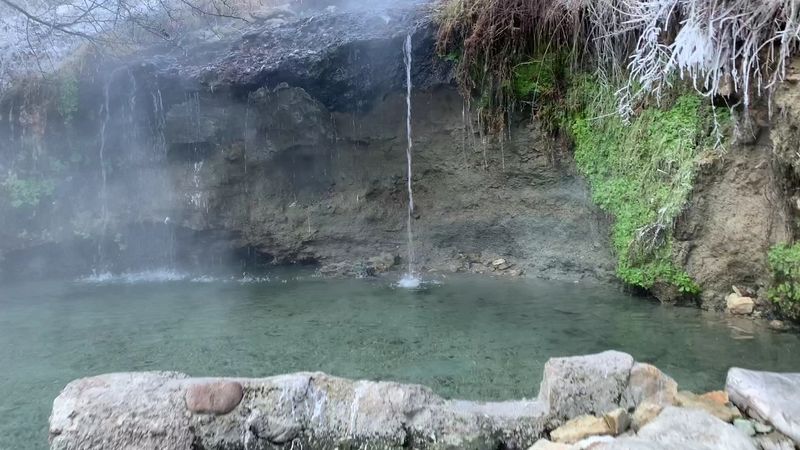
Remote mountain roads make Loftus Hot Springs feel like a real commitment rather than a quick detour.
Near the Middle Fork Boise River Road and the Atlanta area, this primitive soak rewards visitors who are prepared for rougher access, longer driving, limited services, and changing road conditions.
High-clearance vehicles can be helpful depending on the season and recent weather, and offline maps are a good idea because cell service may be unreliable. The pools are simple and natural, with conditions that can shift based on flow, weather, and visitor maintenance.
That is part of the backcountry appeal, but it also means travelers should bring realistic expectations. Extra water, food, warm layers, a spare tire, and enough daylight can make the difference between a memorable outing and a stressful one.
The surrounding river canyon and mountain setting give Loftus its quiet power. This is the kind of place where the drive, the silence, and the distance all contribute to the soak.
Anyone looking for an easy roadside tub should choose another spring. Anyone willing to plan carefully may find that Loftus delivers exactly what makes Idaho’s wilder hot springs so satisfying.
9. Worswick Hot Springs
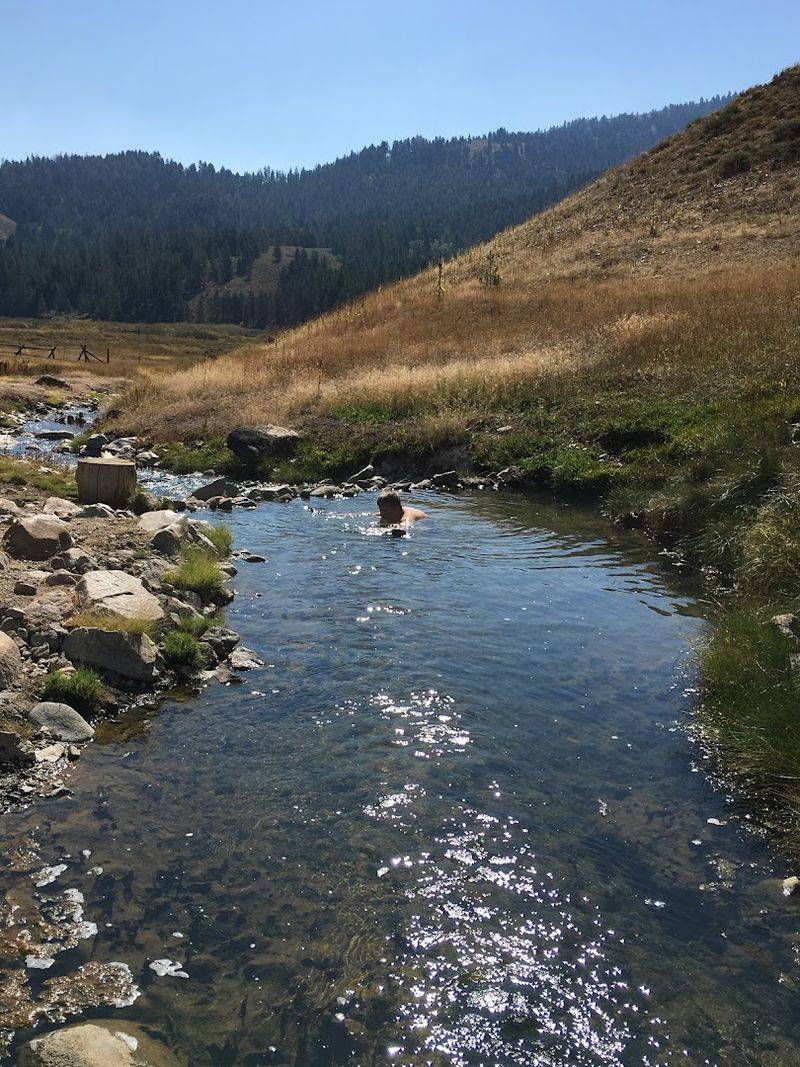
Open sky makes Worswick Hot Springs feel spacious in a way many creekside soaks do not. North of Fairfield, this south-central Idaho spring sits in a high-desert mountain setting where warm pools spread across exposed terrain below the surrounding hills.
Summer access is generally more realistic, while snow, mud, road conditions, and weather can complicate travel during other parts of the year. The landscape is part of the draw: wide views, wind, sagebrush, mountain edges, and a sense of room that feels distinctly Idaho.
Multiple pools can give visitors options, but temperatures and conditions may vary, so careful testing is always smart. Because the area is exposed, evenings can cool down quickly even after a warm day, and extra layers make the post-soak transition much more comfortable.
Primitive camping may be available nearby depending on current rules and seasonal access, but visitors should verify details before making overnight plans. Worswick works well for people who like their hot springs less enclosed and more connected to a broad landscape.
It is peaceful when treated well, but vulnerable when visitors leave trash, damage pools, or ignore conditions. Respecting the openness is part of enjoying it.
10. Skillern Hot Springs
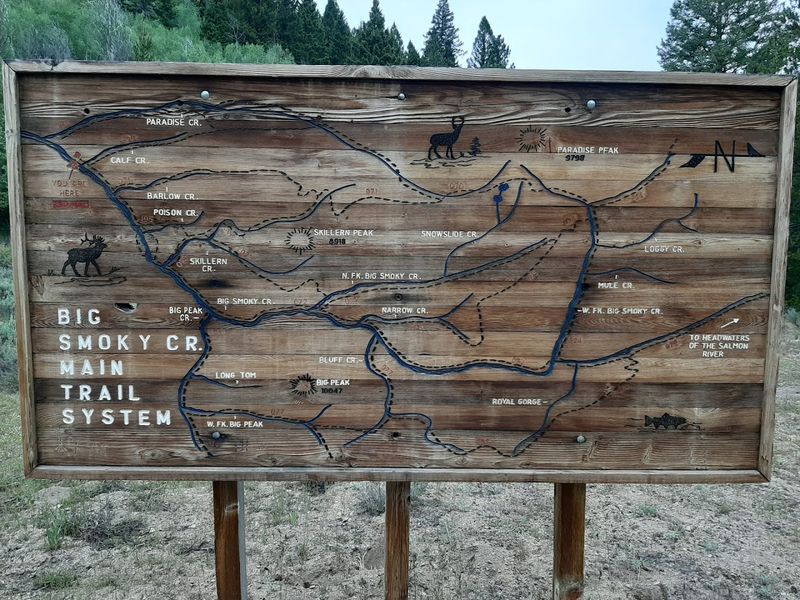
Longer trail miles make Skillern Hot Springs a better fit for hikers than casual roadside soakers. North of Fairfield and often accessed from the Canyon Transfer Camp area, this backcountry-style route leads toward warm pools after a real outdoor approach through Soldier Mountains terrain.
The hike is commonly described as a six-mile out-and-back, so visitors should bring water, food, sturdy shoes, layers, and enough time to return before dark. This is not the place to show up unprepared because the reward happens well away from the car.
That effort, however, is exactly why the soak feels so satisfying. After miles of trail, the warm water becomes part of the whole journey rather than a quick stop.
Meadows, forested stretches, canyon scenery, and creek sounds help build anticipation along the way. Backpackers may treat the spring as part of a larger route, while day hikers can still enjoy it with careful planning.
Conditions may change by season, and remote access deserves respect. Skillern stands out because it keeps the hot spring experience tied to movement, patience, and self-reliance.
Visitors who want solitude, scenery, and a soak that feels earned will understand why this one belongs on the list.