These Are The Places North Carolina Locals Love Showing Off To Visitors
North Carolina holds treasures that go way beyond the typical tourist brochures and highway billboards you see advertised. From mountain peaks that kiss the clouds to beaches where the sand feels like powdered sugar between your toes, this state delivers experiences that stick with you long after you’ve packed your bags and headed home.
Hidden treasures, epic views, and flavors you’ll remember forever. Every corner has a story waiting to surprise you.
Locals know exactly where the magic happens, and they’re surprisingly eager to share their favorite haunts with curious travelers who appreciate authenticity over Instagram filters. These spots represent the cream of the crop, the places that make North Carolinians puff out their chests with pride whenever someone asks what makes their state so darn special.
1. Grandfather Mountain, Linville
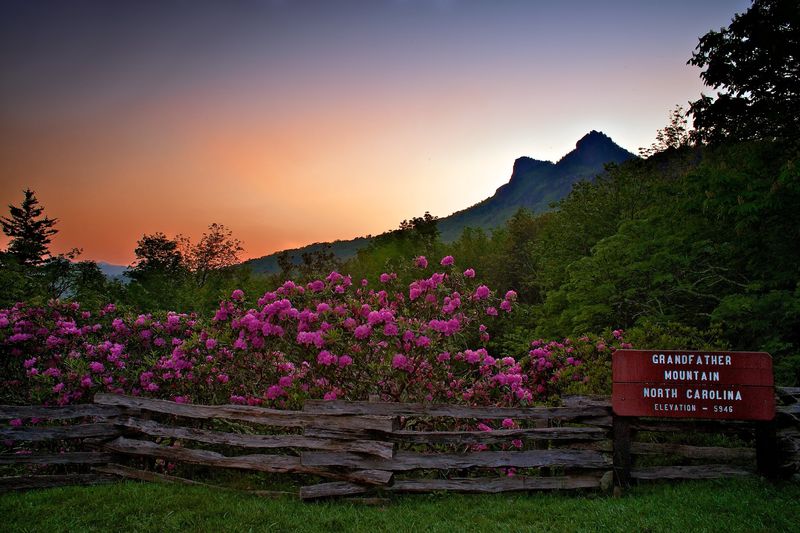
Standing on a bridge suspended between sky and earth changes your perspective on everything you thought you knew about heights. Grandfather Mountain at 2050 Blowing Rock Hwy, Linville, puts you on the Mile High Swinging Bridge, where the wind whips through your hair and the valleys stretch out like a rumpled green blanket thousands of feet below.
Your stomach does a little flip when the bridge sways, but that’s part of the thrill.
The mountain itself rises to 5,946 feet, making it one of the highest peaks in the Blue Ridge range. Wildlife roams freely here, including river otters that play in crystal-clear streams and black bears that lumber through the forests with surprising grace.
The nature museum teaches you about the delicate ecosystem without putting you to sleep with boring facts.
Hiking trails wind through different climate zones, so you might start your walk in one type of forest and end up in something completely different. The views from various overlooks make you understand why early settlers thought this mountain resembled an old man’s profile.
Every season paints the landscape differently, from spring wildflowers to fall colors that look almost fake in their intensity.
2. Pilot Mountain State Park, Pilot Mountain
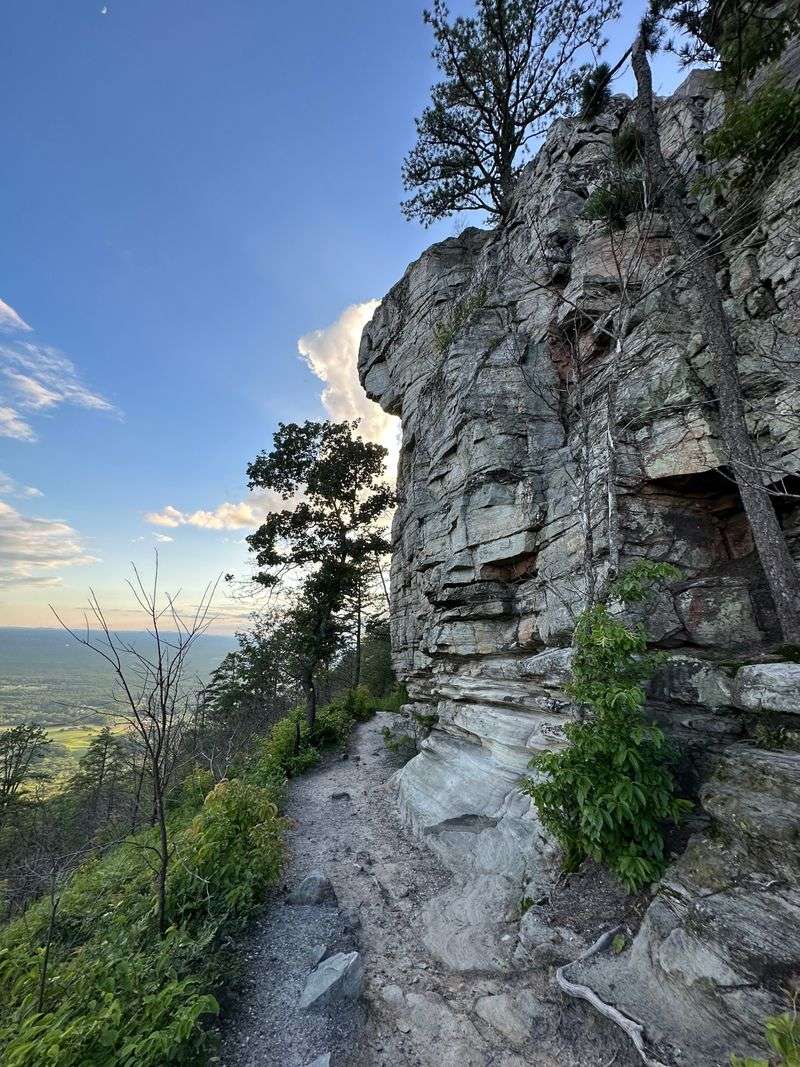
Rising from the landscape like nature’s own skyscraper, this geological wonder has guided travelers for centuries with its unmistakable silhouette. Pilot Mountain State Park at 1721 Pilot Knob Park Rd, Pinnacle, centers around a quartzite monadnock that shoots up 2,421 feet above sea level, visible from miles away across the Piedmont plateau.
Native Americans used it as a landmark long before maps existed, and early pilots navigated by it when instruments failed.
The Big Pinnacle stands apart from the surrounding mountains, its rocky dome covered in a thin layer of vegetation that somehow clings to nearly vertical surfaces. Hiking the Jomeokee Trail takes you around the base of this formation, offering views that shift dramatically with every turn.
Rock climbers test their skills on the sheer faces, their colorful gear dotting the gray stone like confetti.
The Little Pinnacle provides a more accessible summit experience, where families spread picnic blankets and watch hawks ride thermal currents below them. Camping spots nestle in the woods, far enough from civilization that stars actually look like stars instead of dim suggestions.
Morning fog often wraps around the mountain’s base, creating scenes that belong on calendar covers.
3. Moses H. Cone Memorial Park, Blowing Rock
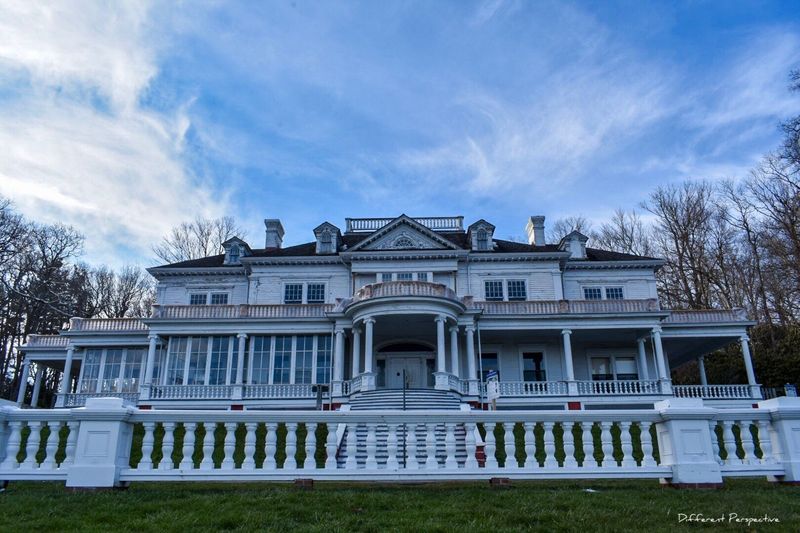
Carriage roads wind through an estate that feels plucked from a different era, when industrialists built summer retreats that rivaled European manor houses. Moses H.
Cone Memorial Park along the Blue Ridge Parkway, Milepost 294, in Blowing Rock, sprawls across 3,500 acres of former textile baron Moses Cone’s mountain paradise. The white Colonial Revival mansion sits atop a hill like a crown jewel, now housing the Southern Highland Craft Guild with works from regional artisans that you won’t find anywhere else.
Twenty-five miles of carriage trails loop through apple orchards, past mirror-smooth ponds, and across meadows where wildflowers paint the ground in rotating color schemes. These trails welcome hikers, horseback riders, and cross-country skiers, depending on the season, their gentle grades making them perfect for families with kids who complain about steep climbs.
Bass Lake reflects the surrounding mountains so perfectly that you sometimes can’t tell where reality ends, and reflection begins.
The park sits at elevations between 3,600 and 4,558 feet, meaning temperatures stay comfortable even when the lowlands swelter. Hemlock and hardwood forests provide shade along many trails, while open areas offer panoramic views of Grandfather Mountain and surrounding peaks that make you reach for your camera every few minutes.
4. Coquina Beach, Outer Banks
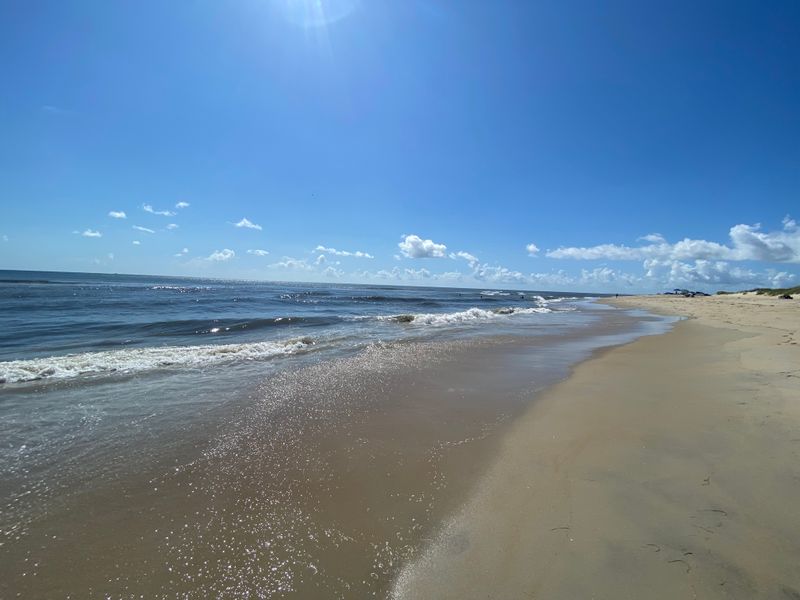
Sand stretches in both directions farther than your eyes can track, unbroken by high-rise hotels or crowded boardwalks. Coquina Beach off NC-12 in Nags Head, represents what beaches looked like before developers discovered them, with dunes held together by sea oats that whisper secrets to the wind.
The name comes from tiny coquina clams that burrow into the wet sand with each retreating wave, creating rippling patterns that look like abstract art.
The remains of the Laura Barnes shipwreck rest near the beach, a ghostly reminder of the Outer Banks’ reputation as the Graveyard of the Atlantic. Kids explore the weathered timbers during low tide, imagining pirates and storms while parents snap photos.
The beach stays relatively uncrowded even during peak season because it’s part of Cape Hatteras National Seashore, protected from commercial development.
Bathhouses provide changing facilities and outdoor showers to rinse off the salt and sand before heading home. Lifeguards patrol during the summer months, making it safer for families with younger children who want to splash in the surf.
The water temperature stays surprisingly pleasant from late spring through early fall, and the waves hit that sweet spot between boring and terrifying for body surfing.
5. Carolina Beach State Park, Carolina Beach
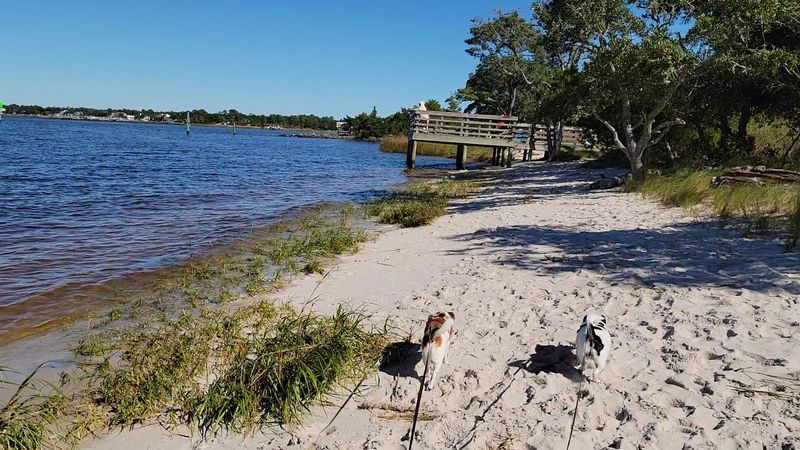
Carnivorous plants snap shut on unsuspecting insects along trails that wind through one of the most unique ecosystems on the Atlantic coast. Carolina Beach State Park at 1010 State Park Rd, Carolina Beach, protects one of the few remaining habitats where Venus flytraps grow wild, their jaw-like leaves waiting patiently for the next meal to wander past.
The Flytrap Trail takes you through longleaf pine forests where these botanical oddities cluster in the sandy, nutrient-poor soil they call home.
The park hugs the Cape Fear River and the Intracoastal Waterway, offering marina facilities for boaters who want to explore the region by water. Camping sites range from basic tent spots to full-hookup RV pads, all tucked into maritime forests that provide shade and privacy.
The marina area bustles with activity as fishing boats head out at dawn, their wakes creating gentle ripples across the calm water.
Six miles of hiking trails reveal different faces of coastal ecology, from salt marshes teeming with fiddler crabs to high ground forests where Spanish moss drapes from live oaks like nature’s curtains. The park sits just minutes from Carolina Beach’s bustling boardwalk, but feels worlds away from the arcade games and funnel cake stands that define the tourist strip.
6. Lake Lure, Lake Lure
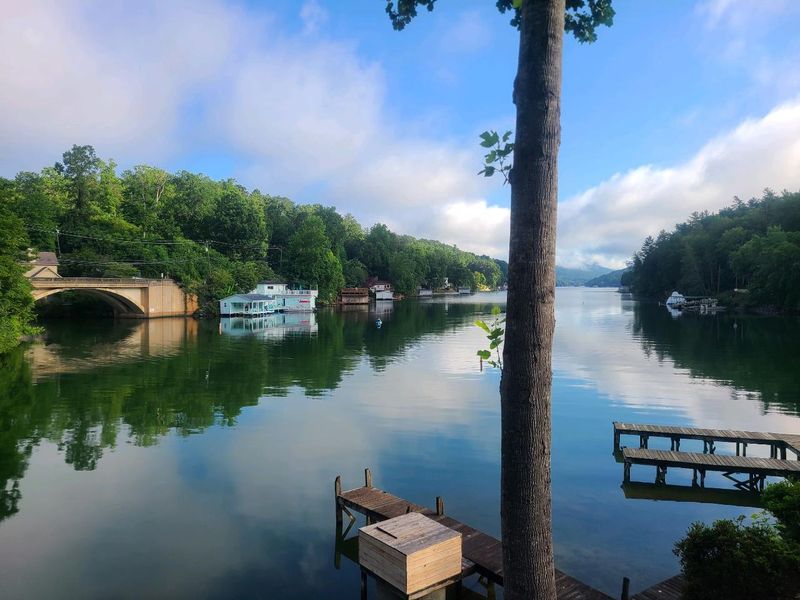
Crystal-clear water reflects mountains like a giant mirror dropped into the foothills, creating scenes that made Hollywood directors choose this location for romantic movies. Lake Lure in the town of Lake Lure, gained fame as the setting for “Dirty Dancing,” though the lake’s beauty existed long before Patrick Swayze lifted Jennifer Grey above his head.
The 720-acre reservoir was created in the 1920s when developers dammed the Rocky Broad River, envisioning a resort destination that would rival anything in the mountains.
The town beach provides a sandy spot to spread your towel and work on your tan while kids build sandcastles that would look more at home on the coast. Boat rentals let you explore twenty-seven miles of shoreline at your own pace, discovering hidden coves and rock formations that rise dramatically from the water.
The lake bottom stays visible in many areas, and the water is so clear you can watch fish dart between submerged logs.
Chimney Rock State Park borders the lake, its iconic rock spire visible from many vantage points around the water. The Flowering Bridge spans the lake’s narrowest point, transformed from a forgotten roadway into a garden where thousands of plants bloom in rotating displays.
Water temperatures climb into the comfortable range by early summer, making swimming and paddleboarding popular activities through September.
7. Duke Lemur Center, Durham
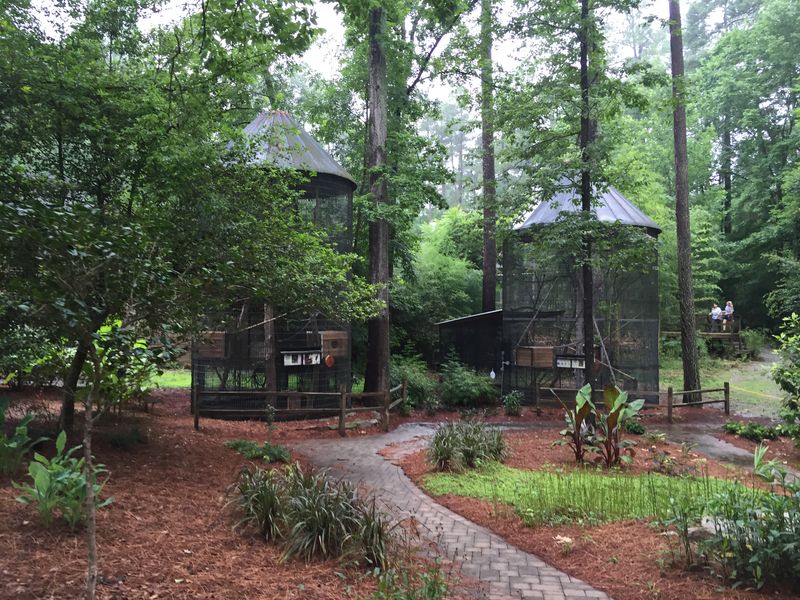
Eyes the size of saucers stare at you from furry faces that seem to express more emotion than most people manage before coffee. The Duke Lemur Center at 3705 Erwin Rd, Durham, houses the world’s largest population of lemurs outside their native Madagascar, with over 200 animals representing fourteen species bouncing, leaping, and lounging through naturalistic habitats.
These primates evolved in isolation for millions of years, developing behaviors and features that make them seem like nature’s experiment in creating something adorable yet alien.
Ring-tailed lemurs sun themselves in groups, their striped tails held high like flags marking their territory. Aye-ayes tap on branches with elongated middle fingers, listening for hollow spots that might hide grubs, their technique as precise as a doctor checking for broken bones.
The center focuses on conservation and research, studying lemur behavior and biology to help protect wild populations facing extinction.
Tours must be booked in advance because the center limits visitor numbers to minimize stress on the animals. Walking through the forest habitats, you might spot a lemur grooming a companion or leaping between trees with acrobatic grace that would make Olympic gymnasts jealous.
Educational programs teach visitors about Madagascar’s ecological crisis and what everyday people can do to help species thousands of miles away.
8. Elsewhere Museum, Greensboro

Fifty-eight years of accumulated stuff from a thrift store became an art museum that defies every expectation about what museums should be. The Elsewhere Museum at 606 S Elm St, Greensboro, occupies three floors of a former department store that Sylvia Gray ran as a secondhand shop, never throwing anything away and buying entire estate sales to keep the inventory growing.
When her granddaughter inherited the building in 2003, she faced a space crammed floor-to-ceiling with clothing, furniture, toys, and random objects that together told the story of mid-century American consumer culture.
Instead of clearing everything out, artists transformed the collection into an evolving installation where visitors wander through rooms that blur the line between museum, playground, and fever dream. A wedding dress hangs next to vintage suitcases, while mannequins wear outfits that nobody would have paired together in real life.
The building itself becomes part of the art, with peeling paint and worn floors adding character that pristine gallery spaces can never achieve.
Artists-in-residence live and work in the building, creating new pieces that incorporate items from the collection. Tours guide you through the space, though the real fun comes from exploring corners and discovering unexpected juxtapositions that make you laugh or scratch your head.
The museum charges admission on a sliding scale, believing that art should be accessible regardless of your bank account balance.
9. Historic Downtown Wilmington Riverwalk, Wilmington
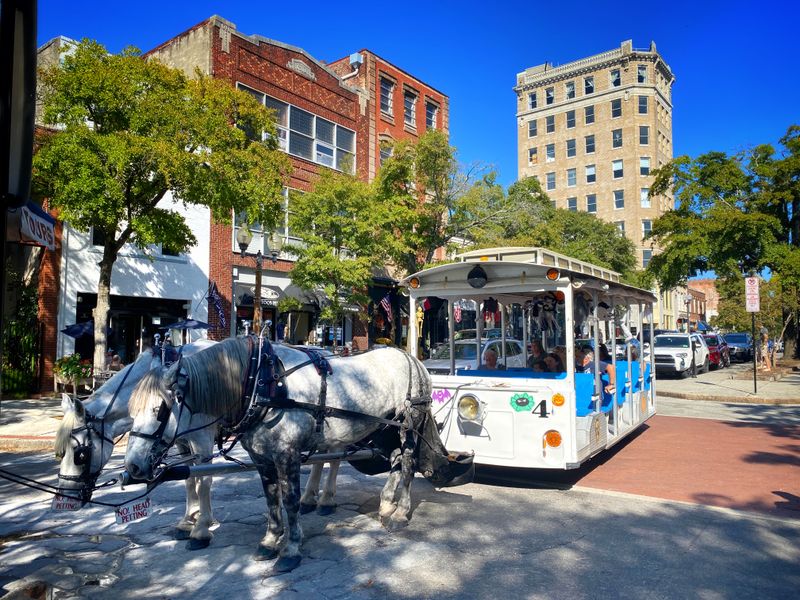
Wooden planks stretch along a river that’s witnessed centuries of history, from colonial trade ships to modern pleasure boats cruising past waterfront restaurants. The Historic Downtown Wilmington Riverwalk runs for 1.75 miles along the Cape Fear River in downtown Wilmington, connecting parks, shops, and historic sites with views that change beautifully as the sun moves across the sky.
Street performers entertain crowds near the Cotton Exchange, while couples stroll hand-in-hand past benches where you can rest your feet and watch the water flow past.
Historic buildings line the streets leading away from the river, their architecture spanning styles from Federal to Victorian, each one telling stories through plaques that don’t require a history degree to appreciate. The battleship USS North Carolina floats permanently across the river, its gray hull a stark reminder of World War II’s Pacific theater.
Restaurants with outdoor seating let you dine while watching boats navigate the river’s currents, the smell of seafood mixing with salt air.
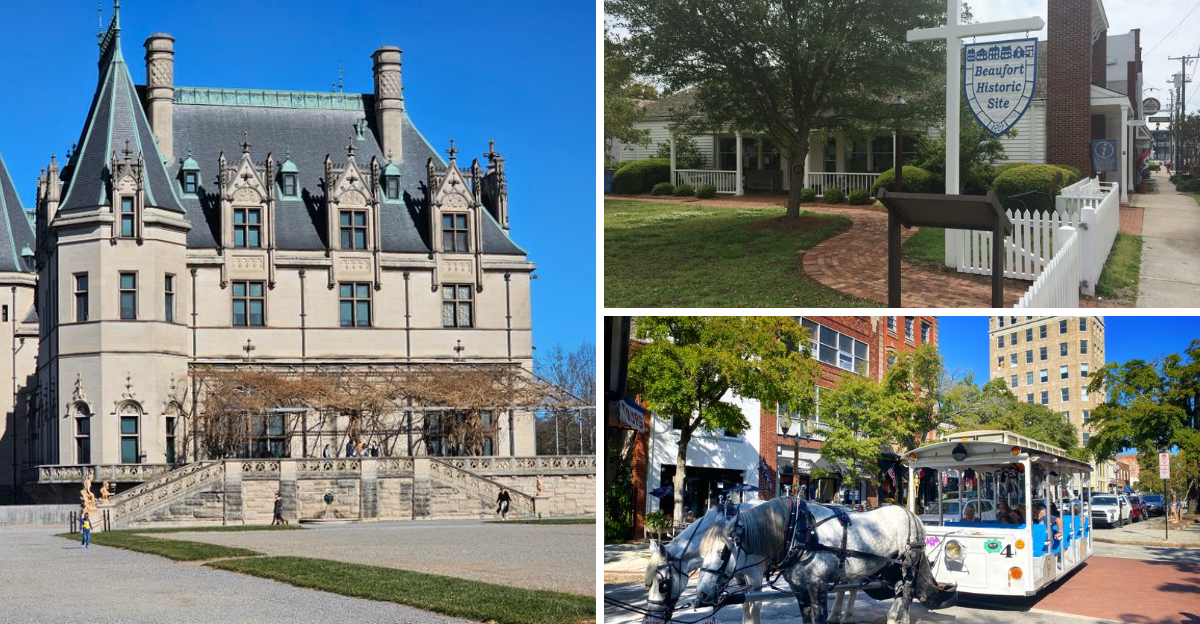
The Riverwalk connects to several museums and historic sites, making it easy to spend an entire day exploring without moving your car. Horse-drawn carriages clip-clop through downtown streets, offering tours that cover history your feet might miss.
Sunset transforms the river into liquid gold, photographers jostling for the perfect angle as the sky shifts through shades that seem too vivid to be real.
10. Seagrove Pottery District, Seagrove
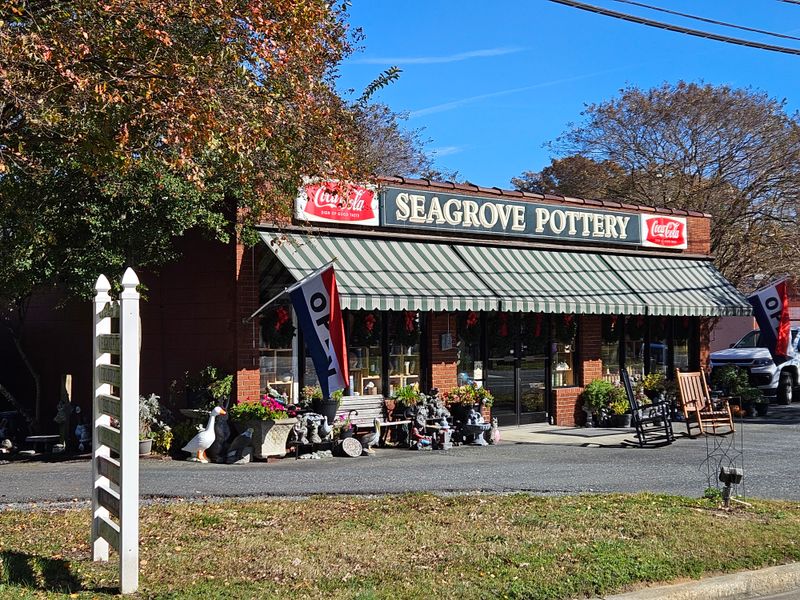
Clay spins on wheels in studios that have shaped North Carolina’s pottery traditions for over two centuries, their kilns fired by families who learned the craft from parents and grandparents. The Seagrove Pottery District, centered at 106 N Broad St, Seagrove, contains over 100 pottery shops and studios scattered across the rolling Piedmont countryside, each one offering pieces that reflect the potter’s individual style and techniques.
You can watch artists throw bowls and vases with hands that move with practiced confidence, transforming lumps of clay into functional art within minutes.
The tradition started in the 1700s when settlers discovered rich clay deposits perfect for making utilitarian wares like storage jars and jugs. Today’s potters honor those roots while pushing boundaries with contemporary designs and glazes that range from traditional earth tones to vibrant colors that pop against any decor.
Some studios specialize in face jugs, grotesque vessels with exaggerated features that originated as grave markers or to scare children away from whiskey jugs.
Visiting during the annual pottery festival in November means meeting dozens of potters in one weekend, their tents and studios open for demonstrations and sales. Many studios welcome visitors year-round, though calling ahead ensures someone will be there to show you around.
Prices range from affordable mugs to museum-quality pieces, making it possible to bring home something handmade regardless of your budget.
11. Biltmore Estate, Asheville
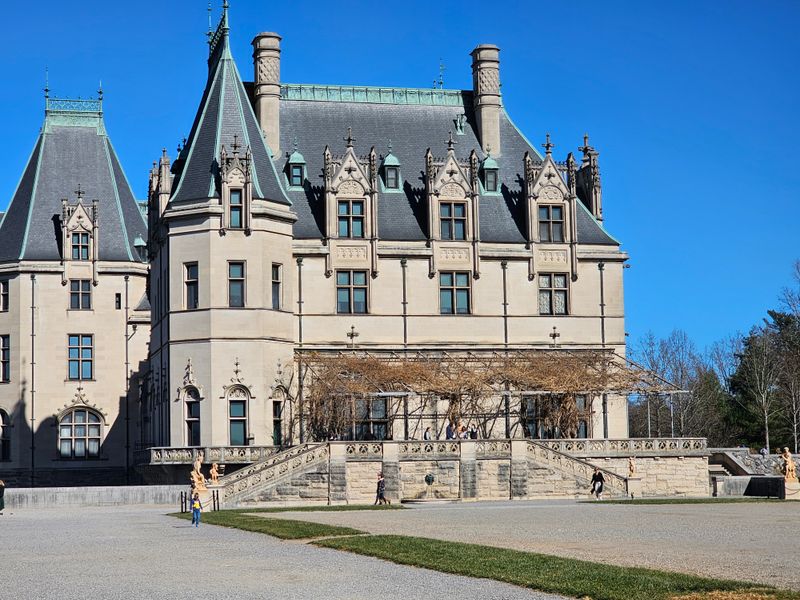
America’s largest privately-owned home rises from manicured gardens like a French chateau teleported to the Blue Ridge Mountains, its limestone facade glowing in the afternoon sun. The Biltmore Estate at 1 Lodge St, Asheville, contains 250 rooms spread across 175,000 square feet of space that George Vanderbilt filled with art, antiques, and architectural details that required six years of construction to complete in 1895.
Walking through rooms designed for entertaining hundreds of guests makes modern mansions look like starter homes, the scale and craftsmanship representing the Gilded Age at its most extravagant.
The estate sprawls across 8,000 acres, though it originally encompassed 125,000 acres that Vanderbilt purchased to create a self-sufficient farming operation. Frederick Law Olmsted, who designed Central Park, landscaped the grounds with gardens that bloom in rotating displays from spring through fall.
The winery produces award-winning vintages from grapes grown on estate vineyards, offering tastings in a facility that rivals anything in California’s wine country.
Touring the house takes several hours if you actually read the information provided in each room rather than just snapping photos. The basement contains a swimming pool, bowling alley, and gym that would have been cutting-edge fitness facilities in 1895.
Holiday decorations transform the estate into a Christmas wonderland, with dozens of trees and miles of garland creating scenes that require months of planning and installation.
12. Old Salem Museums & Gardens, Winston-Salem
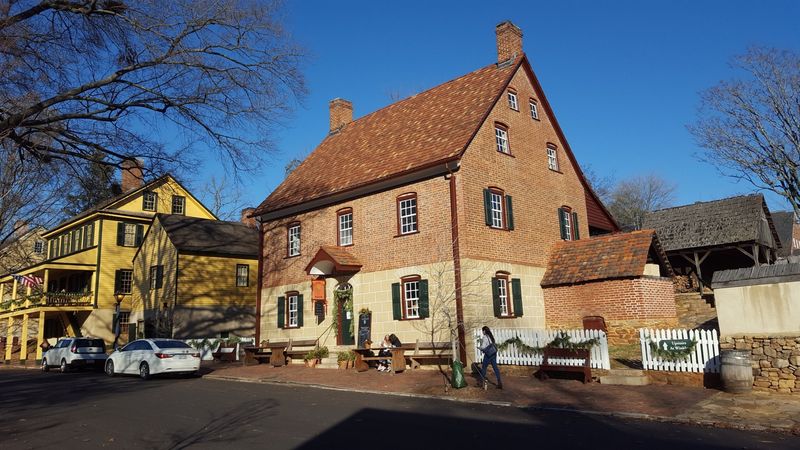
Stepping onto brick sidewalks worn smooth by centuries of footsteps transports you to a Moravian settlement where bakers still use 200-year-old recipes and craftspeople demonstrate trades that modern technology made obsolete. Old Salem Museums & Gardens at 900 Old Salem Rd, Winston-Salem, preserves and interprets a town founded in 1766 by Moravian settlers who brought European traditions to the North Carolina backcountry.
More than 100 restored buildings spread across the historic district, their architecture reflecting the practical beauty that Moravians valued over ostentatious decoration.
The smell of fresh-baked cookies drifts from Winkler Bakery, where interpreters pull sugar cakes from brick ovens using techniques that haven’t changed since the 1800s. These thin, sweet treats practically melt on your tongue, their simple perfection proving that good food doesn’t require complicated ingredients.
The Single Brothers’ House shows where unmarried men lived and worked, learning trades in workshops that now demonstrate traditional crafts.
Gardens grow heirloom vegetables and herbs that Moravians used for cooking and medicine, their neat rows showing the community’s emphasis on self-sufficiency and order. The Museum of Early Southern Decorative Arts contains furniture and objects that wealthy southerners owned before the Civil War, displayed in period room settings that feel like walking into someone’s home.
Costumed interpreters answer questions without breaking character, making history feel immediate rather than distant.
13. Historic Downtown Beaufort, Beaufort
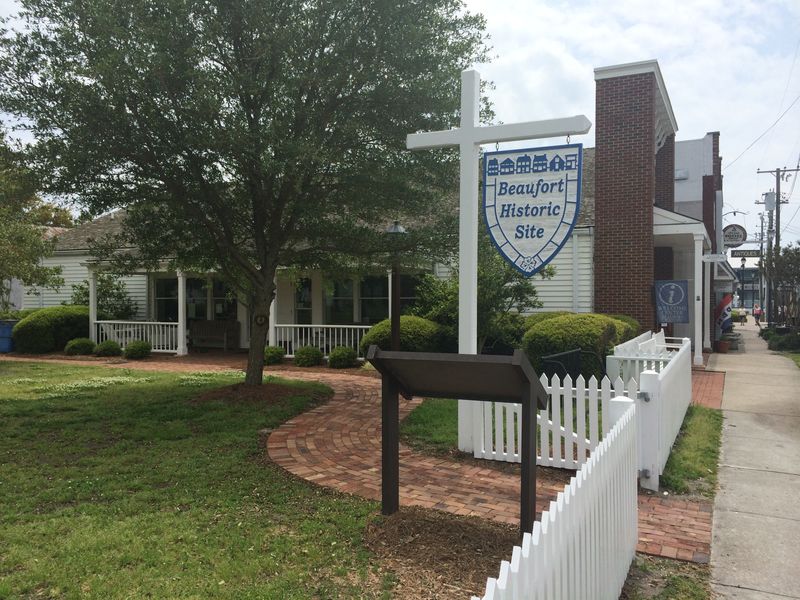
White picket fences frame homes that have weathered hurricanes and history since the early 1700s, their widow’s walks and porches overlooking a harbor where fishing boats still outnumber yachts. Historic Downtown Beaufort, at 130 Turner St, Beaufort, represents North Carolina’s third-oldest town, its streets laid out in a grid pattern that made sense when horses provided transportation.
The waterfront boardwalk lets you stroll past docked boats while reading historical markers that explain how this small port town played roles in piracy, the Civil War, and the development of coastal North Carolina.
The Old Burying Ground contains graves dating to the 1700s, their weathered stones telling stories through epitaphs that range from touching to darkly humorous. Legend claims that a young girl buried in a rum barrel rests here, along with a British officer and other characters whose lives ended in this coastal community.
The Beaufort Historic Site includes several restored buildings where costumed interpreters demonstrate crafts and discuss daily life in different eras.
Restaurants serve seafood caught that morning by boats you can see from your table, the catch changing with seasons and what’s running offshore. The North Carolina Maritime Museum sits a few blocks from the waterfront, displaying artifacts from Blackbeard’s flagship Queen Anne’s Revenge and exhibits about the state’s maritime heritage.
Wild horses roam nearby Shackleford Banks, visible through binoculars from observation points around town.