These Beautiful Virginia Towns Feel Like A European Vacation Without The Flight
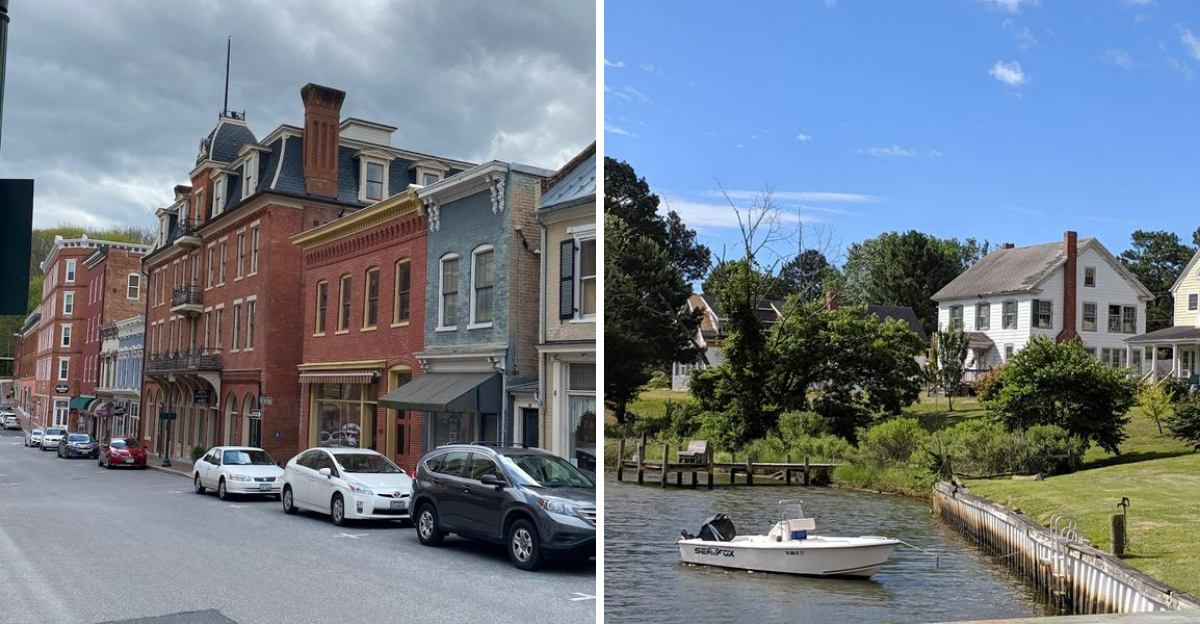
I was standing on a cobblestone lane, gas lamps flickering overhead, brick buildings stretching in every direction, and for a split second I genuinely forgot I was in America. No flight, no passport, no nine-hour middle seat.
Just that quiet, electric feeling of being somewhere that holds its history close. The state of Virginia has been hiding these places in plain sight, and most people drive right past them.
Two visits to different corners of the state convinced me that Europe has some serious competition. The architecture, the romance, the sense that time slowed down centuries ago and never quite sped back up.
Virginia’s towns do not just remind you of the Old World. They rival it.
1. Old Town
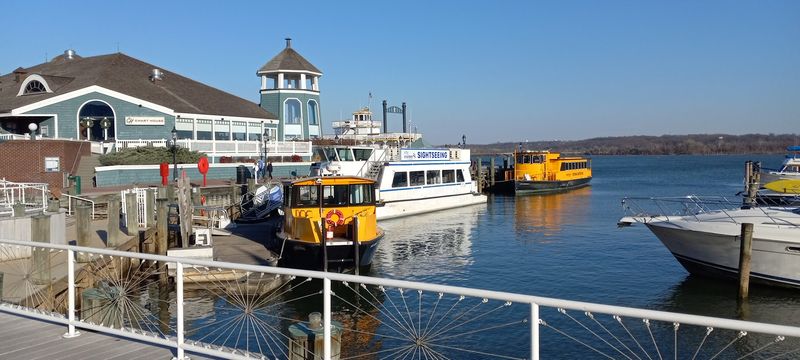
Captain’s Row on Prince Street might be the most convincing cobblestone street in America. The uneven stones, the gas lamps flickering at dusk, the painted row houses in muted blues and reds all feel lifted straight from a London neighborhood.
King Street stretches from the Potomac waterfront up to the Metro station, and every block rewards you with something new.
Independent boutiques sit beside colonial taverns and Federal-style brick buildings that date back to the 1700s. Stop inside Gadsby’s Tavern Museum on North Royal Street, a preserved 18th-century inn where George Washington himself once dined.
The Stabler-Leadbeater Apothecary Museum on South Fairfax Street is equally remarkable, frozen almost perfectly in the 1800s.
The waterfront along the Potomac adds a breezy, maritime energy that recalls an English harbor town. At night, the gas lamps cast everything in warm amber light.
Old Town Alexandria, Virginia, does not feel like a replica of anything. It simply feels old, elegant, and completely alive.
2. Middleburg
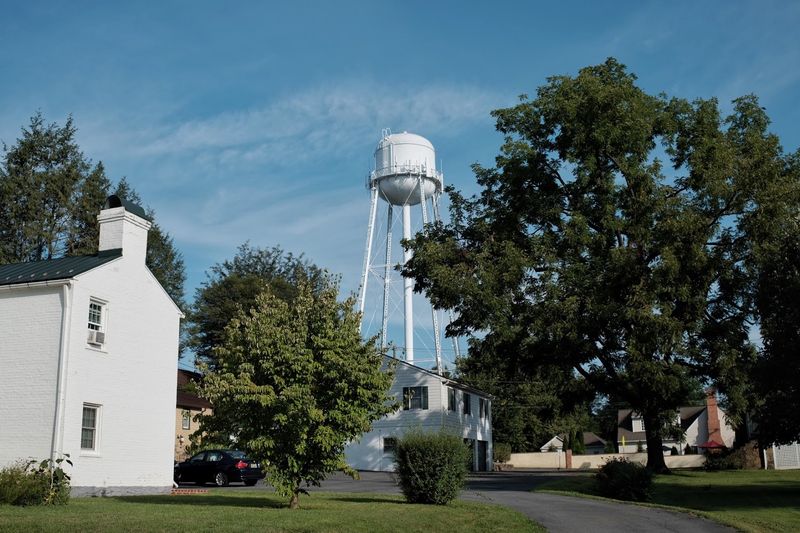
Not every small town earns comparisons to the English Cotswolds, but Middleburg does not even have to try. Perched in the heart of Loudoun County, this compact town radiates understated elegance from every stone facade and wrought-iron sign.
The streets are narrow enough to make you slow your pace and actually look around.
Over 160 structures here sit on the National Register of Historic Places. The Red Fox Inn and Tavern, dating back to the 18th century, feels exactly like a proper English coaching inn.
Middleburg is not performing European charm for tourists. The equestrian culture, the stone architecture, and the unhurried pace are simply part of daily life here.
Every corner earns a second glance, and every storefront tells a quiet story. Spend a Saturday afternoon wandering the main street, and you will understand why this place has a devoted following among people who have actually visited the Cotswolds and still prefer coming back here.
3. Lexington
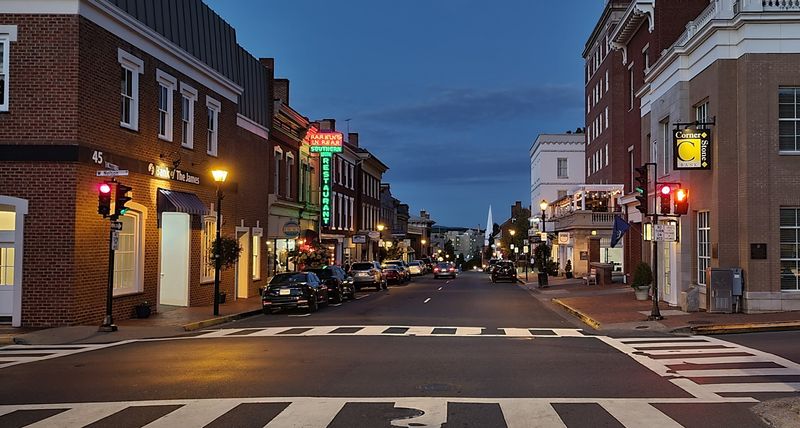
Framed by the Blue Ridge and Allegheny mountains, Lexington looks like a compact European university town that somehow landed in the Shenandoah Valley.
The brick sidewalks, tidy storefronts, and collegiate energy from Washington and Lee University and the Virginia Military Institute give this place a layered, lived-in character that feels genuinely old.
Greek Revival and Italianate architecture line the downtown streets. Specialty shops and independent bookstores fill the blocks between campus buildings, creating a streetscape that rewards slow, curious exploration.
Historic homes and landmark buildings ground the experience in specific, tangible history.
The mountain backdrop adds drama that most European university towns would envy. On a clear morning, the Blue Ridge rises behind the rooftops in shades of deep green and blue.
Walking through downtown Lexington, you feel the pull of two worlds at once, the academic and the historic, the natural and the built. The town sits about 180 miles southwest of Washington D.C. on US-11, and the drive through the valley alone is worth the trip.
Lexington is a place that keeps revealing itself the longer you stay.
4. Fredericksburg
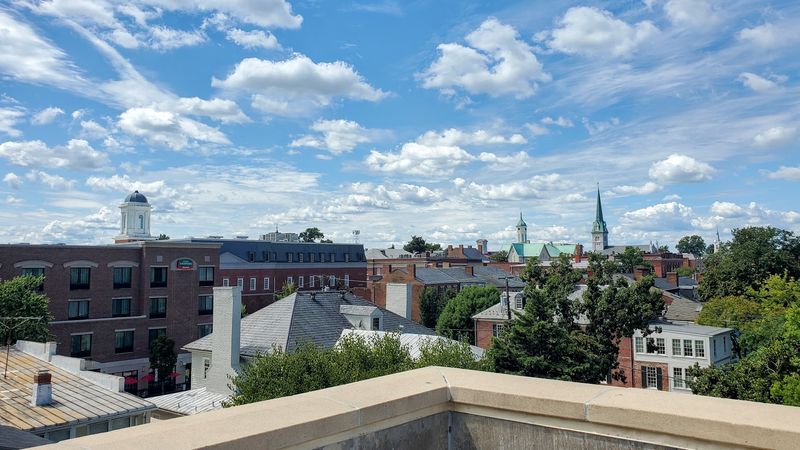
Georgian streetscapes do not get much more convincing than Fredericksburg. Perched along the Rappahannock River, the historic downtown is a well-preserved collection of 18th-century shopfronts and brick sidewalks that feel genuinely lived-in rather than museum-polished.
The scale is human, the streets are walkable, and the architecture tells a long story.
The Mary Washington House on Charles Street is one of the most personal historic sites in the area, the actual home where George Washington’s mother lived. A visit there connects you to the colonial era in a surprisingly intimate way.
In summer, the First Friday art walk fills Caroline Street with open studios and live jazz that spill out onto the sidewalks.
Fredericksburg sits about 50 miles south of Washington D.C. on I-95, making it an easy day trip or weekend escape. The town rewards visitors who slow down and wander without an agenda.
Every block of the historic district holds something worth stopping for, whether it is a storefront, a courtyard, or a view of the river catching the afternoon light.
5. Cape Charles
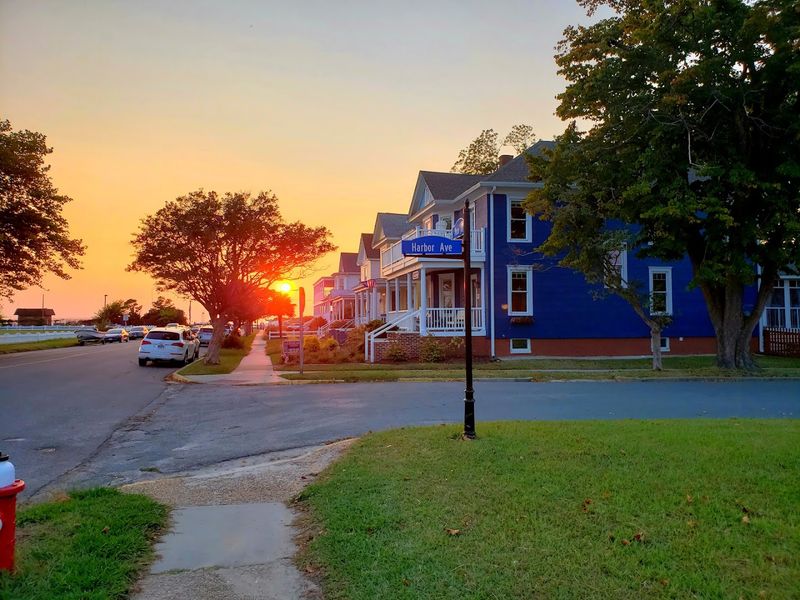
Southern Living once crowned it the best little beach town in Virginia, and one look at the streetscape explains why.
Cape Charles, a Victorian-era planned community near the mouth of the Chesapeake Bay, has one of the largest concentrations of turn-of-the-century buildings on the entire East Coast.
The colorful homes, wide porches, and tree-lined streets feel more like a seaside town in coastal France than a typical American beach destination.
The town was originally built in 1884 as a railroad terminus, and that planned, orderly character still shapes the grid of streets today.
Walking Mason Avenue, the main commercial strip, you pass boutique shops, neighborhood eateries, and galleries housed in beautifully maintained historic buildings.
Nothing feels rushed or overdeveloped here.
The Chesapeake Bay beach at the end of Bay Avenue offers calm, shallow water and sweeping views of the bay. Cape Charles sits on Virginia’s Eastern Shore, accessible via the Chesapeake Bay Bridge-Tunnel from the mainland.
The combination of Victorian architecture, waterfront access, and small-town pace creates an atmosphere that is genuinely rare on the East Coast. Spend a weekend here, and you will understand why people keep returning every summer.
6. Abingdon
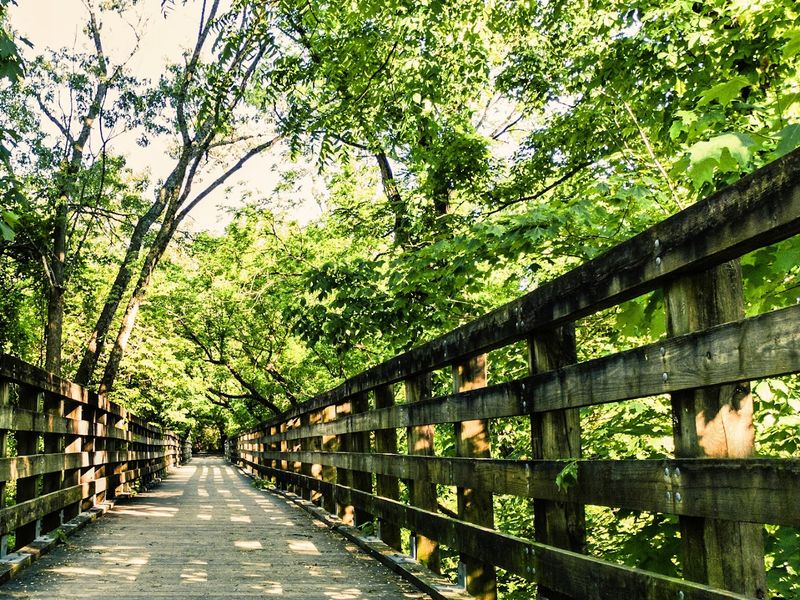
Way out in the Blue Ridge Highlands, far from the usual tourist circuits, Abingdon holds its own as one of the most atmospheric towns in the entire Commonwealth.
The historic district is a beautifully preserved collection of brick buildings and storefronts that feel transplanted from a Northern English market town.
The scale is intimate, the streets are quiet, and the sense of history is palpable at every turn.
The Barter Theatre on Main Street is the crown jewel of Abingdon’s cultural life. Founded in 1933, it is one of the longest-running professional theaters in the nation, and performances here are genuinely excellent.
The theater alone is worth planning a trip around, but the surrounding district rewards any extra time you give it.
The Virginia Creeper Trail begins in Abingdon, offering a stunning rail-trail route through mountain scenery that rivals anything in the European countryside. The town sits at the intersection of US-11 and I-81 in far southwest Virginia.
Specialty shops, historic inns, and independent restaurants fill the downtown blocks with energy that never feels forced. Abingdon is the kind of place that surprises you completely, then quietly refuses to leave your memory long after you drive home.
7. Occoquan
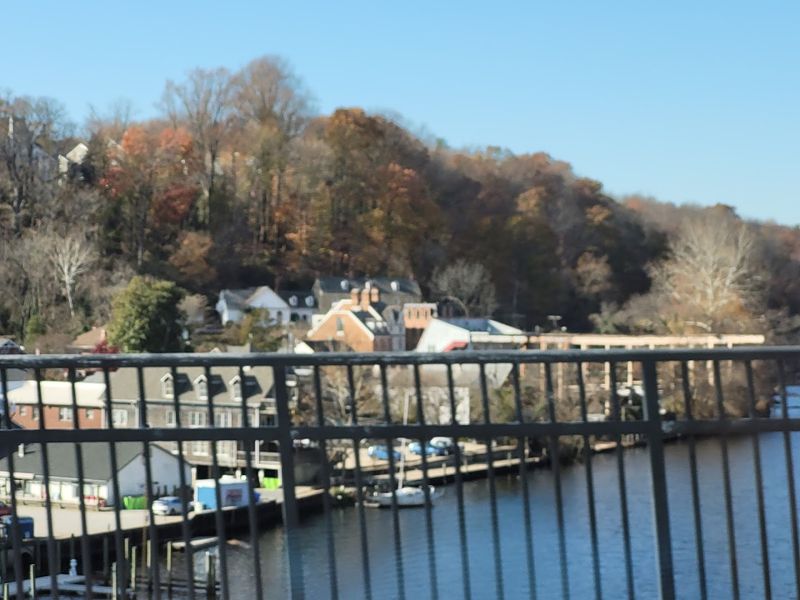
Charm and river views rarely come this close to a major city, and Occoquan knows it. This compact historic mill town along the Occoquan River sits just 25 miles south of Washington D.C., yet it feels worlds away from the highway traffic that surrounds it.
The 18th and 19th-century buildings lining the main street now house boutiques, artisan studios, and independent galleries that give the district a lively, creative energy.
Walking through downtown Occoquan feels like wandering a quiet English riverside village. The stone and brick facades, the narrow streets, and the river views create an atmosphere that is genuinely atmospheric without being self-conscious about it.
Vintage inns and bed-and-breakfasts along the waterfront offer a relaxing overnight option for those who want to stay beyond a day trip.
The town hosts regular festivals and art events throughout the year, drawing crowds without ever losing its intimate character. Mill Street is the main corridor, running parallel to the river and packed with interesting stops at every block.
Occoquan proves that a European-feeling river town experience does not require a transatlantic flight. It just requires knowing where to look, and a willingness to get off the interstate and follow a smaller road toward the water.
8. Staunton
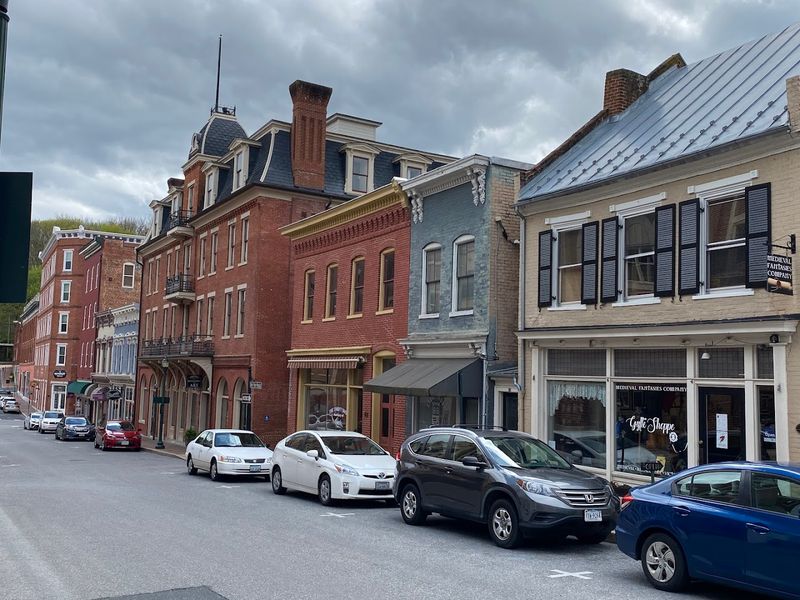
Founded in 1732, Staunton carries its age with remarkable grace. The downtown skyline features church steeples, ornate brick cornices, and Victorian-era facades that give the whole area a European cadence.
Standing on Beverley Street, you could easily convince yourself you are in a small English market town.
The Blackfriars Playhouse on East Beverley Street is the world’s only re-creation of Shakespeare’s original indoor theater. Performances happen by candlelight, and the acoustics are extraordinary.
The Frontier Culture Museum on the edge of town includes reconstructed traditional buildings from Germany, Ireland, and England, making the European connection literally tangible.
The American Shakespeare Center calls Staunton home, drawing theater lovers from across the country. Beyond culture, the town offers specialty shopping, excellent dining, and a friendly, unhurried atmosphere that big cities simply cannot manufacture.
The mountains surrounding the area add a dramatic frame to every view. Staunton sits in the Shenandoah Valley along I-81, making it an easy stop between larger destinations.
Once you arrive, though, leaving becomes the hard part. This town has a quiet magnetism that keeps pulling you back around one more corner.
9. Waterford
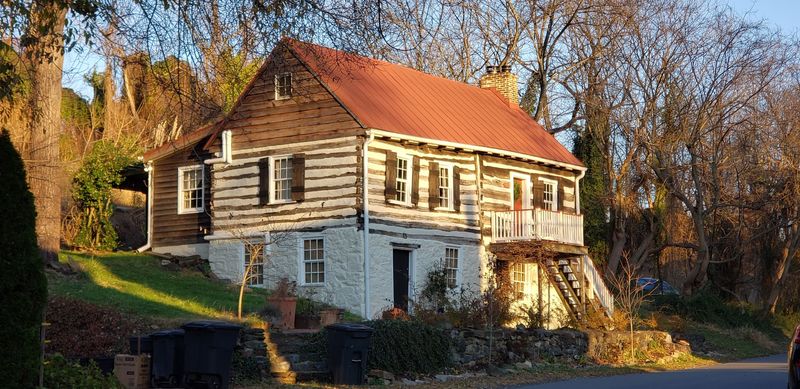
The calendar feels different here. Designated a National Historic Landmark District, this tiny village near Leesburg is one of the most intact 18th-century communities in the entire country.
Original stone mills, log barns, and a Quaker meetinghouse stand along unpaved lanes shaded by towering maples, and strict preservation guidelines keep every detail exactly as it should be.
The village traces its origins to around 1733, when Quaker settlers from Pennsylvania established a mill community here. There are no chain stores, no modern intrusions, and no attempt to modernize for tourism.
Waterford simply exists, quietly and beautifully, exactly as it always has.
Every October, the annual Waterford Fair transforms private gardens and historic homes into artisan galleries showcasing traditional crafts.
It is one of the most distinctive community events in the region, drawing visitors from across the Mid-Atlantic who come specifically for the combination of craft, history, and atmosphere.
Waterford sits just outside Leesburg in Loudoun County, easily reachable via Route 7. If you have ever wanted to experience what an 18th-century English or Irish village actually felt like, Waterford is the closest you will get without boarding a plane.
10. Onancock
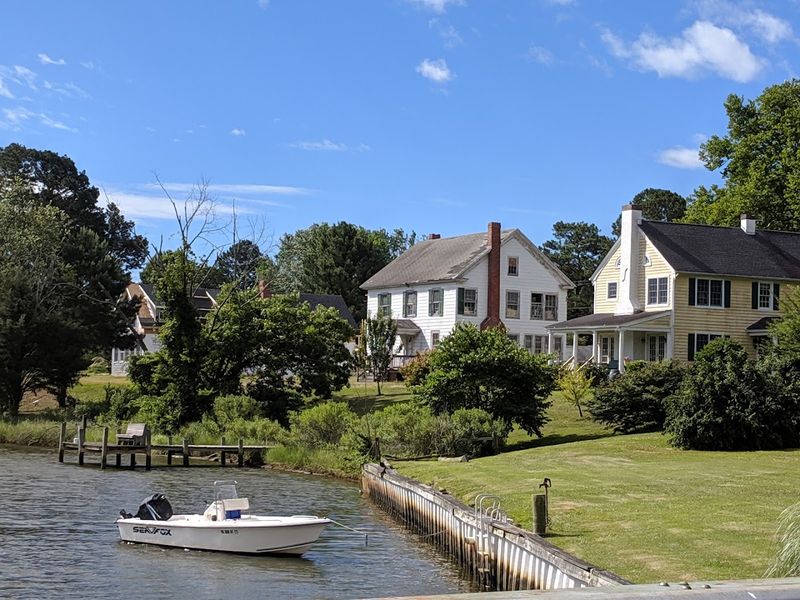
Onancock Creek winds gently through this small Eastern Shore town before emptying into the Chesapeake Bay, and the waterfront views it creates are quietly spectacular.
Onancock is one of those rare places where you can walk from your lodging to a gallery, a cafe, a local theater, and a fine dining restaurant all within a few unhurried minutes.
The town moves at its own pace, and that pace is deeply appealing.
The town square hosts live music, art strolls, and farmers markets that bring the community together in a way that feels genuinely organic.
Historic homes line the streets leading down to the water, and the architecture reflects a mix of Victorian and colonial influences that give Onancock a layered, textured character.
Nothing here feels staged or performed for visitors.
Kayaking on Onancock Creek is one of the best ways to experience the town from a different angle. The water is calm, the scenery is lush, and the perspective from the creek looking back at the town is genuinely beautiful.
Onancock is located on Virginia’s Eastern Shore along Route 13, about 38 miles north of Cape Charles. For travelers who want the atmosphere of a quiet European coastal village without the crowds, this town delivers something rare and real.
11. Luray
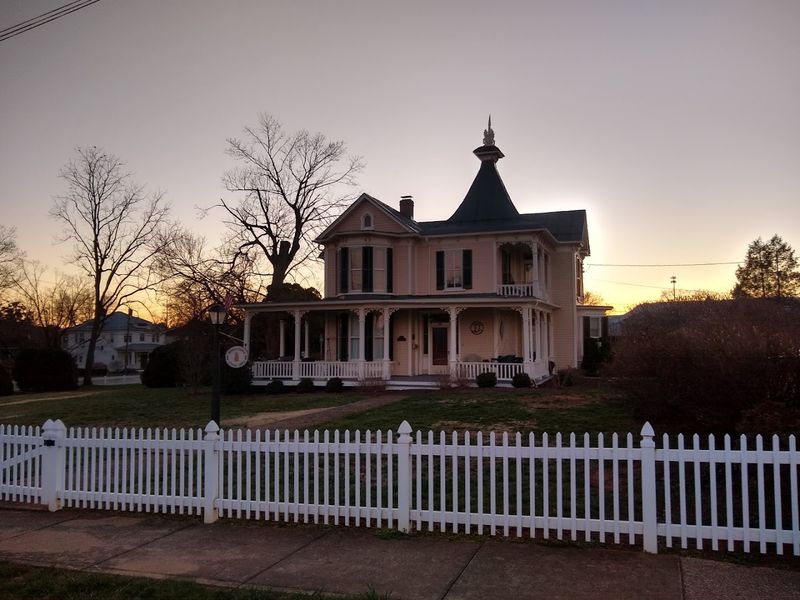
Some places earn their reputation underground. Luray sits in the Shenandoah Valley, about 93 miles from Washington D.C.
Its most extraordinary feature is not visible from the road at all.
The famous Luray Caverns pull you beneath the surface. Inside, stalactite and stalagmite formations rise and hang in shapes that feel almost architectural.
Think a cathedral carved by nature over millions of years. The caverns opened to the public in 1878 and remain one of the most visited natural attractions on the entire East Coast.
Above ground, the scenery rivals anything in the Austrian or Swiss countryside. Ridgelines stack against the horizon in every direction.
Skyline Drive and the Shenandoah River add to the drama surrounding the area.
The town centers along Main Street. Antique shops, local eateries, and a relaxed atmosphere make it a natural base for outdoor adventure.
The Luray Valley Museum and the Car and Carriage Caravan Museum add cultural depth. Luray sits along US-211 in Page County, right at the edge of Shenandoah National Park.
The mix of mountain scenery, underground wonders, and small-town character gives this place an atmosphere that feels nothing like a typical American destination.