These 12 California Beaches Are Known For Sea Glass Or Interesting Shells
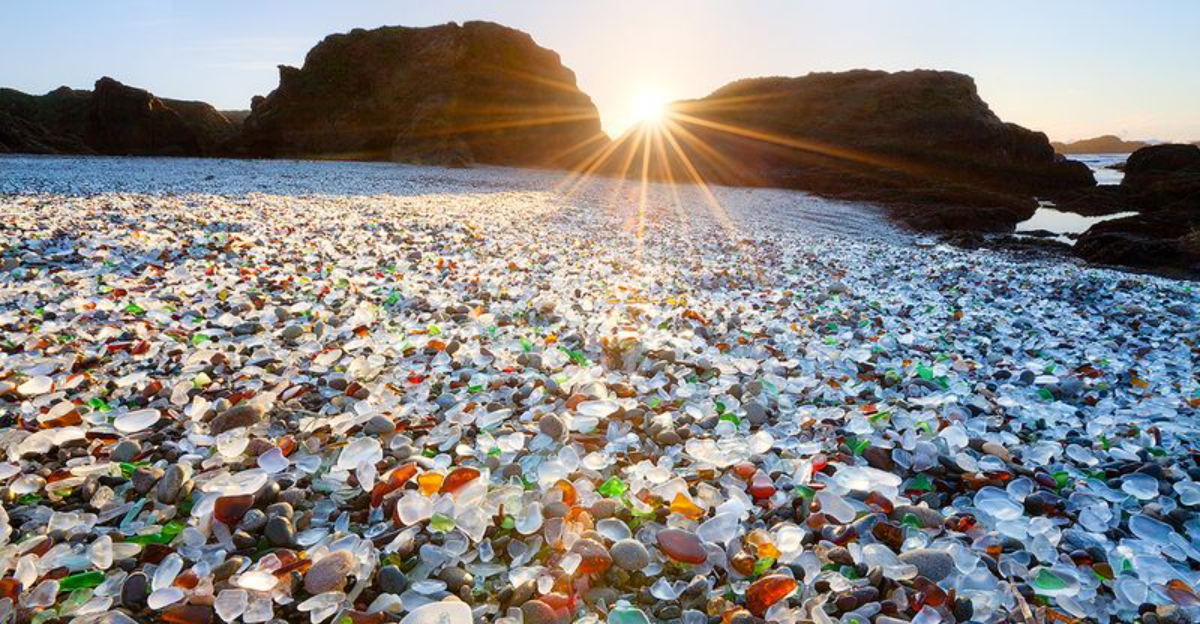
Beachcombing turns a normal shoreline walk into a tiny treasure hunt.
You start out casual. Just a stroll. Then one colorful piece of sea glass appears, and suddenly the beach becomes a scene for curious people.
Shells have the same effect.
A strange shape or a perfect little spiral can make everyone slow down and start scanning the sand like professionals.
Along the California coast, the best finds are not always where the crowds are loudest.
They can hide near rocky coves, quiet stretches of sand, and beaches where the waves keep rearranging the surprises.
That is what makes these places so fun. You never really know what the ocean decided to leave behind.
Maybe it is a smooth green shard. Maybe it is a tiny shell worth carrying home in your pocket.
These beaches give walkers a reason to look down and treat the shoreline like it has secrets to share.
1. Sand City Beach, Sand City
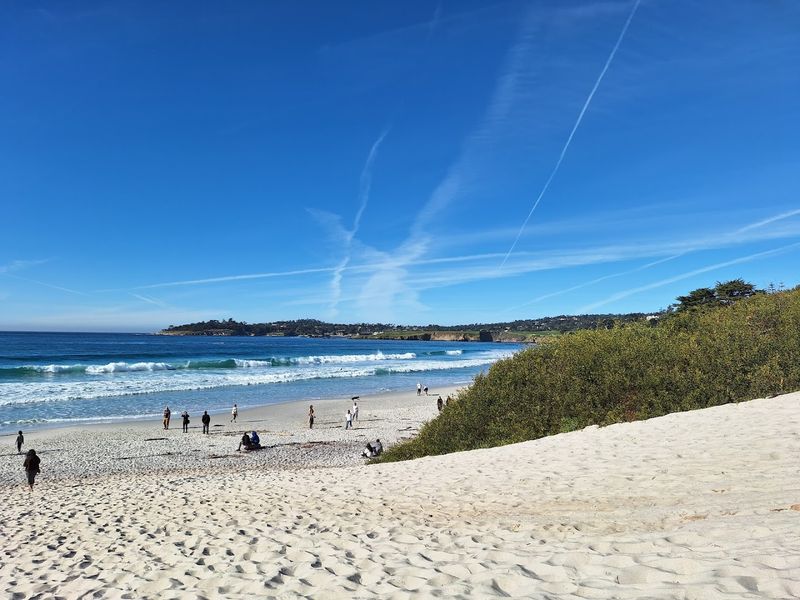
Just north of Monterey in the small city of Sand City, this beach does not get nearly as much tourist attention as its neighbors, which is honestly a plus for anyone who prefers beachcombing without a crowd.
Sand City Beach has a history tied to old dump sites along the Central Coast, and that history is exactly why wave-smoothed glass pieces continue to wash up along its shore.
Green and brown pieces are the most common finds here, though larger chunks occasionally appear, especially after heavy surf stirs things up and reshuffles the shoreline.
Low tide tends to be the most productive time to search, and the pebbly sections near the waterline are worth checking carefully.
The beach has a wide, open feel with views of the Monterey Bay, and the wind can pick up in the afternoons, so a light jacket is a smart call.
Parking along the street is generally available and the access is pretty straightforward. Sand City is a genuinely chill spot that rewards slow walkers more than anyone rushing through.
2. Moonstone Beach, Cambria
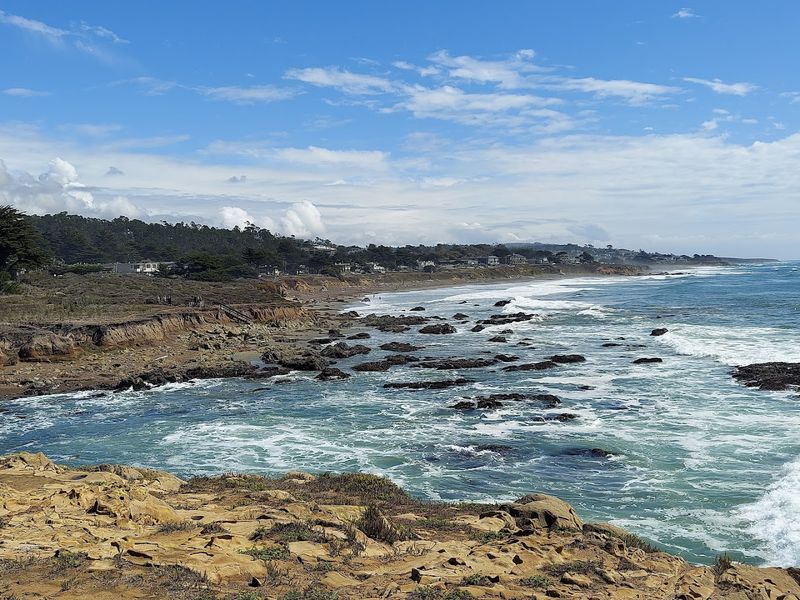
Not every great California beachcombing spot is about sea glass, and Moonstone Beach in Cambria makes a strong case for the beauty of smooth stones and interesting pebbles instead.
Located along the Central Coast just north of San Luis Obispo, this beach is named for the translucent, milky-white stones that occasionally wash ashore and catch the light in a way that genuinely stops people mid-stride.
A wooden boardwalk runs along the bluff above the beach, making it easy to stroll the full length of the shoreline without scrambling over rocks.
The beach itself is pebbly and rocky in sections, which is exactly the kind of terrain where smooth stones, agates, and wave-worn fragments tend to collect.
Shells are present too, though the real draw here is the variety of stones that pile up along the tideline.
Highway 1 passes right through Cambria, making this a natural stop on a classic California road trip.
Morning light tends to be especially nice for spotting translucent stones since the sun hits them at a low angle and makes them glow.
3. Shell Beach, La Jolla
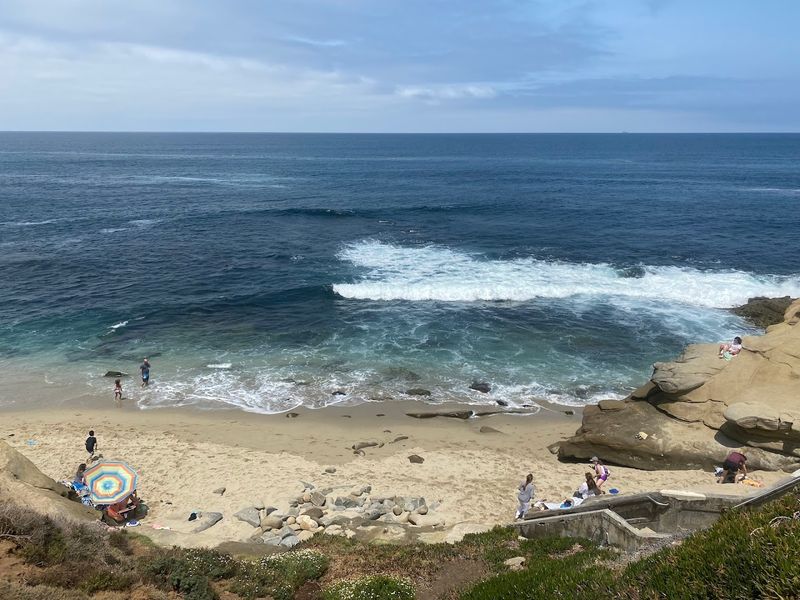
La Jolla has a well-earned reputation as one of Southern California’s most beautiful coastal areas, and Shell Beach lives up to the name in a satisfying way.
Below the coastal walkway that winds through the La Jolla Cove neighborhood, the beach is compact and rocky, which makes it a natural trap for shells, sea glass, and other wave-tossed finds.
White, green, brown, and the occasional blue or aqua sea glass piece have been spotted here, and the rocky outcroppings help hold treasures in place rather than letting them wash back out.
Tide pools add another layer of interest for anyone who enjoys peering into shallow water to see what is living there.
The morning hours tend to be the best for finding shells and glass before the afternoon crowds settle in.
The coastal walkway above provides a great vantage point for scoping out the beach before heading down, and the scenery from up there is honestly stunning.
La Jolla itself is a beautiful place to spend a few hours, with cafes and shops nearby if someone wants to make a full afternoon of it.
Shell Beach rewards patient beachcombers who do not mind a little rock-hopping to find their prizes.
4. Silver Strand State Beach, Coronado
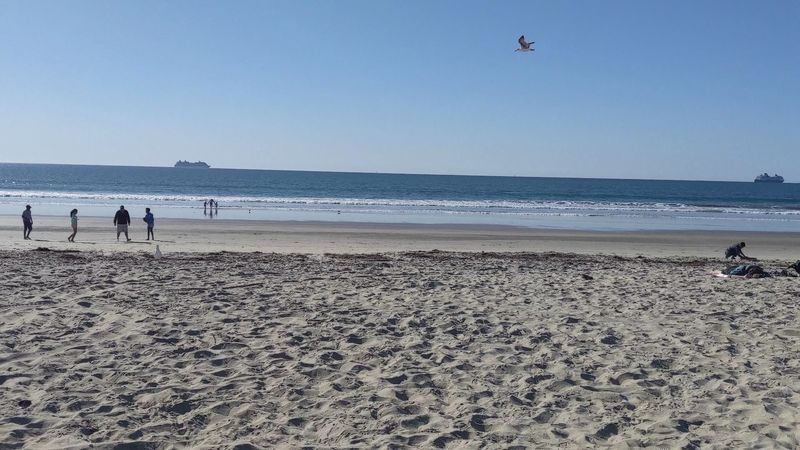
Silver Strand State Beach earned its name from the silvery oyster shells that historically lined its shores, and the tradition of finding interesting shell pieces here has continued for generations of beachcombers.
Stretching along the Coronado Peninsula between San Diego Bay and the Pacific Ocean, the beach offers a long, flat, easy walk that feels almost meditative at the right time of day.
Sand dollars, cockle shells, limpets, scallops, and clam pieces are among the finds that turn up along the waterline, especially after a good swell rearranges the sand.
The beach is wide and the surf is generally calmer on the bay side, making it a comfortable spot for families and casual collectors alike. Low tide mornings are the sweet spot for shell hunting here.
The beach stretches for several miles, which means there is plenty of room to spread out and find a quiet section away from the crowds.
For anyone doing a Southern California coastal road trip, this is a worthy detour that delivers on its shell-finding promise without requiring a lot of effort.
5. Coronado Beach, Coronado
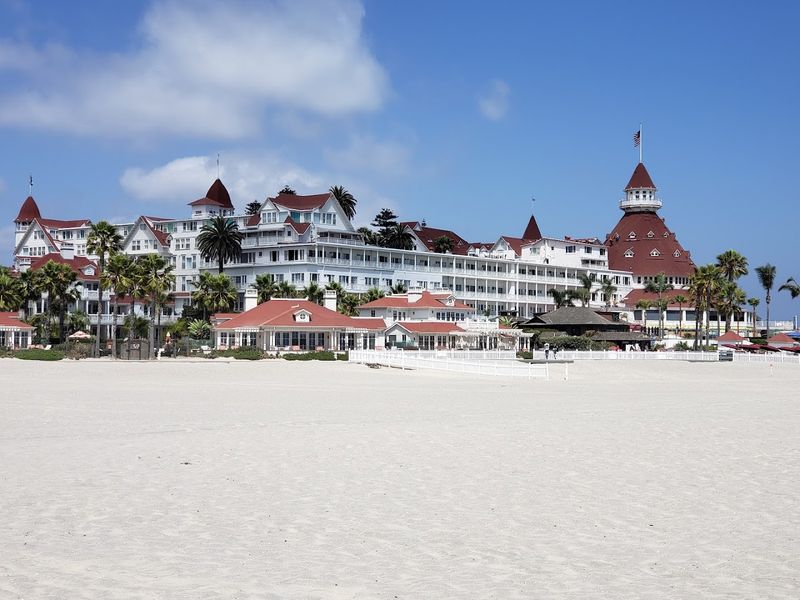
This is one of those places that looks almost too perfect, with wide golden sand that actually sparkles thanks to natural mica and mineral deposits mixed into the shoreline.
Beyond the visual wow factor, the beach also offers polished shell fragments, occasional sand dollars, and smooth shell pieces for anyone willing to slow down and look.
The sand here has a coarser texture in sections, which tends to trap shell bits and wave-polished fragments rather than letting them sink deep.
Finds vary depending on recent surf conditions and the season, so managing expectations is part of the fun.
Lucky visitors sometimes turn up sand dollars in decent condition, particularly after winter storms shift the sand around and expose buried treasures.
Coronado Beach sits right in front of the iconic Hotel del Coronado, which means the backdrop for any beachcombing session is genuinely spectacular.
The beach is wide enough that finding a quieter stretch away from the main activity areas is usually possible.
This beach is equal parts beautiful scenery and low-key treasure hunting, and that combo is hard to beat.
6. Pismo Beach, Pismo Beach
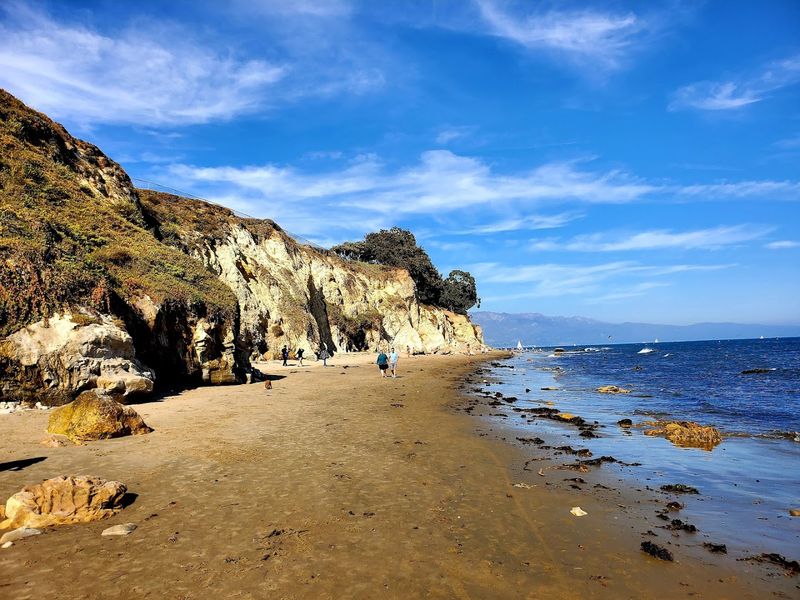
Back in 1947, Pismo Beach officially declared itself the Clam Capital of the World, and that title tells you a lot about what kind of shoreline this is.
The beach has long been associated with Pismo clams, and while live clam collecting is heavily regulated by California State Parks today, the shell-related beachcombing here is still genuinely worthwhile.
Shell fragments, clam pieces, and other wave-worn finds accumulate along the wide, flat shoreline in a way that rewards slow walkers who keep their eyes down.
Driftwood, smooth stones, and the occasional interesting pebble also turn up along the tideline, making each walk feel a little different from the last.
The beach stretches for miles, so there is always a fresh section to explore.
Pismo Beach is a classic Central Coast town with a relaxed, unpretentious energy that feels very California in the best possible way.
The pier area is a natural gathering spot, but heading north or south along the beach quickly puts some distance between a visitor and the busiest sections. Shell fans will feel right at home here.
7. Glass Beach, Fort Bragg
Few beaches in the entire country carry a backstory quite like this one.
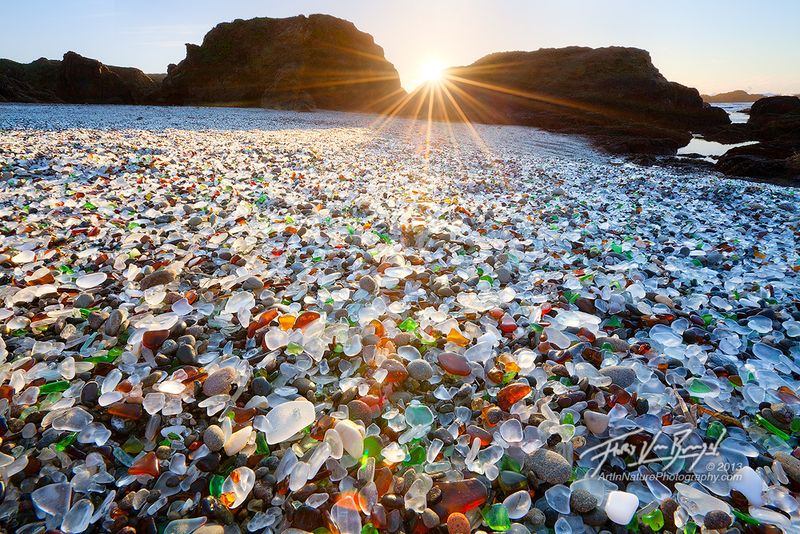
Glass Beach in Fort Bragg, located along the Mendocino Coast in Northern California, earned its reputation because the area was used as a municipal dump from the early 1900s.
Decades of wave action transformed broken bottles and ceramics into smooth, frosted jewels.
Today the beach sits within MacKerricher State Park, and collecting sea glass is not allowed inside the park boundaries, so it truly is a look-and-photograph kind of spot rather than a take-home treasure destination.
That said, the sheer visual payoff of seeing thousands of colorful glass pieces embedded in the rocky shore is worth every bit of the drive up Highway 1.
The colors tend to lean toward green, brown, and clear, though occasional blue and red pieces turn up and get people genuinely excited.
Low tide is the best time to visit since more of the glass-covered shoreline becomes visible.
Parking is available near the Noyo Headlands area, and the walk down to the beach is short and manageable for most visitors.
Honestly, just standing there and staring at the glittering rocks feels like enough.
8. Morro Strand State Beach, Morro Bay
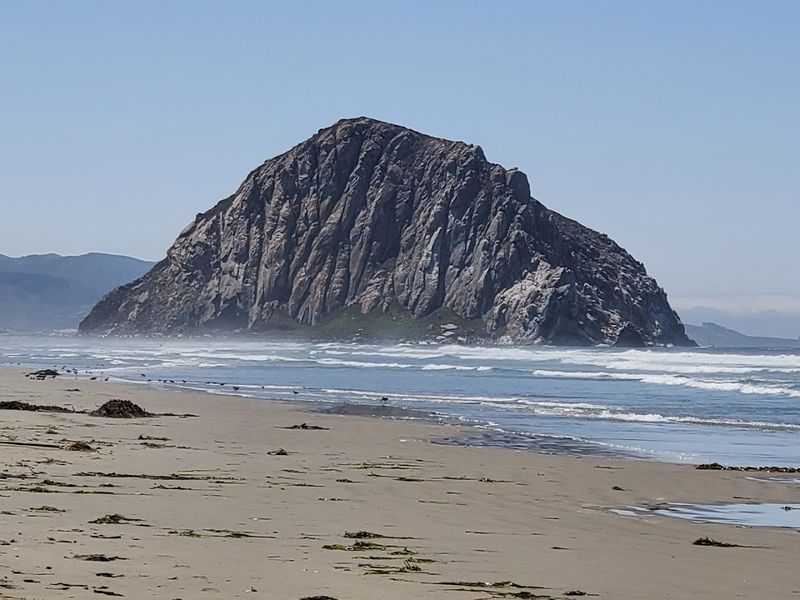
Morro Rock is one of the most recognizable landmarks on the Central Coast, and beachcombing along Morro Strand State Beach puts that dramatic volcanic plug right in the frame the whole time.
The beach stretches for about three miles along the coast north of Morro Bay, giving beachcombers a generous amount of shoreline to cover at their own pace.
Shells, smooth stones, driftwood, and wave-worn surprises collect along the tideline here in a way that feels genuinely varied from visit to visit.
The beach tends to be windier than some Southern California spots, so layering up is a smart move, especially in the morning.
That wind also keeps the crowds thinner than at more sheltered beaches, which is great news for anyone who likes space to explore.
Morro Strand is a California State Park, so a day-use fee applies for parking, though the beach itself is open and accessible.
The sand is soft and wide, and the overall atmosphere is peaceful and unhurried in a way that is hard to find at more famous stretches of coast.
Morro Bay as a town is worth exploring too, with its working harbor and local seafood spots making a full day trip feel very much worth the drive up Highway 1.
9. Davenport Beach, Davenport
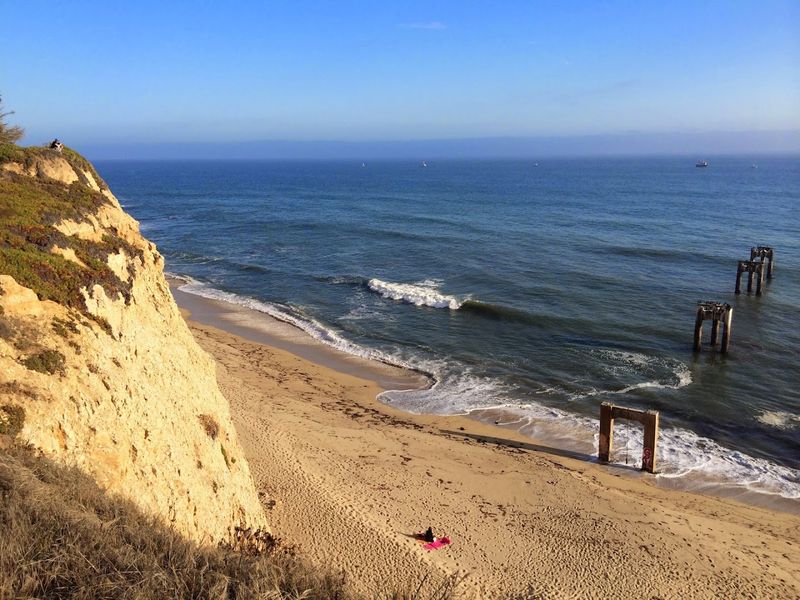
Quality over quantity is the unofficial motto for sea-glass hunters who make the trip to Davenport, a small coastal town perched on the cliffs about twelve miles north of Santa Cruz.
The sea glass found here tends to be on the larger side and better frosted than what turns up at more picked-over beaches, which is exactly what serious collectors are after.
The pebbly sections of the beach are where the best finds tend to concentrate, since the rocky texture slows the glass down and keeps it from washing back out with the tide.
After a rough swell, the shoreline reshuffles and new pieces emerge from wherever they have been buried, which is why local beachcombers often head out right after a storm.
Colors including green, brown, clear, and the rarer blues and reds have all been spotted here over the years.
Davenport Beach has a wild, elemental feel with cliffs above and open ocean stretching to the horizon, and the town itself is tiny and unhurried.
The surf here can be strong, so staying aware of wave conditions and keeping a safe distance from the water is always a good idea.
10. Capitola Beach, Capitola
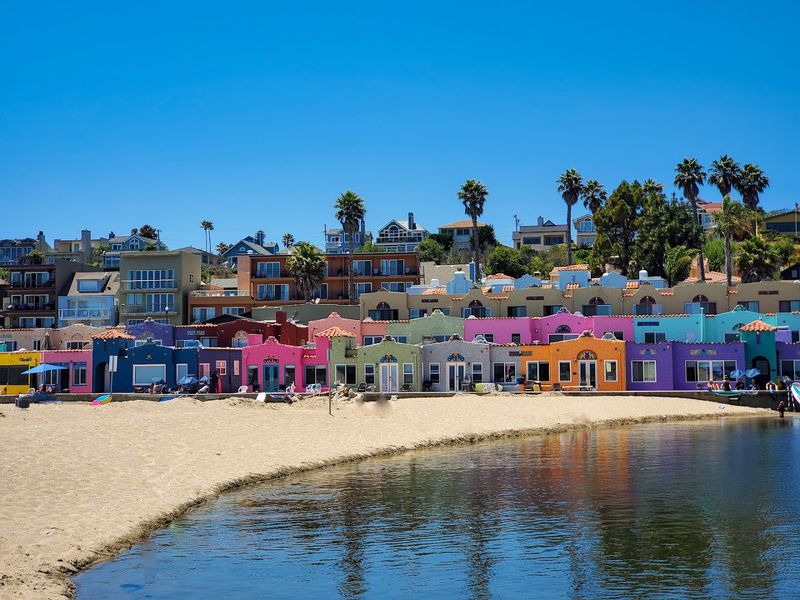
Capitola has one of the most cheerful, colorful waterfronts on the entire California coast, with pastel-painted buildings lining the beach and a village atmosphere that makes it feel like a postcard come to life.
Beyond the scenery, the beach itself offers a softer, more accessible beachcombing experience compared to some of the rockier spots up and down the coast.
Small sea glass pieces and shell fragments turn up along the shoreline with enough regularity to make a slow stroll feel rewarding, even if the finds are on the modest side.
The sandy sections near the creek outlet and along the tideline tend to be the most productive areas to check.
Capitola is part of the broader Monterey Bay area, and the water quality and general beach conditions here are generally pleasant for a casual visit.
The village is genuinely walkable and has a good selection of local shops and food options, making it easy to turn a beachcombing trip into a full afternoon outing.
11. Carmel Beach, Carmel-by-the-Sea
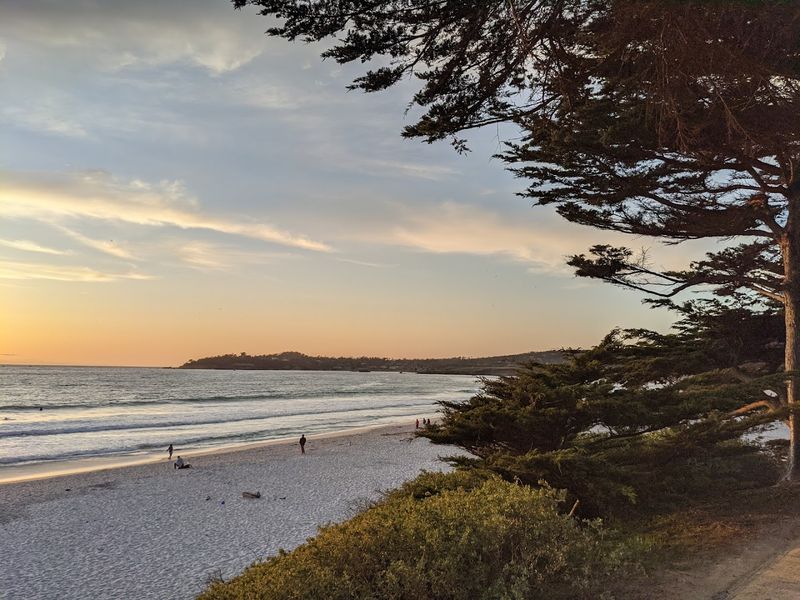
This is the kind of place that makes people stop mid-sentence and just stare.
The white sand, the cypress-covered bluff, and the deep blue water of Carmel Bay combine to create one of the most visually striking beach settings in all of California, and beachcombing here feels less like a meditative experience.
Shell pieces, smooth stones, and interesting wave-worn fragments collect along the tideline, particularly in the sections near the creek outlet at the south end of the beach.
Heavy sea-glass hunting is not what Carmel Beach is best known for, but patient walkers often turn up small interesting pieces alongside the more common shells and pebbles.
The coarse white sand has a beautiful texture that makes everything sitting on top of it easier to spot.
Dogs are famously welcome on Carmel Beach, which adds a lively and joyful energy to any visit.
The village of Carmel-by-the-Sea is right there for a post-beach stroll through galleries and shops.
12. Limantour Beach, Point Reyes
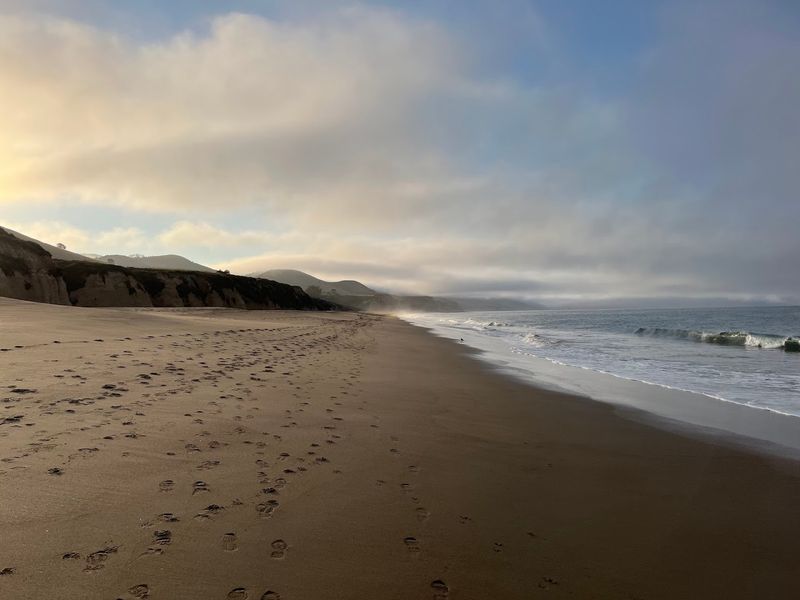
Remote, windswept, and genuinely wild, Limantour Beach sits inside Point Reyes National Seashore north of San Francisco and feels like a completely different California than the crowded Southern California coastline.
The drive through the park to reach it is part of the experience, winding through rolling hills and coastal scrub before the beach opens up wide and flat in front of visitors.
Sand dollars, shells, driftwood, and storm-tossed finds collect along the shoreline here in a way that reflects the beach’s exposure to the full force of Pacific swells.
After winter storms especially, the tideline can be surprisingly rich with interesting debris and natural finds.
The beach stretches for miles and the dunes behind it add a sense of scale that makes the whole place feel genuinely expansive.
Point Reyes National Seashore has no entry fee, though parking at the Limantour trailhead is limited and can fill up on weekends. Layers are essential since the wind off the water here is no joke even in summer.
Wildlife sightings including harbor seals and shorebirds are common along this stretch, which adds another layer of reward to any visit.