These 11 California Birdwatching Spots Feel Like Hidden Front-Row Seats To Nature
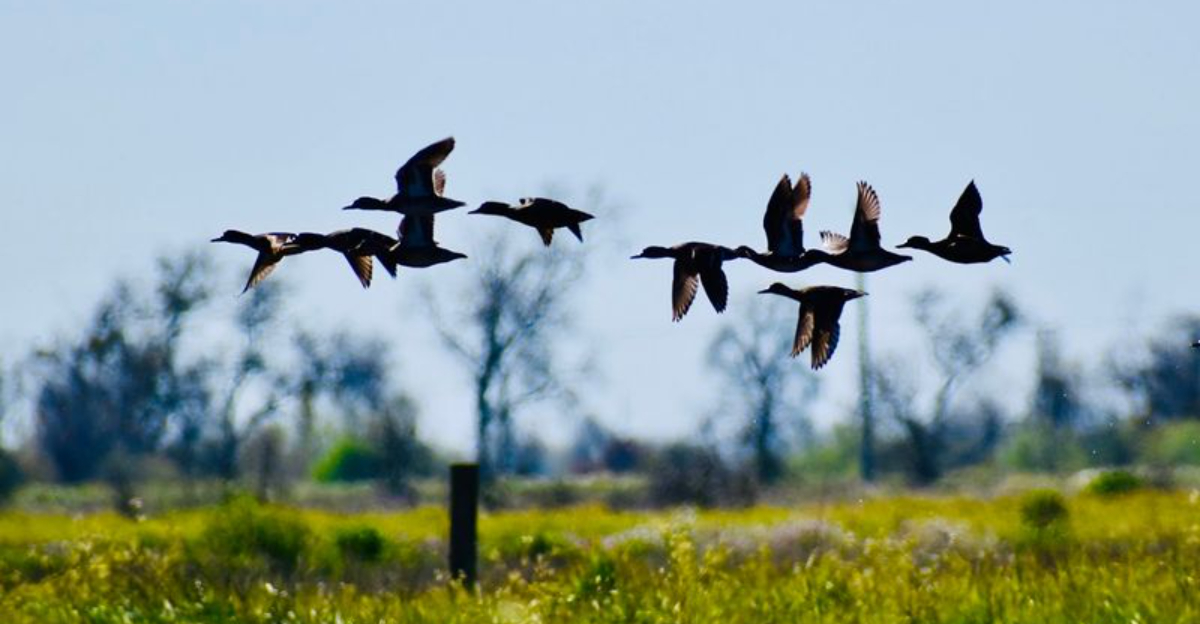
Birdwatching sounds calm until the first big moment happens.
A wingbeat cuts across the water. A flash of color moves through the trees. Everyone suddenly lowers their voice like the birds signed a lease and humans are the guests.
California knows how to make birdwatching feel like you got the good seats. One quiet stop can turn into the whole show.
You show up expecting a simple walk. Then the whole place starts rewarding your attention.
A shoreline turns dramatic. A trail that seemed ordinary five minutes ago becomes the best seat in the house.
That is the real pull of birdwatching.
You do not need to know every species name to enjoy it. You just need patience and the ability to get excited over something landing nearby.
1. Elkhorn Slough, Moss Landing
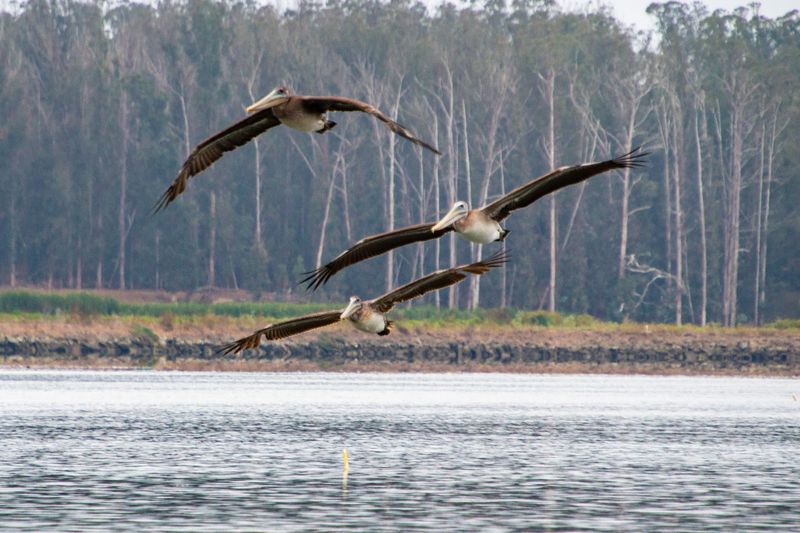
Few places on the Central Coast reward slow movement the way Elkhorn Slough does, where tidal mudflats stretch out like a living map of everything that flies, wades, and dives.
Recognized as one of the top birding destinations in the United States, the slough spans over 1,400 acres of protected wetland habitat near Moss Landing.
Five miles of trails wind through salt marsh and upland areas where more than 340 bird species have been recorded over time.
Shorebirds pick through the mud at low tide while pelicans glide just overhead in their prehistoric, unhurried way.
Great blue herons stand statue-still in the shallows, and seasonal migrants pass through in impressive numbers during spring and fall.
Kayaking the slough channels puts visitors at water level, which can feel almost surreal when a great egret lifts off just a few feet away.
The Elkhorn Slough National Estuarine Research Reserve visitor center provides trail maps and current sighting information that can help plan a visit around tidal timing.
Weekday mornings tend to be quieter and often produce better wildlife encounters than busy weekend afternoons.
Layers are recommended since coastal fog can linger well past midmorning even on sunny days.
2. Humboldt Bay National Wildlife Refuge, Loleta
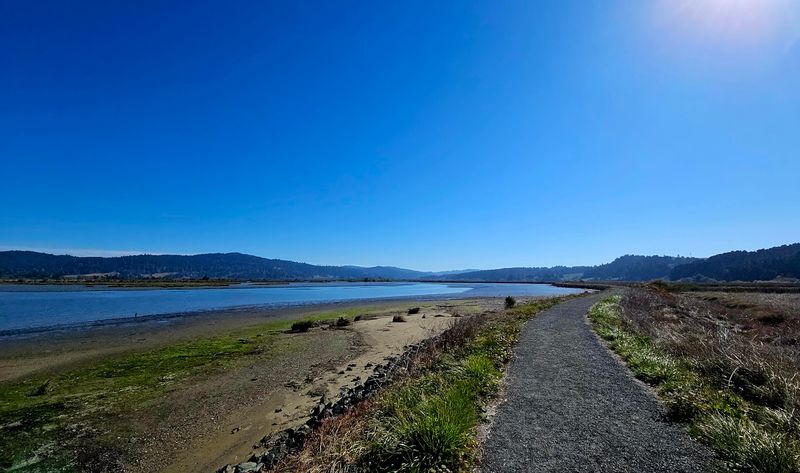
There is a particular kind of quiet that settles over Humboldt Bay on a foggy morning, and it feels less like silence and more like the whole marsh is holding its breath.
Located near Loleta on California’s North Coast, the Humboldt Bay National Wildlife Refuge protects critical habitat along the Pacific Flyway, which is the major migration corridor stretching from Alaska to South America.
Thousands of shorebirds, waterfowl, and raptors move through or overwinter here each year.
The refuge is especially well known for supporting large concentrations of Aleutian Cackling Geese during their spring migration stopovers.
Viewing platforms and loop trails along tidal sloughs give visitors close-up angles on feeding shorebirds without requiring long hikes or specialized gear.
Raptors including peregrine falcons and northern harriers hunt the open marsh edges, adding bursts of action to an otherwise meditative scene.
Comfortable waterproof footwear makes a real difference here since trail conditions can get muddy after rain.
Visiting during an outgoing tide tends to concentrate shorebirds on exposed mudflats where they are much easier to observe and identify.
The North Coast light, even when overcast, has a soft quality that makes colors pop in binoculars in a way that feels almost cinematic.
3. Yolo Bypass Wildlife Area, Davis
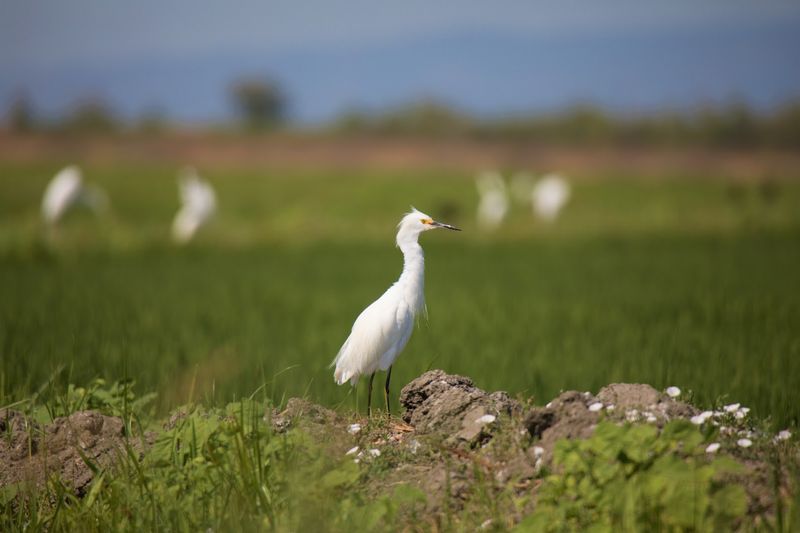
When winter rains flood the Yolo Bypass, something remarkable happens to the flat Sacramento Valley landscape just west of Davis.
The fields transform into a shallow inland sea that mirrors the sky and draws enormous concentrations of waterfowl, shorebirds, and wading birds in numbers that can genuinely take your breath away.
Managed flooding is part of how the wildlife area operates, creating habitat that functions as a critical stopover and wintering ground on the Pacific Flyway.
Sandhill cranes, snow geese, white-fronted geese, and dozens of duck species pack the wetlands from late fall through early spring.
Tundra swans sometimes appear in impressive numbers, their white forms drifting across flooded fields like slow-moving clouds.
At dusk, massive murmuration-style bat flights emerge from beneath the Yolo Causeway nearby, adding a different kind of wildlife spectacle to the experience.
Auto-tour routes allow visitors to observe birds from their vehicles, which can actually produce closer encounters since birds tend to be less disturbed by cars than by people on foot.
The area sits just minutes from downtown Davis, making it a surprisingly accessible escape for anyone in the Sacramento region.
Bringing a spotting scope dramatically improves the experience when large numbers of birds are spread across open water.
4. San Luis National Wildlife Refuge, Los Banos
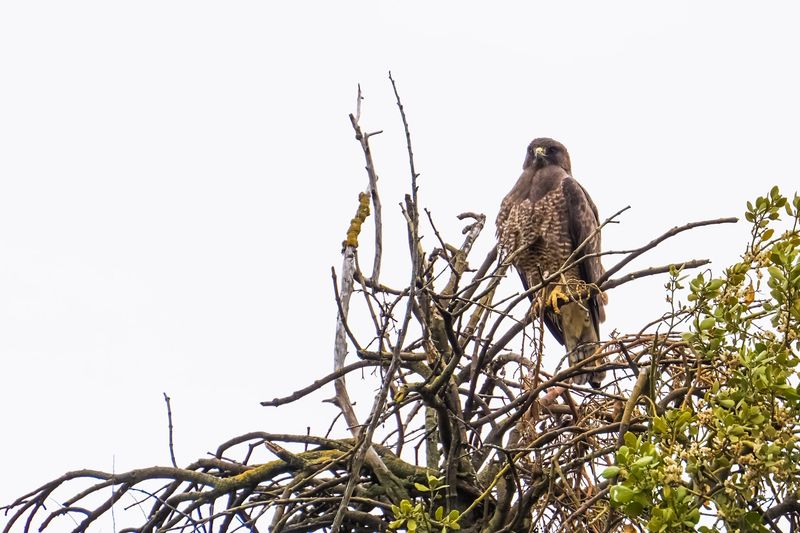
Covering more than 26,000 acres in the heart of the San Joaquin Valley, the San Luis National Wildlife Refuge near Los Banos is one of the most productive birding destinations in all of California.
Wetlands, seasonal marshes, riparian forest, vernal pools, and native grasslands come together here to support an extraordinary range of species across every season.
The refuge complex actually includes several units spread across the Central Valley, each offering slightly different habitat types and bird communities.
Wintering waterfowl arrive in staggering numbers from October through February, with tundra swans, Ross’s geese, and pintails among the most striking species present during peak months.
An auto-tour route winds through wetland habitat and allows close viewing of peregrine falcons, white-tailed kites, and various shorebirds without requiring visitors to leave their vehicles.
Vernal pools on the Kesterson Unit support rare and localized shorebird species during spring migration that can be difficult to find elsewhere.
Trail options range from short accessible loops to longer routes through riparian corridors where songbirds and raptors concentrate during migration.
Mornings are generally the most active time for bird activity across the refuge.
Checking the refuge website before visiting can provide updated information on water levels and current species sightings that help focus a trip.
5. Stone Lakes National Wildlife Refuge, Elk Grove
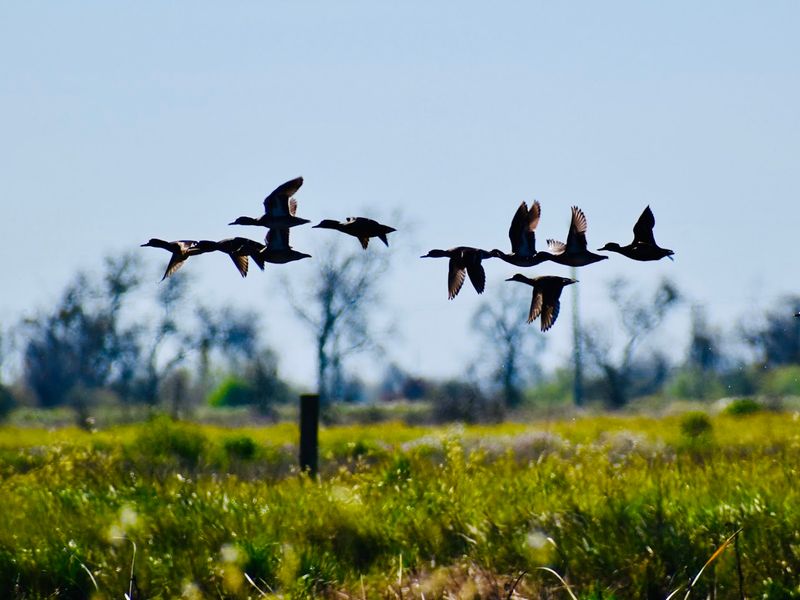
Sitting just off Interstate 5 near Elk Grove, Stone Lakes National Wildlife Refuge might be the most underestimated birding spot in the Sacramento region.
The proximity to the freeway and suburban sprawl makes the wildness inside genuinely surprising, and the contrast between the outside world and the refuge interior is something visitors tend to notice immediately.
Protected as a key segment of the Pacific Flyway, the refuge pulls in migrating birds traveling between distant northern breeding grounds and southern wintering areas.
Shallow lakes, seasonal wetlands, riparian corridors, and native grasslands support a wide variety of species throughout the year.
Shorebirds concentrate on exposed mudflats during migration while raptors like white-tailed kites and red-tailed hawks hunt the grassland edges year-round.
Great horned owls are resident and can sometimes be spotted roosting in riparian trees along the levee trails during morning walks.
Public access at Stone Lakes is managed carefully to minimize disturbance to sensitive habitats, so checking the refuge schedule before visiting is a smart first step.
Guided public tours are offered periodically and can provide access to areas not regularly open to self-guided visitors.
The levee trail system offers flat and easy walking that works well for visitors of all fitness levels.
6. Colusa National Wildlife Refuge, Colusa
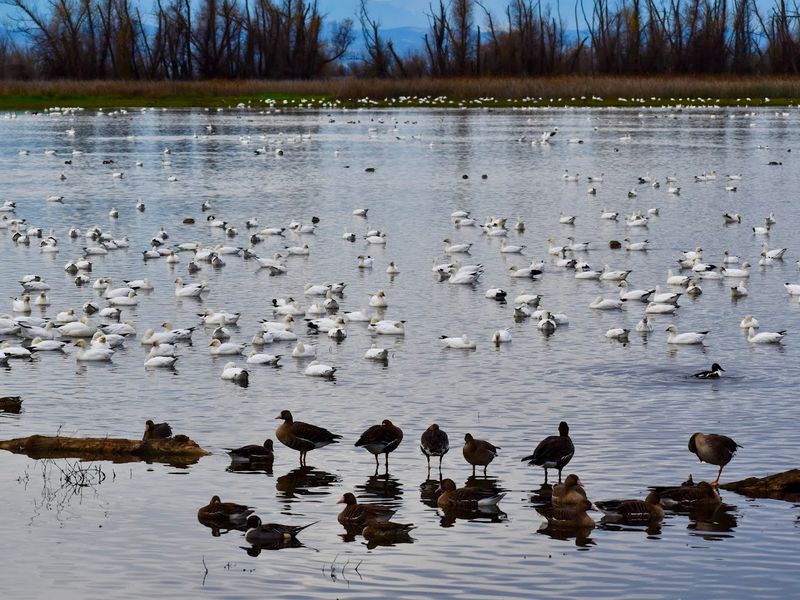
Come November, the Colusa National Wildlife Refuge turns into one of the most visually overwhelming birding experiences in California, where geese and ducks arrive by the tens of thousands.
Located in Colusa along the Sacramento River corridor, the refuge sits squarely within the Pacific Flyway and functions as a critical wintering ground for waterfowl migrating south from Canadian and Alaskan breeding areas.
The scale of the bird concentrations here can feel almost hard to process at first.
Viewing platforms positioned along the auto-tour route allow visitors to observe birds at genuinely close range without creating disturbance.
Greater white-fronted geese, cackling geese, northern pintails, and teal are among the most commonly seen species during peak winter months.
Tundra swans occasionally appear in the mix, their larger size making them easy to pick out from a distance.
The refuge is compact enough that a single morning visit can cover the main viewing areas thoroughly.
Arriving early in the morning often coincides with dramatic flight activity as large flocks lift off from roosting areas to feed in nearby agricultural fields.
Binoculars work well here, but a spotting scope can add a lot when birds are spread across wider water areas away from the viewing platforms.
7. Morro Bay Estuary, Morro Bay
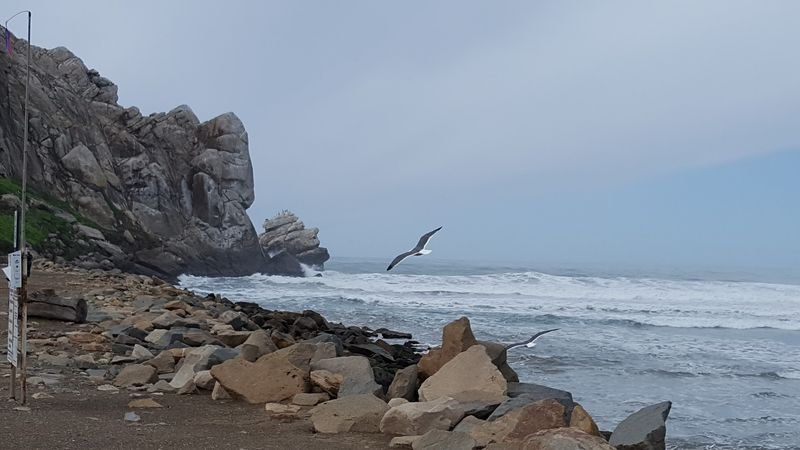
Morro Rock rises 576 feet out of the Pacific like a punctuation mark at the end of California’s Central Coast, and the estuary spreading out at its base is one of the most bird-rich coastal habitats in the state.
The Morro Bay Estuary supports a remarkable diversity of shorebirds, wading birds, and seabirds throughout the year, with species composition shifting noticeably between seasons.
Peregrine falcons nest on Morro Rock itself and can sometimes be seen hunting over the estuary below.
Brown pelicans cruise low over the water in formation while marbled godwits, willets, and dowitchers probe the tidal mudflats with focused efficiency.
Heermann’s gulls and elegant terns add visual drama during their post-breeding dispersal from Mexican colonies in late summer and fall.
The estuary’s calm, protected waters also attract diving ducks and grebes during winter months.
The Morro Bay Winter Bird Festival, held annually in January, draws birders from across the region and offers guided tours, presentations, and boat trips that can enhance the experience considerably for newcomers.
Walking the waterfront near the embarcadero provides easy access to estuary views without requiring any special preparation.
Early morning visits during low tide consistently produce the best shorebird activity along the exposed mudflat edges.
8. Point Reyes National Seashore, Marin County
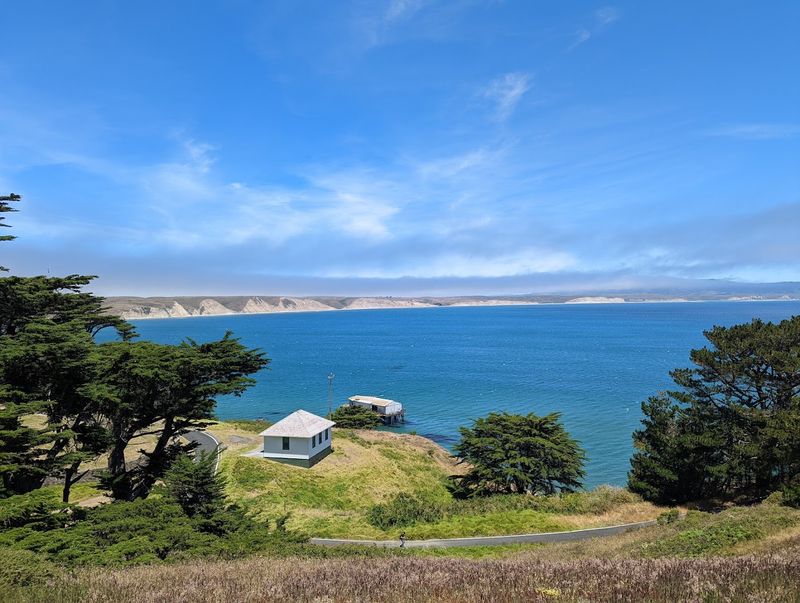
Point Reyes has a way of feeling remote even though it sits less than an hour from San Francisco, and that combination of accessibility and genuine wildness is a big part of what makes it so compelling for birders.
The Point Reyes Peninsula juts into the Pacific in a way that funnels migrating birds through its headlands and valleys, creating concentration points that can produce extraordinary diversity during spring and fall migration.
The official bird checklist for the seashore exceeds 490 species, which is an almost staggering number for a single location.
Rare Asian vagrants occasionally appear at Point Reyes in fall, drawing serious listers from around the country to spots like the visitor center gardens and Drakes Beach parking areas.
Tule elk roam the Tomales Point area while nearby coastal scrub holds breeding songbirds including wrentits and orange-crowned warblers.
The lighthouse area at the tip of the peninsula is a prime spot for seabird observation during winter storms when murres, auklets, and storm-petrels move through offshore.
Trails range from easy boardwalk loops to multi-mile coastal hikes, giving visitors flexibility depending on energy levels and time available.
Fog and wind are constant factors at Point Reyes, so layered clothing and wind protection make a real difference in comfort. Weekday visits generally mean fewer people on the most popular trails.
9. San Joaquin Wildlife Sanctuary, Irvine
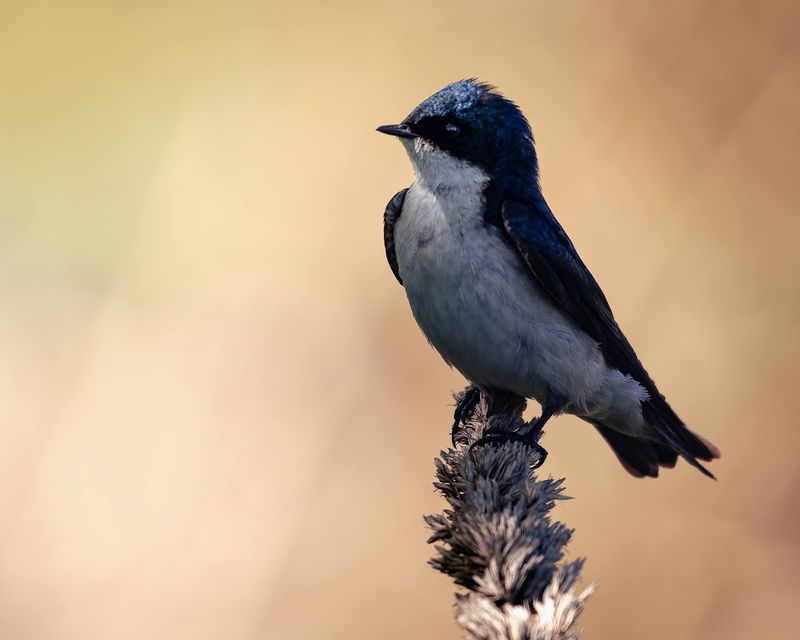
Between office parks and suburban development in Irvine, the San Joaquin Wildlife Sanctuary manages to feel like a genuine escape despite being completely surrounded by the city.
Managed by the Sea and Sage Audubon Society, the sanctuary protects a series of freshwater ponds, riparian corridors, and upland scrub habitat that collectively support more than 200 recorded bird species throughout the year.
The contrast between the urban surroundings and the wildlife activity inside is something that tends to catch first-time visitors off guard in the best possible way.
Trails are flat and well-maintained, looping around ponds where black-necked stilts, avocets, and various duck species can be observed at comfortable distances.
Least Bell’s vireo, a federally endangered subspecies, has been documented breeding in riparian habitat within the sanctuary.
Migrating warblers, flycatchers, and sparrows move through during spring and fall, and patient observers can rack up impressive species counts in a single morning.
A small nature center near the main entrance provides educational displays and current sighting information.
Parking is available and access is free, which makes the sanctuary an easy add-on to any Orange County itinerary.
Early morning on weekdays tends to be the quietest and most productive time for observing birds without much foot traffic on the trails.
10. Big Morongo Canyon Preserve, Morongo Valley
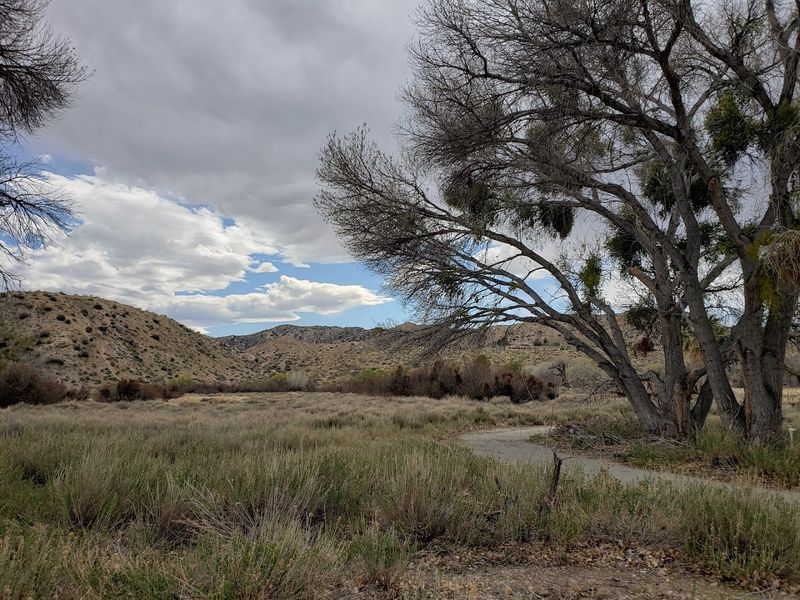
Arriving at Big Morongo Canyon Preserve from the surrounding Mojave Desert feels like stepping through a door into a completely different world.
The preserve protects one of the largest cottonwood and willow riparian habitats in Southern California, fed by a reliable year-round water source that makes it a magnet for birds in an otherwise arid landscape.
Located in Morongo Valley near the greater Palm Springs area, the preserve sits at the convergence of the Mojave Desert and the Colorado Desert, which helps explain its unusually high species diversity.
More than 250 bird species have been recorded at Big Morongo, with particularly strong showings during spring migration when the canyon fills with warblers, tanagers, orioles, and flycatchers moving through in waves.
Hummingbirds are a consistent highlight, with multiple species visiting flowering plants along the boardwalk trails.
The sound of running water and birdsong in a desert canyon setting creates a sensory experience that feels genuinely surprising given the surrounding landscape.
Wooden boardwalks wind through the marshy lower canyon, keeping visitors close to the most active habitat without disturbing it.
The preserve opens at sunrise, which is the best time to catch peak bird activity before the desert heat builds.
Mornings in spring can feel almost overwhelmingly lively here, with birds moving constantly through the canopy overhead.
11. Sonny Bono Salton Sea National Wildlife Refuge, Imperial County
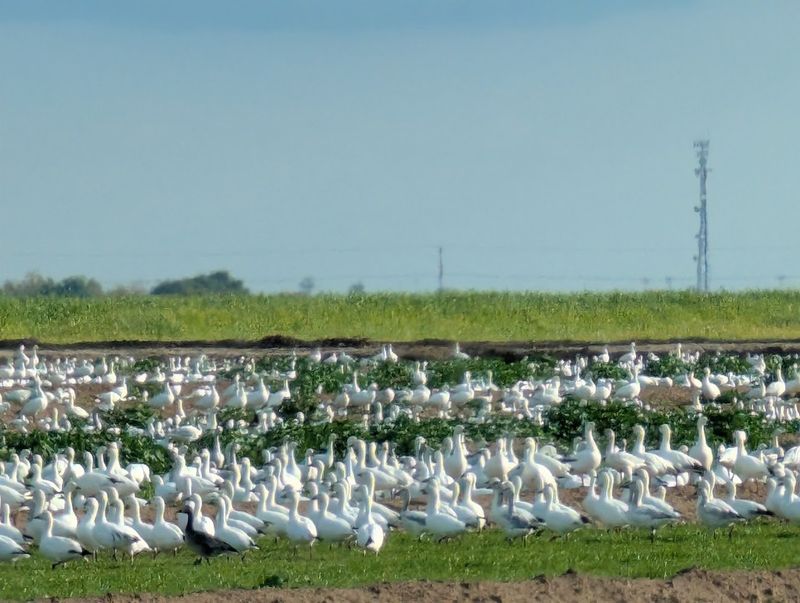
Standing at the edge of the Salton Sea on a calm winter morning, with thousands of white pelicans drifting across the water, it becomes clear why serious birders make the long drive to Imperial County.
The Sonny Bono Salton Sea National Wildlife Refuge protects critical habitat along the southern end of the sea, which sits in a desert basin below sea level and functions as a major stopover and wintering site on the Pacific Flyway.
The scale of bird numbers here can be genuinely disorienting in the best way.
Yuma clapper rails, now called ridgway’s rails, find refuge in the tule marshes along the shoreline.
Burrowing owls are frequently spotted near the refuge entrance road, and migrating shorebirds concentrate on exposed mudflats during drawdown periods.
The open desert sky and flat horizon give the whole experience a dramatic, wide-open quality unlike any other birding spot in California.
Visitor facilities at the refuge include a small contact station and walking trails near the main unit off Sinclair Road in Calipatria.
Temperatures in summer can be extreme, so fall through early spring represents the most comfortable and productive window for visiting. Bringing water and sun protection is essential regardless of the season.