These California Communities Keep Basque Heritage Alive With Huge Feasts, Festivals, And Old Traditions
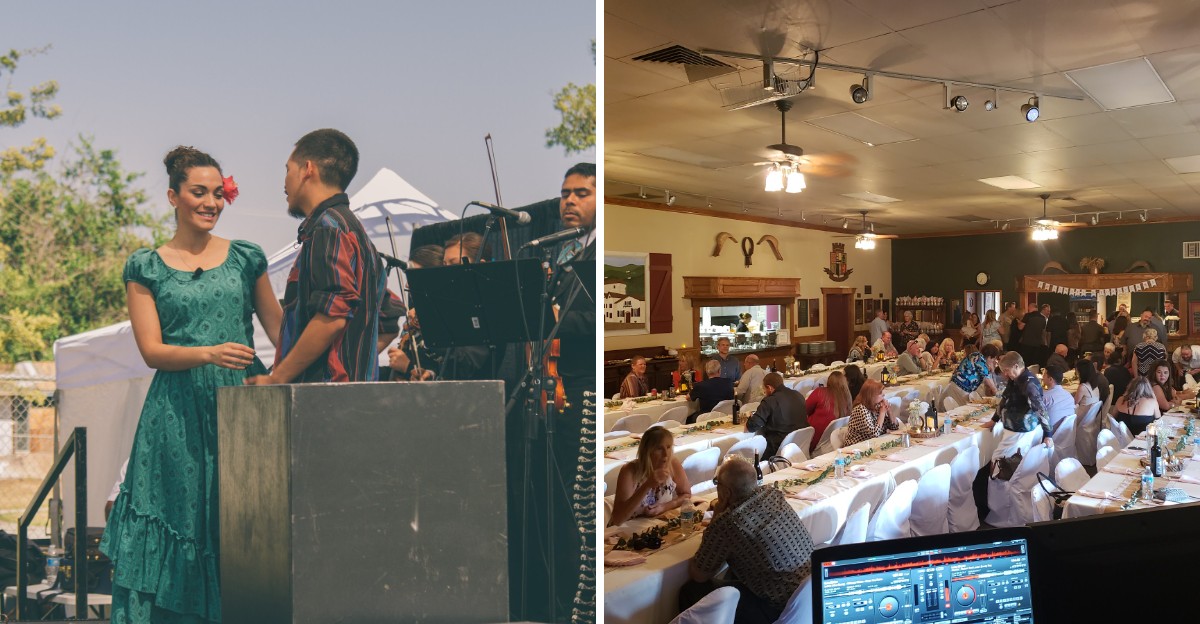
Some traditions survive quietly at home. Others fill banquet tables, bring crowds together, and give an entire community an excuse to celebrate well into the evening.
Basque heritage has deep roots in parts of the state, and food remains one of its most delicious calling cards.
Long communal meals share the spotlight with festivals, dancing, music, and customs passed down through generations.
A crowded table may be one of the liveliest places to discover California’s Basque roots.
That sense of togetherness is what makes the culture so interesting to experience.
Many traditions were carried here by immigrants and their descendants, then kept alive through gatherings where younger generations could participate rather than simply hear stories.
1. Bakersfield: The Capital Of Basque Dining
Few places in the country can match the number of Basque restaurants packed into one city.
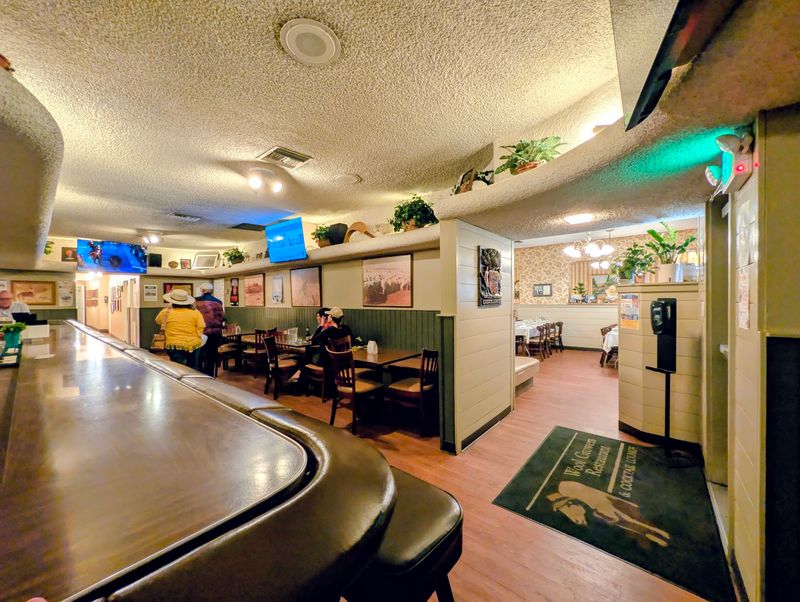
Wool Growers Restaurant has been serving family-style meals for decades. The dining room sits at 620 E 19th St, Bakersfield, CA 93305, close to the older east side of town.
Meals at Basque spots here usually arrive in waves of shared dishes. Soup, salad, beans, and bread often come out first, and main plates follow at a steady pace. Portions can be large, so arriving hungry is smart.
Pyrenees Café, Chalet Basque, and Benji’s French Basque Restaurant round out a strong local lineup. Each has a different feel, from cozy older rooms to brighter spaces with more modern touches.
Visiting more than one restaurant on a weekend trip can show how each family-run kitchen puts its own spin on tradition.
Food is only half the story in Bakersfield. The Kern County Basque Club, founded in 1944, keeps dancing, pilota, and yearly festivals going strong.
Its annual festival usually brings music, sports, and big shared meals that draw families from all over the region.
Planning tips can make a visit smoother. Weekend evenings may get busy at popular restaurants, so an early dinner might mean a calmer room.
Festival dates change each year, so checking the club website before booking a trip is a good idea.
Pacing matters at these tables. Courses come one after another, and slowing down helps the meal feel relaxed instead of rushed.
2. South San Francisco: A Cultural Center With Its Own Court
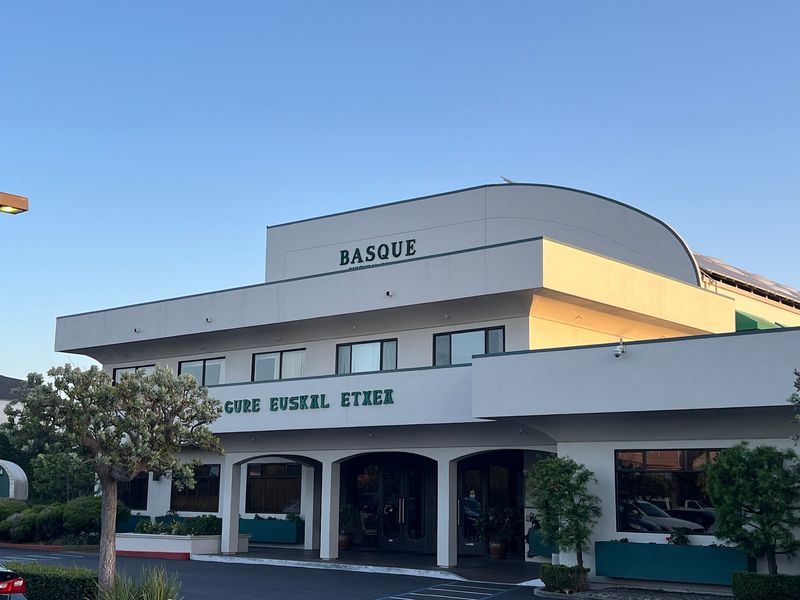
A 118-foot indoor court for Basque pilota is not something most towns can claim.
The Basque Cultural Center anchors the Bay Area community and hosts a wide range of events.
Its building stands at 599 Railroad Avenue, South San Francisco, CA 94080, a short drive from San Francisco proper.
Membership tops 600 people, and the calendar stays full. Two major festivals usually take place each year, and smaller events fill the months in between.
Dinners, dance performances, music, and film screenings all happen under one roof.
The court, called a kantxa, gets real use. Members play several styles of pilota, and youth programs help kids learn the game.
Watching a match up close can be loud and exciting, with the ball smacking the wall at high speed.
A restaurant inside the center is open to the public. That means visitors do not need to wait for a festival to try Basque cooking here.
The dining room offers a chance to sit down, slow the day, and enjoy a hearty meal in a space tied closely to the culture.
Visitors who want to see dancing or a big celebration should check the events page ahead of time. Schedules can shift from year to year, and some events may sell out.
Families with kids may enjoy the festival days most. Music, food, and sports happen all at once, giving everyone something to watch.
3. Chino: Southern California Roots That Run Deep
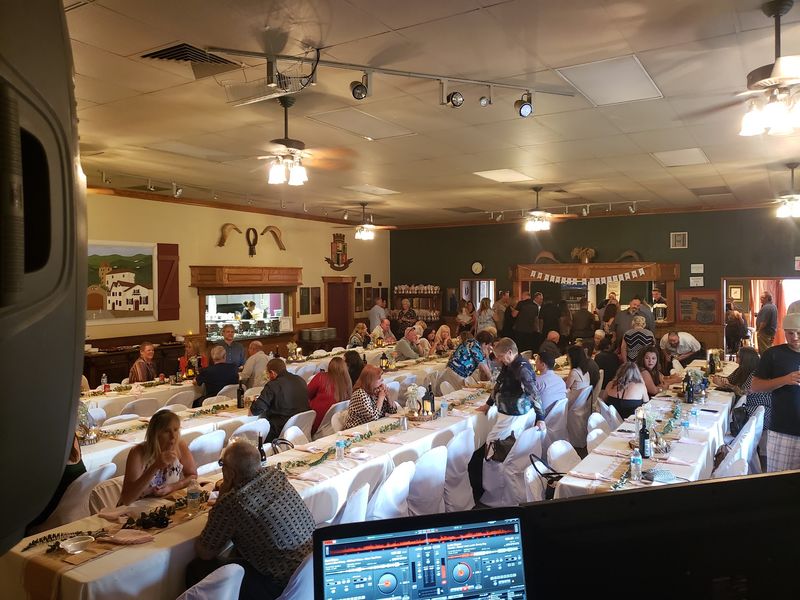
Out among the open spaces of the Inland Empire, a Basque community has stayed tightly knit for decades.
The Chino Basque Club formed in the late 1960s with a clear goal of preserving Basque culture. Members have kept that mission alive through gatherings that mix food, sports, dance, and language.
Teaching is a big part of the club’s focus. Programs have included Basque sports, folk dancing, and lessons in Euskara, the Basque language.
Euskara is not related to Spanish or French, and experts still debate where it came from.
That fun fact makes the language lessons extra special. Kids who learn a few words are keeping alive one of the oldest languages in Europe.
Parents often say the dance practices help children feel proud of where their families came from.
Celebrations in Chino tend to feel like big family parties. Shared meals, music, and friendly competition bring generations together at the same tables.
Planning a visit means watching for public events. The club website and local Basque groups often post dates for festivals and picnics.
Some activities are for members only, so it helps to check which events welcome the general public.
Southern California sun can be strong during outdoor gatherings. Bringing water, a hat, and comfortable shoes can make a long festival day much more pleasant.
4. San Francisco: Basque Life Since The Gold Rush
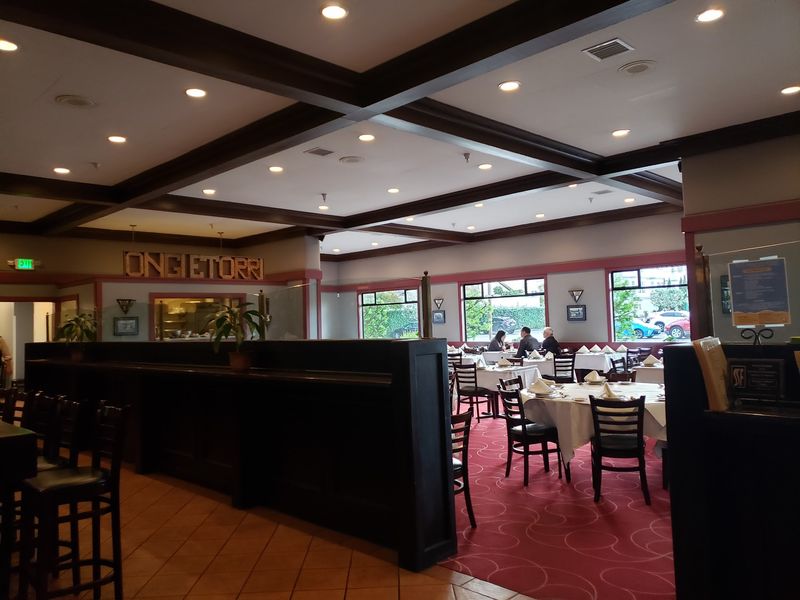
Gold Rush fever pulled people from all over the world, and Basque newcomers were part of that wave.
Basque history in San Francisco stretches back to those wild mid-1800s years.
By the 20th century, North Beach had Basque boarding houses where workers could rent a room and share big communal meals.
Those boarding houses were more than places to sleep. They served as social hubs where people played music, spoke their own language, and organized pilota games.
For many new arrivals, the boarding house was a home away from home.
The original boarding houses are mostly gone today. Even so, the spirit lives on through the San Francisco Basque Club.
The club sponsors dance groups, pilota, and klika, a type of Basque marching band with drums and flutes.
Many of the club’s events take place at the Basque Cultural Center in South San Francisco. That shared space shows how closely connected the Bay Area community remains.
Walking through North Beach can add history to a trip. The neighborhood is hilly, so comfortable shoes help.
Taking time to notice older buildings can spark ideas about what life looked like for those early Basque families.
History buffs may enjoy reading about the boarding house era before visiting. Knowing the background makes the streets feel more meaningful.
5. Fresno: Another Strong Central Valley Branch
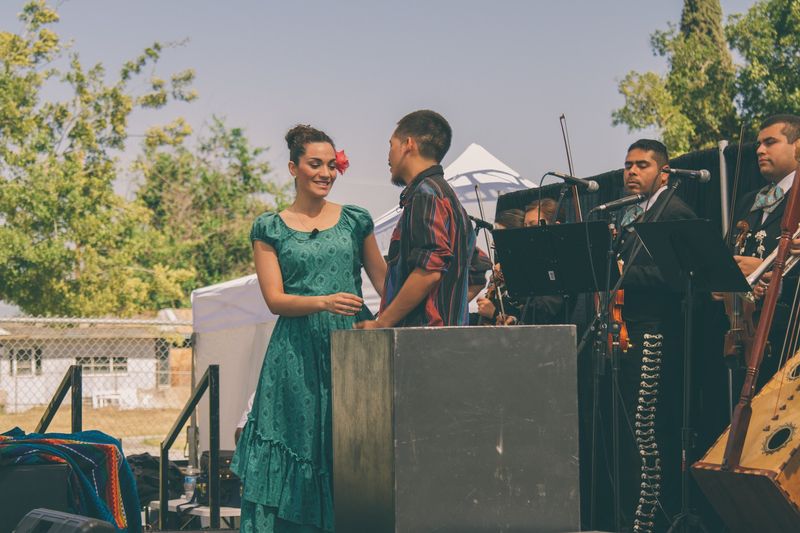
Bakersfield gets plenty of attention, but the Basque story in the valley reaches much farther north.
The Fresno Basque Club represents another branch of the Central Valley’s long Basque history. Members work to support the social and cultural life of people with Basque roots in the area.
The club’s annual festival is a major draw. It usually features traditional food, dance performances, and pilota matches.
Events like this are often open to the public, which makes them a friendly entry point for curious visitors.
Festivals here have been held on farm property outside the city in recent years. That setting can mean wide open space, dusty paths, and plenty of room for families to spread out.
Fresno also makes a handy base for exploring. The city sits near Sequoia, Kings Canyon, and Yosemite national parks.
A festival weekend could easily pair with a day of hiking or sightseeing.
Many Basque families in Fresno descend from sheepherders and ranchers. Over time, they built businesses, raised families, and formed the club to keep their customs going.
That background helps explain why food and gatherings matter so much.
Event dates and locations can change from year to year. Checking the club’s website or social pages before traveling is the best way to avoid surprises and confirm ticket details.
6. Penngrove And Sonoma County: North Bay Gatherings
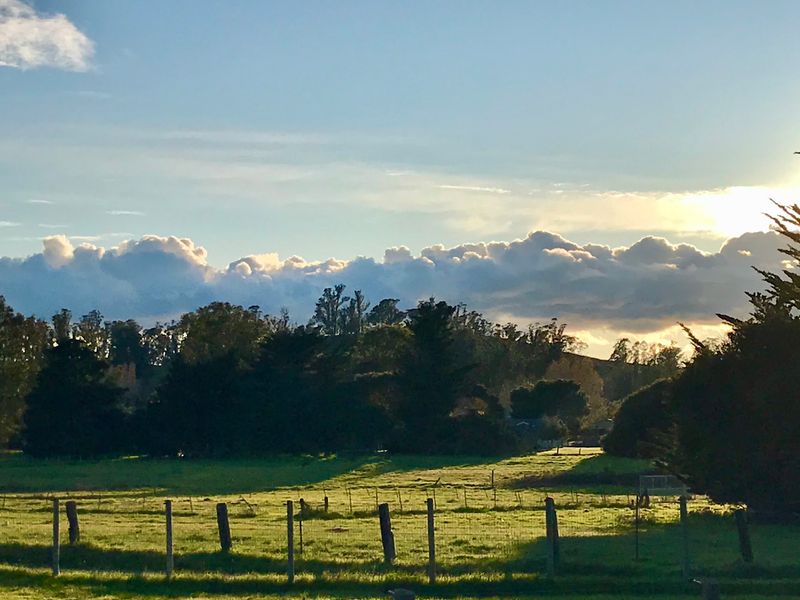
Rolling hills and oak trees create a peaceful backdrop for one of the Bay Area’s favorite Basque traditions.
Sonoma County is home to the Marin-Sonoma Basque Association. The group represents Basque families living in the North Bay and helps them stay connected.
Penngrove, a small town near Petaluma, has hosted the annual San Francisco Basque Club picnic.
The event has included a Basque Mass, choir performances, klika music, and dance groups. A barbecued lamb lunch with traditional sides has also been part of the day.
Small-town settings change the feel of a festival. Crowds may feel more relaxed, kids can run around on grass, and the sound of music carries across the open park.
The North Bay is also known for farms, open space, and pretty country roads.
Visitors might pair the picnic with a stop at a nearby farm stand or a walk in a regional park. Traffic on summer weekends can be heavy, so leaving early helps.
The picnic location has changed over the years, and it might move again. Confirming the venue each year through the San Francisco Basque Club is important.
Families with Basque roots often treat the picnic like a yearly reunion. Newcomers are usually welcomed warmly, especially those who show interest in the dances and music.
7. Rocklin: A Sacramento-Area Besta
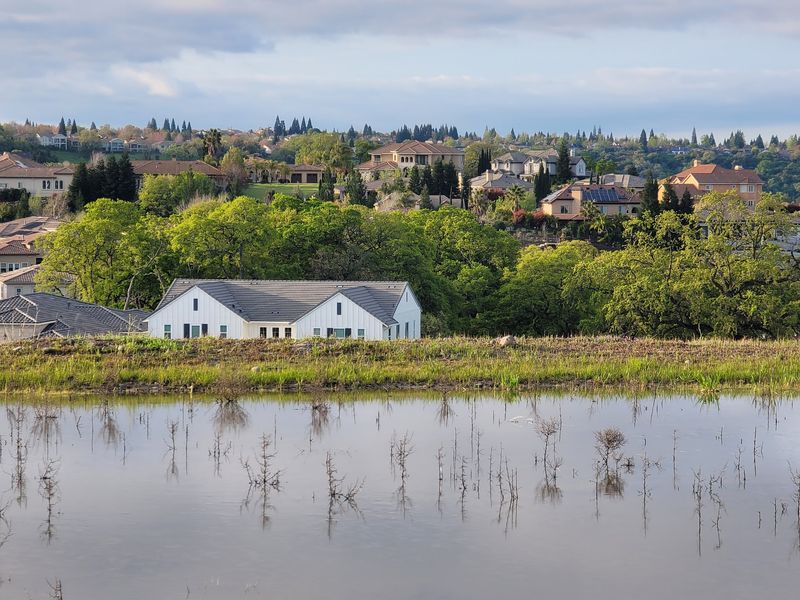
Strong arms, loud cheers, and heavy weights make the Basque strength contests hard to forget.
The Iparreko Ibarra Basque Club serves the Sacramento region from its home base in Rocklin. Its name roughly points to a northern valley, which fits its spot in Northern California.
The club’s yearly celebration is called a Besta, the Basque word for a festival.
Recent Bestas have included mus tournaments, lunch, singing performances, klika music, and dancing. Traditional weight-carrying contests have also been part of the fun.
Mus is a Basque card game played in pairs. Partners use secret signals with their faces to share information about their cards.
Watching a match can be funny, since players try to hide winks and eyebrow raises from the other team.
Dance practices are another big part of club life. Kids and teens often rehearse for months before the Besta, learning steps that have been passed down for generations.
The Besta has been held at a hall in nearby Lincoln in recent years. Indoor venues can offer shade and comfort, which helps in the warm valley climate.
Dates and locations may change, so checking the club’s website ahead of time is the safest plan. Arriving early can mean better seating for the dance performances.
8. Ontario: Home Of The Southern California Basque Club
Sweet pastry filled with cream or cherry jam has a way of turning a festival into a delicious contest.
The Southern California Basque Club calls Ontario home. It is one of the oldest Basque clubs in the region and has supported Basque families for generations.
The club’s annual festival is a big event on the regional calendar. Recent festivals have been held at fairgrounds in nearby Chino.
Highlights have included a gateau basque competition, irrintzi contests, raffles, and vendor booths.
Gateau basque is a traditional cake from the Basque Country. It usually has a buttery crust and a filling of pastry cream or black cherry jam.
Bakers take pride in their family recipes, which makes the competition fun to follow.
The irrintzi contest might be the loudest part of the day. An irrintzi is a high, piercing cry once used by shepherds to call across mountain valleys.
Contestants try to make theirs the longest and most powerful.
Fairground festivals often mean lots of walking on pavement and grass. Comfortable shoes, sunscreen, and a refillable water bottle can make the day easier.
Shaded seating may fill up quickly during performances.
Festival details change each year. Checking the club’s website for dates, tickets, and meal options is the best way to plan ahead and avoid missing popular events.