These 9 California National Parks Are Free In 2026 – Here Are The Exact Dates
Few things feel better than stepping into wide-open landscapes knowing the only thing you need to bring is a sense of adventure.
Mountains, deserts, forests, and coastlines all wait behind park gates that usually come with an entrance fee – but on certain days each year, those gates swing open for everyone.
These special opportunities invite travelers to explore some of the country’s most breathtaking places without spending a dime, making outdoor escapes more accessible than ever.
In 2026, several meaningful dates on the calendar double as invitations to experience protected lands at their best.
These days honor national milestones while encouraging people to reconnect with nature, whether that means hiking through ancient trees, standing beneath towering cliffs, or watching the sun set over dramatic landscapes.
For families, road-trippers, and budget-minded explorers, timing a visit just right can turn a simple outing into a memorable adventure without added cost.
With a little planning, these fee-free days make it easier to experience places that often top travel wish lists.
It’s the perfect reminder that some of the most unforgettable experiences don’t require opening your wallet – just choosing the right day to go.
1. Channel Islands National Park
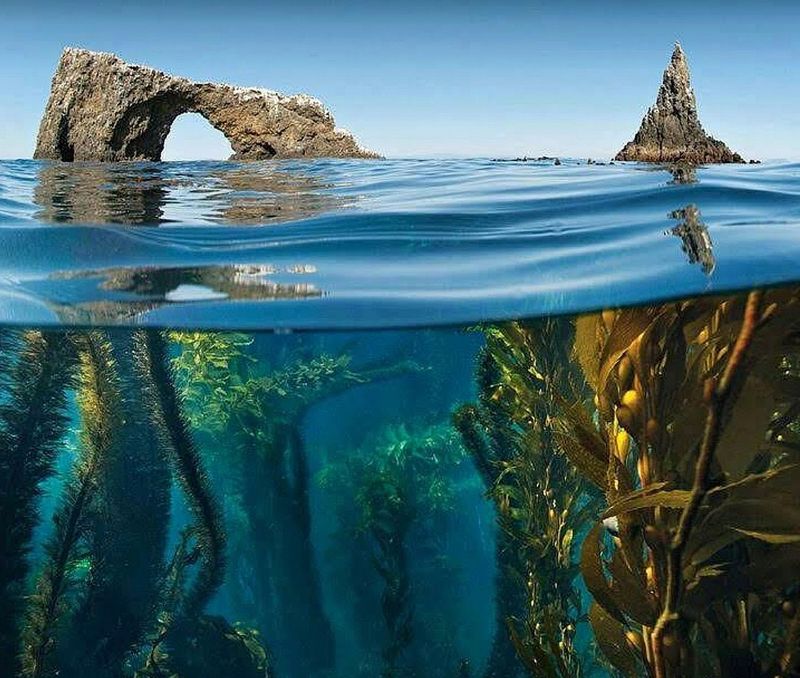
Five rugged islands off the Southern California coast make up this remarkable park, where marine life thrives and seabirds nest by the thousands.
Visitors reach the islands by boat or plane, and the journey itself becomes part of the adventure. The park protects more than 2,000 species of plants and animals, many of which are found nowhere else on Earth.
Kayaking through sea caves reveals hidden chambers where light dances across turquoise water, while hiking trails wind through coastal bluffs blanketed with wildflowers in the spring.
Snorkeling in dense kelp forests brings close encounters with bright orange garibaldi fish and playful sea lions gliding through the water.
One of the most appealing aspects of this national park is that it is free to visit year-round, though transportation costs still apply since boat and plane operators charge separate fees.
Weather conditions can affect travel schedules, making flexible planning important for a smooth visit. Because of its remote location, crowds remain limited, offering a rare sense of solitude.
A trip here feels less like a typical park visit and more like stepping into an untouched corner of the natural world.
2. Death Valley National Park

Extreme temperatures and otherworldly landscapes define this desert park, where summer heat regularly exceeds 120 degrees Fahrenheit and the environment feels unlike anywhere else.
Winter and spring offer the most comfortable visiting conditions, with mild days and cool nights, and the park is home to the lowest point in North America at Badwater Basin, which sits 282 feet below sea level.
Mesquite Flat Sand Dunes deliver classic desert scenery, with rippled golden sand stretching toward distant mountain ranges, while Artist’s Palette displays hillsides painted in vivid pinks, greens, purples, and golds created by mineral deposits.
Zabriskie Point is especially popular at sunrise, when light sweeps across the badlands and makes the terrain look like waves frozen in stone.
Free entrance days apply on February 16, May 25, June 14, July 3–5, August 25, September 17, October 27, and November 11 for U.S. citizens and residents.
Summer visits require careful planning, including carrying plenty of water and relying on air-conditioned vehicles to handle the extreme heat.
In wetter years, spring wildflower blooms briefly transform the desert floor, though their timing varies based on rainfall and seasonal conditions.
3. Joshua Tree National Park
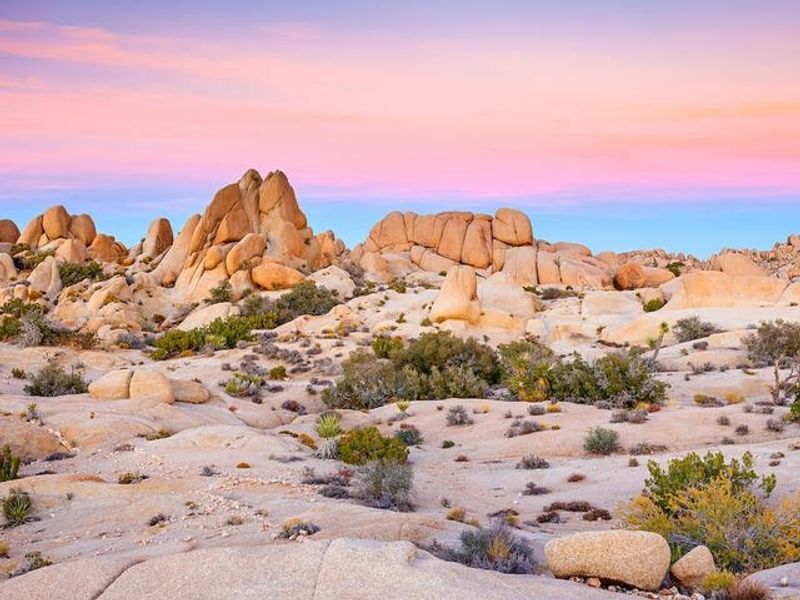
Two distinct desert ecosystems meet in this park, where the higher Mojave Desert blends seamlessly with the lower Colorado Desert to create a landscape unlike anywhere else in the country.
Twisted Joshua trees rise from the desert floor, forming surreal silhouettes against bright blue skies during the day and dramatic, star-filled darkness after sunset.
Massive rock formations dominate the terrain and attract climbers from around the world, with thousands of established routes spread across granite boulders, domes, and rugged cliff faces.
Cholla Cactus Garden showcases a dense concentration of teddy bear cholla that appear soft and fuzzy from a distance but reveal sharp, clinging spines up close.
Keys View offers sweeping panoramic vistas that can stretch all the way to Mexico on exceptionally clear days, while Hidden Valley Loop Trail winds through a natural rock amphitheater once used by cattle rustlers to hide their livestock.
The park waives entrance fees on February 16, May 25, June 14, July 3–5, August 25, September 17, October 27, and November 11 for U.S. citizens and residents.
Fall through spring brings the most comfortable temperatures for hiking and exploring, while summer heat often exceeds 100 degrees and requires careful planning.
Exceptional stargazing opportunities draw nighttime visitors, as minimal light pollution allows the Milky Way to shine brightly across the desert sky.
4. Lassen Volcanic National Park

Active geothermal features bubble and steam throughout this volcanic landscape in the Cascade Range, where the ground itself feels alive beneath your feet and the scent of sulfur lingers in the air.
Lassen Peak, the world’s largest plug dome volcano, last erupted between 1914 and 1917, leaving behind a dramatic environment shaped by both fire and ice.
Boardwalks guide visitors safely past boiling mudpots, steaming fumaroles, and hissing vents, offering close-up views of the park’s geothermal power without disturbing the fragile terrain.
Bumpass Hell stands out as the most impressive hydrothermal area, with vividly colored pools and vents spread across a stark, almost alien basin that feels frozen in time.
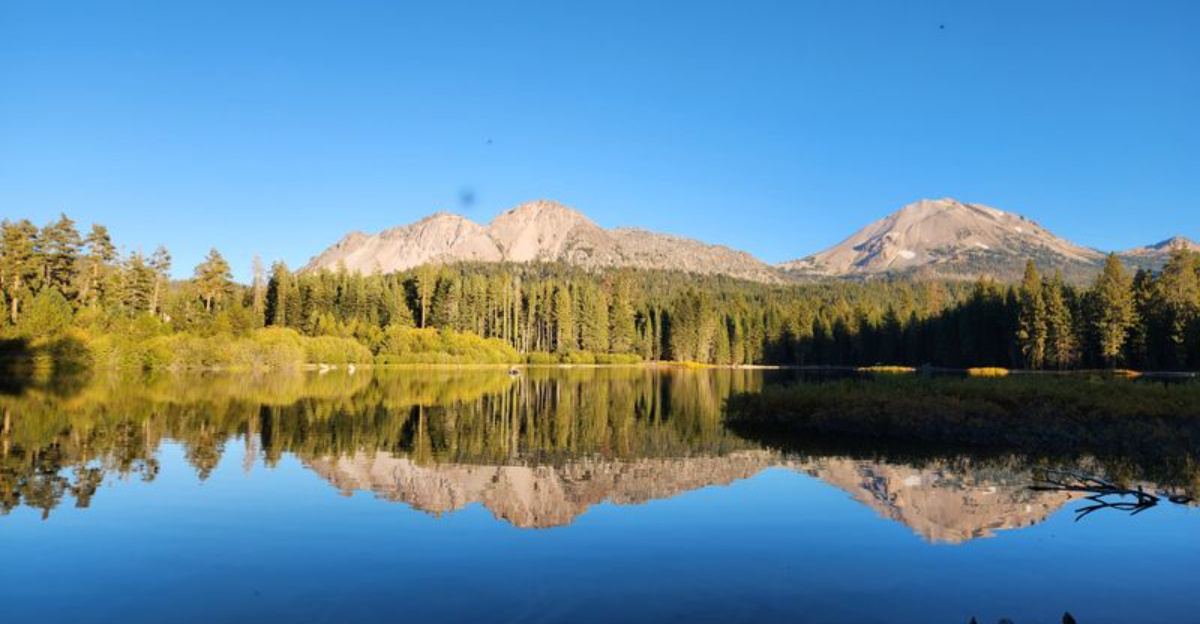
Manzanita Lake provides a calmer contrast, reflecting the volcanic peak on still mornings and offering easy walking paths that make the area accessible for families and casual explorers.
During summer, wildflower meadows burst into color with lupine, paintbrush, and mule’s ears once the heavy snow finally melts away.
Free entrance days occur on February 16, May 25, June 14, July 3–5, August 25, September 17, October 27, and November 11 for qualifying visitors.
Heavy snowfall typically closes the main park road from October through June, limiting winter access to snowshoeing and skiing.
Summer brings full road access, comfortable temperatures, and ideal conditions for hiking, camping, and exploring this constantly changing volcanic landscape.
5. Pinnacles National Park
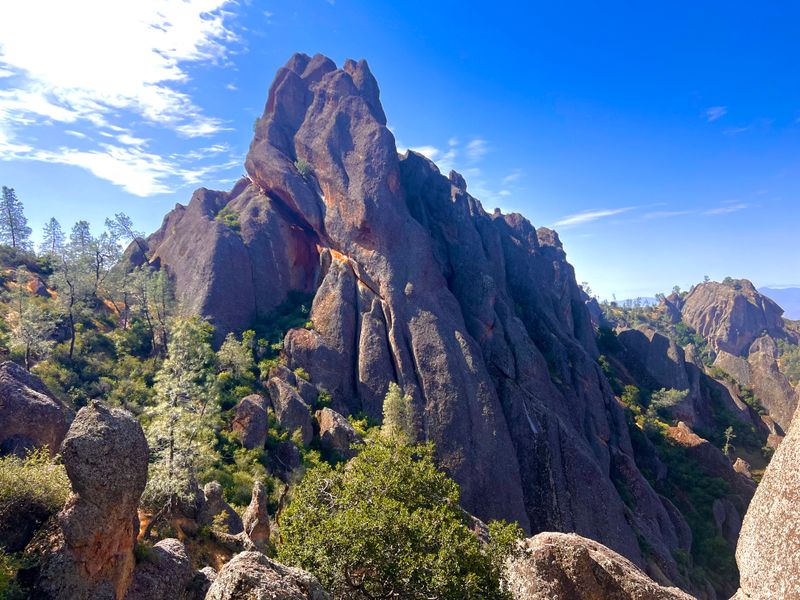
Ancient volcanic rocks form towering spires and narrow canyons in this rugged park east of the Central Coast, creating a landscape that feels dramatic and untamed.
Talus caves formed by fallen boulders provide cool, shadowy passages where hikers squeeze through narrow corridors with the help of flashlights.
The park also plays a vital role in wildlife conservation as a release site for California condors, and lucky visitors may spot these massive birds gliding silently overhead on wide wingspans.
Bear Gulch Cave offers seasonal exploration when open, closing at times to protect roosting bat populations. High Peaks Trail challenges hikers with steep climbs, handrails, and narrow ledges carved directly into the rock faces.
Spring transforms the hillsides with colorful wildflowers, while fall brings migrating raptors soaring on rising thermal currents above the spires.
The park participates in free entrance days on February 16, May 25, June 14, July 3–5, August 25, September 17, October 27, and November 11 for U.S. citizens and residents.
Summer temperatures can climb past 100 degrees, making spring and fall the most comfortable seasons for hiking.
With no roads connecting the east and west sides, visitors should plan carefully when choosing an entrance based on their intended activities and available amenities.
6. Redwood National And State Parks
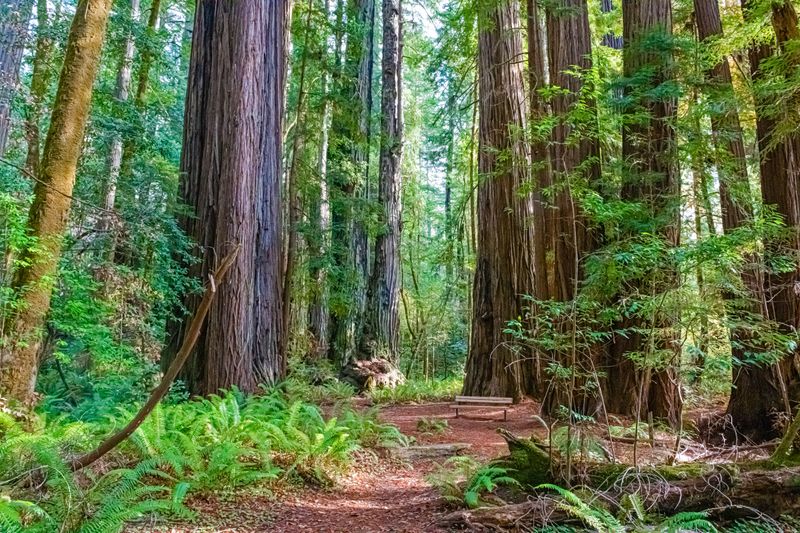
The world’s tallest trees tower above a lush forest floor in this collection of protected lands along the northern coast, creating a setting that feels both peaceful and awe-inspiring.
Coast redwoods can exceed 370 feet in height and live for more than 2,000 years, while fog drifting in from the Pacific Ocean delivers the moisture these ancient giants need to survive dry summer months.
Fern Canyon features steep walls draped in five-finger ferns, forming a prehistoric-looking passage that has served as a filming location for several movies.
Lady Bird Johnson Grove offers an easy loop trail through old-growth forest, complete with interpretive signs that explain the area’s ecology and history.
Elk Prairie frequently hosts Roosevelt elk grazing in open meadows, especially during the quiet hours of early morning and evening.
One of the most appealing aspects of this park is that it is free to visit year-round, making it accessible no matter the season or budget.
Rain is common from November through April, while summer typically brings drier weather paired with coastal fog.
Driving the scenic parkway requires patience, as narrow, winding roads weave through massive trees and along dramatic coastal bluffs.
7. Sequoia National Park
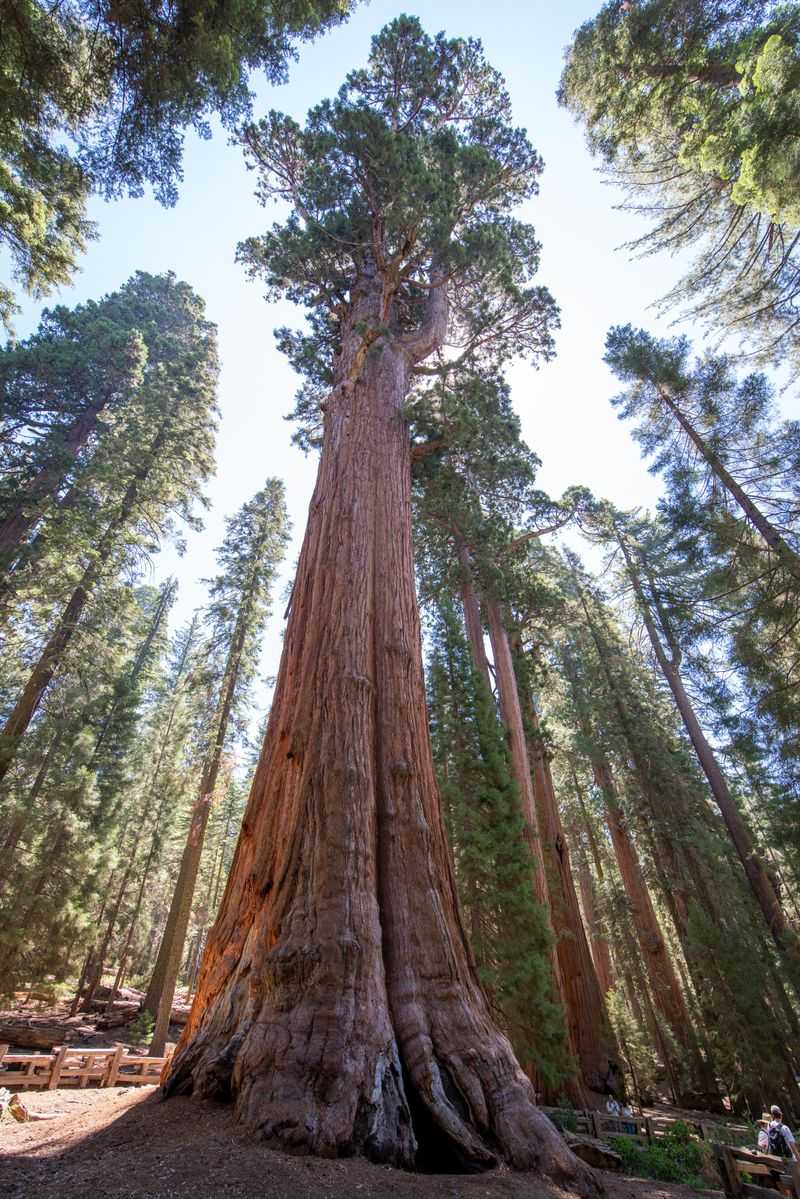
Giant sequoias, the largest trees by volume on Earth, dominate the landscape in this Sierra Nevada park. General Sherman Tree holds the title of the world’s largest tree, with a trunk volume of over 52,000 cubic feet.
These massive trees can live for 3,000 years and develop thick, fire-resistant bark that helps them survive forest fires.
Congress Trail loops through groves where dozens of giant sequoias create a cathedral-like atmosphere. Moro Rock’s granite dome offers panoramic views after climbing 400 steps carved into the stone.
Crystal Cave features marble formations and underground streams, though separate tour tickets must be purchased in advance.
The park waives entrance fees on February 16, May 25, June 14, July 3-5, August 25, September 17, October 27, and November 11 for U.S. citizens and residents.
Winter snow closes some roads and requires tire chains for access to higher elevations.
Summer weekends can bring heavy crowds to popular groves, while weekday visits often provide more peaceful experiences among the giant trees.
8. Kings Canyon National Park
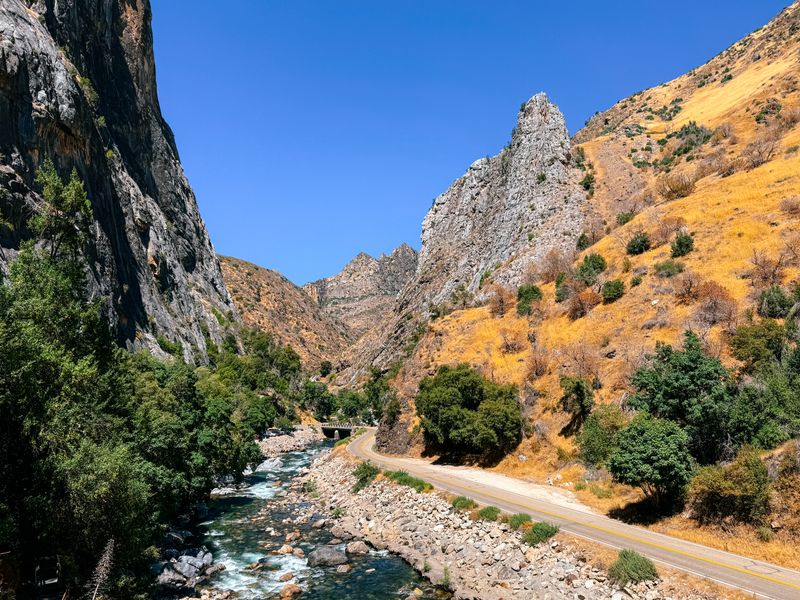
Deep canyons carved by ancient glaciers and the powerful Kings River create dramatic scenery in this park adjacent to Sequoia National Park, offering a landscape defined by scale, depth, and raw natural beauty.
Kings Canyon itself plunges nearly 8,000 feet from rim to river, making it one of the deepest canyons in North America and a place where towering granite walls rise sharply above the rushing water below.
Grant Grove is home to the General Grant Tree, known as the Nation’s Christmas Tree, which stands among an impressive collection of giant sequoias that inspire quiet awe with their immense size and age.
Cedar Grove provides access to the canyon floor, where visitors can walk beside the Kings River as it winds through steep cliffs, shaded forests, and open meadows.
Zumwalt Meadow Trail offers a relatively flat and scenic walk along the river, with wide views of surrounding peaks and opportunities to spot wildlife such as deer and birds of prey.
Road’s End marks the gateway to backcountry routes that lead deep into the High Sierra wilderness, attracting backpackers seeking multi-day adventures far from crowds.
Free entrance days occur on February 16, May 25, June 14, July 3–5, August 25, September 17, October 27, and November 11 for qualifying visitors.
The road to Cedar Grove typically opens in late April or May and closes again in November due to heavy snowfall.
Summer offers the best access to the canyon floor, while spring snowmelt fills waterfalls and sends the river surging through the canyon with remarkable force.
9. Yosemite National Park
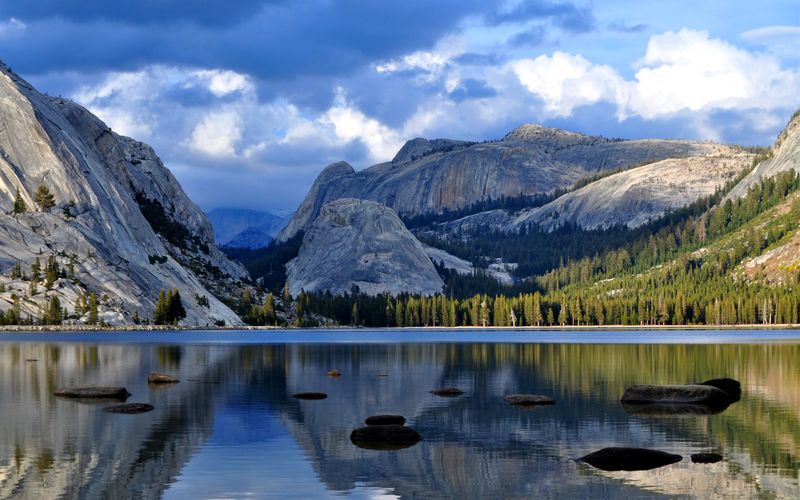
Granite cliffs, thundering waterfalls, and ancient sequoia groves combine to make this one of America’s most iconic national parks, with scenery that feels instantly recognizable yet endlessly impressive.
Yosemite Valley showcases world-famous landmarks like Half Dome and El Capitan, which rise thousands of feet above the valley floor, while Glacier Point offers sweeping overlooks that reveal how massive glaciers carved the landscape over millions of years.
Yosemite Falls, the tallest waterfall in North America, plunges 2,425 feet in three dramatic sections and flows most powerfully during spring snowmelt.
Tunnel View provides the classic postcard perspective, capturing El Capitan, Half Dome, and Bridalveil Fall in a single breathtaking frame.
Mariposa Grove contains more than 500 mature giant sequoias, including the legendary Grizzly Giant, adding another layer of awe to the experience.
The park participates in free entrance days on February 16, May 25, June 14, July 3–5, August 25, September 17, October 27, and November 11 for U.S. citizens and residents.
Summer crowds can overwhelm parking areas and shuttle systems, making early morning arrivals essential, while winter transforms the valley into a quieter, snow-covered wonderland, though some roads and facilities close due to seasonal conditions.