These 11 California Restaurants Earned James Beard Attention For Good Reason
James Beard recognition tends to sharpen curiosity fast. Once a restaurant lands on that radar, the natural question is what made it stand out in the first place.
California has no shortage of ambitious kitchens, but these restaurants have managed to separate themselves from the crowd with food, technique, and ideas that earned serious industry attention.
That does not mean they all feel formal or intimidating.
Part of the appeal is how different the experiences can be, from polished dining rooms to places where the atmosphere stays relaxed and the plate does most of the talking.
What connects them is a level of care that made people beyond their own neighborhoods take notice.
The awards and nominations may get you through the door. The meal is what has to justify the attention.
1. The Serving Spoon, Inglewood
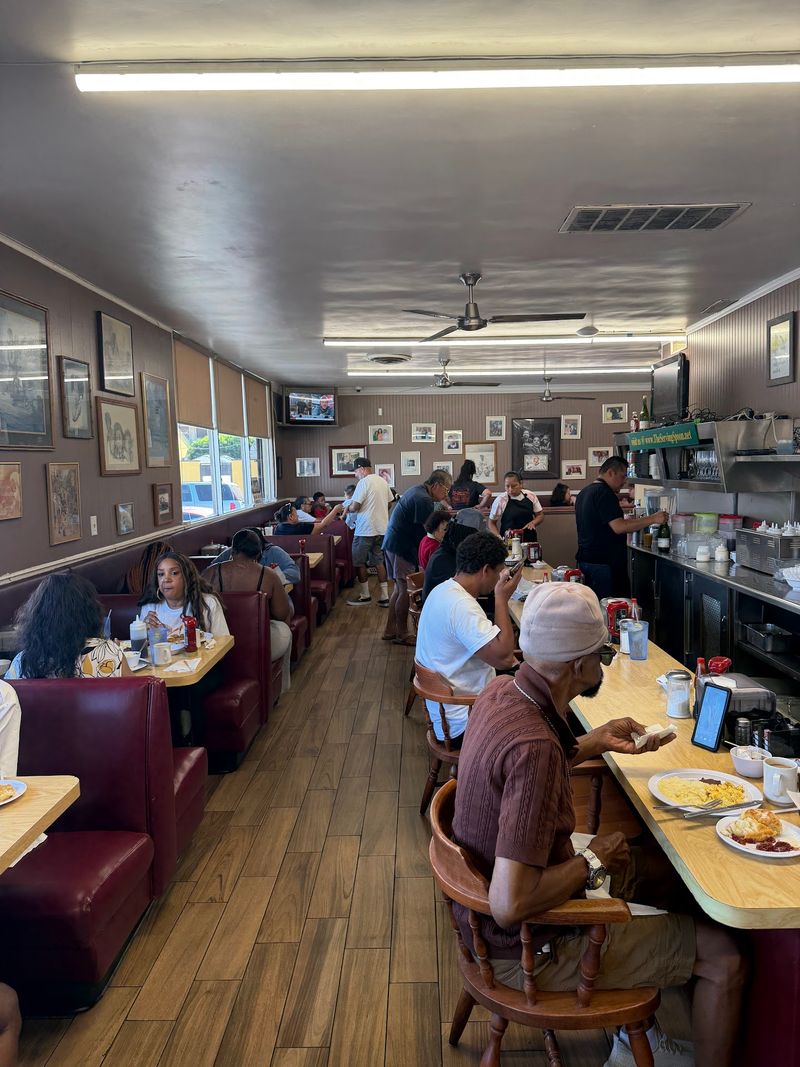
Forty years of grits, pancakes, and Sunday morning chatter earned this Inglewood spot a title most restaurants only dream about.
The Serving Spoon was named California’s 2026 James Beard America’s Classics Award winner, an honor reserved for places with real staying power.
You can find it at 1403 Centinela Ave, Inglewood, CA 90302, where the parking lot fills early and the line moves with practiced ease. Breakfast and lunch are the whole story here, and that focus shows.
Regulars swear by the chicken and waffles, though the smothered potatoes and salmon croquettes have their own loyal fan clubs. Portions land big, prices stay fair, and nobody rushes you out the door.
What the award really recognizes is the role the restaurant plays beyond food. For decades it has been a gathering place for Black families in Los Angeles, hosting birthdays, post-church brunches, and campaign stops.
Fun bit of history: the restaurant opened in the early 1980s and stayed in the same family, with the founders’ children now running the daily rhythm of the kitchen and dining room.
Come on a weekday if you would rather skip the weekend crowd, which can stretch well past thirty minutes. Bring patience and an appetite with room for seconds.
Places like this rarely chase trends, and that is exactly the point. Timelessness, it turns out, tastes like a hot plate of eggs served by someone who remembers your name.
2. Providence, Los Angeles
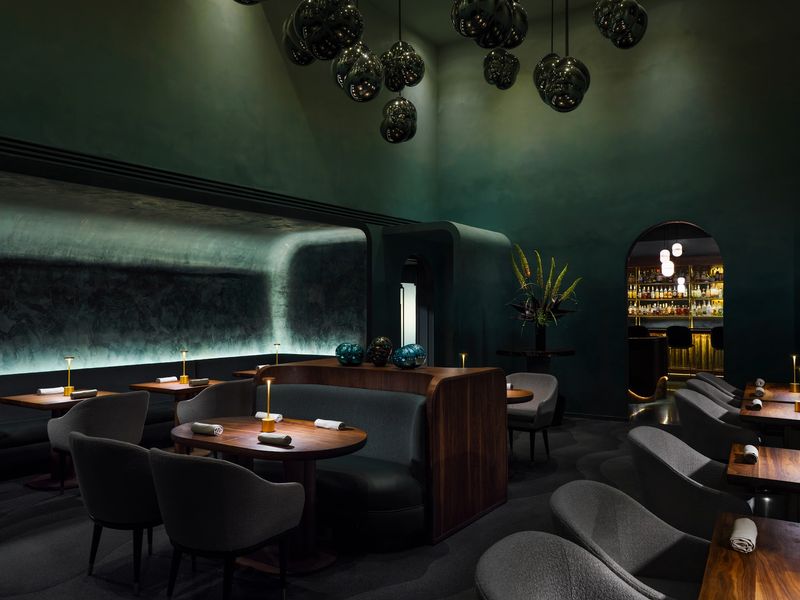
Hospitality is tricky to measure, but the James Beard Foundation gave it a trophy anyway, and Providence took home the 2026 Outstanding Hospitality award. That honor goes to an entire team, not a single dish.
Seafood drives the menu, sourced with sustainability in mind and treated with the kind of care usually reserved for museum pieces.
Tasting menus unfold slowly, course after course, with servers who explain each plate without lecturing.
The dining room sits at 5955 Melrose Ave, Los Angeles, CA 90038, in a building that has quietly hosted special occasions for close to two decades.
Chef Michael Cimarusti has led the kitchen since Providence opened in 2005, and his fishmonger side project keeps the seafood supply chain unusually transparent for a restaurant at this level.
Expect a splurge. Multi-course menus here run into serious money, so most guests save the reservation for anniversaries, promotions, or a birthday that ends in zero.
If the full experience feels out of reach, ask about seating in the bar or lounge, where shorter menus and a la carte options sometimes appear.
Little things separate great service from good service: a coat handled without asking, water refilled before you notice, a dietary note remembered from your booking form. Those small moves add up.
Book far ahead, dress a little sharper than usual, and arrive hungry. Then let the staff do what they clearly do better than almost anyone in the country.
3. Seline, Santa Monica
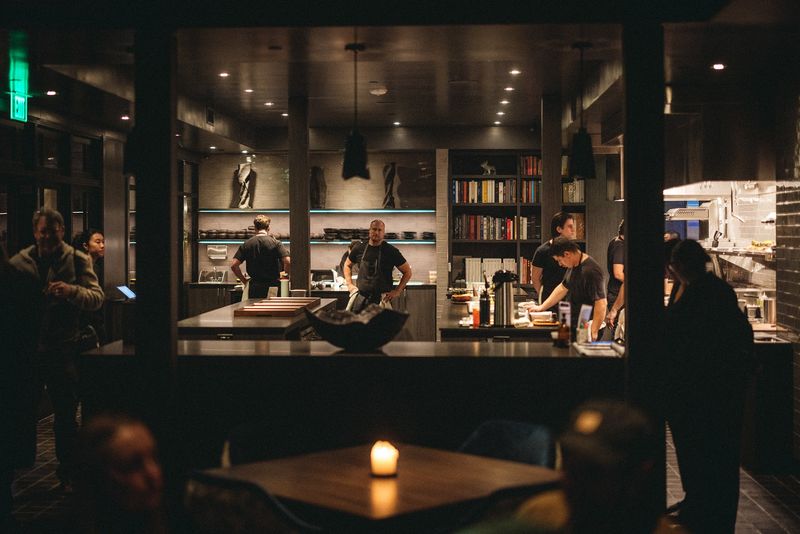
Storytelling drives dinner at Seline, where chef Dave Beran won Best Chef: California in 2026 for a tasting menu built around memory and place.
Courses often reference Southern California itself: farmers market fruit at peak ripeness, a coastal herb, or a childhood snack rebuilt with fine dining technique.
You will find the restaurant at 3110 Main St, Suite 132, Santa Monica, CA 90405, a short walk from the beach and easy to pair with an afternoon by the water.
Beran arrived in California after years cooking in Chicago, and his resume includes some of the most demanding kitchens in the country. That training shows in the precision of every plate.
The dining room stays small, which keeps the mood calm and conversation easy. Nobody is shouting over a soundtrack here.
Practical tips: the menu changes with the seasons, so a return visit three months later feels like a different restaurant. Mention allergies when you book, since substitutions need advance planning.
Parking on Main Street can test your patience, and a nearby structure or a rideshare saves a lot of circling.
Worth knowing: Seline replaced Beran’s earlier concept in the same space, a rare second act that turned into an award-winning one.
Guests often say the best moment comes near the end, when a dessert quietly circles back to an idea from the first bite. That kind of planning takes months of testing and a kitchen willing to rewrite its own script.
4. Holbox, Los Angeles
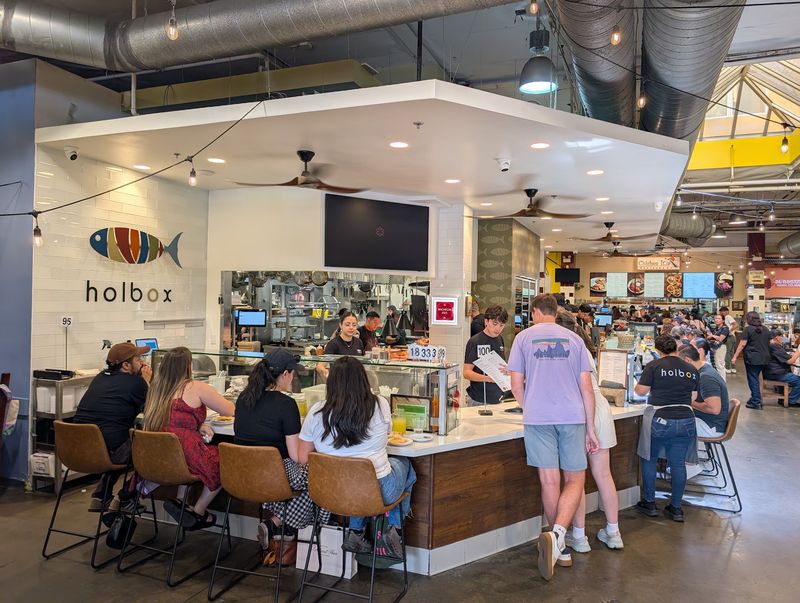
Inside a bustling food hall, a small ceviche counter grew into one of the most talked-about seafood kitchens in Los Angeles.
Chef Gilberto Cetina earned a 2026 Outstanding Chef nomination for the work he does at Holbox.
Find it inside Mercado La Paloma at 3655 S Grand Ave, Los Angeles, CA, surrounded by other family-run stalls and shared tables.
Menus lean on Mexican coastal traditions: aguachile, tostadas piled with scallops, smoked kanpachi, and octopus cooked until tender rather than rubbery.
Prices sit lower than the nomination might suggest, which makes this one of the better values on any award list. Ordering three or four small plates for two people usually does the trick.
Seafood changes daily based on what the boats bring in, so the specials board deserves a look before you settle on your usual.
Cetina works alongside his family, and the operation began as a seafood offshoot of their Yucatecan restaurant in the same market.
Go at lunch on a weekday for shorter waits, and bring plenty of napkins because tostadas do not eat neatly.
Seating is communal and casual, so leave the blazer at home.
The point here is fresh fish, sharp citrus, and chile heat that builds slowly instead of shouting.
One more reason to visit: the market supports small local businesses, so your meal helps a whole block of vendors. Grab a horchata or a paleta on the way out.
5. n/naka, Los Angeles
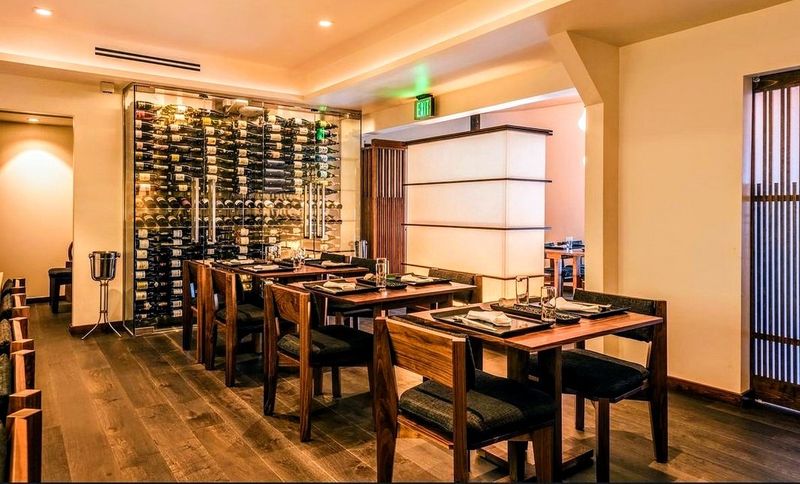
Few restaurants in the country carry the quiet reputation that n/naka does. Chef Niki Nakayama landed a 2026 Outstanding Chef nomination for a kaiseki experience that draws diners from around the world.
Kaiseki is a traditional Japanese multi-course format where each dish follows a set role, from a seasonal opener to a grilled course to a simple rice finish.
Nakayama bends those rules with modern touches and California produce, some of it grown in a garden tended by her partner and co-chef, Carole Iida-Nakayama.
The address is 3455 Overland Ave, Los Angeles, CA 90034, on a stretch of road that gives no hint of what waits inside.
Dinner runs long and costs a lot, and the reservation system releases seats months in advance. Set a calendar alert or you will be reading about it instead of eating there.
Vegetarian versions of the menu are available with notice, and the kitchen treats them with the same seriousness as the seafood-heavy original.
A documentary appearance years ago brought a wave of attention, but the cooking held up long after the cameras left.
Save room and pace yourself. Thirteen courses sneak up on people who fill up on the third one.
Small detail worth appreciating: plates and bowls are chosen individually for each course, part of a tradition where the vessel matters nearly as much as what sits inside.
6. Quince, San Francisco
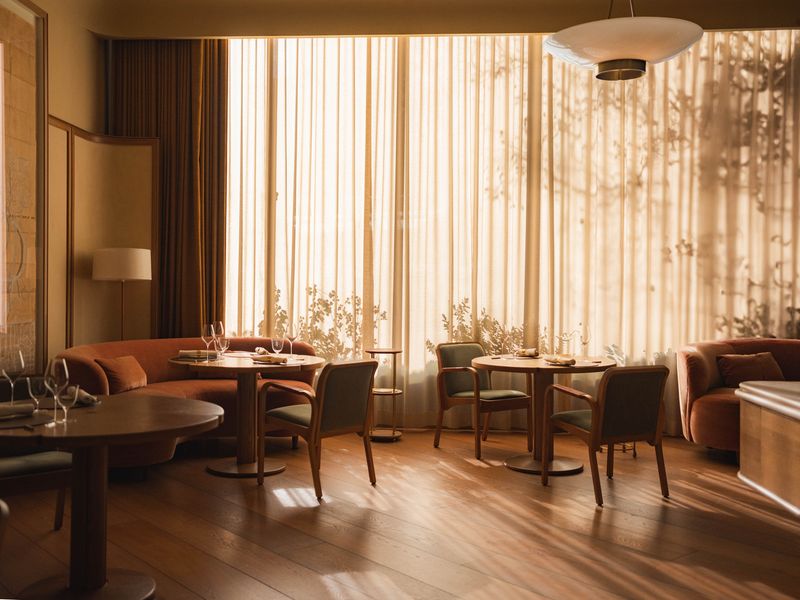
Michael Tusk took home the 2026 Outstanding Chef award, capping a career built on patience rather than publicity stunts.
Quince sits at 470 Pacific Ave, San Francisco, CA 94133, in Jackson Square, where brick buildings and antique shops set a formal tone before you open the door.
Cooking here blends Italian technique with French discipline and California ingredients, much of it grown on the restaurant’s own farm in Marin County.
Pasta gets special attention, rolled and shaped by hand each day, and a single ravioli can carry more work than an entire home-cooked dinner.
The dining room leans elegant, with jackets common though not strictly required. Service moves in a choreographed rhythm that never feels stiff.
Budget accordingly, because the tasting menu plus pairings adds up fast. For a lighter introduction, sibling restaurants under the same ownership offer a similar sensibility at a gentler price.
Tusk has cooked in the Bay Area since the 1990s and opened Quince in 2003, moving it to its current home a few years later.
Reserve several weeks out for weekends, and mention celebrations when booking. The team handles birthdays and anniversaries with genuine warmth rather than a rushed candle.
Anyone curious about where their food comes from will appreciate that produce arrives from that Marin farm multiple times a week, harvested with specific dishes already in mind.
7. Restaurant Josephine, Auburn
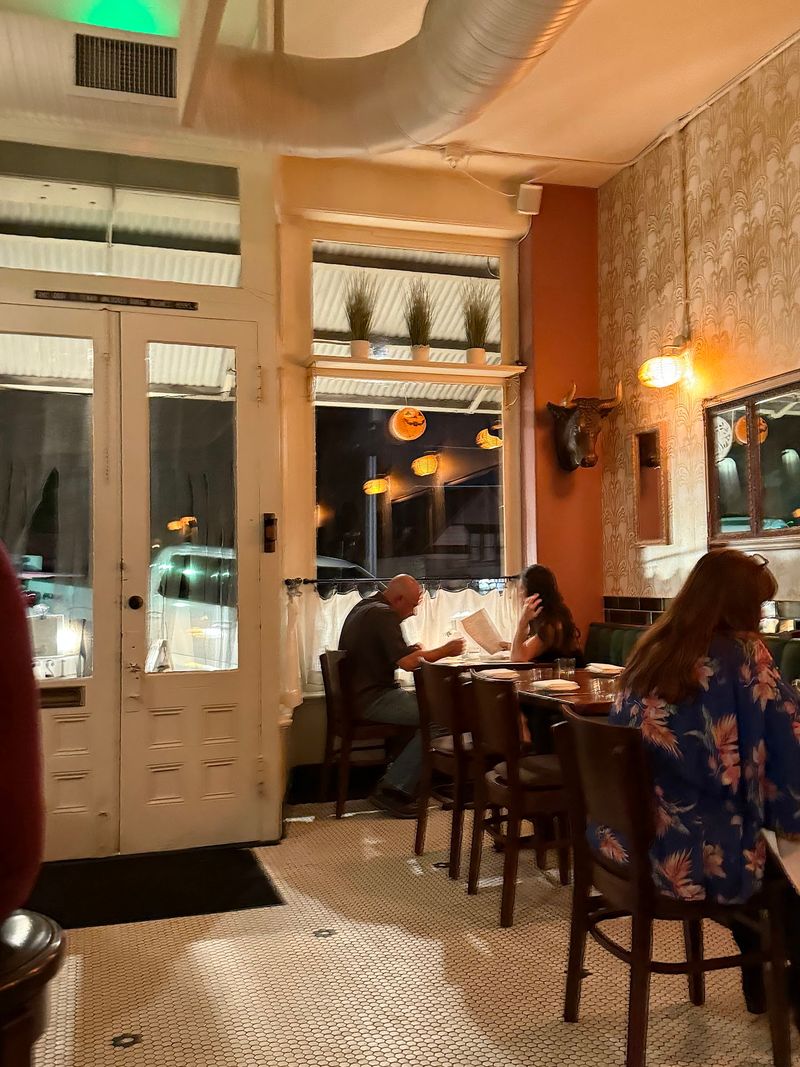
Gold country might be the last place you would expect a James Beard nod, yet Auburn delivered one.
Eric Alexander and Courtney McDonald were named 2026 Best Chef: California semifinalists for Restaurant Josephine.
The bistro occupies a historic downtown storefront at 1226 Lincoln Way, Auburn, CA, about forty minutes northeast of Sacramento along Interstate 80.
French-inspired cooking anchors the menu, though the ingredients come from Sierra foothill farms and ranches rather than a Paris market.
Think roasted chicken done properly, sauces built over hours, and desserts that respect classic pastry rules instead of chasing novelty.
Small-town dining has its perks. Prices feel reasonable next to big-city equivalents, and the couple running the place often greets guests personally.
Reservations still matter, especially on weekends when Bay Area and Sacramento visitors make the drive after a day on the American River or the local trails.
Pair dinner with a stop in Old Town Auburn, where antique shops and a historic firehouse make an easy pre-meal stroll.
Alexander and McDonald cooked in larger kitchens before deciding they wanted something smaller and more personal.
That choice shaped everything about the restaurant, from the tight menu to the handful of tables.
Ordering advice: trust the daily specials, since they reflect whatever showed up fresh that morning.
Anyone who assumes great food requires a big city should book a table here and reconsider. A short drive can change your mind faster than any review.
8. Nightbird, San Francisco
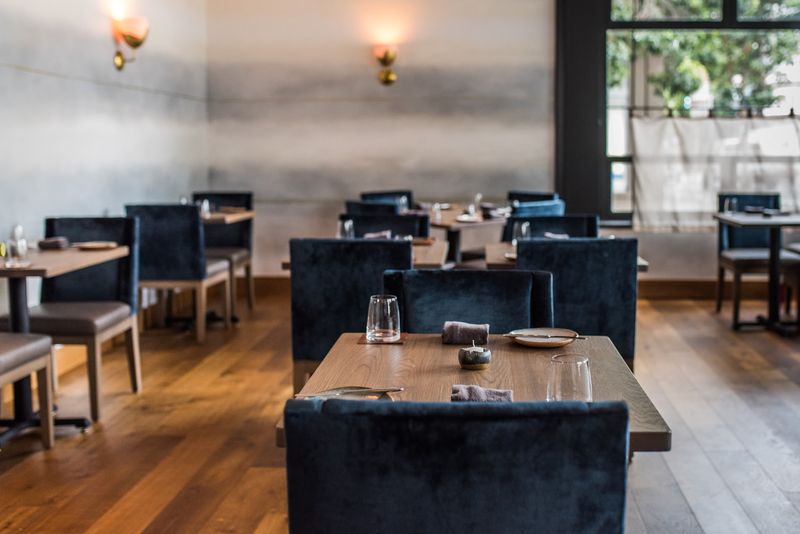
Kim Alter runs one of San Francisco’s most personal kitchens, and a 2026 Best Chef: California semifinalist nod put Nightbird back in the spotlight.
Seating is limited, the menu changes weekly, and the whole operation feels closer to a dinner party than a restaurant machine.
Found at 330 Gough St, San Francisco, CA, in Hayes Valley, it sits within walking distance of the opera house and symphony hall.
That location makes it a smart choice before or after a performance, though the tasting menu deserves an unhurried evening of its own.
Alter builds courses around whatever local farms deliver, so a spring meal looks nothing like one in October. Vegetables often steal attention from the proteins.
Practical note: the restaurant closes for breaks between seasons and the schedule shifts, so check the calendar before planning travel around a meal here.
Dietary needs get handled gracefully with advance notice, including vegetarian menus that receive real creative effort rather than a plate of sides.
Alter has spoken openly about running a kitchen with better hours and less shouting than the industry norm, and the calm mood in the dining room reflects that philosophy.
Guests seated near the open kitchen get a quiet show, with plating done inches away and almost no noise beyond the clink of tweezers.
9. Burdell, Oakland
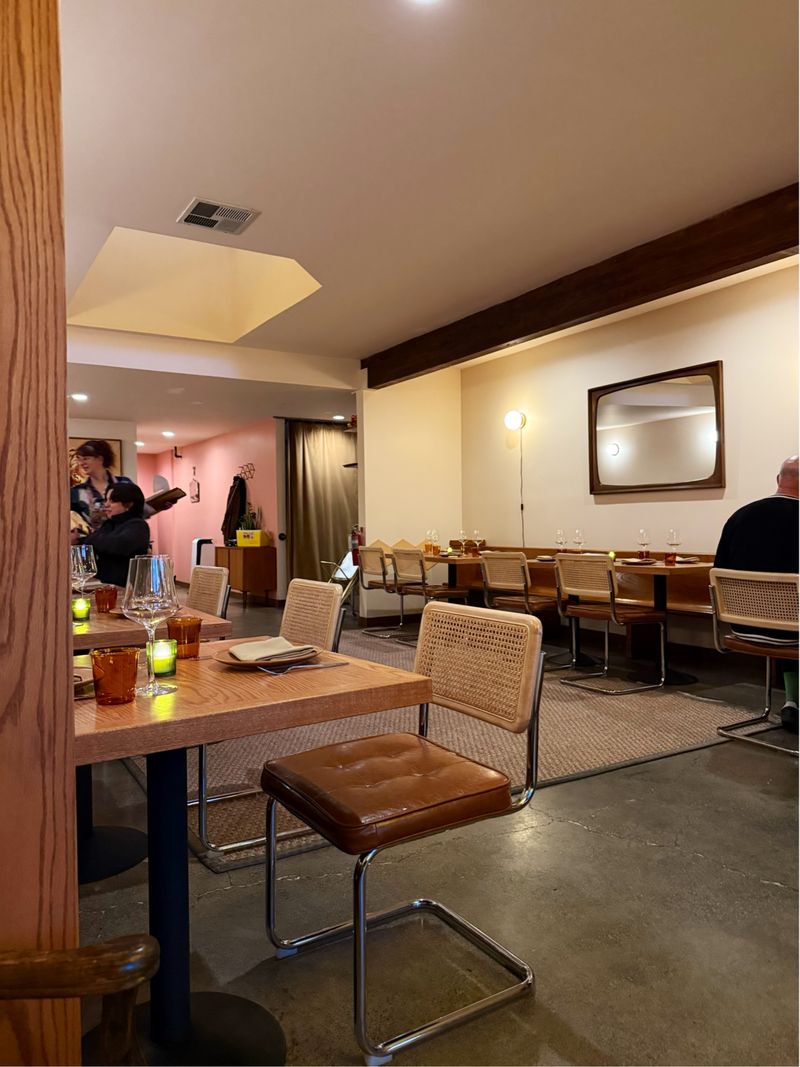
Grandmothers rarely get restaurants named after them, but Geoff Davis built Burdell as a tribute to his, and the 2026 Best Chef: California semifinalist list took notice.
Soul food sits at the center of the menu, filtered through fine dining training and Northern California produce.
Fried chicken, greens cooked with real depth, cornbread, and rotating specials keep regulars coming back to 4640 Telegraph Ave., Oakland, CA 94609.
Davis worked in high-end kitchens before opening his own place, and that background shows in the seasoning and consistency more than in fussy plating.
The dining room feels warm, with music, chatter, and a crowd that spans generations on a busy Saturday night.
Portions are generous, so ordering family style works better than each person claiming a single entree. Sharing also lets you sample more sides, which is where a lot of the magic hides.
Temescal, the surrounding neighborhood, has become one of Oakland’s best eating strips, and parking gets tight after seven. Arrive early or plan on a short walk.
Davis has talked about honoring Black American cooking traditions without freezing them in place, which explains why a classic dish might arrive with an unexpected twist.
Bring an appetite and maybe a container for leftovers, because almost nobody finishes everything.
Visitors to the Bay Area who want one memorable dinner outside San Francisco should point the car across the bridge. The drive takes twenty minutes and the payoff lasts much longer.
10. Kismet, Los Angeles
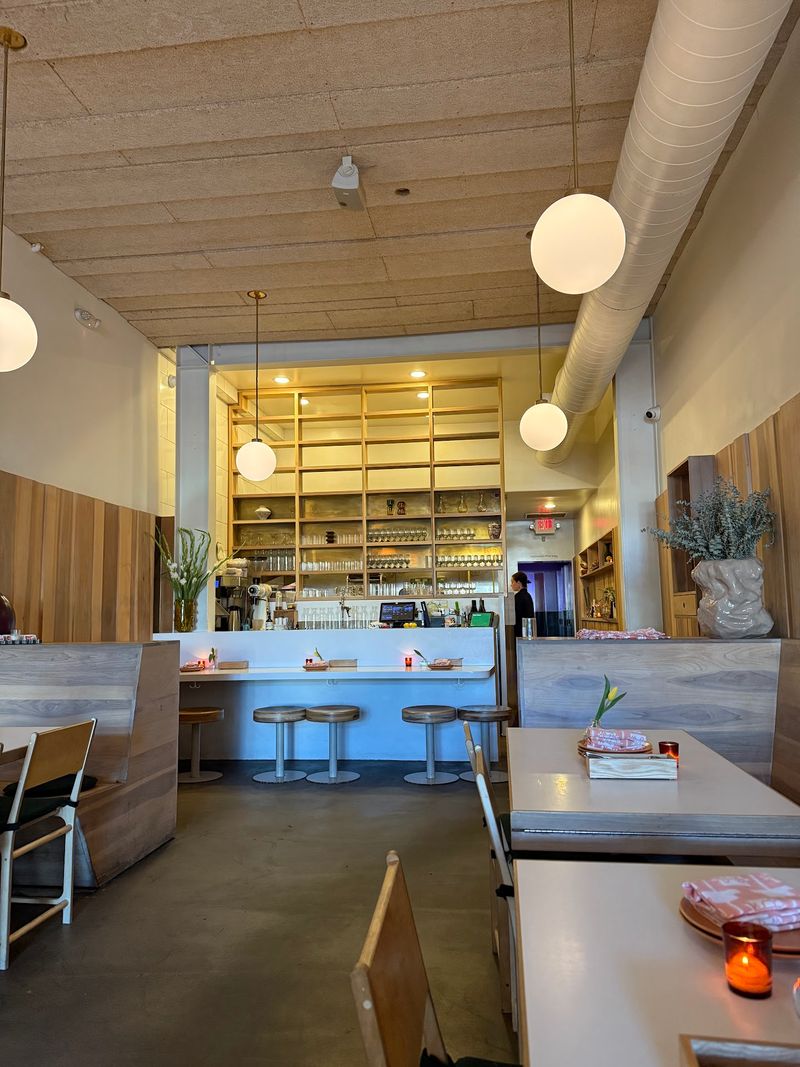
Vegetables get top billing at Kismet, where Sarah Hymanson and Sara Kramer landed on the 2026 Best Chef: California semifinalist list.
Middle Eastern and Mediterranean flavors shape the menu, but nothing about the experience feels intimidating or overly formal.
The sunny room at 4648 Hollywood Blvd, Los Angeles, CA 90027 draws a mix of neighborhood regulars, freelancers with laptops at brunch, and friends splitting plates at dinner.
Dishes like crispy rice, freekeh fritters, and thoughtfully dressed salads built a following among people who normally order meat without thinking twice.
The two chefs met in New York before moving west, and their partnership also produced a rotisserie counter serving chicken and pita nearby.
Brunch here has legendary status, so weekend mornings mean waits. Weekday lunch offers the same food with a fraction of the crowd.
Sharing is the smart move. Order more small plates than feels reasonable, add a flatbread, and let the table build its own meal.
The cooking proves a simple point: produce treated with care and bold seasoning can outshine a steak. Herbs arrive by the handful, acid balances richness, and textures rarely repeat across a meal.
Vegetarians and vegans find plenty without asking for modifications, which makes this a rescue plan for mixed groups with different diets.
Grab a seat on the patio when the weather cooperates, which in Los Feliz is most of the year. Sunlight, mint tea, and a shared table make an easy afternoon.
11. Zareen’s, Palo Alto
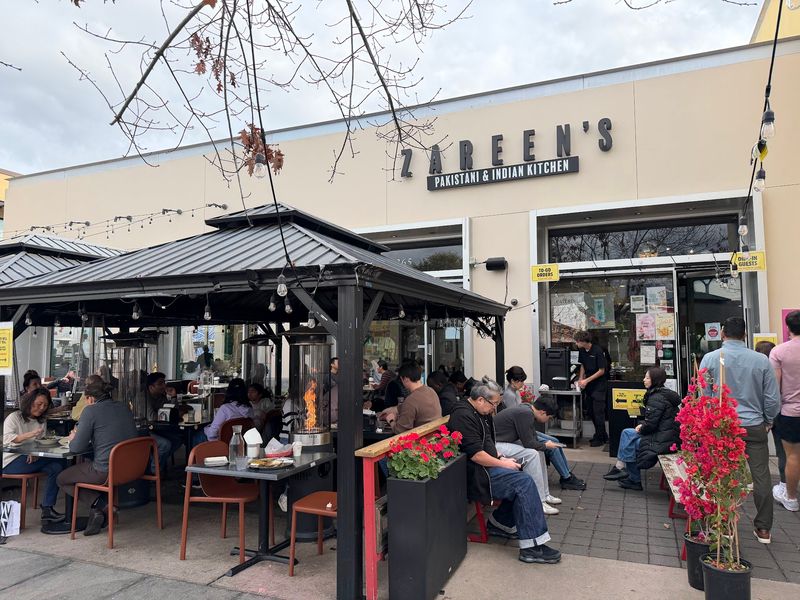
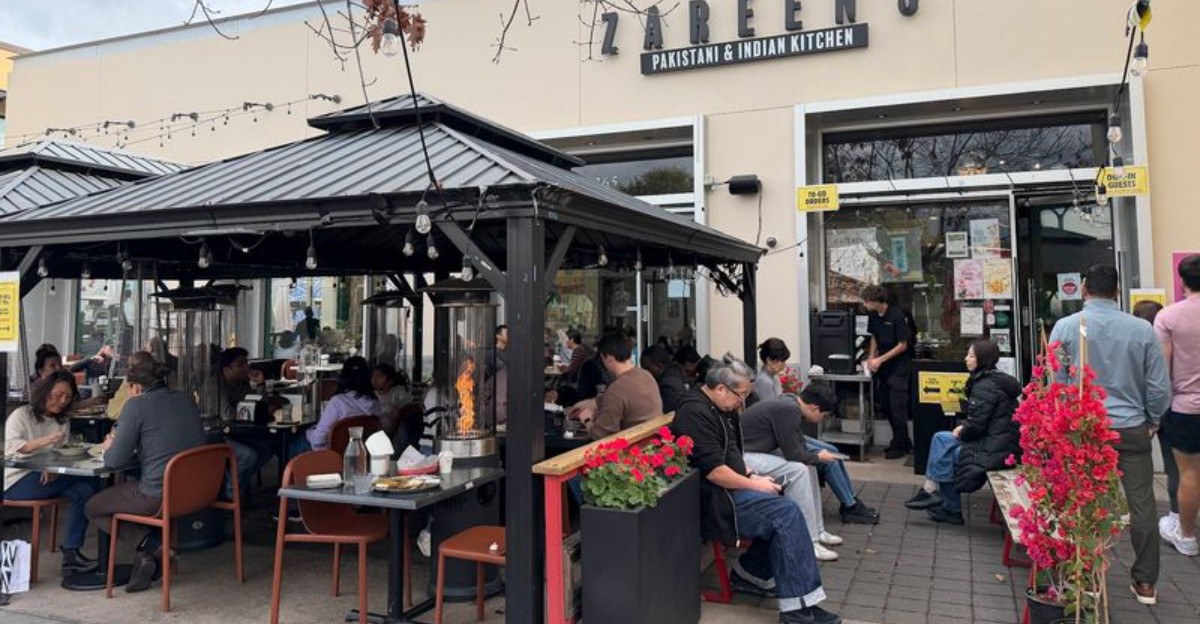
A tiny counter serving Pakistani and Indian food in Silicon Valley turned into a local institution, and Zareen Khan was selected as a 2026 Best Chef: California semifinalist.
Khan started cooking for tech workers who missed the flavors of home, and word spread fast through Palo Alto’s crowded lunch scene.
The original spot at 365 California Ave, Palo Alto, CA 94306 still packs a line at midday.
Chicken tikka rolls, nihari, haleem, biryani, and chai anchor the menu, with prices that stay approachable for everyday eating rather than special occasions.
Vegetarian options run deep, a reflection of the region’s home cooking, and the kitchen labels spice levels honestly.
Service happens fast because it is built for a lunch rush, so order at the counter, grab a number, and expect food quickly.
Khan has been open about wanting a kitchen that treats workers well, offering benefits uncommon in casual dining. That commitment shows up in the steady, familiar faces behind the counter.
Come hungry and order one more thing than you planned, because leftovers reheat beautifully the next day.
Recognition from a national award program for a fast-casual restaurant says something important: excellence does not require white tablecloths, tasting menus, or a two-month reservation window.
Anyone new to the cuisine should start with a roll and a mango lassi, then branch out on the next visit. Staff give honest recommendations if you tell them what you like.