These 12 California Spots Are Perfect For Seeing Seals Up Close This April
Wildlife moments like this tend to catch people off guard in the best way.
One minute the shoreline feels quiet, the next it is filled with movement, sound, and small details that are easy to miss if you are not paying attention.
Seals stretch out across rocks, shift lazily in the sun, and slip in and out of the water with a rhythm that feels completely natural to them.
Spring changes the experience in a noticeable way. The air feels clearer, the light stays softer, and activity along the coast picks up without becoming overwhelming.
Younger seals remain close to shore, still figuring things out, while adults gather in groups that are easy to spot even from a distance.
Seal watching in California is one of those experiences that feels effortless yet surprisingly memorable.
Some locations make it almost too easy. Short walks lead to viewpoints where the action unfolds right in front of you. A quick stop can turn into an hour without much effort.
Across Northern and Central California, these spots offer some of the most reliable and accessible ways to see seals in their natural habitat this April, without needing anything more than a bit of time and patience.
1. Point Reyes National Seashore, Marin County
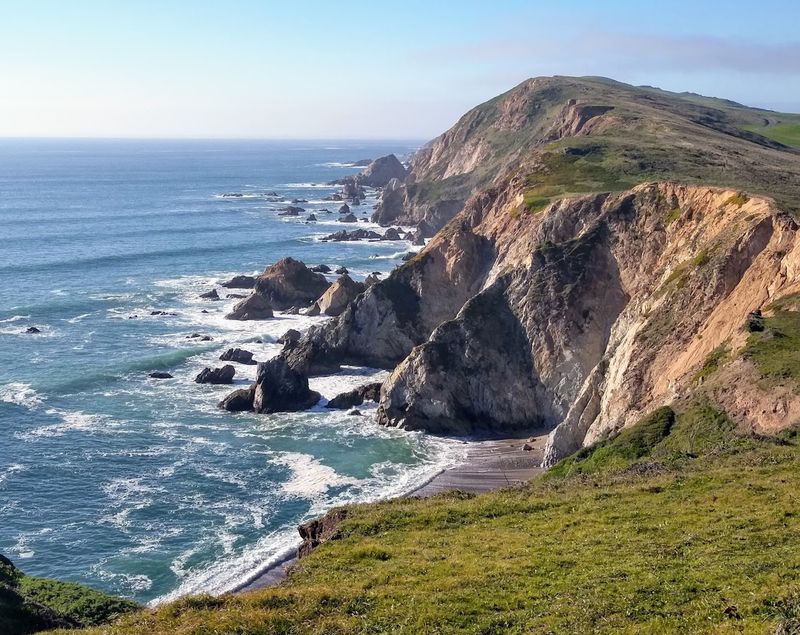
Few places along the California coast offer the kind of raw, unhurried seal-watching experience that Point Reyes National Seashore provides.
Chimney Rock Trail is one of the most popular access points, leading to a bluff overlook where harbor seals haul out on the sand below in impressive numbers during April.
The trail itself is relatively short and manageable for most visitors, making it a practical choice for families and casual hikers alike.
Harbor seals tend to congregate near Drakes Beach and the Point Reyes Headlands during pupping season, which typically runs from March through May.
Spotting a pup napping while its mother rests nearby is a genuinely moving sight. Binoculars are helpful here since the overlooks keep visitors at a safe and respectful distance from the animals.
The landscape around Point Reyes is also strikingly beautiful, with rolling grasslands, coastal scrub, and ocean views that stretch for miles.
Parking can fill up quickly on weekends, so arriving early in the morning tends to work best. Weekday visits are generally quieter and allow for a more relaxed pace along the trails.
2. Goat Rock Beach, Jenner
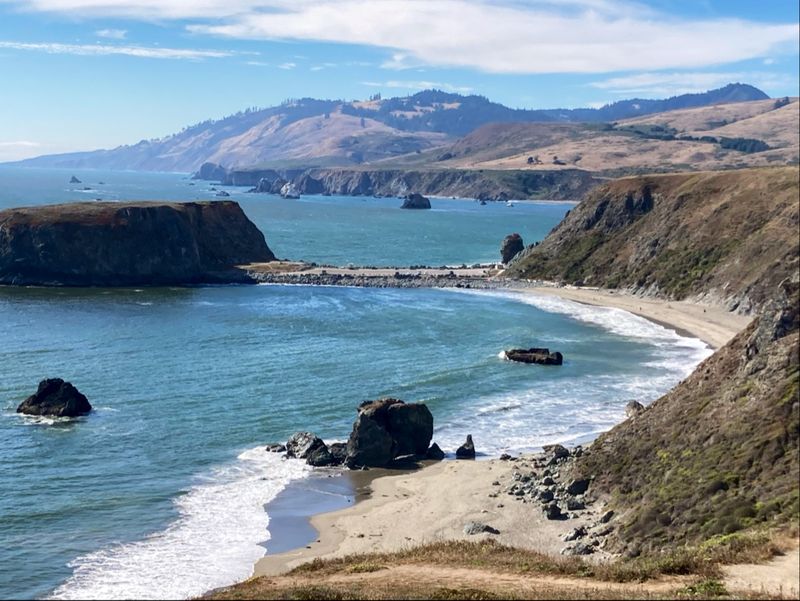
At the northern end of Sonoma Coast State Park, Goat Rock Beach sits at the mouth of the Russian River and serves as a well-known harbor seal pupping area each spring.
The sandbar where the river meets the ocean becomes a nursery of sorts in April, with mothers and pups resting close together in the warm sand.
The setting itself feels almost cinematic, with the river on one side and the wide Pacific on the other.
Visitors typically view the seals from a designated distance along the beach, and signage in the area helps explain the seasonal restrictions that protect the animals during this sensitive time.
Rangers and volunteers are often present on busy days to answer questions and gently remind visitors to keep their distance.
The combination of wildlife, dramatic coastal scenery, and easy beach access makes Goat Rock a genuinely special stop.
Parking is available near the beach, and the walk to the seal viewing area is short and flat. Mornings tend to be calmer in terms of crowds, and the light at that hour also makes for better wildlife observation.
Fog is common along this stretch of coast, so a light jacket is always a smart addition to any packing list.
3. Bolinas Lagoon, Marin County
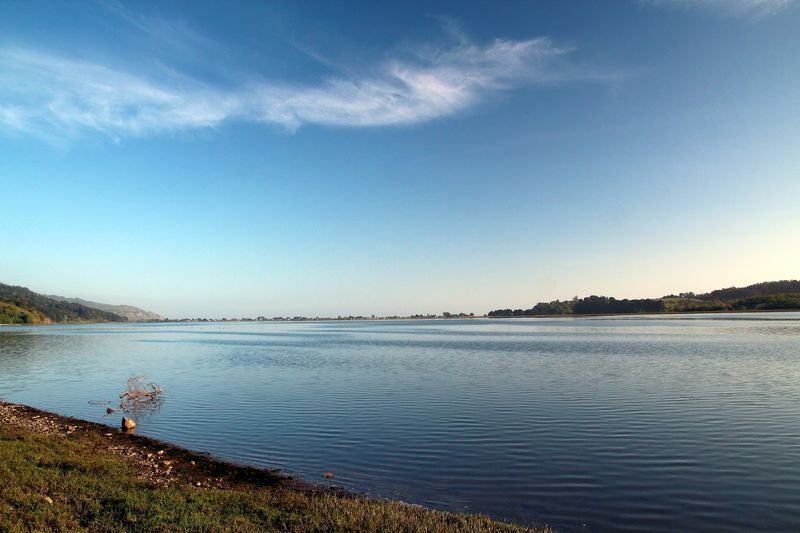
Bolinas Lagoon is a quiet, shallow tidal estuary tucked along Highway 1 in Marin County, and it has long been a reliable spot for spotting harbor seals without much effort.
The seals often haul out on exposed mudflats and sandbars in the middle of the lagoon, making them visible from the road or from a short walk along the shoreline.
There is something wonderfully low-key about watching seals here compared to more crowded destinations.
The lagoon is part of the Golden Gate National Recreation Area and supports a rich variety of wildlife beyond seals, including great blue herons, egrets, and shorebirds that feed along the water’s edge.
April is a particularly active time as harbor seal pups are often born in and around the lagoon during this period. The calm, protected water makes it a natural shelter for mothers and their young.
Pullouts along Highway 1 allow for easy roadside viewing, and binoculars make the experience significantly more rewarding.
The town of Bolinas nearby has a famously low-key character and a small selection of local shops and cafes for those who want to extend their visit. Weekday mornings tend to offer the most peaceful experience at the lagoon.
4. Fitzgerald Marine Reserve, Moss Beach
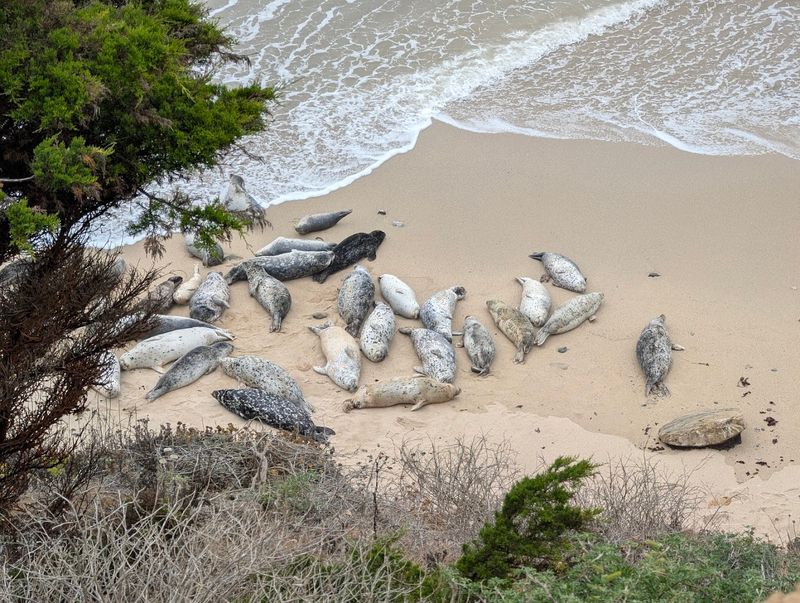
This reserve is best known for its extraordinary tidepools, but the rocky shoreline and offshore reefs also attract harbor seals throughout the year.
April brings calmer surf on many days, which encourages seals to rest on exposed rocks closer to shore where they can be spotted with relative ease.
The combination of tidepool exploration and seal watching makes this reserve a genuinely full experience for visitors of all ages.
The reserve is located at 200 Nevada Avenue in Moss Beach, and the parking area near the bluffs provides straightforward access to the beach trails below.
Docents and volunteers are frequently present on weekends to help visitors identify what they are seeing in both the tidepools and the surrounding marine environment.
Signs throughout the reserve remind guests to stay on marked paths and avoid disturbing any marine life.
Low tide is the best time to visit for tidepool viewing, and tide charts are easy to find online ahead of a visit.
The coastal trail along the bluffs offers elevated sightlines that can be useful for spotting seals resting on rocks offshore.
Layers are recommended since the marine layer often keeps temperatures cool even on sunny spring days.
5. MacKerricher State Park, Fort Bragg
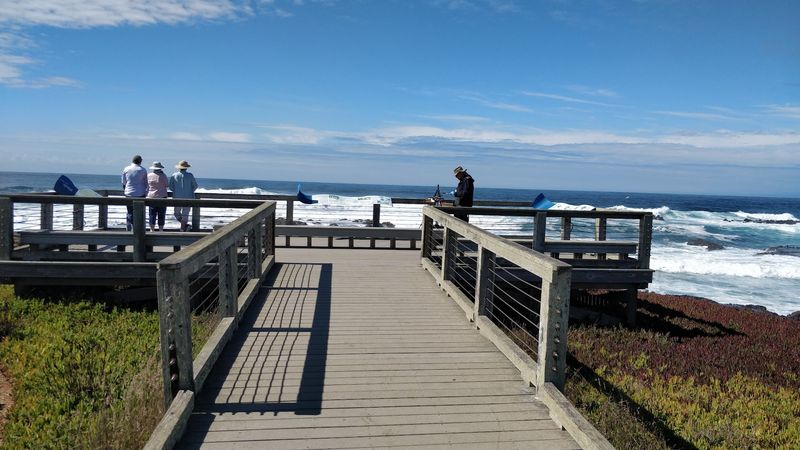
Stretching along eight miles of coastline north of Fort Bragg, MacKerricher State Park offers a surprisingly accessible and rewarding seal-watching experience without the crowds found at more heavily visited sites.
Harbor seals are regularly spotted hauled out on the rocks at Laguna Point, where a short boardwalk trail leads to a whale-watching station that doubles as a prime seal-viewing platform.
The elevated vantage point makes it easy to observe the seals without getting too close. The park encompasses a mix of beaches, dunes, forest, and wetlands, giving visitors plenty to explore beyond the seal area.
Tidepools near the headland are also worth a look during low tide, and the overall pace of the park tends to be relaxed and unhurried.
April weather here can be variable, with cool mornings and occasional fog giving way to brighter afternoons.
MacKerricher State Park sits just north of Fort Bragg along Highway 1, and the entrance is clearly marked with parking available near the Laguna Point area.
Leashed dogs are allowed on some trails, which makes it a popular destination for pet owners as well.
Arriving before midday on weekends helps avoid the busiest periods at the parking area near the boardwalk.
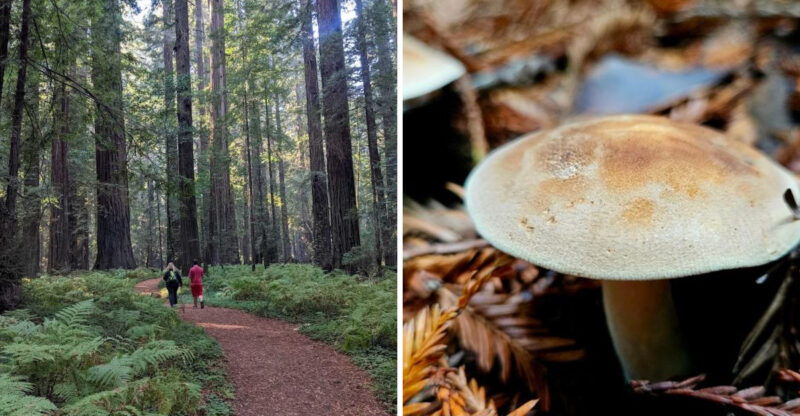
6. Redwood National And State Parks, Humboldt County
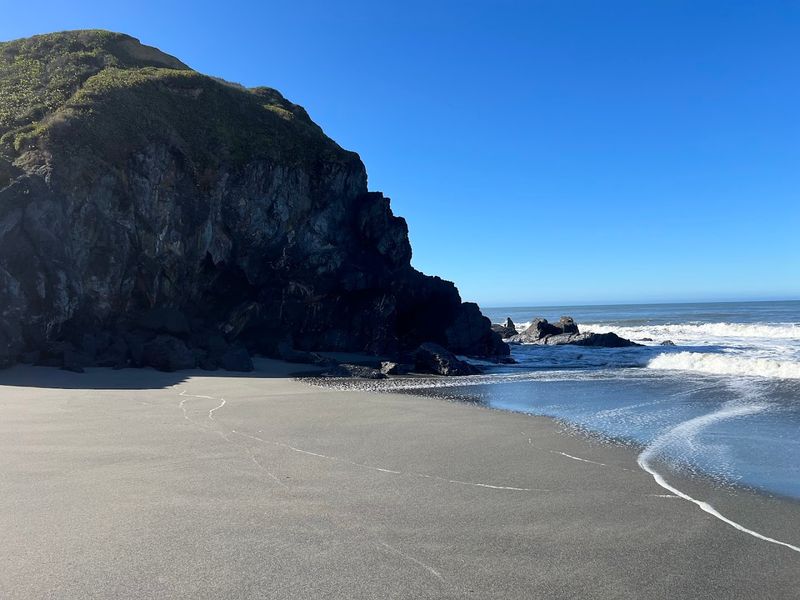
Redwood National and State Parks in Humboldt County is primarily celebrated for its ancient trees, but the coastal sections of the park also provide meaningful wildlife encounters including harbor seal sightings.
Gold Bluffs Beach and the areas around Crescent Beach offer stretches of shoreline where seals occasionally rest on rocks and sandbars during the spring months.
The sense of scale here is unlike anywhere else, with towering redwoods meeting the open Pacific in a way that feels genuinely humbling.
The coastal areas within the parks are less trafficked than the forest trails, which means seal sightings here tend to feel more intimate and unplanned.
Binoculars are useful since the terrain can vary and seals may be visible at a distance from bluff overlooks.
The park system spans both state and national lands, so checking the official National Park Service website for current trail and beach access conditions before visiting is a practical step.
Temperatures along the Humboldt coast in April can be quite cool, and the weather changes quickly, so packing wind-resistant layers is a smart move.
The drive along Highway 101 through this region is scenic in itself and worth taking slowly. Camping within the parks is available for those who want to spend more than a day exploring the coastline.
7. Sea Ranch, Sonoma Coast
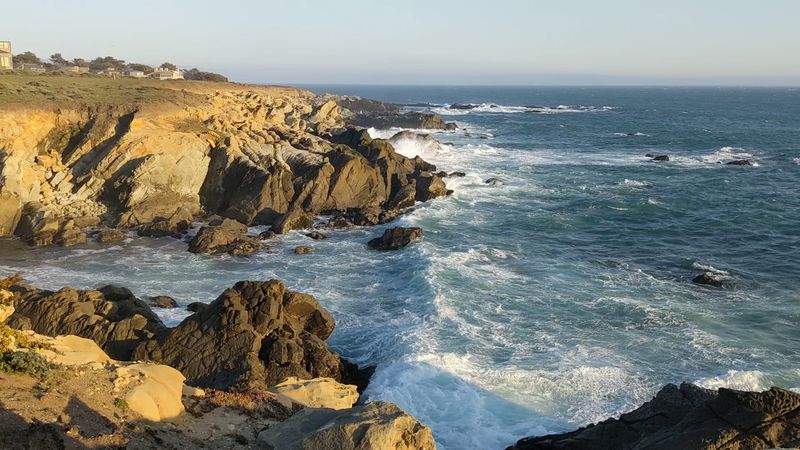
Sea Ranch is a privately developed community along the Sonoma Coast that maintains a series of public coastal access trails open to all visitors, and several of these trails lead to rocky coves where harbor seals are regularly spotted.
The bluff-top paths offer sweeping ocean views and quiet moments with wildlife that feel genuinely off the beaten path.
April is a particularly pleasant time to walk these trails as wildflowers often bloom along the headlands.
The coastal access points at Sea Ranch are marked with small signs along Highway 1, and the trails themselves are generally well-maintained and easy to navigate.
Seals tend to congregate on offshore rocks and in sheltered coves below the bluffs, and the elevated trail position makes for excellent observation without disturbing the animals.
The overall atmosphere here is calm and understated, which suits the wildlife-watching experience well.
Parking at the designated trailheads is limited, so arriving early is advisable, especially on weekends when the area draws more visitors.
The stretch of coastline near Sea Ranch feels less developed than many other parts of the California coast, which adds to its appeal for those seeking a quieter nature experience.
Bringing water and snacks is a good idea since there are no services along the trails themselves.
8. Piedras Blancas Elephant Seal Rookery
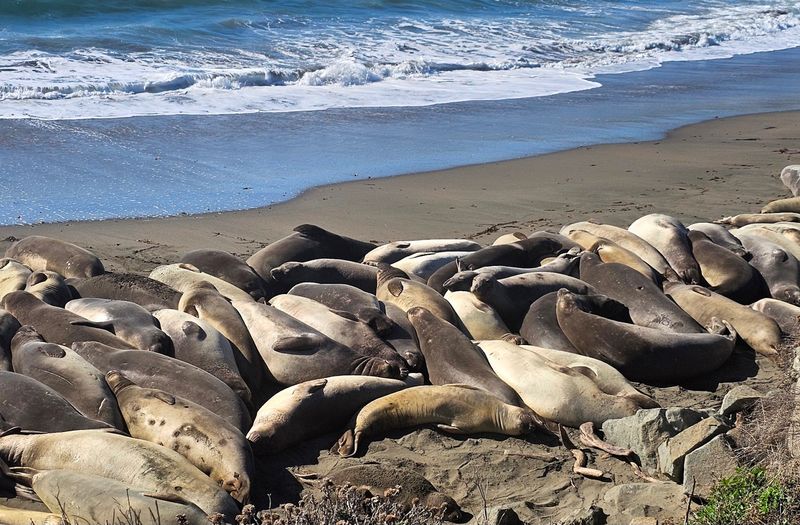
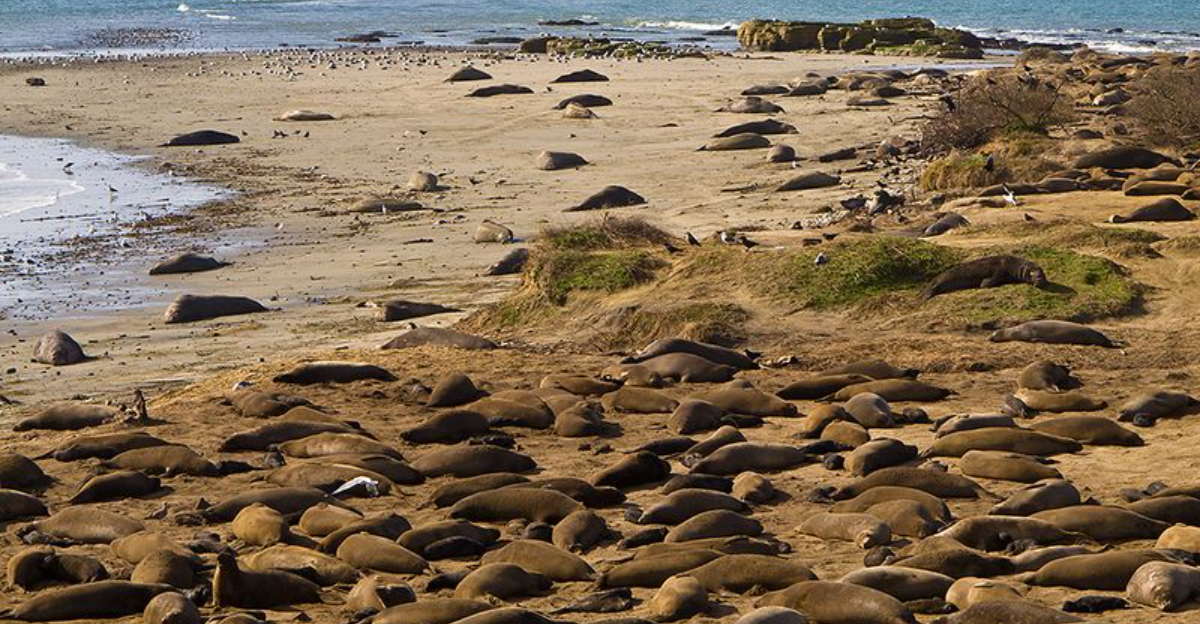
One of the most dramatic wildlife spectacles on the entire California coast, Piedras Blancas Elephant Seal Rookery sits just north of San Simeon along Highway 1 and hosts elephant seals year-round.
By April, the main pupping season has passed, but juveniles and molting adults are still present in large numbers, and the beach can look almost entirely covered in seals on calm days.
The sounds and smells alone make for an unforgettable sensory experience.
A boardwalk runs along the bluff above the beach, providing an elevated and clearly marked viewing area that keeps visitors at a safe distance from the animals below.
Docents from the Friends of the Elephant Seal organization are typically stationed at the site on weekends and offer informative commentary about what visitors are observing.
The access is free and requires no reservation, which makes it one of the most approachable seal-watching destinations in the state.
Parking is available in a pullout area directly off Highway 1, and the walk from the parking area to the boardwalk is short and flat.
Early morning visits tend to offer better light for photography and slightly fewer people.
The site is open year-round during daylight hours, and conditions in April are generally comfortable for an extended visit.
9. Elephant Seal Vista Point
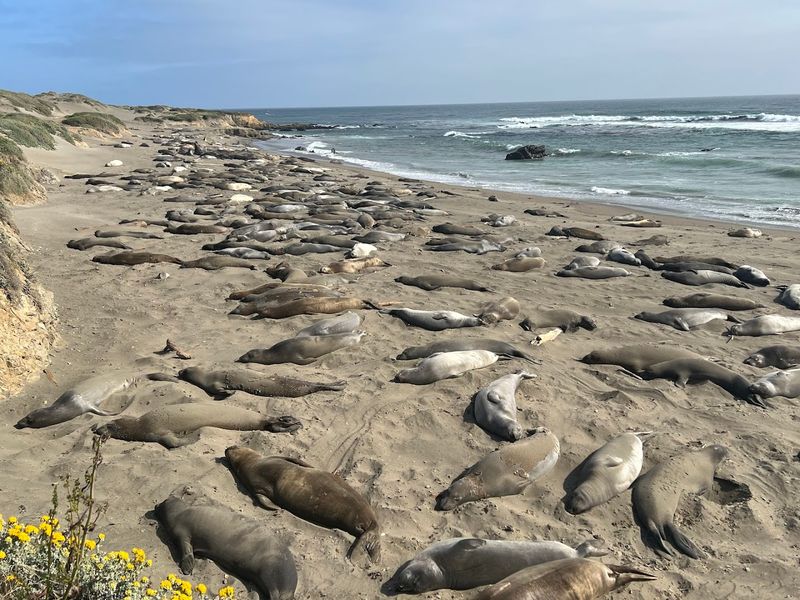
Located along Highway 1 near San Simeon, Elephant Seal Vista Point is one of those rare spots where remarkable wildlife can be seen directly from the roadside with minimal walking required.
The viewing area sits above a broad sandy beach where elephant seals haul out in impressive numbers, and the proximity to the animals feels almost surreal given how easy the access is.
April visitors often find juveniles resting in large groups as they go through their annual molt.
The site is free to visit and has no formal entrance process, making it a convenient stop for anyone driving the Pacific Coast Highway.
A low fence along the bluff edge marks the boundary for visitors, and informational signs explain the elephant seal life cycle and the significance of the location.
The beach below is clearly visible from the overlook, and on busy seal days the sheer number of animals is genuinely impressive.
Parking is available in a pullout directly off the highway, though space can be limited on weekends and during peak travel seasons.
Visiting on a weekday morning tends to offer a quieter experience with fewer vehicles competing for spots.
Binoculars are not strictly necessary here given the closeness of the viewing area but can enhance the detail visible on individual animals resting below.
10. Año Nuevo State Park, Pescadero
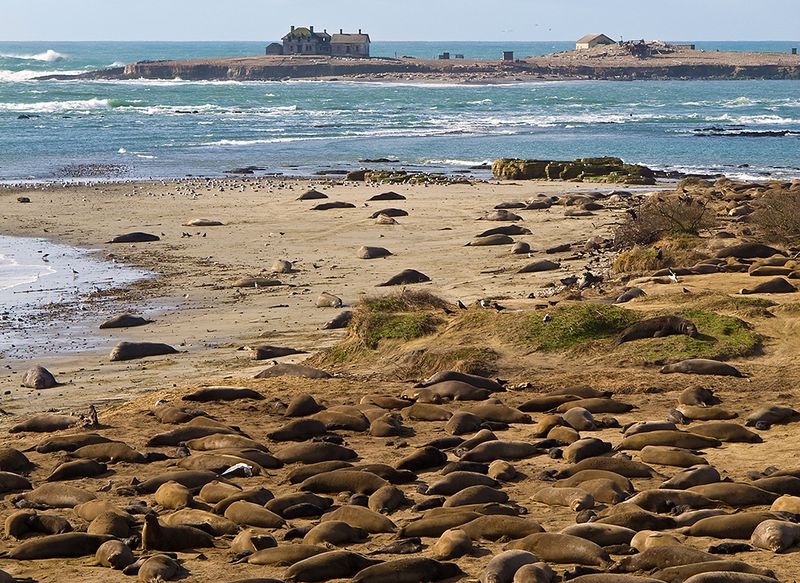
Known as one of the most significant elephant seal breeding sites in the world, Año Nuevo State Park draws wildlife enthusiasts from across the country every year.
By April, the main breeding season has wound down, but juveniles and molting adults are still very much present on the beaches.
The sheer size of these animals up close is something that photos simply cannot prepare visitors for.
Access to the seal area during peak season requires a guided tour reservation, and it is worth checking the California State Parks website for current availability and tour schedules before planning a visit.
Docent-led tours run through much of the year and provide fascinating context about elephant seal behavior, biology, and conservation.
The guides are knowledgeable and help visitors understand what they are observing in real time.
The park is located along Highway 1 near Pescadero, roughly halfway between Santa Cruz and Half Moon Bay, making it a natural stop on a coastal road trip.
Trails wind through coastal scrub and dunes before reaching the beach areas. Comfortable walking shoes and layered clothing are practical choices since the coastal weather can shift quickly.
11. Point Lobos State Natural Reserve, Carmel
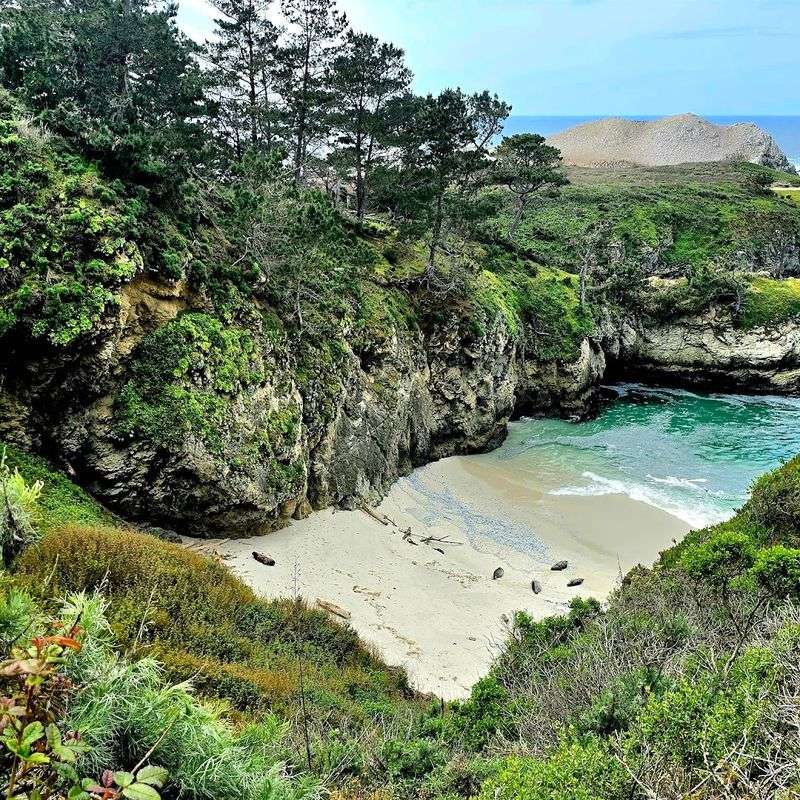
Point Lobos State Natural Reserve near Carmel is widely regarded as one of the most beautiful stretches of coastline in California, and its rocky coves and kelp-filled waters are a natural habitat for harbor seals.
The Sea Lion Point Trail leads to areas where seals and sea lions can often be spotted hauled out on the rocks below, and the clarity of the water on calm days makes it possible to see marine life just beneath the surface.
April tends to bring favorable weather and relatively manageable crowds compared to summer months.
The reserve operates with a daily vehicle limit to protect the environment, so arriving early or visiting on a weekday significantly improves the chances of securing entry.
Reservations for day use can sometimes be made through the California State Parks reservation system, and checking ahead is a practical step before making the drive.
Once inside, the trails are well-marked and varied in length, suiting both short visits and longer explorations.
Wildlife sightings at Point Lobos extend well beyond seals, with sea otters, cormorants, and occasionally gray whales visible from the headlands during spring.
The reserve’s combination of ecological richness and visual beauty makes it one of the most rewarding coastal stops in the entire state.
Bringing a telephoto lens or binoculars adds considerably to the wildlife-watching experience here.
12. Hopkins Marine Station
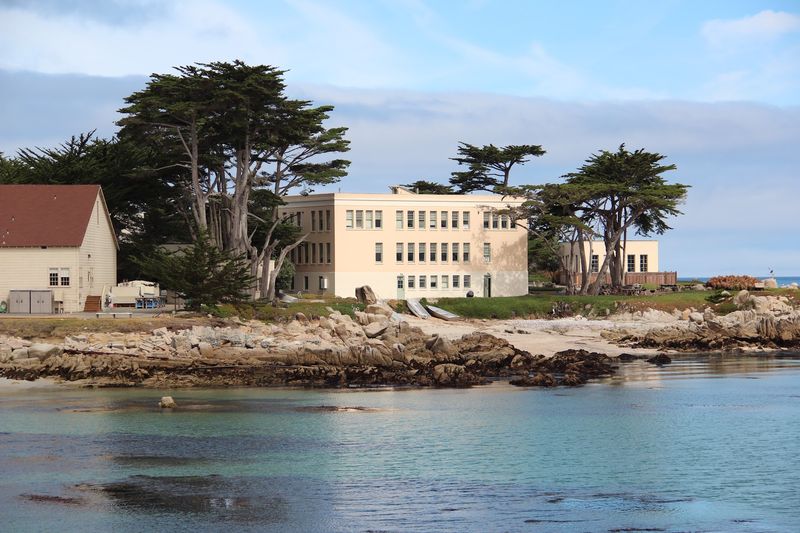
Situated on the edge of Monterey Bay in Pacific Grove, Hopkins Marine Station is a research facility operated by Stanford University, and the rocky shoreline adjacent to the station is a well-known harbor seal resting area.
The seals haul out on the rocks near the water’s edge and are visible from the public coastal path that runs along Oceanview Boulevard.
The setting combines the quiet charm of Pacific Grove with genuinely close wildlife encounters that require no special access or permits.
Hopkins Marine Station is located at 120 Oceanview Boulevard in Pacific Grove, and the public coastal path alongside it provides a natural viewing corridor for seal activity.
The seals here tend to be relatively accustomed to human presence given the steady foot traffic along the path, though maintaining a respectful distance remains important.
April is a reliable month for sightings as harbor seals are active and often present in small groups on the rocks throughout the day.
The coastal path connects to the broader Monterey Bay Coastal Recreation Trail, making it easy to combine a seal-watching stop with a longer walk or bike ride along the bay.
The town of Pacific Grove itself has a relaxed, walkable character with cafes and shops within easy reach of the waterfront.
Mornings along the path tend to be quieter and offer a more peaceful wildlife observation experience.