These 12 California Towns Are So Affordable, Living On Social Security Actually Works
Rising costs can make the idea of retirement feel more stressful than it should. Many people assume staying comfortable on a fixed income means leaving behind familiar places, longtime friends, or the lifestyle they know best.
That belief has pushed plenty of seniors to cross California off their list far too quickly.
There are still places where daily life moves at a gentler pace and expenses do not overwhelm a monthly Social Security check.
Quiet towns with modest housing, manageable utility bills, and accessible essentials continue to exist in California, especially away from the coast and major metro areas.
These communities offer more breathing room, both financially and emotionally, without sacrificing comfort or independence.
For retirees who value stability, simplicity, and peace of mind, these towns provide realistic options.
Grocery trips stay predictable. Medical care remains within reach. Neighbors tend to know one another. Life feels less rushed and more manageable.
For seniors looking to stretch retirement income without giving up the state they love, these overlooked towns quietly prove that affordability and quality of life can still go hand in hand.
1. Porterville
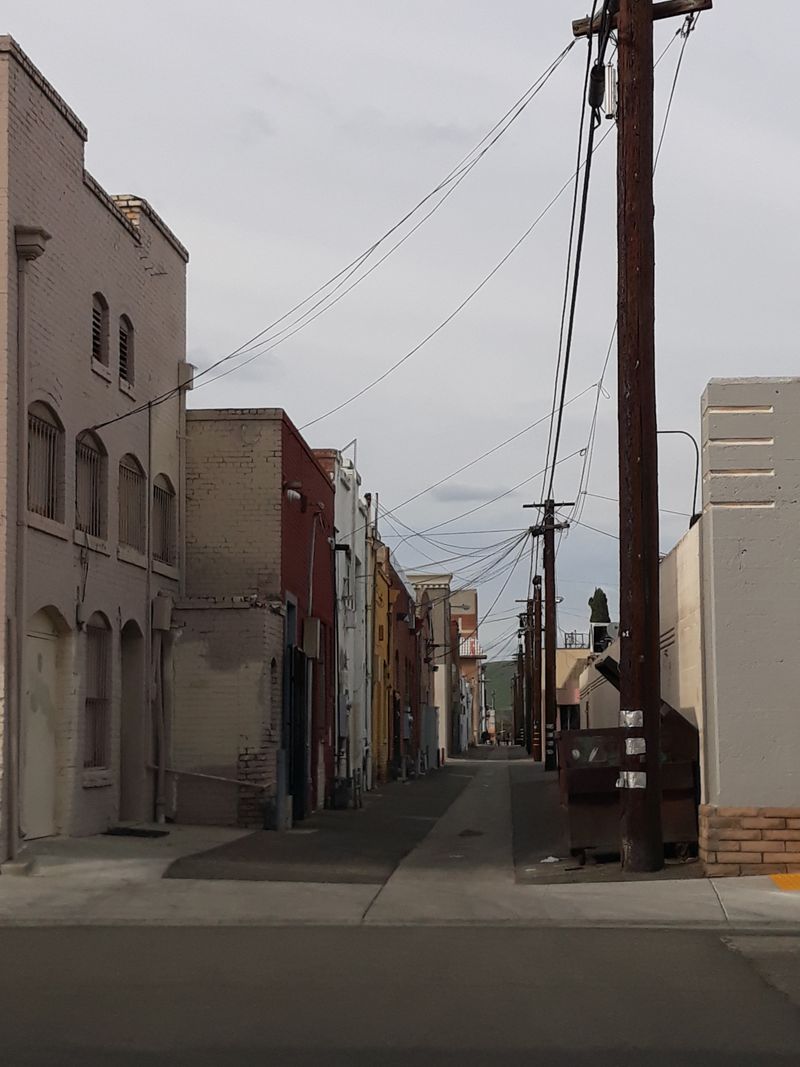
Nestled in the foothills of the Sierra Nevada, this Tulare County community offers retirees a chance to stretch their Social Security dollars further than in most California cities.
Housing costs here remain significantly below state averages, with rental options and modest homes priced within reach for those living on fixed incomes.
The downtown area maintains a small-town atmosphere where neighbors still greet each other by name and local businesses provide personalized service.
Parks dot the landscape, offering free recreation opportunities for morning walks or afternoon picnics without spending a dime.
Grocery stores and essential services cluster within easy driving distance, keeping transportation costs reasonable.
Medical facilities serve the community adequately, though specialized care may require trips to larger cities nearby.
The climate brings hot summers and mild winters, reducing heating bills considerably compared to northern regions.
Outdoor enthusiasts appreciate the proximity to Sequoia National Forest, where day trips provide entertainment without expensive admission fees.
Community centers offer senior programs and social activities that help newcomers integrate without breaking the bank.
The slower pace of life here appeals to those seeking tranquility over urban excitement, and the cost savings make it possible to enjoy retirement without constant budget worries.
2. Tulare
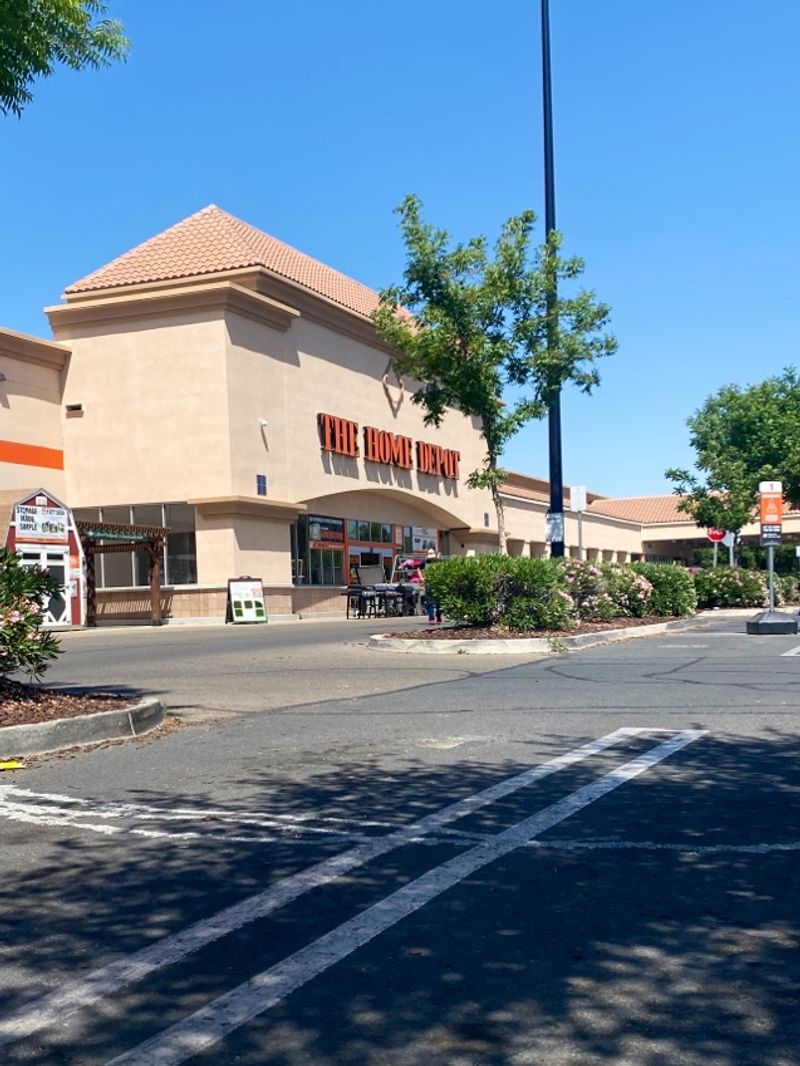
Agriculture shapes the character of this Central Valley town, where dairy farms and orchards create a rural backdrop that keeps living costs grounded.
Retirees discover that their monthly Social Security payments cover housing, utilities, and groceries with less strain than coastal communities demand.
The rental market offers one-bedroom apartments at prices that leave room in the budget for healthcare and occasional dining out.
Home values stay modest, making homeownership achievable for those who saved even small amounts during their working years.
Local farmers markets provide fresh produce at prices that undercut chain supermarkets, and the agricultural abundance means seasonal fruits and vegetables remain affordable year-round.
Thrift stores and discount retailers serve budget-conscious shoppers well. Healthcare facilities include a regional medical center that handles most routine and urgent care needs without requiring expensive trips to metropolitan hospitals.
The flat terrain makes walking or biking feasible for those who prefer to limit driving expenses. Summer heat can be intense, but air conditioning costs remain manageable compared to the expense of heating homes in colder climates.
Community events like outdoor concerts and festivals provide free entertainment throughout the year.
The town’s unpretentious nature means nobody feels pressure to keep up appearances or spend beyond their means.
3. Fresno
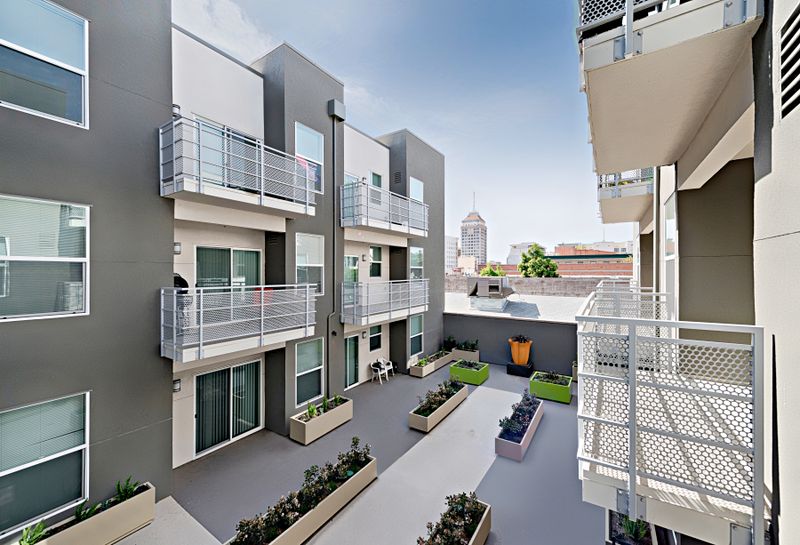
California’s fifth-largest city surprises many retirees with its affordability compared to coastal metros.
The cost of living here runs about 21% lower than the state average, making Social Security checks stretch considerably further.
Rental apartments and modest homes remain within reach for fixed-income residents, with diverse neighborhoods offering various price points.
The city’s size means more housing inventory and competition that keeps prices reasonable.
Big-city amenities include multiple hospital systems, specialty medical practices, and comprehensive healthcare services that eliminate the need for long-distance travel. Public transportation serves major corridors, though many retirees still prefer driving.
Cultural attractions like museums, theaters, and concert venues provide entertainment options, with senior discounts making outings affordable.
Parks throughout the city offer free recreation, and the nearby Sierra Nevada mountains provide day-trip opportunities.
Grocery chains, discount retailers, and ethnic markets create competition that benefits budget-conscious shoppers.
The agricultural heart of California surrounds the city, ensuring fresh produce at reasonable prices. Summer heat requires air conditioning, but mild winters mean minimal heating costs.
The city’s diversity brings varied dining options at multiple price points, from food trucks to sit-down restaurants.
While not glamorous, Fresno provides practical urban living without the financial pressure that crushes budgets in places like San Francisco or Los Angeles.
4. Yuba City
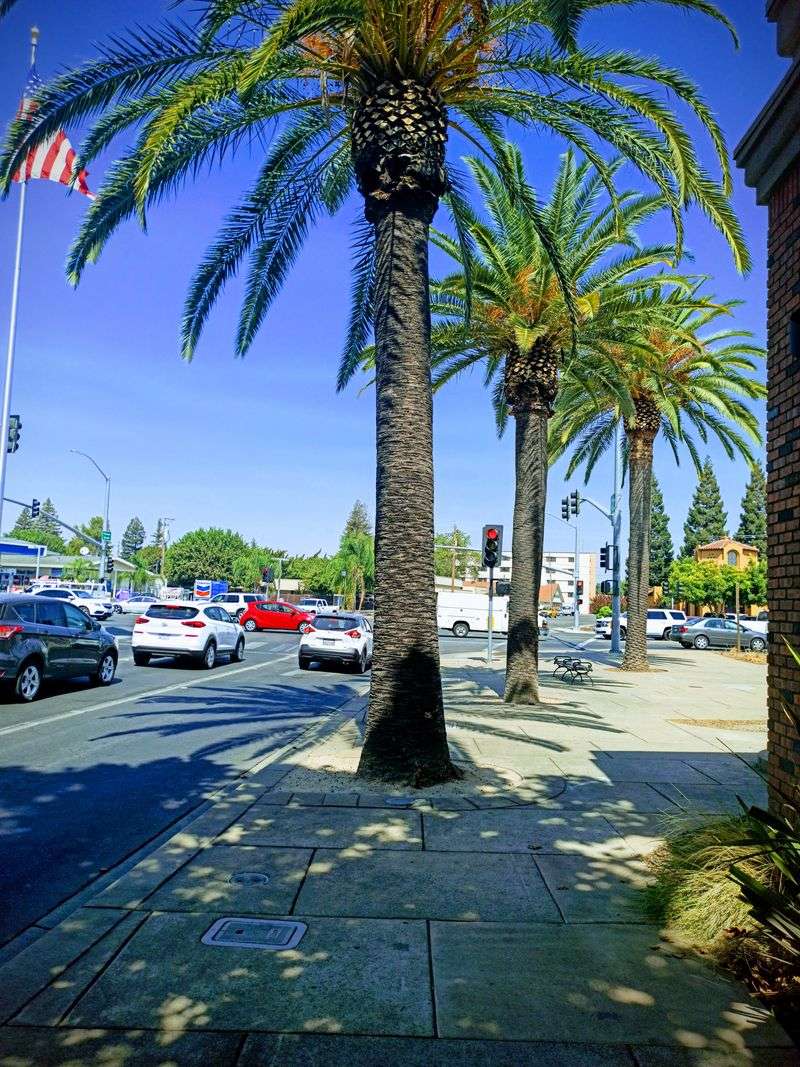
Located in the Sacramento Valley, this community offers retirees proximity to the state capital without the associated housing costs.
Social Security recipients find that their monthly income covers basic living expenses with less financial juggling than metropolitan areas require.
The housing market includes older homes and apartment complexes priced for middle and lower-income residents.
Neighborhoods maintain a quiet, residential character where life moves at a comfortable pace. Local shopping centers provide essential services and retailers without requiring trips to larger cities.
The Feather River runs through the area, creating recreational opportunities like fishing and riverside walks that cost nothing.
Healthcare facilities serve routine needs adequately, with Sacramento’s more extensive medical resources just an hour away for specialized treatment.
The smaller population means less traffic congestion and shorter wait times at local businesses.
The climate brings hot summers and cool winters, with seasonal variation that some retirees appreciate after years in more monotonous environments.
Heating and cooling costs stay moderate compared to extreme climates. The Sikh community maintains a strong presence here, adding cultural diversity and unique dining options to the local scene.
Farmers markets and agricultural stands offer fresh produce at prices that help grocery budgets stretch further.
The town’s understated character means fewer temptations to overspend on entertainment or dining out.
5. Bakersfield
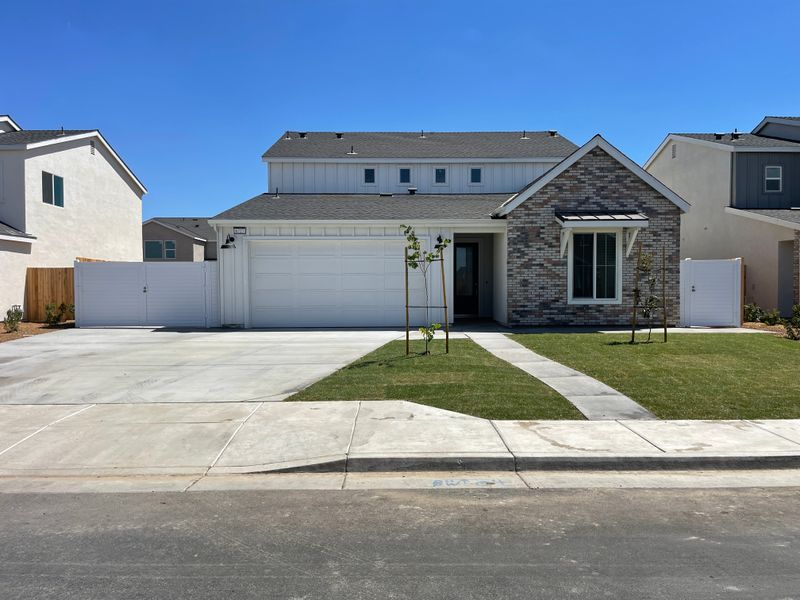
Oil derricks and agricultural fields frame this southern Central Valley city where living costs run 33% below the California average.
Retirees on Social Security discover that housing, whether renting or buying, remains achievable without depleting savings.
The city’s working-class roots create a practical atmosphere where flashy spending never became the norm. Neighborhoods range from modest to middle-class, with options suitable for various budget levels.
Healthcare infrastructure includes multiple hospitals and medical groups that provide comprehensive services locally. The city’s size supports public transportation, though routes remain limited compared to major metros.
Cultural offerings include country music venues that reflect the city’s musical heritage, along with theaters and museums that offer senior discounts.
Parks and recreation facilities provide free or low-cost activities throughout the year. Summer temperatures soar, making air conditioning necessary, but winter months stay mild enough that heating costs remain minimal.
The flat terrain makes walking and biking feasible for those who enjoy active lifestyles. Grocery stores and discount retailers compete vigorously, keeping food and household goods affordable.
Ethnic markets add variety and often feature lower prices than chain supermarkets.
The city lacks the prestige of coastal communities but compensates with genuine affordability that makes retirement on Social Security genuinely workable.
Residents appreciate the straightforward, unpretentious character that defines daily life here.
6. Visalia
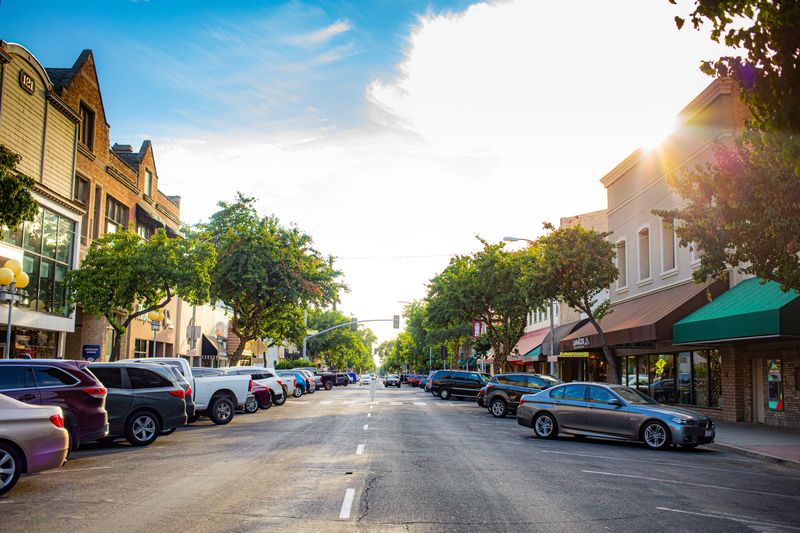
Gateway to Sequoia National Park, this Tulare County seat combines small-city amenities with Central Valley affordability.
Social Security checks cover monthly expenses more comfortably here than in most California communities.
Downtown maintains a revitalized historic district where local businesses thrive and community events bring neighbors together.
Housing costs remain reasonable, with rental apartments and older homes priced within reach for fixed-income residents.
The proximity to national parks provides free or low-cost recreation opportunities that retirees can enjoy year-round. Local parks and walking trails create spaces for exercise and socializing without spending money.
Healthcare services include a regional medical center and numerous medical practices that handle most needs locally. The city’s manageable size means short driving distances that keep transportation costs down.
Farmers markets and agricultural stands capitalize on the region’s productivity, offering fresh produce at prices that help grocery budgets stretch.
Chain restaurants and local eateries provide dining options at various price points. Summer heat requires air conditioning, but the mild winter climate keeps heating bills low.
The city’s livability index reflects resident satisfaction with the balance between affordability and quality of life.
Community programs and senior centers offer activities and social opportunities that help newcomers integrate.
The town’s unpretentious character means less pressure to maintain expensive lifestyles or keep up with wealthier neighbors.
7. Merced
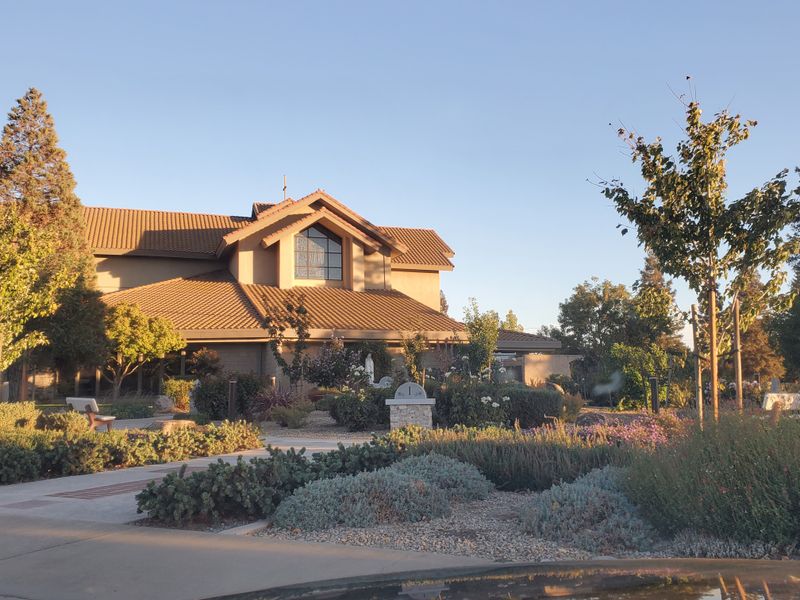
Home to a University of California campus, this Central Valley town offers retirees an intellectual atmosphere alongside genuine affordability.
Social Security income covers living expenses more adequately here than in university towns like Berkeley or Santa Cruz.
Housing options include apartments and older homes priced for working families and retirees on fixed incomes.
The university presence adds cultural events, lectures, and performances that provide entertainment without high ticket prices.
Local healthcare facilities serve routine needs, with more specialized care available in Fresno or Modesto when necessary.
The flat terrain and grid street layout make navigation simple and walking feasible for those who prefer it.
Agricultural surroundings keep produce prices reasonable, and ethnic markets reflecting the area’s diversity offer budget-friendly shopping alternatives.
Chain stores and local businesses compete for customers, benefiting price-conscious shoppers.
Summer temperatures climb high, requiring air conditioning during peak months, but winter stays mild enough that heating costs remain modest.
Parks and recreation facilities provide free activities throughout the year. The university library welcomes community members, offering resources and programs at no cost.
Student energy adds vibrancy to the town without creating the expensive nightlife scene that burdens budgets in some college communities.
The town’s practical, down-to-earth character reflects Central Valley values rather than coastal pretensions.
8. Madera
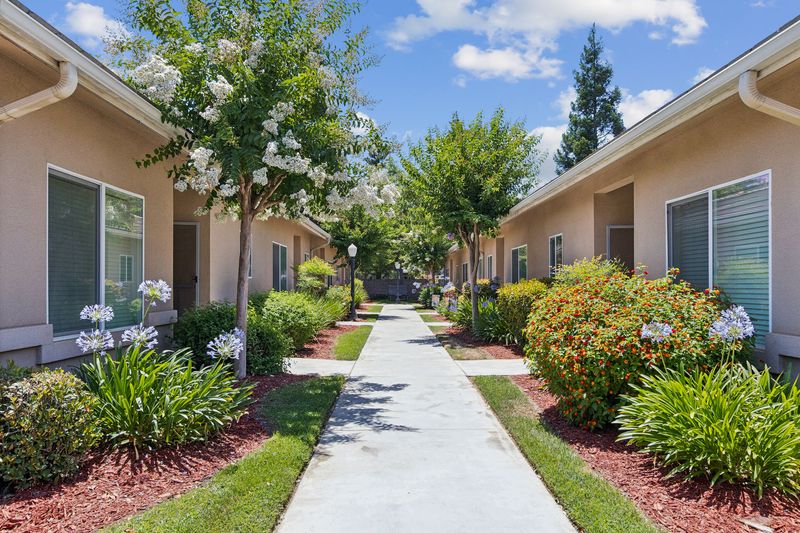
Positioned between Fresno and Merced, this community offers retirees a strategic location that balances affordability with access to larger city amenities when needed.
Housing costs remain reasonable, with options ranging from apartment complexes to older single-family homes that fit Social Security budgets.
The town maintains a practical, no-frills character that appeals to retirees who value substance over style.
Chain restaurants and local diners provide affordable meal options, and grocery stores compete for business, keeping food prices competitive.
Public transportation exists but remains limited, so most residents rely on personal vehicles. However, the compact size of the community means short driving distances that keep gas expenses manageable.
Healthcare services cover basic needs, with more specialized treatment available in nearby Fresno for those willing to make the drive.
The agricultural surroundings create open spaces and cleaner air than urban centers offer. Summers bring high temperatures that require air conditioning, but winter months stay mild enough that heating bills rarely spike.
Parks and walking trails provide free recreation, and the town’s library offers programs and resources at no cost. Crime rates stay relatively low, and the slower pace of life reduces stress levels.
For retirees seeking affordability without complete isolation from services, this town strikes a workable balance.
9. Stockton
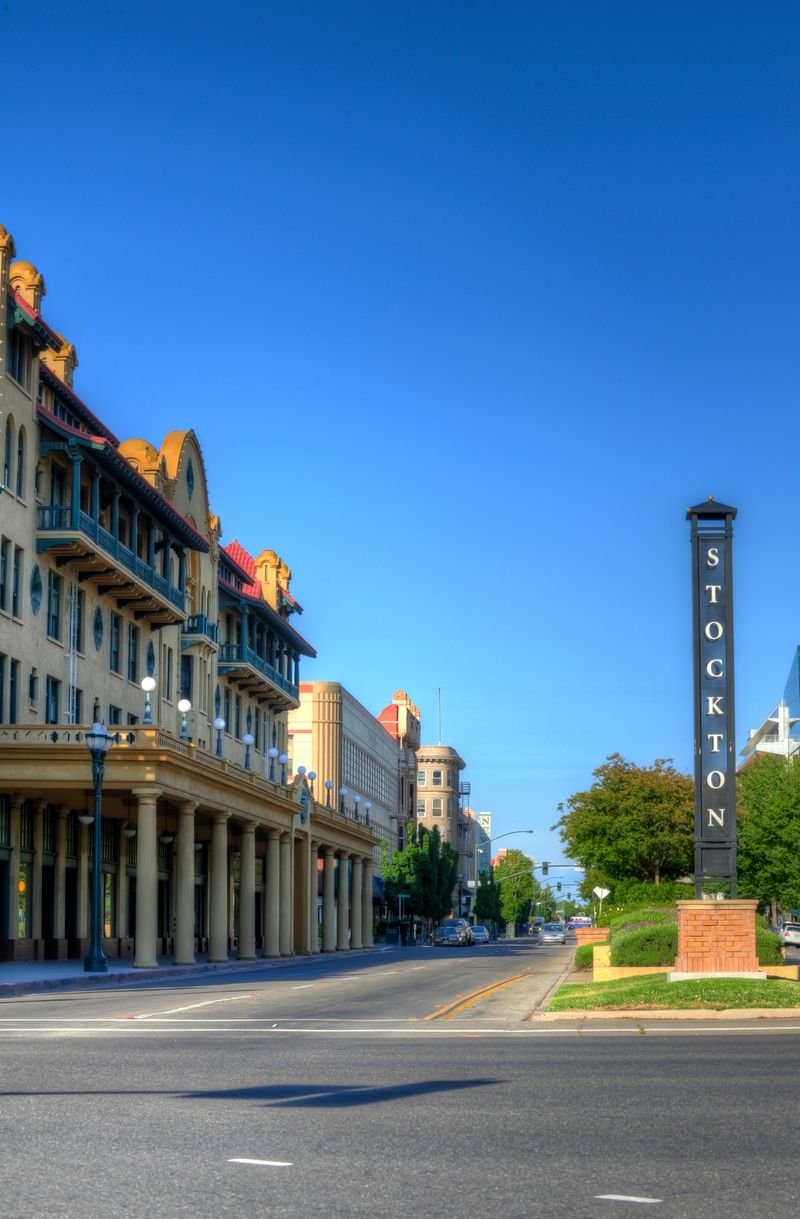
Waterways and history define this San Joaquin County city where affordability attracts retirees seeking urban amenities without urban prices.
Housing costs remain significantly below Bay Area levels despite the city’s proximity to the region.
Rental apartments and homes span various price ranges, with options suitable for Social Security budgets in established neighborhoods.
The city’s diversity creates ethnic markets and restaurants that offer budget-friendly shopping and dining alternatives.
Healthcare infrastructure includes multiple hospital systems and medical groups that provide comprehensive services locally.
Public transportation serves major corridors, though coverage remains less extensive than in larger metros.
The historic downtown area has seen revitalization efforts that brought new businesses and cultural venues to the waterfront. Parks along the delta provide free recreation opportunities, from walking trails to waterfront views.
The port heritage adds character and creates a distinct identity separate from agricultural towns nearby.
Summers bring heat that requires air conditioning, while winters stay mild enough to minimize heating expenses.
Grocery chains and discount retailers compete throughout the city, keeping food and household costs manageable.
The University of the Pacific adds educational and cultural programming that enriches community life.
Crime concerns exist in some neighborhoods, so retirees should research areas carefully before committing.
However, the genuine affordability makes it possible to live comfortably on Social Security in ways that more expensive California cities simply cannot match.
10. Modesto
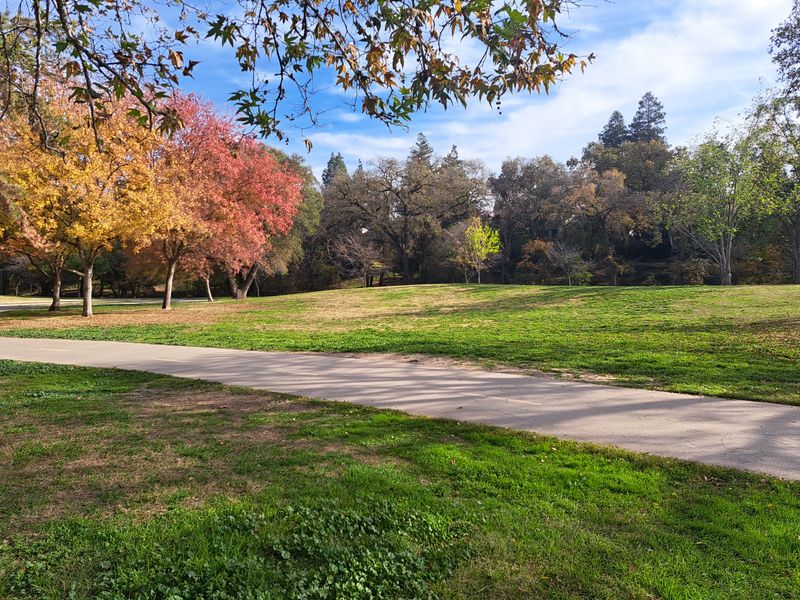
Stanislaus County’s largest city offers retirees a practical middle ground between small-town isolation and big-city expenses.
Social Security checks cover monthly living costs more comfortably here than in coastal communities or the Bay Area.
Housing markets include rental apartments and older homes priced within reach for fixed-income residents.
Neighborhoods maintain a suburban character with tree-lined streets and local parks that provide free recreation.
Healthcare services encompass multiple hospital systems and medical practices that handle most needs without requiring trips to larger cities.
The grid street layout and flat terrain make navigation straightforward for newcomers. Agricultural abundance surrounds the city, ensuring fresh produce at reasonable prices year-round.
Farmers markets and roadside stands supplement grocery store shopping with budget-friendly options.
Cultural attractions include theaters, museums, and the annual American Graffiti festival that celebrates the city’s connection to the classic film.
Parks and recreation facilities offer activities and programs at low or no cost. Summer heat demands air conditioning, but mild winters keep heating bills minimal compared to colder climates.
Chain restaurants and local eateries provide dining options at various price points. The city’s unpretentious character reflects Central Valley values where practical considerations outweigh status concerns.
Public transportation exists but remains limited, so personal vehicles remain necessary for most residents. Crime rates vary by neighborhood, making research important before choosing where to settle.
11. Lancaster
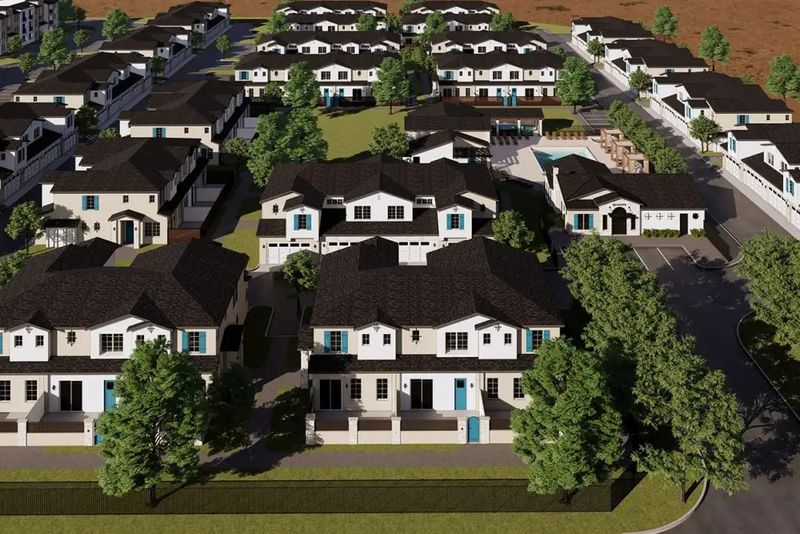
Desert landscapes and aerospace heritage characterize this Antelope Valley city where housing costs stay notably lower than Los Angeles County’s coastal communities.
Retirees on Social Security find their monthly income stretches further here than in most Southern California locations.
The housing market offers apartments and homes at prices that leave room in budgets for healthcare and other essential expenses.
Neighborhoods sprawl across the high desert, with newer developments mixing with older established areas. Healthcare facilities include hospitals and medical groups that serve the growing population adequately.
The city’s size supports some public transportation, though personal vehicles remain necessary for most errands.
Cultural attractions include the Museum of Art and History along with performing arts venues that offer programming throughout the year.
Parks and desert recreation areas provide free outdoor activities for those who enjoy the arid environment.
Summer temperatures soar in the desert heat, making air conditioning essential and potentially costly.
However, winter months stay mild, and the lack of humidity makes the climate feel less oppressive than coastal heat. Grocery chains and discount retailers compete for customers, keeping food prices competitive.
The city’s distance from Los Angeles means less traffic congestion but also longer drives for specialized services.
Wind remains a constant presence that some residents find challenging while others adapt quickly. The desert setting offers clear skies and stunning sunsets that compensate for the stark landscape.
12. Citrus Heights
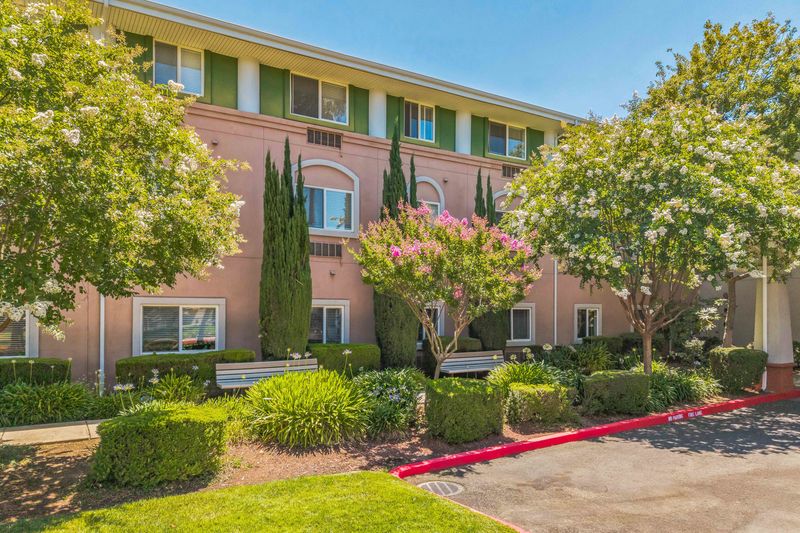
Sacramento’s suburban neighbor offers retirees proximity to the state capital without downtown housing costs.
Social Security recipients discover that their monthly income covers living expenses more comfortably than in Sacramento proper or Bay Area suburbs.
The housing market includes apartments and single-family homes in established neighborhoods where mature trees and community parks create pleasant surroundings. Rental options remain available at prices that fit fixed-income budgets.
Shopping centers and retail corridors provide abundant services and stores within short driving distances.
Healthcare facilities throughout the greater Sacramento area ensure comprehensive medical access without long commutes.
Public transportation connections to Sacramento exist, though most residents rely on personal vehicles for daily errands.
The suburban layout means everything stays spread out but accessible. Parks and recreation facilities offer free or low-cost activities throughout the year.
The American River Parkway provides miles of trails for walking and biking without any admission fees. Climate brings hot summers that require air conditioning and cool winters that need moderate heating.
Seasonal variation provides the changing weather that some retirees appreciate after years in more monotonous climates. The community maintains a middle-class character without pretensions or pressure to overspend.
Chain restaurants, grocery stores, and services compete throughout the area, keeping prices reasonable.
Crime rates stay moderate, and the suburban setting offers quiet residential streets where life moves at a comfortable pace suitable for retirement years.