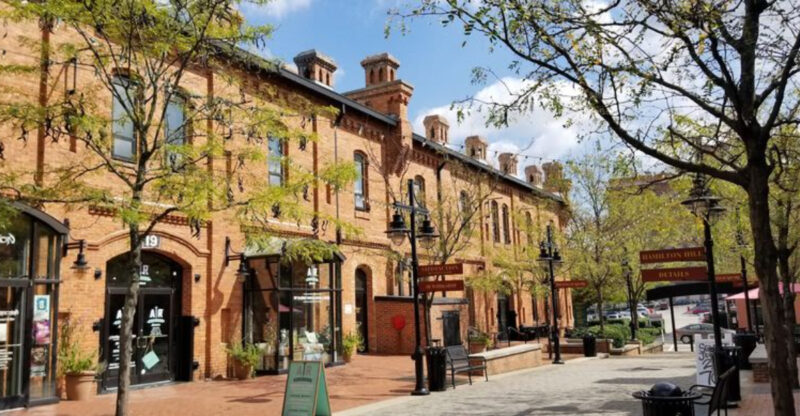
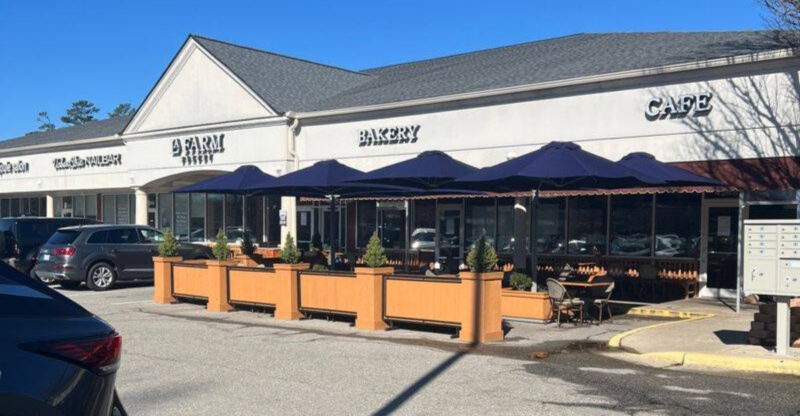
These 12 Charming North Carolina Towns Feel Like They Were Pulled From A Storybook
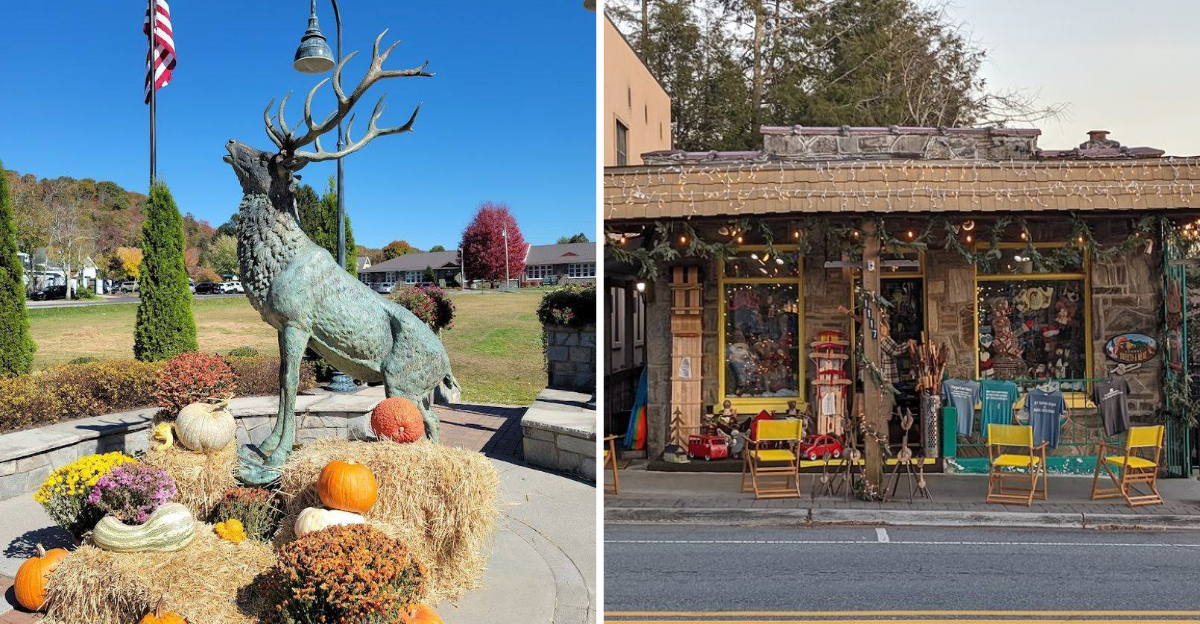
North Carolina is the kind of place where a simple drive can lead to an unexpected stop. One minute you are on a quiet highway. The next you are rolling into a town that looks straight out of a travel magazine.
Between the Blue Ridge Mountains and the Atlantic coast, the state is full of small communities with strong character. Historic homes line the streets. Wide front porches face old town squares and locally owned shops still anchor the main roads.
Some towns sit high in the mountains where morning fog drifts through the valleys. Others rest along the coast, where boats rock gently in the harbor and seafood spots welcome travelers.
Each one offers its own version of small-town North Carolina. That variety is part of what makes exploring the state so rewarding.
If you ever wanted to wander into a place that feels straight out of a storybook, North Carolina has plenty of them. From mountain villages to coastal hideaways, these 12 towns turn a simple weekend trip into something memorable.
1. Edenton
Spanish moss drifts above quiet streets, and the past never feels far away. History lingers here in homes, churches, and public buildings that have stood for centuries.
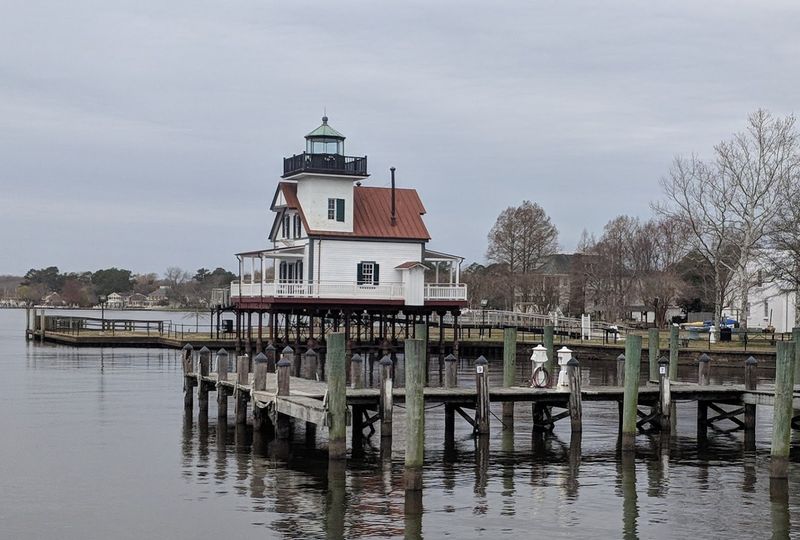
Edenton sits along Edenton Bay and ranks among North Carolina’s oldest towns. Founded in the early 1700s, it still preserves the elegance of its colonial roots.
Walking through the historic district often feels like stepping back into the 18th century.
The Chowan County Courthouse on East King Street remains one of the town’s proudest landmarks. Built in 1767, it stands among the finest surviving Georgian courthouses in America.
Many visitors begin their exploration at the Penelope Barker House Welcome Center. Exhibits there introduce the town’s long story and its influential role in colonial history.
Edenton also gained attention in 1774 during the famous Edenton Tea Party. Local women organized a boycott of British tea and sent a bold political message.
The waterfront offers a quieter but equally memorable side of town. Waterfront Park overlooks Edenton Bay and delivers beautiful sunset views across calm water.
Spend a little time here and the slower rhythm becomes impossible to ignore. Visitors often leave feeling less like tourists and more like welcomed neighbors.
2. Beaufort
Locals will quickly correct the pronunciation if you say it wrong. Around here, Beaufort is pronounced BOH-fort, and they say it proudly.
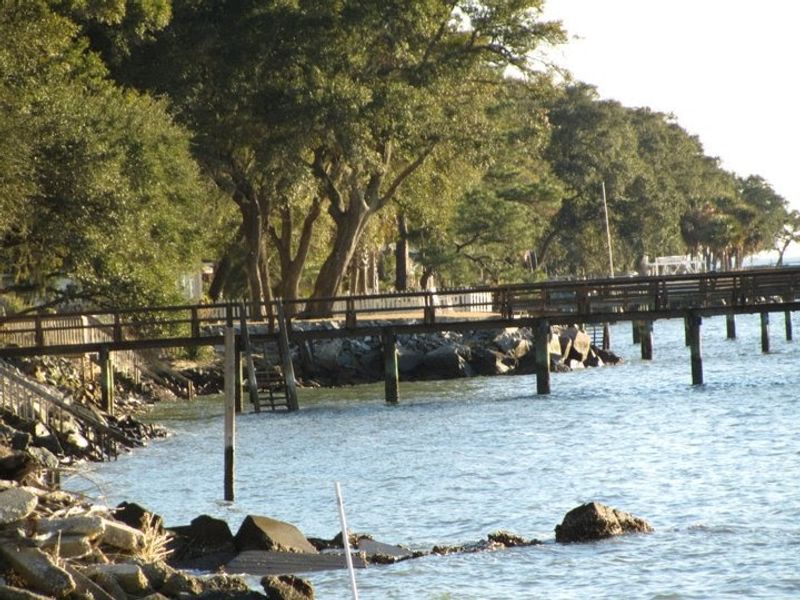
This coastal town has welcomed visitors since the early 1700s. Along Taylor Creek, maritime history shapes much of the community’s identity.
A great introduction waits at the North Carolina Maritime Museum at 138 Turner Street. Exhibits bring the region’s seafaring past to life through shipwreck stories, artifacts, and local lore. Some items are believed to come from Blackbeard’s flagship, Queen Anne’s Revenge, which ran aground nearby in 1718.
History continues throughout the Beaufort Historic District. More than 100 homes here appear on the National Register of Historic Places.
A short walk away, the Old Burying Ground on Ann Street offers another glimpse into the past. Weathered gravestones and old maritime markers give the cemetery a quiet, reflective atmosphere.
Across the water, the Rachel Carson Reserve adds a wild contrast to the historic town. Wild horses roam the islands and often appear from the Beaufort waterfront boardwalk.
Few coastal towns blend maritime heritage, preserved architecture, and natural beauty so effortlessly. One visit rarely feels like enough.
3. Bath
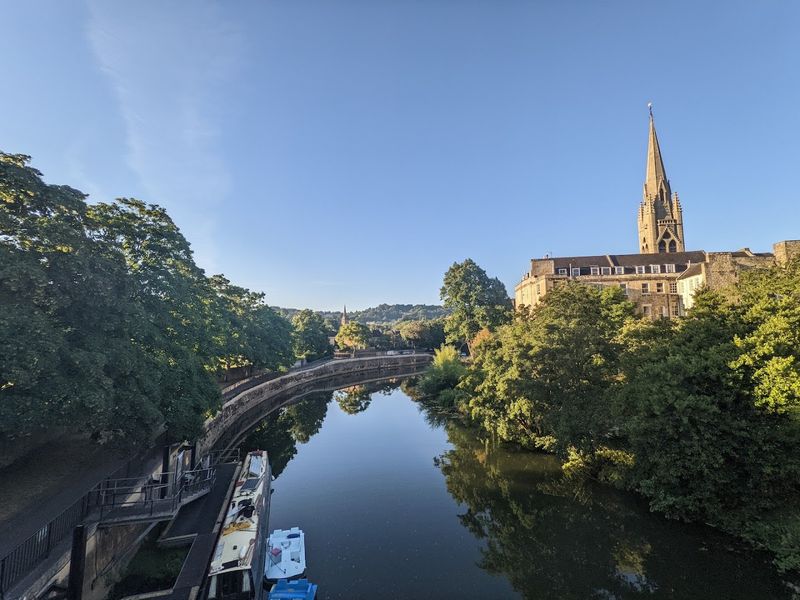
More than three centuries of history still echo through these quiet streets. Bath has carried that legacy proudly since its incorporation in 1705.
Fewer than 300 residents live here today. The calm streets feel closer to a preserved village than a modern town.
One of the most notable landmarks rises along Craven Street. St. Thomas Episcopal Church at 400 Craven Street was completed in 1734. Services still take place there, continuing a tradition that spans nearly three centuries.
Visitors can explore much of that past at the Historic Bath State Historic Site. Guided tours share stories about early settlers, trade routes, and daily colonial life.
Pirate lore adds another layer to the town’s story. Blackbeard reportedly lived in Bath between several of his seafaring expeditions.
The Pamlico River borders the town with wide, peaceful views. Photographers often linger along the shoreline during the late afternoon light.
Bath shows how small places can carry remarkable history. A simple afternoon visit feels like opening a forgotten chapter of the past.
4. Saluda
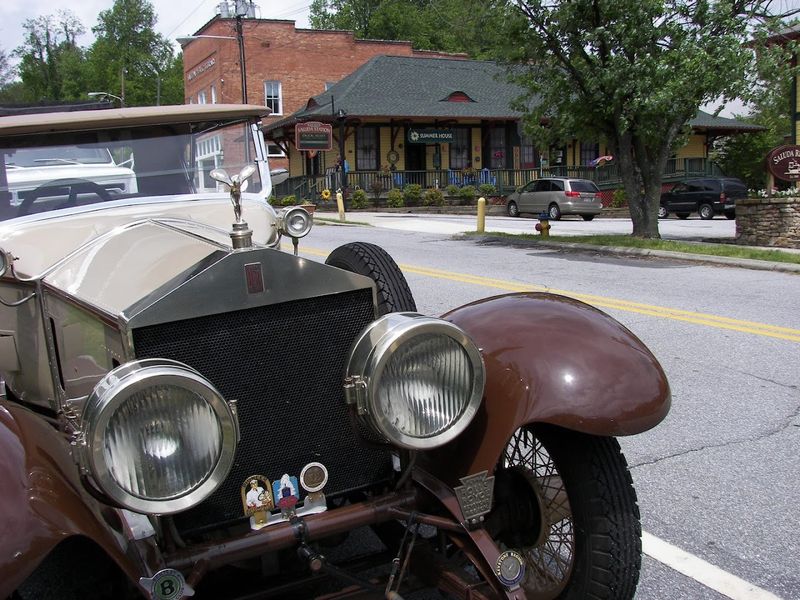
Steep mountains shaped this town’s story long before visitors arrived. Saluda still carries that dramatic geography in its character today.
The town sits in Polk County near the edge of the Blue Ridge Escarpment. It also holds a rare distinction tied to American railroad history.
Saluda was once home to the steepest standard-gauge mainline railroad grade in the United States. That remarkable slope helped define the town’s identity for generations.
Main Street reflects a slower rhythm of life. Antique shops, art studios, and small bakeries line the compact downtown.
A newer addition brings fresh energy to the scene. Saluda Grade Brewing Company blends local creativity with the town’s long spirit of reinvention.
Nature waits just outside town for anyone ready to explore. Pearson’s Falls lies a short drive away at 2748 Pearson Falls Road.
The botanical preserve protects a striking 90-foot waterfall surrounded by lush forest. The trail passes wildflowers and towering ferns along the short walk.
Saluda rewards visitors who slow down and wander. Around nearly every corner, something unexpected appears.
5. Bryson City
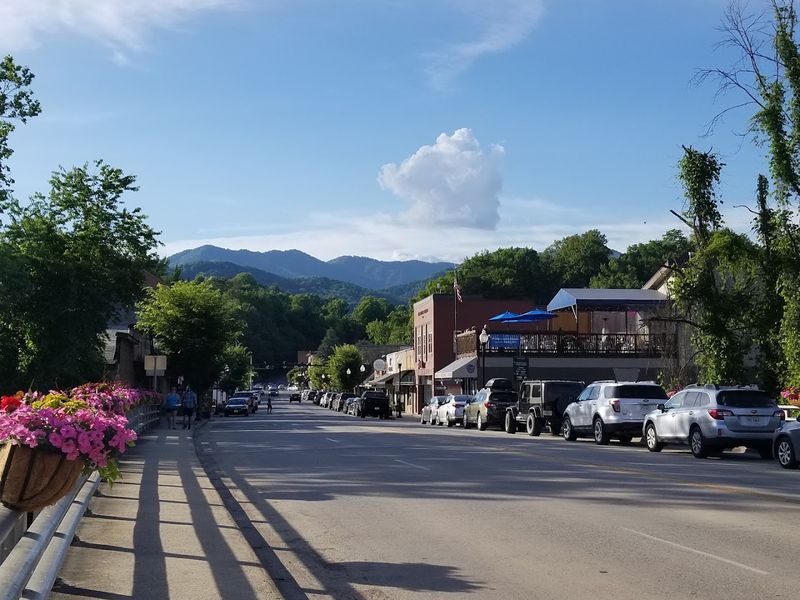
Some towns exist mainly as gateways to larger attractions. Bryson City proves it can stand proudly on its own.
This Swain County community sits beside Great Smoky Mountains National Park. Despite the famous neighbor, the town has developed a strong identity.
One of its biggest draws rolls out of the historic depot downtown. The Great Smoky Mountains Railroad departs from 45 Mitchell Street and travels through remarkable mountain scenery.
Seasonal trains add extra excitement throughout the year. Autumn rides visit pumpkin patches, while December trips feature festive journeys with Santa.
The Tuckasegee River flows directly through the center of town. Its clear water draws anglers and whitewater rafters from across the region.
Serious adventurers often head toward the Nantahala Gorge. Nantahala Outdoor Center sits about 13 miles west at 13077 US-19.
For decades, the outfitter has helped visitors tackle the river with guides, gear, and expertise. The center remains one of the region’s most respected outdoor hubs.
Bryson City blends adventure with genuine small-town warmth. That balance makes it one of western North Carolina’s most rewarding stops.
6. Banner Elk
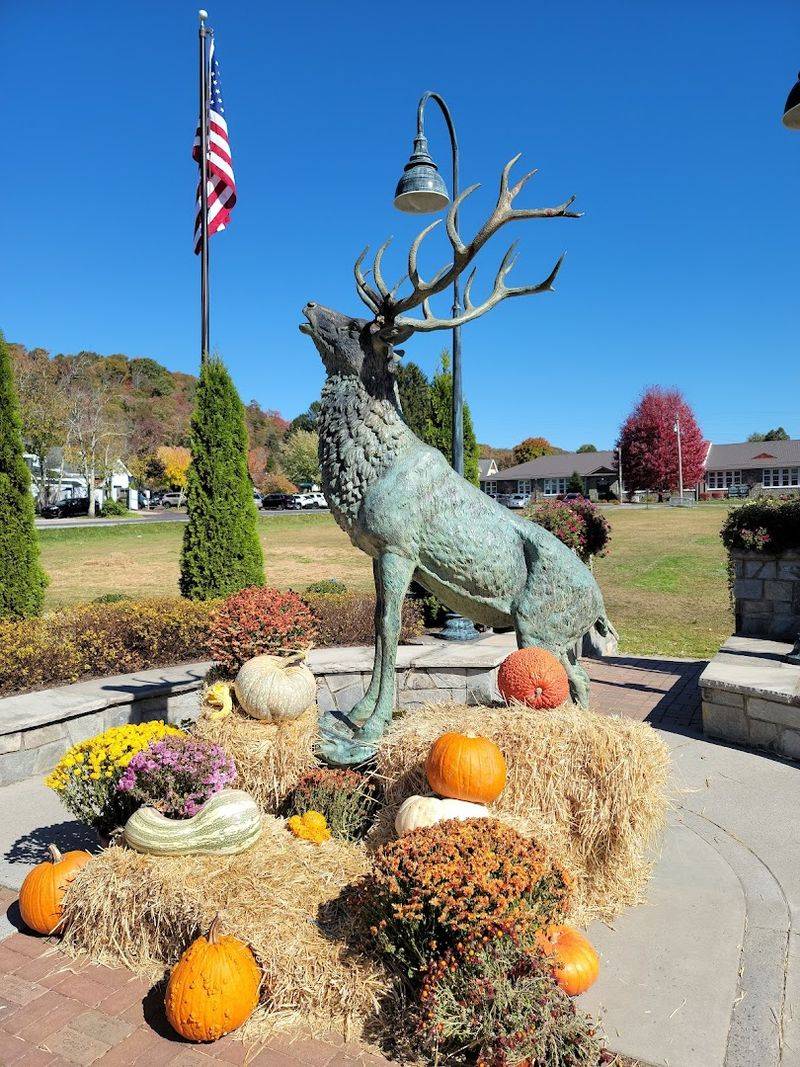
Cool mountain air greets visitors the moment they arrive. Banner Elk sits high in Avery County, where summers stay mild and winters bring steady snow.
The village feels built for postcard scenes. Nearby slopes at Beech Mountain and Sugar Mountain draw skiers from across the Southeast.
Winter brings the biggest crowds, but the town stays lively all year. Scenic views and mountain festivals keep visitors returning in every season.
One of the most unusual events arrives each October. The Woolly Worm Festival features caterpillar races used to predict the coming winter.
Downtown stretches along Tynecastle Highway with a growing collection of galleries and wine shops. Farm-to-table restaurants highlight the High Country’s rising culinary reputation.
Lees-McRae College adds steady energy to the small village. Students and events keep the town feeling active throughout the year.
The campus wildlife center surprises many first-time visitors. Native North Carolina animals offer an up-close look at the region’s natural heritage.
7. Blowing Rock
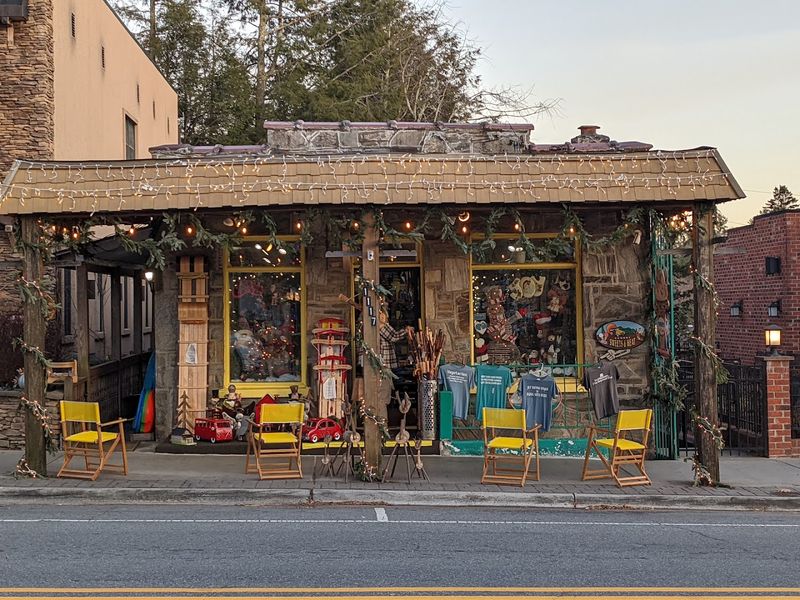
Mountain air has a way of slowing everything down the moment you arrive. At nearly 4,000 feet above sea level, this Blue Ridge town replaces deadlines with sweeping views, cool breezes, and the steady scent of pine drifting through the streets.
The town of Blowing Rock feels built for lingering. Just outside the center, the famous Blowing Rock attraction at 432 Rock Road offers a cliffside vantage point.
The wind there moves so consistently that locals claim lightweight objects tossed from the edge can drift right back toward the thrower.
A walk along Main Street reveals boutiques, galleries, and relaxed cafés that make it easy to lose track of time. Tanger Gallery highlights regional artists whose paintings and sculptures reflect the landscapes and character of the surrounding mountains.
Autumn sets the hillsides ablaze with deep reds and golds that draw photographers from across the region, while winter brings skiing nearby and spring fills the trails with wildflowers. No matter when you visit, the town somehow manages to feel new again.
8. Manteo
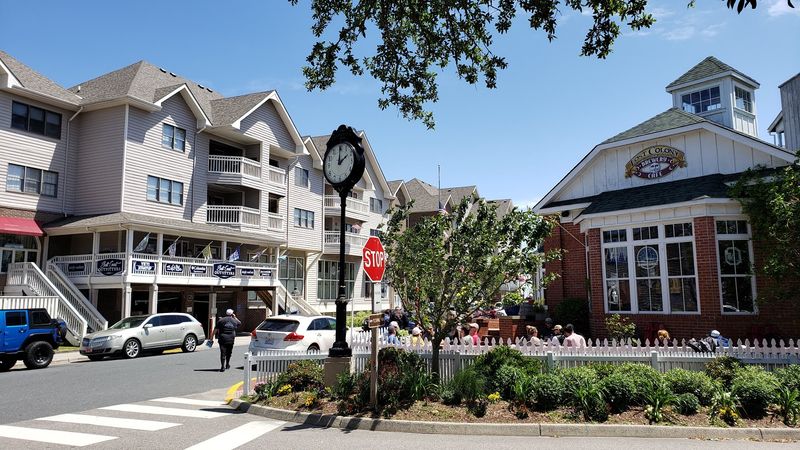
Few American mysteries capture the imagination like the Lost Colony. Manteo stands at the center of that centuries-old story.
More than 100 settlers disappeared from nearby Roanoke Island in 1590. The unanswered question has fascinated historians and visitors ever since.
Each summer, the story returns to life on stage. The Waterside Theatre at 1409 US-64 Business hosts the outdoor drama The Lost Colony.
Performances have taken place there since 1937. That tradition makes it the longest-running outdoor symphonic drama in the country.
Downtown stretches along Queen Elizabeth Avenue beside the waterfront. Wooden storefronts, local bookshops, and seafood restaurants give the area a classic maritime feel.
History continues at the Elizabeth II State Historic Site at 1 Festival Park. A carefully reconstructed 16th-century sailing vessel anchors the living-history attraction.
Visitors can explore exhibits that recreate the early colonial world. The ship offers a vivid glimpse into the era of England’s first American settlements.
Manteo carries its past with quiet pride. That deep history gives the town a character rarely found along the East Coast.
9. Hendersonville
Orchards stretch across the surrounding hills, shaping both the landscape and the local culture. Hendersonville proudly claims its place as North Carolina’s apple capital.
Henderson County produces more apples than any other county in the state. Harvest season turns the region into a lively celebration of orchards and fresh cider.
The biggest event arrives every Labor Day weekend. The North Carolina Apple Festival fills Main Street with music, food, and longtime traditions.
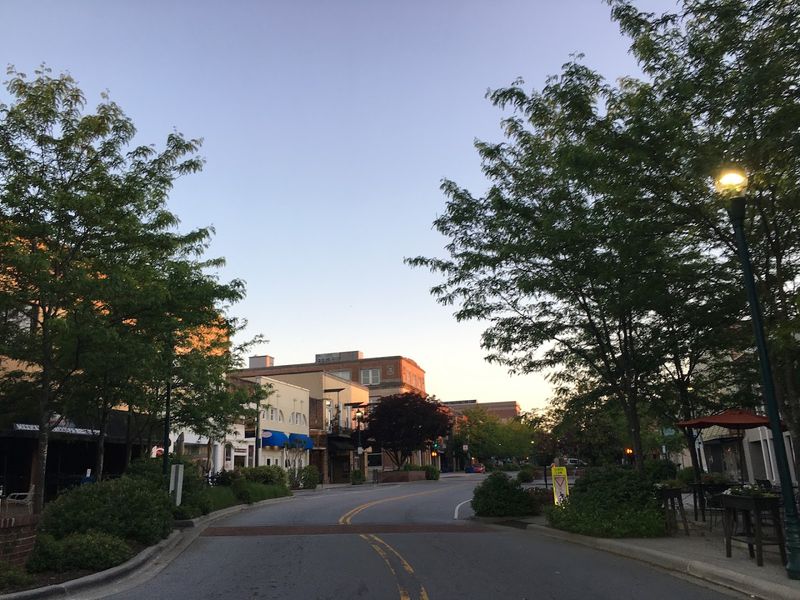
Downtown itself invites visitors to slow down and explore. Independent shops, art galleries, and restaurants line the beautifully preserved Main Street.
The town balances Appalachian heritage with a growing culinary scene. Local chefs and small businesses continue to add new energy downtown.
Families often stop at Mineral and Gem World at 78 US-25 South. The quirky shop delights rock collectors and curious kids alike.
A short drive leads to one of the area’s best viewpoints. Jump Off Rock Overlook reveals a sweeping panorama of the Blue Ridge Mountains.
Sunset transforms the scene into something unforgettable. The sky often glows with deep colors that seem almost unreal.
10. Pittsboro
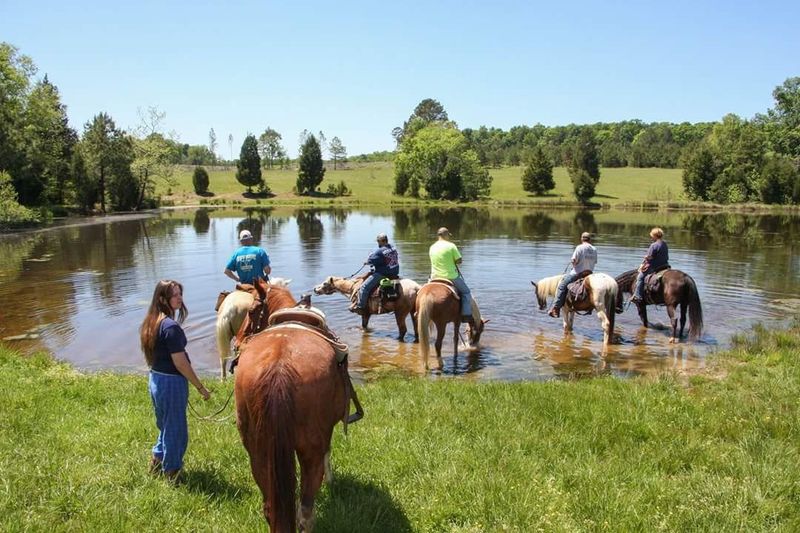
Expect a quiet county seat and Pittsboro will surprise you quickly. Creative energy runs through the town in ways many visitors never expect.
Downtown centers on a graceful historic landmark. The 1881 Chatham County Courthouse anchors the traffic circle and draws constant attention from photographers.
Just outside town sits one of the region’s most unusual destinations. Fearrington Village at 2000 Fearrington Village Center occupies a former dairy farm.
Today it blends a luxury inn with shops, gardens, and walking paths. The transformation turned the property into a beloved North Carolina retreat.
Community spirit shows itself in everyday places as well. Chatham Marketplace on Hillsboro Street operates as a worker-owned cooperative grocery.
The store reflects the town’s strong community focus. Local artisans and musicians add another layer to Pittsboro’s creative atmosphere.
Events like the Shakori Hills Grassroots Festival of Music and Dance bring a lively, bohemian spirit. The festival contrasts beautifully with the historic architecture.
Pittsboro sits about 28 miles from Chapel Hill. Despite the short distance, the town feels far removed from city life.
11. Davidson
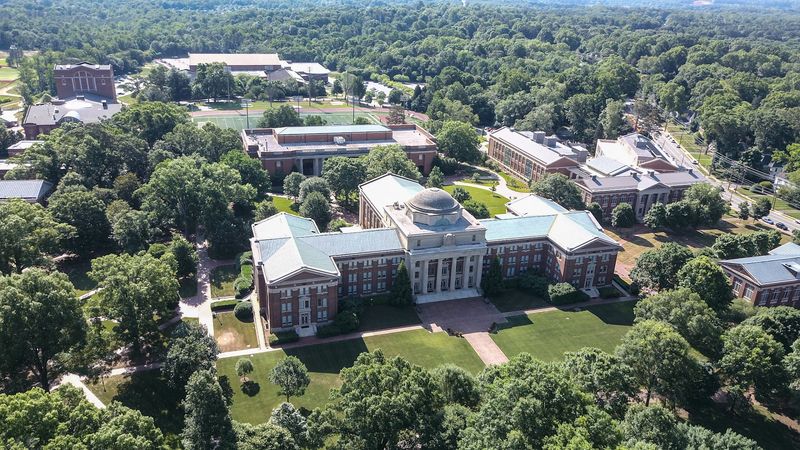
College towns rarely lose their youthful spirit. Davidson balances that energy with the calm character of a historic village.
The town revolves around Davidson College, founded in 1837. Its shaded campus stretches along Main Street with classic brick buildings and tree-lined paths.
Walking the grounds feels almost literary. The setting often reminds visitors of a quiet New England college town.
The campus art gallery adds an unexpected cultural highlight. Rotating exhibitions bring impressive works to a town of fewer than 14,000 residents.
Just down the street, Summit Coffee anchors the daily rhythm of downtown. Students, professors, and locals gather there to talk, study, and relax.
The nearby shoreline of Lake Norman adds another dimension to the town. Many first-time visitors do not expect water views so close to campus.
Outdoor recreation mixes easily with academic life here. Kayaking, boating, and lakeside sunsets sit minutes from downtown.
Davidson’s walkable streets and active arts scene create a welcoming atmosphere. Spend an afternoon here and the town’s reputation quickly makes sense.
12. Black Mountain
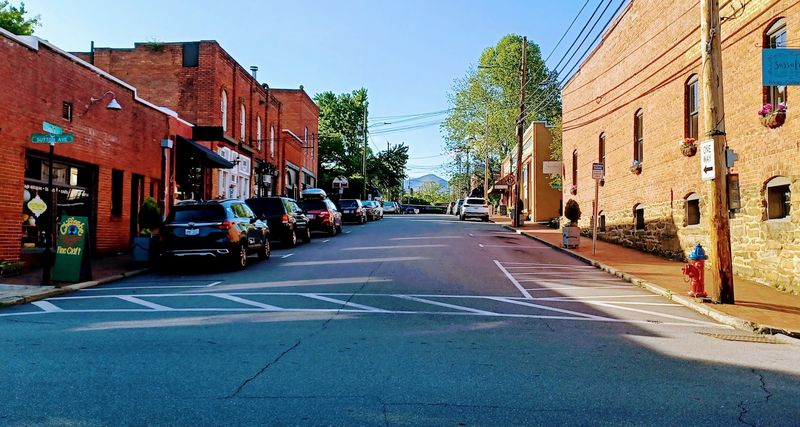
Creative energy has shaped this mountain town for generations. Black Mountain continues to attract artists, makers, and curious travelers.
The town sits in Buncombe County about 15 miles east of Asheville. Its artistic reputation traces back to the influential Black Mountain College.
The experimental school operated here from 1933 to 1957. Visionaries like Buckminster Fuller and Robert Rauschenberg once worked and taught there.
That spirit of creativity still defines the community today. Galleries and studios along Cherry Street carry forward the town’s artistic legacy.
Downtown invites slow exploration rather than rushed sightseeing. Independent shops, pottery studios, and vintage bookstores fill the walkable streets.
Seven Sisters Folk Center on West State Street highlights traditional Appalachian crafts. The space connects visitors with regional folk art and cultural traditions.
Nature waits just beyond the town center. The Swannanoa River flows nearby, and trails into the Black Mountains begin minutes away.
Black Mountain blends creative culture with rugged mountain scenery. That balance keeps visitors returning again and again.