These 12 Crystal-Clear Idaho Swimming Spots Make Summer 2026 Feel Instantly Cooler
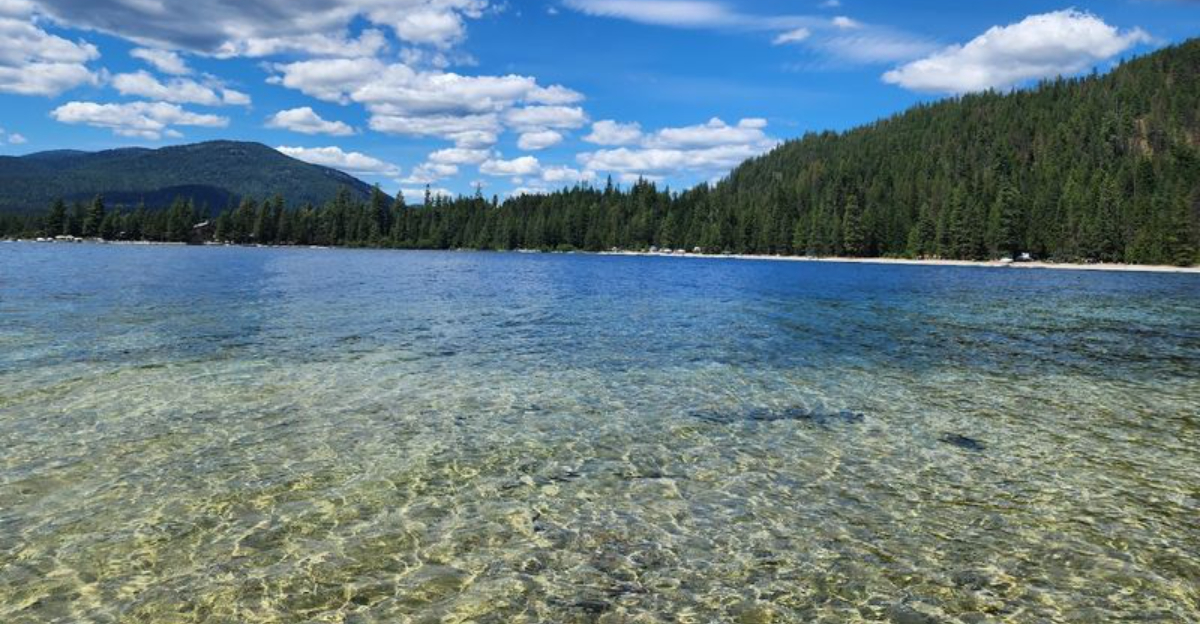
Summer 2026 needs all the help it can get, because Idaho heat can turn an innocent afternoon into a personal argument with the sun.
Crystal-clear swimming spots come in at exactly that moment, looking almost unfair.
Water this bright feels like nature installed a refresh button and then got a little smug about it. One glance can make every sweaty plan seem unreasonable.
Towels become urgent. Staying dry becomes suspicious.
Jumping in feels less like recreation and more like winning a tiny battle against July.
Blue water, cool air, and instant relief do not need much explanation.
When the heat starts acting powerful, these places know exactly how to humble it.
1. Redfish Lake
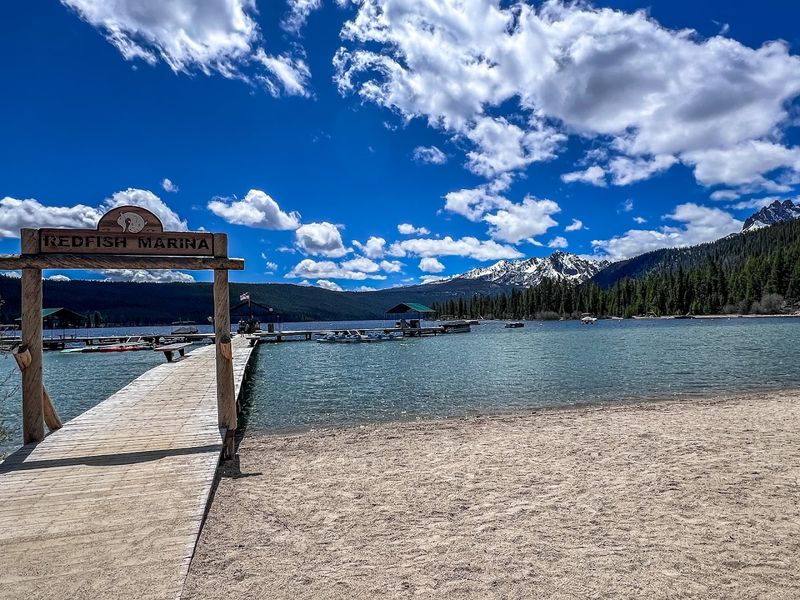
High in the Sawtooth National Recreation Area, clear water and mountain drama make this Stanley-area lake one of Idaho’s most famous summer swimming escapes.
Redfish Lake is the largest lake in the Sawtooth National Recreation Area, and its developed recreation setting includes campgrounds, day-use areas, water access, and classic views of the Sawtooth peaks.
Swimming here feels best when the day has warmed up, because alpine water can still carry a serious chill even during peak summer. Instead of promising bathtub comfort, Redfish offers the kind of sharp, clean plunge that feels earned after hiking, paddling, or lounging on the beach.
Redfish Lake Lodge’s marina notes a beach beside the lodge and motorized and non-motorized rentals, which makes it easy to turn a swim into a fuller lake day.
Families often gravitate toward shoreline areas where the entry feels manageable, while photographers chase those famous blue-water reflections.
Early mornings bring calmer surfaces and quieter beaches. Midday brings the full summer scene.
Either way, Redfish Lake delivers a polished but still wild-feeling version of Idaho mountain swimming, with enough scenery to make even a quick dip feel like a whole vacation.
2. Alturas Lake
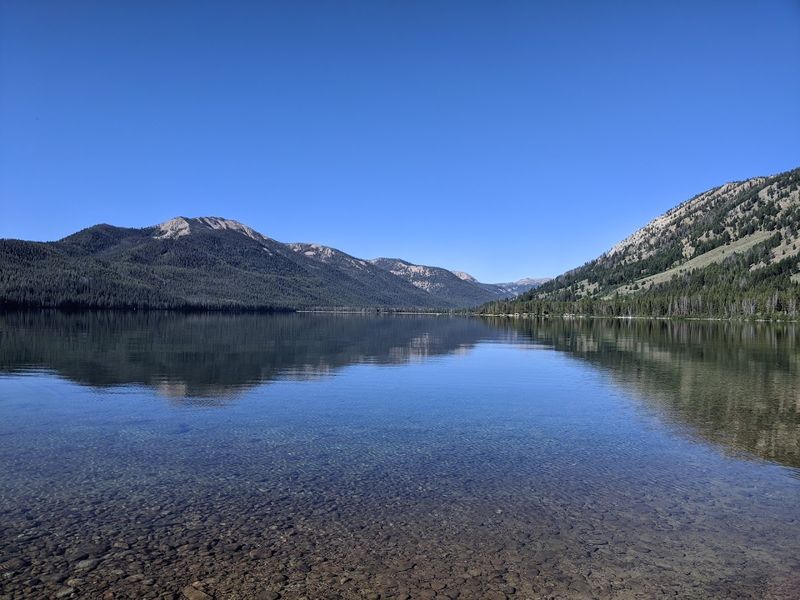
South of Stanley, this Sawtooth National Recreation Area lake gives swimmers a quieter mountain option without sacrificing the clear-water payoff.
Alturas Lake offers developed recreation access, with campgrounds and day-use facilities. Recreation.gov also notes a nearby day-use site at Alturas Lake Inlet, featuring a swim beach and the Smokey Bear Boat Ramp less than a quarter mile away.
Water here stays cool, clean, and refreshing in the way only high-country lakes seem able to manage. Instead of huge crowds and nonstop activity, Alturas often feels more relaxed than Idaho’s most photographed lake destinations, especially during weekday visits or early mornings.
Pine-covered slopes frame the water, and the shoreline gives visitors room to swim, picnic, paddle, or simply sit still long enough to hear the wind move through the trees. Campers can stretch the visit overnight, which is the best way to catch both glassy morning reflections and soft evening light.
Anyone expecting warm resort-style swimming should reset their expectations before jumping in. Alturas is bracing, bright, and deeply scenic.
Its charm comes from that balance: accessible enough for a family day, quiet enough to feel like a genuine mountain escape, and clear enough to make every swim feel freshly poured from the peaks.
3. Pettit Lake
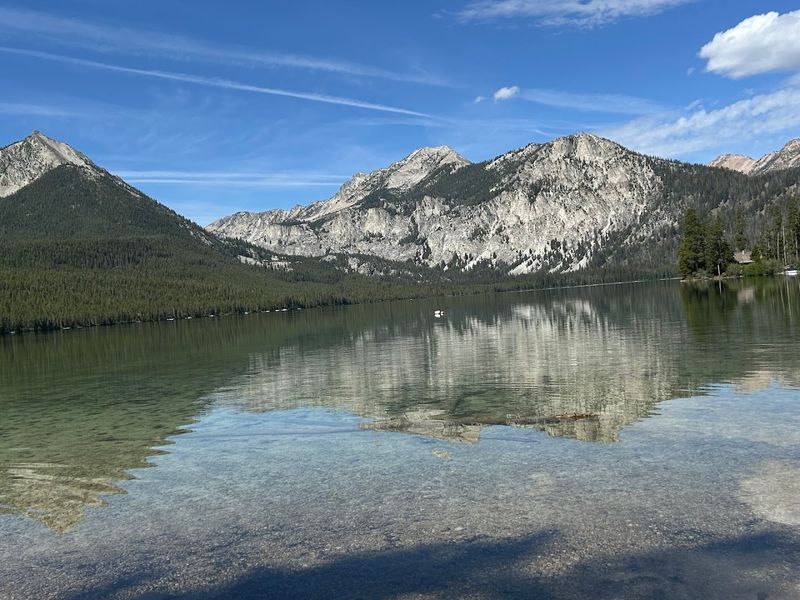
Near the base of the Sawtooths, Pettit Lake offers cold, clear water with a quieter personality than the bigger-name summer spots nearby.
Forest Service information describes Pettit Lake as nestled below rolling hills and majestic peaks, with swimming, fishing, kayaking, and canoeing listed among its strong recreation draws.
Pettit Lake Campground sits about two miles west of Highway 75 on Forest Road 208, and the area also connects visitors to the Tin Cup Trailhead, a major gateway into Sawtooth Wilderness scenery. Swimming here is not about warm, lazy floating so much as a clean alpine reset.
Step in slowly, let the shock pass, then look around at the ridgelines and remember why mountain water is worth the gasp. Small beaches and access points around the recreation area make it possible to combine a swim with a picnic, paddle, or hike.
Personal watercraft are not allowed on Pettit Lake, which helps keep the mood calmer than at busier motorized destinations. Early light is especially beautiful, with still water mirroring the surrounding slopes before afternoon activity picks up.
Pettit rewards travelers who like their swimming spots scenic, simple, and just wild enough to feel special.
4. Priest Lake State Park
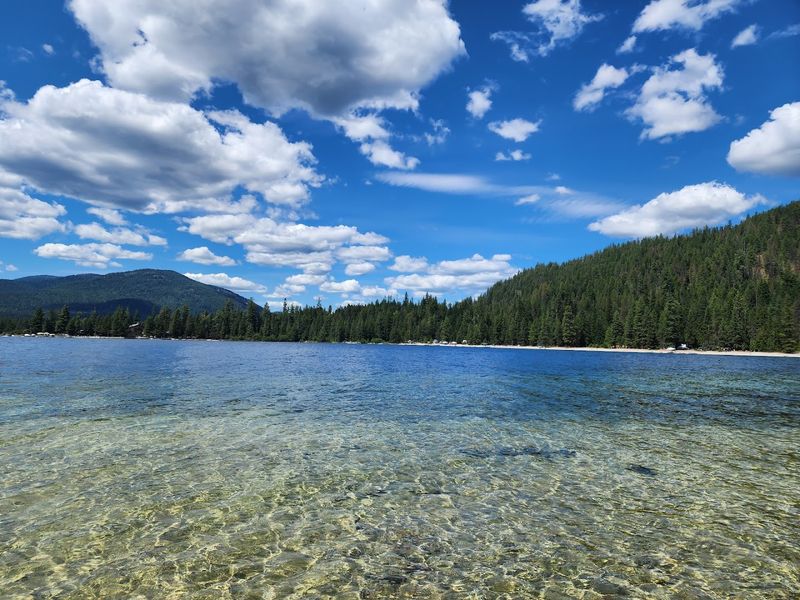
Far up in the Panhandle, Priest Lake State Park brings northern forest beauty, clean swimming water, and enough space to make a summer lake day feel like a full escape.
Official park information lists the address as 314 Indian Creek Park Road in Coolin and notes that day-use areas in state parks generally operate from 7 a.m. to 10 p.m. Hours can vary based on park manager discretion.
Priest Lake itself sits within a deeply wooded setting near the Selkirk Mountains, and the state park includes multiple units around the lake, including Indian Creek, Lionhead, and Dickensheet.
Swimming here works especially well for families who want real facilities without losing that northern wilderness feeling.
Sandy areas, shaded shorelines, campgrounds, boat access, and clear lake water make the park a strong choice for extended summer stays. Wildlife watching adds another layer, with birds and forest edges keeping the scene lively even between swims.
Reservations matter during peak season because this is not a secret to locals. Still, once you are near the water with pines rising behind you, the popularity makes sense.
Priest Lake State Park feels cool, spacious, and wonderfully far from ordinary summer noise.
5. Bear Lake State Park
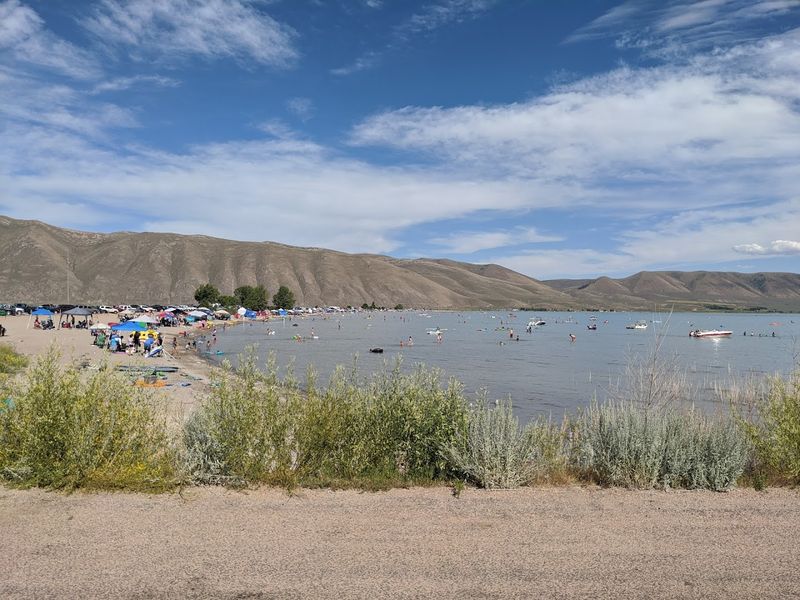
Bright blue water gives Bear Lake its famous reputation, and the northern side makes a strong case for a beach day that feels almost tropical by mountain standards.
State park information describes Bear Lake State Park as a southeastern mountain destination for water lovers, with camping, boating, swimming, fishing, and water toys all part of the appeal.
North Beach is especially important for swimmers, but the address in the original draft needed correcting: Bear Lake Valley information lists North Beach at 3890 N Beach Road in St. Charles and notes that day-pass reservations are required there. The lake’s color is not a trick of editing.
Utah State Parks explains that suspended calcium carbonate minerals help create Bear Lake’s spectacular aqua-blue appearance.
Broad sandy shallows make the northern side popular with families, paddlers, and anyone who wants a swim that looks dramatic without requiring a difficult approach.
Conditions can still shift with wind, weather, crowds, and lake levels, so planning ahead matters. Bring shade, sunscreen, plenty of water, and patience for summer traffic.
Bear Lake earns its nickname honestly, but its best moments come when you arrive prepared and give yourself enough time to enjoy the color slowly.
6. Dierkes Lake
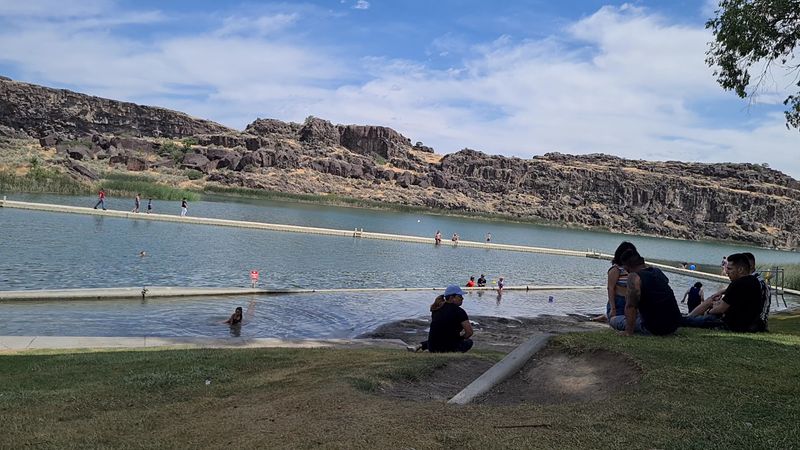
Minutes from Shoshone Falls, Dierkes Lake gives Twin Falls a dramatic summer swimming spot carved into basalt scenery rather than a standard beach setting.
City of Twin Falls information lists Dierkes Lake Park at 4155 Shoshone Falls Grade Road and describes the 191-acre park as a place to cool off in the lake during hot summer days.
Clear blue-green water against dark volcanic rock creates a look that feels very different from Idaho’s alpine lakes. Swimming areas suit casual visitors, while the surrounding cliffs and rocks draw more adventurous crowds.
Any cliff-jumping mention deserves caution, though. Water depth, rules, injuries, and conditions can change, so visitors should follow posted guidance and avoid risky jumps rather than assuming every popular launch point is safe.
Dierkes works beautifully as a full-day outing because swimming can be mixed with walking, picnicking, lounging, or visiting nearby canyon attractions. Arrive early during hot weekends because parking and shoreline space can disappear quickly.
For southern Idaho, this small lake packs serious scenery and surprisingly big summer energy.
7. Sandy Point Beach At Lucky Peak State Park
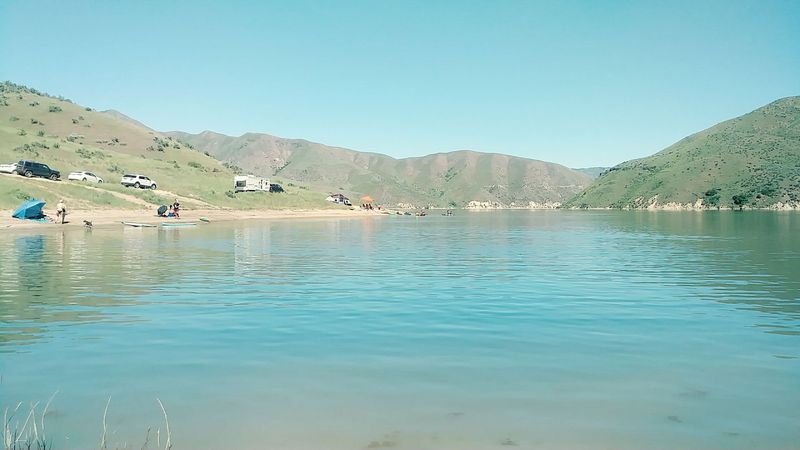
Close to Boise, Sandy Point Beach gives city residents and road-trippers a fast route to sand, swimming, and reservoir scenery without a long mountain drive.
Idaho Parks describes Lucky Peak State Park as a place for swimming, picnicking, fishing, boating, and biking. Sandy Point and Discovery Park sit about a 10-minute drive from downtown Boise or a 30-minute bike ride on the Boise River Greenbelt.
Visit Idaho also highlights Sandy Point as the place to enjoy a cool dip at Lucky Peak.
Older park planning documents note there were no lifeguards at Sandy Point, so visitors are advised to confirm current safety staffing instead of assuming lifeguards are present.
The beach itself is the draw, with wide sandy areas, accessible day-use amenities, and a casual summer atmosphere that often feels more social than secluded. Families appreciate the convenience, while swimmers enjoy having a true beach so close to Boise.
Crowds are part of the experience on hot weekends, so early arrival helps with parking, shade, and better beach space. Sandy Point proves a great swim does not always require remote wilderness.
Sometimes it just needs clear water, sand, and a short drive after lunch.
8. Box Canyon Springs Preserve
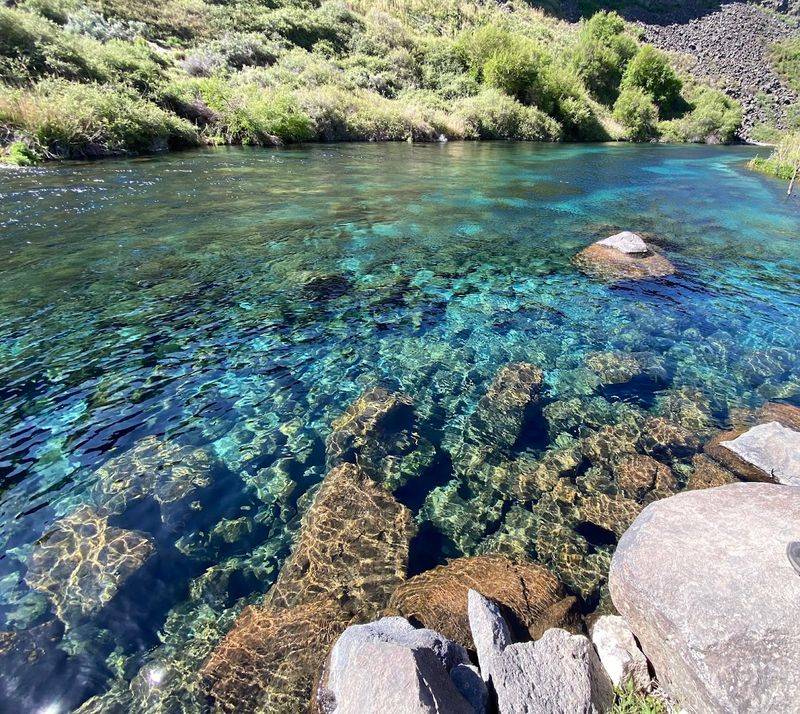
Color does most of the convincing at Box Canyon Springs Preserve. Part of Thousand Springs State Park, this canyon landscape holds startling blue spring water, basalt walls, and a cold-water swimming experience that feels almost unreal after a hot hike.
Idaho Parks states Box Canyon is open year-round for day use from 7 a.m. to 10 p.m. and notes the trail is unmaintained, so visitors should watch the weather, carry enough water, and know their limits.
Visit Southern Idaho describes it as part of Thousand Springs State Park, where a lush route leads to an aqua-blue pool where swimming is possible in the cold springs on hot days.
This is not a casual flip-flop stroll to a warm pool. Terrain can be rocky, slippery, steep, and exposed, and the water is very cold.
Water shoes, careful footing, and realistic expectations matter. Photographers will love the clarity even if they never swim.
Hikers who make the descent carefully get a reward that feels hidden below the plain. Box Canyon is one of Idaho’s most visually striking cool-down spots, but its beauty deserves respect rather than rushed excitement.
9. Blue Heart Springs
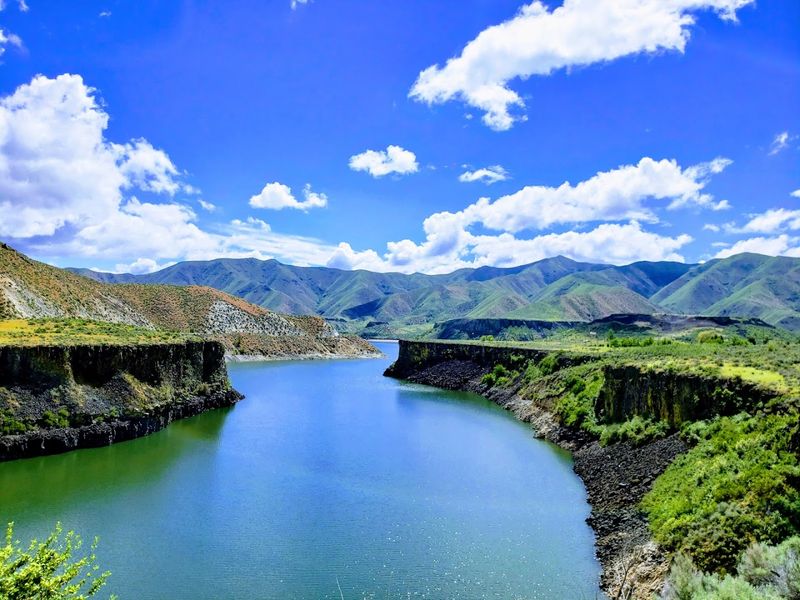
Some Idaho water looks blue; Blue Heart Springs looks almost electric. Hidden along the Snake River near Buhl, this spring-fed pool is famous for vivid color, clear water, and the extra adventure required to reach it.
Visit South Idaho points travelers to Blue Heart Kayaking near the springs, while Blue Heart Kayaking describes a 4.5-mile adventure that includes Box Canyon, Blue Heart Springs, Lemmon Falls, and Ritter Island. Access is the key detail here.
Blue Heart Springs is not a pull-up-and-park swimming hole. Recent regional guidance notes that the springs are accessible only by water, with paddlers arriving by kayak, paddleboard, canoe, or similar craft.
That approach makes the destination feel more rewarding, but it also means visitors need paddling confidence, life jackets, sun protection, and awareness of river conditions. Guided trips and rentals can make the outing easier for first-timers.
Once there, many visitors float or swim where the cool spring water mixes with the Snake River, taking in the contrast between turquoise clarity and canyon scenery. Go early for calmer conditions, softer light, and fewer paddlers.
Blue Heart Springs earns the hype, but its best version belongs to people who plan the access carefully.
10. Ritter Island
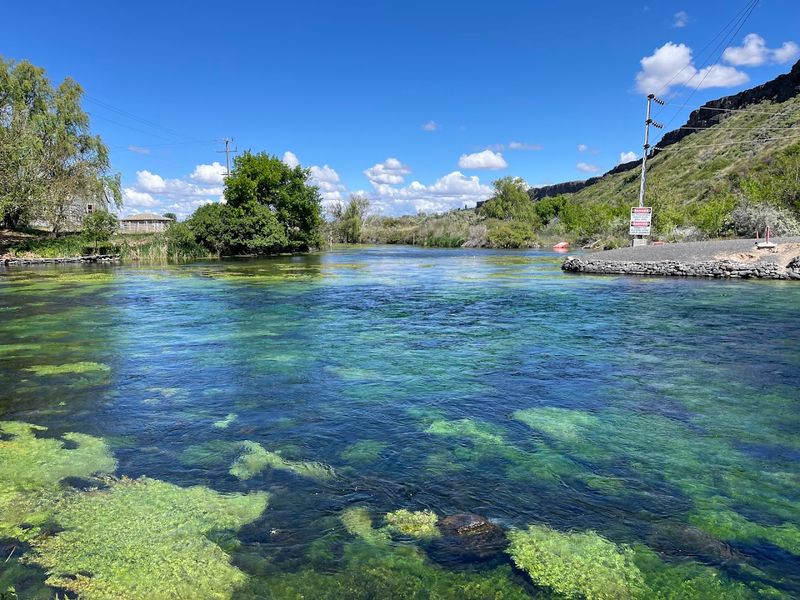
Ritter Island brings together spring-fed water, Snake River scenery, historic farm character, and enough calm beauty to make a swim feel unusually peaceful.
Visit South Idaho describes Ritter Island as one of the seven units in Thousand Springs State Park and calls it an ideal swimming hole or place to paddle a canoe, kayak, or SUP when the weather is warm.
The island’s setting also includes Minnie Miller Springs, historic structures, a preserved barn, and a two-mile path circling the island with views of the Snake River. Instead of a typical beach, Ritter feels like a layered destination where history, water, plants, and quiet paths all work together.
Clear spring water lets visitors see aquatic greenery below the surface, which adds to the almost glassy feel near the banks. Swimming and paddling are best approached gently because spring-fed water can be cold and currents, edges, and access points vary.
Blue Heart Kayaking also offers rentals from the 1000 Springs Resort area across from historic Ritter Island, with routes that include clear water and time to relax or swim. Pack a picnic, walk the island loop, then cool off carefully.
Ritter Island feels less like a single swim stop and more like a slow, scenic summer day.
11. Beaver Bay Beach At Farragut State Park
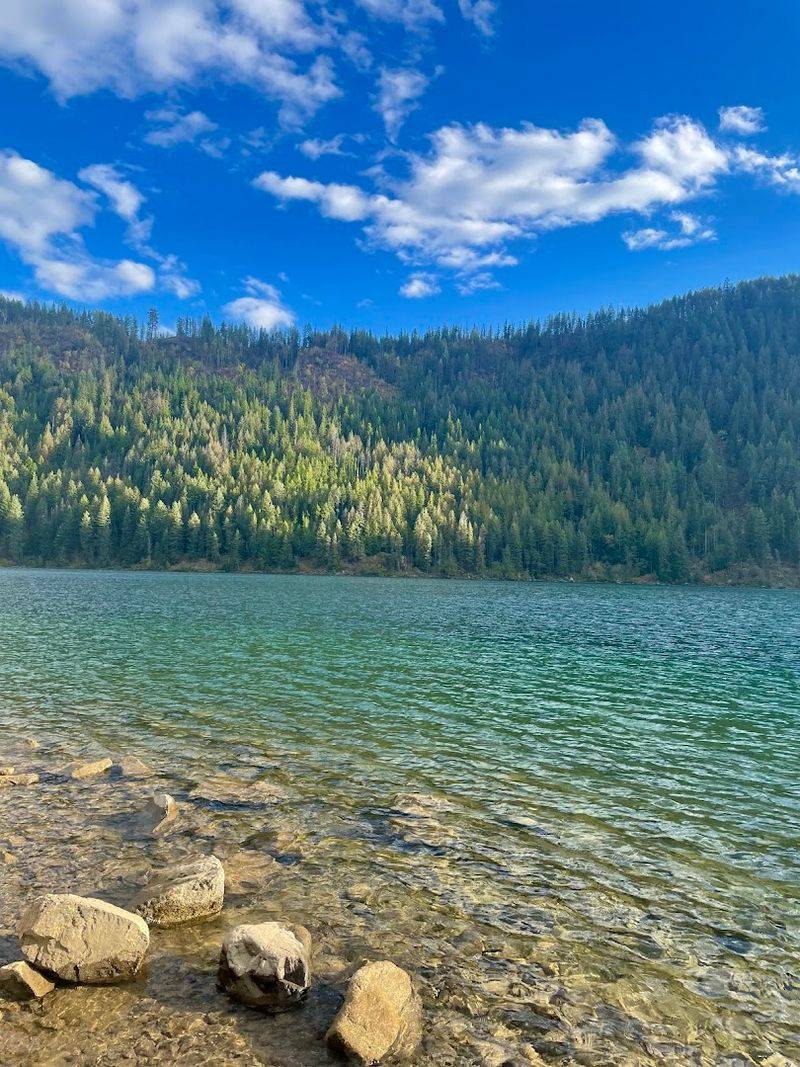
North Idaho swimmers get a classic lake-beach experience at Beaver Bay, the official swimming area inside Farragut State Park.
Idaho Parks notes that Farragut remains open and accessible during 2026 road work. Seasonal access continues to popular areas such as Beaver Bay swimming area, campgrounds, day-use spots, the visitor center, and the Museum at the Brig.
Older park planning documents state that Farragut’s official swimming beach is at Beaver Bay, with parking capacity being a limiting factor, so arriving early on hot weekends is more than a nice idea.
The park sits near Lake Pend Oreille, one of the Northwest’s great deep mountain lakes, and Beaver Bay’s more protected setting gives swimmers a friendlier entry than the open lake can provide.
Forested surroundings, trails, campgrounds, and day-use facilities make this easy to turn into a bigger outdoor trip. Visitors can swim, picnic, hike, or simply settle into a cove-like beach day with tall pines nearby.
Water temperatures are still lake-cool rather than pool-warm, especially early in the season, but midsummer brings the best swimming mood. Farragut’s scale adds to the appeal.
After a dip at Beaver Bay, plenty of trails, viewpoints, and park history remain close enough to explore.
12. Lake Cascade State Park
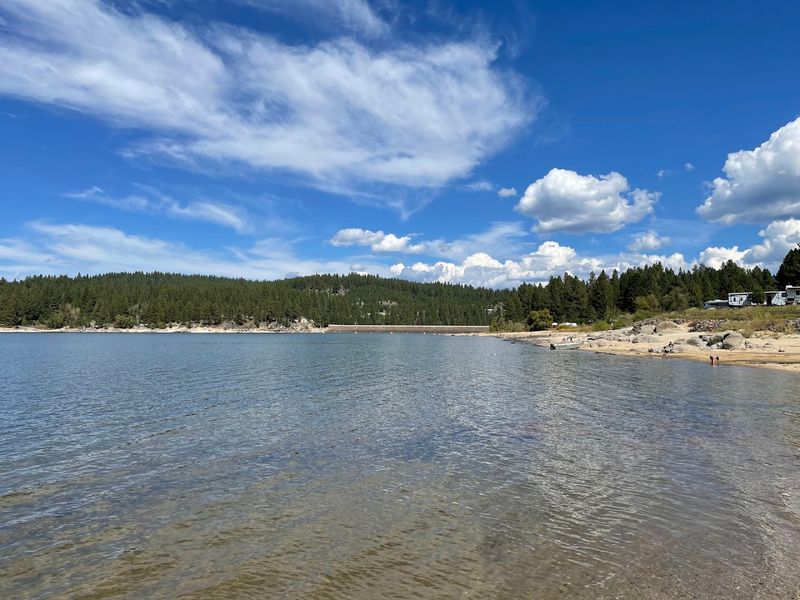
Lake Cascade State Park delivers the kind of big, flexible summer water day that works for swimmers, paddlers, boaters, campers, anglers, and families who want room to spread out.
Official park information lists the park office address as 100 Kelly’s Parkway in Cascade. State park day-use areas generally operate from 7 a.m. to 10 p.m., with summer hours running from sunrise to sunset and subject to park manager discretion.
State travel information highlights Lake Cascade as a strong beach-and-camping destination, noting that visitors can swim at the beach and use surrounding rental shops for boats and other water fun. One useful correction: Lake Cascade State Park is not just one beach at one entrance.
Park planning documents identify designated swimming beaches at Van Wyck, Ridgeview, and Boulder Creek, with suitable shoreline swimming also possible near recreation facilities at visitors’ own risk. That range helps the park absorb summer crowds better than smaller swimming spots.
Mountain views, open water, and nearby Cascade services make planning easy. Wind can pick up across the reservoir, so mornings often feel calmer for paddling and swimming.
Lake Cascade may not have the jewel-box intimacy of an alpine tarn, but its space, beaches, and mountain setting make it one of the region’s most reliable warm-weather playgrounds.