These Curious Exhibits Make The Oddities Museum Inc Georgia A Must-Visit In 2026
Have you ever wondered what it feels like to step inside a world where the strange becomes fascinating and the unusual feels right at home? The Oddities Museum Inc in Georgia invites visitors into that very realm, offering an experience that is equal parts curiosity and discovery. Inside, carefully preserved exhibits showcase rare finds that range from medical anomalies to eerie historical artifacts, each with a story that sparks intrigue.
The displays are designed to challenge perception while encouraging guests to explore the boundaries of science, history, and the unexplained. Every corner reveals something unexpected, drawing you deeper into a collection that refuses to be ordinary.
Whether you are captivated by the weird, passionate about obscure history, or simply searching for a one of a kind outing, this museum delivers an adventure that stays with you long after you leave.
1. Authentic Shrunken Head Collection
Walking through the museum, you’ll encounter something that seems straight out of an adventure movie. The authentic shrunken head collection showcases the fascinating and somewhat eerie practice of tsantsa creation by indigenous South American tribes. You can find this remarkable exhibit at 3870 N Peachtree Rd Ste B, Atlanta, GA 30341.
Each head tells a story of ancient rituals and cultural practices that modern society rarely encounters. The preservation techniques used centuries ago remain visible in the detailed facial features and hair. Museum curators provide extensive context about the ceremonial significance these objects held in their original communities.
Learning about different cultural practices helps us appreciate the diversity of human history. The exhibit includes detailed explanations that respect the cultural origins while educating visitors about anthropological significance. You’ll leave with a deeper understanding of how various societies approached spirituality and warfare throughout history.
2. Two-Headed Animal Specimens
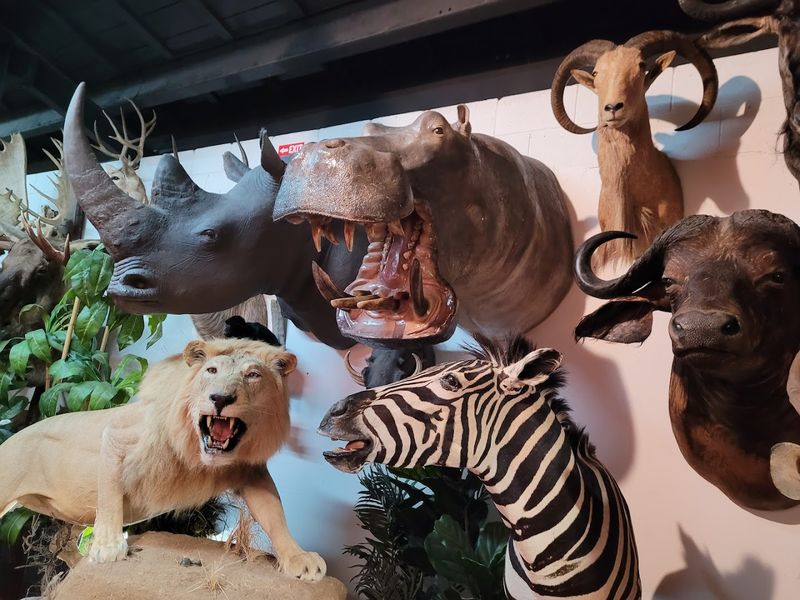
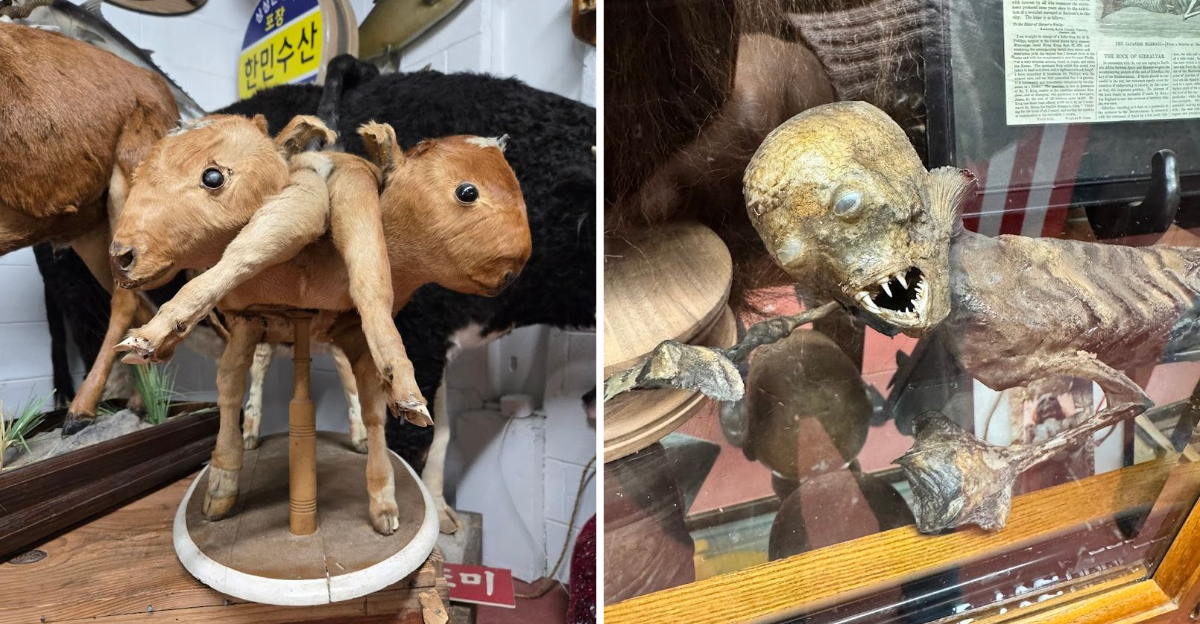
Nature sometimes creates creatures that defy our expectations of normal biology. The two-headed animal specimens showcase rare genetic mutations that result in polycephaly, a condition where animals develop multiple heads.
Scientists study these specimens to understand developmental biology and genetic variations. Each preserved creature represents a unique moment in natural history where cellular division took an unexpected path. The museum presents these animals with dignity while explaining the science behind their formation.
Kids especially find this exhibit fascinating because it sparks questions about how bodies develop and what makes something unusual. The display includes information about survival rates and how these animals would have functioned in the wild. You’ll gain appreciation for both the complexity of biological development and the incredible diversity nature can produce.
3. Victorian Medical Instruments Display
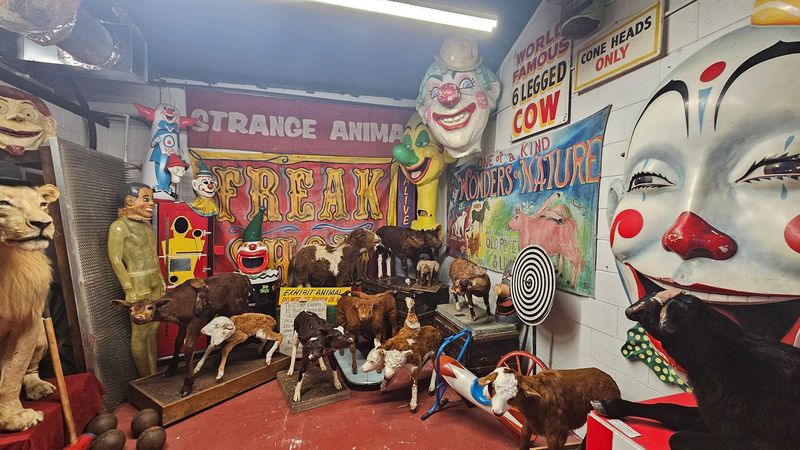
Medicine has come an incredibly long way in just a few generations. The Victorian medical instruments display reveals the tools doctors used before modern anesthesia and sterilization became standard practice.
Some instruments look more like torture devices than healing tools, which makes you grateful for modern healthcare. Bone saws, bloodletting equipment, and early surgical implements line the cases with detailed explanations of their purposes. The craftsmanship is undeniable, even if the methods seem barbaric by today’s standards.
Understanding medical history helps us appreciate the courage of both doctors and patients from earlier eras. The exhibit includes stories of famous surgeries and medical breakthroughs that changed healthcare forever. You’ll walk away with newfound respect for the medical professionals who pioneered techniques that eventually led to the safe procedures we rely on today.
4. Genuine Human Skeleton Assembly
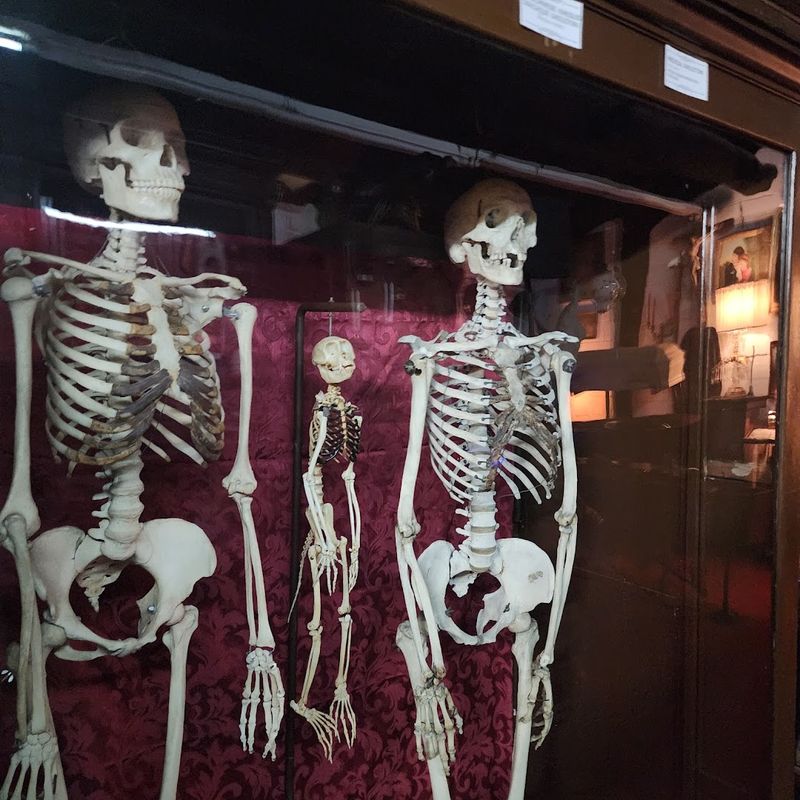
Standing face-to-face with a complete human skeleton creates an unexpectedly profound moment. The genuine human skeleton assembly serves as both an educational tool and a reminder of our own mortality.
Every bone has been carefully preserved and positioned to show accurate anatomical structure. Medical students once learned exclusively from specimens like these before computer models became available. The skeleton helps visitors understand bone structure, joint function, and how our bodies support movement.
Children often feel less afraid of skeletons after seeing one presented in an educational context. The museum staff explains how bones grow, heal, and change throughout our lifetimes. You’ll discover fascinating facts about bone density, calcium storage, and why our skeletal system is so remarkably designed for both strength and flexibility in daily activities.
5. Circus Sideshow Memorabilia
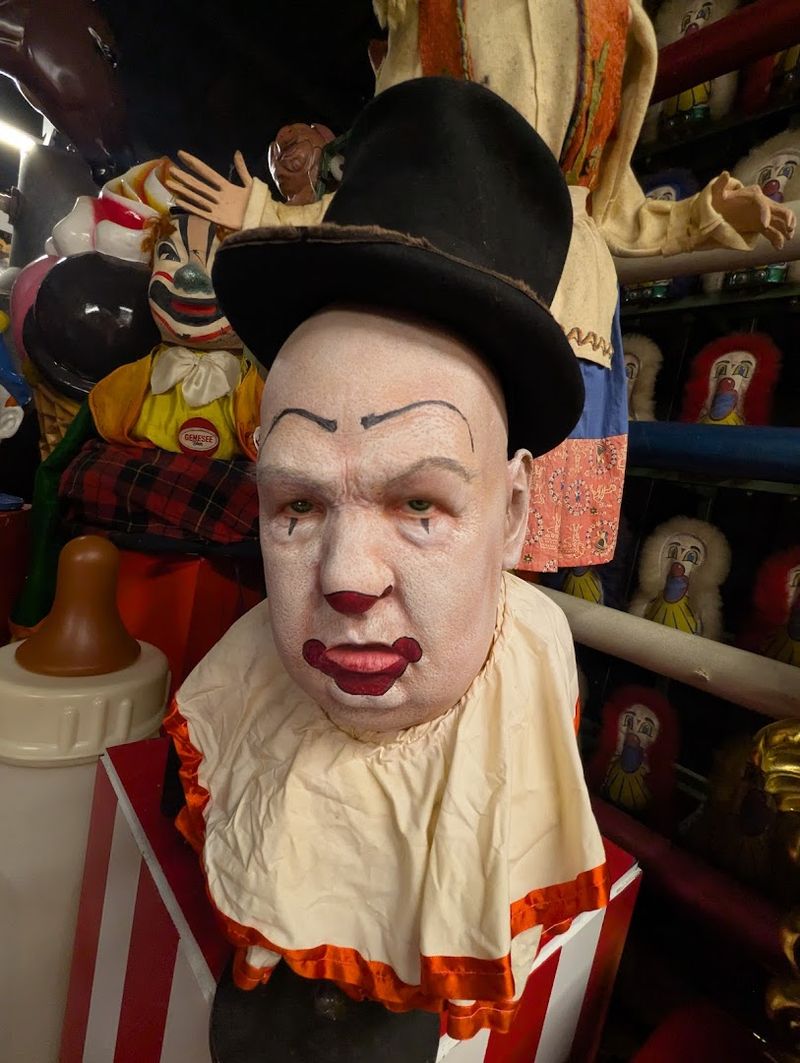
American entertainment history includes chapters that modern audiences find both fascinating and uncomfortable. The circus sideshow memorabilia collection preserves artifacts from traveling shows that featured people with unusual physical characteristics.
Colorful posters advertised performers like bearded ladies, giants, and conjoined twins who found employment and sometimes fame through sideshows. While we now recognize the exploitation involved, these shows also provided income and community for people society otherwise marginalized. The museum presents this complex history without glorifying or completely condemning the practice.
Seeing original photographs and personal items helps humanize the performers beyond their physical differences. You’ll learn about individuals who became celebrities in their own right and how attitudes toward physical differences have evolved over time.
6. Rare Taxidermy Oddities Room
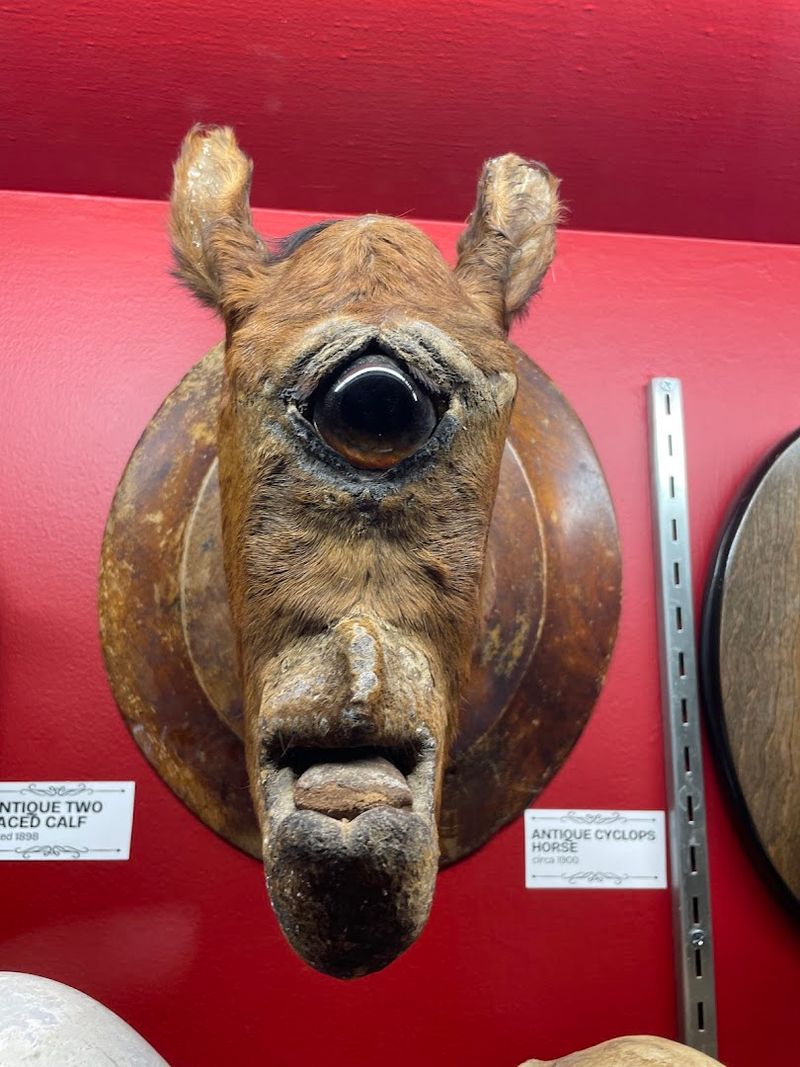
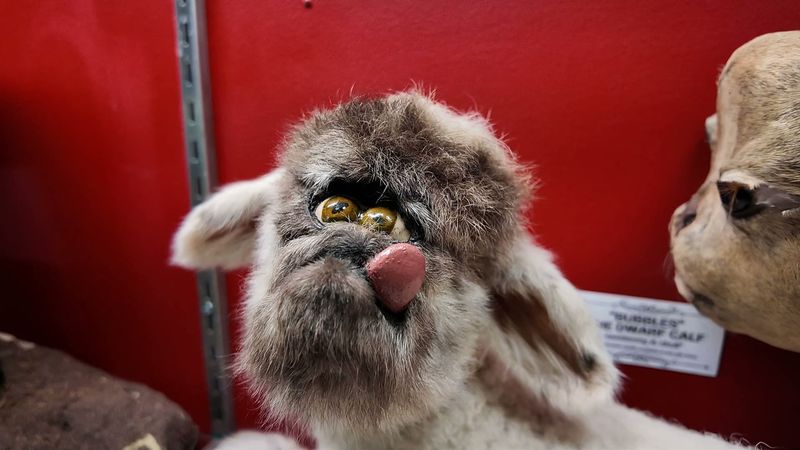
Taxidermy artists sometimes let their creativity run wild, producing specimens that blur the line between real and imagined. The rare taxidermy oddities room features both genuine unusual animals and fantastical creations that challenge your perception.
You’ll see everything from albino peacocks to cleverly constructed jackalopes and fiji mermaids. Victorian-era taxidermists often created mythical creatures by combining parts from different animals to satisfy public fascination with the exotic. The craftsmanship required to make these composite creatures look believable is truly impressive.
Learning to distinguish between real specimens and artistic creations becomes a fun game as you explore. The exhibit explains which animals are genuinely rare and which are products of creative taxidermy. You’ll develop a better eye for detail and appreciation for both natural wonders and human ingenuity in preservation arts.
7. Antique Embalming Equipment Exhibit
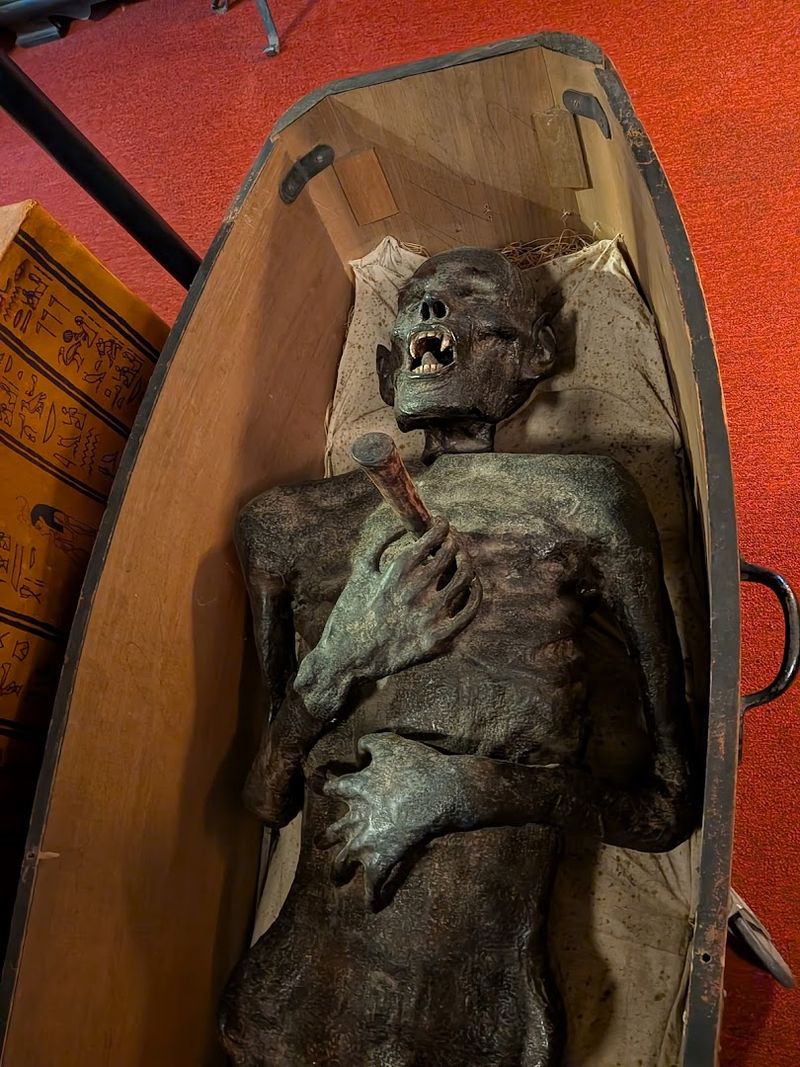
Death care practices have evolved dramatically over the past century. The antique embalming equipment exhibit showcases the tools and techniques funeral directors used before modern preservation methods became standard.
Early embalming pumps, trocar instruments, and chemical bottles reveal how practitioners approached body preservation for viewings and transport. The Civil War era saw major advances in embalming when soldiers needed to be sent home for burial. These innovations changed funeral practices permanently across America.
Understanding death care history helps remove some of the fear and mystery surrounding the process. The museum presents information respectfully while acknowledging the important role funeral professionals play in helping families say goodbye. You’ll learn about formaldehyde development, arterial injection techniques, and how cultural attitudes toward death have shifted through different time periods and geographic regions.
8. Mysterious Cryptid Evidence Collection
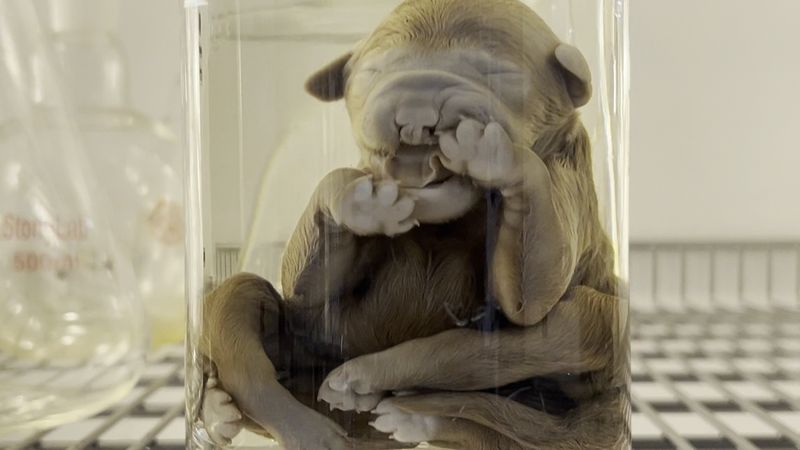
Some people dedicate their lives to proving that legendary creatures actually exist. The mysterious cryptid evidence collection presents alleged proof of Bigfoot, the Loch Ness Monster, and other cryptids that capture human imagination.
Plaster casts of enormous footprints, blurry photographs, and eyewitness testimonies fill the display cases. The museum doesn’t claim these creatures are real but presents the evidence for visitors to evaluate themselves. Cryptozoology sits at the intersection of folklore, zoology, and human hope that unexplored mysteries still exist.
Kids love debating whether the evidence seems convincing or easily explained by known animals. The exhibit teaches critical thinking skills by encouraging visitors to question sources and consider alternative explanations. You’ll leave pondering whether vast wilderness areas might still hide undiscovered species or whether these legends serve other psychological and cultural purposes.
9. Preserved Biological Anomalies in Jars
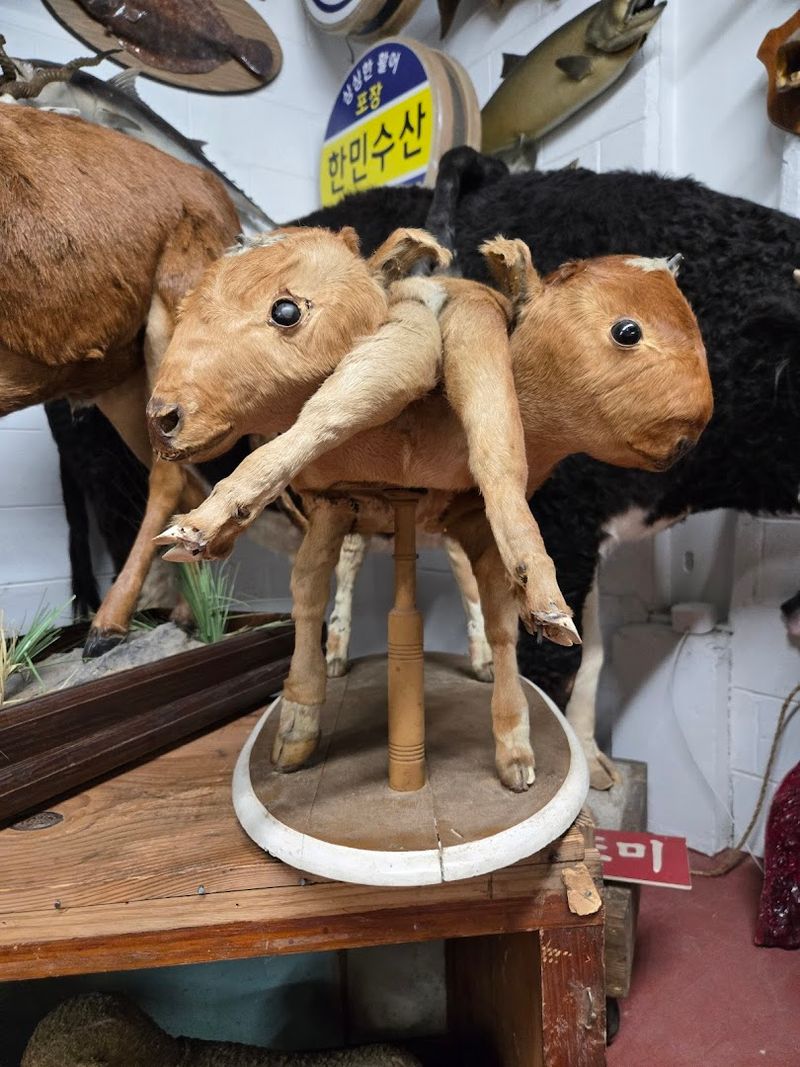
Scientific preservation allows us to study biological variations that would otherwise be lost to time. The preserved biological anomalies in jars showcase specimens that demonstrate unusual developmental conditions and genetic mutations.
Formaldehyde-filled jars contain everything from conjoined organs to developmental abnormalities that help scientists understand embryology. While some visitors find these specimens unsettling, they serve important educational purposes for medical students and researchers. Each jar includes detailed labels explaining the condition and its significance to medical knowledge.
Seeing these specimens helps demystify medical conditions and reduces stigma around physical differences. The museum emphasizes the human stories behind these specimens when known, treating them with dignity rather than sensationalism. You’ll gain insight into how medical understanding has progressed through careful study of anatomical variations.
10. Haunted Object Gallery
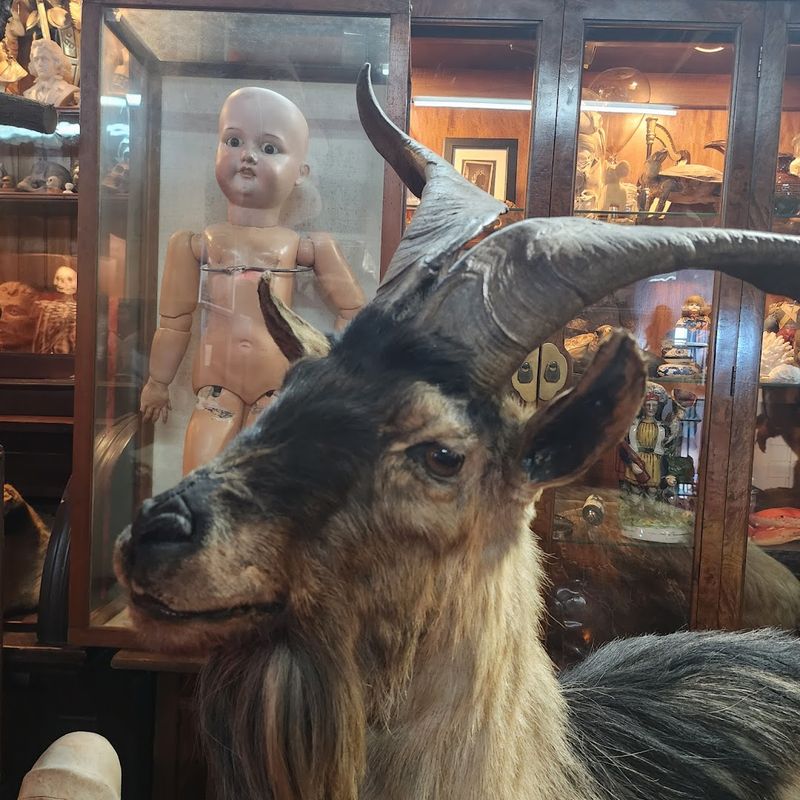
Objects sometimes carry reputations that extend beyond their physical properties. The haunted object gallery displays items with documented histories of paranormal activity reported by previous owners.
Creepy dolls, antique mirrors, and personal belongings come with stories of unexplained phenomena like moving on their own or causing misfortune. The museum documents each item’s provenance and the events associated with it. Whether you believe in ghosts or not, the psychological impact these objects have had on people is undeniable.
Paranormal investigators often study such objects to understand why certain items become associated with hauntings. The exhibit explores both supernatural explanations and psychological reasons why humans attribute consciousness to inanimate objects. You’ll leave questioning whether these items truly harbor otherworldly energy or whether our minds create connections between objects and events that aren’t really there.
11. Vintage Dental Torture Tools
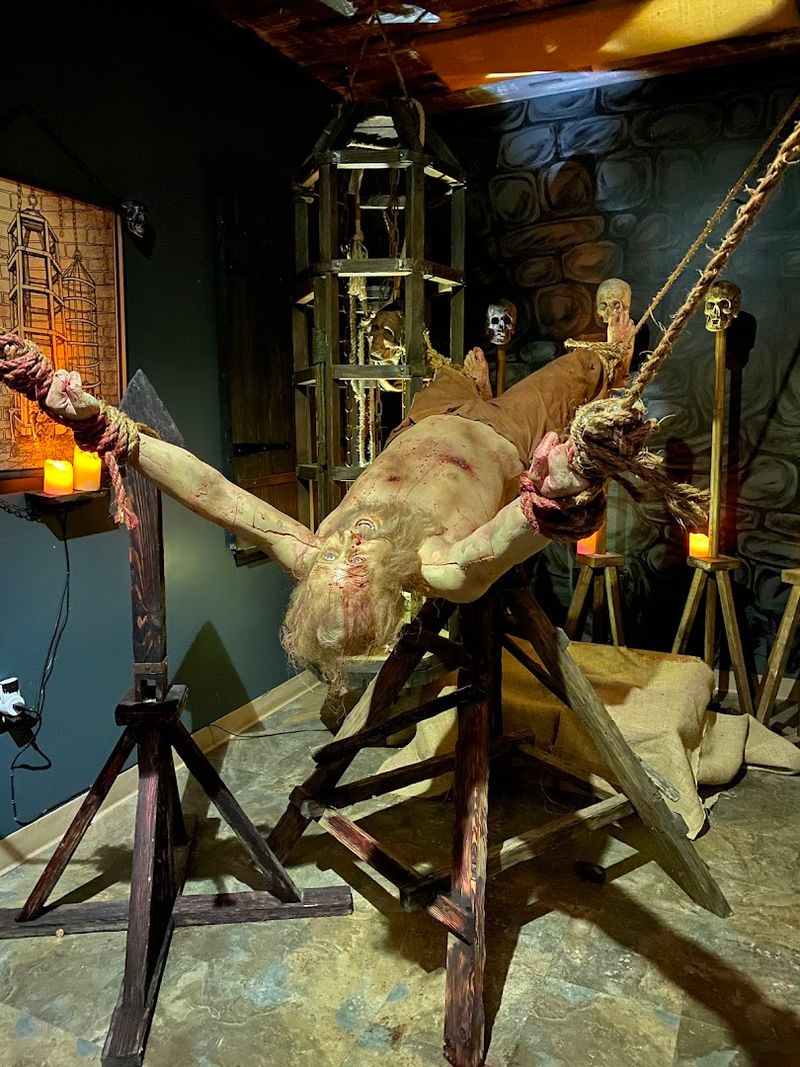
Modern dentistry deserves more appreciation after seeing what came before. The vintage dental torture tools exhibit displays extraction instruments and early dental equipment that make contemporary procedures seem like luxury experiences.
Before Novocain and electric drills, dentists relied on brute force and patient endurance. Hand-cranked drills, intimidating forceps, and primitive anesthesia methods line the cases with explanations of their use. Many people avoided dentists entirely because the cure often seemed worse than the toothache.
Understanding dental history makes you grateful for fluoride treatments and pain management advances. The exhibit includes information about how dental health connects to overall wellbeing and why tooth care was so challenging before modern hygiene products. You’ll probably schedule your next dental cleaning with renewed enthusiasm after seeing what previous generations endured for basic oral healthcare and tooth extractions.
12. Bizarre Cultural Artifacts Showcase
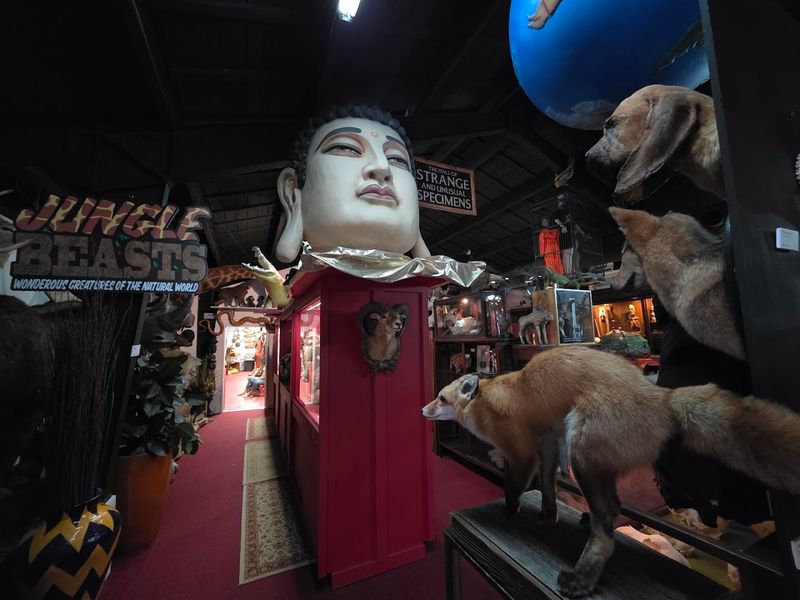
Human cultures have developed incredibly diverse practices and belief systems throughout history. The bizarre cultural artifacts showcase presents objects from various societies that modern visitors might find strange or unsettling.
Ceremonial masks, ritual objects, and cultural implements reveal how different communities approached spirituality, healing, and social organization. What seems bizarre to outsiders often held deep meaning within its original context. The museum provides anthropological context to help visitors understand rather than simply judge unfamiliar practices.
Exposure to diverse cultural traditions broadens perspectives and challenges assumptions about normal behavior. The exhibit emphasizes that every culture considers its own practices reasonable while finding others strange. You’ll develop greater cultural sensitivity and understanding that human societies have always found creative solutions to universal questions about meaning, community, and survival through remarkably different approaches.
13. Freak Show Photography Archive
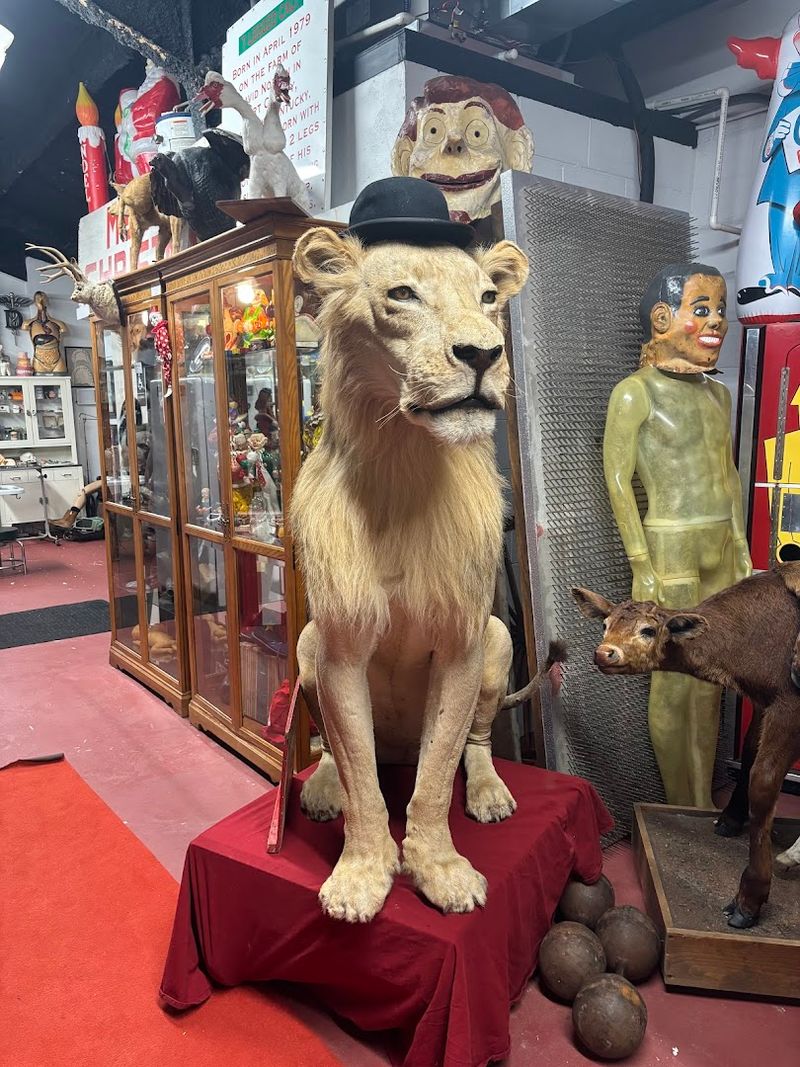
Photography preserved faces and stories that might otherwise have been forgotten by history. The freak show photography archive contains hundreds of images documenting performers who toured with circuses and exhibitions during the late 1800s and early 1900s.
Dignified portraits show performers as individuals rather than curiosities, revealing personalities behind the stage names. Many photographs include handwritten notes or signatures from the subjects themselves. These images provide valuable historical documentation of people with genetic conditions before modern medicine could explain or treat them.
Studying these photographs raises important questions about exploitation, agency, and how society treats people who look different. The museum acknowledges the problematic aspects of freak shows while recognizing that performers often exercised more control over their careers than typically assumed. You’ll contemplate how representation and dignity intersect when viewing these faces from the past.
14. Occult and Witchcraft Collection
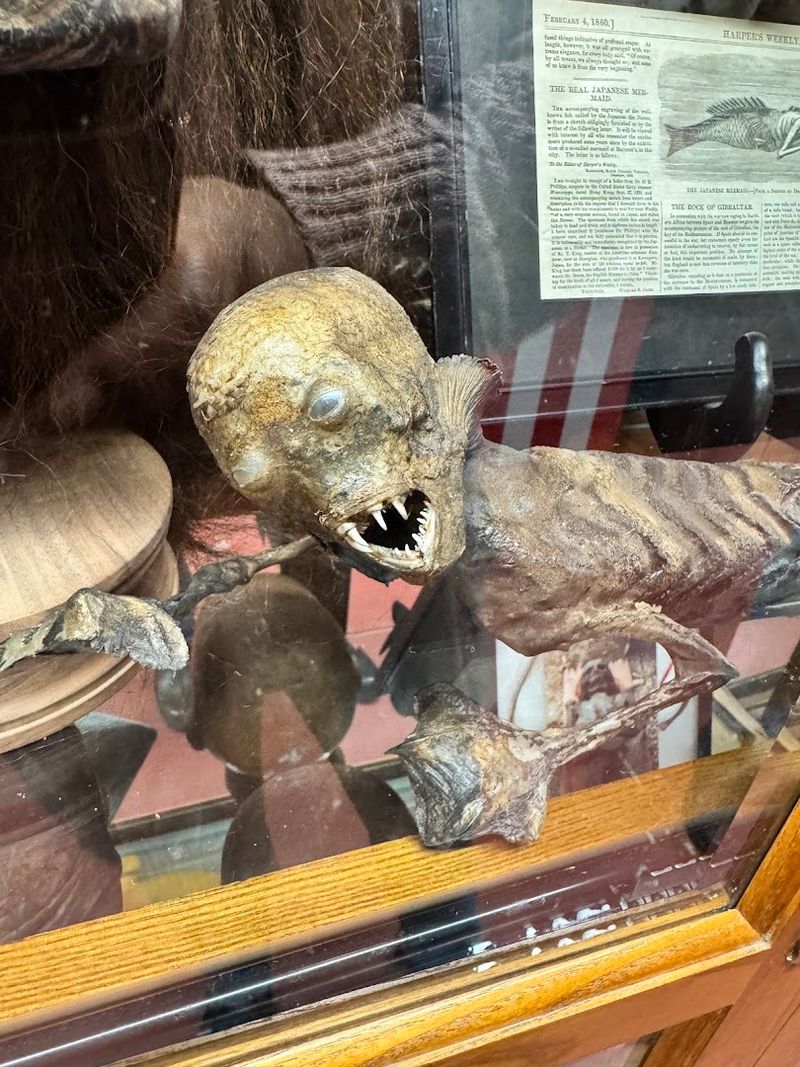
Magical practices have existed across cultures and centuries despite skepticism from mainstream society. The occult and witchcraft collection presents tools, texts, and objects used in various mystical traditions from around the world.
Ancient grimoires, crystal balls, ritual daggers, and protective talismans fill the cases with explanations of their intended purposes. The exhibit covers everything from European witchcraft to African spiritual practices to Asian mysticism. Whether viewed as genuine magic or cultural artifacts, these objects reveal humanity’s persistent desire to influence unseen forces.
Learning about occult practices helps demystify beliefs that mainstream religions often demonized throughout history. The museum presents information academically rather than advocating for or against any belief system. You’ll understand how magical thinking served psychological and social functions in communities and why these practices continue attracting followers despite scientific worldviews dominating modern society.
15. Morbid Victorian Mourning Customs Display
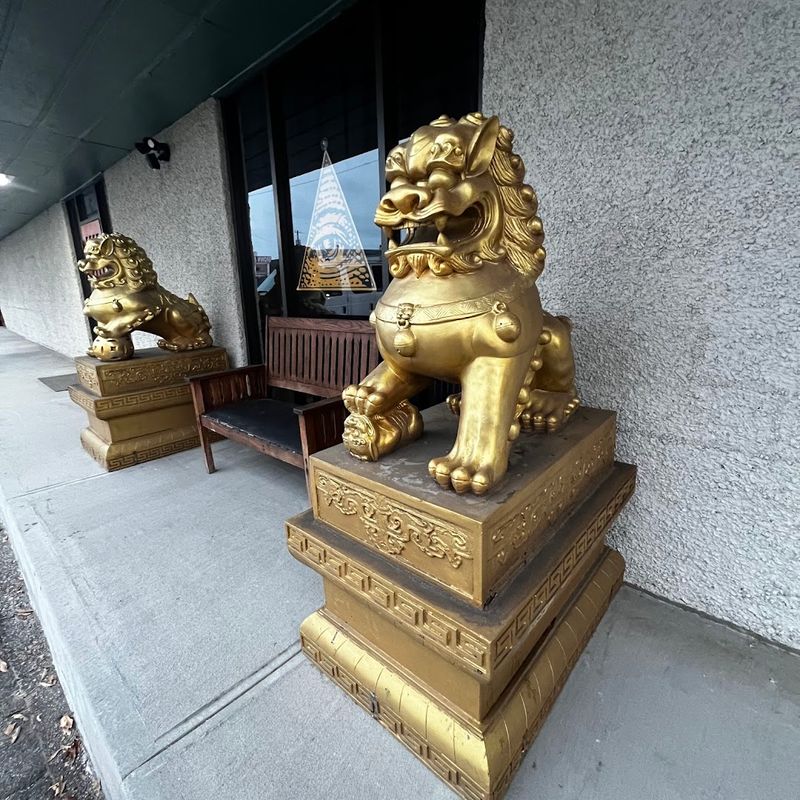
Death rituals reveal much about how societies process grief and remember loved ones. The morbid Victorian mourning customs display showcases the elaborate practices surrounding death during the 19th century when mourning became highly ritualized.
Jewelry made from deceased relatives’ hair, post-mortem photography, elaborate mourning attire, and memorial cards demonstrate how Victorians kept the dead present in daily life. Strict social rules governed mourning periods, with widows expected to wear black for years. These customs seem excessive now but provided structure during grief.
Understanding historical mourning practices offers perspective on how contemporary society handles death and remembrance. The exhibit explains how high mortality rates, especially child deaths, influenced these customs and why photography of the deceased was considered a precious keepsake. You’ll reflect on how your own culture approaches death and whether modern practices serve grieving families as effectively as these elaborate traditions once did.