These 9 Free Campsites In California Offer Some Of The Most Unforgettable Views In 2026
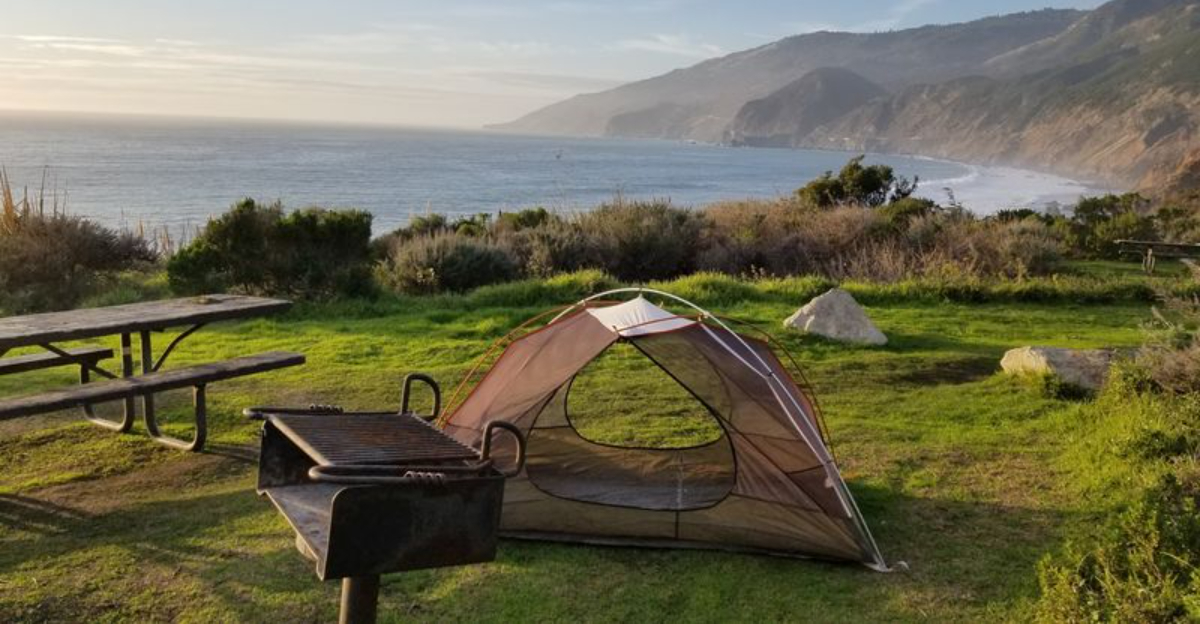
Camping in California usually comes with a price tag. But not always. There’s a whole other side of the state where you can pitch a tent for free and still wake up to million-dollar views.
Think waves crashing against rugged cliffs, sunrise spilling over desert valleys, and mountain air so crisp it feels unreal.
No resort fees. No campground reservations. Just you and the landscape. Because in California, some of the most unforgettable nights happen far from the paid campsites.
From remote coastal pull-offs to high-elevation clearings where the stars feel almost within reach, free camping opens the door to experiences that feel wild, quiet, and deeply personal.
It’s the kind of travel that stretches your budget while giving you front-row access to the scenery that makes the state legendary.
Each spot brings its own mood. Jagged peaks. Empty beaches. Endless desert horizons. A little planning goes a long way, but the reward is simple. Pure nature, uninterrupted, and entirely your own for the night.
1. Alabama Hills Recreation Area
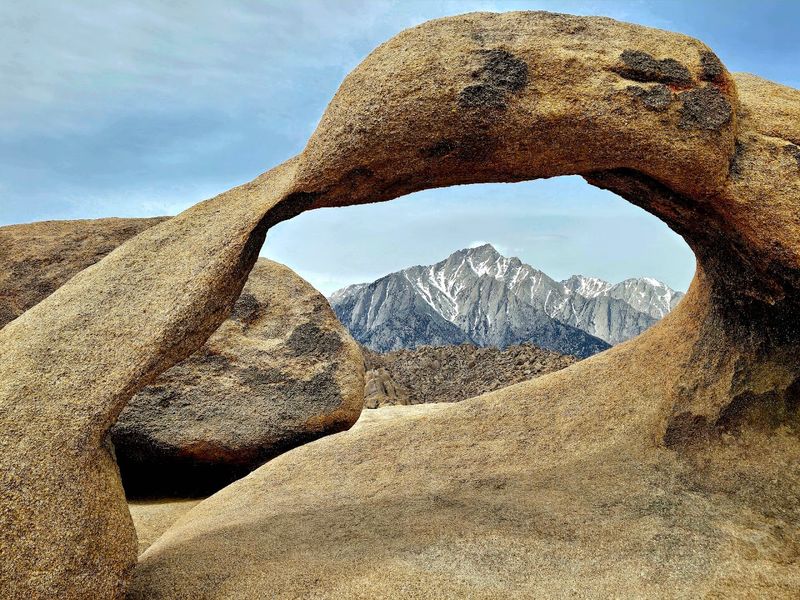
Golden granite boulders rise from the high desert floor in sculpted formations that feel almost artistic in their shapes and textures.
Set against the towering backdrop of the Eastern Sierra Nevada, the Alabama Hills offer some of the most photogenic free camping scenery in California.
Mount Whitney and surrounding peaks catch warm alpenglow at sunrise and sunset, creating dramatic shifts in color that make every hour feel visually distinct.
Free camping is available in designated semi-primitive sites managed by the Bureau of Land Management, allowing visitors to stay immersed in the landscape while helping preserve the area’s natural beauty.
A free camping permit is required, and sites are first-come, first-served, giving travelers flexibility without nightly fees.
Campsites are spread among the boulders, many offering natural wind protection alongside wide, unobstructed views of both mountains and desert valley.
Access roads wind through the recreation area and are generally manageable for standard vehicles, though higher-clearance options allow exploration of more secluded corners.
The terrain invites short walks among rock arches, hidden corridors, and elevated viewpoints perfect for photography.
When night falls, the Alabama Hills become a premier stargazing destination. With minimal light pollution from nearby Lone Pine, the Milky Way often appears vivid across the sky.
Cool desert nights balance warm days, making layered clothing and cozy camp setups ideal for enjoying this striking landscape around the clock.
2. Saddlebag Lake Dispersed Camping
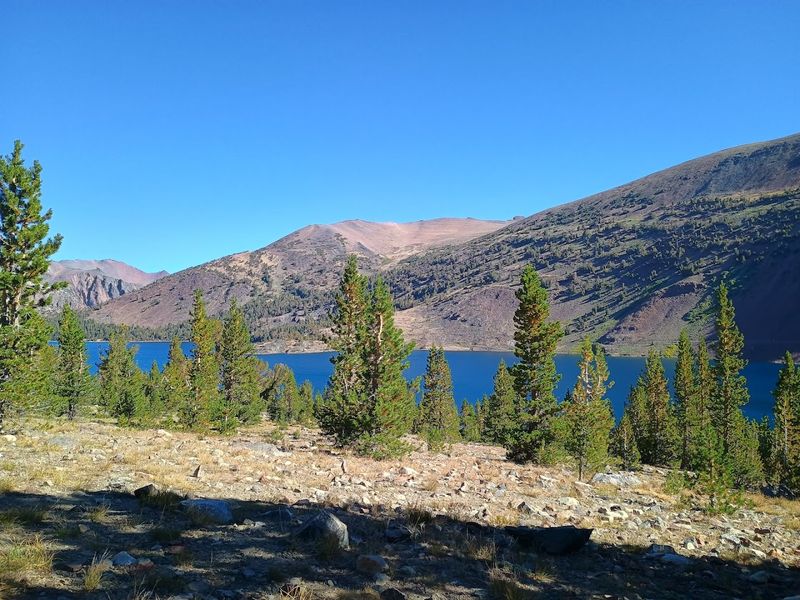
High in the Eastern Sierra near the California–Nevada border, the Saddlebag Lake region delivers alpine scenery defined by granite peaks, glacial basins, and crisp mountain air.
While developed campgrounds exist in the immediate lake area, surrounding public lands offer opportunities for free dispersed camping that place visitors directly within this dramatic high-elevation environment.
At over 10,000 feet, the setting feels expansive and elevated, with wide skies and distant ridgelines stretching in every direction.
Campsites on nearby forest land range from lakeside clearings to rocky overlooks where campers can watch first light spill across the water and illuminate lingering snowfields on surrounding summits. Weather here adds to the experience.
Summer afternoons may bring brief mountain thunderstorms, while mornings often arrive cold and still, with frost occasionally forming even during warmer months.
These shifts make sunrise particularly striking, as calm air reflects mountain silhouettes perfectly across the lake’s surface.
Fishing, hiking, and alpine exploration draw visitors deeper into the basin, with trails leading toward additional high lakes and scenic passes.
The lack of artificial light keeps nighttime skies exceptionally clear, making stargazing a natural evening activity.
Prepared campers who plan for elevation, temperature swings, and rapidly changing weather are rewarded with free camping in one of California’s most breathtaking alpine landscapes.
3. Trona Pinnacles Dispersed Camping
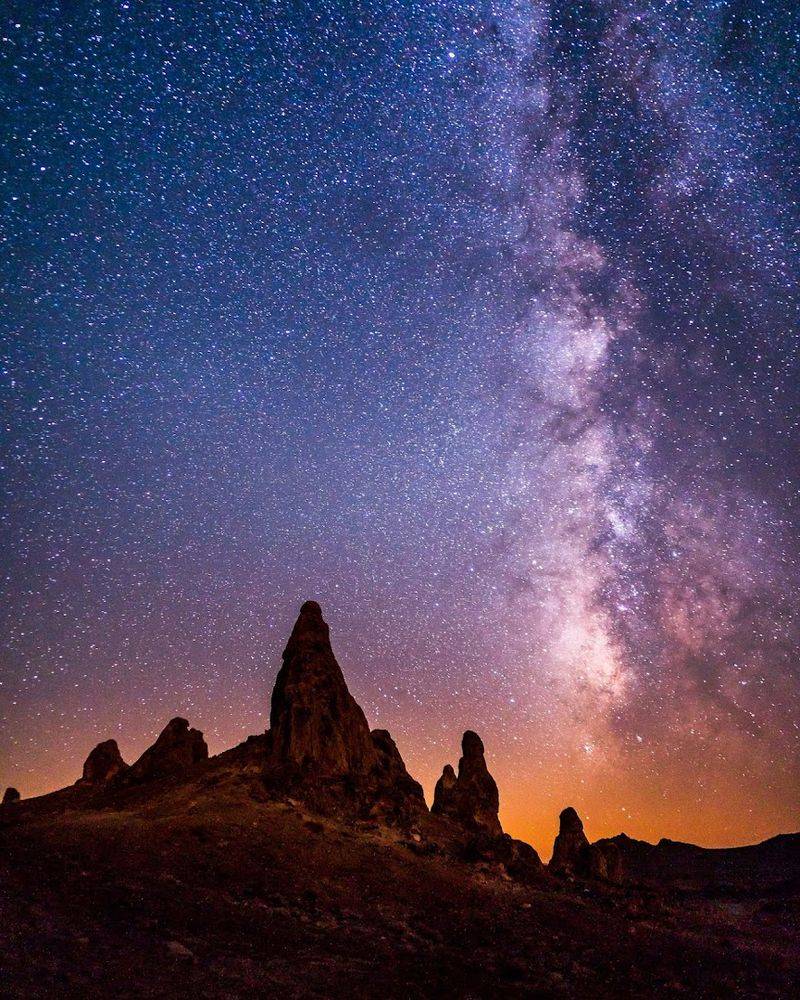
Rising from an ancient dry lakebed in the Mojave Desert, the Trona Pinnacles form one of California’s most surreal camping landscapes.
More than 500 tufa spires – some reaching well over 100 feet – stand scattered across the open basin, creating a setting that feels almost otherworldly.
Formed thousands of years ago beneath a prehistoric lake, these calcium carbonate towers now sit exposed in stark desert silence.
Free dispersed camping is permitted on surrounding Bureau of Land Management land, allowing visitors to set up camp among the pinnacles while maintaining respectful distances from the formations themselves.
Campsites are informal and flexible, with many campers choosing sheltered pockets between spires that provide both wind protection and dramatic views.
The landscape changes constantly with shifting light.
Sunrise casts long shadows across the pale ground, while sunset warms the formations into soft gold and amber tones.
Photographers often find the hours around dawn and dusk especially rewarding, when contrast and color peak. After dark, the Trona Pinnacles transform again.
With virtually no nearby artificial light, the night sky opens wide, revealing dense star fields and the Milky Way arching overhead.
Summer days can be hot, while nights cool quickly, and winter visits may even bring frost or light snow dusting the formations – adding another dimension to this already striking free camping destination.
4. Jawbone Canyon
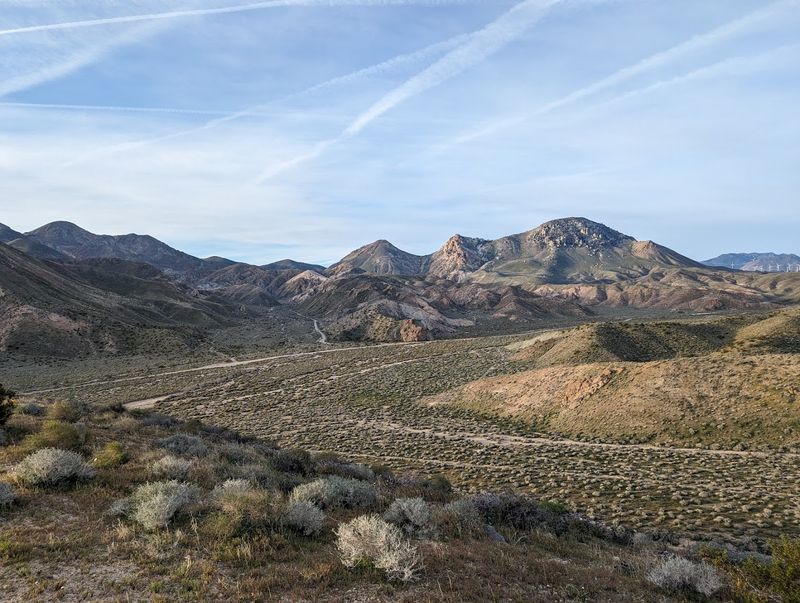
Jawbone Canyon unfolds as a vivid desert landscape where colorful rock layers stripe canyon walls in shades of red, orange, tan, and cream.
Located within a Bureau of Land Management Off-Highway Vehicle recreation area, it blends expansive scenery with easy access to free dispersed camping across a wide network of dirt roads and open desert clearings.
Campsites appear throughout the canyon and surrounding foothills, ranging from roadside pull-offs to more secluded spots tucked into side washes and rock alcoves.
Many campers gravitate toward elevated perches that provide sweeping views across the Mojave terrain, especially at sunrise and sunset when the layered canyon walls glow with warm reflected light.
Joshua trees dot higher elevations, their twisted silhouettes adding character to the already dramatic landscape.
In wetter spring seasons, wildflowers spread across the canyon floor, introducing bursts of color to the otherwise earthy palette.
The area’s OHV popularity brings energy and activity, particularly on weekends, while midweek visits offer a quieter atmosphere. Either way, the expansive terrain ensures plenty of space to spread out and find scenic solitude.
Clear desert air enhances long-distance visibility, with panoramic views stretching across surrounding ridges.
Cool nights balance warm days, and the open sky makes stargazing another highlight of the free camping experience in Jawbone Canyon.
5. Carrizo Plain National Monument
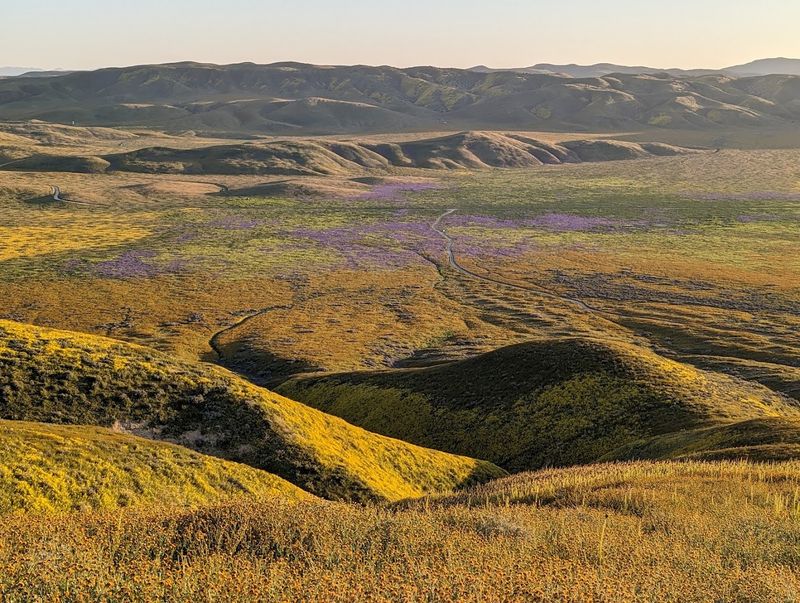
Stretching across a vast inland basin between mountain ranges, Carrizo Plain National Monument offers one of California’s most expansive and visually open camping landscapes.
The wide grasslands create an uninterrupted horizon where sunrise and sunset unfold in full panoramic color.
Free dispersed camping is available in designated areas on Bureau of Land Management lands surrounding the monument’s central plain.
These permitted zones allow visitors to position themselves for unobstructed sky views while protecting sensitive habitats across the valley floor.
During wet spring seasons, Carrizo Plain becomes especially striking. Wildflowers – including poppies, lupine, and goldfields – can blanket the grasslands in sweeping bands of color that rival any managed garden display.
Even in drier years, the subtle tones of the open plain and distant mountain backdrops create a quiet, contemplative beauty. Soda Lake, a seasonal alkaline basin, adds contrast to the scenery.
When filled, it attracts migratory birds; when dry, it leaves behind white mineral patterns that stretch across the landscape.
The visible trace of the San Andreas Fault also cuts through the monument, adding geological interest to the visual experience. Wind moves steadily across the open terrain, making secure tent setups important.
With minimal artificial light and miles of protected land, nighttime skies rank among the darkest in Southern California – ideal for astronomy enthusiasts seeking free, unobstructed stargazing.
6. Granite Flat Campground (Seasonally Free Periods)
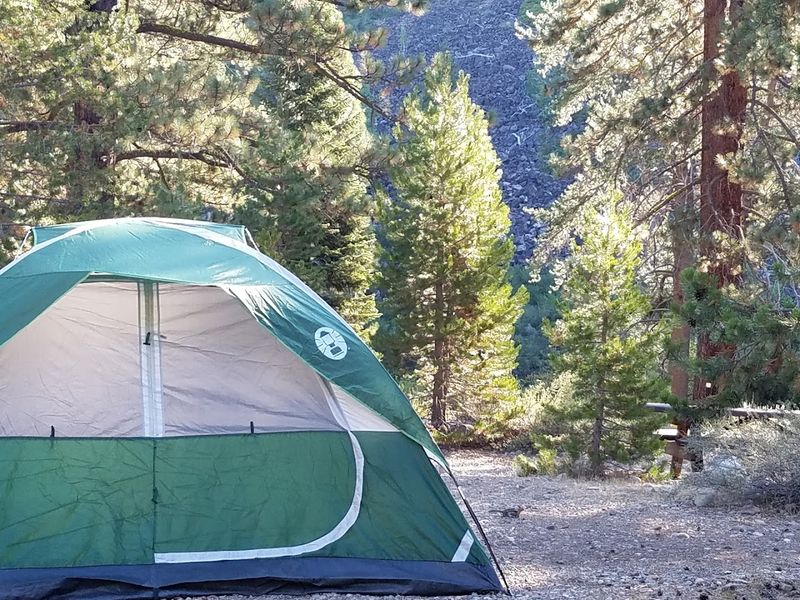
Granite Flat Campground sits within Tahoe National Forest near the Truckee River corridor, where towering pines and massive granite boulders create a classic Sierra Nevada camping landscape.
The setting blends forest shade with open rock formations, giving campers both cooling tree cover and scenic viewpoints within walking distance of their sites.
During the primary summer recreation season, Granite Flat operates as a developed fee campground with maintained amenities.
Outside that peak window – typically before full seasonal services begin or after they wind down – the campground may open for free camping use when facilities such as water systems are not in operation.
These shoulder-season periods create opportunities for budget-minded travelers to enjoy the same scenic environment without nightly campground fees.
Sites remain spacious and well laid out, spread among pine groves and granite outcrops that add both privacy and visual character.
The nearby Truckee River brings the constant sound of flowing water, and riverside walks offer peaceful spots for relaxing, fishing, or simply enjoying the mountain setting.
The surrounding forest provides access to hiking routes, wildlife viewing, and cool alpine air that feels refreshing compared to lower elevations.
Spring snowmelt and fall foliage each add their own seasonal beauty, making these off-peak free camping windows especially appealing.
For travelers who value scenery, forest immersion, and riverside atmosphere, Granite Flat’s seasonally free periods offer a rewarding way to experience Sierra camping without the usual campground costs.
7. Kirk Creek Campground (Free Dispersed Areas Nearby)
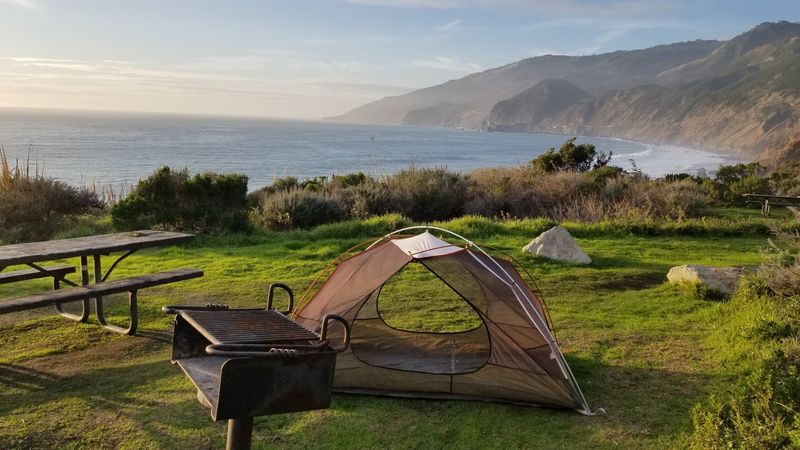
High above the Pacific Ocean along the Big Sur coastline, the area surrounding Kirk Creek offers access to some of the most dramatic free coastal camping views in California.
While the developed Kirk Creek Campground itself is fee-based, nearby public lands managed by the U.S.
Forest Service include designated dispersed camping opportunities that allow travelers to enjoy the same sweeping scenery without campground costs.
These dispersed sites are typically found along approved forest roads set back from the highway, where pull-offs and flat clearings create simple but scenic camping setups.
From these elevated vantage points, the coastline stretches endlessly in both directions, with steep cliffs dropping toward the surf far below.
Waves roll in rhythmically, and the sound of the ocean carries clearly upward, providing a constant natural soundtrack.
Fog often drifts across the coastline during evenings and mornings, creating shifting layers of mist that part to reveal blue skies and sparkling water.
Sunsets are a highlight, with the sun lowering directly into the Pacific on clear days and painting the sky in deep oranges and purples.
Wind exposure varies by site, so exploring a few options before settling in can help you find natural shelter among coastal vegetation or terrain folds.
Evenings remain cool year-round, making warm layers and sturdy tent setups valuable for comfort. The reward is a free coastal camping experience where ocean views, marine air, and dramatic cliffs define the setting.
8. Owens River Road Dispersed Camping
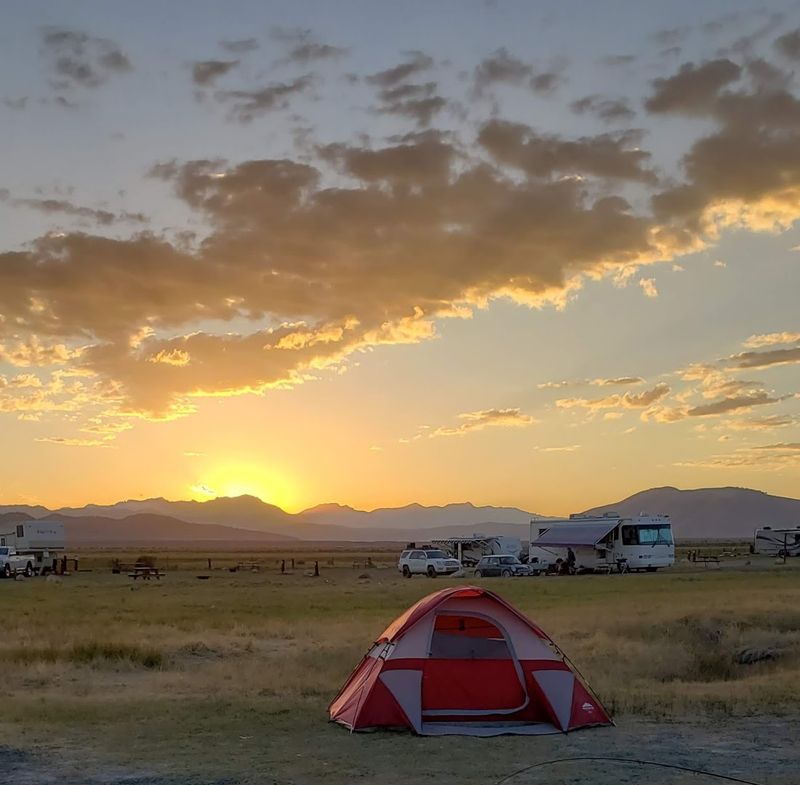
Running parallel to the Eastern Sierra, Owens River Road offers miles of free dispersed camping with uninterrupted views of California’s most dramatic mountain skyline.
Snow-capped peaks rise steeply above the sagebrush valley, creating a powerful contrast between high alpine terrain and open high desert plains.
Numerous pull-offs and established dispersed sites line the road, giving campers flexibility in choosing their surroundings – whether close to the river’s edge or elevated for broader valley views.
Many spots provide clear sightlines toward Mount Whitney and neighboring summits, making sunrise and sunset especially photogenic.
The Owens River itself winds through sections of the valley, attracting anglers, birdwatchers, and wildlife observers.
Water levels vary seasonally, but the presence of riparian vegetation adds greenery to the otherwise arid setting.
Mornings often arrive still and cool, with soft light illuminating the Sierra crest in shades of pink and gold. Afternoons bring warming desert air, while evenings cool quickly beneath expansive, star-filled skies.
Wildlife sightings can include mule deer, coyotes, and a wide range of bird species moving through the valley corridor.
The road’s length ensures that even during busier weekends, visitors can usually find a scenic site that feels private and immersed in nature.
9. Lost Coast Dispersed Camping Areas
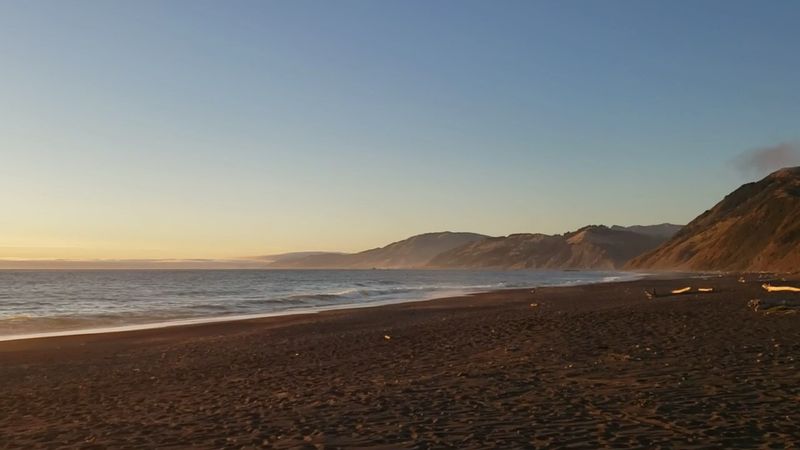
California’s Lost Coast lives up to its name, preserving one of the most undeveloped stretches of shoreline in the state.
Steep mountains drop directly into the Pacific, preventing highway construction and leaving the region defined by wilderness, raw coastline, and powerful ocean energy.
Free dispersed camping opportunities exist in certain accessible areas on public lands near the Lost Coast, particularly along remote forest roads and trail access zones.
For backpackers venturing deeper along the Lost Coast Trail, overnight permits are required, but roadside dispersed camping options remain available outside the managed trail corridor.
The scenery is dramatic in every direction – black sand beaches, rocky headlands, and dense coastal forests shaped by wind and salt air.
Waves crash against rugged cliffs while fog drifts inland, creating moody, shifting atmospheres that photographers and solitude-seekers find especially compelling.
Driftwood logs scattered across the beaches form natural windbreaks and gathering points for sunset viewing.
Marine wildlife often appears offshore, including seals, sea lions, and migrating whales during seasonal passages. Isolation defines the Lost Coast experience.
Campers arrive prepared and self-reliant, bringing supplies and planning for variable weather that can shift between sun, fog, and coastal wind within hours.
The reward is free camping in one of California’s last truly wild coastal environments – where the landscape feels vast, elemental, and deeply removed from modern development.