These 15 Georgia Natural Springs Offer Locations Worth Discovering And Exploring Personally
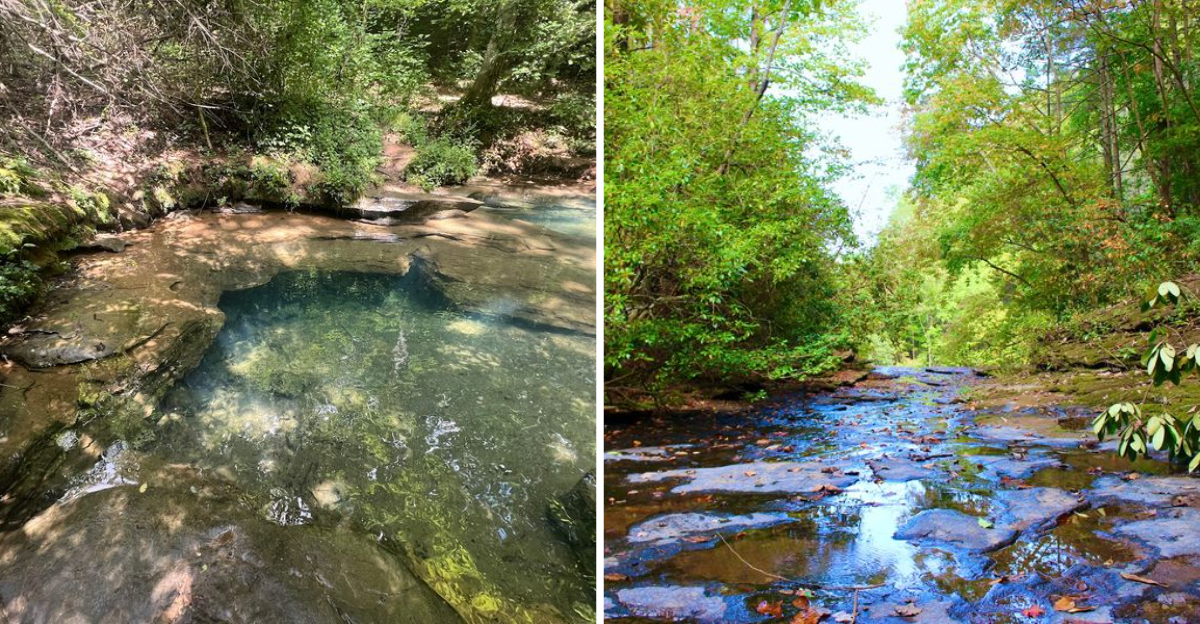
There’s something almost sacred about discovering a swimming hole so perfectly clear that you can count stones on the bottom, where waterfalls cascade with power that demands respect, and where silence becomes louder than any city noise ever could.
Georgia’s hidden water treasures guard themselves carefully, revealing themselves only to explorers willing to venture beyond obvious paths and trust landscape instincts completely. These natural sanctuaries transform ordinary weekends into genuine pilgrimages authentically.
Bubbling springs invite barefoot exploration, crystal-clear swimming holes refresh completely during warm seasons, rushing waterfalls inspire constant wonder genuinely. What distinguishes Georgia’s water destinations is how thoroughly they deliver authentic escape no manufactured attractions competing, just genuine landscape celebrating natural character fearlessly.
Peaceful afternoons restore depleted spirits, weekend adventures create shared memories authentically. Regular visitors discover seasonal changes reward repeat exploration, new explorers find immediate connection.
1. Magnolia Springs State Park
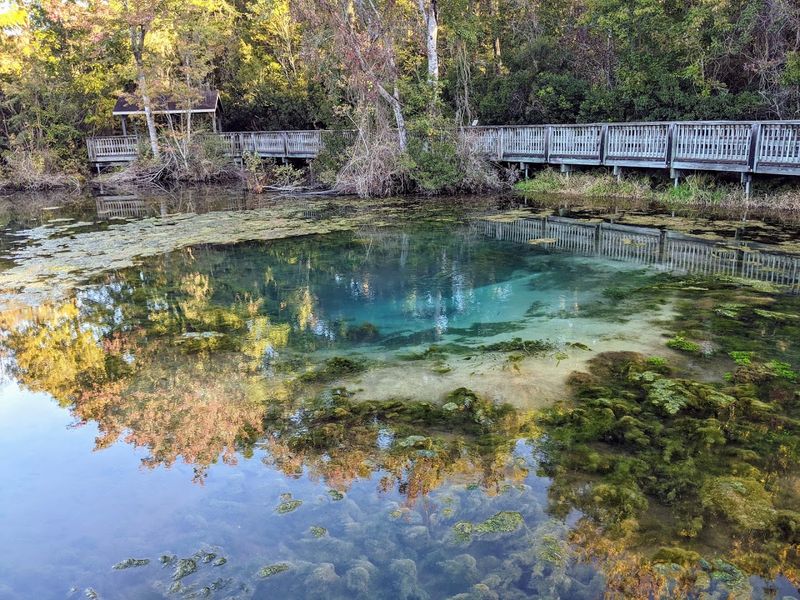
Few places in Georgia feel as quietly magical as Magnolia Springs State Park. Located at 1053 Magnolia Springs Rd, Millen, GA 30442, this park sits on a spring that pumps out roughly nine million gallons of crystal-clear water every single day. That number is almost hard to believe until you see the water yourself, glassy and still, with fish drifting lazily beneath the surface.
The spring feeds a beautiful natural aquarium area where visitors can spot turtles and bass without getting wet. Boardwalks wind around the spring head, making it easy to explore at a relaxed pace. Families with younger kids especially enjoy how accessible the trails and viewing areas are throughout the grounds.
Beyond the spring, the park offers camping, kayaking, and a swimming pool during warmer months. Weekdays tend to be quieter if a more peaceful visit sounds appealing. Arrive early on summer mornings to enjoy the coolest temperatures and clearest water views.
2. Radium Springs Garden
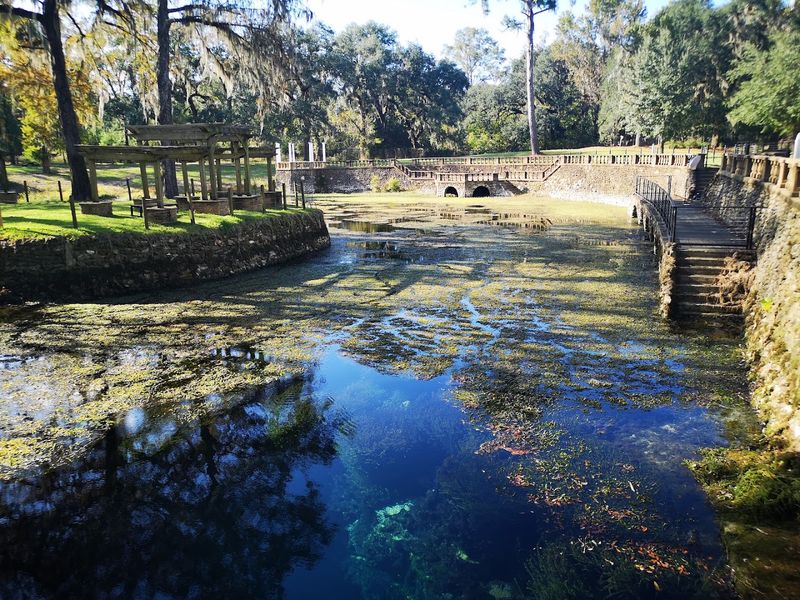
Radium Springs has one of the most fascinating and bittersweet histories of any natural spring in Georgia. Situated at 2501 Radium Springs Rd, Albany, GA 31705, this site was once considered one of the Seven Natural Wonders of Georgia, drawing visitors from across the country who came to see its brilliant blue-green waters bubbling up from underground.
Flooding over the decades caused significant damage to the original spring and surrounding structures, but restoration efforts have worked to bring new life back to this beloved landmark. The garden area today offers a peaceful setting along the Flint River where visitors can appreciate the natural landscape and learn about the spring’s remarkable past.
Interpretive signage throughout the site explains both the geological history and the community’s ongoing efforts to preserve this space. Visiting on a clear afternoon allows the light to catch the water beautifully. It is a meaningful stop for anyone curious about Georgia’s natural and cultural heritage.
3. Beasley Gap Spring
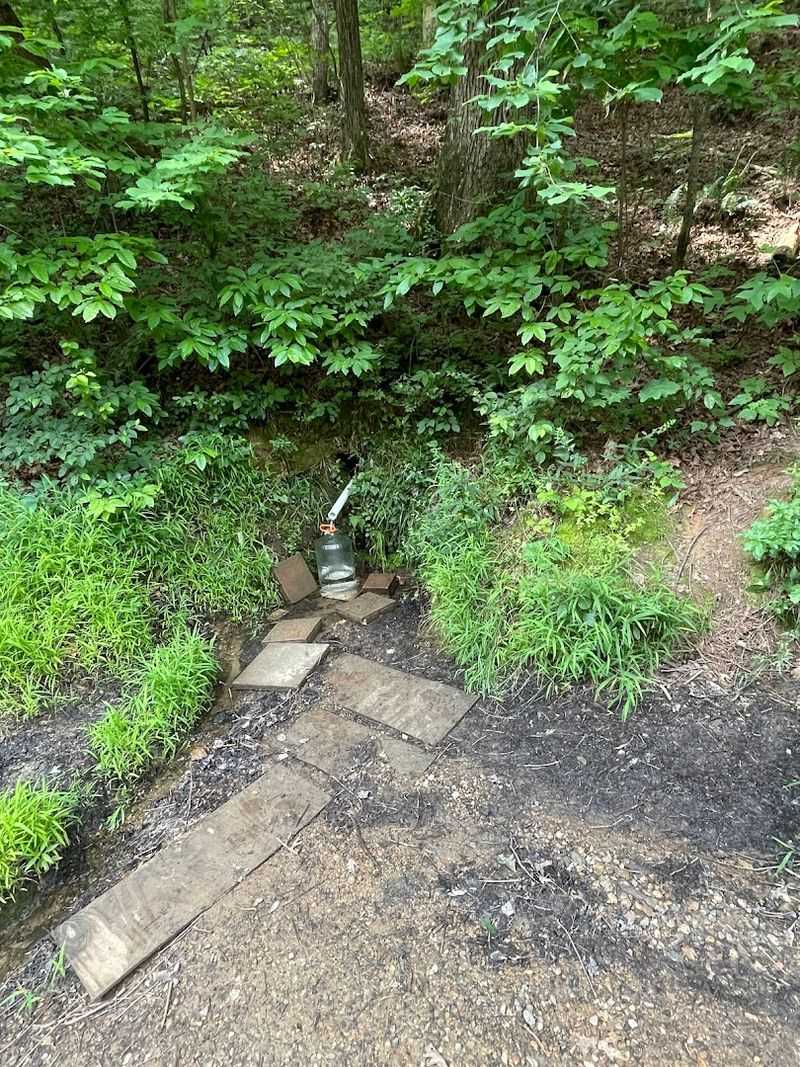
Tucked into the rolling terrain near Cherokee County, Beasley Gap Spring rewards visitors who enjoy off-the-beaten-path discoveries. Near 13095 Reinhardt College Pkwy, Waleska, GA 30183, this natural spring sits within a stretch of North Georgia woodland that feels refreshingly removed from busier tourist corridors. The area has a raw, unhurried quality that hikers tend to appreciate deeply.
The spring itself emerges quietly from the hillside, feeding a small stream that winds through the surrounding forest. It is the kind of place where the only soundtrack is birdsong and the soft trickle of moving water, which makes it an excellent choice for anyone seeking genuine quiet.
Sturdy footwear is recommended since the terrain around the spring can be uneven and occasionally muddy after rainfall. Visiting during spring or early fall offers the most comfortable hiking temperatures. Bringing a water-resistant layer is always a smart idea when exploring this part of Georgia’s mountain foothills.
4. Indian Springs State Park
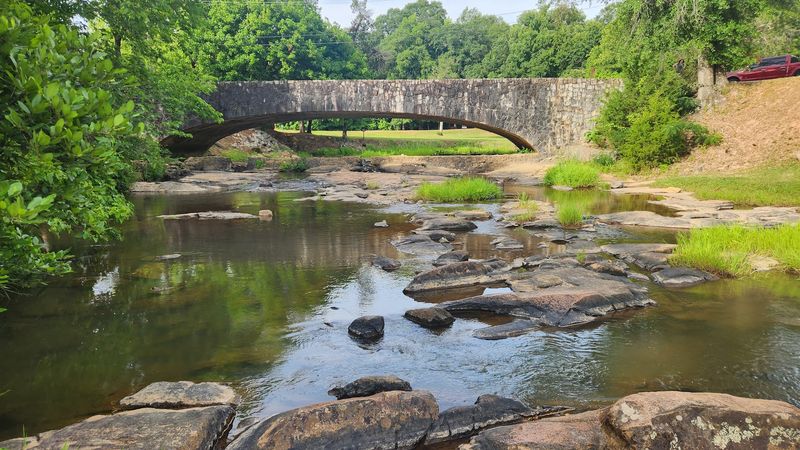
Believed to be one of the oldest state parks in the entire United States, Indian Springs carries a sense of living history that is genuinely hard to replicate. Located at 678 Lake Clark Rd, Flovilla, GA 30216, the park is built around a sulfur mineral spring that Native Americans used for centuries before European settlers arrived and established a resort community around the same waters.
The original spring house still stands today, and visitors can actually taste the mineral water straight from the source. The slightly sulfuric flavor surprises most first-timers, but it adds to the authentic character of the experience. A small museum on the grounds shares the park’s long and layered history in an accessible and interesting way.
Lake McIntosh sits within the park boundaries and offers swimming, fishing, and paddleboat rentals during warmer months. The campgrounds are well-maintained and popular with families. Arriving midweek during summer dramatically reduces crowds and makes the whole visit feel more relaxed and enjoyable.
5. Cascade Springs Nature Preserve
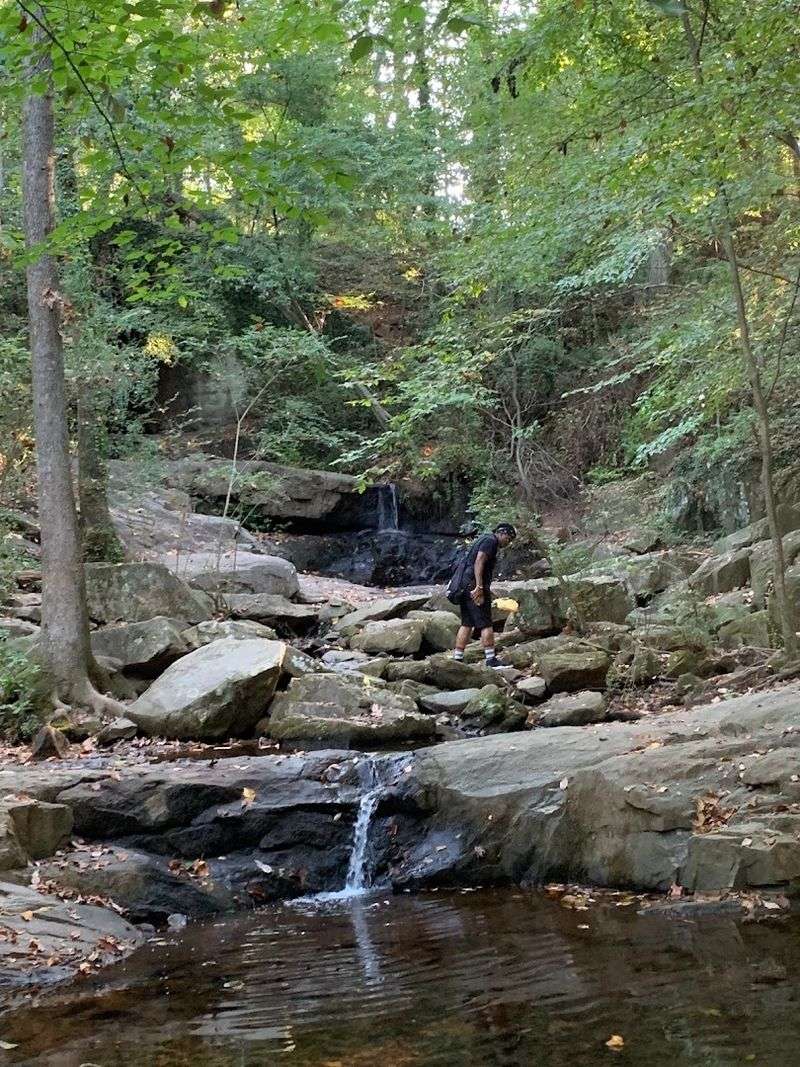
Right inside Atlanta’s city limits, Cascade Springs Nature Preserve offers something genuinely unexpected: a natural spring experience within one of the South’s busiest metropolitan areas. The preserve sits at 2852 Cascade Rd, Atlanta, GA 30311, covering around 120 acres of forested land that feels worlds away from the surrounding urban landscape. It is a beloved local secret for Southwest Atlanta residents.
The springs here seep up through the earth and feed small streams that wind through hardwood forest, creating a surprisingly lush and quiet environment. Interpretive signs along the trails explain the local geology and ecology in ways that are easy to understand and genuinely interesting for visitors of all ages.
Trails are moderate in difficulty and generally manageable for most fitness levels, though some areas can get slippery after rain. Morning visits tend to offer the best wildlife sightings, including songbirds and the occasional deer. Parking is available along Cascade Road, and admission to the preserve is free year-round.
6. Warm Springs
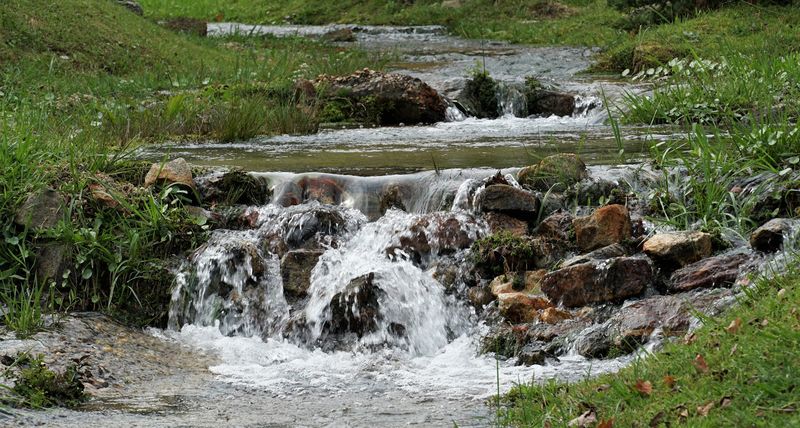
Warm Springs earned its name honestly, and the story behind this small Georgia town is as warm as the water itself. Located in Warm Springs, Georgia 31830, this community became famous when President Franklin D. Roosevelt discovered that its naturally heated mineral waters helped ease his polio symptoms, leading him to establish a treatment center and eventually build his beloved Little White House nearby.
The thermal springs maintain a consistent temperature of around 88 degrees Fahrenheit year-round, fed by rainwater that filters through the Pine Mountain Ridge over thousands of years. The Roosevelt Warm Springs Institute continues to operate as a rehabilitation facility, honoring the original purpose that put this small town on the national map.
Visitors today can explore the Little White House Historic Site and learn about FDR’s deep connection to this place. The surrounding town has a charming, unhurried atmosphere with small shops and local eateries worth exploring. Fall weekends draw larger crowds, so planning a weekday visit offers a quieter experience overall.
7. Blue Hole Falls
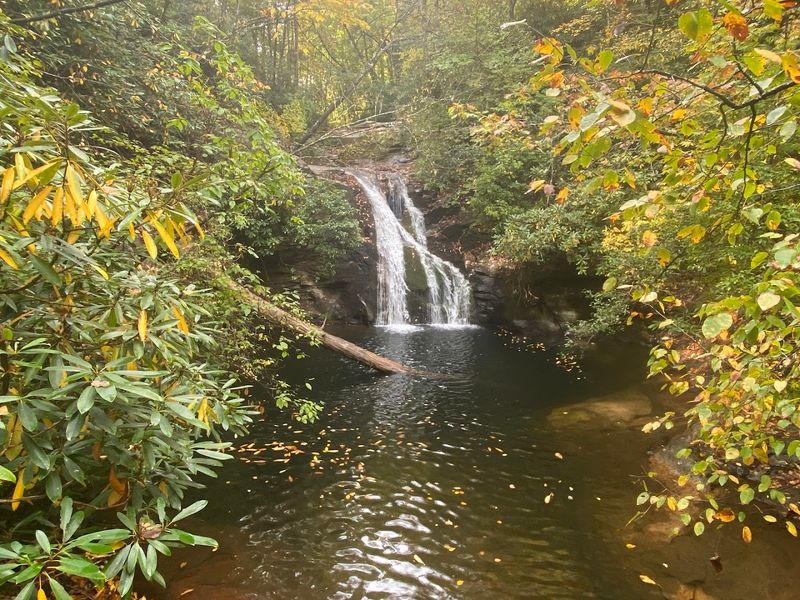
Some swimming holes earn legendary status among Georgia outdoor enthusiasts, and Blue Hole Falls near Hiawassee is absolutely one of them. Located near Hiawassee, GA 30546, this stunning spot features a deep, intensely blue-green pool fed by a waterfall cascading down rocky terrain in the heart of North Georgia’s mountain country. The color of the water genuinely has to be seen to be believed.
The hike to reach the falls is moderate in length and passes through beautiful forest scenery that changes dramatically with the seasons. Summer brings the biggest crowds, so arriving before 10 a.m. on weekends is strongly recommended for anyone hoping to enjoy the pool without too much company.
Water temperatures stay cool even during the hottest Georgia summers, making it a genuinely refreshing destination when the heat becomes relentless. Sturdy closed-toe shoes are essential for the rocky approach to the falls. Always check local trail conditions before visiting, as weather can affect access during wetter seasons.
8. Water’s Creek Falls
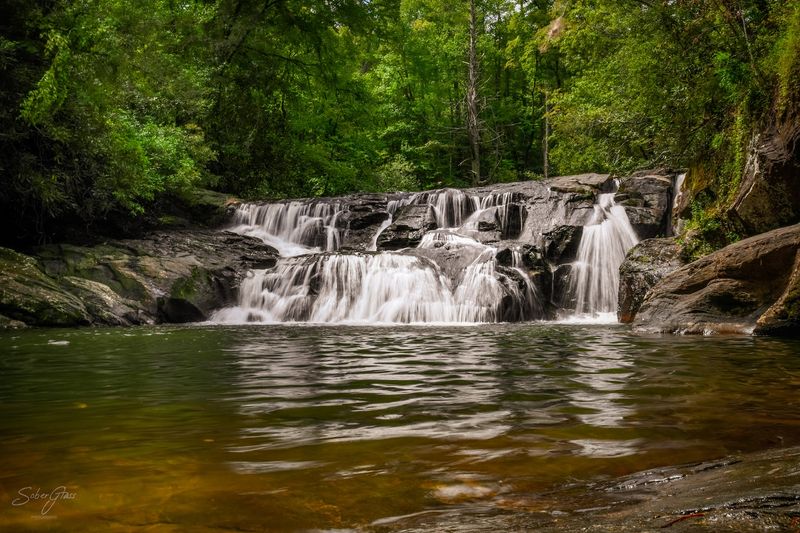
Anglers and nature lovers alike have long treasured the stretch of wilderness surrounding Water’s Creek Falls. Found along Dicks Creek Rd, Cleveland, GA 30528, this area sits within the Chattahoochee National Forest and combines waterfall scenery with some of North Georgia’s finest trout fishing waters. The creek runs cold and clear, exactly the kind of conditions both fish and hikers love.
The waterfall itself is modest in height but beautifully framed by hemlock and hardwood trees that create a canopy overhead. Mossy boulders line the creek banks, giving the whole scene a storybook quality that feels almost too picturesque to be real. Photographers tend to visit in autumn when the surrounding foliage explodes into color.
Parking near the trailhead is limited, so arriving early on weekends prevents frustration. The trail is relatively gentle compared to other North Georgia hikes, making it accessible for most visitors. Bringing insect repellent during late spring and early summer months is a practical move worth remembering.
9. High Shoals Falls
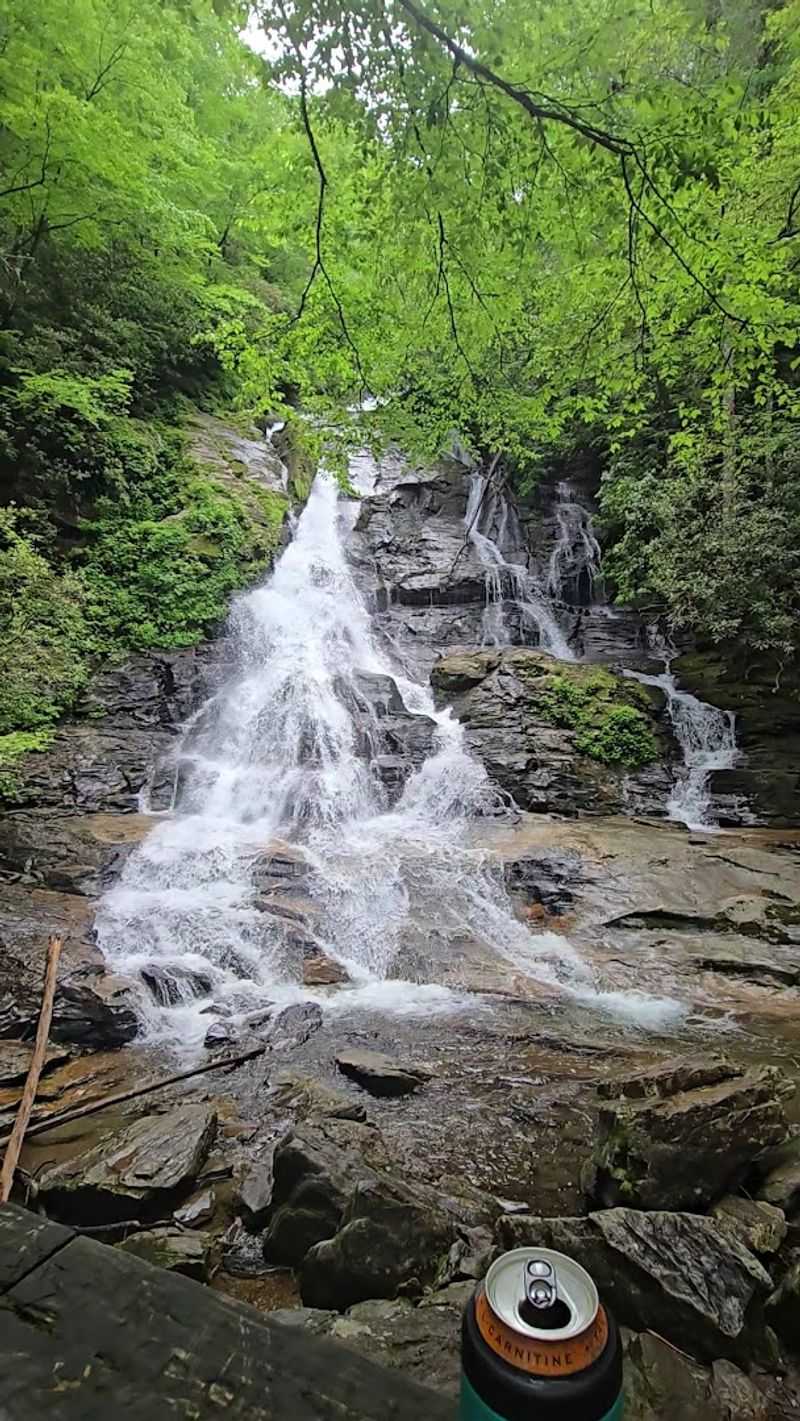
High Shoals Falls delivers one of North Georgia’s most dramatic waterfall experiences, and the hike to reach it is part of what makes it special. Located at 1333 Indian Grave Gap Rd, Hiawassee, GA 30546, this trail leads visitors through a stretch of old-growth forest before revealing a stunning series of cascades that drop dramatically through layered rock formations. The main falls plunge roughly 100 feet, which is genuinely impressive by any standard.
The trail is about two miles round trip and rated moderate, with some rocky and rooted sections that require careful footing. Wooden viewing platforms positioned near the falls give excellent vantage points without requiring visitors to scramble over wet rocks. Late spring visits reward hikers with peak water flow after winter and early spring rainfall.
Autumn is equally beautiful here, with golden and crimson leaves framing the white water in a way that makes every photograph look effortless. The area is part of the Blue Ridge Wildlife Management Area, so wildlife sightings are common. Dogs on leashes are welcome on the trail.
10. Red Clay Resort
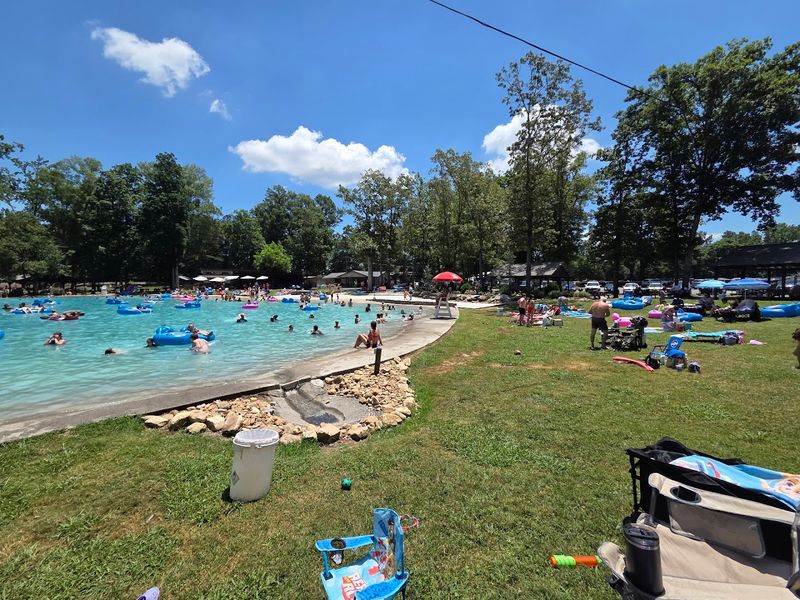
Red Clay Resort offers a rare combination of natural spring water access and comfortable resort amenities in the same package. Located at 5510 Red Clay Rd, Cohutta, GA 30710, this property sits in the rolling countryside of North Georgia and draws visitors who want to enjoy the outdoors without completely roughing it. The natural spring element gives the resort a distinctive character that standard hotel pools simply cannot replicate.
The grounds include forested areas, open fields, and access to natural water features that make the setting feel genuinely connected to the landscape around it. Guests often describe the atmosphere as deeply relaxing, the kind of place where a full afternoon can pass without anyone checking their phone once. That kind of unhurried pace is exactly what many visitors are looking for.
Accommodation options vary, so checking availability and booking well ahead is recommended, particularly for summer and fall weekends. The surrounding Cohutta Wilderness area offers additional hiking and outdoor exploration for guests who want to venture beyond the resort grounds during their stay.
11. Helton Creek Falls
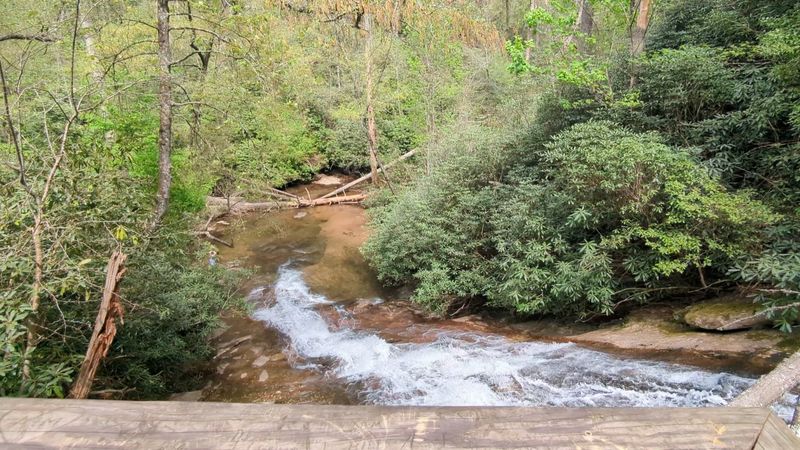
Helton Creek Falls has a feature that sets it apart from almost every other waterfall in Georgia: a natural rock slide. Found along Helton Creek Rd, Blairsville, GA 30512, this two-tiered waterfall includes a smooth, curved section of rock that visitors can slide down into the pool below, turning a standard waterfall visit into something genuinely playful and memorable. Kids and adults alike tend to lose track of time here.
The lower falls drop about a dozen feet and create a wide, accessible pool perfect for wading and cooling off. The upper falls are taller and more dramatic, with a viewing area that allows visitors to appreciate the full cascade from a safe vantage point. Both sections are reachable via a short, easy trail from the parking area.
Water shoes are highly recommended since the rocks around the pool can be slippery. Summer weekends draw significant crowds, so a weekday visit in late spring offers the best balance of good weather and manageable visitor numbers. The surrounding forest stays pleasantly cool even on hot Georgia days.
12. DeSoto Falls Recreation Area
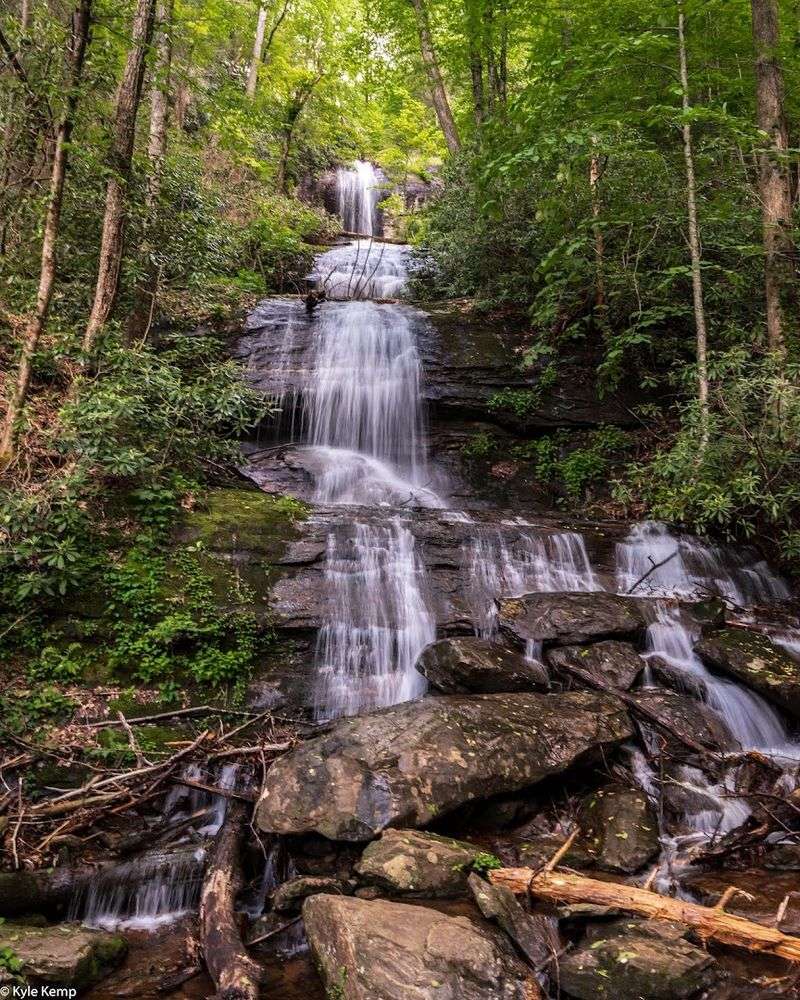
Named after the Spanish explorer Hernando de Soto, DeSoto Falls Recreation Area carries a sense of history alongside its natural beauty. Located at 18365 US-129, Cleveland, GA 30528, this spot within the Chattahoochee National Forest features two distinct waterfalls, a lower falls and an upper falls, each with its own character and accessible via separate trail sections. The lower falls are closer to the parking area and easier to reach.
The upper falls require a longer hike but reward the effort with a taller, more powerful cascade that feels genuinely impressive during periods of high water flow. The trail passes through mature forest with excellent shade, which makes the hike comfortable even on warm days. Camping facilities on-site allow visitors to extend their stay into a full overnight adventure.
A small fee is typically required for day use of the recreation area, so bringing cash or a card is helpful. The campground tends to fill on holiday weekends, making early reservations a smart move. Fall foliage season transforms the surrounding forest into a stunning natural display.
13. Blue Hole Spring
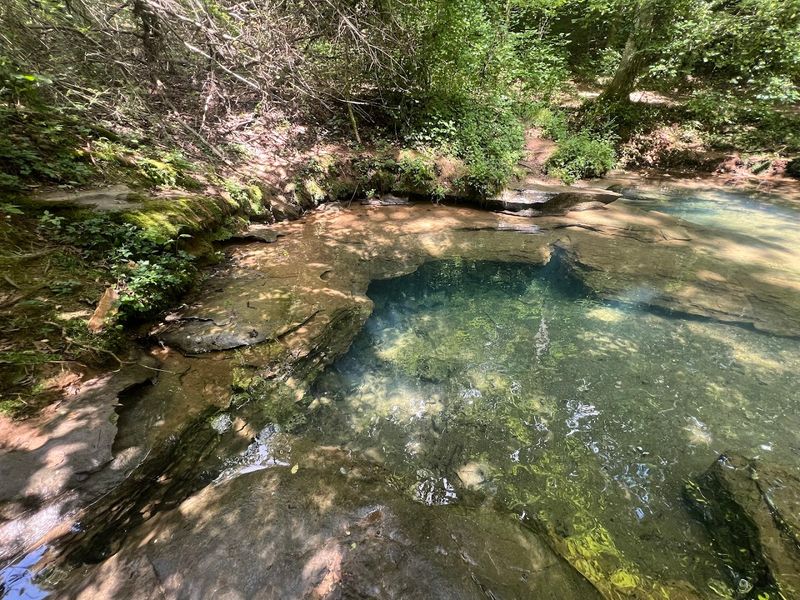
Walker County’s Blue Hole Spring is the kind of local treasure that residents cherish and visitors rarely forget after their first encounter. Situated at 1334 Blue Hole Rd, LaFayette, GA 30728, this natural spring produces remarkably clear water that takes on a striking blue-green hue in certain lighting conditions, giving the spot its perfectly descriptive name. The setting is quiet and rural, with a simplicity that feels genuinely refreshing.
The spring feeds a small swimming area that has been enjoyed by generations of Northwest Georgia families during warm weather months. Water temperatures remain consistently cool regardless of summer heat, which makes it an especially popular destination when temperatures climb. The surrounding area has a laid-back, community-friendly atmosphere that feels welcoming to first-time visitors.
Parking near the spring is limited, so arriving early on busy summer days is practical advice worth taking seriously. The natural setting is best appreciated with minimal equipment: a towel, water shoes, and a willingness to simply sit and enjoy the scenery. Respecting the environment here ensures future visitors can enjoy the same experience.
14. Cloudland Canyon State Park
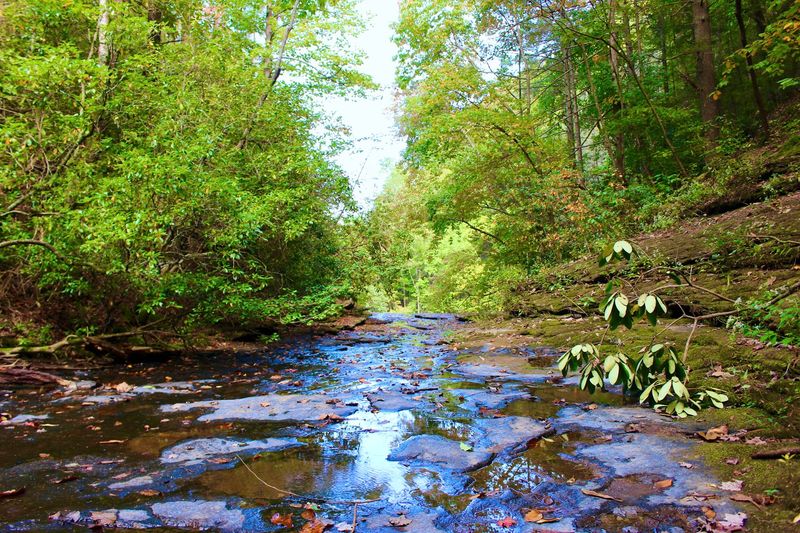
Standing at the rim of Cloudland Canyon and looking down at the two waterfalls below is the kind of moment that stays with a person for years. Sitting at 122 Cloudland Canyon Park Rd, Rising Fawn, GA 30738, this park sits atop Lookout Mountain in the far northwestern corner of Georgia and offers some of the most dramatic natural scenery in the entire state. The canyon itself drops nearly 1,000 feet at its deepest point.
Two separate waterfalls, Cherokee Falls and Hemlock Falls, are accessible via a challenging staircase trail that descends into the canyon floor. The descent involves several hundred steps, so comfortable footwear and a reasonable fitness level make the experience far more enjoyable. The reward at the bottom is absolute worth every step.
Camping options range from tent sites to fully equipped cottages, making this a flexible destination for different travel styles. Weekends fill up fast, especially in fall, so reservations well in advance are genuinely necessary. Sunrise from the canyon rim is a particularly unforgettable experience for early risers.
15. Broad River Sandy Beach Swimming Hole
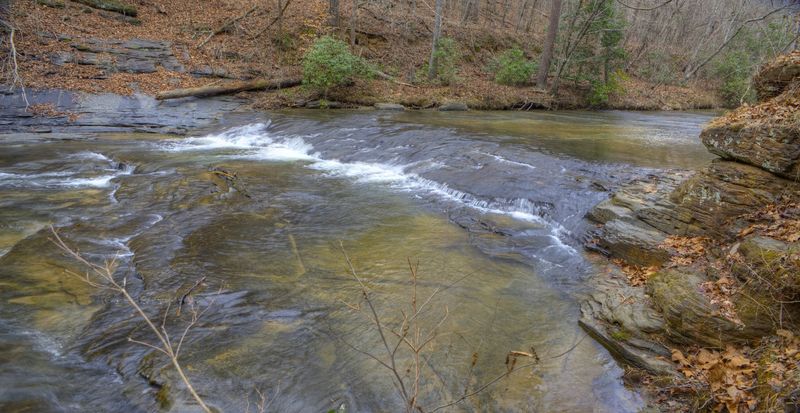
Not every great swimming spot requires a parking fee, a trail map, or a park ranger to point the way. Near Mt Airy, GA 30563, the Broad River Sandy Beach Swimming Hole is a beloved natural gathering place where the river creates a sandy-bottomed section perfect for wading, floating, and simply enjoying a slow Georgia afternoon. The casual, unpretentious atmosphere is a big part of its appeal.
The river moves at a gentle pace through this stretch, making it suitable for families with children who want a safe and relaxed water experience. Sandy banks on either side of the swimming area offer comfortable spots to spread out a towel and settle in for the afternoon. The surrounding landscape of tall trees and rolling hills adds a scenic backdrop that requires zero effort to appreciate.
Visiting on weekday mornings offers the quietest experience, while summer weekends tend to draw larger local crowds. Bringing plenty of water, snacks, and sun protection makes for a much more comfortable outing. Always check river conditions locally before visiting, as water levels can vary significantly after heavy rainfall.