These 17 Georgia Spots Feel Like They Belong In A Storybook
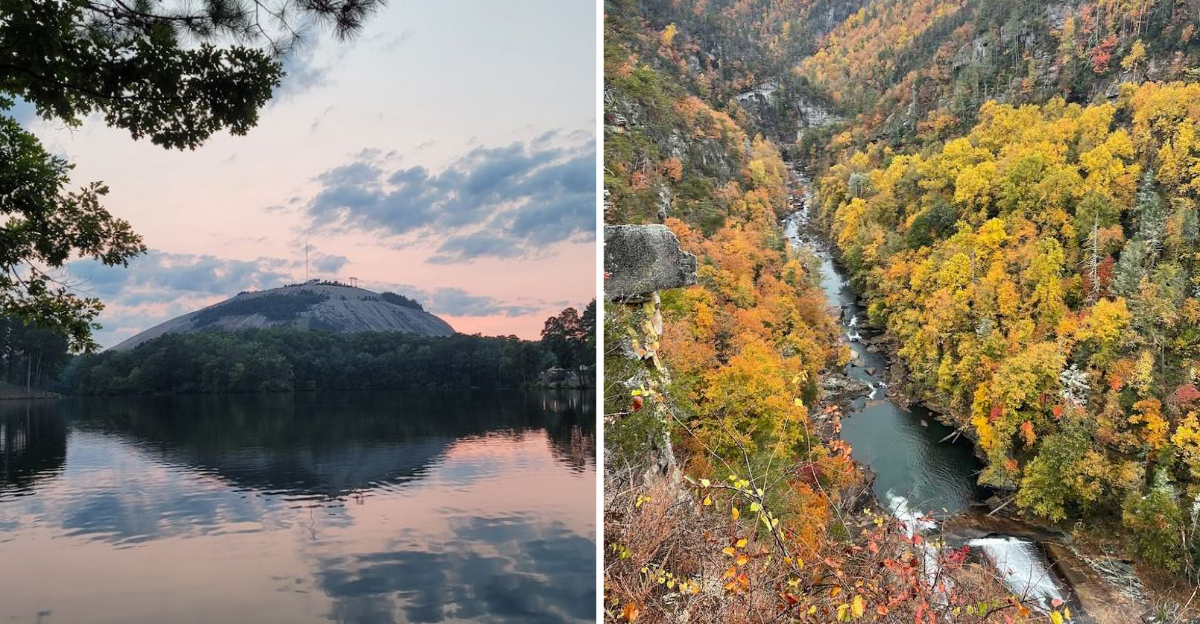
A place can feel almost unreal without trying too hard. Georgia does that again and again, shifting from mountain views that look lifted from another country to quiet coastal stretches where nature takes over completely.
The variety is what makes it so compelling. One moment you are wandering through a town with old-world charm and layered history, the next you are standing on a barrier island where wild horses roam and the horizon feels endless. Each stop brings a different kind of atmosphere, but they all share that sense of discovery.
Some destinations draw crowds for good reason, while others stay just under the radar, waiting for the right traveler to stumble across them. Those hidden corners often end up being the most memorable, the ones that feel personal rather than planned.
It is easy to build a trip around places like this. Scenic views, quiet paths, historic streets, and unexpected moments all come together to create something that feels a little more magical than a typical getaway.
For anyone ready to explore with curiosity, these 17 Georgia spots offer experiences that feel immersive, picturesque, and genuinely worth seeking out.
1. Helen, Georgia
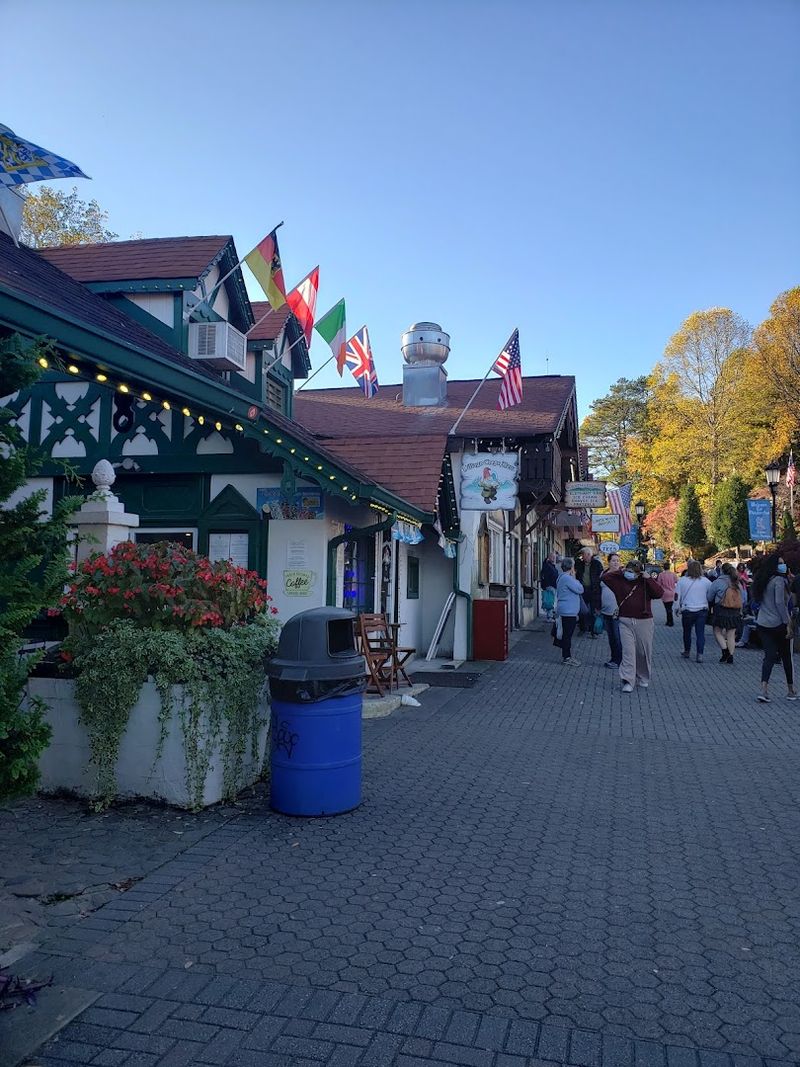
Tucked into the Blue Ridge Mountains of north Georgia, Helen looks less like a small American town and more like a postcard from Bavaria. The town sits along the Chattahoochee River at 1255 Main Street, Helen, GA 30545, and its Alpine-style buildings, flower boxes, and cobblestone walkways create an atmosphere that genuinely feels transplanted from another continent. The transformation happened in 1969, when local artists reimagined the struggling mill town with a German village theme, and it stuck beautifully.
Visitors can stroll past bakeries, biergartens, and boutique shops without ever feeling rushed. The Oktoberfest celebrations draw crowds each fall, but the town has a quieter, more intimate charm outside of peak seasons. Weekday visits tend to feel more relaxed and allow for slower exploration of the riverside walking paths.
Parking is available in several public lots near the main strip, making it easy to arrive and wander at your own pace.
2. Providence Canyon State Park
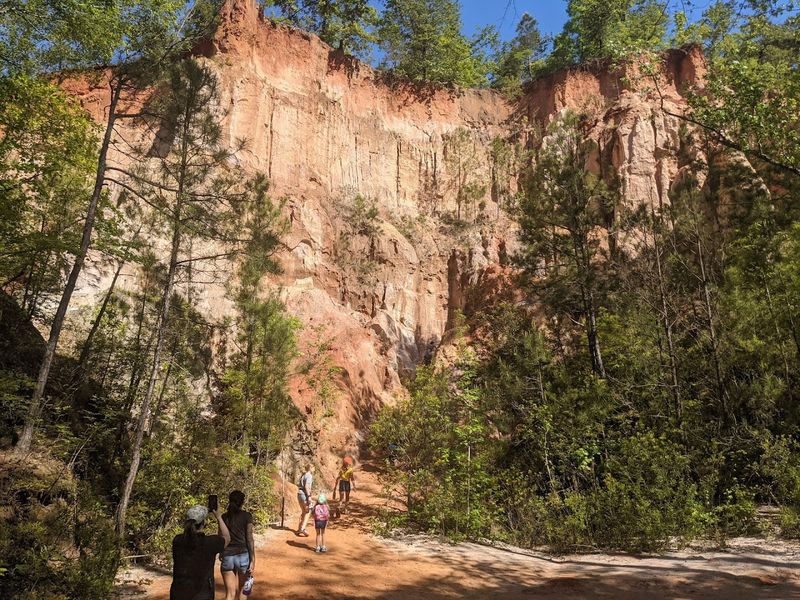
Nicknamed Georgia’s Little Grand Canyon, Providence Canyon State Outdoor Recreation Area is one of the most visually striking places in the entire state. Located at 8930 Canyon Road, Lumpkin, GA 31815, the park features dramatic canyon walls that glow in shades of pink, red, orange, lavender, and white, colors created entirely by soil erosion that began in the 1800s due to poor farming practices. It is a rare case where a human mistake accidentally created something breathtaking.
The main trail loops through the canyon floor, where visitors walk directly beside towering walls that reach up to 150 feet. Morning light makes the colors especially vivid, so arriving early rewards patient visitors with the best photography conditions. Trails can get slippery after rain, so sturdy footwear is a practical must.
The park charges a small parking fee and is open year-round, though spring wildflowers add an extra layer of charm to the canyon scenery.
3. Cumberland Island National Seashore
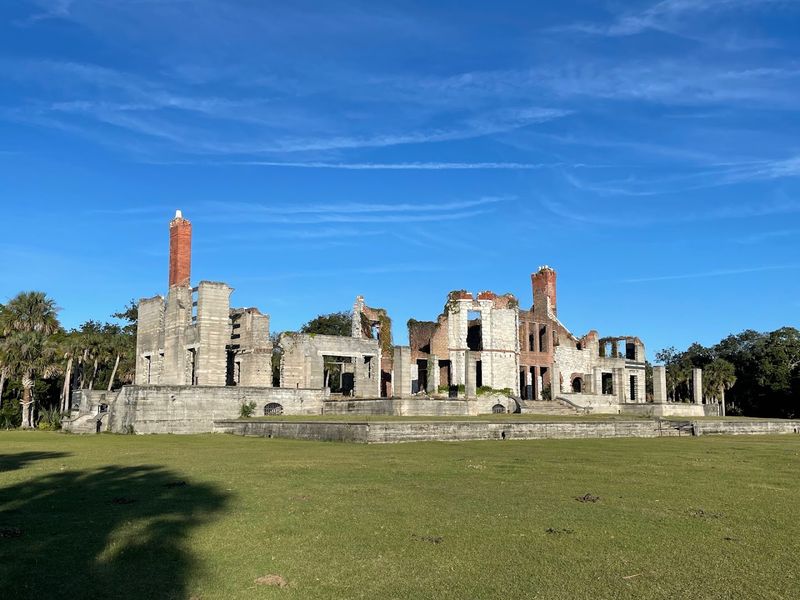
There are places in Georgia that feel genuinely untouched, and Cumberland Island is perhaps the finest example. Accessible only by ferry, this barrier island is located off the coast of St. Marys, GA 31558, and it shelters wild horses, sea turtles, ancient ruins, and miles of undeveloped Atlantic beach all within a single protected landscape. The ferry departs from St. Marys and reservations are strongly recommended, especially during warmer months.
The crumbling ruins of Dungeness, a Carnegie family mansion abandoned in the early 20th century, add a hauntingly beautiful layer of history to the island’s natural scenery. Hiking trails wind through maritime forests draped in Spanish moss, and the beaches stretch wide and quiet with very few crowds. Camping is available for those who want to experience the island after the day visitors leave.
No cars are permitted, which means the only sounds are wind, waves, and birdsong.
4. Driftwood Beach, Jekyll Island
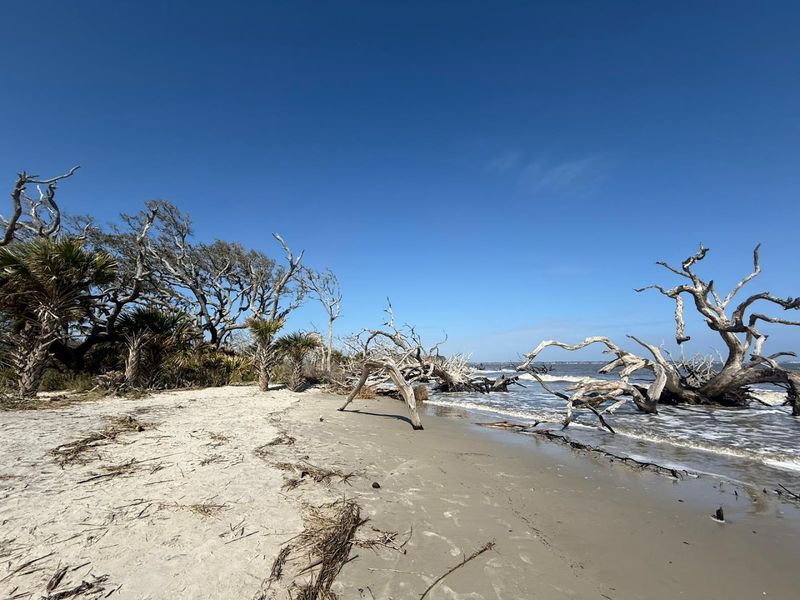
Driftwood Beach on Jekyll Island is the kind of place that makes cameras come out instinctively, because nothing quite prepares visitors for the sight of sun-bleached, twisted trees rising from the sand along the shoreline. The beach is located on the northern end of Jekyll Island, accessible from 1 Beachview Drive, Jekyll Island, GA 31527, and the contrast of pale skeletal wood against blue sky and dark ocean creates a scene that feels both haunting and deeply peaceful. The trees are the remains of a forest slowly reclaimed by the sea over decades.
Sunrise visits are especially popular here, as the warm light turns the driftwood golden and the beach stays quiet before the day crowds arrive. The area is free to explore and easy to reach by car or bike from the island’s main road. Jekyll Island itself charges a small parking fee at the causeway.
Flat, sandy terrain makes the beach walkable and accessible for most visitors.
5. Wormsloe State Historic Site
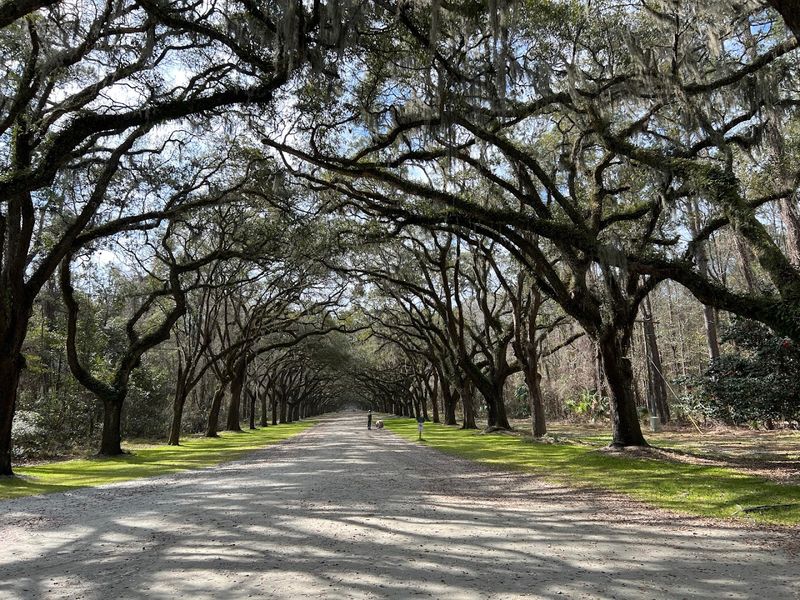
Few entrances to a historic site anywhere in the country can match the sheer drama of the oak avenue at Wormsloe. Located at 7601 Skidaway Road, Savannah, GA 31406, this 1.5-mile tabby ruins trail is flanked on both sides by enormous live oaks whose branches arch overhead and drip with Spanish moss, forming a natural tunnel that feels almost sacred. The site is one of the oldest standing structures in Georgia, built by Noble Jones, one of Georgia’s original colonists, in the early 1700s.
The avenue is perhaps the most photographed spot in all of Savannah, and for good reason. Soft morning light filters through the canopy in ways that feel cinematic and calm. Weekday mornings are quieter and allow for unhurried walks without crowds.
A small museum on site provides helpful historical context about colonial Georgia. Admission is modest, and the grounds also include nature trails and a recreated colonial settlement with costumed interpreters on select dates.
6. Savannah’s Historic District
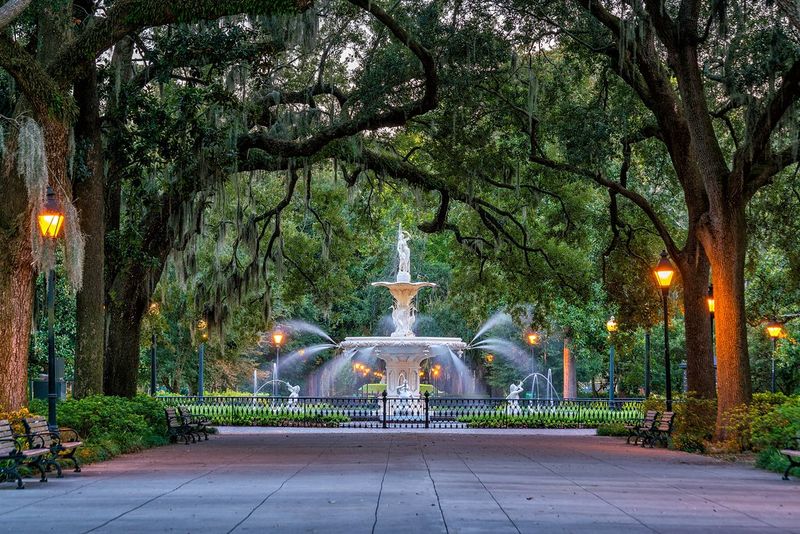
Savannah’s Historic District is the kind of neighborhood that makes people slow their pace without even realizing it. Centered around the famous squares of downtown Savannah, GA 31401, the district features 22 original public squares shaded by ancient live oaks, surrounded by Federal and Regency-style mansions, iron-gated gardens, and brick carriage houses that date back to the 18th and 19th centuries. The city’s original grid plan, designed by founder James Oglethorpe, is still intact and makes exploring on foot feel intuitive and endlessly rewarding.
Forsyth Park, with its iconic white fountain, is a natural gathering spot and a lovely place to spend a slow afternoon. Ghost tours run nightly and add a playful, eerie dimension to the already atmospheric streets. The district is walkable and compact, though comfortable shoes matter on the uneven brick sidewalks.
Restaurants, cafes, and bookshops are woven throughout, so spontaneous stops are part of the experience.
7. Amicalola Falls State Park
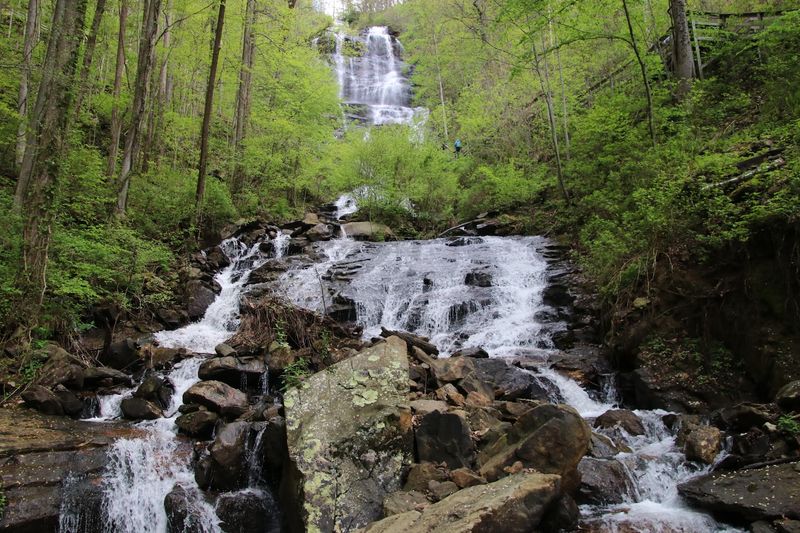
Standing at 729 feet, Amicalola Falls is the tallest cascading waterfall east of the Mississippi River, and seeing it in person has a way of making the world feel very small in the best possible way. The park is located at 418 Amicalola Falls State Park Road, Dawsonville, GA 30534, and the falls are accessible via a series of trails and staircases that wind through hardwood forest before opening to full views of the rushing water. The name comes from a Cherokee word meaning tumbling water, which describes it perfectly.
The park serves as the approach trail to the southern terminus of the Appalachian Trail, making it a hub for serious hikers and casual visitors alike. A lodge and cottages on site allow for overnight stays, and waking up to misty mountain mornings near the falls is genuinely memorable. Fall foliage season transforms the surrounding forest into a vivid canvas of orange, red, and gold, drawing visitors from across the Southeast.
8. Tallulah Gorge State Park
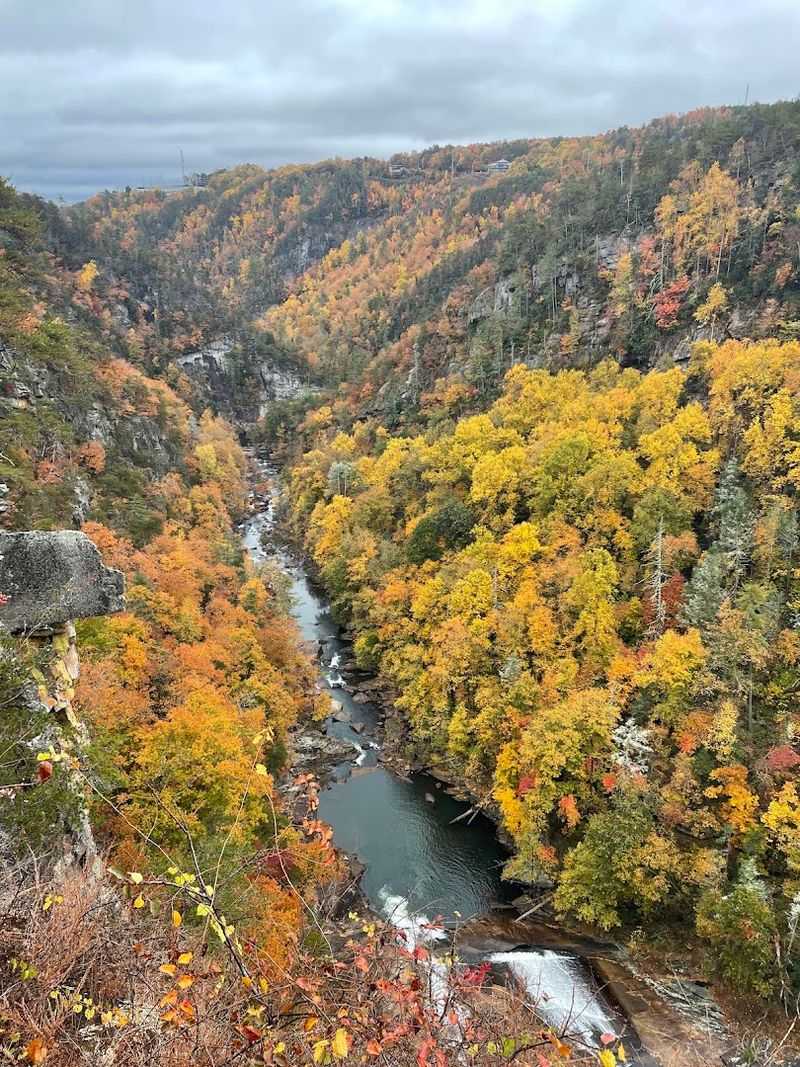
Carved over thousands of years by the Tallulah River, Tallulah Gorge is one of the most spectacular natural features in the eastern United States. The park is located at 338 Jane Hurt Yarn Drive, Tallulah Falls, GA 30573, and the gorge stretches nearly two miles long and plunges up to 1,000 feet deep in places, creating a dramatic landscape of sheer quartzite walls, roaring waterfalls, and swaying suspension bridges. The combination of scale and raw natural beauty makes it feel genuinely awe-inspiring.
A suspension bridge crosses the gorge at the rim level and is open to all visitors, while a floor permit system limits daily access to the gorge bottom to protect the ecosystem. Trails range from easy rim walks to strenuous descents, so there are options for different fitness levels. The park also borders Lake Tallulah, which adds a quieter, reflective dimension to the visit.
Weekday visits tend to be less crowded and allow for a more peaceful experience overall.
9. Tybee Island
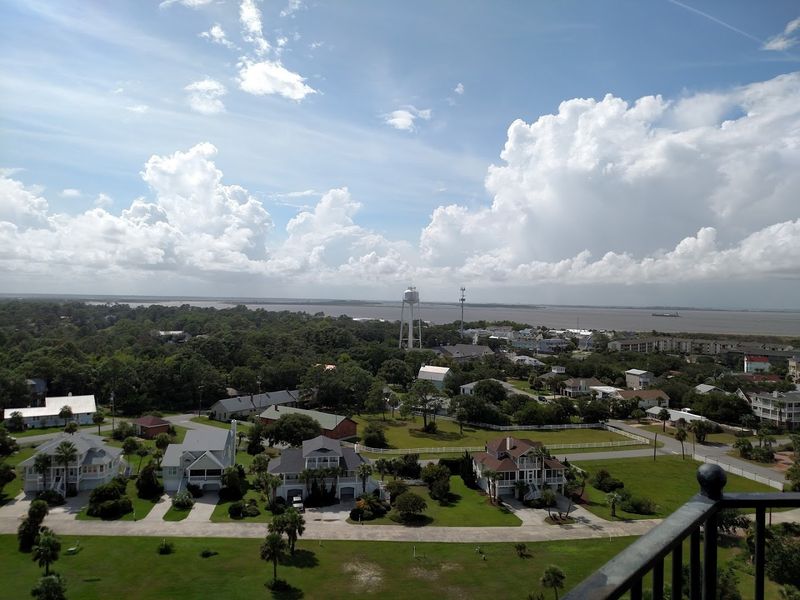
Tybee Island has the relaxed, unhurried personality of a place that has never tried too hard to impress anyone, and that is a large part of its charm. Located about 18 miles east of Savannah at Tybee Island, GA 31328, this small barrier island features wide sandy beaches, a beloved 19th-century lighthouse, and a low-key beach town atmosphere that feels refreshingly genuine. The Tybee Island Light Station, one of the oldest and tallest lighthouses in the Southeast, still stands at the island’s north end and offers tours with sweeping coastal views from the top.
The main beach area along Butler Avenue is lined with casual seafood restaurants, beach shops, and rental stands for bikes and paddleboards. The island is compact enough to explore easily in a day, though staying overnight allows for quieter evening walks along the shore. Parking can fill up quickly on summer weekends, so arriving early or visiting in the shoulder season is a smart approach.
10. Dahlonega Historic Square
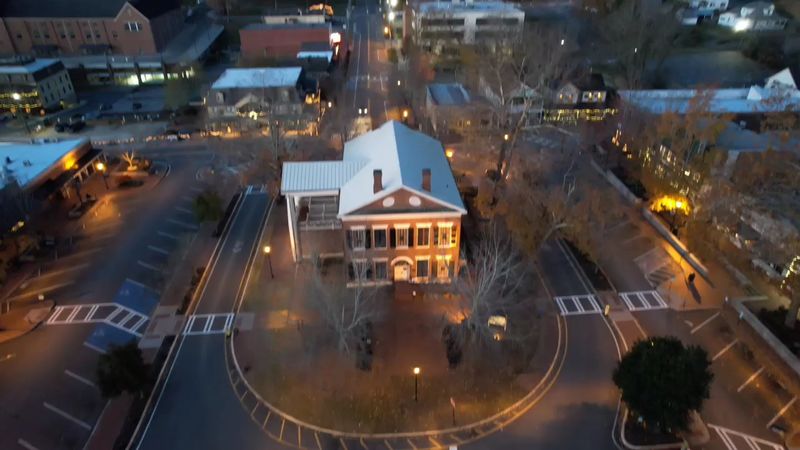
Dahlonega holds a remarkable piece of American history: it was the site of the first major gold rush in the United States, predating the California rush by more than two decades. The town square, centered around the historic Lumpkin County Courthouse at 1 Public Square, Dahlonega, GA 30533, is surrounded by independently owned shops, wine tasting rooms, bakeries, and galleries that give the area a warm, small-town character with genuine depth. The Gold Museum inside the courthouse tells the full story of the 1828 gold rush with engaging exhibits and actual gold flakes.
Dahlonega sits in the foothills of the Blue Ridge Mountains, and the surrounding region is home to several well-regarded Georgia wine vineyards that welcome visitors for tastings and tours. Fall is a particularly stunning time to visit, as the mountain foliage frames the square in shades of amber and crimson. The town is walkable, parking is free in several nearby lots, and the pace feels unhurried and welcoming.
11. Stone Mountain Park
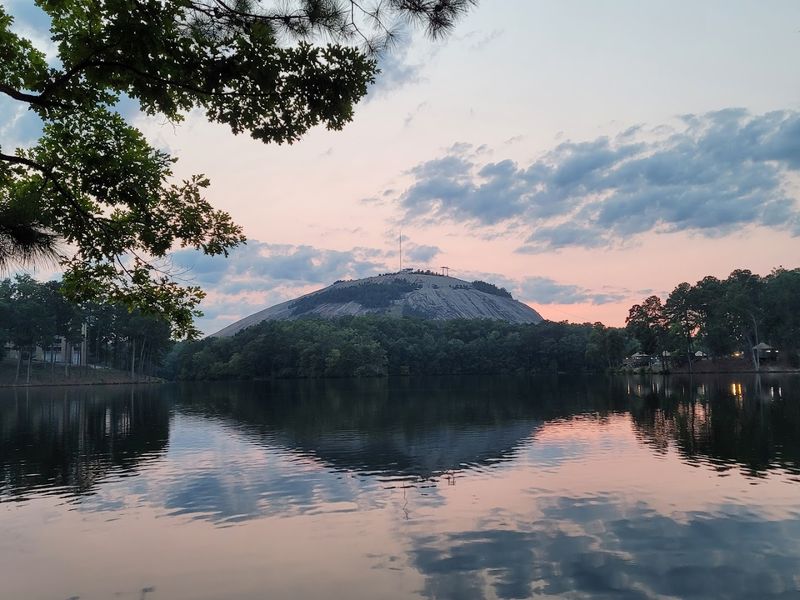
Stone Mountain is one of those landmarks that earns a second look even from people who have seen it many times. Located at 1000 Robert E Lee Boulevard, Stone Mountain, GA 30083, the park surrounds a massive exposed granite monadnock that rises 1,686 feet above sea level and stretches nearly five miles around its base. The sheer scale of the exposed rock face is striking, and the summit trail offers sweeping views of Atlanta’s skyline on clear days.
The mountain itself formed from magma that pushed upward roughly 300 million years ago.
The park offers a wide range of activities beyond the summit hike, including a sky ride, a scenic railroad, a water attraction, and walking trails through the surrounding woodland. The Summit Skyride cable car provides an accessible option for those who prefer not to hike. Evening laser shows during summer and fall draw families for an outdoor spectacle under the stars.
The park charges a vehicle parking fee for entry.
12. Cloudland Canyon State Park
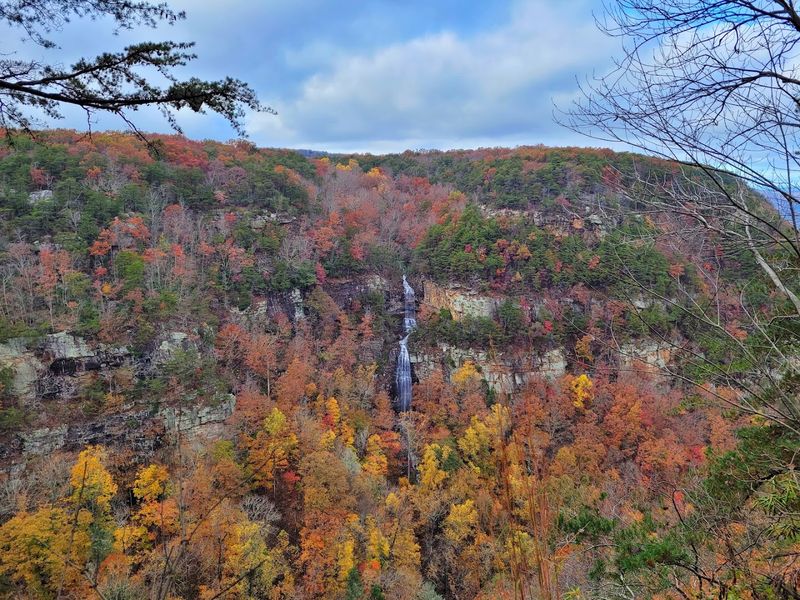
Perched on the western edge of Lookout Mountain, Cloudland Canyon State Park is one of Georgia’s most visually dramatic state parks, combining deep canyon views, twin waterfalls, and miles of rugged trail into one unforgettable natural setting. The park is located at 122 Cloudland Canyon Park Road, Rising Fawn, GA 30738, and the main overlook offers an immediate sense of the canyon’s depth, which drops nearly 1,000 feet through layers of sandstone and shale. The two main waterfalls, Cherokee Falls and Hemlock Falls, require a descent of several hundred steps but reward the effort with striking views.
Camping options at the park range from tent sites to fully equipped cottages, making it a flexible destination for different types of visitors. The canyon rim trail is a gentler alternative for those who want scenic views without the steep descent. Autumn mornings tend to produce misty canyon atmospheres that feel genuinely magical and make for memorable photography.
Reservations for camping and cottages are recommended well in advance.
13. Okefenokee Swamp
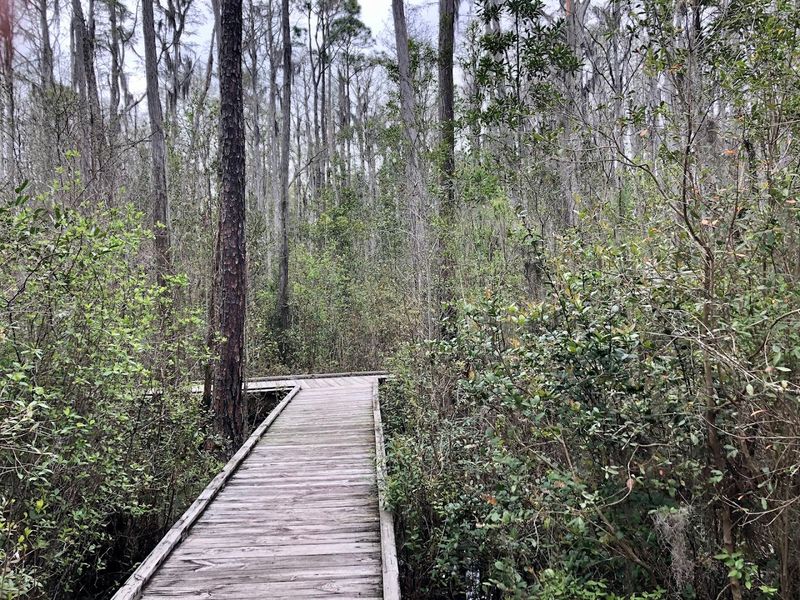
The Okefenokee Swamp is one of the largest intact freshwater ecosystems in North America, and spending time there feels like entering a world that operates on its own ancient schedule. The main visitor entrance is through the Okefenokee National Wildlife Refuge at 4700 Okefenokee Swamp Park Road, Waycross, GA 31503, where guided boat tours wind through channels lined with bald cypress trees draped in Spanish moss, their roots rising from the dark, tea-colored water like gnarled sculptures. Alligators, sandhill cranes, and river otters are commonly spotted throughout the refuge.
The swamp covers roughly 438,000 acres and straddles the Georgia-Florida border, making it a genuinely vast and wild landscape. Canoe and kayak trails allow experienced paddlers to explore deeper into the interior, with overnight camping platforms available for multi-day trips. Day visitors can enjoy boardwalk trails and observation towers that provide elevated views over the open prairie sections.
The swamp is most active and accessible in cooler months, when insects are less intense.
14. Ellijay Apple Country
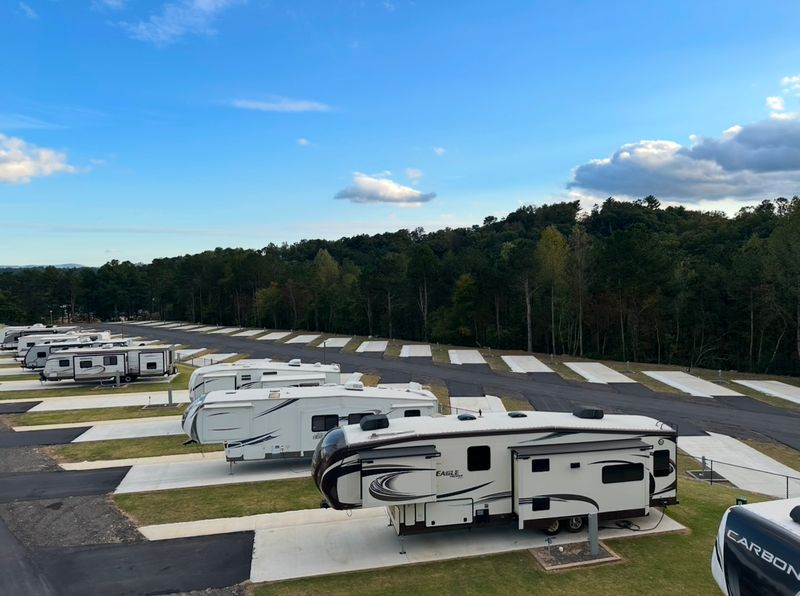
Every autumn, the small mountain town of Ellijay transforms into one of Georgia’s most charming seasonal destinations, drawing visitors with the irresistible combination of mountain scenery, farm stands, and the sweet smell of apple cider in the crisp fall air. Ellijay is located in Gilmer County at Ellijay, GA 30540, and the surrounding region is home to dozens of apple orchards and u-pick farms that open to the public from late summer through October. The town itself has a quiet, old-fashioned main street with local shops and eateries that feel genuinely rooted in the community.
R&A Orchards and Hillcrest Orchards are among the most well-known farms in the area, offering pick-your-own experiences, cider, and fresh-baked goods. The winding country roads leading to the farms are scenic in their own right, especially when the leaves begin to turn. Weekends during peak apple season can be busy, so weekday visits offer a more relaxed pace.
Bringing a cooler for fresh produce is a practical tip worth remembering.
15. Madison Historic District
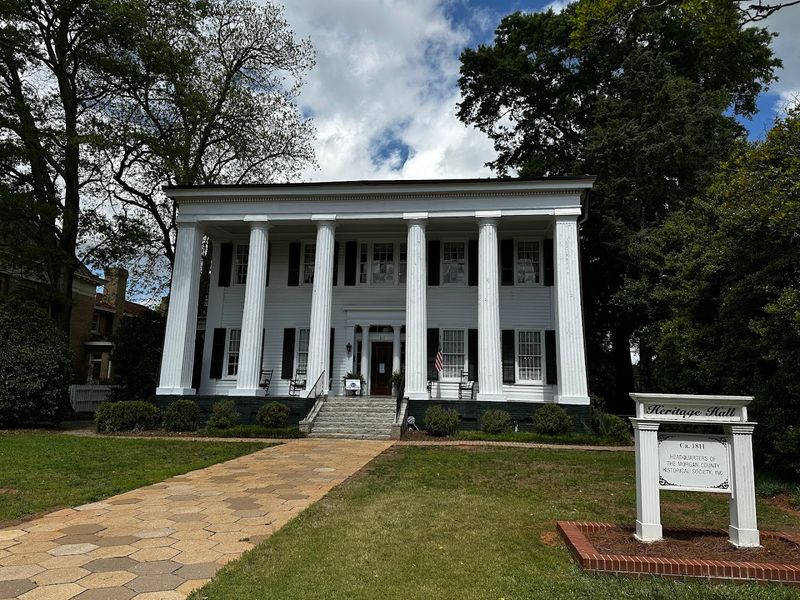
Madison has been called one of the most charming small towns in the South, and a single walk through its historic district makes it easy to understand why. Located at Madison, GA 30650 along US Highway 441, the town is known for its remarkably intact collection of antebellum and Victorian architecture, including grand homes with columned porches, ornate ironwork, and manicured gardens that line quiet, shaded streets. Legend holds that General Sherman spared the town during his March to the Sea because a local senator persuaded him of its beauty, though historians note the full story is more nuanced.
The Madison-Morgan Cultural Center, housed in a 1895 Romanesque Revival schoolhouse, offers exhibits on local history and rotating arts programming. The downtown area features independent shops, a historic hotel, and locally owned restaurants within easy walking distance of each other. Fall and spring are ideal visiting seasons when the gardens are at their most colorful.
The town is quiet enough to feel like a retreat but lively enough to keep visitors engaged.
16. Anna Ruby Falls
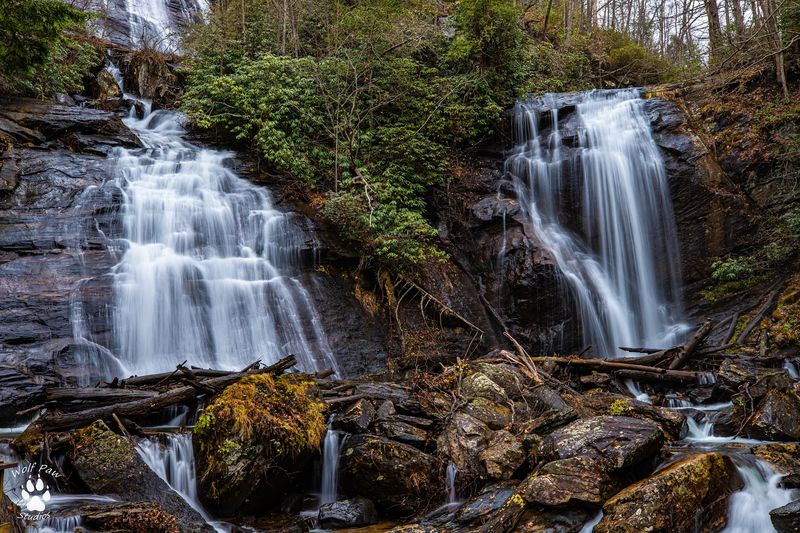
Anna Ruby Falls is one of those places where the journey feels just as good as the destination, though the destination is genuinely spectacular. Located within the Chattahoochee National Forest near Helen at 3455 Anna Ruby Falls Road, Sautee Nacoochee, GA 30571, the falls are actually two separate cascades, Curtis Creek and York Creek, that tumble down the mountain and merge into a single stream at the base. The twin falls drop 153 feet and 50 feet respectively, creating a layered visual that rewards visitors who pause to take it all in.
A paved, half-mile trail leads from the parking area to the falls viewing platform, making it one of the more accessible waterfall hikes in north Georgia. The path follows a clear mountain stream and passes through a cool, shaded forest canopy that provides natural relief on warm days. A small fee is charged for access.
The falls tend to run strongest in late winter and spring when rainfall and snowmelt are at their peak.
17. Barnsley Resort
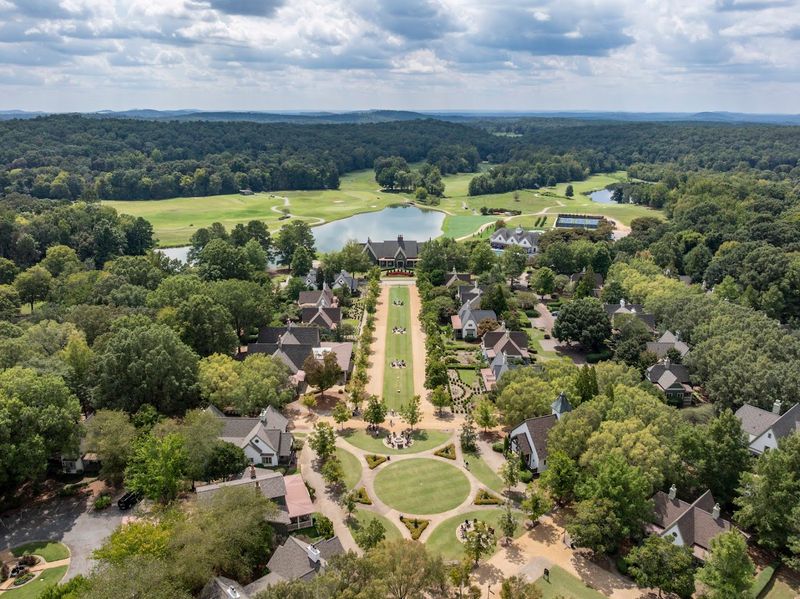
Barnsley Resort carries the kind of layered history that belongs in a novel, complete with a 19th-century English-style manor, overgrown garden ruins, Civil War stories, and a persistent local legend about a ghost who still tends the rose gardens. The resort is located at 597 Barnsley Gardens Road, Adairsville, GA 30103, and the ruins of the original Woodlands Manor, built by cotton merchant Godfrey Barnsley in the 1840s, still stand at the center of the property amid formal gardens that have been lovingly restored over the decades. The contrast of crumbling stonework against manicured hedgerows creates an atmosphere that feels genuinely cinematic.
Today the resort offers luxury cottages, a spa, golf, shooting sports, and equestrian activities spread across 3,300 acres of north Georgia countryside. Even visitors who are not staying overnight can tour the gardens and ruins for a modest fee. The on-site restaurant serves regional cuisine in a setting that feels both refined and relaxed.
Spring, when the roses and wisteria bloom, is arguably the most beautiful time to visit.