These 10 Gorgeous Colorado Cities Give Retirees Parks, Shopping, And Small-Town Appeal
Forget the rocking chair stereotype.
Retirement in Colorado can look more like morning coffee downtown, an afternoon trail, a farmers market bag in one hand, and mountain views doing their thing in the background.
Tempting, right? These cities combine practical daily life with enough scenery and activity to keep the slower pace from feeling sleepy.
Parks are nearby. Shops feel approachable. Downtowns invite a walk instead of a traffic battle.
That ordinary-day quality matters more than any vacation postcard.
The goal is not to stay endlessly busy. It is to live somewhere that makes leaving the house feel easy and staying home feel pretty good too.
1. Golden
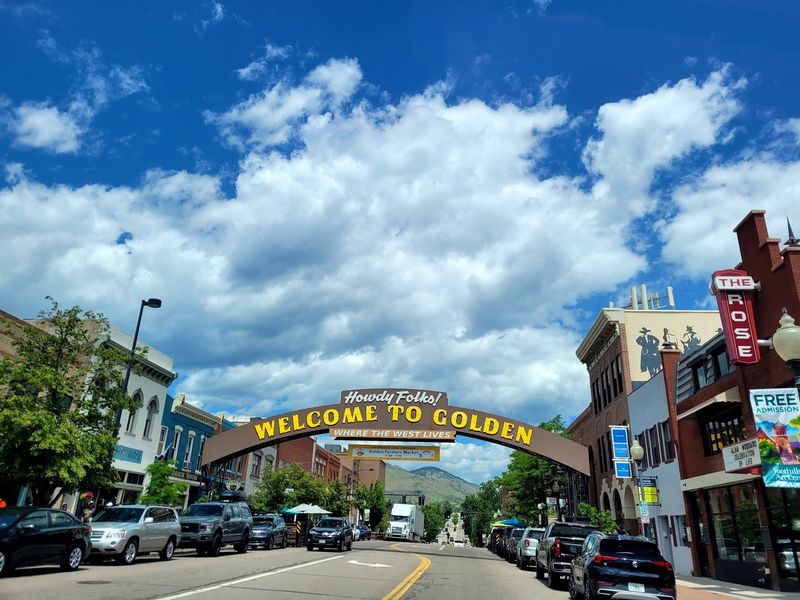
Imagine for a second waking up where the mountains start. Your morning walk could end with a creek splashing right beside you.
Golden sits at the foothills of the Rocky Mountains, just west of Denver, with a compact downtown that mixes historic storefronts, public art, museums, and everyday services.
Washington Avenue remains the main pedestrian-friendly spine, while the free Ore Cart shuttle connects downtown with several useful stops around the community.
Shopping can stay pleasantly local. Independent boutiques, gift shops, outdoor outfitters, galleries, and antique stores give errands more personality than a standard shopping center.
Old Crows Antiques remains open on West Colfax, while downtown storefronts provide plenty of smaller browsing options.
Clear Creek is the strongest outdoor draw. Paved paths follow the water through town, with access to parks, benches, bridges, and shaded areas that make shorter walks easy to customize.
Nearby trail systems add steeper options when a more active day sounds appealing.
The Golden Farmers Market runs on Saturdays from June into October, bringing produce, baked goods, prepared foods, and handmade items together near the public library.
The mountain setting feels immediate, yet shopping, recreation, cultural stops, and transportation remain close enough to make ordinary days feel manageable.
2. Fort Collins
Have you given any thought to a city with a petting zoo inside a park? Hold that image, because it gets even better.
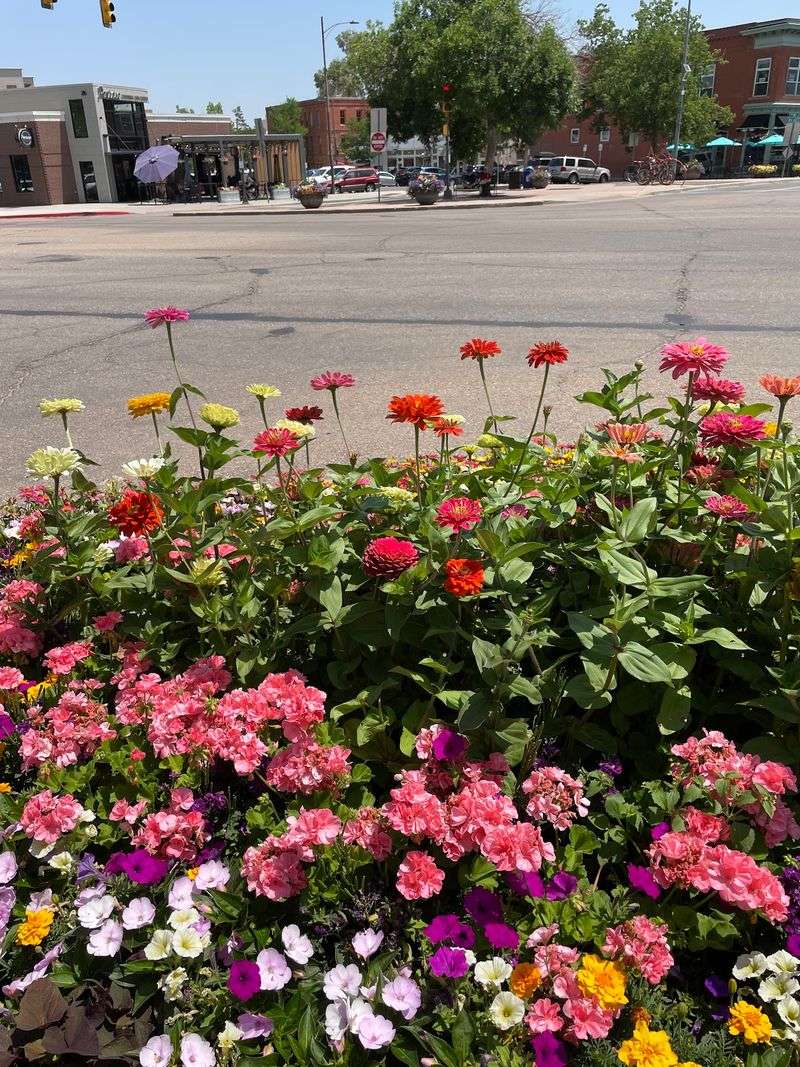
Fort Collins pairs a lively downtown with a deep park and trail system.
Lee Martinez Community Park sits close to downtown and includes The Farm, a city-run animal facility with farm animals and educational programs. The park also connects directly to the Poudre River Trail.
Twin Silo Park adds a different kind of recreation, with four pickleball courts, accessible play features, gardens, lawns, and two preserved silos incorporated into the playground.
City Park offers walking paths around Sheldon Lake, mature trees, fishing, pickleball, and seasonal facilities.
Natural areas make quieter outings easy to find. Riverbend Ponds has connected ponds and wildlife habitat, while nearby Lory State Park provides more than 28 miles of trails through foothill terrain.
The Poudre River Whitewater Park brings another active option closer to town.
Old Town remains the shopping and social center, with independent boutiques, galleries, cafés, bookstores, and everyday services spread across walkable blocks.
Public art and historic buildings help the district feel distinct without making it impractical.
A resident can spend one day browsing downtown and the next following a riverside path or visiting a neighborhood park. Fort Collins is larger than a small town, but many daily routines can still feel pleasantly local.
3. Loveland
Loveland is known as the Sweetheart City for its famous Valentine re-mailing program.
Folks send cards here to get a special postmark. It is a charming tradition that sets the tone for the whole town.
The city also maintains 34 park areas, giving residents a wide range of everyday outdoor choices.
Mehaffey Park combines trails, pickleball and tennis courts, public art, a dog park, an arboretum, and a seasonal waterfall feature. Several paved trail segments connect neighborhoods with parks and recreation areas.
Boyd Lake State Park remains a major local destination for walking, fishing, paddling, and seasonal swimming, although motorized boating is closed for the rest of 2026 because of low water levels.
Carter Lake, farther into the foothills, adds camping, shoreline scenery, and additional trails.
Downtown Loveland offers galleries, boutiques, restaurants, cultural venues, and public sculpture within a fairly compact area.
Larger shopping options sit farther east around Centerra, while the city trail system now includes a newer hard-surface connection linking eastern neighborhoods with existing routes.
Golfers have three municipal courses to choose from, and the city recreation system adds indoor fitness, aquatics, classes, and senior programming. Foote Lagoon also hosted a free summer concert series again in 2026.
Parks, arts, shopping, recreation, and foothill access are distributed across town, so an ordinary week can stay active without feeling overplanned.
4. Grand Junction
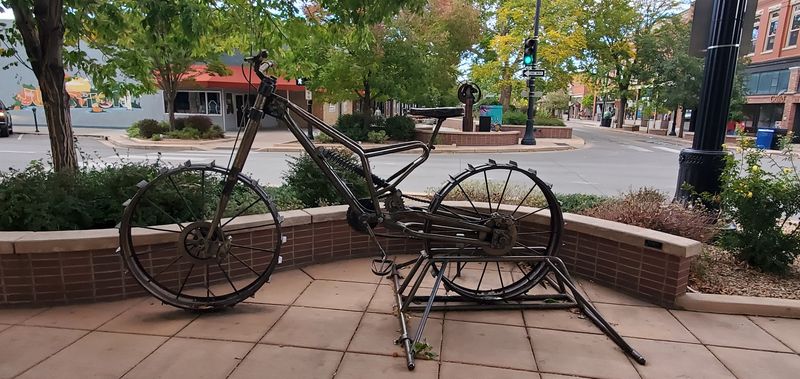
Let’s be real for a second about sunsets on red canyon walls. Few things beat them after a quiet day outdoors.
Grand Junction serves as the main urban hub of the Western Slope, with red-rock scenery, valley views, and the Colorado River running through the city.
Its scale provides supermarkets, medical services, recreation facilities, and cultural venues while keeping many neighborhoods close to open space.
Las Colonias Park is one of the strongest examples. The 130-acre riverfront park sits beside downtown and includes trails, ponds, picnic areas, open space, a dog park, an amphitheater, and river access.
Canyon View Park adds paved paths, sports facilities, playgrounds, ponds, and green space for less demanding outings.
Downtown rewards walking. Independent shops, bookstores, galleries, cafés, and specialty stores line the district, while Art on the Corner places more than 115 sculptures and murals throughout the streets and public spaces.
A Robin’s Nest remains a downtown antique destination, and Enstrom Candies continues to operate nearby.
The surrounding valley adds another layer through orchards, farm stands, and seasonal produce, including the region’s well-known peaches. Nearby red-rock routes provide bigger scenery without requiring a move to a remote mountain community.
A morning can begin on a riverside path, shift downtown for errands, and still end with canyon views only a short drive away.
5. Montrose
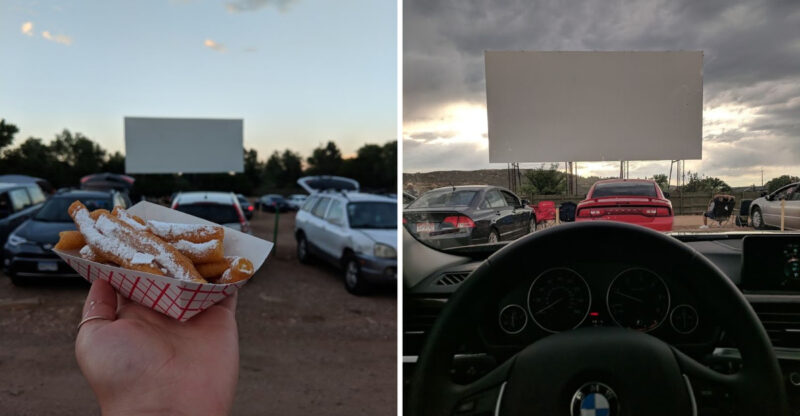
Believe me my jaw almost dropped when I learned some towns still have drive-in movies.
Popcorn under the stars never goes out of style. Montrose still has one.
The long-running Star Drive-In remains part of the local entertainment mix, while the historic Fox Theater and community performances add indoor options during colder months. That combination gives evenings more variety than the city’s size might suggest.
Outdoor recreation is equally easy to reach. Montrose sits in the Uncompahgre Valley with Black Canyon country to the east and the San Juan Mountains to the south.
The city promotes three local golf courses, while the Montrose Community Recreation Center includes pools, an indoor walking track, fitness areas, and year-round facilities.
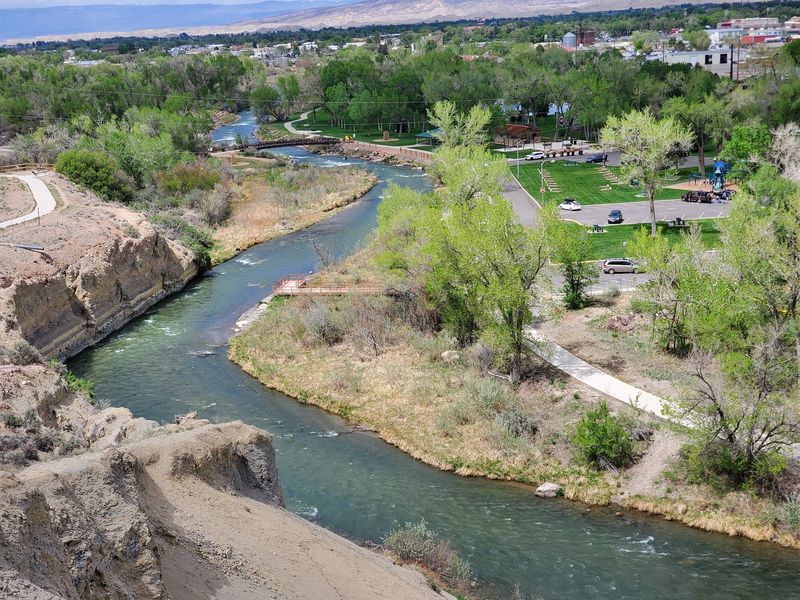
Baldridge Regional Park links several recreation areas with concrete trails along the Uncompahgre River.
The same corridor includes picnic spaces and access to the city’s water-sports park, so residents can choose a short walk without committing to a full day outside.
Historic downtown provides independent boutiques, antique stores, galleries, gift shops, and public sculpture.
Country Flair Antique Emporium and Mosaic are current downtown options, and the shopping district combines easily with lunch or a cultural stop.
Montrose works best for retirees who value room to breathe without giving up useful services. The setting feels western and open, but daily errands, recreation, shopping, arts, and regional healthcare are still concentrated close to town.
6. Durango
A local ski resort gives free passes to skiers aged 75 and up. Wow!
That perk remains current for the 2026–2027 season at Purgatory Resort near Durango, where the Super Senior Pass provides unrestricted access for guests 75 and older.
It is one example of how southwest Colorado can keep outdoor recreation in the picture well into retirement.
Durango has more than 100 miles of natural-surface trails within city limits, plus paved routes connecting neighborhoods, parks, and business districts.
The Animas River Trail runs about seven miles through town and works well for walking, cycling, or shorter outings beside the water.
Oxbow Park and Preserve adds 93 acres of riverfront space with picnic areas, wildlife habitat, trails, and river access.
Other city open spaces connect to larger foothill trail systems, making it possible to choose anything from a paved walk to a steeper climb.
Indoor options matter too. The Durango Community Recreation Center includes pools, an indoor track, fitness spaces, and a climbing wall, while galleries, performances, and downtown shops provide alternatives to outdoor plans.
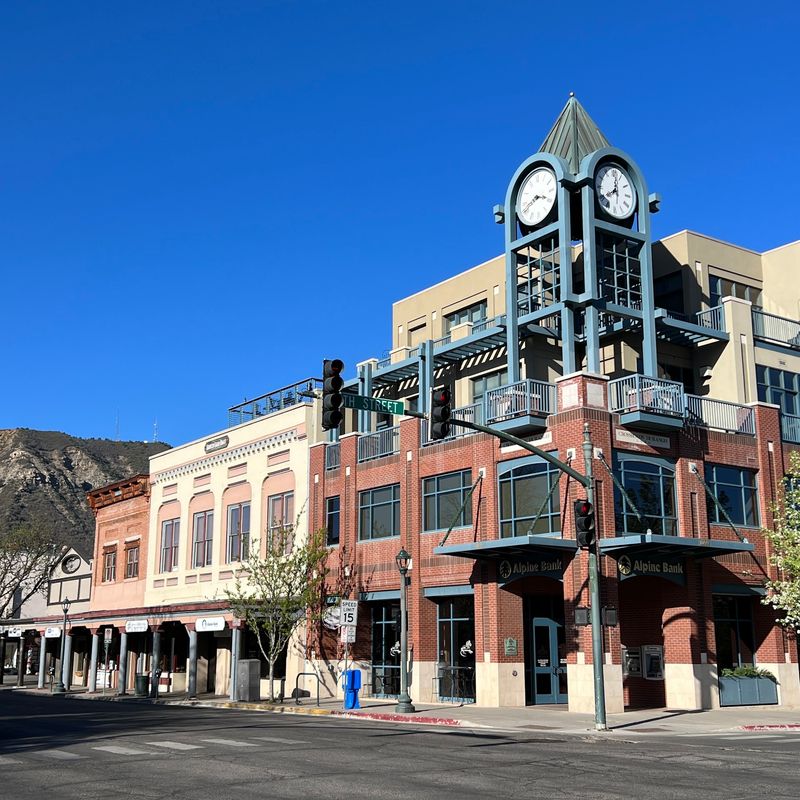
The historic downtown remains compact enough for errands and browsing, with locally owned stores, restaurants, and services grouped along Main Avenue and nearby streets.
Durango’s combination of trails, river access, recreation facilities, cultural life, and a walkable core gives active retirees several ways to shape a day without repeating the same routine.
7. Salida
What if your weekly errand run included art galleries and river views?
Salida makes that idea realistic because its historic downtown and Arkansas River sit side by side.
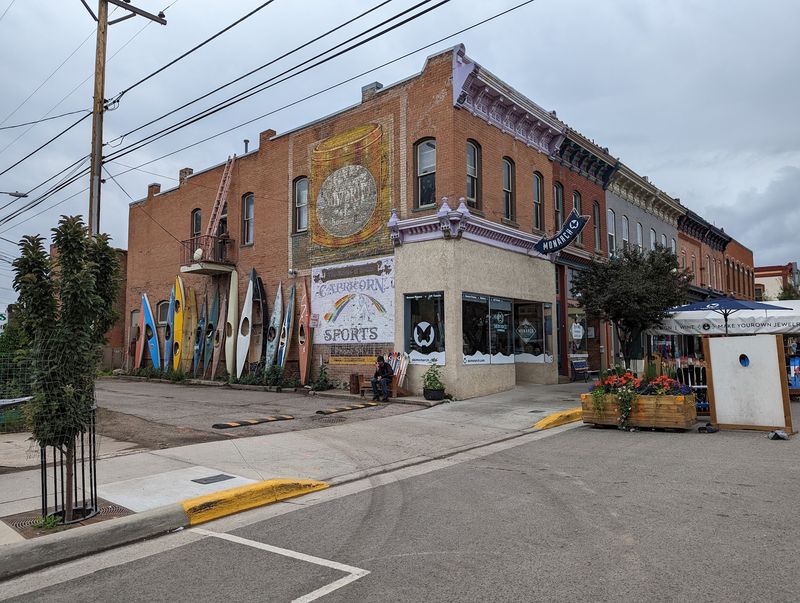
The downtown Creative District includes dozens of locally owned shops, galleries, studios, and services, giving errands a more distinctive setting than a standard commercial strip.
Art is visible. More than two dozen artist-owned galleries operate in and around the district, and recurring gallery events extend hours for exhibits, demonstrations, and receptions.
Independent retailers cover everything from kitchen goods and books to clothing, outdoor gear, jewelry, and handmade work.
The river adds an outdoor counterpoint. Salida Whitewater Park occupies a 1,200-foot stretch of the Arkansas River in downtown and includes riverside paths and improved banks where people can walk, sit, or watch activity on the water.
The city’s broader in-town trail network connects parks, neighborhoods, and open spaces.
On summer Saturdays, the Salida Farmers Market fills Alpine Park with local food, produce, crafts, and music. The 2026 season ran from June into October, creating a dependable weekly gathering place during warmer months.
Nearby mountain trails offer more ambitious recreation, but the strongest retirement appeal may be the everyday scale. Downtown, parks, galleries, shopping, and river access sit close together.
Salida is small enough to feel familiar while still providing enough creative and outdoor activity to keep a quieter lifestyle from becoming repetitive.
8. Cañon City
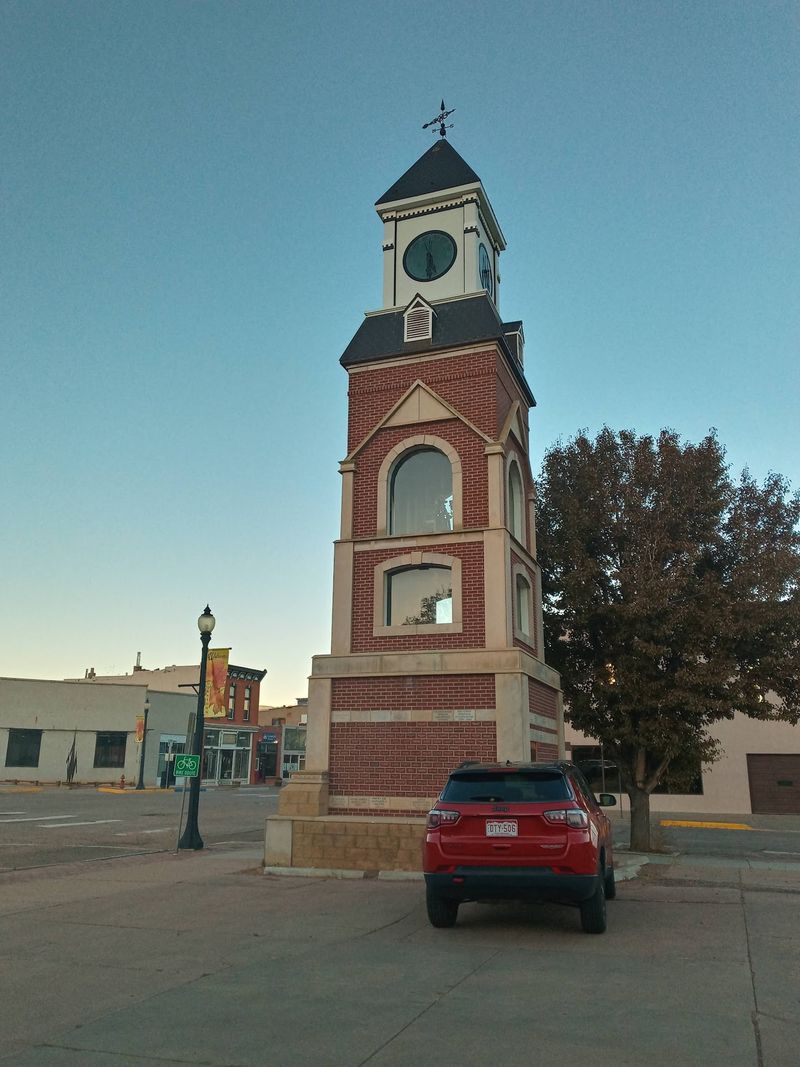
Correct me if I’m wrong, but bridges over deep canyons are pretty thrilling. This town has one of the highest suspension bridges in the country.
The Royal Gorge Bridge rises 956 feet above the Arkansas River just west of Cañon City, creating an unmistakable local landmark.
A scenic railroad follows a 24-mile round trip through the gorge, offering another way to see the landscape without a strenuous outing.
Closer to home, the city maintains sixteen public parks along with thousands of acres of open space and mountain parkland.
Hogback Open Space covers 160 acres and combines walking and biking trails with paleontology displays and visible dinosaur tracks. Other parks provide picnic areas, paths, lawns, and everyday recreation.
Historic downtown adds the shopping side of the equation.
Restored commercial buildings hold galleries, gift shops, specialty stores, cafés, and local services, while Main Street remains manageable for a casual walk rather than an all-day excursion.
The Arkansas River corridor and surrounding red-rock country provide scenery when a longer hike is not appealing. Nearby drives also lead to additional open spaces, overlooks, and trail systems.
For retirees, southern Colorado weather can make Cañon City attractive for year-round outdoor routines, although conditions still vary by season.
The advantage is choice: a resident can combine errands, a downtown stroll, a park loop, and canyon scenery without turning every outing into a major expedition.
9. Longmont
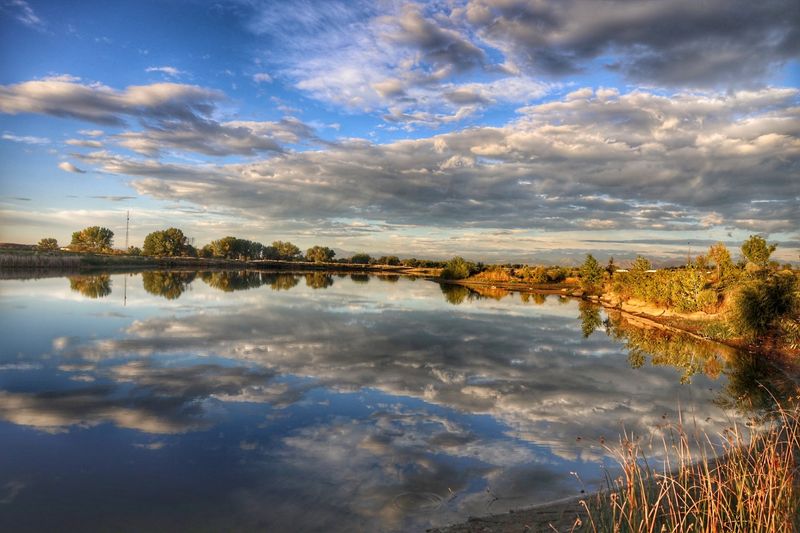
I’m right there with you if peaceful lake walks top your wish list. Add mountain views, and the day gets even sweeter.
Longmont has 1,499 acres of designated nature areas besides its neighborhood and community parks.
McIntosh Lake is an easy place to see that advantage, with a 3.5-mile walking route and broad views toward Longs Peak and Mount Meeker. Golden Ponds adds fishing, wildlife watching, and more waterside paths.
Roosevelt Park sits near downtown and combines mature trees, gathering spaces, a historic pavilion, and seasonal recreation.
Sandstone Ranch provides another community park with trails and open space, while Rough and Ready Park includes bocce courts for lower-impact recreation.
The city’s recreation system is extensive. Longmont has two year-round indoor pools plus seasonal outdoor pools, and the main recreation center includes an indoor track, fitness equipment, a climbing wall, gym space, and aquatics.
Downtown is a certified Creative District and National Historic District, with locally owned boutiques, galleries, specialty shops, public art, and restaurants spread along walkable blocks.
It delivers small-town character while retaining larger-community services.
Golfers can use three municipal courses, while greenways make shorter daily walks easy to build into a routine.
10. Fruita
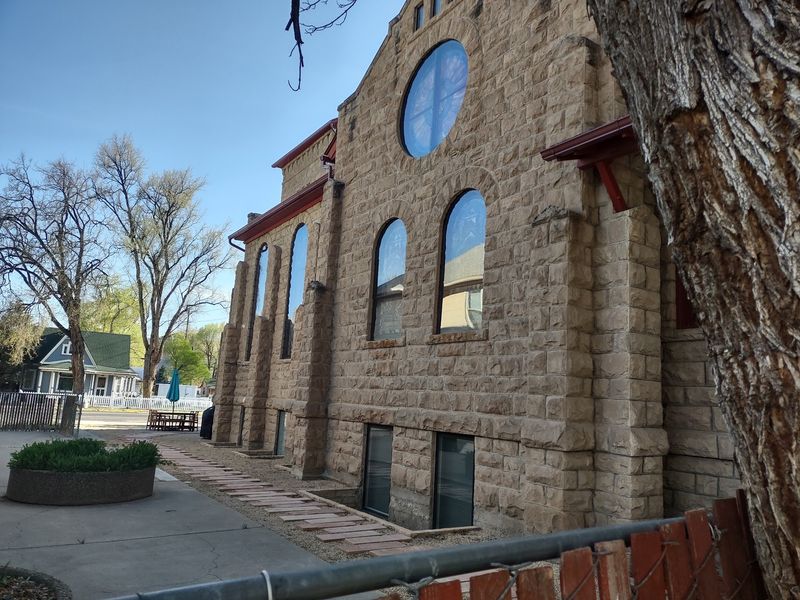
I had to do a double-take when I saw a dinosaur trail on a town map. It turned out to be real and totally worth the hike.
The Fruita Paleo Area includes a half-mile interpretive trail through desert terrain, with signs explaining fossils and Jurassic-era discoveries from the surrounding landscape.
Nearby Dinosaur Hill adds another interpretive outing tied to the region’s paleontology. Fruita also sits beside major trail systems.
The North Fruita Desert area around 18 Road and the Kokopelli network provide mountain-biking options, while city trails offer easier walking and cycling in town. Snooks Bottom adds a quieter loop around a lake.
Highline Lake State Park adds shoreline trails, fishing, paddling, birding, and seasonal recreation.
In 2026, the main lake closes to boating each year after September 30, while Mack Mesa Lake remains available for hand-launched craft and fishing.
Downtown stays compact and walkable, with local shops, cafés, public art and murals around Mulberry Plaza. Civic Center Park hosts community gatherings, and the city supports a seasonal farmers and makers market.
The nearby national monument and canyon country keep larger scenery close without pushing daily life far from services.
Fruita shows how a small western community can combine fossils, parks, shopping, public art, and trails.