These 8 Hikes Are All Less Than 30 Minutes From Downtown Boise, Idaho And Most Locals Have Never Done Them All
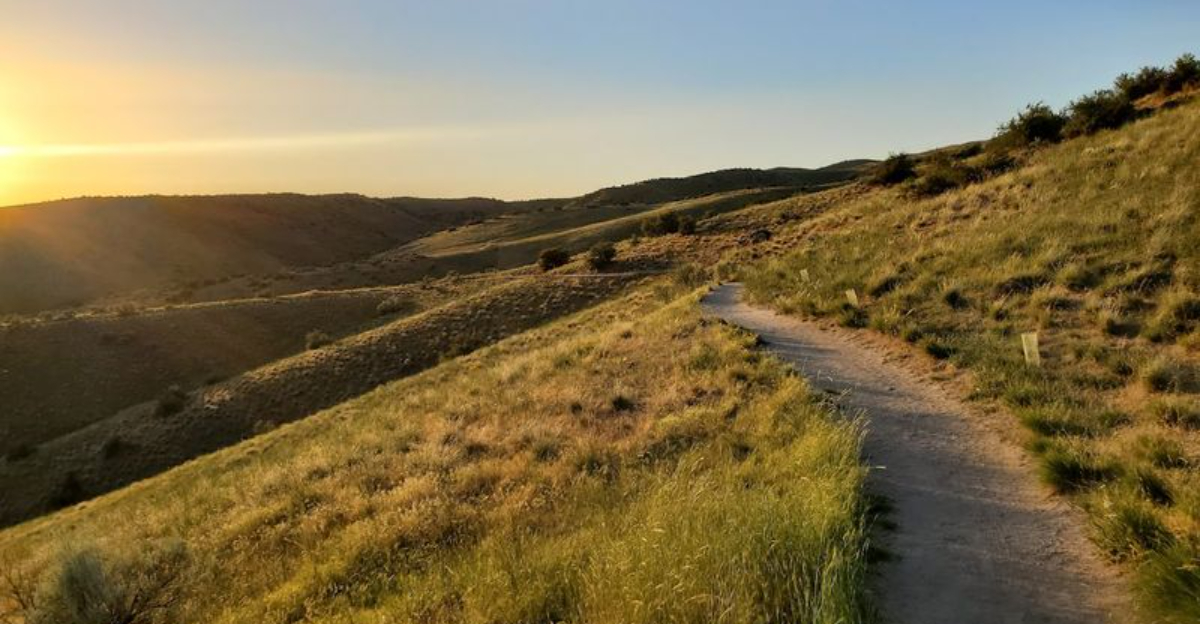
Trailheads have a funny way of hiding in plain sight, especially when everybody is busy treating downtown like the whole adventure.
Around Boise, Idaho, the foothills start throwing out options fast, with sagebrush paths and rocky ridgelines sitting close enough to make “I do not have time for a hike” sound deeply suspicious.
These routes are short drives, not major expeditions, which is great news for anyone who wants fresh air without packing like they are crossing a continent.
Some hikes bring wide-open desert views, while others sneak in just enough climb to make legs question the friendship.
Either way, eight outdoor surprises are waiting closer than most people realize.
1. Foothills Quiet Without Leaving Boise Behind
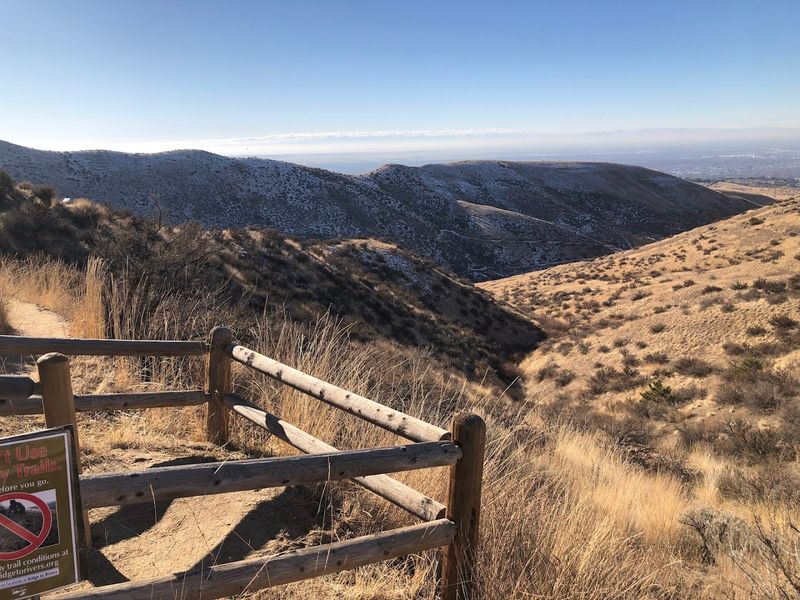
Hulls Gulch gives Boise hikers a calm foothills escape without making anyone leave the city far behind. The 8th Street Trailhead on North 8th Street, Boise, ID 83702, creates one of the easiest gateways into the Ridge to Rivers trail system, and the shift happens fast.
City noise fades, sagebrush takes over, and the gulch begins pulling hikers into a quieter pocket of the foothills.
Instead of one dramatic viewpoint doing all the work, this trail builds its appeal gradually. Interpretive signs explain plants, wildlife, geology, and the seasonal creek, giving the walk more meaning than a simple dirt path.
Spring is especially rewarding, when wildflowers brighten the slopes and water may still be moving through the drainage.
Distances can be flexible, which makes the route useful for beginners and experienced hikers alike. Some visitors turn around after a comfortable stretch, while others continue deeper into connected foothills trails for a longer outing.
The terrain stays approachable in many sections, but sun exposure and summer heat can still make water essential.
Early mornings bring cooler air, softer light, and better chances of spotting deer or birds near the gulch. Weekends can fill the parking area quickly, so arriving early is smart.
Hulls Gulch works because it feels peaceful without feeling remote, giving Boise residents a reliable reminder that quiet is closer than they think.
2. North End Views With Quick-Climb Energy
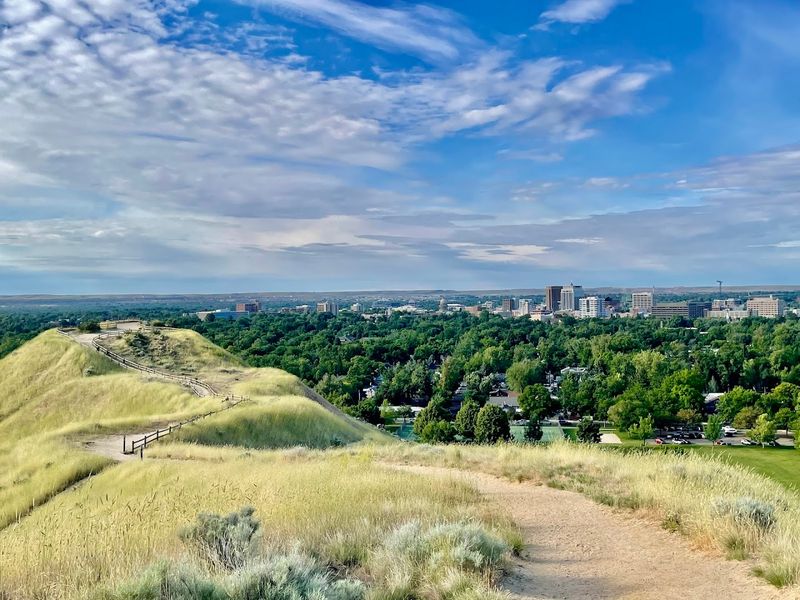
Camel’s Back Park turns a short climb into a satisfying little victory. The park sits at 1200 Heron Street, Boise, ID 83702, right in the North End, where grassy lawns and neighborhood streets suddenly give way to one of the city’s most recognizable foothill humps.
The hike is brief, but it has enough steepness to make the view feel earned.
From the top, Boise spreads out in layers: rooftops, trees, downtown buildings, the river corridor, and foothills rolling away in different directions. It is the kind of reward that works even when time is tight.
A lunch break, golden-hour walk, or quick family outing can all fit here without much planning.
The surface mixes packed dirt, loose gravel, and steeper worn sections, so shoes with grip help more than the short distance suggests. Kids love the climb because it feels like a real challenge without dragging on forever, while adults appreciate how quickly the city view arrives.
Leashed dogs, runners, hikers, and neighborhood walkers all share the space, giving the park a lively but relaxed rhythm.
Evening visits are especially pretty when warm light turns the hill amber and downtown starts glowing softly below. Anyone wanting more mileage can connect into nearby trails beyond the park.
Camel’s Back remains a Boise favorite because it proves a hike does not need to be long to feel energizing, scenic, and worth repeating.
3. Boise’s Classic Overlook With A Big Payoff
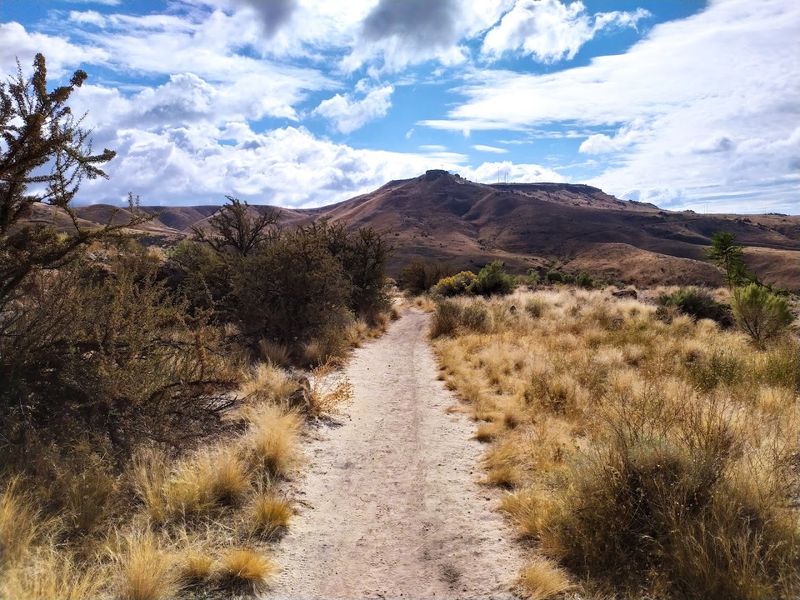
Table Rock earns its popularity with one of the clearest city payoffs near Boise. The main access begins near the Old Idaho Penitentiary, with designated parking listed by Ridge to Rivers at 2421 Old Penitentiary Road, Boise, ID 83712.
The distance is manageable, but the steady elevation gain makes the hike feel like real exercise.
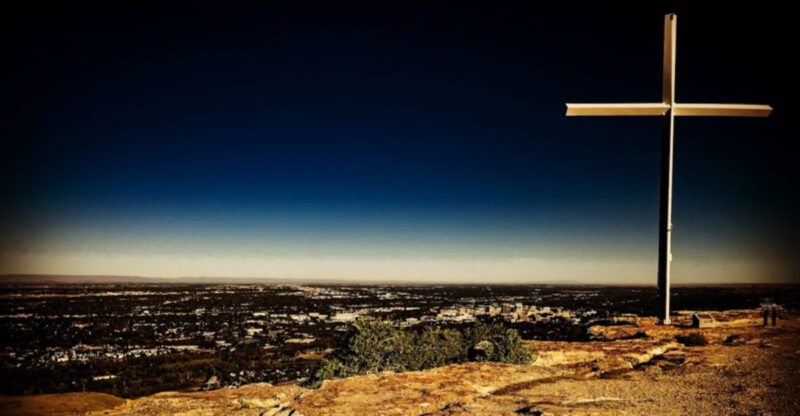
The view from the top is the reason people keep coming back. Downtown Boise, the river corridor, neighborhood grids, and distant ridges all come into focus from the summit.
The white cross remains a familiar landmark, helping hikers track their progress from below and giving the destination an easy visual marker.
Exposed terrain shapes the experience. Summer heat can make the climb tougher than expected, especially because shade is limited, so water and sun protection matter.
Sunrise is often the calmest time, with cooler air and softer color over the valley. Sunset draws more people, but the shared excitement can make the summit feel communal rather than crowded.
Rocky sections and dusty trail surfaces require attention, and winter or shoulder-season ice can change conditions quickly. Mud closures should be respected after rain because foothills trails damage easily when used too soon.
The nearby Old Idaho Penitentiary adds an easy second stop for anyone wanting history with the hike.
Table Rock works because it feels like a Boise rite of passage. It is close, challenging enough, visually rewarding, and iconic without needing a full-day commitment.
4. Open Foothills Scenery Close To Downtown
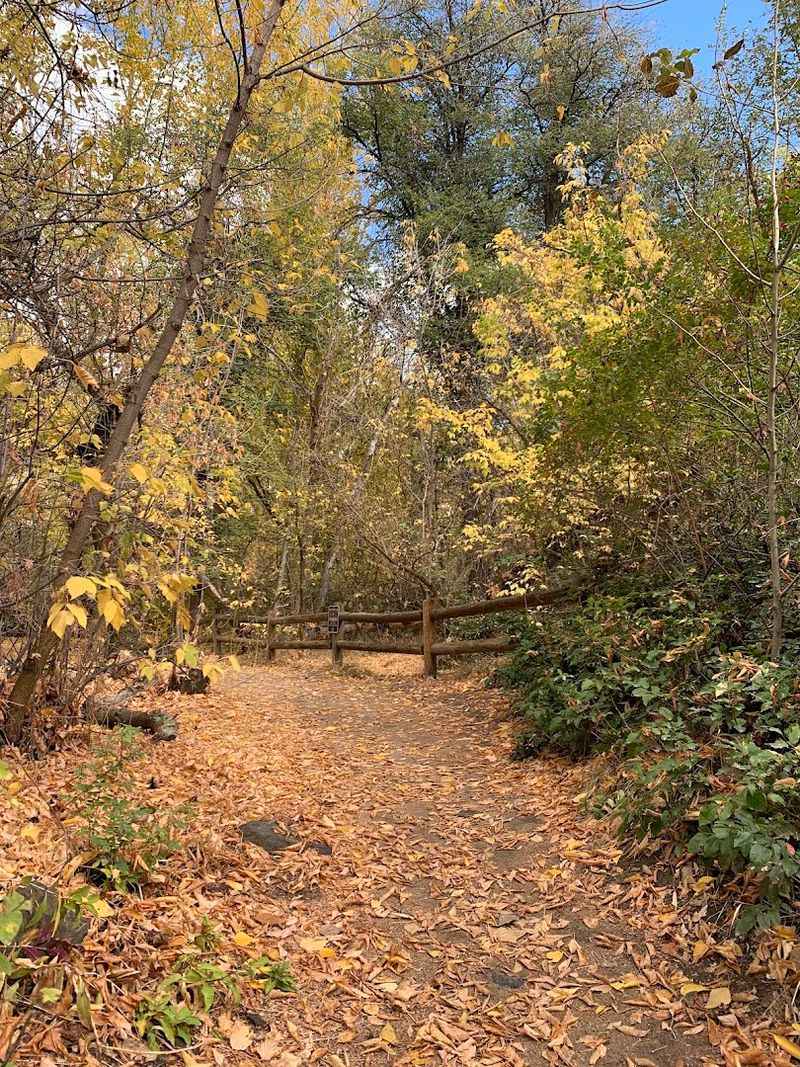
Military Reserve offers the kind of open-space hiking that makes the sky feel huge. Access points around Mountain Cove Road and the Military Reserve area give quick entry to rolling foothills just beyond downtown Boise.
It feels spacious almost immediately, which is its biggest strength.
Short loops can stay near two miles, while connector trails make it easy to build a longer route through the Ridge to Rivers network. That flexibility helps the reserve serve many different hikers.
A beginner can enjoy a quick walk, a runner can add mileage, and a regular foothills hiker can use the area as a reliable training ground.
The landscape is exposed, with limited shade and plenty of sun. Early mornings and evenings are the best summer windows, especially when temperatures climb.
After light rain, sagebrush releases a sharp, earthy smell that gives the trails a distinctly Idaho feeling. Spring can bring wildflowers and birdsong, while fall adds cooler weather and golden grass.
Mountain bikers share many routes here, so awareness and trail courtesy matter. The smoother sections can feel easy, but loose gravel appears on steeper spots, making careful footing useful.
Views across Boise and into nearby foothills open gradually rather than all at once.
Military Reserve does not need a single dramatic summit. Its appeal comes from space, flexibility, and the feeling of stepping into open country without driving far from downtown.
5. A Short North Boise Hike With Sneaky Views
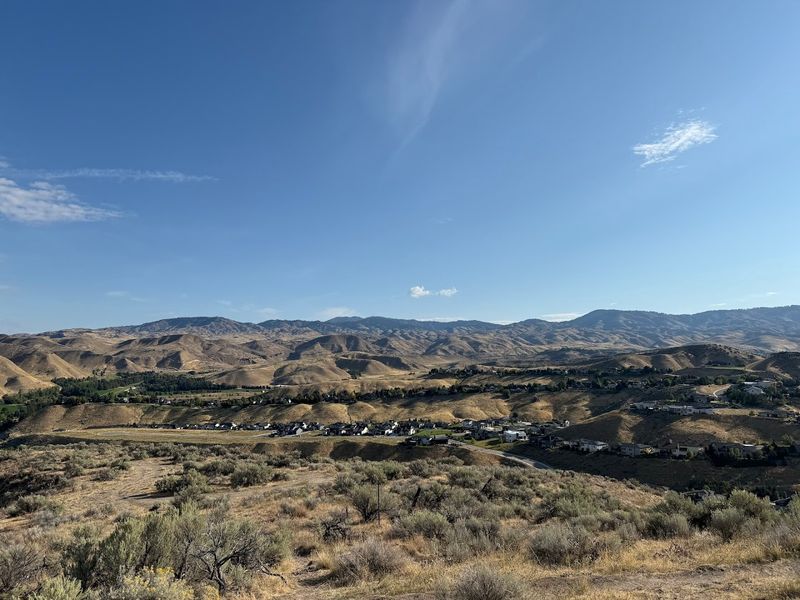
Harrison Hollow starts so quietly that the payoff feels like a pleasant trick. The Harrison Hollow access is listed by Ridge to Rivers at 2690 N. Harrison Hollow Lane, near W. Hill Road and N. Bogus Basin Road.
Once the path begins climbing, the hollow opens into foothill scenery, pockets of shade, and views that arrive in small, satisfying reveals.
The lower drainage can feel cooler than the more exposed ridgelines nearby, especially in spring when seasonal water and vegetation bring extra life to the corridor. Cottonwoods, willows, grasses, and brush create a softer feel before the route rises into open hillside.
That mix keeps the hike from feeling repetitive.
Distance depends on the connector trails chosen. A simple walk can stay short and casual, while a longer loop can stretch toward several miles for hikers who want more effort.
The terrain moves between gentle sections and steeper pulls, making it approachable but still interesting. Wildlife sightings are possible during quieter hours, with birds, rabbits, and deer sometimes moving through the area.
Late afternoon light gives the upper slopes a warm glow, making this a great after-work option. As with other Boise foothills trails, muddy conditions deserve patience because use during wet periods can damage the path.
Parking and access may feel more neighborhood-like than destination-style, which is part of the charm.
Harrison Hollow rewards curiosity. It is not the loudest or most famous hike near Boise, but it gives locals a close, varied, surprisingly scenic route worth knowing.
6. Desert Hills, History, And Easy Summer Wandering
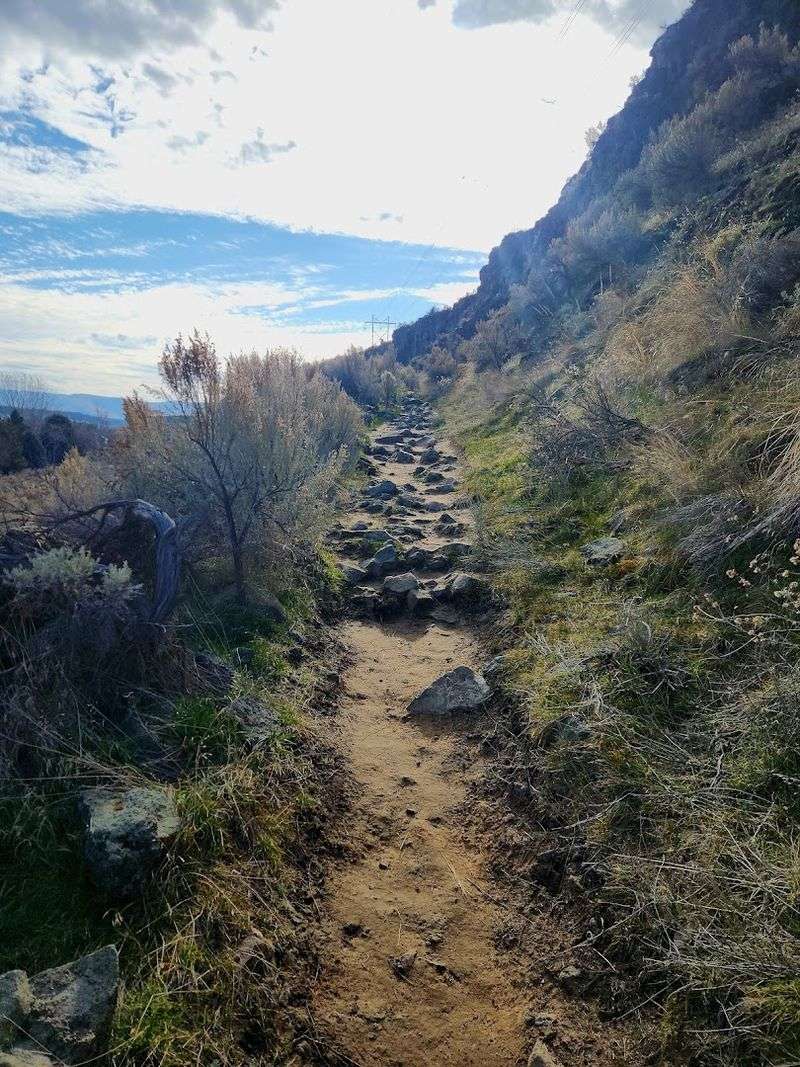
Oregon Trail Reserve gives hikers a rare mix of open desert scenery and visible history. The main access area is near 4500 East Lake Forest Drive, Boise, ID 83716, on the southeast side of town, where the foothills flatten into a broad, high-desert landscape.
The feeling is different from the greener trails north of downtown, and that contrast makes the reserve memorable.
Gentle routes cross native grasses, sagebrush, rolling hills, and wide-open viewpoints. The trails are generally approachable for many fitness levels, making this a strong option for families, beginners, or anyone wanting a less strenuous outing.
Interpretive panels add important context by explaining the Oregon Trail corridor and the people who passed through this landscape during westward migration.
Faint wagon ruts can still be seen in protected areas, which gives the walk a quiet weight. Nothing here feels overly dramatic, but the history changes how the land reads.
A simple hillside becomes a route once traveled by exhausted people, animals, wagons, and hope.
Summer visits should happen early because shade is limited and heat builds quickly. Spring brings wildflowers, greener slopes, and better temperatures, while fall offers crisp air and quieter paths.
Raptors often circle overhead, and binoculars can make the visit more rewarding.
Oregon Trail Reserve proves a hike does not need a steep summit to matter. Wide sky, visible history, and easy movement make it one of Boise’s most thoughtful close-to-town walks.
7. Rolling Foothills With A Less-Crowded Feel
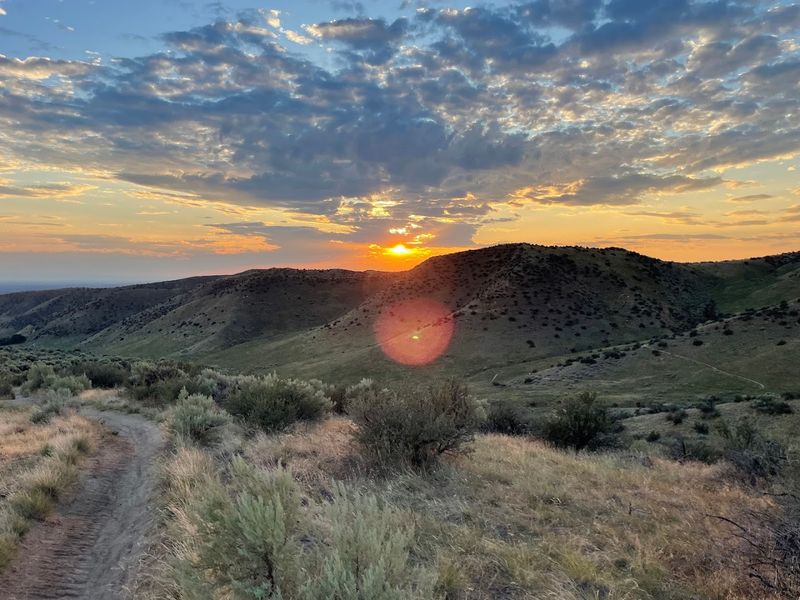
Polecat Gulch gives northwest Boise a roomy foothills option that often feels calmer than the better-known routes. Access comes from the Collister area near North Collister Drive, Boise, ID 83703, where neighborhood streets give way to open hills surprisingly quickly.
The transition is part of the appeal: one moment feels residential, and the next feels like classic Idaho foothills.
The main loop is often treated as a moderate route of around five miles, though hikers can adjust distance depending on connector choices. Rather than climbing sharply to one dramatic overlook, the trail rolls through grassland, sagebrush, ridges, and gentle rises.
That creates a steady rhythm that feels good for conversation, solo thinking, or a relaxed weekend workout.
Spring is the star season here. Balsamroot and other wildflowers can brighten the hillsides, turning the reserve into a soft yellow-and-green landscape under wide blue sky.
Fall brings another kind of beauty, with cooler air, quieter trail traffic, and warm tones across the grasses.
Dogs on leash are common, and the wider sections help the trail feel social without being crowded. Mountain bikers also use the area, so staying alert around bends makes the experience better for everyone.
Parking can be limited during busy times, making early starts helpful.
Polecat Gulch feels like a local favorite that never fully turns into a scene. It offers enough distance, enough views, and enough quiet to feel like a small discovery every time.
8. Wildflower-Friendly Loops On Boise’s Northwest Edge
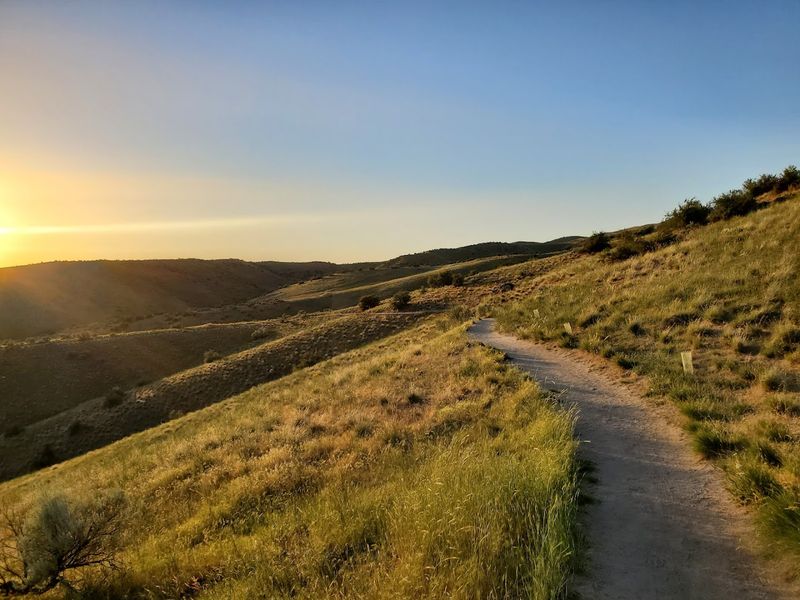
Seaman’s Gulch is the kind of place spring hikers quietly keep on their mental calendar. The trailhead sits along Seaman Gulch Road, Boise, ID 83714, on the northwest edge of the city, where the foothills spread into long, open rolls of sagebrush, grass, and sky.
It feels farther from downtown than it actually is, which makes the drive feel like a quick escape rather than a commitment.
Loop options vary, giving hikers room to choose a short walk or a longer outing around four to five miles. The terrain is mostly moderate, with gradual climbs, a few steeper sections, and broad views across the Boise valley.
A seasonal creek can support greener growth in the gulch, while the drier slopes above show the classic foothills palette.
Wildflower season is the big draw. Late March through early May often brings shooting stars, phlox, balsamroot, and other blooms, though weather can shift the timing from year to year.
Early morning light makes the flowers especially photogenic, and cooler temperatures make the exposed terrain more comfortable.
Mountain bikers, hikers, dog walkers, and equestrian users may all share the system, so trail awareness and courtesy matter. Summer can feel hot and open, making early starts the smartest choice.
Raptors frequently ride thermals overhead, adding movement to the sky.
Seaman’s Gulch closes the list with a quiet kind of beauty: spacious, seasonal, lightly rugged, and close enough to revisit whenever Boise starts feeling too busy.