These 11 Historic California Restaurants Still Serve Recipes That Have Survived For Generations
Some recipes survive because someone refuses to “improve” them.
The same sauces keep simmering. The same dough gets mixed before sunrise.
Plates arrive looking much as they did when grandparents and neighborhood regulars first claimed their favorite booths.
That continuity is the real attraction.
These historic restaurants are not frozen in time, but their most beloved dishes have outlasted changing tastes and countless predictions about what people will want next.
Across California, eating at an old restaurant can feel like joining a conversation that started generations before your reservation.
The dining rooms may have changed. Prices certainly have. Yet certain orders remain nearly untouchable, protected by loyal customers who notice immediately when anything tastes different.
Menus often tell part of the story. The better clues arrive on the plate, in dishes that have already proven they do not need reinvention to stay relevant.
1. Tadich Grill, San Francisco
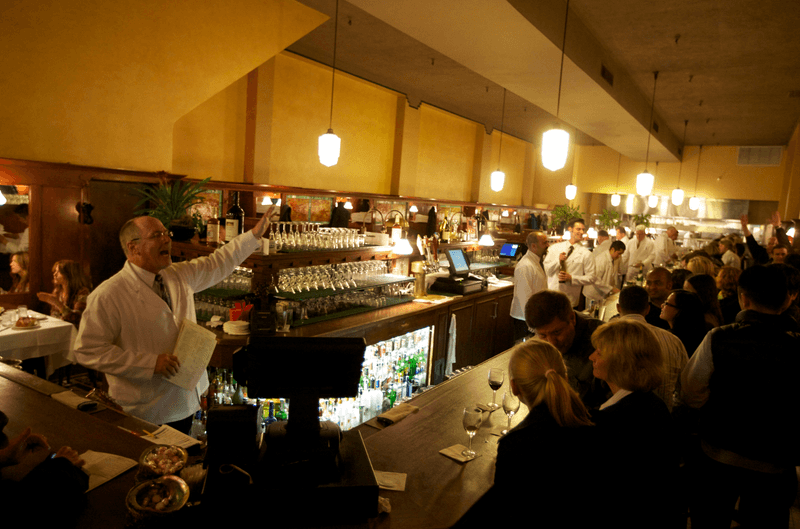
Few restaurants anywhere in the country can claim a story as long and unbroken as this San Francisco institution, which has been serving the community continuously since 1849.
Situated at 240 California Street, the dining room carries a distinctly old-world feel, with wooden booths, white tablecloths, and lighting that keeps things warm without feeling stuffy.
The Croatian-rooted tradition of grilling fish over charcoal goes back generations, with the restaurant using mesquite exclusively by 1934.
Mesquite-charcoal-grilled seafood and classic cioppino remain the cornerstones of the menu, drawing regulars and curious newcomers alike.
The technique itself is straightforward but demanding, relying on high heat and aromatic smoke to bring out the natural sweetness of fresh fish.
There have been very few head chefs over the decades, which speaks volumes about how seriously this kitchen takes consistency.
When the restaurant relocated in 1967, the original bar from the earlier location was carefully moved to the new space to preserve its character.
The Art Deco interior was thoughtfully recreated so that long-time guests would still feel at home. Eating here tends to feel less like dining out and more like sitting inside a chapter of California history.
2. Duarte’s Tavern, Pescadero
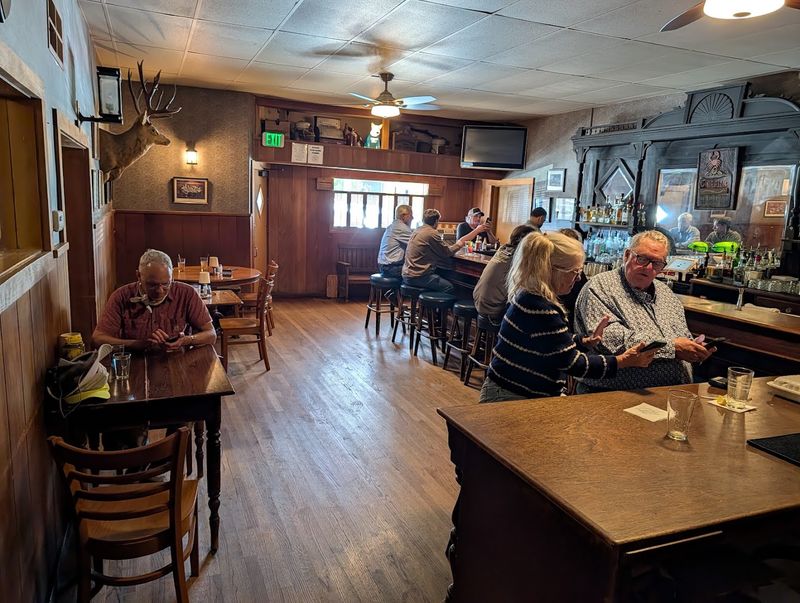
There is something quietly extraordinary about a family-run tavern that has stayed in the same hands since 1894, serving the same beloved recipes through wars, recessions, and changing food trends without flinching.
Artichoke soup and olallieberry pie are the dishes most closely tied to the tavern’s identity, and both have deep roots in the family’s history.
The cream of artichoke soup recipe was first developed in the early 1960s, while the tradition of pie-making stretches back to the 1930s.
Fresh seafood, including a hearty cioppino, rounds out a menu that leans heavily on local ingredients and regional tradition.
Nestled along the coast at 202 Stage Road in Pescadero, the tavern has a casual, unpretentious atmosphere that feels more like a neighbor’s kitchen than a tourist destination.
The four-room layout keeps things intimate and unhurried.
The original tavern bar survived a town fire in the late 1920s and still stands inside the building today, giving the space a tangible sense of continuity.
Sitting down to a bowl of that artichoke soup with a slice of olallieberry pie afterward is the kind of meal that tends to stay with a person long after the drive home.
3. Fior d’Italia, San Francisco
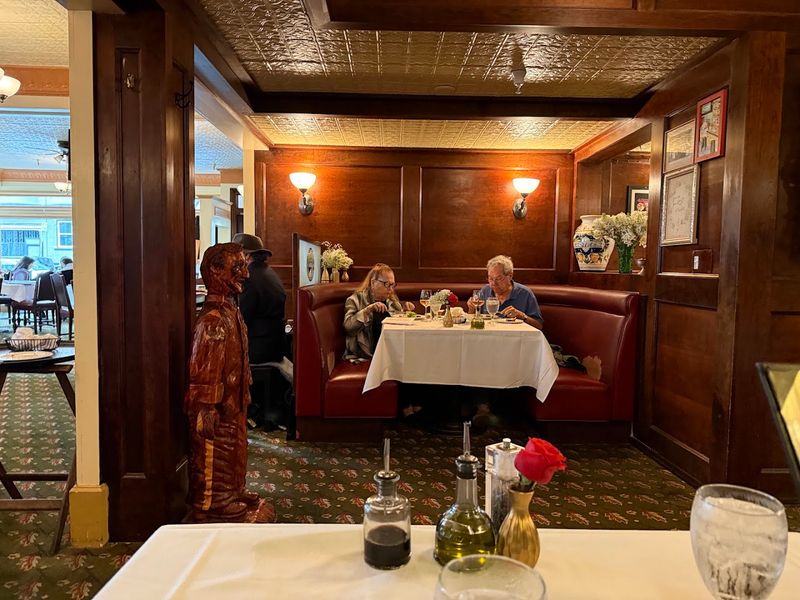
Recognized widely as the oldest continuously operating Italian restaurant in the United States, this San Francisco establishment carries a heritage that stretches all the way back to 1886.
The current location on the ground floor of the historic San Remo Hotel at 2237 Mason Street gives the dining room a refined but approachable character, with old-world details that feel genuinely earned rather than decorative.
The four uniquely themed banquet rooms each carry their own personality.
Traditional Northern Italian dishes prepared in old family-style remain the focus of the kitchen, honoring cooking methods that have survived fires in 1893 and 1906 and a temporary closure in 2012.
A mural of Northern Italian landscapes painted in 1945 lines the dining room walls, adding a quiet visual backdrop to meals that feel rooted in a different era.
The pasta and classic preparations here are not trying to be modern.
Stepping inside tends to produce the pleasant sensation of having stumbled into a well-preserved corner of Italy that somehow landed in the middle of San Francisco.
The pacing of service and the weight of the menu’s history create an atmosphere that rewards those who slow down and pay attention.
4. Philippe the Original, Los Angeles
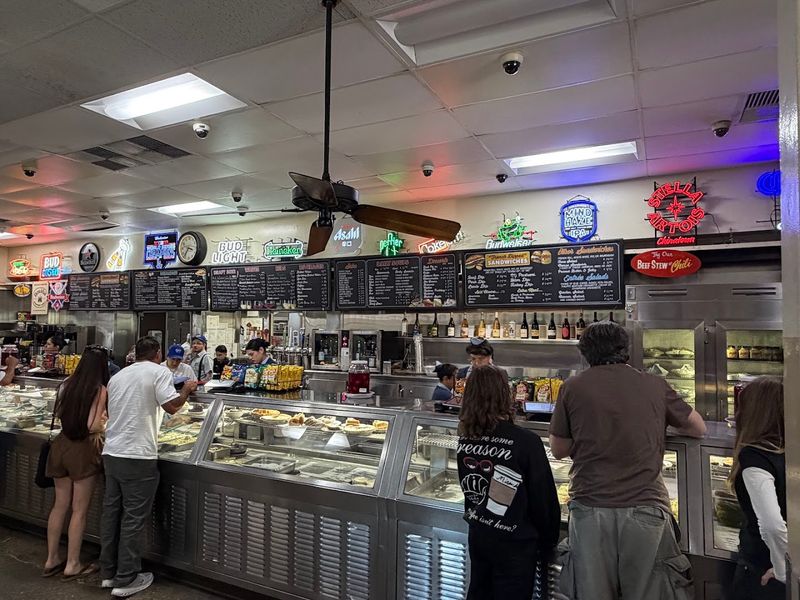
Back in 1918, a French roll was accidentally dropped into a roasting pan of hot meat juices, and from that small mishap, one of Los Angeles’s most enduring food traditions was born.
The French Dip sandwich has been the centerpiece of this restaurant ever since, served with house-made jus in a way that has barely changed since the story began.
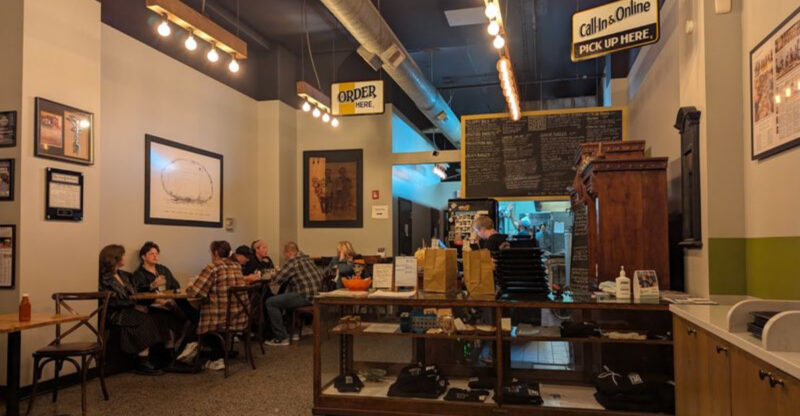
The dining room is deliberately old-fashioned, with long communal tables, sawdust on the floor, and a counter-style ordering system that keeps things moving at a steady, comfortable pace.
The signature sandwich arrives on a freshly baked French roll dipped in the natural gravy from the roasts, giving the bread its distinctive savory flavor.
The prices have historically been kept modest as a nod to the restaurant’s working-class roots.
After the restaurant moved to its current location in 1951, the layout and atmosphere were preserved with care, keeping the casual energy that made it popular in the first place.
Eating at Philippe’s tends to feel like joining a very long line of Angelenos who have been doing exactly the same thing for well over a century.
5. Musso & Frank Grill, Hollywood
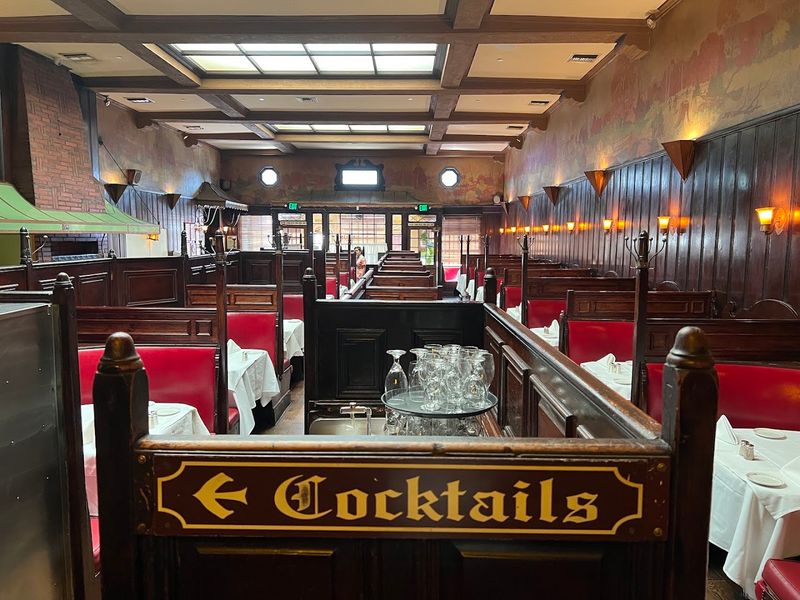
Since 1919, this Hollywood grill has served as a quiet anchor in one of the world’s most restless neighborhoods, holding onto its red leather booths, dark wood paneling, and classic menu while everything around it has shifted dramatically.
Sitting at 6667 Hollywood Boulevard, the dining room carries a timeless elegance that feels genuinely rooted rather than nostalgic in a manufactured way.
The Fettuccine Alfredo here follows the original 1914 recipe and remains one of the restaurant’s time-honored classics.
Welsh rarebit and chicken pot pie are among the old-school dishes that have stayed on the menu alongside the pasta, representing a style of American dining that has largely faded elsewhere.
The kitchen’s commitment to these preparations is not performative – these dishes have simply always been here, made the same way, served to generation after generation of diners.
The consistency is part of what makes the experience feel so grounding.
The pace of service tends to be measured and attentive, with a formality that feels earned rather than stiff.
Sitting in one of those booths with a proper plate of food in front of you creates a particular kind of calm that is hard to find in most modern restaurants.
The grill remains one of the clearest examples of what it looks like when a restaurant refuses to chase the moment.
6. El Cholo, Los Angeles
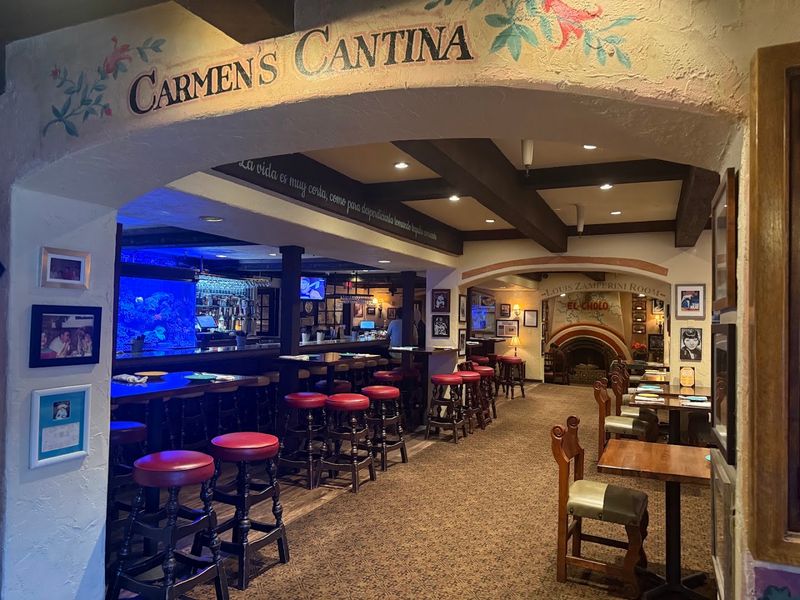
Green corn tamales have been coming out of this kitchen since 1923, made from a multigenerational family recipe that has never been written down in a way that would allow just anyone to replicate it.
The tamales remain a seasonal offering, which makes their arrival each year feel like a genuine occasion.
The decor inside leans into vibrant color and traditional artwork, creating a festive atmosphere that pairs naturally with the bold flavors on the menu.
Outdoor patio seating adds a relaxed option during pleasant weather, giving the space a flexibility that suits both quick weekday lunches and leisurely weekend meals.
The overall energy tends to be warm and welcoming without feeling performative.
What makes the restaurant’s longevity particularly meaningful is the survival of signature dishes such as the Green Corn Tamales, which El Cholo says still follow the same recipe introduced in 1923.
That kind of culinary stubbornness, in the best possible sense, is increasingly rare.
The restaurant at 1121 South Western Avenue has been a fixture in Los Angeles for over a century, anchoring its neighborhood with the kind of reliable presence that only comes from deep community roots.
7. Frank Fat’s, Sacramento
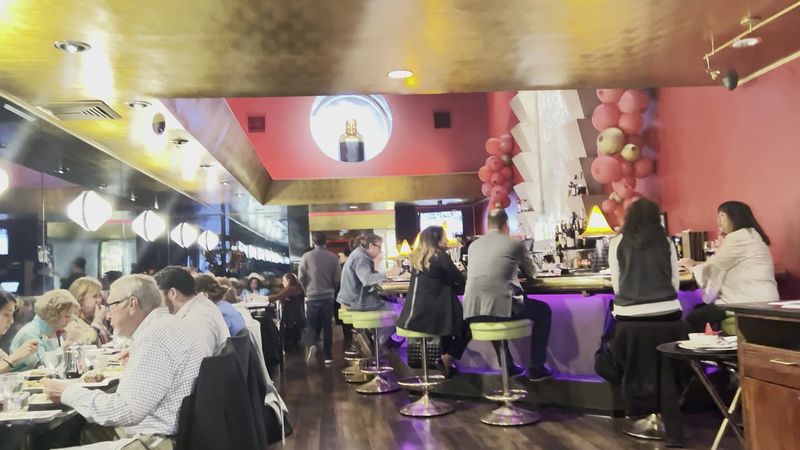
A Sacramento institution since 1939, this restaurant has built its reputation on two things that seem almost impossibly different on paper.
First one is a perfectly prepared New York steak and the second one is a banana cream pie that regulars have been talking about for decades.
The restaurant at 806 L Street remains under Fat family ownership, now spanning multiple generations, which gives every dish a sense of personal accountability that is hard to manufacture.
The menu thoughtfully bridges traditional Chinese preparations and American dishes in a way that feels natural rather than forced.
The interior carries a distinctive retro character, with a classic bar area and a dining room decorated with Chinese tapestries and carefully chosen relics that have accumulated meaning over time.
The atmosphere tends to feel polished but not precious, with a comfort level that suits both a casual dinner and a more significant occasion.
The lighting and layout create pockets of privacy without making the room feel closed off.
Sitting inside Frank Fat’s has a way of transporting the experience to a different era, not in a kitschy way but in the sense that the place has genuinely been part of Sacramento’s daily life for so long that its rhythms feel settled and assured.
8. Chili John’s, Burbank
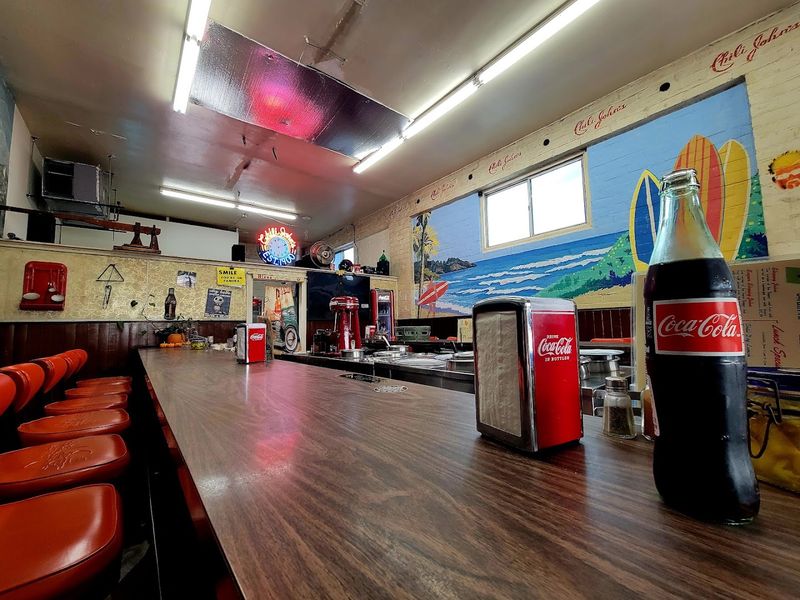
The chili served at this Burbank diner did not originate in California – the recipe traces back to a family business established in 1913, long before the Burbank location opened in 1946.
That kind of timeline gives the bowl in front of you an unusual weight, knowing that the flavors have been refined and protected across more than a century of service.
The signature preparation is thick, bean-free chili served over spaghetti or tamales, a combination that might sound unexpected but has clearly found a loyal audience that has kept coming back for generations.
The interior holds to a classic diner aesthetic, with simple decor that puts all the attention on the food rather than the surroundings.
The portions tend to be hearty and the atmosphere is unpretentious in a way that feels genuinely comfortable.
Located at 2018 West Burbank Boulevard, the restaurant carries the straightforward energy of a classic American diner without any pretense.
What stands out about this restaurant is not just the age of the recipe but the fact that it has remained recognizable across so many decades without being modernized or rebranded.
The chili is exactly what it was designed to be – robust, satisfying, and built to last.
9. The Original Bob’s Big Boy, Burbank
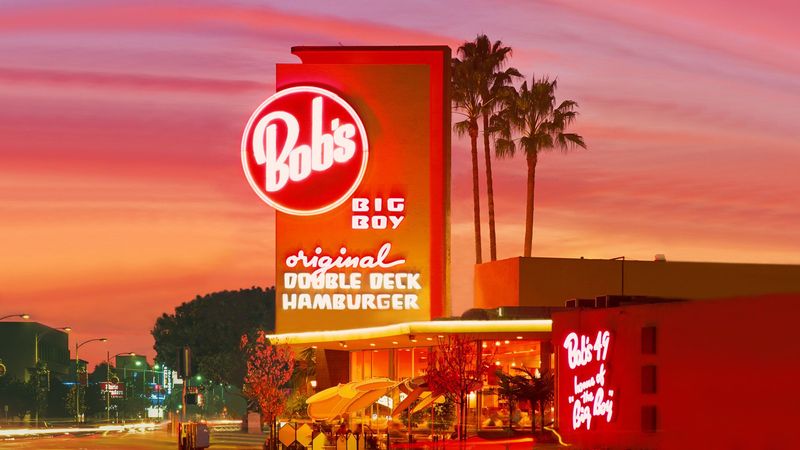
The double-decker Big Boy hamburger was created in Southern California in 1937 when a customer asked for something different and the kitchen responded with a three-slice bun holding two patties.
The Burbank location at 4211 West Riverside Drive opened in 1949 and holds the distinction of being the oldest operating Bob’s Big Boy in the United States.
The building itself is a recognized architectural landmark.
Designed by Wayne McAllister, the structure incorporates elements of Streamline Moderne and Midcentury Modernism that make it visually distinctive even among Southern California’s many celebrated mid-century buildings.
A 70-foot-tall neon sign adds to the nostalgic visual presence, making the restaurant recognizable from a considerable distance.
The exterior and the iconic Big Boy statue out front have become part of the local identity in a way that goes beyond the food.
Inside, the menu continues to feature the original double-decker burger alongside classic American diner staples, maintaining a connection to the restaurant’s founding purpose without feeling frozen in time.
Weekend car shows in the parking lot have become a beloved tradition that brings an additional layer of community energy to the location.
10. Poor Red’s BBQ, El Dorado
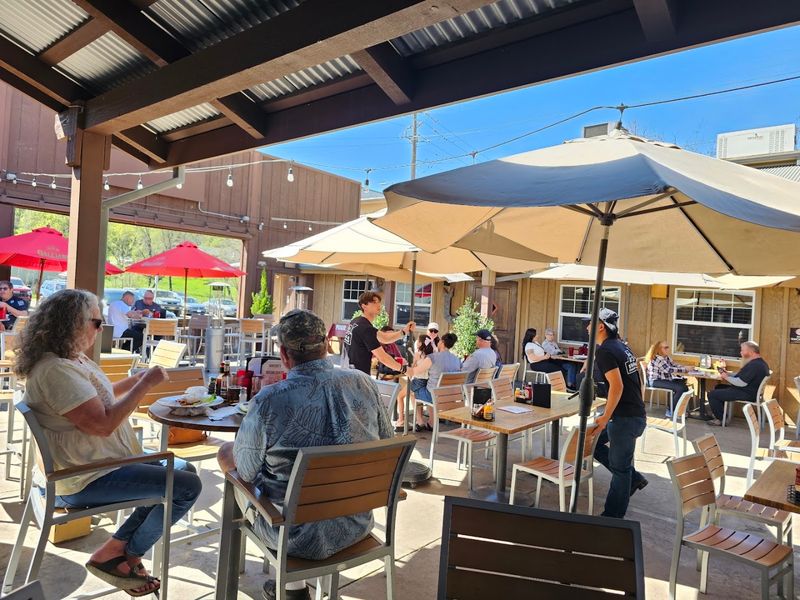
Along Pleasant Valley Road in the Sierra Nevada foothills, this El Dorado roadhouse has been quietly holding onto a piece of cocktail history since 1952.
The restaurant at 6221 Pleasant Valley Road is the birthplace of the Golden Cadillac, a blended drink made from Galliano, creme de cacao, and cream that was developed here and has been mixed from the original combination ever since.
The fact that a single roadhouse in the California foothills created something that spread across the country says a great deal about the kind of place this is.
The atmosphere leans into its roadhouse roots without apology, with a rustic interior and a casual energy that suits the rural setting.
The BBQ menu provides the savory backbone of the experience, drawing in guests who make the drive specifically for the food and the sense of stepping somewhere genuinely off the beaten path.
The building’s weathered character feels earned rather than curated.
Visiting Poor Red’s requires a bit of intentional effort, which seems to be part of its appeal – this is not a restaurant anyone stumbles into accidentally.
The drive through the foothills adds a sense of occasion to the meal, and the roadhouse’s unpretentious personality rewards that effort with an experience that feels specific to this exact stretch of California.
11. The Old Clam House, San Francisco
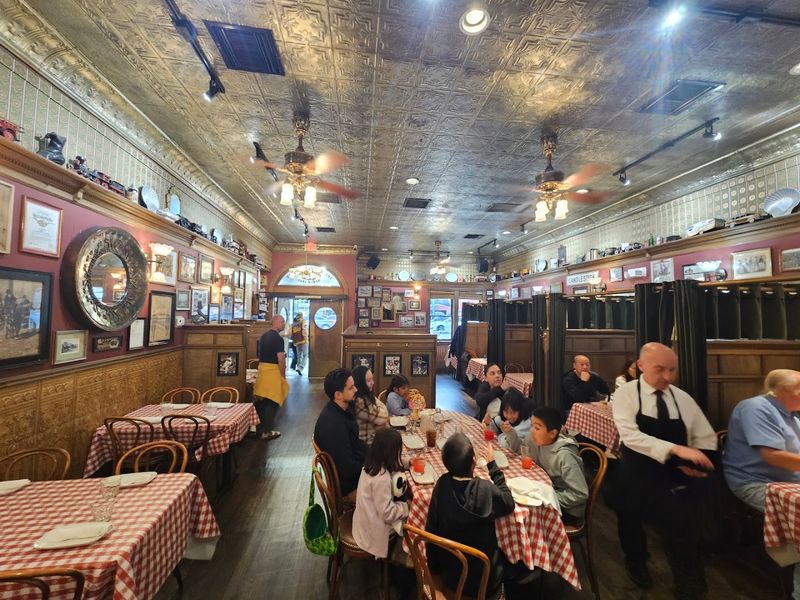
Opened in 1861, this San Francisco restaurant holds a distinction that no other dining establishment in the city can claim – it is the oldest restaurant still occupying its original location.
Found at 299 Bayshore Boulevard, the building carries visible layers of history in its walls, with old photographs, newspaper clippings, and memorabilia that document more than 160 years of continuous use.
The connection to the waterfront that defined its earliest days remains part of the restaurant’s identity.
Originally known as the Oakdale Bar and Clam House, the establishment served local workers with clams, seafood, and simple preparations rooted in the rhythms of a working waterfront neighborhood.
Clam broth, offered complimentary to seated guests as a warm welcoming gesture, remains one of the most distinctive touches on the menu and feels like a direct link to that original spirit of hospitality.
The seafood dishes and old San Francisco preparations that define the menu have stayed true to the restaurant’s waterfront origins.
After a temporary closure in 2020, the restaurant reopened in April 2022, bringing its long history back to an active present.
The interior’s accumulation of historical details creates an atmosphere that rewards slow, attentive dining – there is genuinely a lot to look at and absorb.