These Iconic North Carolina Foods Are Nearly Gone, According To Locals
North Carolina’s food scene has always been something special. From mountains to coast, generations have passed down recipes that define comfort and community. But times are changing, and some beloved dishes are quietly slipping away from our tables.
Rising costs, shifting tastes, and the loss of family-run producers mean certain iconic foods are becoming harder to find. Local restaurants close their doors. Traditional recipes fade from memory.
What once filled every grocery shelf now disappears, leaving empty spaces where nostalgia used to live.
These foods tell the story of a culinary heritage at risk. Each one represents more than just flavor, it’s about identity, tradition, and connection to place. Let’s explore what North Carolina stands to lose and why these dishes matter so deeply to the people who grew up loving them.
1. Livermush
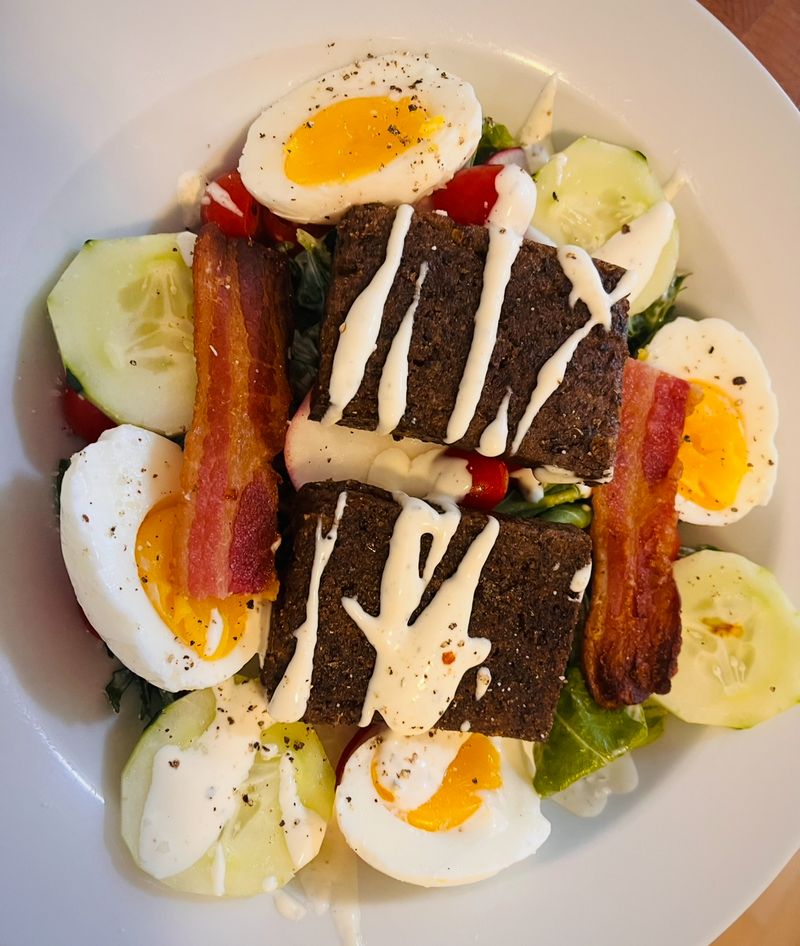
Western North Carolina mornings used to mean the smell of livermush sizzling in cast iron skillets. This pork liver and cornmeal loaf gets sliced thick, fried until the edges crisp up golden, and served alongside eggs or tucked into a buttery biscuit. Families have eaten it for breakfast for over a century.
But finding livermush has become a treasure hunt. Neese’s Country Sausage, one of the biggest producers, recently stopped making it. Store shelves that once stocked rows of the stuff now sit empty, leaving fans scrambling to find alternatives.
The texture is unique, soft inside with a crunchy crust when cooked right. Some people love it with ketchup, others prefer mustard or just plain. It’s an acquired taste, sure, but for those who grew up with it, nothing else hits quite the same.
Losing livermush means losing a piece of Appalachian identity. It’s not fancy or trendy, just honest food that connects people to their roots. Without dedicated producers keeping the tradition alive, this breakfast staple might vanish completely within a generation.
2. Red Eye Gravy
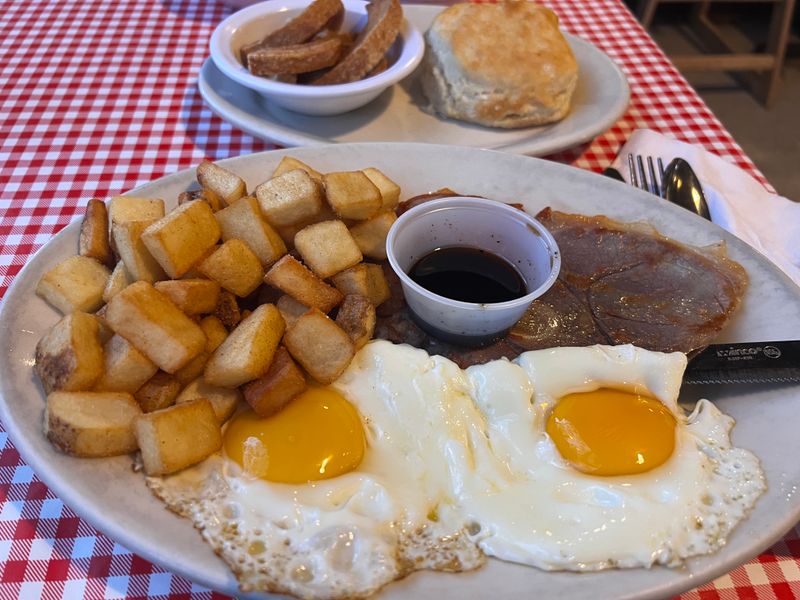
Country ham drippings mixed with strong black coffee create something magical. Red eye gravy earned its name from the way coffee swirls through the pan drippings, forming a circle that looks like a sleepy eye staring back at you. Old-timers poured it over biscuits or grits without hesitation.
Nowadays, fewer people make country ham at home. The salty, cured meat takes time and patience, qualities modern cooking often skips. Without that foundation, red eye gravy becomes a lost art, remembered only by grandparents and traditional diners.
The flavor is bold and unapologetic, salty, slightly bitter from the coffee, with a depth that wakes up your whole mouth. You either love it fiercely or can’t understand the appeal at all. There’s no middle ground with this one.
Restaurants that still serve red eye gravy are becoming rare. When they close or change menus, another piece of culinary history disappears. Younger generations never develop a taste for it, and the recipe fades into cookbooks nobody opens anymore.
3. Chicken Mull
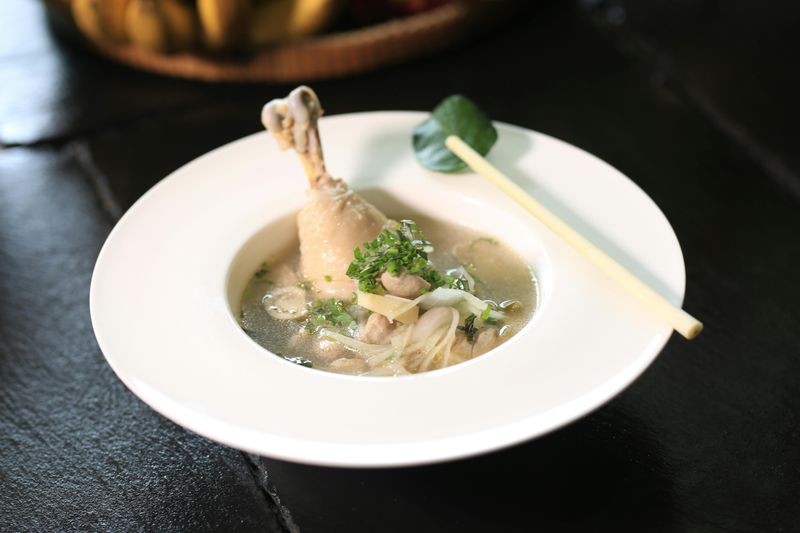
Community gatherings in small North Carolina towns often centered around huge pots of chicken mull. This hearty stew combines chicken, broth, milk or cream, and crackers until everything melds into comfort. Churches, fire departments, and social clubs ladled it out to fundraise and bring neighbors together.
The recipe varies by county and even by family. Some versions are thick and creamy, others more brothy. Crushed saltines thicken the base while adding texture.
It’s simple food that stretches to feed a crowd without breaking the budget.
But fewer organizations host mull suppers these days. Volunteers who knew the recipes by heart have aged out, and younger folks haven’t learned the tricks. The tradition of communal cooking fades as people get busier and more disconnected.
When you find chicken mull now, it’s usually at a rural church fundraiser or a heritage festival. Those occasions are becoming rarer each year. Without intentional preservation, this dish that once defined community spirit might disappear entirely, taking its stories with it.
4. Scuppernong Wine And Preserves
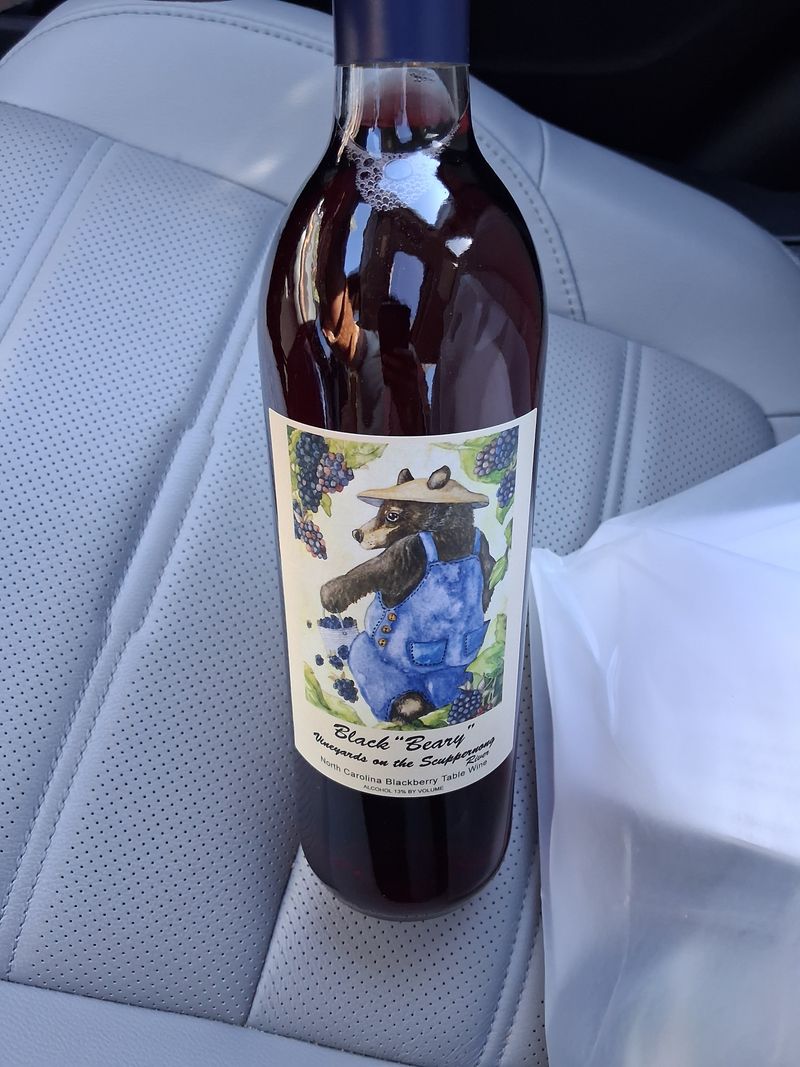
Bronze-skinned scuppernong grapes grow wild across North Carolina, clinging to arbors and fences with muscadine sweetness. These native grapes have thick skins and a flavor unlike anything from a grocery store. Families turned them into preserves, jellies, and homemade wines for generations.
Finding scuppernong products has gotten harder as small producers shut down. The grapes require specific growing conditions and careful handling. Mass production doesn’t work well with their unique characteristics, so they stay a regional specialty, or they used to.
The preserves taste like concentrated sunshine with a slight musky sweetness. Spread on hot biscuits or toast, they bring back memories of summer afternoons and grandmother’s kitchen. That flavor profile can’t be replicated with store-bought grape jelly.
Younger generations don’t always know what scuppernongs are, much less how to harvest and preserve them. As orchards get sold for development and knowledge isn’t passed down, these distinctive grapes risk becoming a footnote in North Carolina’s agricultural story.
5. Fried Fatback
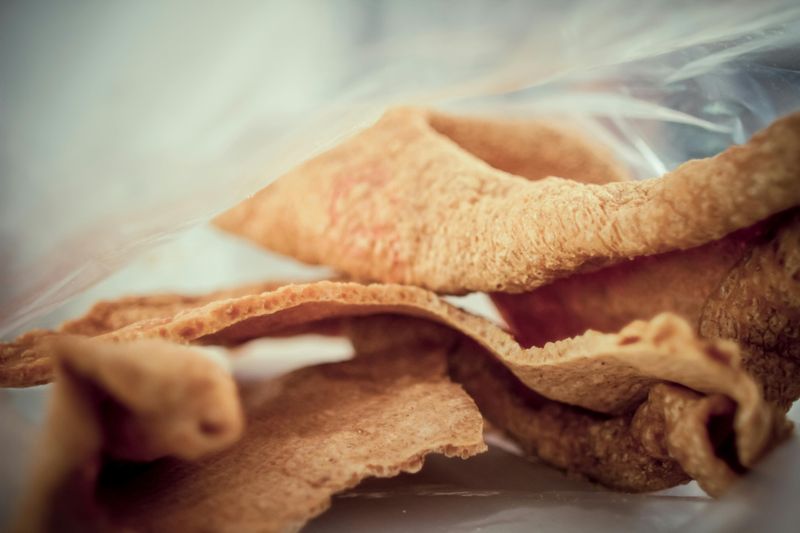
Pure pork fat from the pig’s back gets sliced thin and fried until crispy. Fatback was a survival food that turned humble ingredients into something satisfying. Served alongside beans, greens, or cornbread, it added richness and calories when money was tight and work was hard.
Modern health consciousness has pushed fatback off most menus and out of many homes. People worry about cholesterol and fat content, choosing leaner proteins instead. The knowledge of how to properly cure and prepare fatback fades with each generation.
When cooked right, fatback becomes golden and crispy like the world’s most indulgent bacon. The rendered fat flavored everything else on the plate. Nothing went to waste, and every part of the pig served a purpose.
Finding fatback in grocery stores requires searching specialty butchers or international markets. Mainstream chains don’t stock it regularly anymore. As fewer people request it, fewer butchers bother carrying it, creating a cycle that pushes this traditional ingredient toward extinction in everyday cooking.
6. Stack Cake
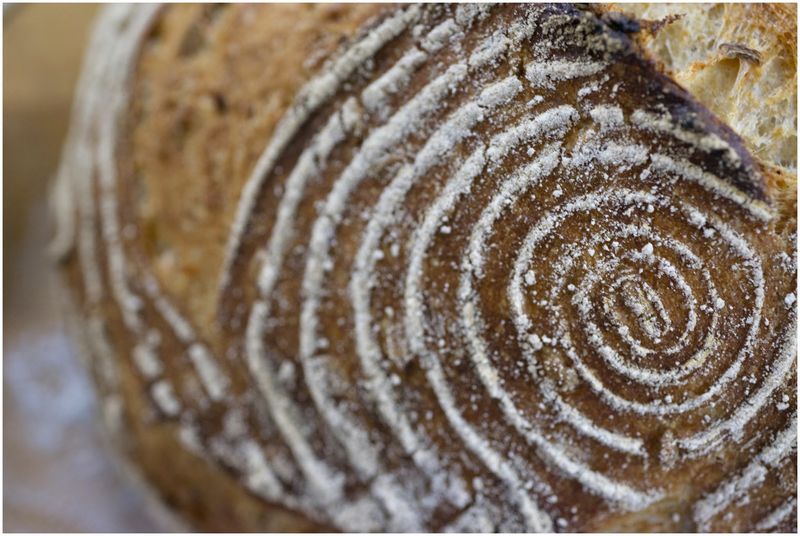
Appalachian weddings once featured stack cakes instead of fancy tiered confections. Guests brought thin cake layers as gifts, and the bride’s family stacked them with dried apple filling or preserves between each layer. The more layers, the more popular the couple.
Making stack cake requires patience and skill. Each layer must be thin and even, baked separately and cooled completely. The filling needs time to soften the layers, so the cake actually improves after sitting for a day or two.
The dried apple filling tastes like concentrated autumn, sweet, spiced with cinnamon and nutmeg, with a texture somewhere between jam and fruit leather. It’s not overly sweet like modern cakes, letting the apples and spices shine through.
Fewer bakeries make authentic stack cake anymore. The labor-intensive process doesn’t fit commercial production schedules. When older bakers retire, their recipes often retire with them, leaving only memories of this uniquely Appalachian tradition that symbolized community support for newlyweds.
7. Sonker
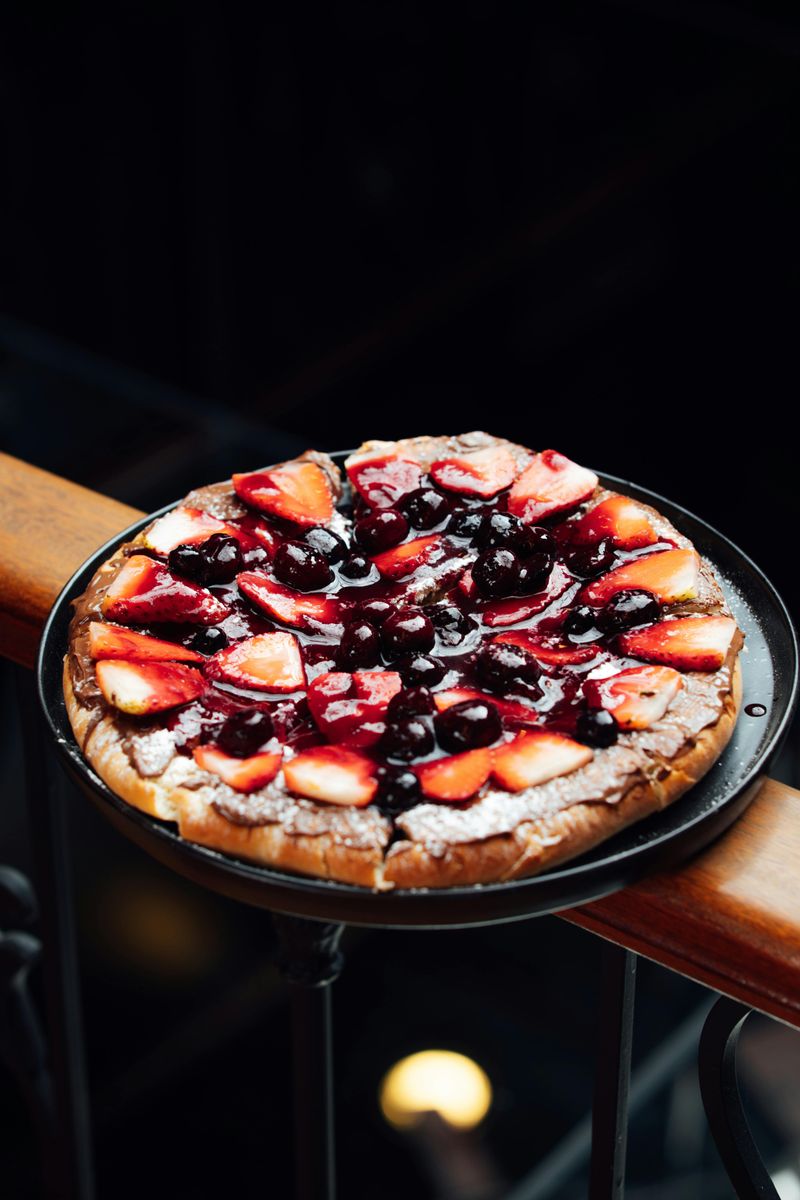
Surry County claims sonker as its own unique dessert. Somewhere between a cobbler and a deep-dish pie, sonker uses whatever fruit is in season, strawberries, peaches, blackberries, or sweet potatoes. The dough goes on top and bottom, creating a rustic, homestyle treat.
What makes sonker special is the milk dip served alongside. This sweet, warm sauce gets poured over each serving, soaking into the crust and mixing with the fruit. It’s comfort food that doesn’t pretend to be fancy.
Only a handful of restaurants still serve authentic sonker. Most people outside Surry County have never heard of it, even though it’s been a local tradition for over a century. The recipe stays mostly in home kitchens now.
As older generations pass away, sonker recipes risk disappearing with them. It’s not complicated to make, but without someone teaching the technique and the proper milk dip recipe, it becomes just another forgotten regional specialty that younger folks never experience.
8. Pork Brains And Eggs
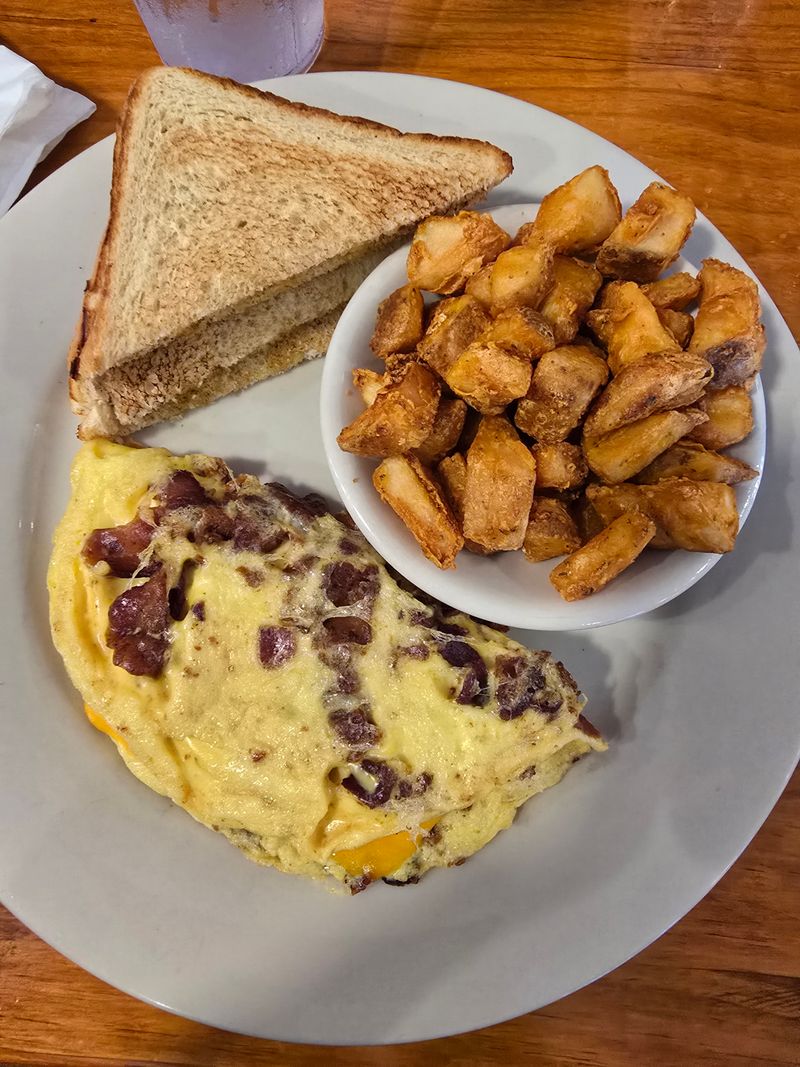
Older generations grew up eating pork brains scrambled with eggs for breakfast. This nose-to-tail eating made sense when nothing could be wasted. The brains have a creamy, custard-like texture that blends smoothly with scrambled eggs, creating something surprisingly mild.
Modern squeamishness has pushed offal off most American plates. Younger people often react with disgust to the idea, never mind the taste. Grocery stores rarely stock pork brains anymore, making them nearly impossible to find.
The flavor is delicate, not strong or gamey like some might expect. Properly prepared, it’s comfort food that sustained working families through tough times. It represents a different relationship with food, practical, respectful, and unafraid.
Health concerns and changing regulations have also impacted availability. Combined with cultural shifts away from organ meats, pork brains and eggs have become a relic of the past, remembered by fewer people each year as a genuine part of North Carolina’s food heritage.
9. Vinegar-Based Slaw
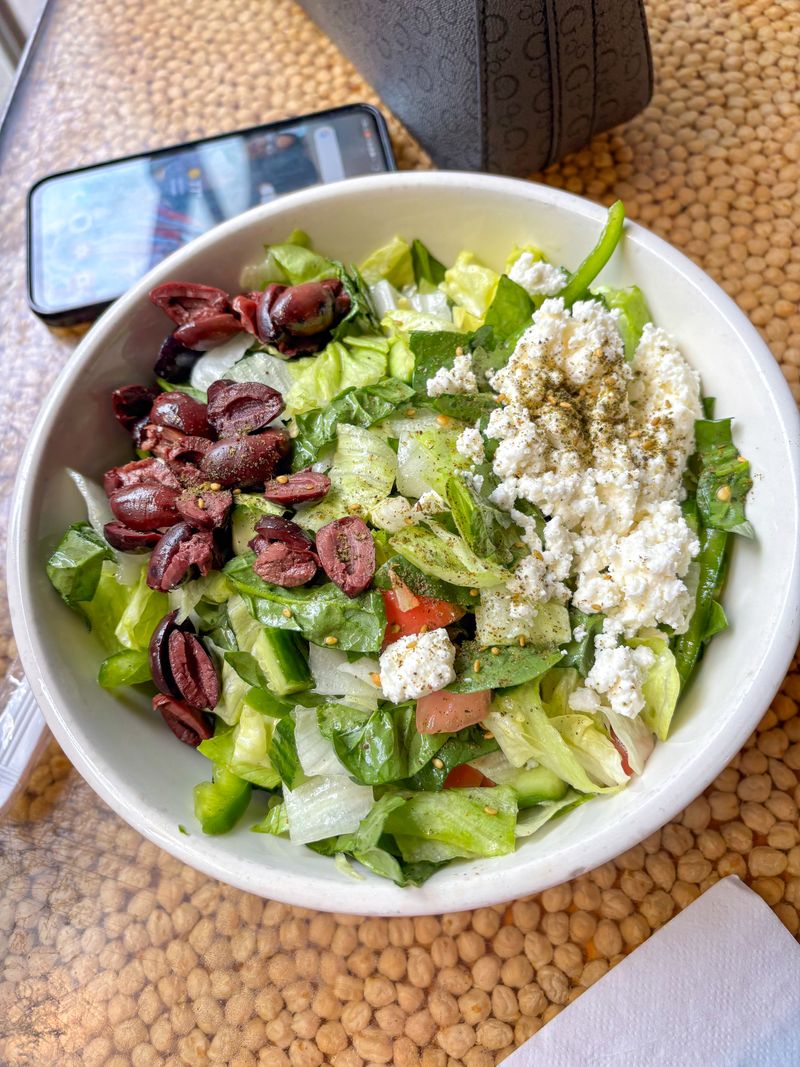
Eastern North Carolina barbecue isn’t complete without tangy vinegar slaw. No mayonnaise, no creamy dressing, just shredded cabbage dressed with vinegar, sugar, and spices. The sharp, bright flavor cuts through rich pork perfectly, cleansing your palate between bites.
Chain restaurants and fast-food joints serve creamy coleslaw almost exclusively now. When newcomers move to North Carolina, they often don’t understand the vinegar version. Some barbecue places have started offering both styles, diluting the tradition.
The recipe seems simple, but balance is everything. Too much vinegar and it’s harsh. Too much sugar and it’s cloying.
Getting it just right requires practice and tasting, skills that come from making it repeatedly.
As authentic barbecue joints close and corporate chains expand, vinegar slaw becomes harder to find outside specific regions. What was once the only slaw worth serving now competes with mayo-based versions that appeal to broader, blander tastes. The distinctive regional identity gets smoothed away.
10. Fried Okra
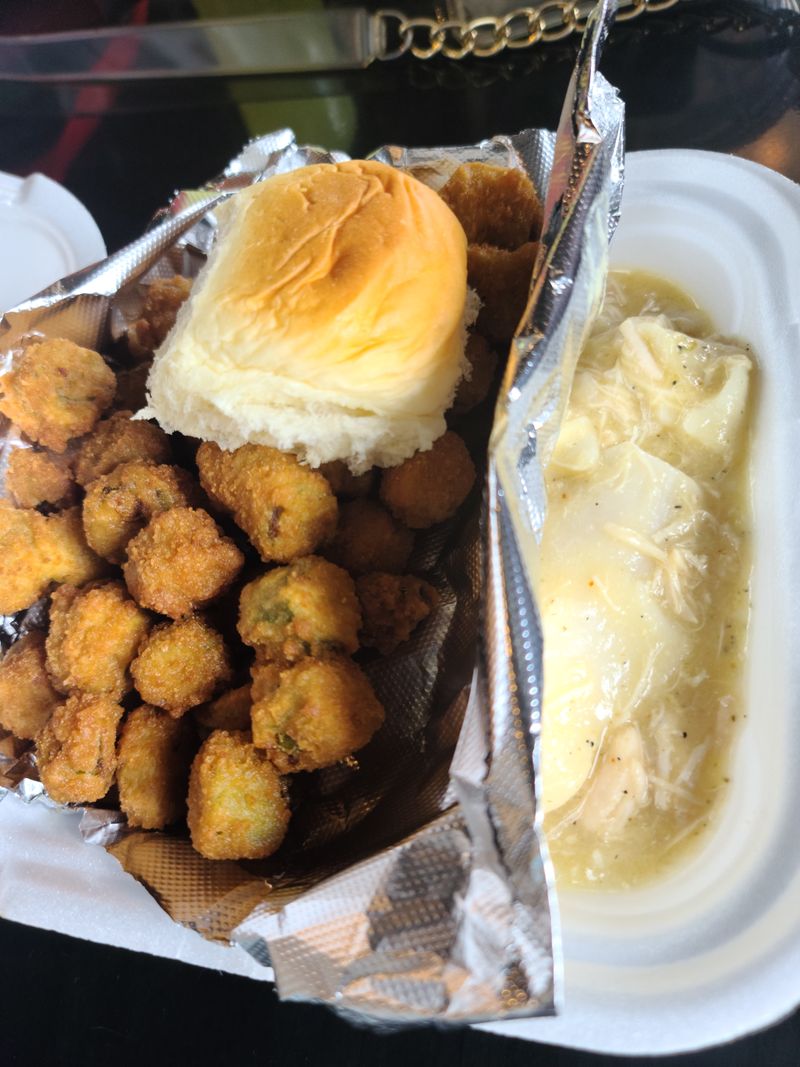
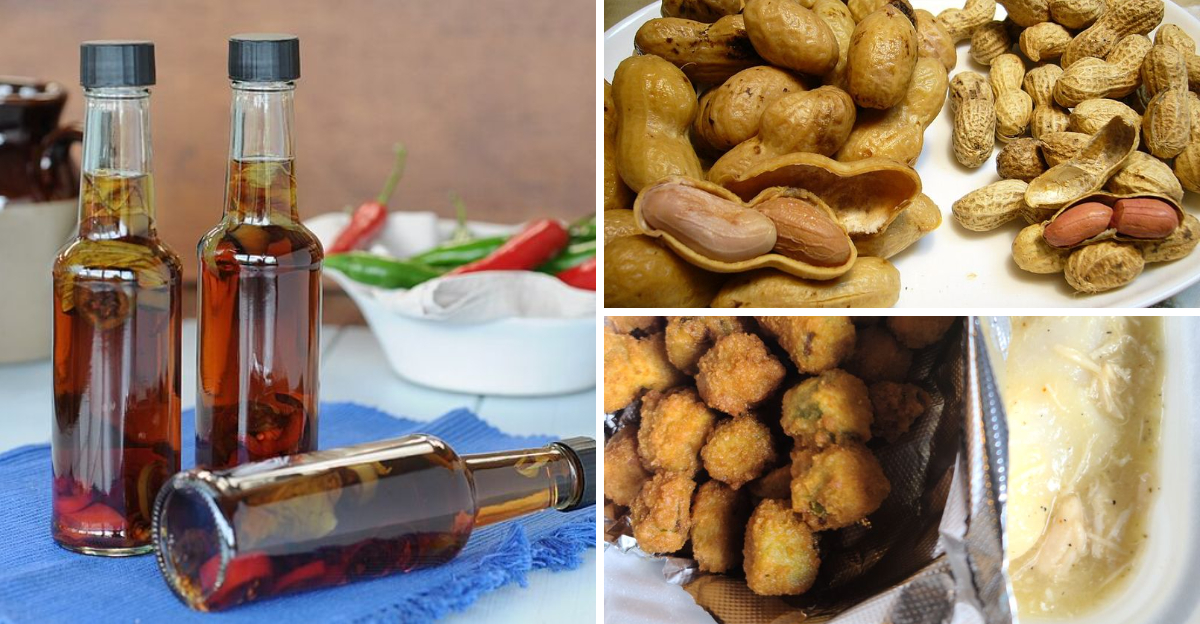
Summer gardens overflow with okra in North Carolina. The pods get sliced into coins, dredged in cornmeal, and fried until crunchy. Done right, fried okra is addictive, crispy outside, tender inside, with no trace of the sliminess that makes some people avoid it.
Fewer home cooks grow okra or know how to prepare it properly. The vegetable has a reputation problem, and frozen versions never deliver the same texture. Restaurants cut it from menus because it requires fresh preparation and doesn’t hold well.
The cornmeal coating should be thin and crispy, seasoned with salt and pepper, nothing fancy. Each piece should be golden brown and greaseless. It’s simple food that showcases the vegetable rather than hiding it.
As Southern food gets reinterpreted and modernized, humble dishes like fried okra get overlooked. When traditional meat-and-threes close down, another venue for fried okra disappears. Eventually, it becomes something grandparents remember rather than something kids grow up eating regularly.
11. Boiled Peanuts
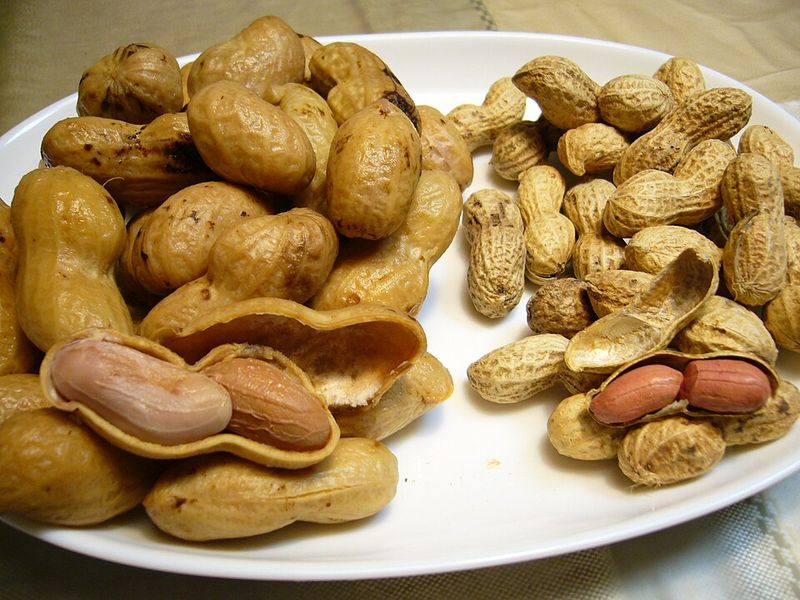
Roadside stands across North Carolina once sold steaming bags of boiled peanuts to travelers. Green peanuts get simmered in salty water for hours until the shells soften and the nuts inside turn creamy. It’s a snack that defines summer road trips and beach vacations.
Finding fresh boiled peanuts has become harder as stands close and convenience stores take over. The process takes time and attention, something fast-paced modern life doesn’t accommodate well. Canned versions exist but lack the soul of the real thing.
You crack the shell, suck out the salty brine, and eat the soft peanut inside. The texture surprises people expecting dry roasted nuts, these are almost bean-like, tender ,and savory. They’re messy, informal, and completely unpretentious.
Younger generations often don’t understand the appeal, never having tried authentic boiled peanuts. As fewer people make and sell them, the tradition fades. What was once ubiquitous becomes a specialty item, then a memory, then forgotten entirely by those who never experienced it.
12. Sweet Potato Biscuits
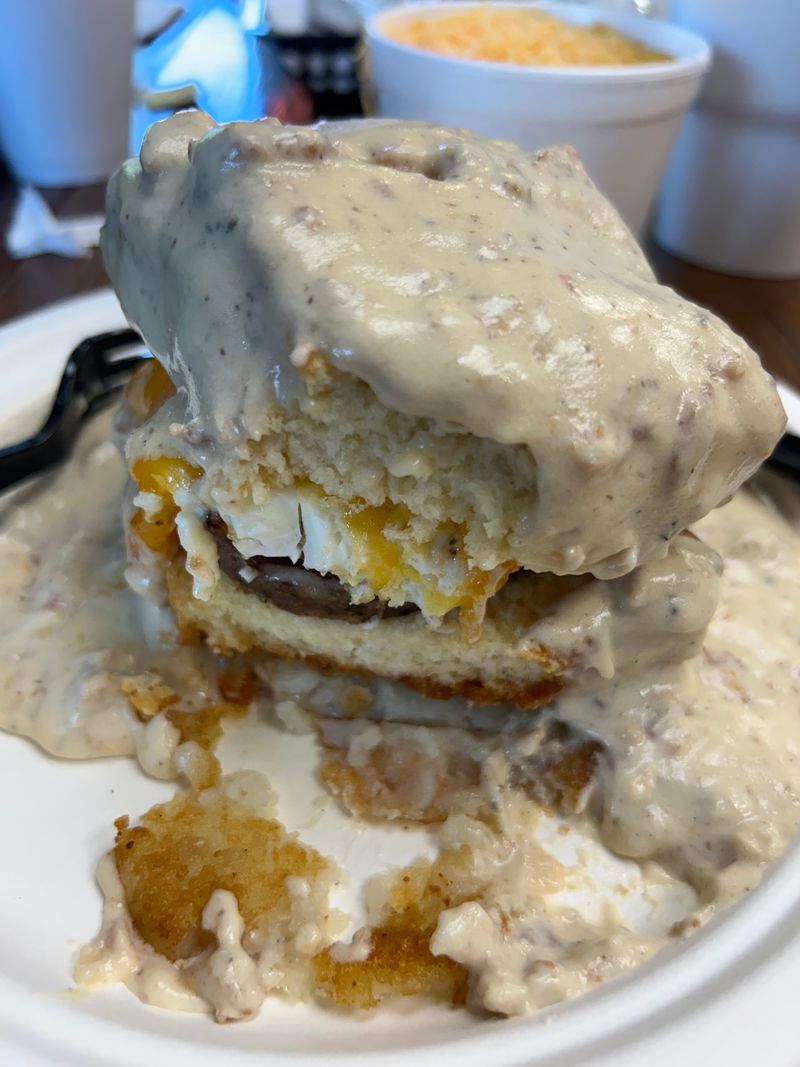
North Carolina grows more sweet potatoes than any other state. Incorporating them into biscuit dough creates something special, slightly sweet, beautifully orange-tinted, with extra moisture that keeps them tender. They work equally well with butter and honey or alongside savory dishes.
Making biscuits from scratch has declined sharply as people rely on refrigerated tubes and frozen options. Adding sweet potato requires an extra step, cooking, mashing, and incorporating the puree properly. It’s not difficult, but it takes time most people don’t have.
The flavor is subtle, not overwhelmingly sweet. The sweet potato adds earthiness and a hint of natural sugar that balances beautifully with buttermilk tang. The texture is fluffier and more tender than regular biscuits.
Fewer bakeries and restaurants offer sweet potato biscuits regularly. When they do appear, it’s often as a seasonal special rather than a staple. Without home cooks making them and passing down techniques, this delicious variation on a Southern classic risks becoming just another lost recipe.
13. Pepper Vinegar
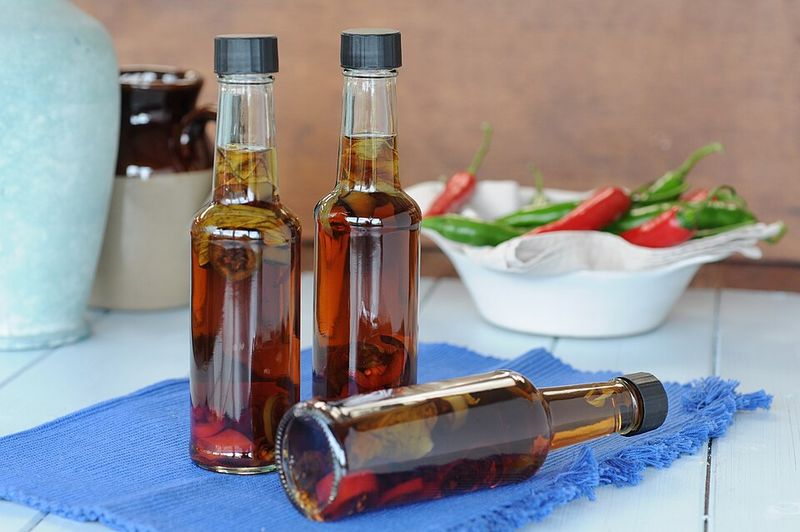
Small hot peppers steeping in vinegar create a condiment that graces tables across North Carolina. The vinegar turns fiery and tangy, perfect for sprinkling over greens, beans, or barbecue. Every family has their own version, using different peppers and aging times to achieve their preferred heat level.
Homemade pepper vinegar is becoming less common as people buy commercial hot sauces instead. The tradition of making your own and keeping a bottle on the table year-round fades with each generation that doesn’t learn the simple technique.
The flavor is sharp and clean, not thick or sweet like many bottled sauces. The vinegar base adds acidity that brightens dishes rather than just adding heat. It’s a finishing touch that elevates simple food.
Restaurants that automatically place pepper vinegar on tables are disappearing. Younger diners don’t always know what it is or how to use it. As this small tradition vanishes, meals lose a distinctive regional touch that connected food to place and personal preference.