These Idaho Factory Tours Let You Watch Knives, Cheese, Potatoes, And Power Get Made Behind The Scenes
Some tours hand you a brochure. These places hand you the weird pleasure of watching real work happen.
Idaho has a knack for turning ordinary products into surprisingly good stories. A blade takes shape.
Cheese moves through production.
Potatoes become more than something on a dinner plate. Power gets made with a scale that feels bigger once you are standing near it.
Factory tours have a different kind of thrill. Nothing feels staged in the usual tourist way.
You hear the machines. You see the process.
You start noticing the people behind things most of us use without thinking twice.
By the end, Idaho feels less like a map of pretty drives and more like a state full of makers, workers, and behind-the-scenes surprises worth seeing up close.
1. Watch Raw Steel Turn Into Buck Knives In Post Falls
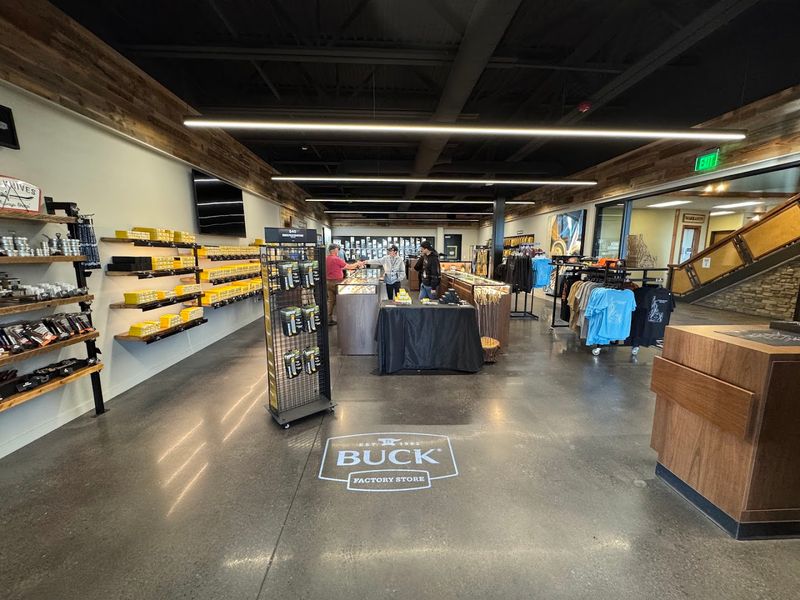
Sharp objects make factory tours feel serious very quickly. Buck Knives offers free guided factory tours at 660 South Lochsa Street in Post Falls, with the official site listing tours Monday through Thursday at 10 a.m. and 2 p.m.
Space is limited, reservations are recommended, and fully enclosed footwear is required, which feels fair when the attraction is an actual knife factory.
The tour gives visitors a close look at a legendary American brand that has spent generations building blades for hunters, outdoor workers, collectors, and everyday users.
Seeing the process in person makes the finished knife feel less like something pulled from a display case and more like the result of repeated steps, skilled hands, heat, pressure, sharpening, finishing, and inspection. That matters because Buck’s reputation is not built only on a logo.
It is built on how the knives are made. Visitors who enjoy tools, manufacturing, outdoor gear, or old-school craftsmanship will probably find themselves more invested than expected.
The experience also works for families with older kids who can handle a production-floor setting and follow safety rules.
A factory store on-site adds one last temptation after the tour, because watching knives get made and then leaving without looking at one up close requires a level of discipline most people do not pack for vacation.
2. Ask How The Cheese Gets Made At Ballard In Gooding
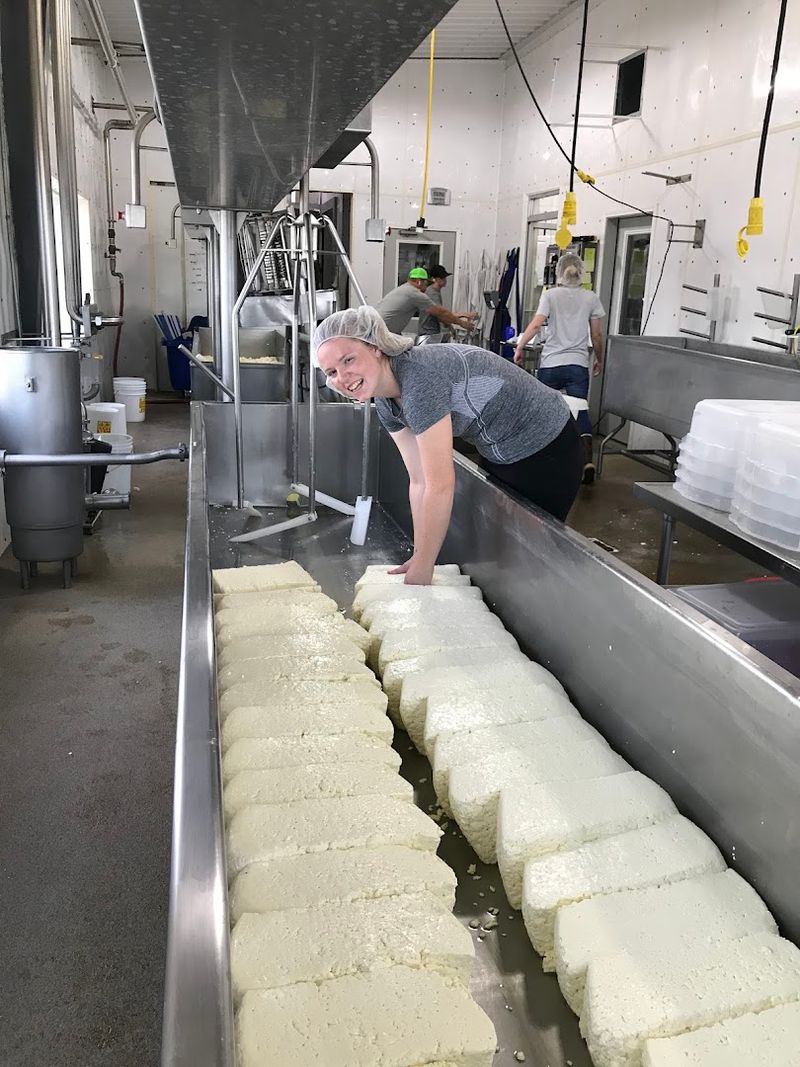
Cheese-making sounds simple only until someone starts explaining what actually has to happen.
Ballard Cheese in Gooding is found at 1764 South 2100 East, and the official tour information says the Ballard family has sold the cows but still has a cheese store and can tell visitors how the cheese is made.
That makes this more of a small producer visit and cheese-store stop than a full modern production-floor tour, but it still belongs on a behind-the-scenes Idaho list because the people here know the craft deeply.
Visit Southern Idaho describes Ballard as a farmstead cheese operation, the kind of place rooted in dairy knowledge, family work, and small-batch production.
Visitors can ask about curds, aging, texture, flavor, and what separates one style from another before deciding what deserves cooler space in the car. That last part is not optional if you are doing this correctly.
Cheese bought at the source has a different energy than cheese grabbed half-asleep from a grocery case. The Gooding location also fits naturally into a southern Idaho road trip, especially for travelers already moving between Twin Falls, Hagerman, or other Magic Valley stops.
Call or contact ahead before showing up, since current hours and visitor availability can be unusual. The reward is a tasty look at a craft most people enjoy constantly but rarely stop to understand.
3. Follow Idaho’s Potato Obsession Through Blackfoot
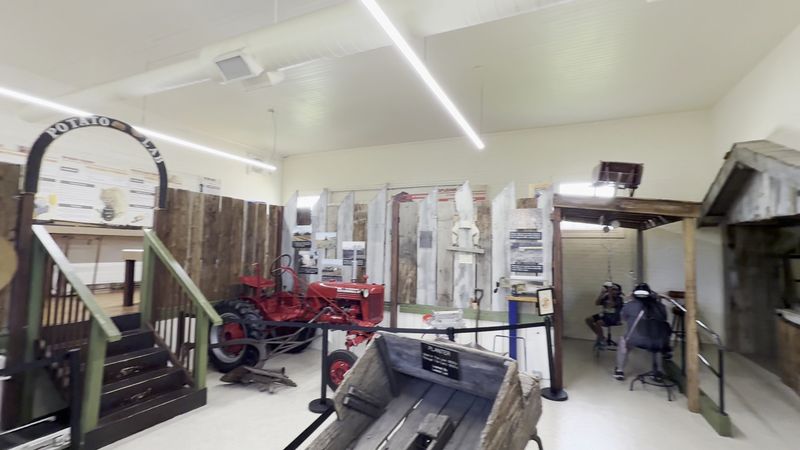
Potatoes do not roll off a factory line here, but Blackfoot still gives the spud its proper backstage moment.
Idaho Potato Museum is located at 130 Northwest Main Street in downtown Blackfoot inside the old Oregon Short Line Railroad Depot. Its official site highlights exhibits and history focused on Idaho’s famous potatoes, creating a full potato-centered visitor experience.
This is not a working processing plant, so the article should not oversell it as a factory tour. Its value is different.
Visitors learn how the crop helped shape Idaho’s identity, from growing conditions and agricultural history to industry pride and quirky exhibits. The experience turns potato history into something unexpectedly fun and memorable.
Current museum information lists May through September hours as Sunday through Saturday from 10 a.m. to 6 p.m., with shorter Monday through Saturday hours from October through April.
The museum also posts admission prices, so visitors should not assume it is free. A potato-themed stop may sound silly until the exhibits start connecting farming, marketing, science, machinery, food culture, and regional pride into one surprisingly engaging visit.
The cafe and gift shop help the whole thing lean into the joke without losing the educational side. For travelers who want the potato story without touring an active processing floor, Blackfoot is the obvious place to start.
4. Book A Power Plant Tour Before Idaho’s Grid Starts Looking Normal Again
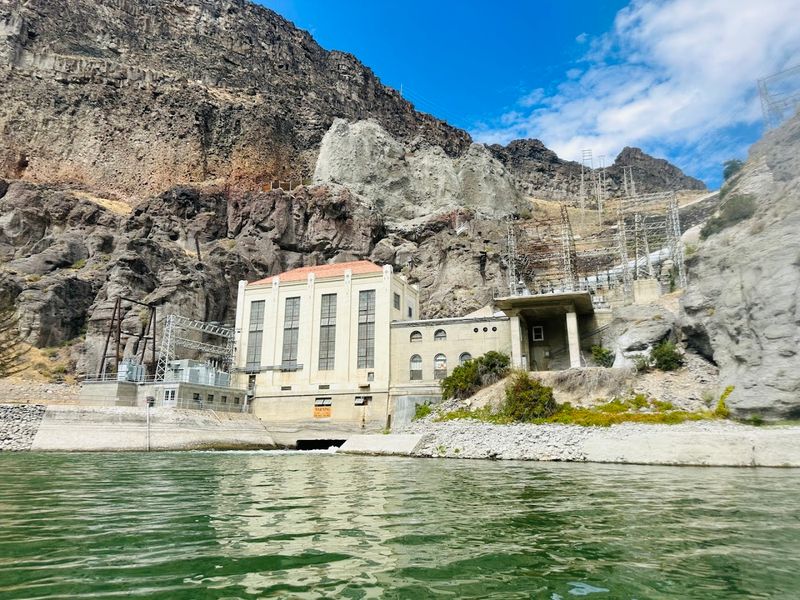
Electricity becomes a lot less invisible when people see the equipment behind it.
Idaho Power offers tours tied to generation facilities and related sites. Visitors are advised to contact the company directly to confirm current availability, group size limits, and safety requirements.
This is the kind of stop that needs advance planning rather than a spontaneous “let’s see if they let us in” approach. Power facilities are working infrastructure, so access can change with operations, staffing, safety needs, security rules, weather, and maintenance.
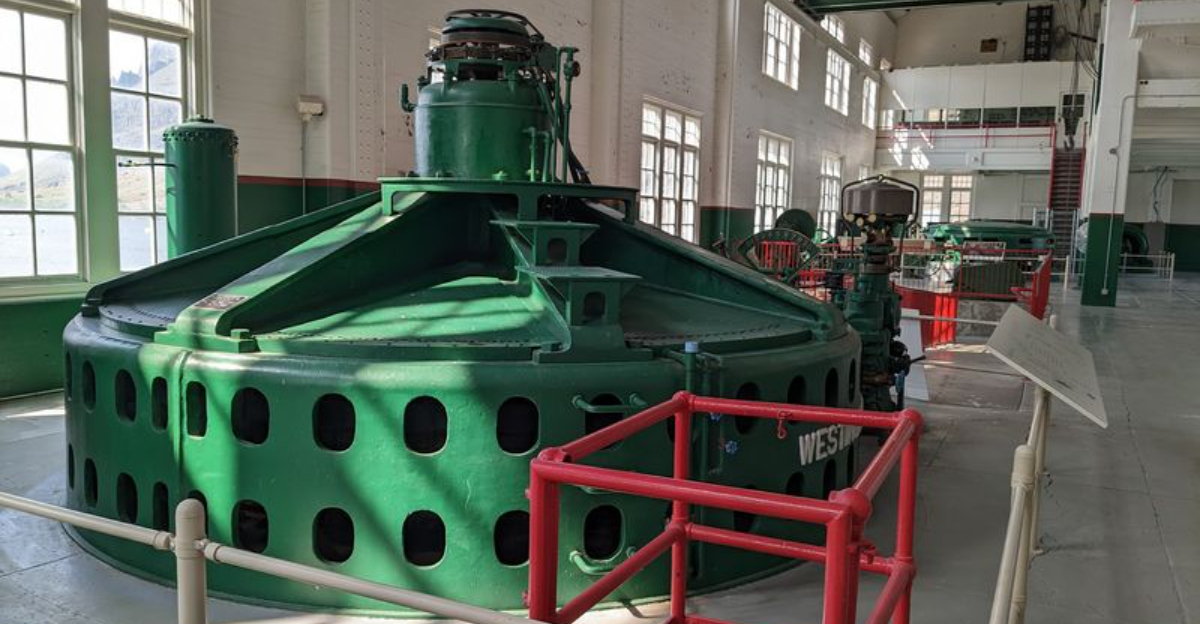
That makes the behind-the-scenes experience more valuable when it does come together. Turbines, controls, water movement, transmission equipment, and the scale of hydroelectric or other generation sites can make an ordinary light switch feel much less ordinary afterward.
These tours are especially strong for school groups, engineering-minded travelers, energy nerds, and families with kids old enough to appreciate how much work hides behind everyday convenience.
The most important advice is simple: book early, confirm everything in writing, wear appropriate shoes, bring required identification if requested, and do not assume every facility has the same rules.
Idaho’s landscape is full of rivers, dams, and power infrastructure, but the public rarely gets a close look at how those systems function. A properly arranged tour turns the grid from background noise into a real place with people and machinery behind it.
5. Step Into The Old Swan Falls Powerhouse South Of Kuna
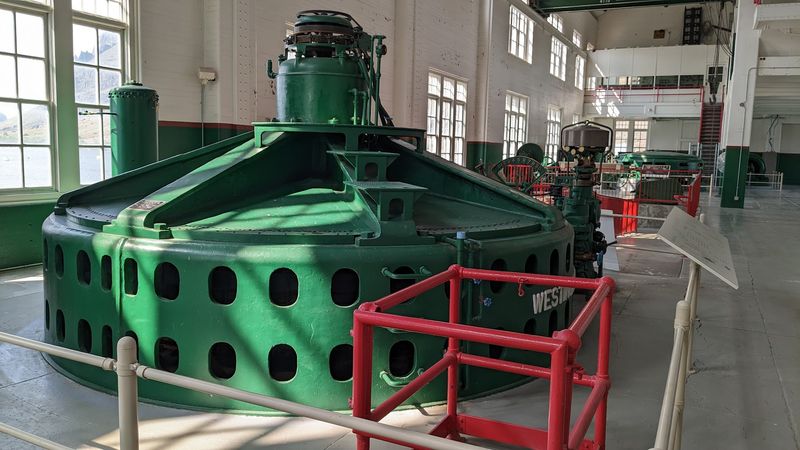
Old machinery has a way of making progress feel easier to understand. The Swan Falls Powerhouse Museum, found about 20 miles south of Kuna along the Snake River Canyon, preserves a historic hydropower story right beside the modern dam area.
Idaho Power says the museum is open Saturdays during the summer from 10 a.m. to 4 p.m. for free self-guided tours, and the company encourages visitors to check current recreation updates before going.
Swan Falls Dam was built in 1901 to supply electricity to nearby mines and is recognized as the oldest hydroelectric generating site on the Snake River. Idaho Power built a new power plant in the mid-1990s, while the original facility was preserved as a museum.
That old-and-new contrast is the whole reason the stop works. Visitors can see how early hydropower fit into the region’s development while standing in a canyon setting that feels dramatic even before the history begins.
The museum is not a loud, flashy attraction, and that is part of its charm. Displays, interpretive signs, river views, and the surrounding canyon make it feel like a quiet industrial-history detour with scenery attached.
No reservation is needed during posted Saturday summer hours, but checking current status is still smart. A free stop with real power history and Snake River views is exactly the kind of side trip Idaho does well.
6. Stand Where Nuclear Power First Lit The Room
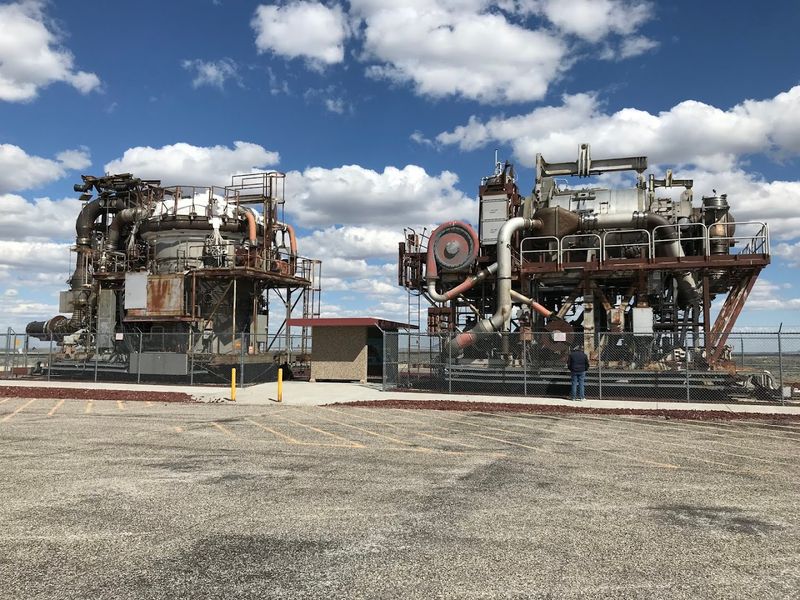
A plain-looking desert building can hold a very big first. The Experimental Breeder Reactor-I Atomic Museum, commonly called EBR-I, sits about 50 miles west of Idaho Falls on U.S.
Highway 20, and Idaho National Laboratory announced that the museum opened for the 2026 season on May 22. The 2026 release says it is open daily from 9 a.m. to 5 p.m. through Labor Day, with free admission.
This is the place associated with the first usable electricity generated from nuclear energy, a milestone that makes the stop feel far larger than its remote setting suggests.
Visitors can walk through the actual reactor building, see original equipment, learn about nuclear fission, and stand in a space where experimental science moved from theory into a visible result.
The museum’s isolation adds to the effect. There is no busy downtown around it, no giant entertainment district softening the mood.
Just high desert, history, science, and the realization that a major energy milestone happened in a place many travelers would otherwise drive past. Families, science fans, road-trippers, engineers, and anyone curious about the Atomic Age can all find something here.
The experience is educational without feeling sterile because the equipment and building are part of the story, not replicas trying to explain it from a distance. EBR-I makes nuclear history feel surprisingly close.
7. Go Inside Dworshak Dam Before The Scale Messes With Your Brain
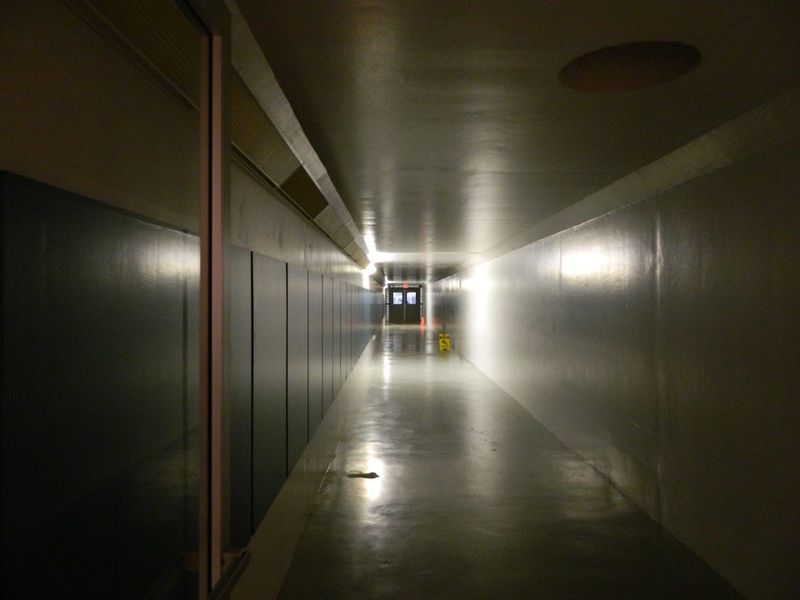
Tall dams have a way of making people stop mid-thought. Dworshak Dam near Ahsahka is a 717-foot structure managed by the U.S.
Army Corps of Engineers, and the visitor center gives travelers a chance to understand the scale, purpose, and recreation story behind the project.
The official Dworshak Visitor Center page says it is open seven days a week from Memorial Day weekend through Labor Day weekend and Monday through Friday from Labor Day to Memorial Day weekend.
Public tours are first-come, first-served, limited to eight people, and require photo ID, while school or group tours need to be arranged in advance by calling 208-476-1255. That means this stop rewards people who plan ahead but can still work for flexible travelers during summer.
The visitor center explains flood control, hydropower, water management, and the reservoir’s broader role, while the overlook makes the numbers feel real.
Looking down the face of the dam or out across Dworshak Reservoir gives the experience an immediate physical punch that charts and exhibits alone cannot provide.
Tours may include selected dam areas depending on current access, staffing, and safety needs, so visitors should confirm details before building a whole day around going inside. Even without a tour, the visitor center and views make the stop worthwhile.
Engineering rarely gets this scenic.
8. See Boise’s Water System Do The Un glamorous Work
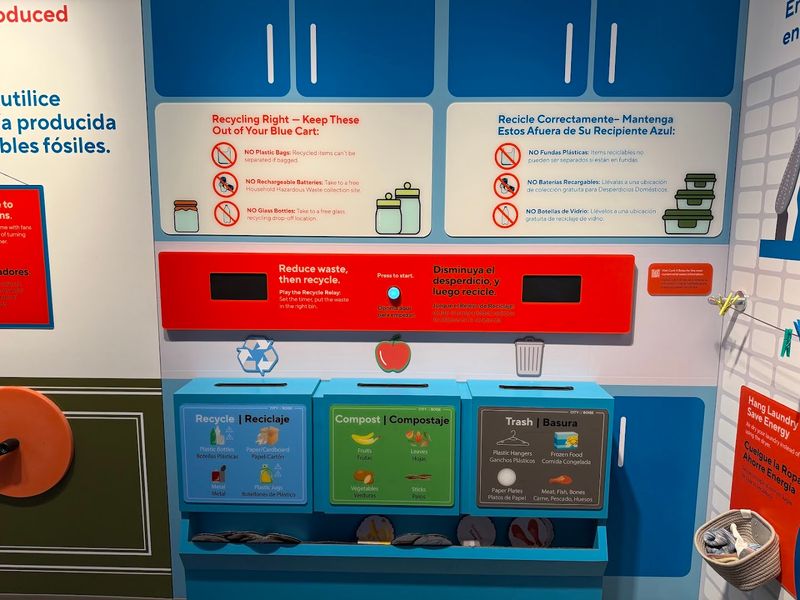
Clean water deserves more credit than it gets. The Boise WaterShed Climate and Water Center stays at 6411 North Ancell Avenue in Boise, and the official site lists open hours Monday through Saturday from 9:30 a.m. to 4:30 p.m., with Sundays closed.
This is not a factory in the traditional sense, but it is absolutely a behind-the-scenes education stop because it helps visitors understand the water systems that make city life possible.
Exhibits cover water, climate, conservation, watershed science, and the infrastructure most people never think about unless something stops working.
That makes the center especially useful for families, school groups, and curious travelers who like learning how daily life is supported by systems hidden in plain sight.
The best part is that the subject sounds unglamorous until the exhibits start connecting pipes, treatment, rainfall, river health, conservation, and household habits into one big picture.
Suddenly, flushing a toilet or turning on a faucet looks less ordinary. The WaterShed’s hands-on approach helps younger visitors stay engaged, while adults may leave with a new appreciation for how much coordination sits behind basic comfort.
Boise has plenty of obvious attractions, but this one gives the city’s practical side a spotlight. It turns water from background utility into a story about science, stewardship, and the work required to keep a growing community running.