These Idaho Farms Grow The Kind Of Tomatoes Grocery Stores Cannot Compete With
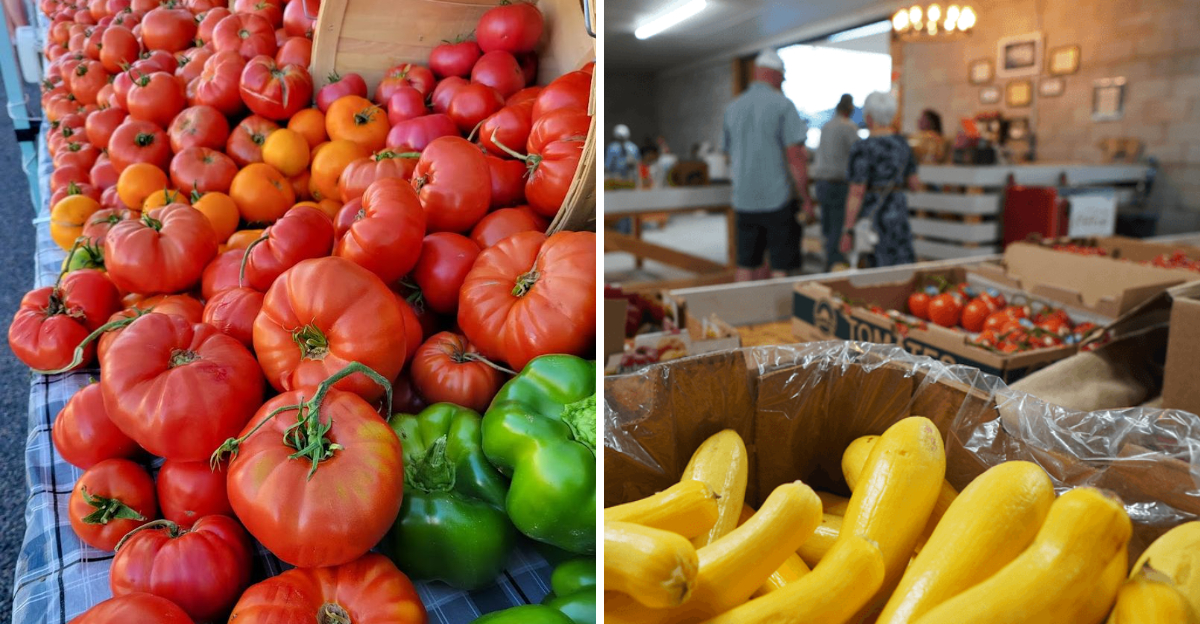
A grocery-store tomato can look perfectly respectable and still taste like it attended the meeting without contributing anything.
Idaho growers are producing a very different kind of tomato.
These are the sun-warmed, deeply flavorful ones that drip down your wrist, ruin a clean shirt, and make the bland supermarket version feel like a distant relative nobody invited.
Small family farms around the state are putting serious care into every crop. The results show up in bright color, firm texture, and flavor strong enough to make a simple tomato sandwich feel oddly important.
Nothing fancy is required. A little salt may be enough.
Add bacon if you must, but the tomato will know who the real star is.
Once you have tasted one straight from a local field, the produce aisle becomes much harder to impress.
These Idaho farms are growing the kind of tomatoes that remind people why summer food gets talked about all year.
1. Deerfield Farms
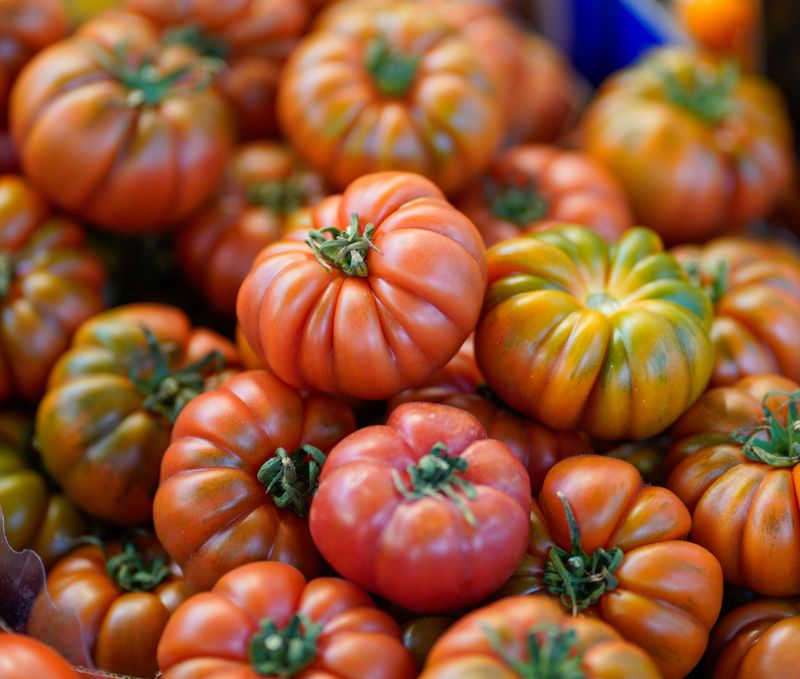
North Idaho tomato people tend to talk about Deerfield Farms with a certain respect. Based in Sagle, Idaho, the farm is closely tied to the Kootenai County Farmers’ Market scene, with tomatoes often found through market channels in Hayden and Coeur d’Alene when the season cooperates.
Jerry and Susan Petrina built their tomato reputation around variety, not just volume, and regional coverage has noted their move into growing around 30 tomato varieties.
Tomato tables become far more interesting when shoppers can choose among slicers, heirlooms, cherry varieties, paste tomatoes, and colorful specialty types. The selection offers much more character than the uniform red tomatoes commonly found at supermarkets.
A Cherokee Purple brings deep, dusky flavor. A meaty paste tomato belongs in sauce.
A tiny sweet tomato may never survive the ride home if someone opens the bag too early. Deerfield’s appeal comes from that sense of abundance and purpose.
These tomatoes feel grown for people who actually care how dinner tastes. Since availability depends on harvest timing, weather, and where the farm is selling that week, checking market updates before heading out is the smart move.
When the tables are full, though, this Sagle grower makes it easy to understand why a real farm tomato can ruin ordinary ones for the rest of the year.
2. Mountain View Farm/The Tomato Lady
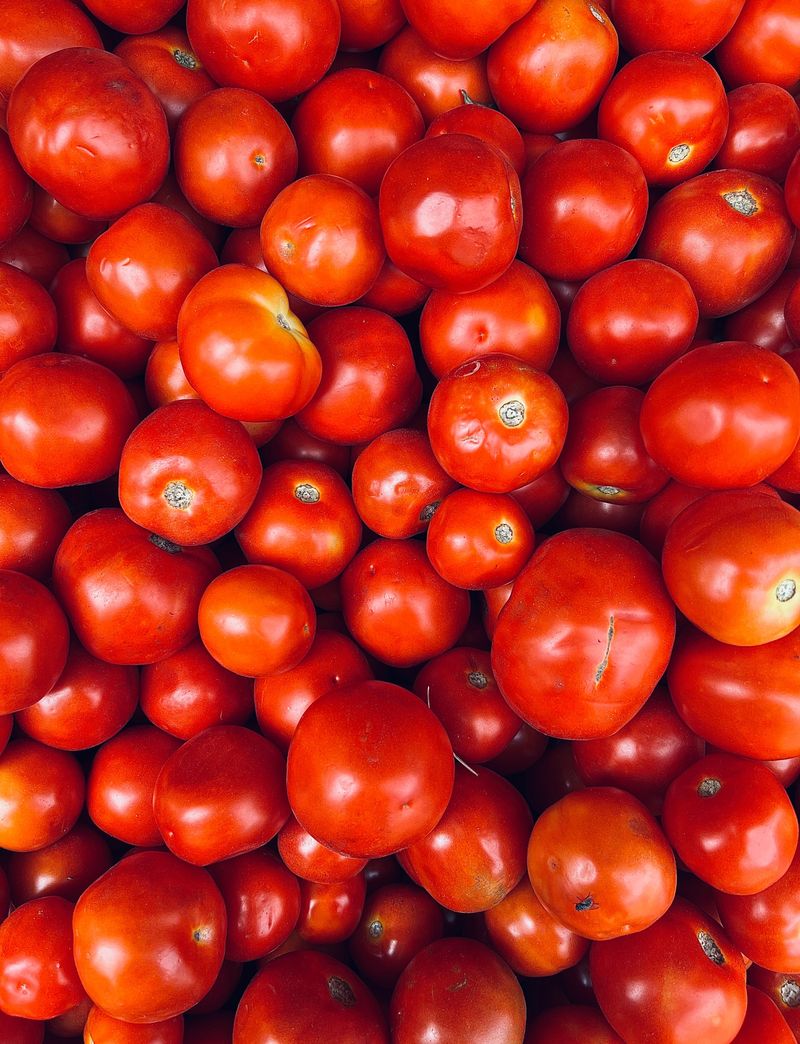
Seedlings can be just as exciting as ripe fruit when the right grower is behind them. Mountain View Farm, also known as Idaho Tomato Lady or Pine Creek Nursery, is at 43 Nelson Lane in Pinehurst, Idaho, and it serves gardeners who want to grow their own tomato victory from the ground up.
The nursery focuses on tomato, pepper, and vegetable starts, along with berry plants, hardy grapes, flowers, lavender, and gardening resources.
That makes it especially valuable in North Idaho, where tomato growing can feel like a small battle with weather, timing, cool nights, and short-season pressure.
Good starts matter here. Choosing a plant already suited to regional conditions can mean the difference between a strong harvest and a summer spent apologizing to sad vines.
The Tomato Lady name fits because the place feels practical, specific, and rooted in real gardening experience rather than generic plant-rack guesswork.
Gardeners can look for heirloom types, dependable hybrids, peppers, herbs, and companion plants that help build a backyard food patch with personality.
Hours and availability change with the nursery season, so checking before visiting is important.
The reward is a tomato story that begins in Pinehurst and ends later in the summer with fruit warm from the vine, possibly eaten before it ever reaches a plate.
3. The Shed At Garrett Ranches
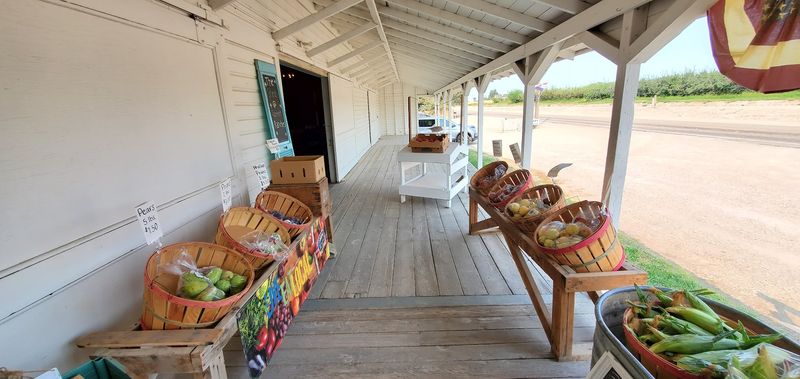
Wilder gives tomato shoppers a farm stand with creaking-floor charm and deep family roots. The Shed at Garrett Ranches is at 24113 Homedale Road in Wilder, Idaho, inside an old 1930s fruit packing shed that makes the whole shopping trip feel connected to the region’s agricultural past.
Garrett Ranches traces its family-farm history back to 1914, and that long memory shows in the way the market feels: practical, seasonal, and built around produce that belongs to the moment.
Tomatoes share space with peppers, squash, beans, cucumbers, sweet corn, peaches, cherries, plums, apricots, melons, pumpkins, and other harvest goods as the season moves forward.
That mix is part of the pleasure. A summer tomato does not need to stand alone when it can leave the market beside corn for dinner, peaches for dessert, and peppers for whatever gets grilled later.
The setting also gives the stop more character than a quick produce bin at a chain grocery store. Wooden floors, farm color, and ripe smells do a lot of quiet persuading.
Hours can shift by season, especially at the beginning and end of the market window, so checking before driving is wise. When the Shed is stocked, this Wilder stop turns tomato shopping into a full summer ritual.
4. Red Top Market
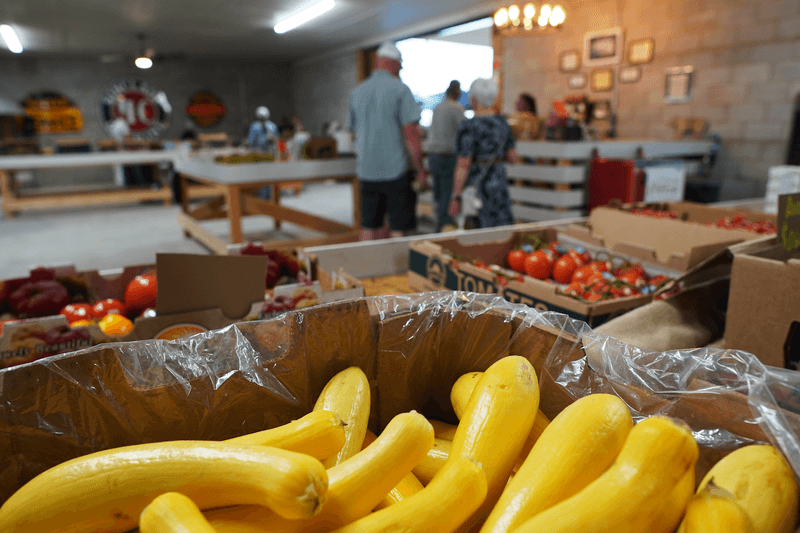
Fresh produce feels more convincing when the fields are practically part of the shopping experience. Red Top Market is at 26192 Red Top Road in Wilder, Idaho, with active farmland growing right beside the market.
Tomatoes are part of a seasonal lineup that can include Amaize sweet white corn, bell peppers, hot peppers, U-pick flowers, pumpkins, and other farm-grown produce. That nearby-field connection gives the place an immediacy that a supermarket cannot fake.
Shoppers are not wondering where the tomato came from or how long it spent traveling. The answer is close enough to see, or at least close enough to feel.
Red Top also knows how to make a farm visit lively. Food trucks, music, flowers, family activities, and seasonal events can turn a produce stop into an evening out, especially when the weather is warm and the harvest is colorful.
For tomato lovers, the best version of a visit includes a bag of ripe tomatoes, a few peppers, fresh corn, and maybe flowers because self-control rarely survives a good farm market.
Current hours, event nights, and crop availability change during the season, so checking updates before visiting is smart.
Red Top works because it gives tomatoes a setting: farmland, community, color, and the feeling that dinner started somewhere real.
5. Collings Family Farm
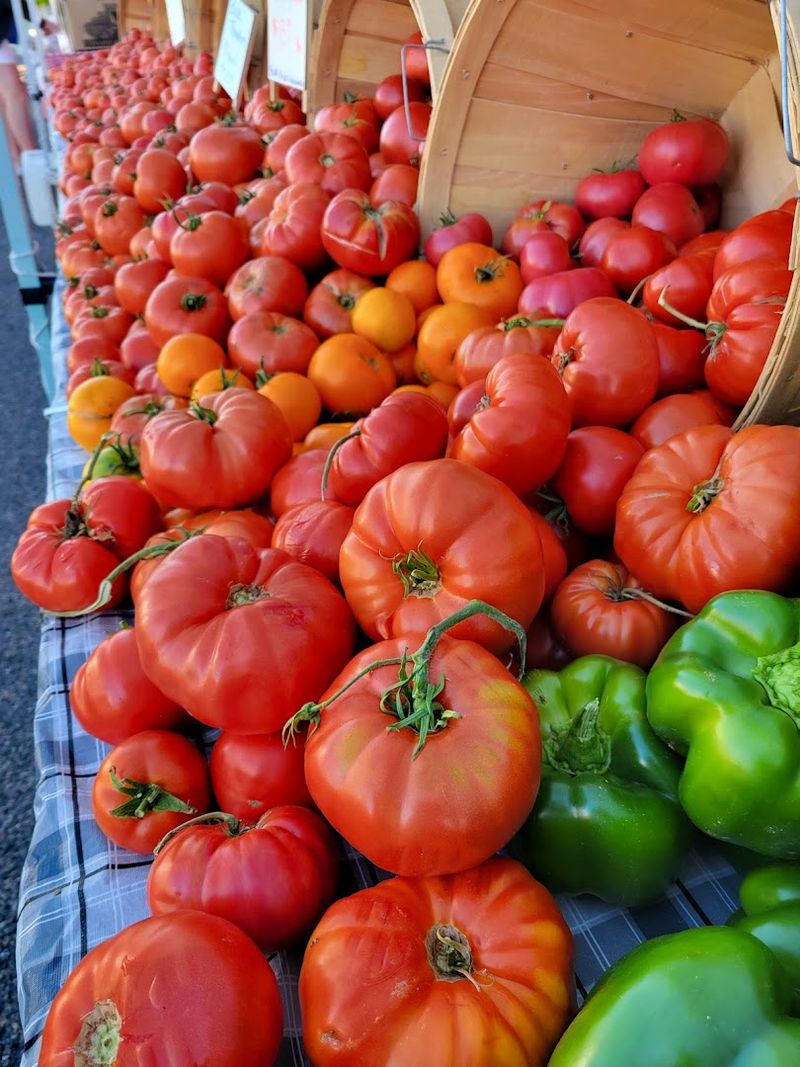
Downey’s tomato story comes with goats, greenhouses, and a little handmade charm.
Collings Family Farm operates at 18740 South Washington Avenue in Downey, Idaho. Tomatoes are part of a broader farm selection that also includes greenhouse vegetables, goat dairy products, and handmade goods.
The farm is known for raw goat milk products, cheeses, caramels, custard, skincare items, and seasonal vegetables such as tomatoes, peppers, pumpkins, and summer squash. That combination makes the place feel personal in a way a produce-only stop sometimes does not.
A tomato purchase might happen beside goat cheese, fresh squash, handmade soap, or something sweet enough to ruin the original shopping plan.
Greenhouse growing gives the tomatoes an added advantage in Idaho because protected space can help manage weather swings, extend the season, and keep plants happier when outdoor conditions get moody.
That matters in a state where summer can be generous one week and rude the next. Shoppers may find Collings products through the farm stand, local markets, or direct farm channels depending on the season, so checking current details before heading out is important.
What makes Collings memorable is the mix of usefulness and discovery. The tomatoes are not floating in isolation.
They are part of a small farm world where vegetables, dairy, handmade goods, and local care all end up sharing the same table.
6. Killarney Farm
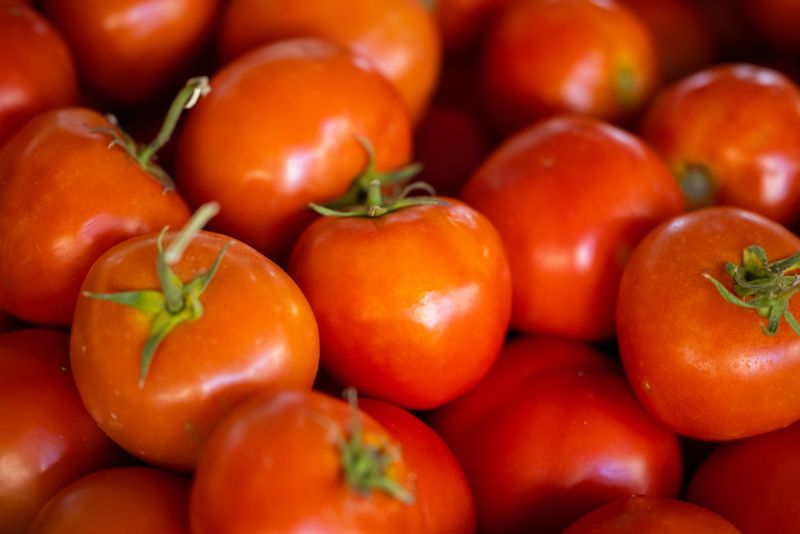
Cataldo gives this list one of its strongest organic anchors. Killarney Farm is at 16114 East Killarney Lake Road in Cataldo, Idaho, and it has long been part of the North Idaho local-food scene.
The farm is certified organic and sells through Kootenai County Farmers’ Markets as well as the roadside stand at Rose Lake Junction when seasonal availability allows.
Tomatoes appear among its produce offerings, joining a wider farm lineup that can include peppers, garlic, beets, berries, greens, plant starts, and other seasonal crops.
The setting near the Idaho Panhandle National Forest adds beauty, but the real pull is the farm’s long-running commitment to organic growing and soil-minded practices. Tomatoes benefit from that kind of patience.
Flavor starts well before the fruit ripens. It starts in the soil, the planting choices, the timing, and the grower’s willingness to care about taste instead of just appearance.
North Idaho harvest windows can vary, so tomato hunters should watch market updates closely before making a dedicated trip.
When Killarney tomatoes are available, they feel connected to a very specific place: Panhandle soil, cool nights, careful growing, and a market community that knows what it is waiting for.
These are not anonymous tomatoes. They belong to a farm with history and a season that makes people pay attention.
7. BlueRock Farm & BlueRock Farm Market
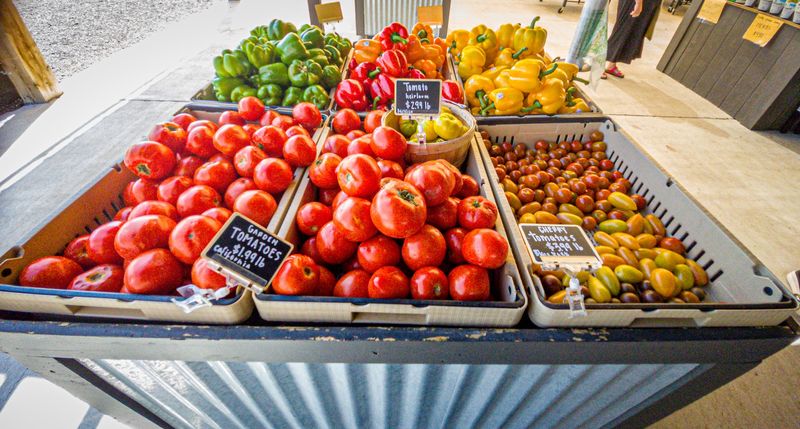
Twin Falls shoppers get a market that feels full before the tomatoes even enter the conversation. BlueRock Farm Market is at 1705 Grandview Drive North in Twin Falls, Idaho, and it is tied to a larger vegetable-growing operation that brings seasonal produce into the store throughout the growing months.
Tomatoes are part of a generous lineup that can include cucumbers, beets, carrots, peppers, onions, green beans, zucchini, sweet corn, melons, potatoes, flowers, and local vendor products.
That variety makes BlueRock especially useful for people who want a whole summer meal to come together in one stop.
A few slicing tomatoes can become dinner when they leave with sweet corn, cucumbers, bread, local dairy, and something baked for later. The market also carries goods from other Idaho producers, which adds to the community feel.
It is not only a place to buy vegetables. It is a place to see how much local food can fit under one roof when the season is working.
New ownership under Austin and Ashley Brown has helped keep attention on freshness, farm connection, and a welcoming market experience. Tomato availability changes as the season builds, so checking updates is always worth doing.
BlueRock’s strength is abundance. The tomatoes are part of a larger Twin Falls harvest scene that makes grocery-store produce feel very far away.
8. Sonshine Acres
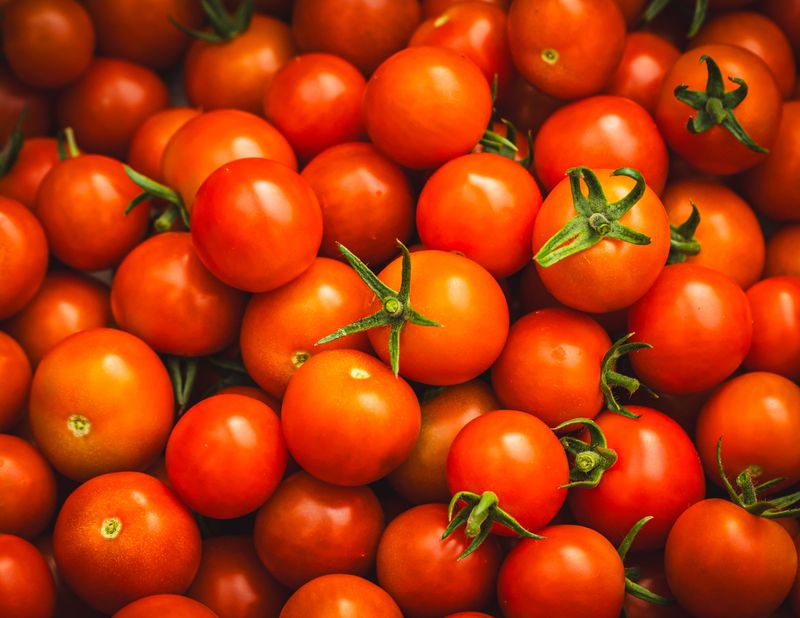
Emmett’s Sonshine Acres brings tomatoes into a farm story shaped by service, homestead grit, and community connection. The farm is at 2525 Lower Bluff Road in Emmett, Idaho, and is owned by U.S.
Air Force veteran Ted Kovarik. Its seasonal offerings can include tomatoes, lettuce, cabbage, zucchini, peppers, pumpkins, herbs, flowers, eggs, pasture pork, lamb shares, poultry, and other farm goods depending on availability.
That diversity gives the place a practical, lived-in quality. Tomatoes are not just a trendy summer item here.
They are part of a broader effort to feed people through produce, proteins, education, flowers, and direct farm access.
Slicers, paste tomatoes, and other seasonal varieties may appear during harvest, but shoppers should check current ordering information and hours before visiting because small-farm availability can change quickly.
The appeal comes from knowing the food has a shorter, clearer path to the table. No mystery truck route.
No produce sitting under bright grocery lights pretending it still has a pulse. A tomato from Sonshine Acres feels tied to a real place and a real grower.
That kind of directness matters more than people realize. It changes how shoppers think about dinner, and it makes each ripe tomato feel like part of a larger farm promise.
9. Cherry Hill Farms
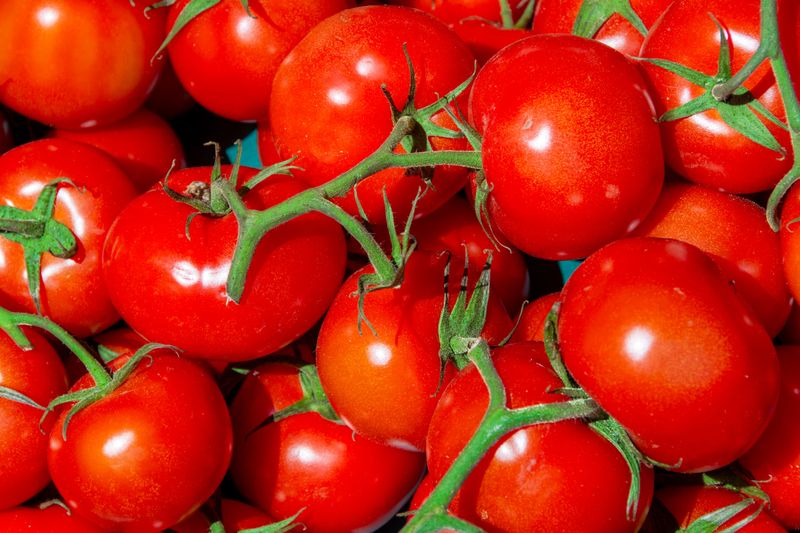
Caldwell’s Cherry Hill Farms proves that orchard country can still make room for excellent tomatoes. The farm is at 19125 Apricot Lane in Caldwell, Idaho, and it is best known for fruit, including apricots, tart cherries, peaches, nectarines, and apples.
Yet the summer produce mix can also include tomatoes, peppers, squash, corn, cucumbers, flowers, and pumpkins, giving visitors far more than a fruit run. That combination is exactly what makes Cherry Hill such a rewarding stop.
Tomatoes belong beside peaches and corn because all three carry the same peak-season urgency. Wait too long, and the best ones are gone.
Show up at the right time, and the whole farm feels like summer arranged itself into bins. A farm that understands ripe, delicate fruit often understands tomato timing too.
Freshness, handling, and harvest windows all matter when flavor is the goal. Cherry Hill also offers U-pick opportunities and seasonal events, though crop availability changes by week and weather.
Tomato seekers should check current farm updates before visiting so expectations match the field. When the timing works, this Caldwell farm turns a simple tomato run into a fuller Treasure Valley outing.
You can leave with fruit, vegetables, flowers, and enough seasonal evidence to prove the grocery store never stood a chance.