These 9 Idaho Museums Offer Free Admission This Fourth Of July
Free museums on the Fourth? Yes, please.
While everyone else fights for parking at the fireworks, you could be somewhere far more interesting. These Idaho collections open at no cost that day.
You can dig into atomic history one hour and Indigenous heritage the next. None of these feel like dusty, forgotten rooms.
They hold real stories, real science, and real people who shaped the West. I always pick a museum over a crowded cookout.
Bring the kids or go solo, it works either way.
A free day like this rarely ever comes around. Mark the calendar and pack a big sense of curiosity.
1. EBR-1 Atomic Museum, Arco
Some buildings carry a charge long after the power is off. EBR-1 is one of them.
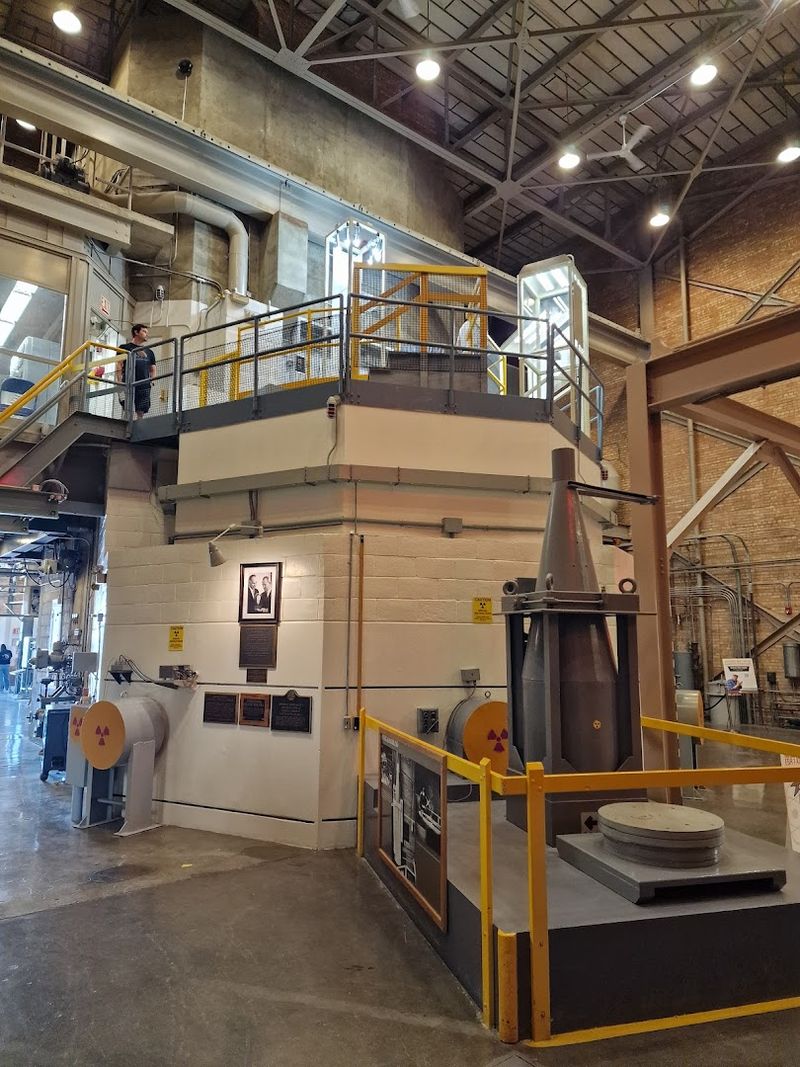
This is where the world’s first usable nuclear electricity was generated, back in 1951, making it a landmark in energy history.
The reactor sits intact inside its original structure. You can walk right up to the core and see the actual machinery that changed how humanity thinks about power.
Nothing is behind heavy barriers or reduced to a diagram.
The exhibits trace the science step by step, so you do not need a physics background to follow along. Panels and displays explain how breeder reactors work in plain terms.
Kids tend to gravitate toward the hands-on elements, and adults often linger far longer than expected.
Outside, decommissioned aircraft and vehicles from the Idaho National Laboratory add another layer of discovery. The surrounding high desert landscape gives the whole experience an almost otherworldly quality.
It feels remote, which makes the science feel even more remarkable.
You can find the museum along US-20/26, roughly 18 miles southeast of Arco, at the address listed as Arco, ID 83213.
Admission is completely free, and the museum stays open daily from 9 AM to 5 PM through Labor Day, with no closure for July 4. This is one of those rare stops that earns a second lap through the halls.
2. Nez Perce National Historical Park, Lapwai
There is a particular kind of stillness in a space that holds centuries of story.
The Nez Perce National Historical Park in Lapwai carries that weight with quiet dignity. It is one of the most significant Indigenous cultural sites in the Pacific Northwest.
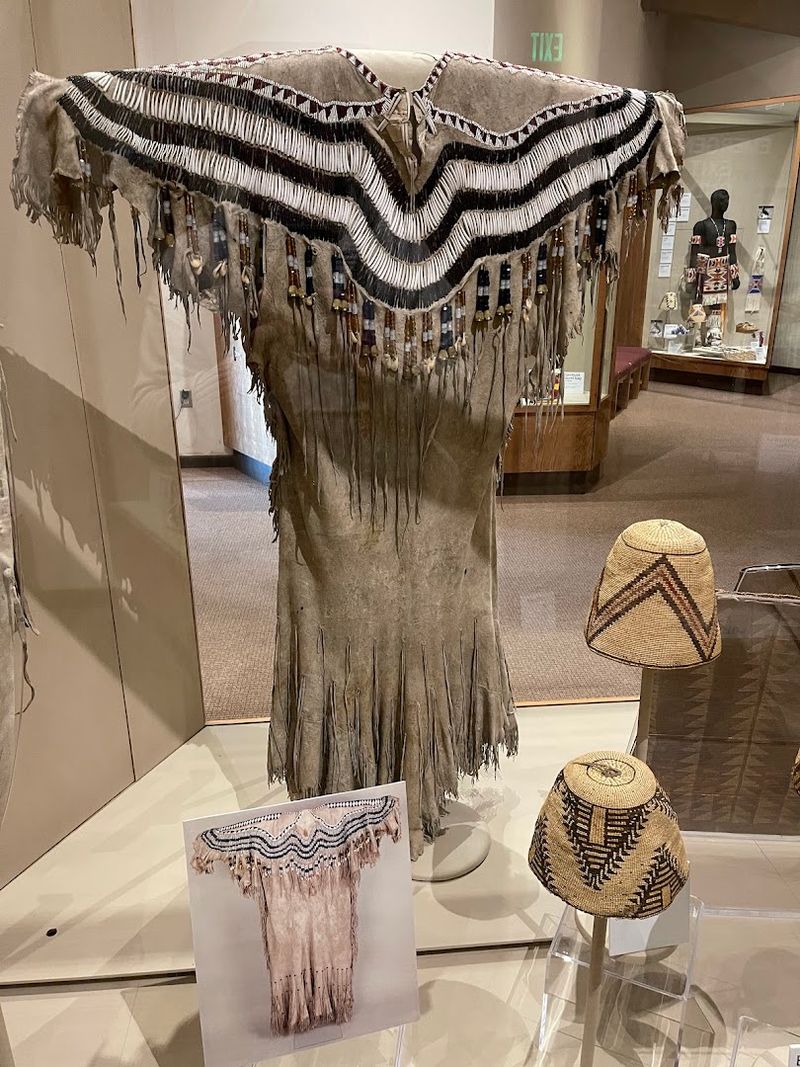
The main visitor center houses a thoughtful collection of Nez Perce artifacts, regalia, and historical records.
Exhibits move through pre-contact life, the fur trade era, treaty negotiations, and the dramatic events of 1877. Each section builds on the last, creating a coherent and deeply moving narrative.
Rangers are present and knowledgeable, often sharing details that no panel can fully capture. On July 4, the park operates on its standard schedule, open from 8:30 AM to 4 PM, with free admission as an NPS site.
That combination of access and depth is hard to beat.
The landscape surrounding the center adds context. Rolling hills and open sky frame the experience in a way that feels inseparable from the stories being told inside.
You leave with a fuller picture of what this land has witnessed.
The park is located at 39063 US-95 in Lapwai, a straightforward drive through the Clearwater region. For families with older children, this is especially worthwhile.
The collections here do not simply inform, they quietly shift how you understand the American West.
3. Herrett Center For Arts And Science, Twin Falls
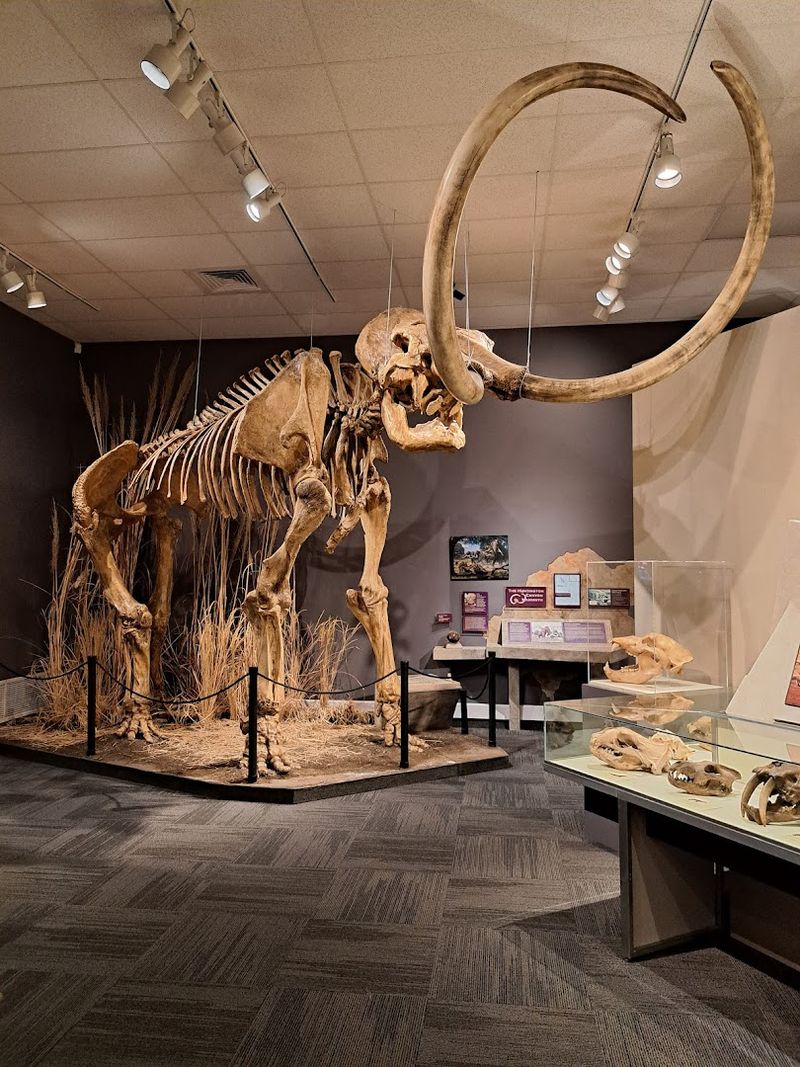
What if one building held ancient civilizations, living science, and a planetarium under a single roof?
That is essentially what the Herrett Center pulls off on the College of Southern Idaho campus. It is an unexpected combination that works remarkably well.
The anthropology collection is the centerpiece, featuring pre-Columbian artifacts from across the Americas. Textiles, ceramics, and ceremonial objects span thousands of years and dozens of cultures.
The curation is careful, and the context provided helps each object feel connected to a living tradition rather than a frozen past.
The science wing pivots toward geology and natural history, with fossil specimens and interactive displays that younger audiences find immediately engaging.
The planetarium runs regular shows and adds a dimension most museums simply cannot match. It transforms a daytime museum trip into something that reaches well beyond the building itself.
The atmosphere on campus is calm and unhurried. There are no crowds pushing you through.
You can take your time with each case and each panel without feeling rushed.
The center is at 315 Falls Ave in Twin Falls, and the phone number is 208-732-6655 if you want to confirm July 4 hours before making the trip.
Since the college observes federal holidays, calling ahead is strongly recommended. When it is open, this is one of the most well-rounded cultural stops in southern Idaho.
4. Idaho Military History Museum, Boise
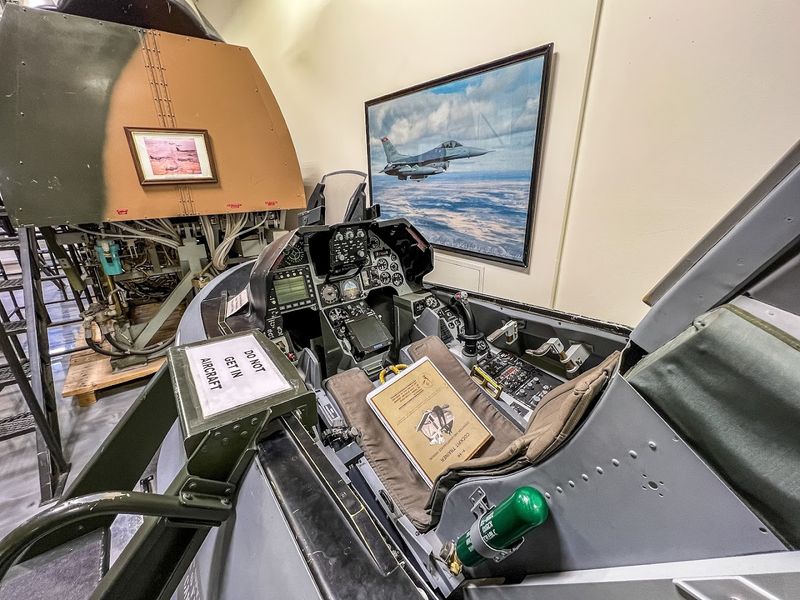
Trust the quiet corners, the overlooked pieces often linger longest.
That is especially true here, where a collection of uniforms, medals, weapons, and personal letters maps out Idaho’s long relationship with military service. The Idaho Military History Museum at Gowen Field in Boise holds more than a century of that history.
The exhibits are organized chronologically, moving from early territorial conflicts through both World Wars, Korea, Vietnam, and beyond.
Each era has its own character, and the personal artifacts, diaries, dog tags, photographs, give the displays a human weight that statistics alone cannot convey.
Aircraft and ground vehicles are displayed both inside and on the grounds. Seeing full-scale equipment up close changes your understanding of the scale of modern warfare.
The museum does an excellent job of honoring service without reducing complex history to simple heroics.
The building itself sits within an active air base, which adds an authentic edge to the whole experience. The sound of aircraft overhead is not unusual, and it reinforces the living nature of the institution.
The museum is at 4692 W Harvard St in Boise, on the Gowen Field property. Because it is a military-affiliated site, it typically closes on federal holidays, so confirming July 4 access with a quick call before heading out is the smart move.
5. McConnell Mansion, Moscow
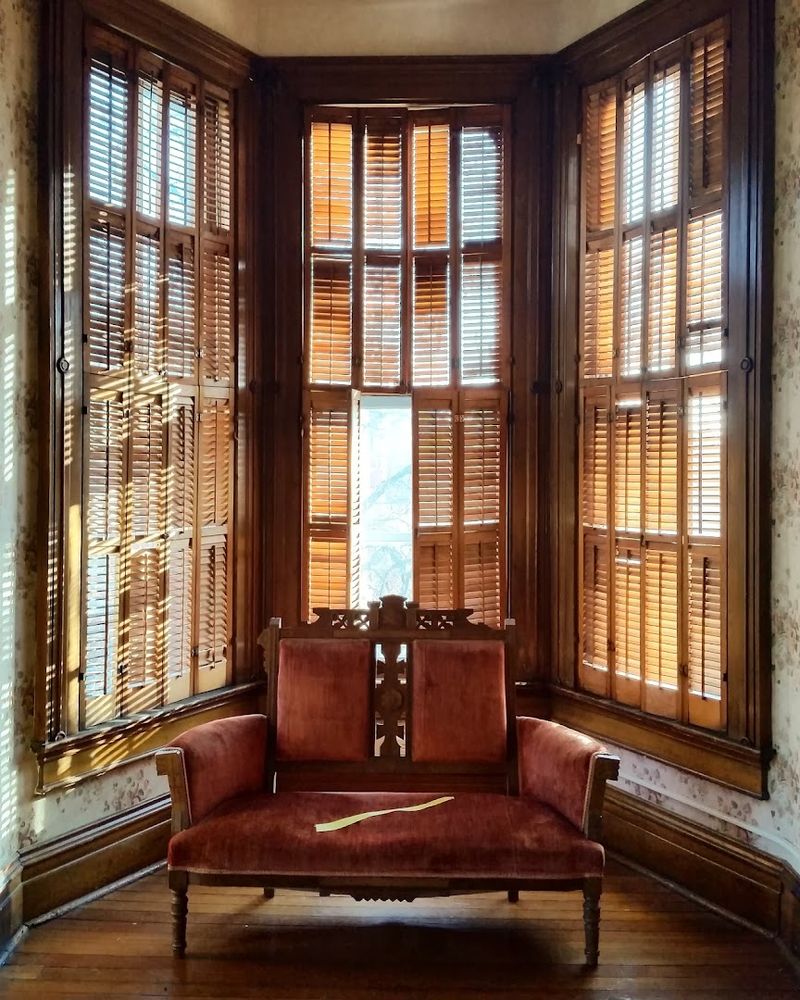
Not every museum needs a grand atrium to make an impression.
The McConnell Mansion in Moscow makes its case through elegance, detail, and a well-preserved slice of late Victorian domestic life.
Stepping inside feels like crossing a very specific threshold in time. Built in 1886, the house belonged to William J.McConnell, who later served as Idaho’s governor.
The Latah County Historical Society has maintained the property with care, filling rooms with period furniture, household objects, and interpretive material that traces the family’s story alongside the region’s development.
Each room has its own personality. The parlor, the kitchen, the bedrooms, all reflect the social codes and daily rhythms of the era.
The architectural details, carved woodwork, patterned wallpapers, original fixtures, reward close attention and make the space feel inhabited rather than simply preserved.
The surrounding neighborhood adds to the experience. Historic homes line nearby streets, and the whole area carries a sense of continuity that many towns have lost.
Walking the block before or after your time inside is worth doing.
The mansion is at 110 S Adams St in Moscow, and you can reach them at 208-882-1004. One important note: the mansion keeps limited hours: Tuesday through Friday and some Saturdays, 1 to 4 PM, so call ahead to confirm whether it will be open on July 4.
A call ahead will confirm any special holiday exceptions and save you a wasted trip.
6. Idaho Museum Of Mining And Geology, Boise
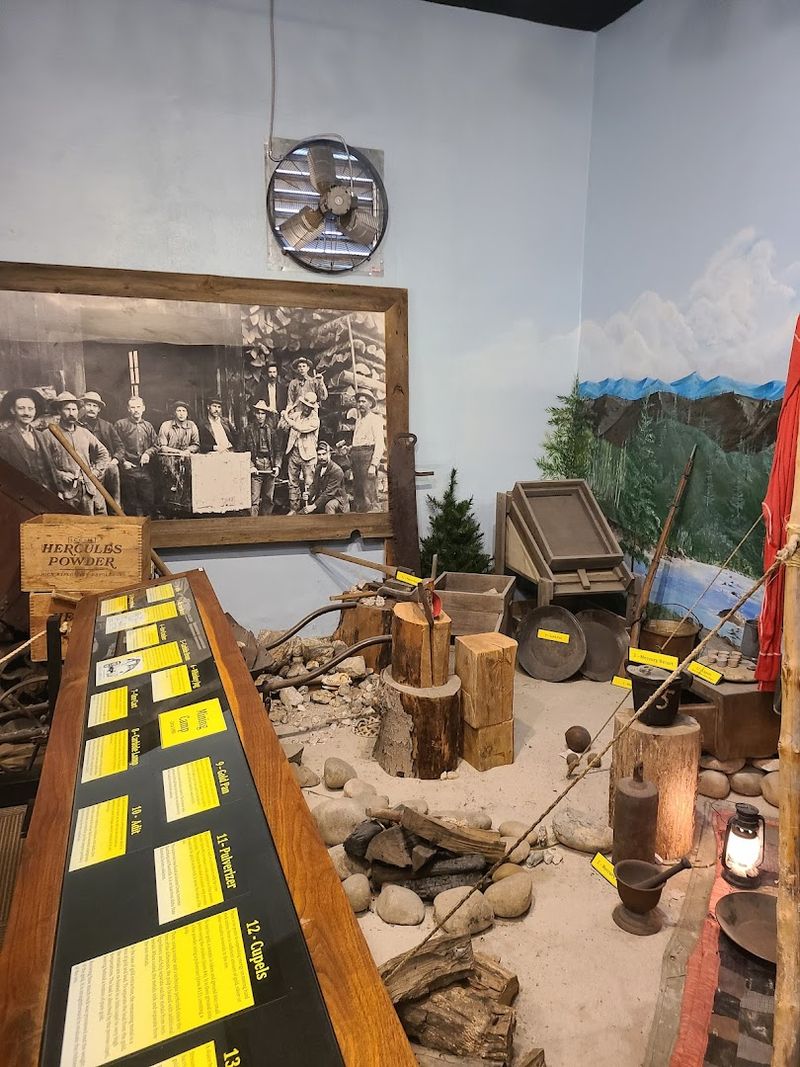
Ever stood in front of a mineral specimen and felt like the ground beneath you suddenly had a biography?
That is the quiet magic of the Idaho Museum of Mining and Geology, tucked along Old Penitentiary Road in Boise. It is a smaller operation, but what it lacks in size it compensates with specificity.
The geological collection covers Idaho’s remarkable mineral diversity. Specimens of garnet, opal, and phosphate sit alongside fossils and rock samples that document millions of years of geological activity.
Each label connects the object to a specific Idaho location, grounding the science in real terrain. The mining history section shifts the focus to human industry.
Tools, maps, photographs, and equipment from Idaho’s mining boom years fill the displays. It is a straightforward and honest account of the labor and risk that defined entire communities across the state.
The building itself has a utilitarian character that matches the subject matter. There is nothing flashy about the presentation, which actually works in its favor.
The objects speak clearly without competing with their surroundings.
You will find the museum at 2455 Old Penitentiary Rd in Boise, with regular Saturday hours running from noon to 5 PM. Since it is a volunteer-run institution, July 4 hours are not guaranteed.
Calling ahead before making the drive is strongly advised.
When the doors are open, it is a rewarding stop for geology enthusiasts and curious travelers alike.
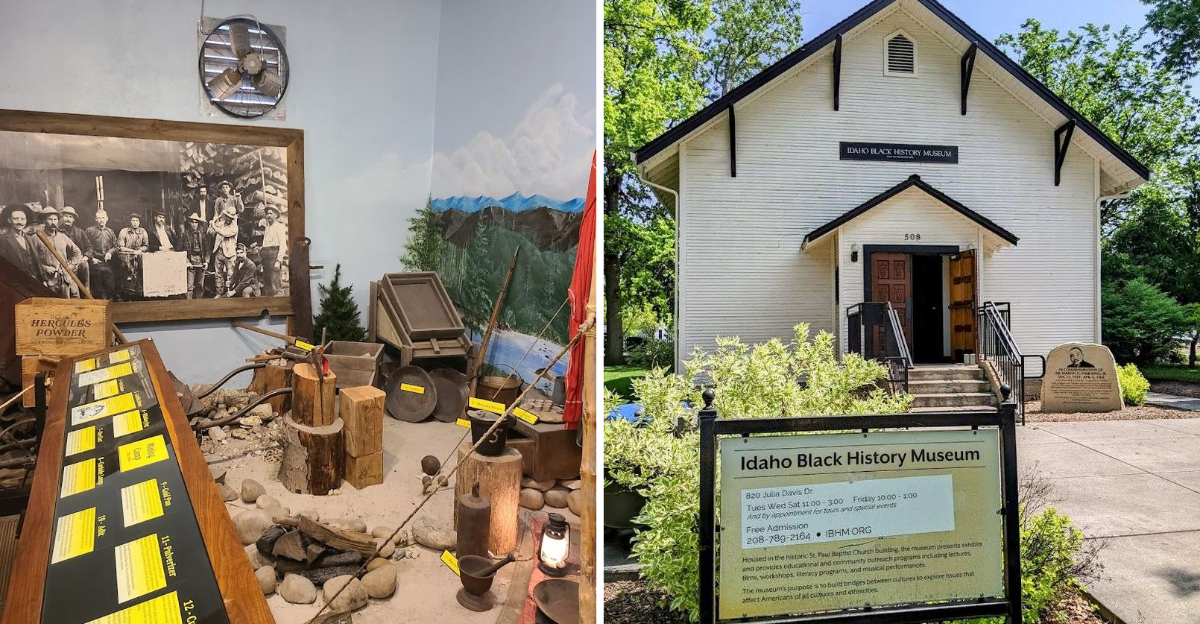
7. Idaho Black History Museum, Boise
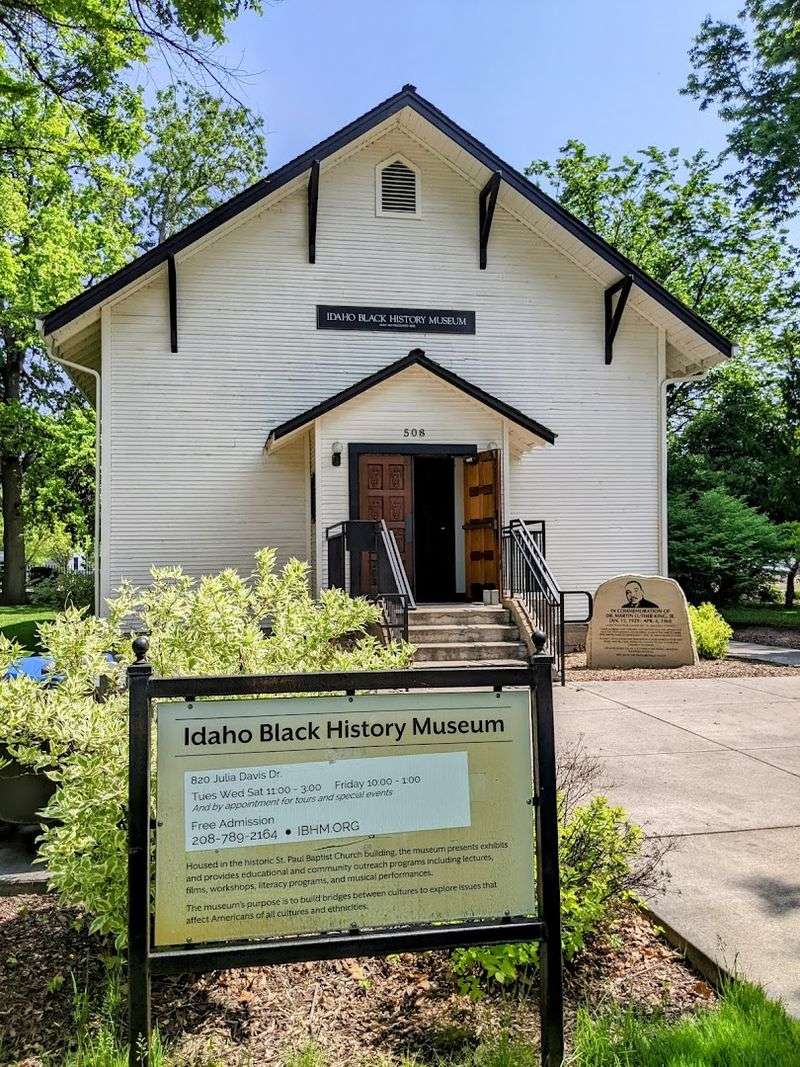
Some collections do more than preserve, they actively reclaim. The Idaho Black History Museum on Julia Davis Drive in Boise holds the stories of Black Idahoans whose contributions have too often been left out of the standard historical record.
Walking through it feels like a correction long overdue.
The exhibits trace African American presence in Idaho from the territorial period forward. Photographs, documents, personal belongings, and oral history recordings create a layered portrait of community, resilience, and achievement.
The curation is both scholarly and deeply personal.
What stands out is the specificity. These are not generalized narratives borrowed from national history.
They are Idaho stories, rooted in particular towns, families, and moments. That local focus gives the collection an intimacy that larger institutions often struggle to achieve.
The museum occupies a historically significant building within Julia Davis Park, placing it in a broader civic landscape. The park setting means you can extend your time outdoors before or after your time inside, especially pleasant on a summer holiday.
You can reach the museum at 508 Julia Davis Dr in Boise, and the contact number is 208-789-2164. Regular Saturday hours run from 10 AM to 2 PM, but July 4 availability is not guaranteed since the museum is a smaller, community-supported institution.
A quick call is the best way to confirm. It is a meaningful stop that deserves more attention than it typically receives.
8. Sun Valley Museum Of Art, Ketchum
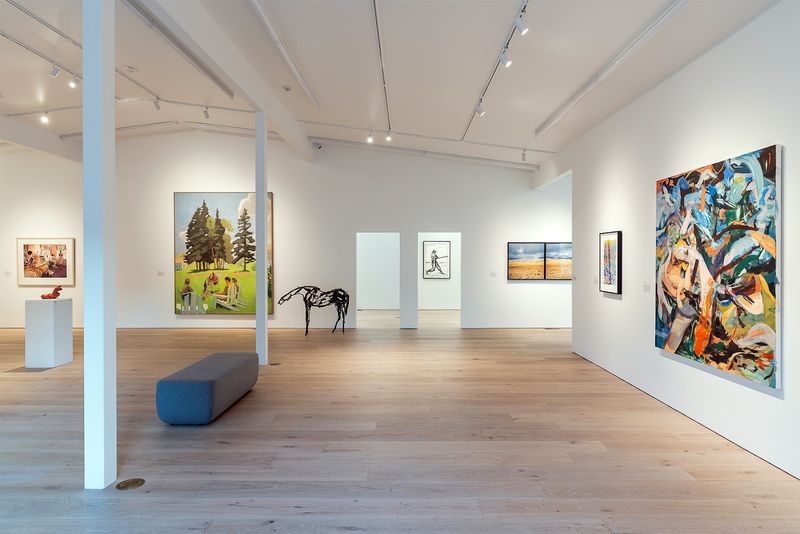
You do not need a degree in art history to connect with what the Sun Valley Museum of Art has assembled in Ketchum.
The work here is chosen with a clear eye, and the space around it is generous enough to let each piece breathe. It is the kind of contemporary art experience that earns repeat attention.
The museum rotates its exhibitions regularly, so the content shifts throughout the season. Painting, sculpture, photography, and mixed media all find their way into the program.
The curatorial approach leans toward work that engages with landscape, identity, and the American West, themes that resonate strongly in this part of Idaho.
The building itself is clean and well-proportioned. Natural light plays a significant role in how the work reads, and the staff has clearly thought about the relationship between architecture and art.
Moving through the galleries feels deliberate rather than accidental.
Programming extends beyond the walls. Artist talks, workshops, and community events run throughout the summer season, making the museum a hub rather than a passive repository.
That active calendar sets it apart from many comparable institutions.
The museum is located at 191 5th St E in Ketchum, and you can reach them at 208-726-9491. Standard Saturday hours run from 11 AM to 4 PM, but July 4 access should be confirmed in advance.
The surrounding area makes it easy to build a full afternoon around the experience.
9. Bird Aviation Museum And Invention Center, Hayden
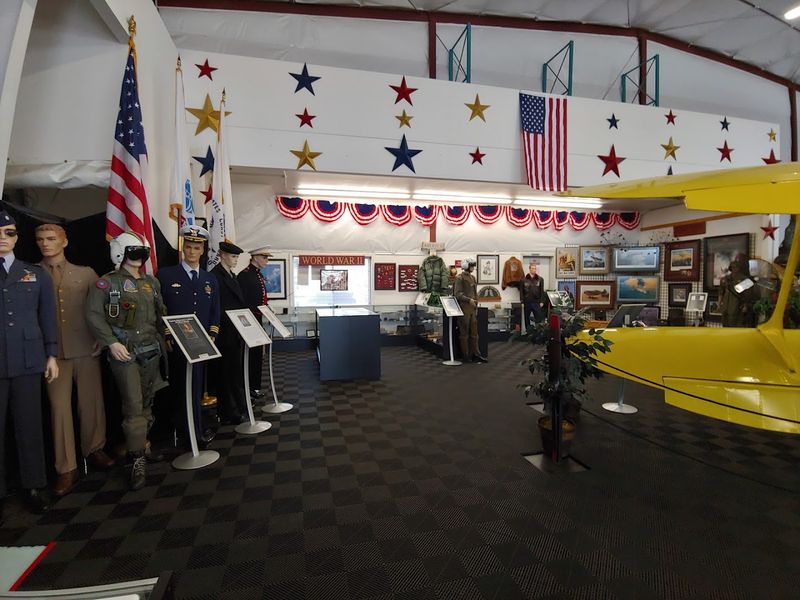
There is something about standing next to a full-scale aircraft that no photograph can replicate.
The Bird Aviation Museum and Invention Center in Hayden brings that feeling to life across an impressive collection of restored planes, aviation artifacts, and invention-focused exhibits. It is the kind of stop that catches people off guard in the best possible way.
The aircraft collection spans multiple eras of flight. Biplanes, wartime trainers, and experimental designs share the floor in a way that maps the evolution of aviation with real hardware rather than scale models.
The restoration quality is high, and the machines look ready to fly.
The invention wing adds a separate thread to the experience. Displays highlight the creative process behind engineering breakthroughs, with interactive elements that work well for all ages.
It is a smart pairing with the aviation focus, since both celebrate the same fundamental impulse to solve problems in new ways.
The atmosphere inside is enthusiastic without being chaotic. There is enough space to move freely and take your time with each aircraft or display.
Groups with children tend to find it especially engaging, but solo travelers and adults get just as much out of it.
The museum sits at 2678 W Cessna Ave in Hayden, and the number to call is +12087588355. Regular Saturday hours run from 9 AM to 3 PM, and July 4 availability should be confirmed ahead of your trip.
It is a surprisingly rich stop in northern Idaho.