These 10 Idaho Small Towns Will Make You Forget What Year It Is
I pulled off the highway in Idaho with no real plan, just a vague idea that I would stretch my legs and move on.
A few hours later, I was still there, wandering past old storefronts, chatting with a barista who somehow knew everyone, and wondering why I felt no rush to leave.
That is the thing about Idaho’s small towns. They do not try to impress you, yet they quietly pull you in.
There is a certain ease to life here that feels almost unfamiliar at first.
The pace is slower, the conversations last longer, and the scenery makes it easy to forget whatever you thought was urgent.
These towns are not frozen in time, but they move at a rhythm that feels refreshingly untouched. Spend a little while in one, and you may find yourself staying longer than planned, without needing a reason why.
1. Stanley
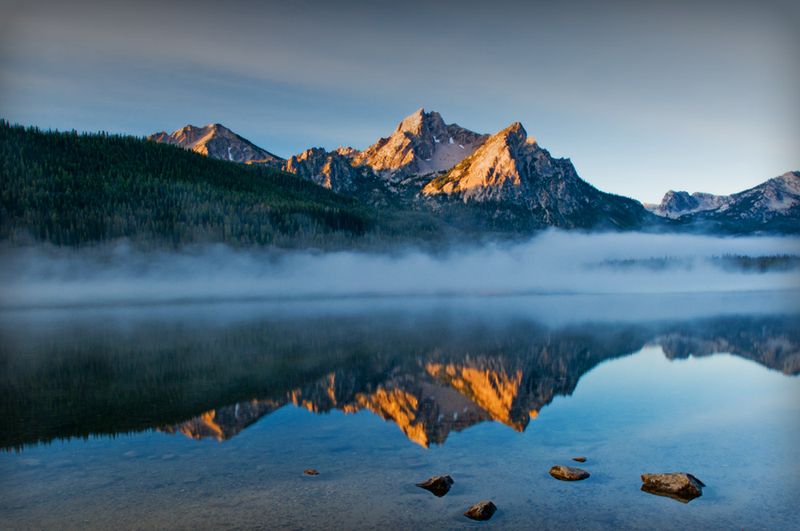
Stanley, Idaho sits at nearly 6,200 feet elevation, surrounded by the jagged Sawtooth Mountains, and somehow feels like the world forgot to modernize it. That is not a complaint.
The town has fewer than 100 permanent residents, which means the ratio of stunning scenery to people is almost unfair.
The Salmon River runs nearby, cold and clear, and on a still morning you can hear it from the main road. Stanley is one of those places where you look up constantly because the mountains demand your attention.
The sky feels bigger here, probably because nothing is blocking it.
Stargazing in Stanley is genuinely world-class. It sits inside one of the darkest sky corridors in the continental United States, so bring a blanket and look up after sunset.
The general store, the few local diners, and the unhurried pace of everything here will make your phone feel completely irrelevant. You will not miss it.
2. Wallace
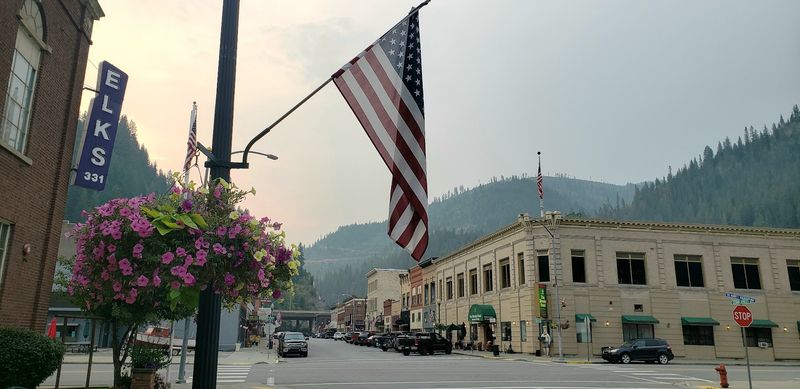
This is the only city in the United States where the entire downtown is listed on the National Register of Historic Places. Every single building.
That fact alone should make you want to visit, but Wallace earns it honestly.
Walking through Wallace feels like stepping into a well-preserved photograph from the early 1900s. The brick facades, the narrow streets, the old-fashioned signage.
None of it feels like a theme park recreation. It is simply how the town looks because nobody tore it down.
The Silver Valley mining history runs deep here, and the local museums do a fantastic job of telling that story without making it feel like a school assignment.
The Oasis Rooms museum is genuinely fascinating. Wallace also sits at the bottom of a canyon, which gives it this cozy, enclosed feeling that makes the whole town feel like a secret.
The surrounding mountains are gorgeous in every season. Come in fall and the colors will stop you mid-sentence.
Honestly, Wallace might be the most underrated town in the entire Pacific Northwest, and I say that with full confidence.
3. Idaho City
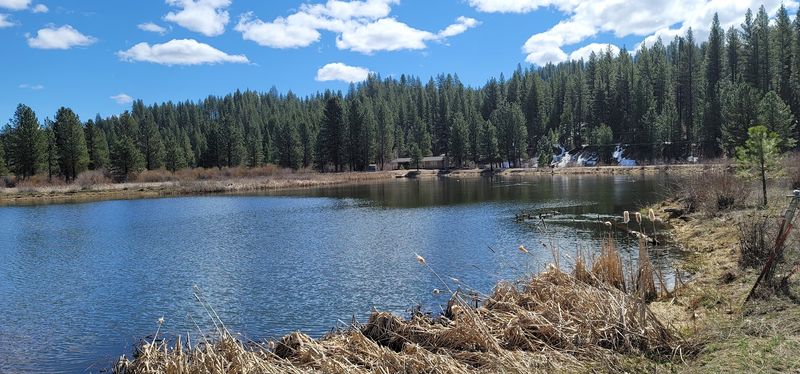
During the 1860s gold rush, Idaho City was the largest city in the Pacific Northwest. Larger than Portland.
That fact hits differently when you are standing on its quiet main street today, listening to absolutely nothing.
The wooden boardwalks are still there. The historic buildings are still standing.
The Boot Hill Cemetery on the edge of town tells stories that no tour guide could match. Idaho City does not try to recreate history.
It simply kept it.
About 35 miles from Boise, this town is close enough for a day trip but feels worlds away from city life.
The Boise National Forest wraps around it on all sides, making every approach to town feel like a scene from an old western film.
Hot springs dot the surrounding area, and locals know exactly which ones are worth the drive. The Idaho City Hotel, one of the oldest operating hotels in the state, is charming in the most genuine way.
If you are someone who appreciates the feeling of standing somewhere history actually happened, Idaho City will deliver that without any artificial polish. Just show up and pay attention.
4. Sandpoint
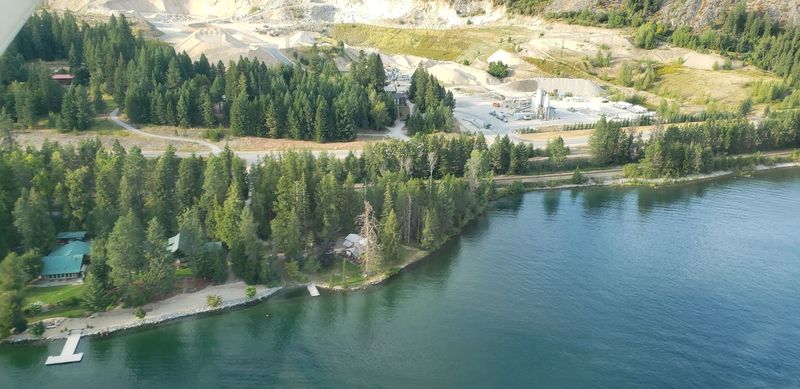
Lake Pend Oreille is one of the deepest lakes in the United States, and Sandpoint sits right on its edge like it knows exactly how lucky it is.
The Long Bridge stretches across the water and gives you a view that genuinely stops conversation mid-sentence.
Sandpoint has a lively arts community, independent bookstores, and a farmers market that locals actually use rather than just photograph.
The downtown is walkable, the coffee is good, and Schweitzer Mountain Resort is just eleven miles away if you want to add some elevation to your trip.
What makes Sandpoint feel timeless is the combination of natural beauty and genuine local culture. This is not a town performing for tourists.
People actually live here year-round, and it shows in the best possible way. The Cedar Street Bridge Public Market is a quirky little indoor market built on an actual bridge over Sand Creek.
Unique does not even begin to cover it. Whether you spend a morning kayaking on the lake or an afternoon browsing local galleries, Sandpoint has a rhythm that slows you down in the most welcome way.
Come once and you will immediately start planning a return trip.
5. Salmon
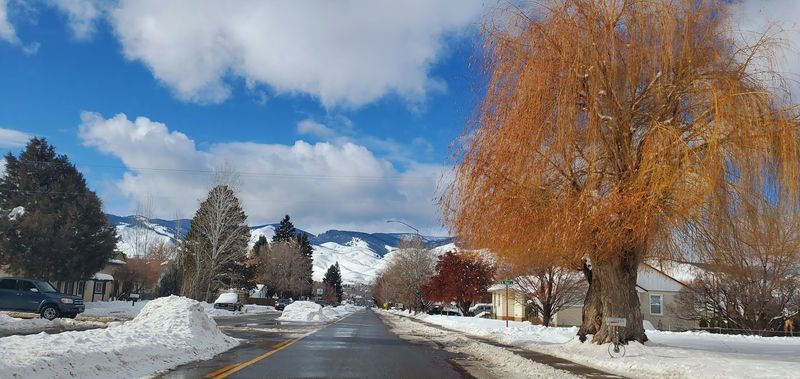
Salmon calls itself the birthplace of Sacagawea, the Shoshone woman who guided the Lewis and Clark Expedition. Whether or not you knew that before arriving, it adds real weight to the landscape around you.
These mountains and rivers meant something long before any town existed here.
The Salmon River, nicknamed the River of No Return, runs right through town. Rafting season brings energy and visitors, but even outside of peak season, the river dominates the mood of the place in the best way.
Everything here feels oriented around water and mountains.
Main Street Salmon has that rare quality of being genuinely functional rather than decorative. Real hardware stores, real diners, real people who nod at you when you pass.
The Lemhi Valley stretches out in every direction, and the views from almost anywhere in town are the kind that make you question why you live somewhere with traffic.
The Sacagawea Interpretive, Cultural and Educational Center is worth a full morning of your time. It tells a story most people only know in fragments.
Salmon rewards slow travel.
The less you rush, the more the town reveals itself to you.
6. Driggs
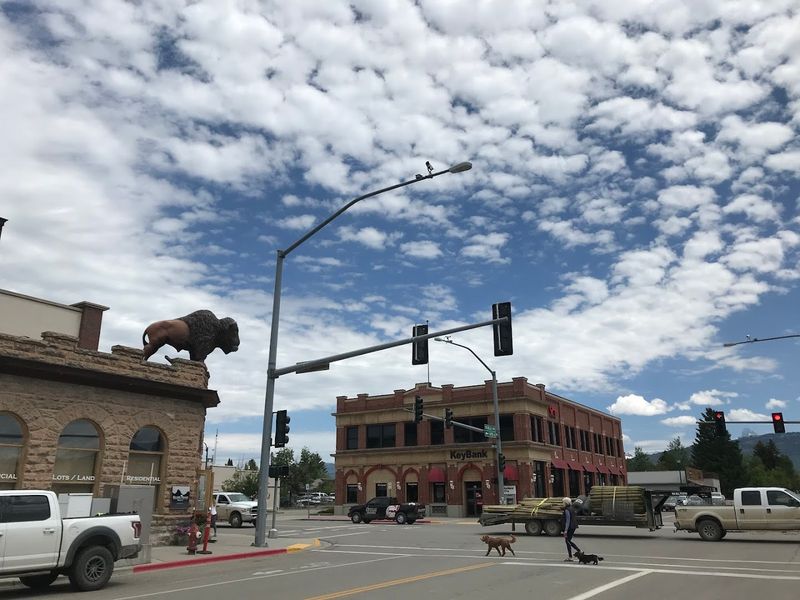
Most people cross into Wyoming to see the Tetons. Driggs sits on the Idaho side of those same mountains and offers the exact same view with considerably fewer crowds and lower prices.
That is a trade most people do not know they can make.
The town has a genuine ranching and farming identity that predates any tourism. Local feed stores sit next to espresso shops and outdoor gear outfitters, and somehow it all works.
Driggs feels like a place still figuring out what it wants to be, and that energy is refreshing.
Grand Targhee Resort is just twelve miles up the road and gets some of the deepest powder snowfall in the region.
In summer, the wildflower meadows on the way up are worth the drive even if you never get on a lift. Driggs itself has a small but excellent food scene anchored by local ingredients and outdoor culture.
The Teton Valley Farmers Market runs through the summer and draws producers from across the region.
Sitting in Driggs on a clear morning with the Tetons right there in front of you, sharp and enormous, is one of those experiences that makes you feel genuinely lucky to be where you are.
7. Ketchum
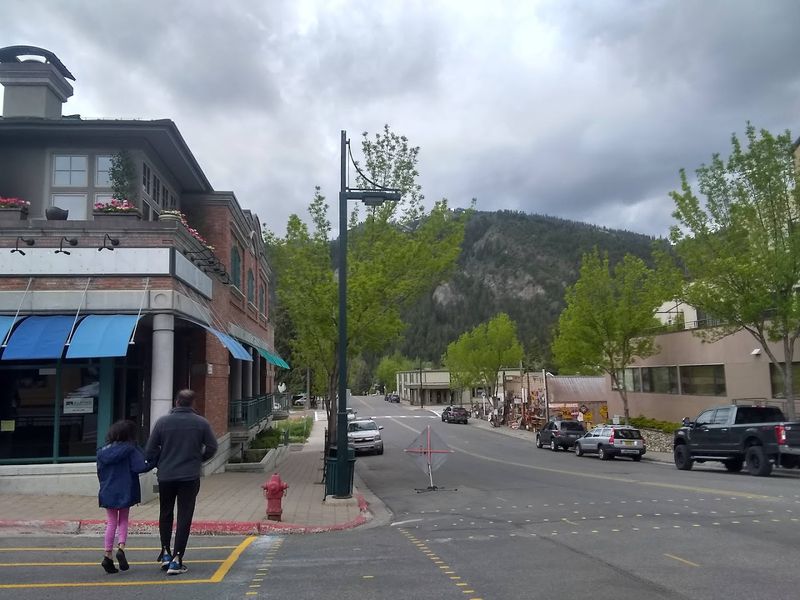
Ernest Hemingway loved Ketchum so much he made it his home and eventually his final resting place. His grave is still here, simple and quiet, in a small cemetery just outside of town.
That detail alone tells you something about the kind of place this is.
Sun Valley Resort put Ketchum on the map as a ski destination, but the town has never let that define it entirely.
The arts scene is serious, the restaurants are excellent, and the hiking trails above town offer views that rival anything in the state. Bald Mountain looms over everything and looks different every single hour of the day.
Ketchum has money in it, no question, but it wears that lightly. You can spend a fortune here or spend very little and still have a great time.
The Wood River Trail System connects Ketchum to neighboring Hailey and Bellevue along a paved path that follows the river through open valley land. It is one of the most pleasant bike rides in Idaho.
The farmers market, the summer symphony performances, and the general culture of outdoor activity give Ketchum a vitality that feels earned rather than manufactured. It is a town that takes its setting seriously.
8. Bonners Ferry
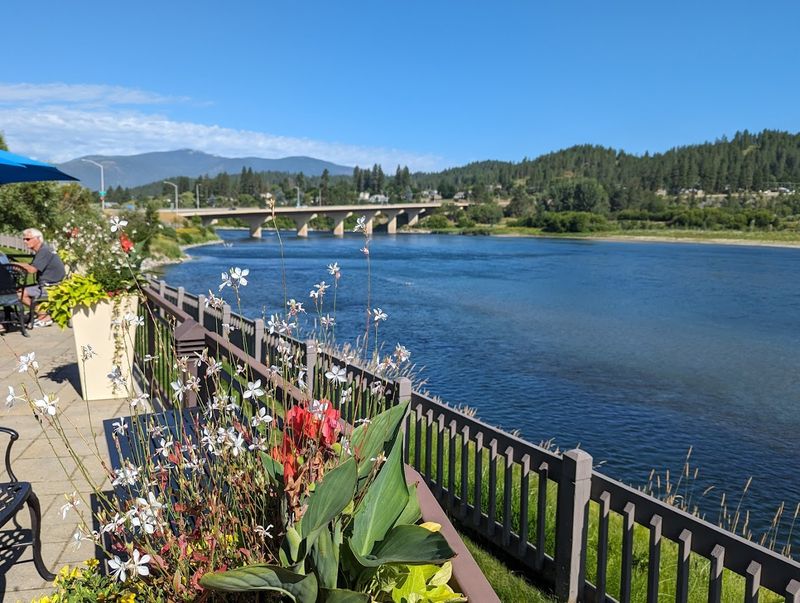
Bonners Ferry is so far north that Canada is literally just a few miles away. The Kootenai River curves through the valley like it owns the place, which honestly, it kind of does.
Everything here is oriented around that river and the mountains pressing in from all sides.
The town has a long history tied to the Kootenai Tribe, and the Kootenai Tribe of Idaho still has a reservation nearby.
The tribe operates a hatchery that helps restore native sturgeon to the river, some of the largest freshwater fish in North America. That effort alone is worth knowing about.
Bonners Ferry has the quiet confidence of a place that does not need your approval. The downtown is small but functional, with local diners and shops that cater to real residents first.
The surrounding Selkirk Mountains are home to woodland caribou, one of the rarest large mammals in the lower 48 states. Driving the back roads here feels like genuinely leaving the modern world behind.
The Moyie River Canyon, just outside of town, has a bridge overlook that will make your stomach drop in the best way. Bonners Ferry rewards curiosity and punishes rushing.
9. Weiser
Every June, Weiser transforms into the fiddle music capital of the world, at least for one week.
The National Oldtime Fiddlers Contest has been held here since 1953, drawing competitors and fans from across the country.
Outside of that week, the town returns to its quiet self, which is equally worth experiencing.
Weiser sits in the Snake River Valley near the Oregon border, surrounded by agricultural land that stretches in every direction.
The pace here is genuinely slow, and the people are the kind of friendly that feels unperformed. You get the sense that not much has changed in decades, and locals would largely prefer to keep it that way.
The Weiser City Park is a lovely spot to spend a morning, and the historic Carnegie Library building downtown is beautiful in that straightforward, practical way that old public buildings often are.
The surrounding area has excellent hunting and fishing, and the Snake River offers accessible outdoor recreation without the crowds you find elsewhere.
Weiser is the kind of town that rewards you for showing up without expectations. It will not dazzle you immediately, but by the time you leave you will find yourself already thinking about coming back.
10. St. Maries
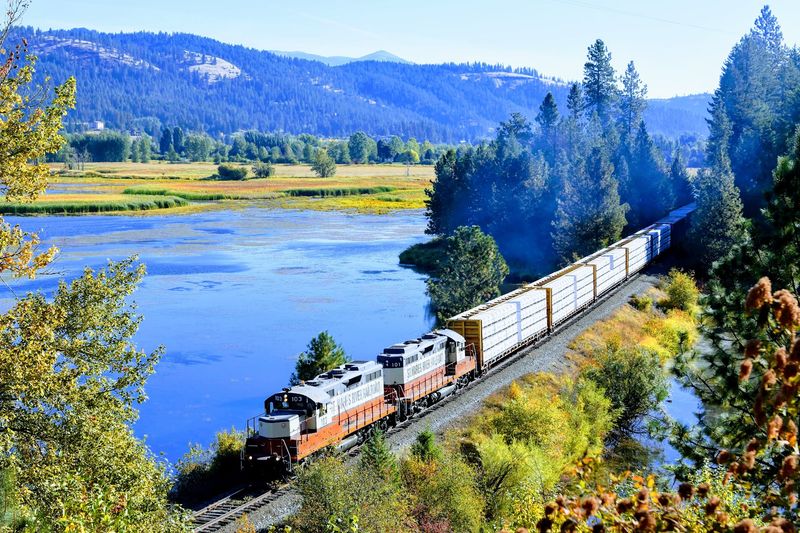
St. Maries sits at the confluence of two rivers, the St. Maries and the St. Joe, and that geography gives the town a character that feels carved by water rather than planned by committee.
The St. Joe River is known as the highest navigable river in the world, a fact that locals mention with quiet pride.
The Hiawatha Trail, one of the most celebrated rail-trail conversions in the country, starts just outside of town.
The trail runs through old railroad tunnels and across sky-high trestles through the Bitterroot Mountains. It is the kind of ride that makes non-cyclists become cyclists.
The surrounding Palouse country adds an agricultural texture to the landscape that shifts with the seasons in dramatic fashion.
St. Maries has a genuine logging and railroad history that shaped everything about its layout and personality.
The downtown is small but has a warmth to it, with local businesses that feel like they have been there forever, because many of them have.
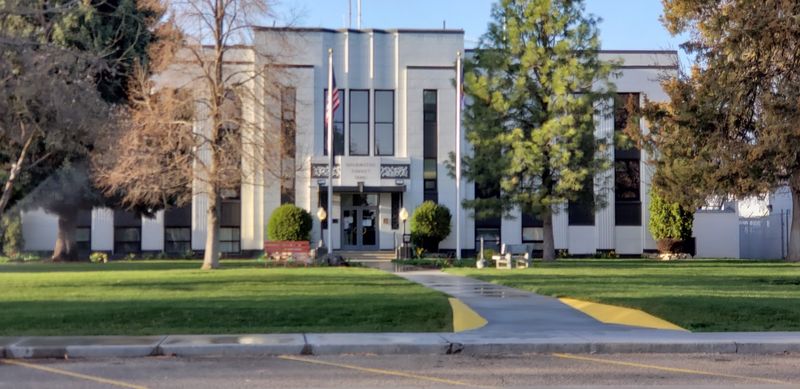
The Benewah County Courthouse is a handsome old building that anchors the town visually. Fall is particularly spectacular here, when the surrounding forests turn and the rivers reflect the color back at you.
St. Maries is a town best appreciated slowly, on foot, without a particular agenda.