These 9 Incredible Idaho Hikes Only Get Better And More Beautiful With Every Step
Some hikes save their finest views for the very last stretch of trail. Idaho has multiple that follow exactly that pattern on every route here.
Each one builds on the last mile and the views accumulate without stopping. Switchbacks, ridgelines, and clearings all add up to something worth the full effort.
I know that tired feeling at mile four that completely shifts at the summit. Right up there, looking back at the distance, everything about the hike clicks.
These trails know that reward should grow alongside the effort you invest. Bring water, start early, and trust that every uphill push leads somewhere worthwhile.
Idaho hiking does not peak early, and these trails prove that beautifully.
1. Alice Lake, Toxaway Loop
I must admit, nothing quite prepared me for what waited at the end of that first long climb.
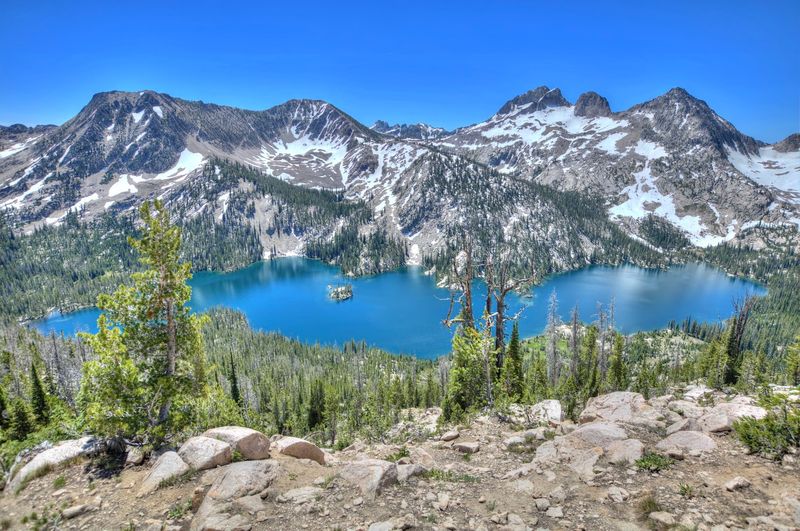
The Alice Lake and Toxaway Loop sits inside the Sawtooth Wilderness, central Idaho.
The full loop runs around 20 to 30 miles. You pass through a chain of stunning alpine lakes, each one more dramatic than the last. Alice Lake alone is worth every uphill step.
Granite spires rise sharply around the basin. The water stays a surreal shade of blue-green all summer long. Camping near the lakeshore means falling asleep under a sky packed with stars.
Toxaway Lake adds another layer of beauty mid-loop. The terrain shifts between meadows, rocky ridgelines, and dense pine forest. You never feel like you are seeing the same landscape twice.
Late July through early September is the sweet spot for this hike. Snow can linger on higher passes well into summer. Always check trail conditions before heading out.
Wildlife sightings are common here. Mule deer, pikas, and even the occasional black bear roam the area. Keep your food stored properly and stay alert on the trail.
Permits are required for overnight stays in the Sawtooth Wilderness. Trailhead access runs through the Iron Creek Trailhead near Stanley. Plan ahead and book your permit early for summer weekends.
2. Sawtooth Lake
Who would have thought a single-day hike could deliver views this jaw-dropping?
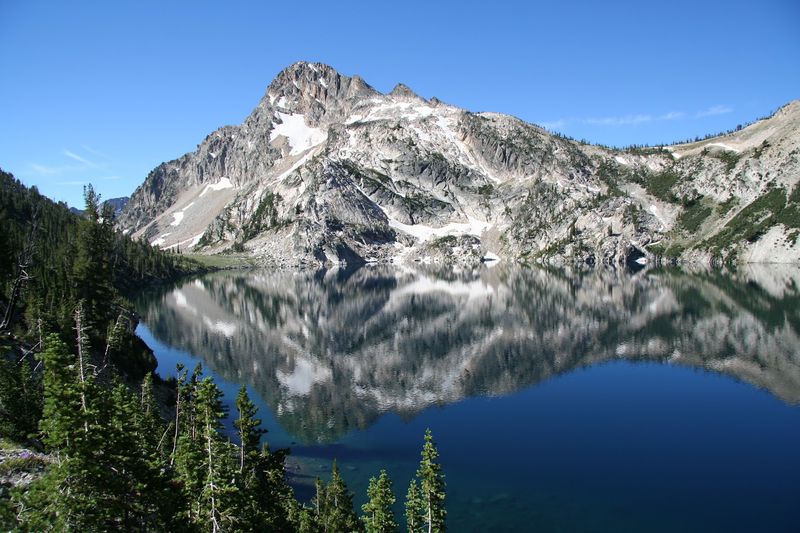
Sawtooth Lake sits near Stanley, deep in the heart of the Sawtooth National Recreation Area. It is the largest natural alpine lake in the entire Sawtooth Range.
The trail covers about 10 miles round trip. Elevation gain reaches roughly 1,700 feet from the trailhead. That climb, though steady, pays off in a big way at the top.
Mount Regan towers above the lake at over 10,000 feet. Its rocky reflection shimmers across the surface on calm mornings.
Arriving early means you get that mirror-perfect view before the afternoon breeze kicks in.
The trail begins at the Iron Creek Trailhead outside Stanley. It winds through forest before opening into wide alpine meadows. Wildflowers carpet the hillsides from mid-July onward.
Swimming in Sawtooth Lake is genuinely refreshing. The water runs cold even in August, but brave souls take the plunge regularly. Bring a towel and your sense of adventure.
Photographers love this lake for its golden hour light. The surrounding granite catches warm tones at both sunrise and sunset.
Dogs are welcome on the trail but must be leashed near the lake. Pack out all waste and follow Leave No Trace principles.
3. Borah Peak
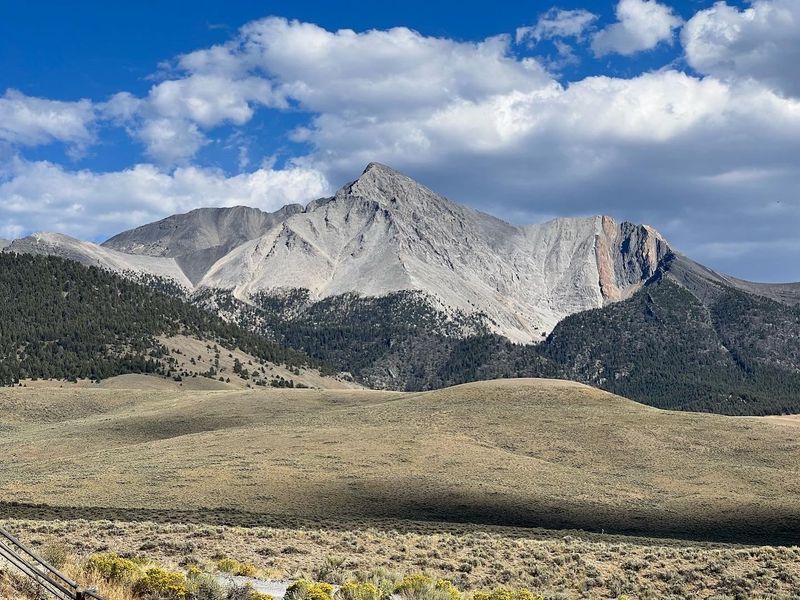
Can you believe Idaho has a mountain that tops out above 12,000 feet?
Borah Peak near Mackay is the highest point in the state at 12,662 feet. Climbing it is a serious undertaking, but the summit is unlike anything else in Idaho.
The round trip covers about 7 miles. Do not let that mileage fool you, the elevation gain hits around 5,500 feet.
This is a physically demanding and technically challenging route. One section called Chicken Out Ridge requires basic scrambling skills. Exposure on both sides of the ridge is real.
Turning back at that point is always a valid and smart choice. Starting before sunrise is strongly recommended. Afternoon thunderstorms build quickly over the summit.
Getting above the treeline and back down before noon keeps you much safer. The views from the top stretch across the Lost River Range.
You can see mountain ridges rolling endlessly in every direction. On a clear day, the panorama feels absolutely boundless.
Wildlife near the trailhead includes marmots and golden eagles. The high alpine environment feels raw and untouched. Very few crowds make it all the way to the summit.
The trail is open from mid-July through early October in most years. Snow and ice can appear on the upper ridge even in August.
4. City Of Rocks
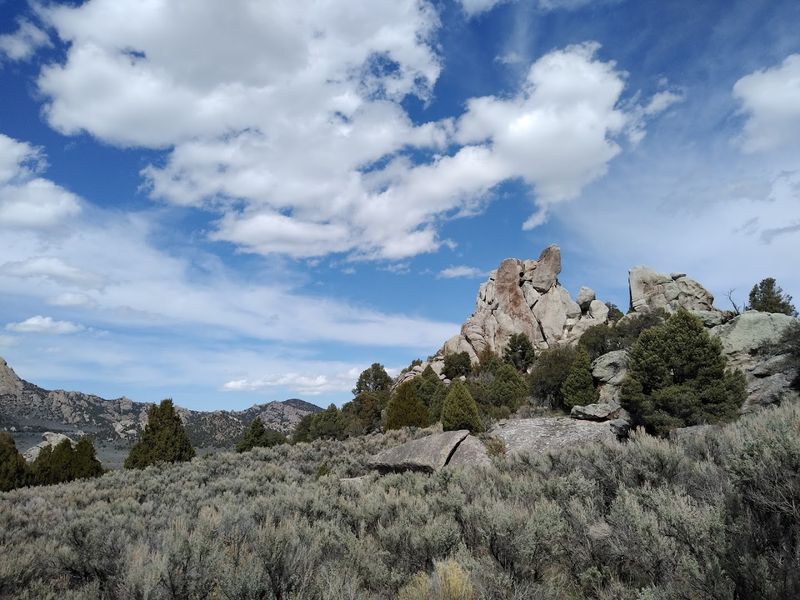
Believe me, the first time you see those towering granite formations, you will stop walking just to stare.
City of Rocks National Reserve sits near Almo, in south-central Idaho. The landscape looks like something assembled by a sculptor with very grand ambitions.
Hiking options range from short walks to longer scrambles. The Camp Rock Loop and Window Arch Trail are great starting points. Each path reveals new angles on the surreal rock shapes.
Rock climbers from around the country come here specifically for the granite. Over 600 climbing routes have been established in the reserve. Even non-climbers enjoy watching the action from the trails below.
Oregon Trail emigrants camped here in the 1800s. You can still see their names written in axle grease on some rocks. That layer of history adds real weight to every step you take.
The reserve sits at around 5,000 to 8,000 feet in elevation. Temperatures stay cooler than the surrounding desert, especially in the morning. Spring and fall offer the most comfortable hiking conditions.
Camping inside the reserve is available and highly recommended for stargazing. The dark skies here are exceptional.
5. Goldbug Hot Springs
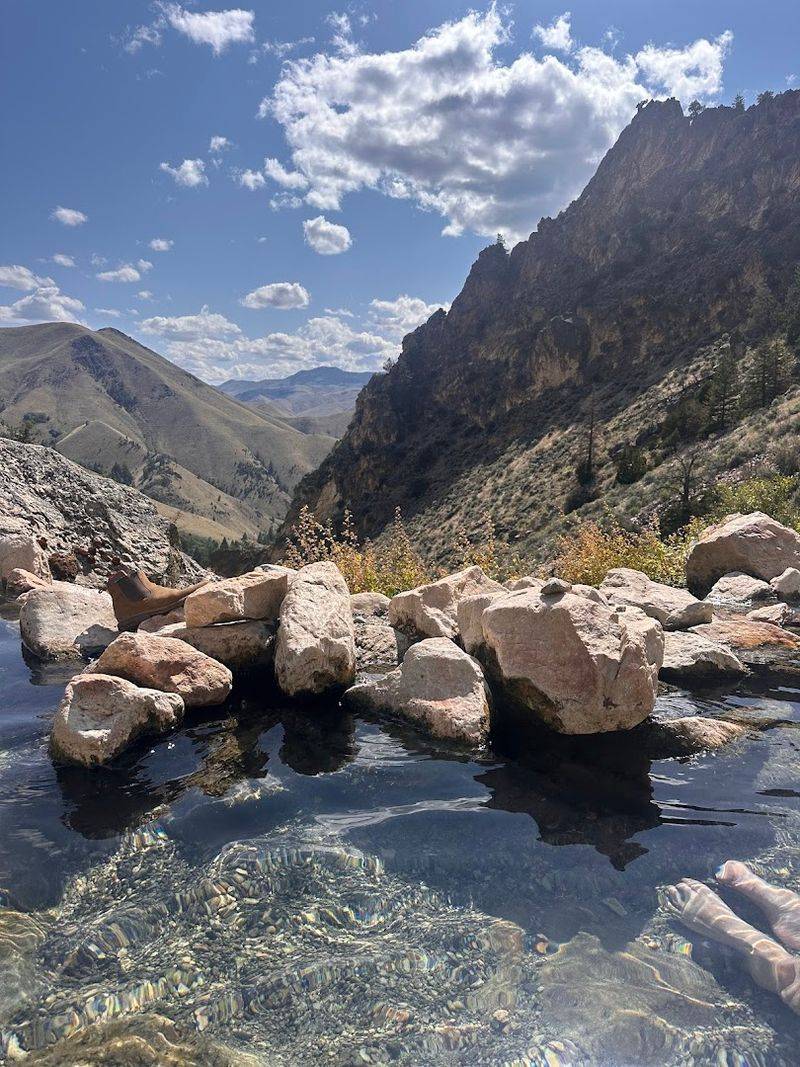
I know, the idea of hiking to a hot spring sounds almost too good to be true.
Goldbug Hot Springs near Salmon delivers exactly that combination of trail effort and natural reward. The hike itself is short but steep, and the payoff is spectacular.
The round trip runs about 4 miles. Elevation gain sits around 1,500 feet over a relatively short distance. Most hikers complete the trip in two to three hours total.
The springs cascade down a rocky hillside in tiered pools. Each pool varies slightly in temperature, so you can find your perfect soak. The water flows clean and clear from geothermal sources deep underground.
Cottonwood Creek runs alongside the lower trail. The sound of rushing water keeps you company on the climb up. Wildflowers bloom along the creek banks from late spring through summer.
The trail surface is rocky and uneven in places. Sturdy footwear with ankle support is a smart choice here. Trekking poles help on the steeper descent sections.
The springs are popular on weekends, especially in summer. Arriving early in the morning gives you a much quieter experience. Weekday visits in shoulder season are the most peaceful of all.
No permit is required to use the springs. Pack in everything you need, including water, since there are no facilities at the trailhead.
6. Stevens Lake
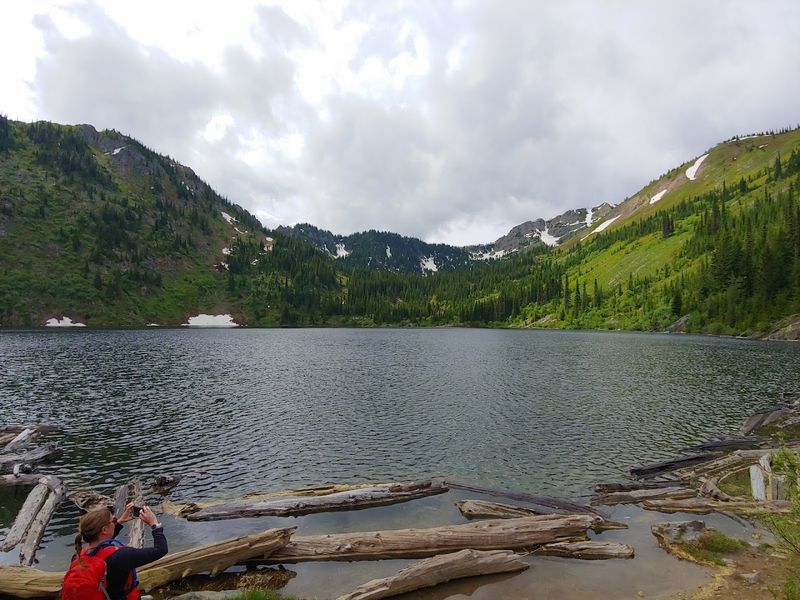
You might not believe me, but this lake took my breath away more than trails twice its length.
Stevens Lake rests inside Boise National Forest, central Idaho, and it sits at an elevation that keeps the crowds thin. The hike rewards patience and a willingness to go a little off the beaten path.
The trail runs about 7 miles round trip from the trailhead. Elevation gain reaches roughly 1,800 feet on the way up.
The terrain is a mix of forested switchbacks and open rocky slopes. The lake itself sits in a glacially carved basin. Surrounding peaks frame the water on nearly every side.
Reflections in the early morning light are absolutely stunning. Fishing is a popular reason to make this trip. Brook trout populate the lake and are known to be active in summer.
Pack a rod and a valid Idaho fishing license if that sounds appealing. Wildflowers dominate the meadows near the lake in July. Paintbrush, lupine, and columbine color the hillsides.
The contrast against the granite backdrop makes for excellent photography. Wildlife in the area includes black bears, elk, and mountain goats. Keeping noise levels moderate and food secured is always the right approach.
A bear canister or bear bag is strongly recommended for overnight trips.
The trail is best accessed via the Boise National Forest road system. Always verify road conditions before driving up, since some forest roads close seasonally.
7. Chimney Rock
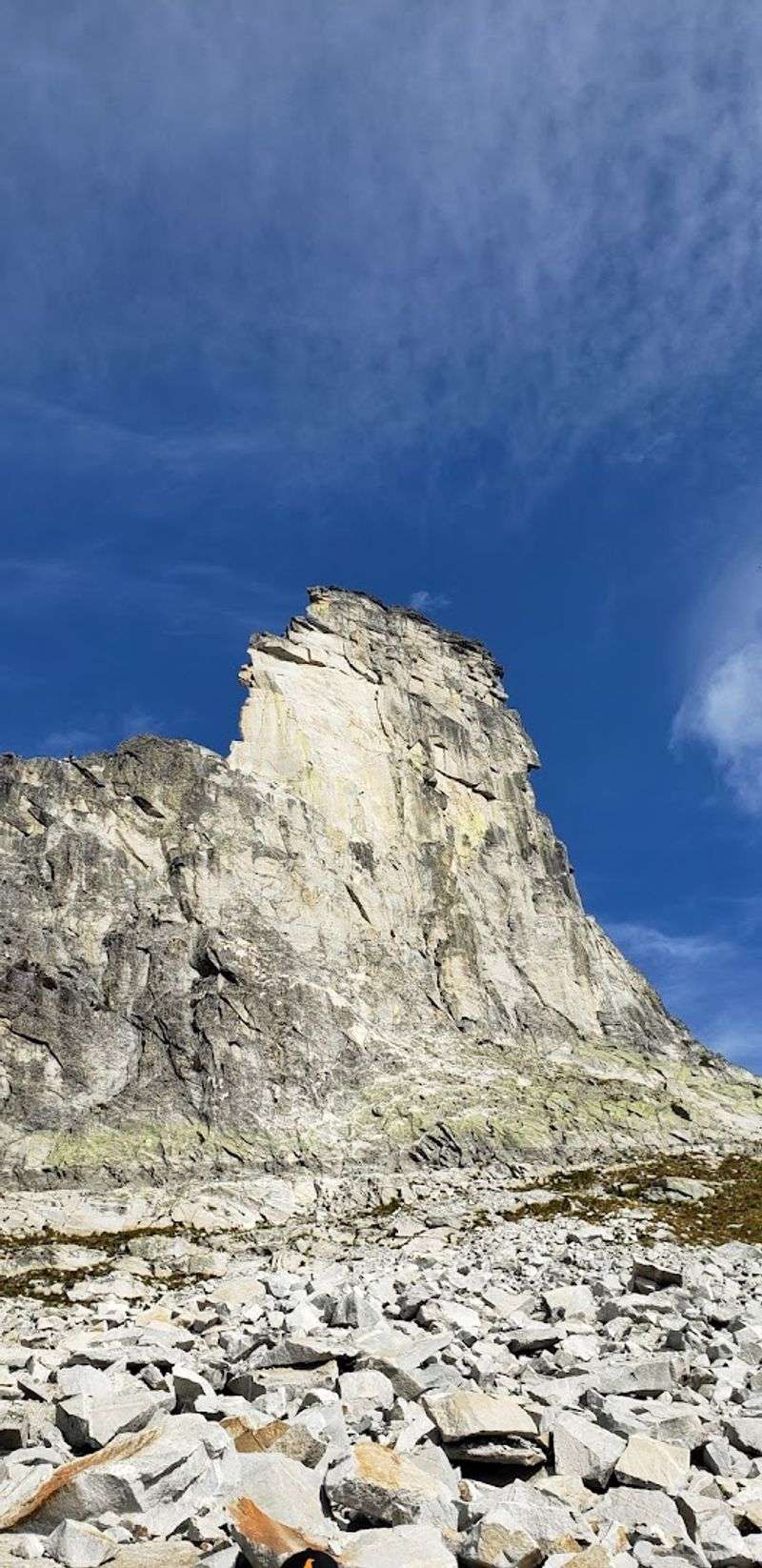
Trust me, the moment you crest that final ridge and see Lake Pend Oreille spread out below, you will understand why this hike earns so much loyalty.
Chimney Rock sits in the Selkirk Mountains near Sandpoint. The summit offers one of the most breathtaking lake-and-mountain panoramas in the northern part of the state.
The round trip distance runs about 7 miles. Total elevation gain is roughly 2,400 feet from the trailhead. The climb is consistent and never truly lets up until the top.
The trail passes through dense cedar and hemlock forest. Shafts of light filter through the canopy on sunny mornings. That forest section feels cool and shaded even in midsummer heat.
The final push to the rock formation involves some scrambling. Hands and feet both come into play near the summit. The exposure is manageable for most hikers with a steady head for heights.
Lake Pend Oreille is one of the deepest lakes in the United States. Seeing it from this elevation adds a whole new layer of appreciation for its scale. The blue water stretches far beyond what you can see from the shore.
Fall is a particularly stunning season for this hike. Larch trees in the area turn golden yellow in October. The color contrast against the evergreens and lake below is unforgettable.
The trailhead is accessible from Schweitzer Mountain Road near Sandpoint. Parking is limited on busy weekends, so arriving early is always a smart strategy.
This summit earns every bit of the effort it asks for.
8. Schweitzer Nature Trail
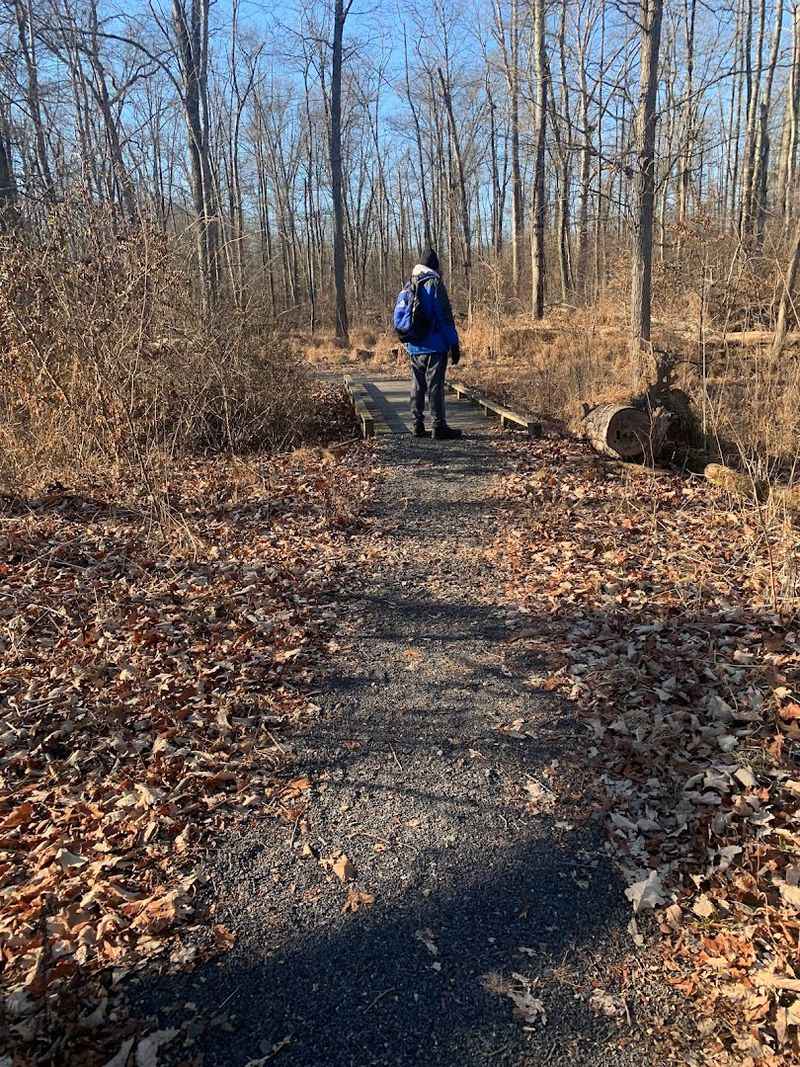
Doesn’t it seem like some of the best hikes are the ones nobody talks about loudly enough?
The Schweitzer Nature Trail near Sandpoint is exactly that kind of underrated treasure. It runs through the mountain resort property of Schweitzer Mountain and delivers forest views that feel genuinely restorative.
The trail system covers several miles of interconnected loops.
Most routes stay moderate in difficulty and suit a wide range of fitness levels. Families with younger kids find this network very manageable and fun.
The forest here is dominated by western red cedar and Douglas fir. The canopy creates a cool, shaded corridor even on warm summer days.
Birdsong fills the air consistently from spring through fall. Interpretive signs along the trail explain the local ecology.
You learn about tree species, wildlife habits, and the mountain’s natural history. It adds an educational layer that makes the walk feel purposeful.
Mountain views open up at several points along the upper sections. Lake Pend Oreille appears in the distance on clear days. Those glimpses of water through the trees are genuinely satisfying.
In winter, the trail system converts to groomed Nordic skiing and snowshoeing terrain. That seasonal flexibility makes Schweitzer a year-round outdoor destination. Summer hikers often have the trails almost entirely to themselves.
The Schweitzer Nature Trail is accessible from the Schweitzer Mountain Resort base area on Schweitzer Mountain Road. No special permit is needed for hiking.
Bring water, sunscreen, and an open mind for a slower, quieter kind of beautiful.
9. Ponderosa State Park Loop
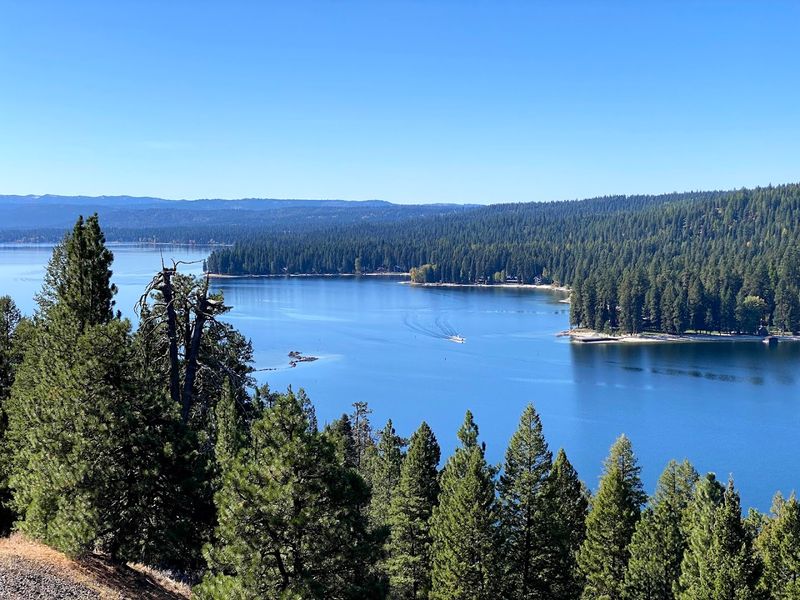
Would you ever think a state park trail could compete with Idaho’s most famous wilderness routes?
The Ponderosa State Park Loop near McCall quietly holds its own against much bigger names. Towering ponderosa pines and sparkling Payette Lake combine to create a hiking experience that is both calming and visually stunning.
The main loop runs about 3.5 miles through the park’s peninsula. Elevation change is minimal, making it one of the more accessible trails on this list.
The flat to rolling terrain suits hikers of nearly all experience levels. Ponderosa pines dominate the landscape here.
Some trees reach heights of over 150 feet and carry a distinctive vanilla-like scent in warm weather. Being among them feels like moving through a cathedral of bark and needles.
Payette Lake appears through the trees at multiple points along the loop. The water takes on deep blue and green tones depending on the light.
Benches along the shoreline sections invite you to slow down and absorb the view.
Wildlife in the park includes white-tailed deer, osprey, and bald eagles. The eagle sightings near the lake are especially memorable.
Binoculars are worth bringing along for the birding opportunities alone. Fall brings golden light filtering through the pine canopy.
The contrast between rust-colored needles and the lake’s blue surface is striking. McCall itself is a charming small town worth exploring after the hike.
Ponderosa State Park is located at 1920 Davis Avenue. A small day-use fee applies for entry. This loop proves that beauty does not always require a brutal climb to earn it.