These 14 Kentucky Birdwatching Destinations Feel Like Hidden Front-Row Seats To Nature
Birds don’t follow tourist maps. Kentucky’s birdwatching destinations reveal themselves to patient explorers only.
Misty river valleys shelter species most people never encounter. Rolling hardwood forests pulse with seasonal activity.
The Bluegrass State proves that exceptional wildlife watching requires no famous destinations. Painted buntings arrive in spectacular colors.
Wood thrush calls echo through dawn hours mysteriously. Every location brings something genuinely special to the experience.
Kentucky’s natural diversity rewards careful observation completely. Binoculars reveal detail impossible from distance.
Photography opportunities emerge constantly throughout exploration. Birdwatchers understand Kentucky better than most visitors.
Serious enthusiasts recognize the region as essential territory. Life lists expand naturally here.
Seasonal migrations transform familiar landscapes repeatedly. The entire experience delivers genuine restoration.
Pack your binoculars immediately. Lace up proper trail shoes.
Fourteen exceptional spots showcase where Kentucky birds truly steal the show completely.
1. Floracliff Nature Sanctuary
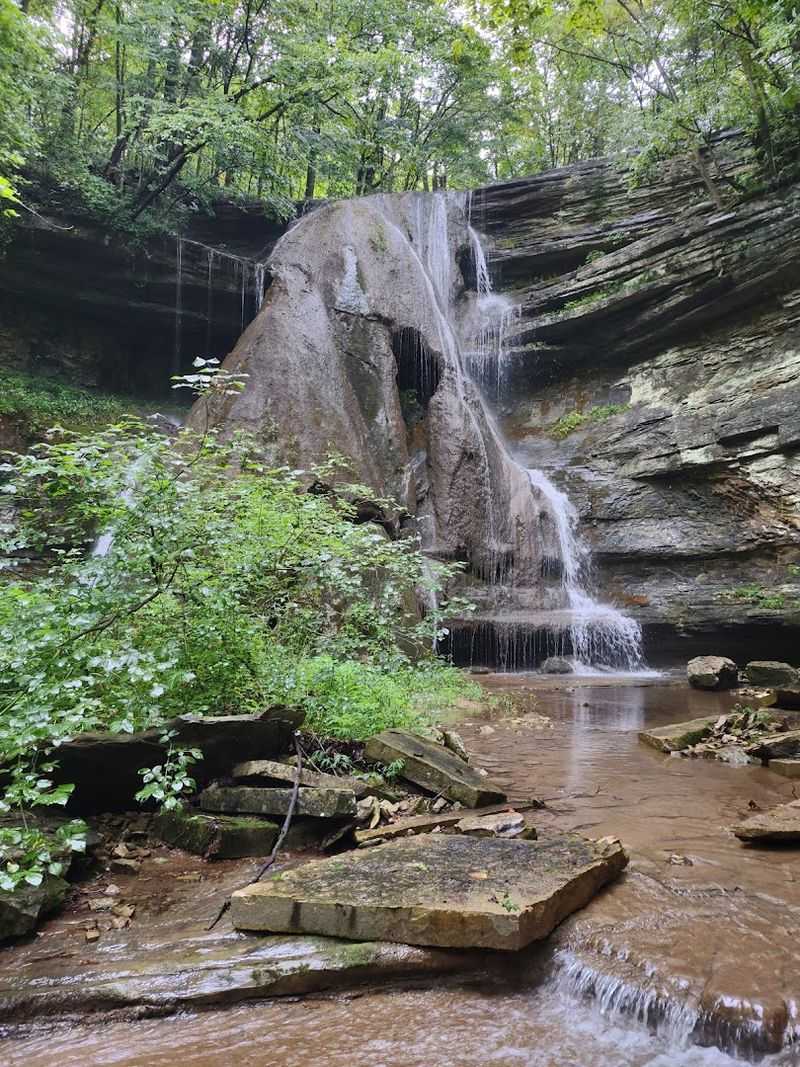
Few places in central Kentucky match the raw, rugged beauty of Floracliff Nature Sanctuary. Located at 8000 Elk Lick Falls Rd, Lexington, KY 40515, this 289-acre private preserve features a dramatic limestone gorge, mature forest, and a cascading waterfall that creates a natural amphitheater for birdsong.
Visiting on a weekday morning tends to offer the quietest conditions for spotting species like Louisiana waterthrush, wood thrush, and scarlet tanager.
The preserve requires a reservation before visiting, so planning ahead is essential. Trails are uneven in places, making sturdy footwear a smart choice.
Spring migration, typically April through May, brings peak bird diversity. The sound of rushing water from Elk Lick Falls mixing with bird calls makes this one of the most atmospheric birdwatching experiences in the state.
Bring a field guide and arrive early for the best chance of a memorable morning in the trees.
2. Woodlands Nature Station
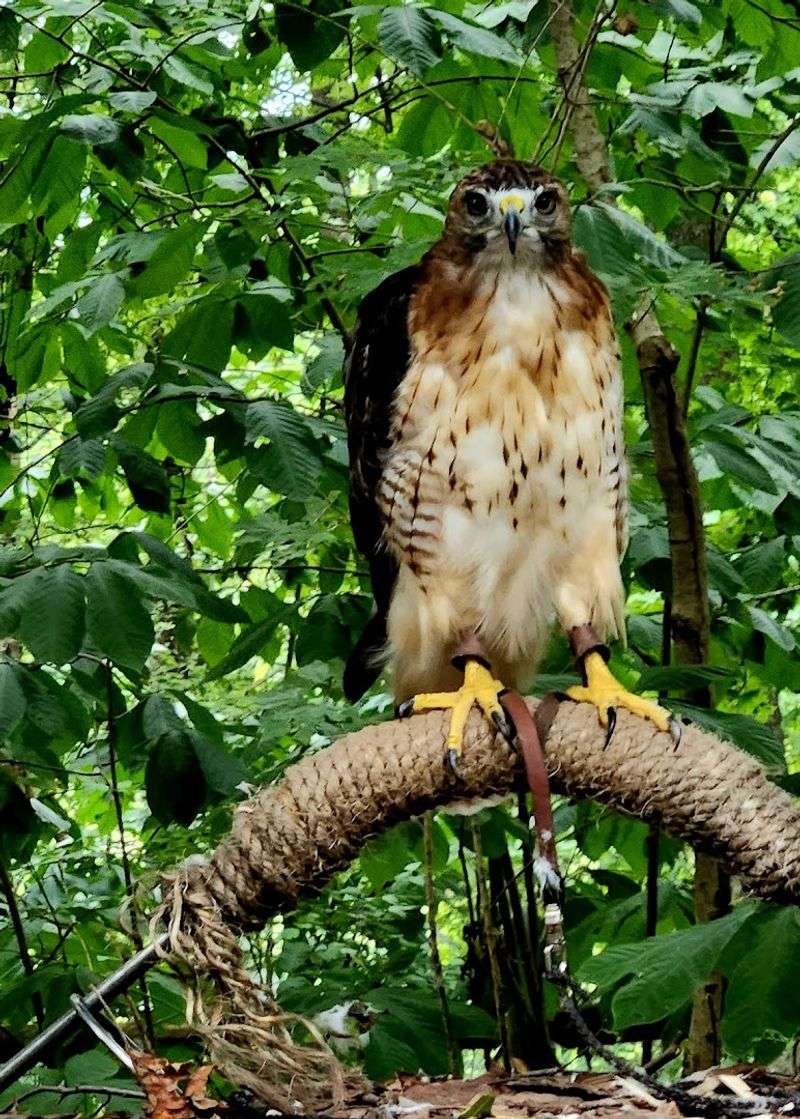
Birdwatching gets an educational upgrade at Woodlands Nature Station, where live animal ambassadors and outdoor habitat areas bring the region’s wildlife into sharp focus.
Situated at 3146 Silver Trail Rd, Cadiz, KY 42211, this facility sits within the Land Between the Lakes National Recreation Area and serves as a wonderful starting point for anyone new to birding in western Kentucky.
Staff members are genuinely helpful and often point visitors toward active nesting areas nearby.
The surrounding forest and wetland edges attract species like barred owls, red-headed woodpeckers, and various warblers throughout the year. Fall visits can be especially rewarding as migratory waterfowl begin moving through the region.
Parking is available on-site and the atmosphere tends to be relaxed and family-friendly. Checking the station’s seasonal programming schedule before visiting may reveal guided bird walks or special naturalist-led events that add real depth to the outing.
3. Louisville Nature Center
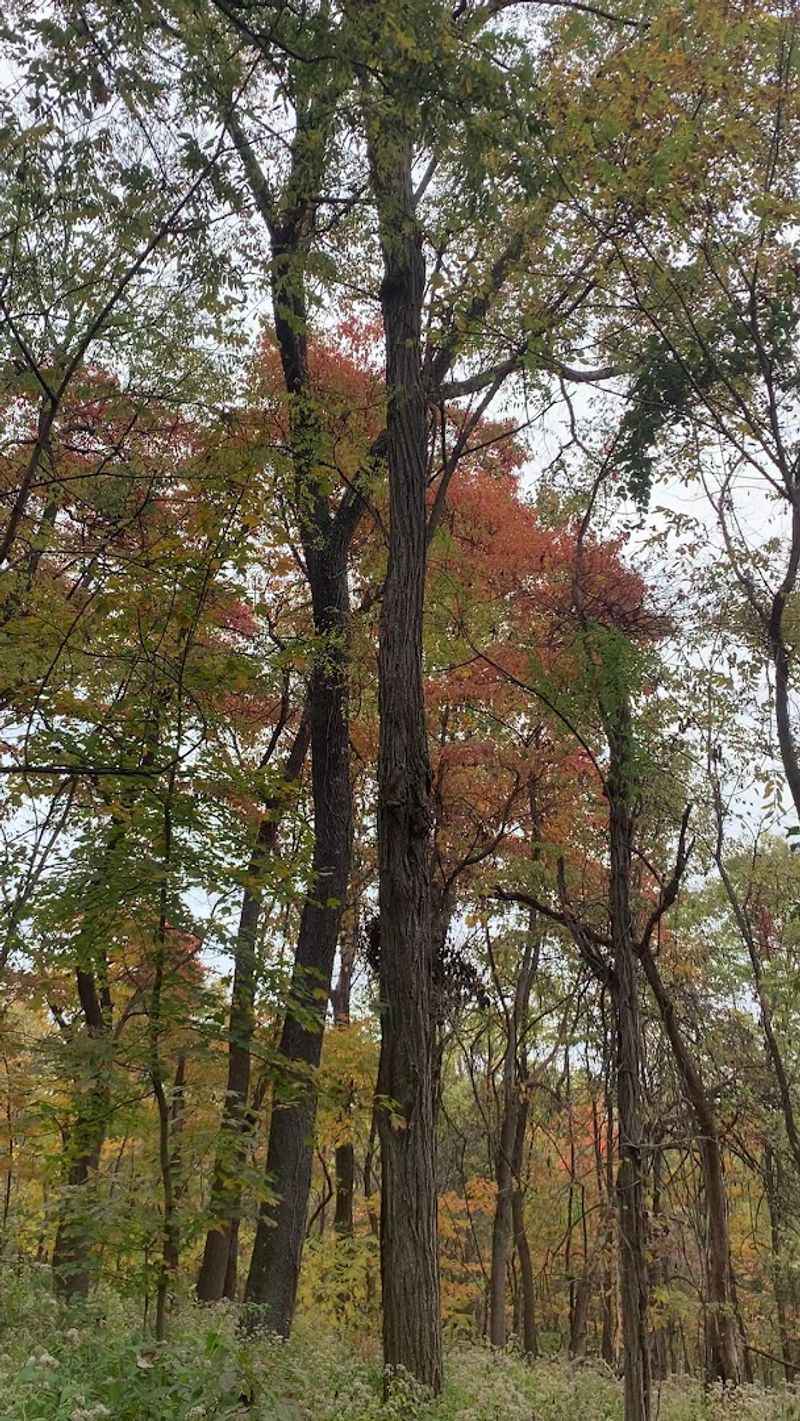
Right in the heart of a major city, the Louisville Nature Center offers a surprisingly rich birdwatching experience that catches many visitors off guard.
Found at 3745 Illinois Ave, Louisville, KY 40213, the center sits adjacent to Beargrass Creek State Nature Preserve, giving birdwatchers access to forested trails, open meadows, and creek-side habitat all within a compact urban setting.
The contrast between city sounds and birdsong here feels genuinely refreshing.
Common sightings include red-tailed hawks, cedar waxwings, and various thrushes during spring and fall migration. The center itself offers educational resources, exhibits, and knowledgeable staff who can help both beginners and seasoned birders make the most of their visit.
Weekday mornings tend to be quieter and more productive for spotting shy species. Trail conditions are generally manageable, though some sections near the creek can get muddy after rain, so waterproof shoes are worth considering.
4. Central Kentucky Wildlife Refuge
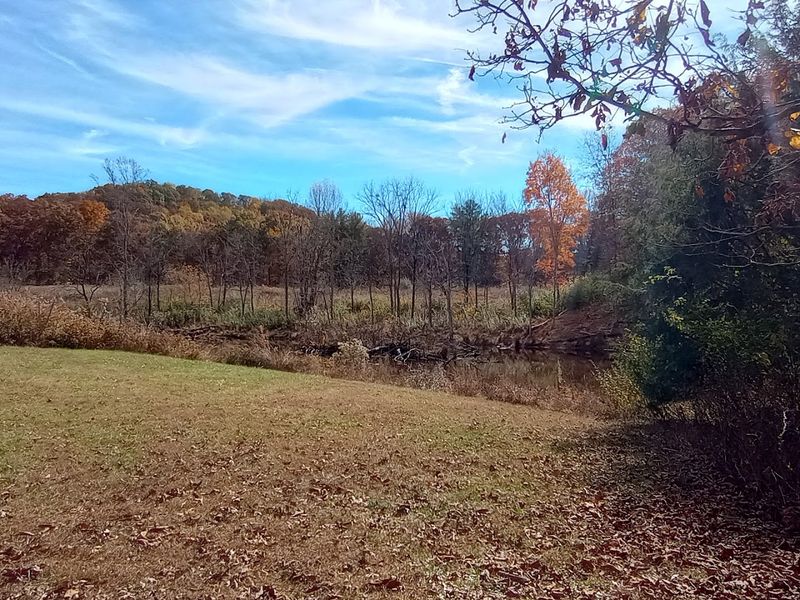
Grassland birds are increasingly hard to find across the eastern United States, which makes the Central Kentucky Wildlife Refuge a genuinely valuable destination for birdwatchers.
Located at 660 Carpenter Creek Rd, Parksville, KY 40464, this privately managed refuge maintains open meadows, brushy edges, and woodland corridors that support species like eastern meadowlarks, bobolinks, and field sparrows.
Visiting during late spring gives the best chance of hearing males in full song.
The refuge operates on a volunteer and stewardship model, so checking access information before heading out is always a good idea. The landscape feels refreshingly unhurried, with long sight lines across rolling fields that make scanning for raptors especially satisfying.
Barn owls have been documented in the area, and patient evening visitors may be rewarded with a fly-over sighting. Bringing a spotting scope alongside binoculars helps significantly when birds are perched at distance across open ground.
5. Salato Wildlife Education Center
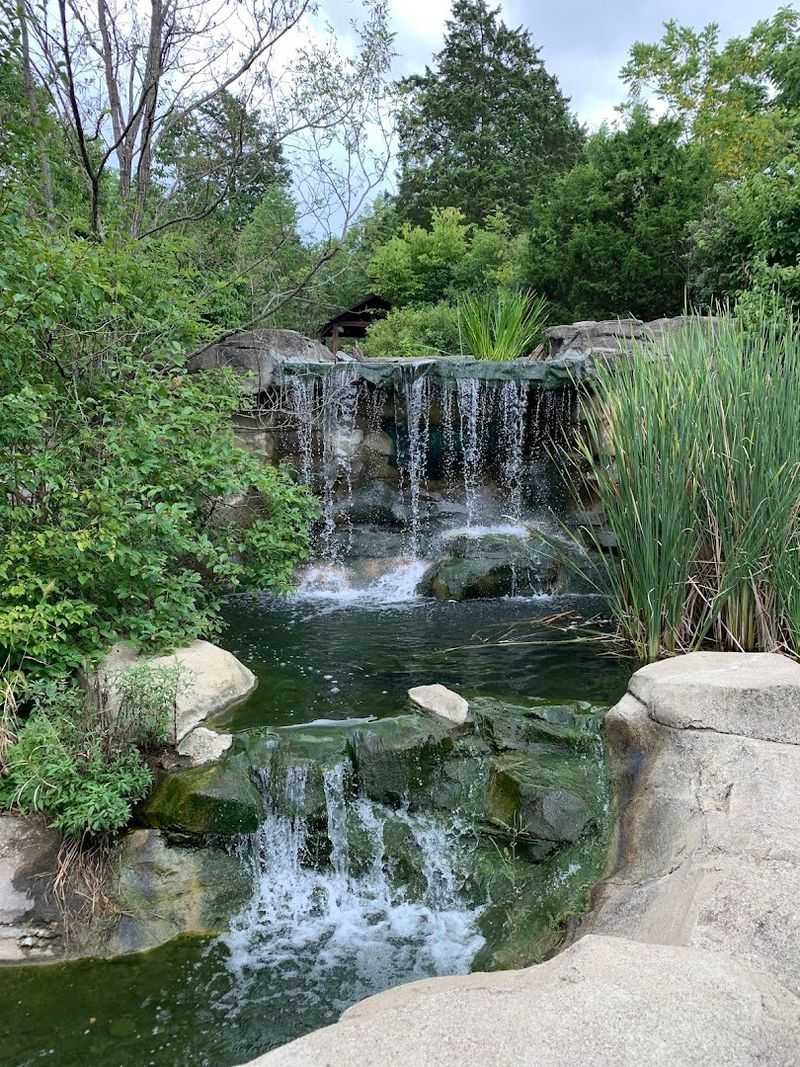
Operated by the Kentucky Department of Fish and Wildlife Resources, Salato Wildlife Education Center blends hands-on exhibits with genuine outdoor habitat in a way that works beautifully for birdwatchers of all experience levels.
The center is located at 1 Sportsman’s Ln, Frankfort, KY 40601, and features outdoor ponds, native plant gardens, and woodland walking trails that attract an impressive variety of resident and migratory birds.
Great blue herons and belted kingfishers are regular pond visitors.
Inside, exhibits explain Kentucky’s native wildlife in approachable, engaging ways that even younger visitors find interesting. Outside, the trails wind through habitat types that shift from open water to dense forest within a short walk.
Admission is free, which makes this one of the most accessible birdwatching stops in the state. Early morning visits on calm days tend to produce the longest species lists, especially during spring warbler migration when the woodland edges become particularly active.
6. Clarks River National Wildlife Refuge
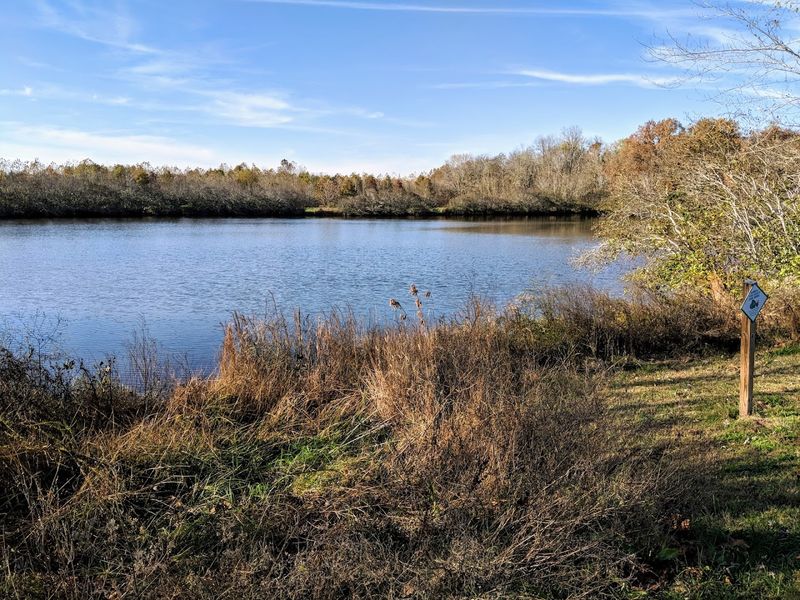
Bottomland hardwood forests are among the most productive bird habitats in North America, and Clarks River National Wildlife Refuge protects a significant stretch of them in western Kentucky.
Headquartered at 91 US-641, Benton, KY 42025, the refuge covers over 14,000 acres along the Clarks River floodplain and provides critical nesting and wintering habitat for dozens of species.
Prothonotary warblers, which favor flooded forest interiors, are a reliable highlight during breeding season.
The refuge is open year-round, and different seasons bring dramatically different bird communities. Winter months attract large concentrations of ducks and geese, while spring transforms the forest with the songs of returning neotropical migrants.
Trails can be wet and muddy after heavy rain, so rubber boots are worth packing. Cell service can be limited in some areas, so downloading offline maps before arrival is a practical step that makes navigation considerably easier throughout the visit.
7. Buckley Wildlife Sanctuary
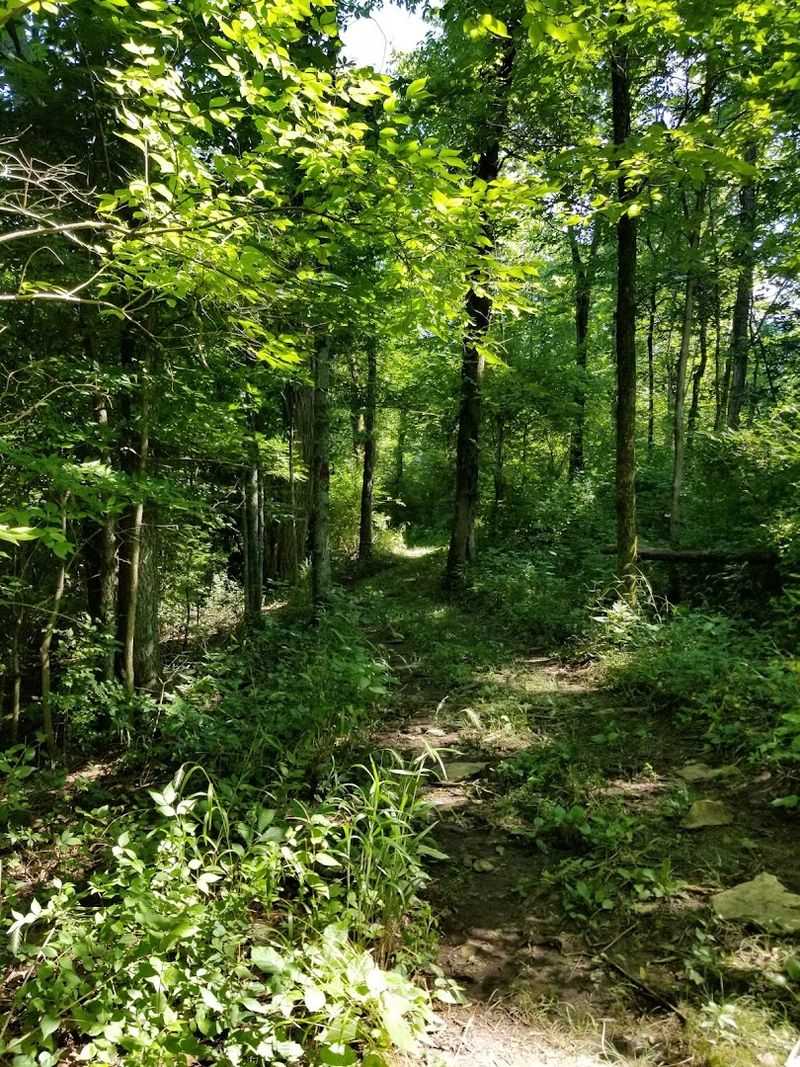
Managed by the National Audubon Society, Buckley Wildlife Sanctuary carries a well-earned reputation as one of Kentucky’s finest spots for close-up bird observation.
The sanctuary is situated at 1305 Germany Rd, Frankfort, KY 40601, and features maintained bird blinds, active feeding stations, and a network of trails through mature forest and open meadow.
Watching birds from the observation blind feels almost theatrical, with feeders drawing species within just a few feet of the viewing window.
Species like rose-breasted grosbeaks, indigo buntings, and multiple woodpecker varieties visit regularly. The sanctuary is open on weekends, so timing the visit accordingly is important.
Guided programs are offered seasonally and provide valuable context about the birds and habitat found on the property. The pace here naturally slows down, which is exactly what good birdwatching requires.
First-time visitors often leave having seen more species than they expected, which speaks to the quality of habitat management on site.
8. Land Between The Lakes National Recreation Area
Stretching across 170,000 acres between two major reservoirs, Land Between the Lakes National Recreation Area delivers birdwatching on a grand scale that few Kentucky destinations can match.
The visitor center is at 238 Visitor Center Dr, Golden Pond, KY 42211, and serves as an excellent orientation point before exploring the network of roads, trails, and shoreline access points spread across the peninsula.
Bald eagles are a genuine year-round possibility here, particularly near open water.
Osprey patrol the lake edges during warmer months, while winter brings concentrations of loons, grebes, and diving ducks to the open water. The sheer size of the area means visitors can find solitude even on busier weekends by venturing beyond the main access points.
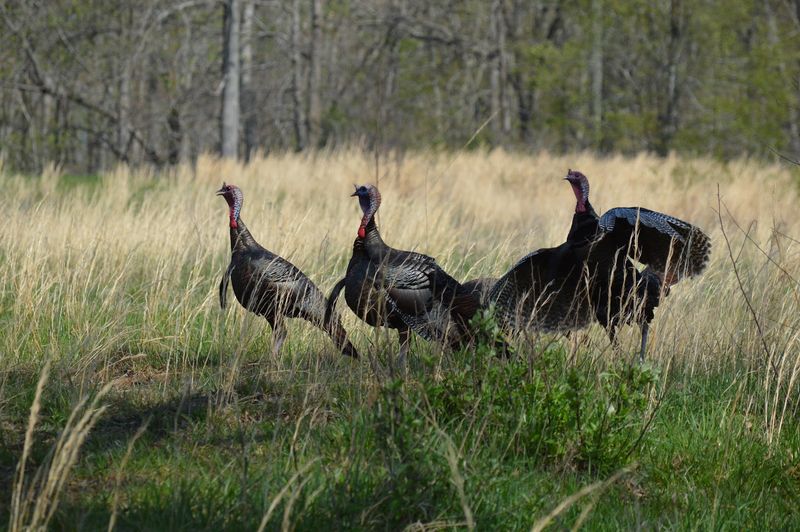
Driving the interior forest roads at dawn is a surprisingly effective birdwatching strategy, with wild turkeys, ruffed grouse, and various woodpeckers frequently encountered along the way. Fuel up before arriving, as services within the recreation area are limited.
9. Elk And Bison Prairie
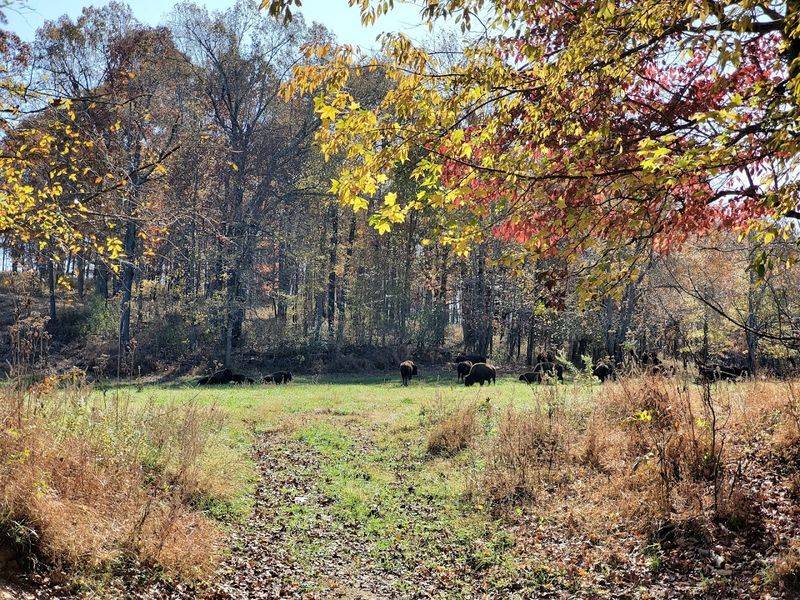
Sharing a landscape with bison and elk while scanning for grassland birds is an experience that genuinely sets this spot apart from anything else Kentucky offers.
The Elk and Bison Prairie is located on Elk and Bison Prairie Rd, Golden Pond, KY 42211, within the Land Between the Lakes area, and features a 700-acre enclosed prairie that visitors drive through on a one-way loop road.
The open grassland habitat supports species rarely found in forested central Kentucky.
Dickcissels, eastern kingbirds, and various sparrow species use the prairie during breeding season, while migrating raptors pass through in impressive numbers during fall. The combination of large mammals and active bird life creates a layered wildlife experience that rewards slow, patient driving.
Early morning and late afternoon light also makes photography especially rewarding here. Admission requires a small fee per vehicle, and the loop road is best navigated at a crawl to avoid disturbing grazing animals.
10. Owsley Fork Reservoir
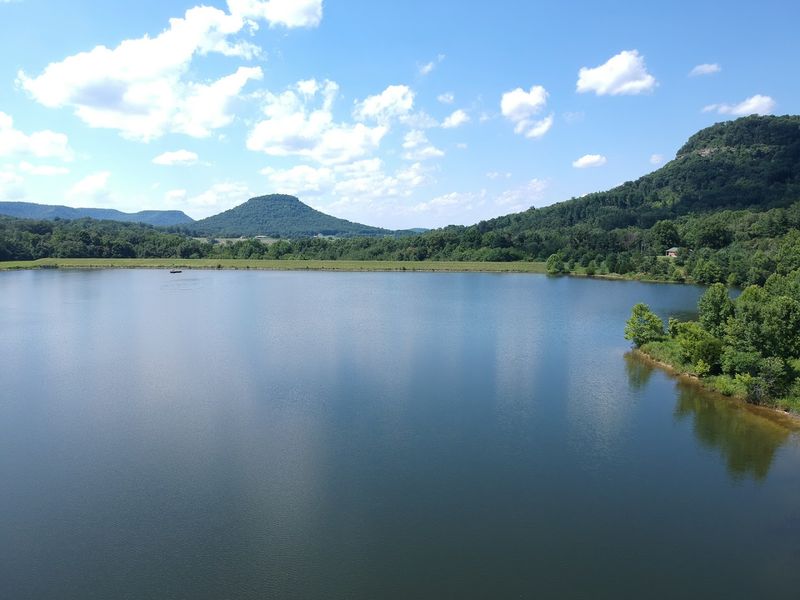
Quiet and relatively undiscovered compared to Kentucky’s more famous natural areas, Owsley Fork Reservoir near Berea rewards birdwatchers who appreciate a relaxed, unhurried pace.
The reservoir is located near Berea, KY 40403, and sits within the Berea College Forest, which adds a layer of habitat diversity that extends well beyond the open water.
The shoreline transitions from lake to forested cove to open field in ways that create productive edge habitat throughout the property.
Great blue herons are almost always present, and osprey visit during migration. Fall brings migratory waterfowl to the open water, making October and November particularly productive months for visiting.
The surrounding forest trails offer solid chances at spotting year-round residents like Carolina wrens, pileated woodpeckers, and brown creepers.
Parking is limited and the access road can be rough in spots, so arriving early and driving carefully sets the right tone for a satisfying morning of birdwatching in this peaceful corner of Kentucky.
11. Natural Bridge State Resort Park
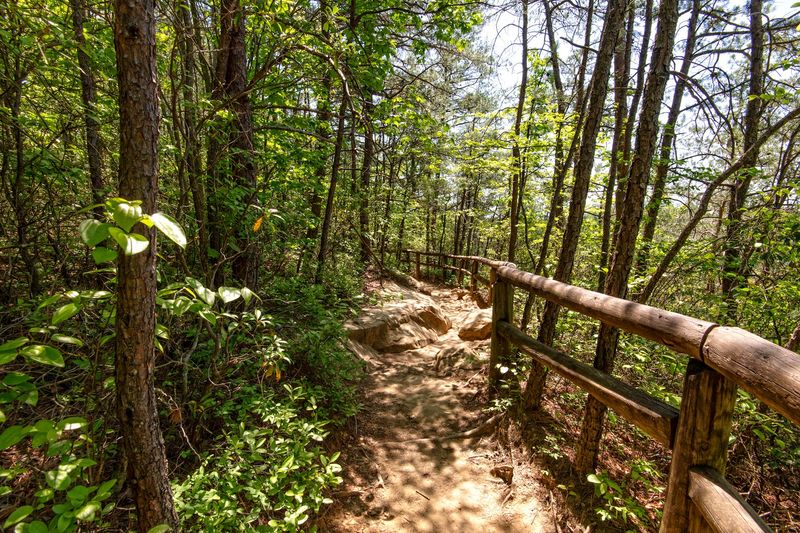
There is something undeniably dramatic about birdwatching beneath a 65-foot natural sandstone arch, which is exactly the kind of experience Natural Bridge State Resort Park delivers.
The park entrance is at 2135 Natural Bridge Rd, Slade, KY 40376, deep in the Red River Gorge area of eastern Kentucky, where rugged terrain and diverse forest types create excellent conditions for Appalachian bird species.
The park draws serious birders alongside casual hikers, and the trail system accommodates both groups well.
Worm-eating warblers, Acadian flycatchers, and yellow-throated warblers are among the notable breeding species found in the gorge area. The mixed hardwood and hemlock forest provides habitat variety that supports an impressive species list across all seasons.
Spring mornings on the trail to the arch can feel genuinely magical, with bird song echoing off the sandstone walls. Trails range from moderate to strenuous, and the terrain demands attention, so keeping binoculars secured with a strap is a practical consideration.
12. Big Bone Lick State Historic Site
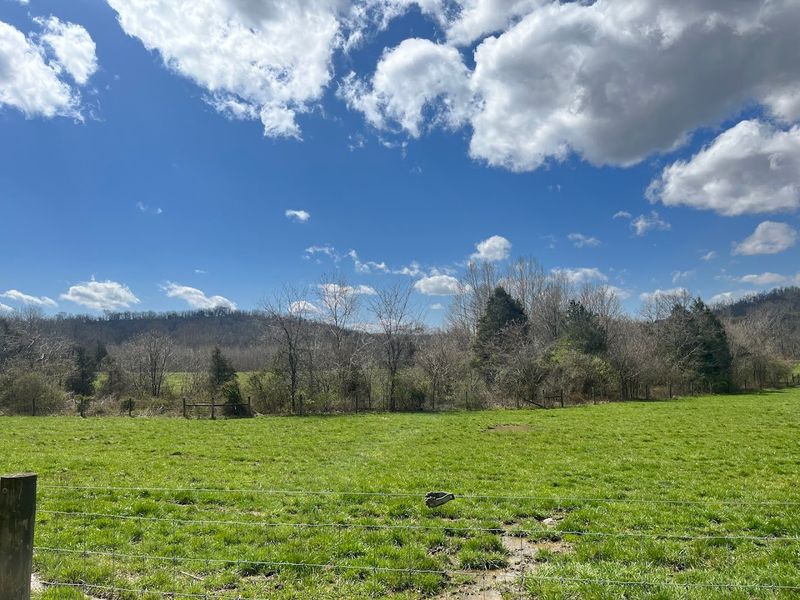
Famous for its paleontological history, Big Bone Lick State Historic Site also quietly delivers a rewarding birdwatching experience that most visitors never anticipate.
The park is located at 3380 Beaver Rd, Union, KY 41091, in the northern Kentucky region near the Ohio River, and its mix of open meadows, mineral springs, and creek-side habitat attracts a genuinely diverse bird community.
The contrast between prehistoric history and living wildlife creates a layered experience that feels unlike any other park in the state.
Yellow warblers and common yellowthroats nest in the brushy creek margins, while red-winged blackbirds dominate the open meadow edges during summer. Winter can bring rough-legged hawks and short-eared owls to the open areas, making cold-weather visits unexpectedly productive.
The park also features a small bison herd, adding another dimension to the wildlife experience. Trails are relatively flat and accessible, making this a comfortable choice for birdwatchers of varying mobility levels.
13. Creasey Mahan Nature Preserve
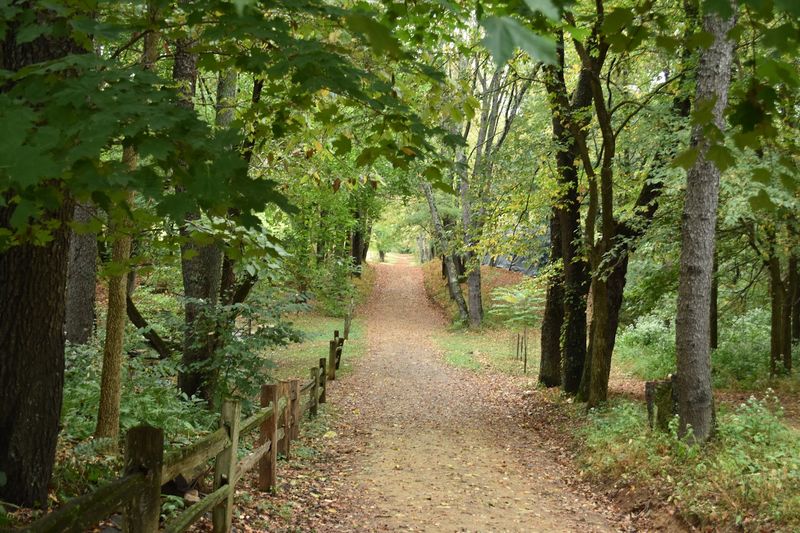
Sitting along the banks of Harrods Creek in Oldham County, Creasey Mahan Nature Preserve manages to feel far removed from the suburban surroundings that edge up against its borders.
The preserve is at 12501 Harmony Landing Rd, Goshen, KY 40026, and covers around 174 acres of restored meadow, mature forest, and riparian corridor that together support a healthy and varied bird community.
Restoration work over the years has made the habitat noticeably richer, and the bird life reflects that investment.
Eastern bluebirds are a regular and cheerful presence along the meadow trails, while belted kingfishers patrol the creek corridor with characteristic rattling calls. The preserve hosts educational programs and guided nature walks that are genuinely worth checking out before a visit.
Trails are well-maintained and suitable for most fitness levels. Weekend mornings bring a mix of local walkers and dedicated birders, so arriving shortly after the preserve opens tends to offer the most peaceful and productive birdwatching conditions available.
14. Daniel Boone National Forest
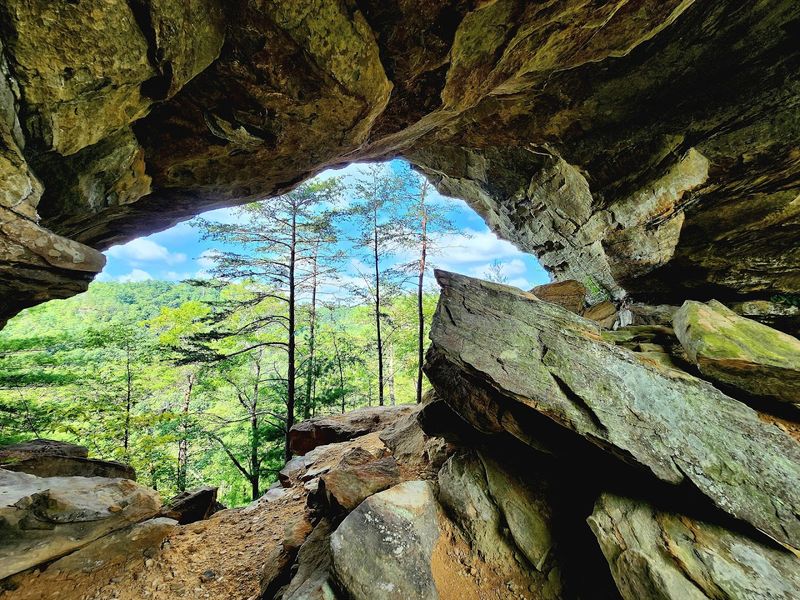
Covering nearly 708,000 acres across eastern Kentucky, Daniel Boone National Forest represents birdwatching at a scale that can feel almost overwhelming in the best possible way.
The main administrative office is at 1700 Bypass Road, Winchester, KY 40391, but the forest itself stretches across 21 counties and encompasses an extraordinary range of habitat from sandstone cliffs to deep stream hollows.
Forest interior species that require large blocks of unbroken woodland thrive here in ways that smaller preserves simply cannot support.
Cerulean warblers, Kentucky warblers, and black-throated green warblers are among the breeding species that draw dedicated birders from across the region. The forest also supports healthy populations of raptors, including broad-winged hawks that migrate through in impressive numbers each September.
Choosing a specific trailhead before arriving helps avoid feeling overwhelmed by the forest’s size. The Red River Gorge and Cumberland Falls areas within the forest are particularly productive starting points for first-time visitors exploring this remarkable natural landscape.