These 10 Louisiana Road Trips Put The Best Of The Bayou State On Display
This state grabs you before you notice. The oaks, the spice, the music all pull.
Soon you are driving with the windows down. That is the only proper choice here. Swamps fade into wide open prairies.
Then pine forests close back around you. Louisiana hides more character per mile than most. I never plan these drives too tightly. These routes each show a new side.
The detours always turn out best. The map barely scratches the surface. You stop for crawfish en route. So lunch becomes the trip. Then a swamp opens up.
Every mile shows a new face. Fuel up and roll out.
1. Creole Nature Trail All-American Road, Lake Charles
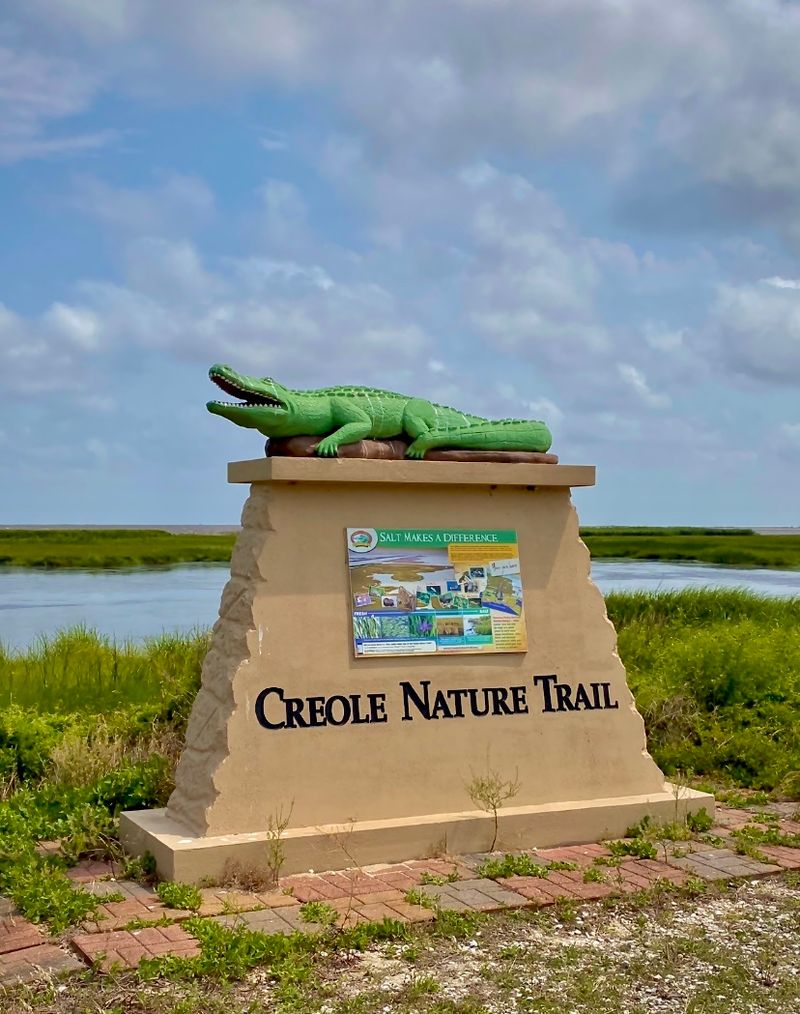
Believe me, once you roll down your windows on this drive, the whole world smells different.
Salty air, marsh grass, and the distant call of a great blue heron greet you almost immediately. This is one of America’s few coastal byways that puts raw, unfiltered nature front and center.
The Creole Nature Trail All-American Road loops through the coastal wetlands near Lake Charles in southwestern Louisiana. It covers roughly 180 miles of wildlife-rich terrain that includes beaches, marshes, and prairies.
The area is home to over 400 bird species, making it a serious draw for birding enthusiasts. Spring and fall migrations bring thousands of birds through the region.
You can spot roseate spoonbills, brown pelicans, and alligators without ever leaving your car. Rutherford Beach is a quiet stop along the way with wide, windswept views.
The drive moves at its own pace, and that is exactly the point. Pack binoculars, a good playlist, and plenty of snacks.
Letting the landscape unfold slowly is the only way to truly absorb this one.
2. Louisiana River Road (Great River Road) All-American Road, Vacherie
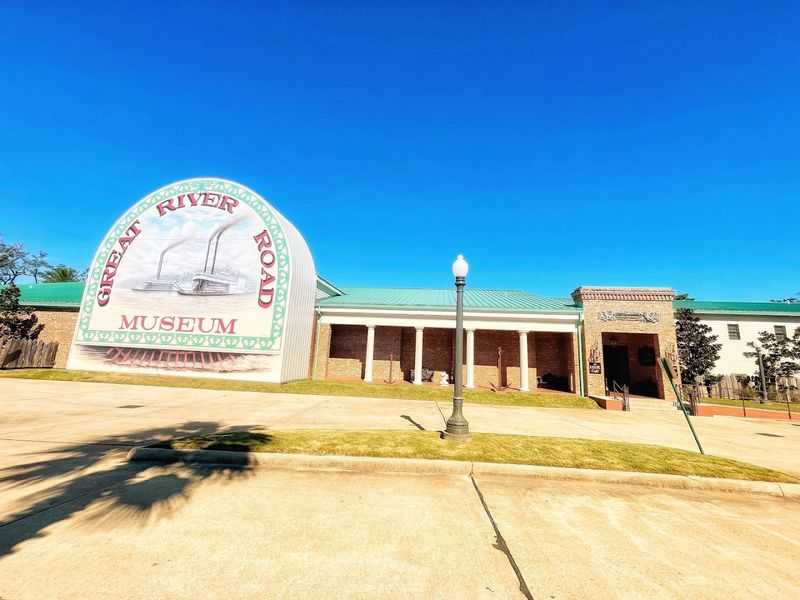
Can you believe a single road could hold this much history in one stretch?
The Great River Road runs along both banks of the Mississippi River, cutting through the heart of plantation country. It is one of those routes where every bend reveals something unexpected.
The Louisiana River Road All-American Road passes through Vacherie, a small community in St. James Parish known for its stunning antebellum architecture.
Oak Alley Plantation sits here, its famous quarter-mile canopy of 300-year-old live oaks drawing travelers from across the country. The road itself stretches for miles between Baton Rouge and New Orleans.
Sugar cane fields stretch wide on either side of the highway during harvest season. Small Creole cottages and grand plantation homes sit side by side, telling a complicated and layered history.
The levee views of the Mississippi River are surprisingly dramatic for flat terrain.
Early morning drives along this route have a quiet, almost dreamlike quality. Fog often hangs low over the fields, softening everything.
This is a road that rewards those who slow down and pay attention to the details hiding in plain sight.
3. Bayou Teche National Scenic Byway, Breaux Bridge
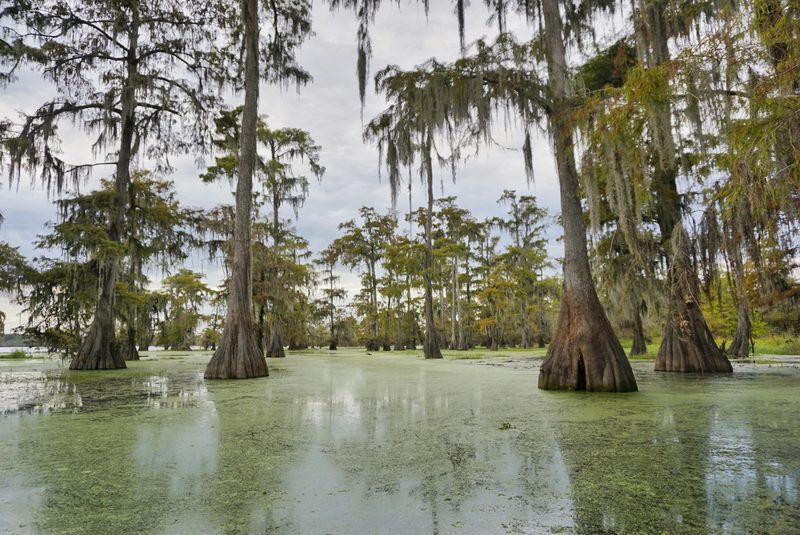
I never would have guessed that a slow-moving bayou could hold this much personality.
Bayou Teche winds through the heart of Cajun country, and the road that follows it is equally unhurried and full of charm. This is a route that rewards curiosity around every curve.
The Bayou Teche National Scenic Byway stretches through south-central Louisiana, anchored near Breaux Bridge, which calls itself the Crawfish Capital of the World.
The byway passes through small towns like St. Martinville, New Iberia, and Franklin, each with its own distinct character. Spanish moss hangs from ancient cypress trees along the water’s edge throughout the drive.
St. Martinville is a particularly compelling stop, home to the Evangeline Oak and a rich Acadian heritage. Tabasco country opens up near New Iberia, where Avery Island sits surrounded by marshland.
The town of Breaux Bridge itself is packed with Cajun music, food, and a genuinely welcoming local energy.
Fall is a beautiful time to travel this byway, when the humidity drops and the light turns golden. The towns along the route host festivals nearly every weekend.
This drive leaves you with a full stomach, happy ears, and a deep appreciation for Louisiana’s Cajun roots.
4. Cane River National Heritage Trail, Natchitoches
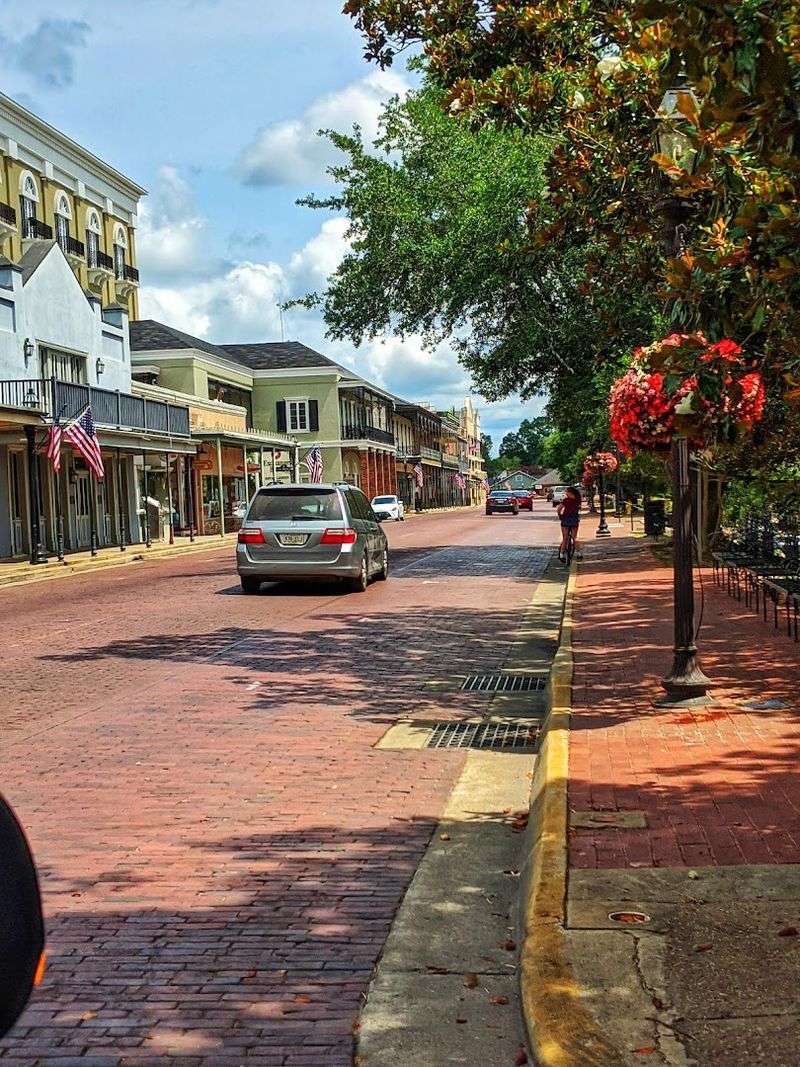
Trust me, no other road trip in Louisiana feels quite as layered with living history as this one.
The Cane River corridor is where French, Spanish, African, and Native American cultures have been blending for over three centuries. Every mile of this trail carries that weight in the best possible way.
The Cane River National Heritage Trail follows the former course of the Red River through Natchitoches Parish in north-central Louisiana.
Natchitoches itself is the oldest permanent European settlement in the Louisiana Purchase territory, founded in 1714. The town’s historic downtown sits along the Cane River Lake, lined with brick streets and iron-lace balconies.
Melrose Plantation and Oakland Plantation along the route are part of the Cane River Creole National Historical Park.
Both sites tell the story of the unique Creole of Color community that flourished here for generations. The landscape transitions from riverfront to pine forest as you travel south.
Christmas season transforms Natchitoches into something genuinely magical, with lights reflecting off the water downtown.
The local food scene leans heavily on meat pies and spicy boudin. Arriving without a plan and simply wandering the brick streets is, honestly, the very best strategy here.
5. Zydeco Cajun Prairie Scenic Byway, Opelousas
Who would have thought that a road through flat farmland could make your feet start tapping before you even stop the car?
The Zydeco Cajun Prairie Scenic Byway cuts through the musical heartland of Louisiana, where the accordion rules and the dance halls never really close. This is one of those drives where the culture is the scenery.
The byway runs through Cajun Prairie country in south-central Louisiana, with Opelousas serving as a central hub.
Opelousas is widely recognized as the Zydeco Capital of the World, a bold claim backed up by decades of legendary music. The surrounding area is a patchwork of rice fields, crawfish ponds, and small Creole communities.
Eunice is another key town along the route, home to the Prairie Acadian Cultural Center and the historic Liberty Theater.
Live Cajun radio broadcasts still happen there on Saturday evenings. The Southwest Louisiana Zydeco Music Festival draws thousands each year to the region.
The people here are the real draw, warm and genuinely proud of their traditions. Roadside boudin stands appear with wonderful regularity along the highway.
Pull over at one, eat standing up, and let the music playing from the speakers inside remind you that some roads are meant to be felt as much as driven.
6. Wetlands Cultural Byway, Thibodaux
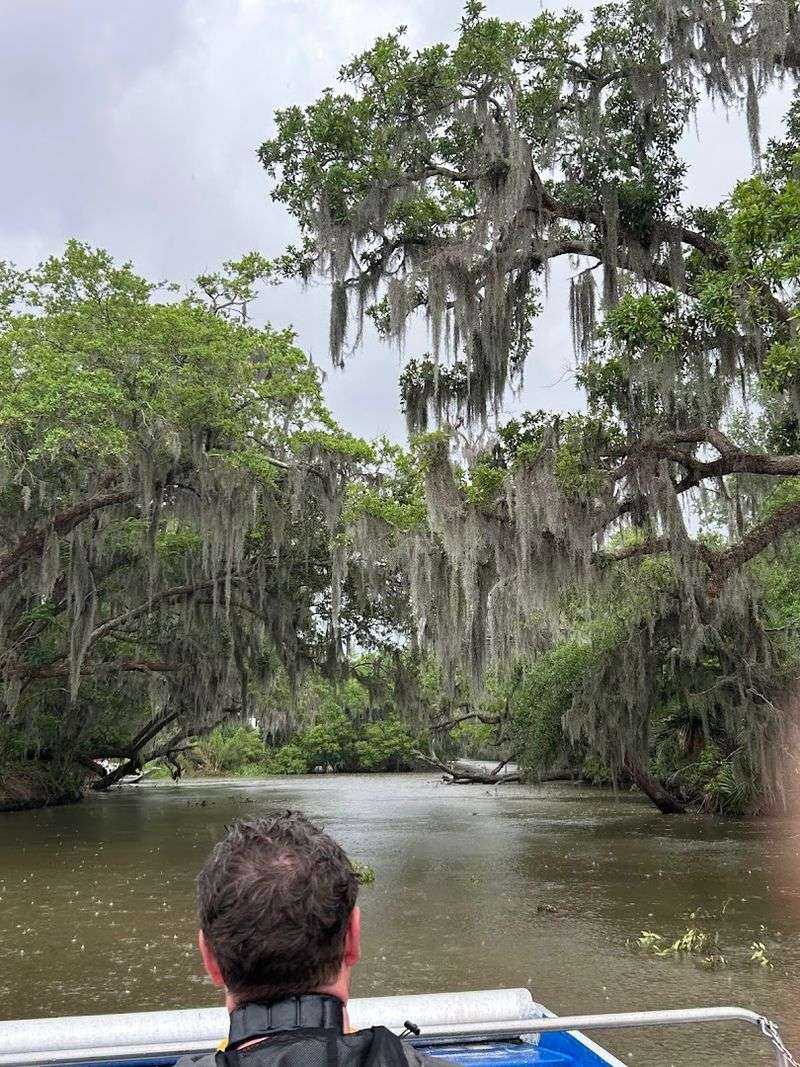
I must admit, no other byway in Louisiana made me feel the land shifting beneath me quite like this one.
The Wetlands Cultural Byway moves through a part of the state that is literally sinking and changing with every passing year. That fragility makes every mile feel more urgent and more beautiful.
The byway stretches through Lafourche and Terrebonne Parishes in southeastern Louisiana, with Thibodaux anchoring the northern end.
From there, the road heads south toward the Gulf, passing through communities like Houma, Golden Meadow, and Leeville. This is deeply Cajun fishing country, where shrimping and crabbing are not hobbies but ways of life.
The Wetlands Acadian Cultural Center in Thibodaux is an excellent starting point for understanding the region’s history.
Bayou Lafourche, which runs parallel to the main road for much of the drive, was once called the longest Main Street in the world. Elevated houses, working docks, and hand-painted seafood signs line the route throughout.
Sunset from the Leeville Bridge, where the road finally narrows toward the Gulf, is something you genuinely cannot photograph well enough to do justice.
The sky goes wide and orange and impossibly large. Driving this route once is enough to understand why the people here fight so hard to protect what remains.
7. Longleaf Trail Scenic Byway, Gorum
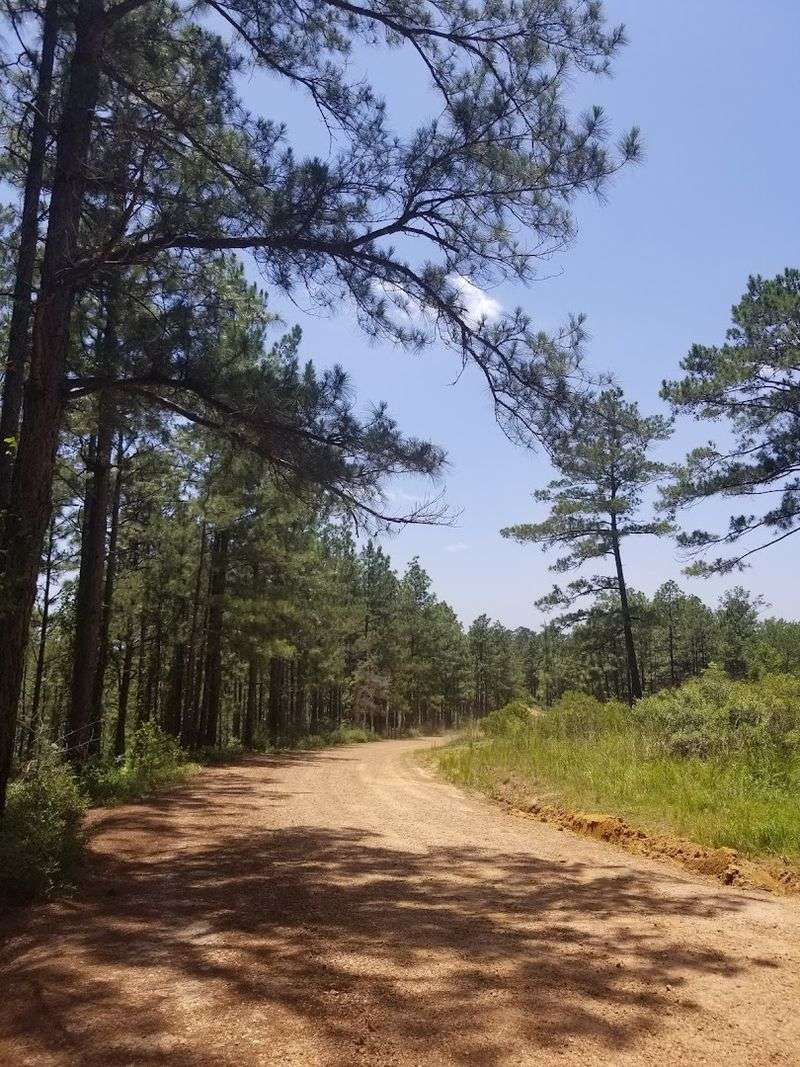
You might not believe me when I say this, but northern Louisiana hides a forest drive so peaceful it almost feels like a secret.
The Longleaf Trail Scenic Byway cuts through Kisatchie National Forest, the only national forest in Louisiana, and the scenery is nothing short of stunning. Tall pines stretch in every direction, and the road feels like it belongs to you alone.
The byway runs near Gorum in Natchitoches Parish, winding through roughly 17 miles of longleaf pine uplands and red clay hills.
This is a rare ecosystem, as longleaf pine savannas once covered millions of acres across the South but now exist in only fragmented patches. Kisatchie National Forest protects one of the finest remaining examples.
Hiking, mountain biking, and horseback riding trails branch off the main road at several points. The Kisatchie Hills Wilderness Area offers rugged terrain with sandstone outcroppings that look genuinely out of place in Louisiana.
Wildflowers bloom along the roadsides in spring, adding bursts of color to the understory. Fall brings a subtle but real color change to the hardwoods mixed among the pines.
Campgrounds in the forest make an overnight stay easy and deeply satisfying. This byway is the kind of drive that resets something in you, quietly and completely, without ever asking for credit.
8. Boom Or Bust Byway, Homer
Doesn’t it seem like every great road trip has at least one route that surprises you with its honesty?
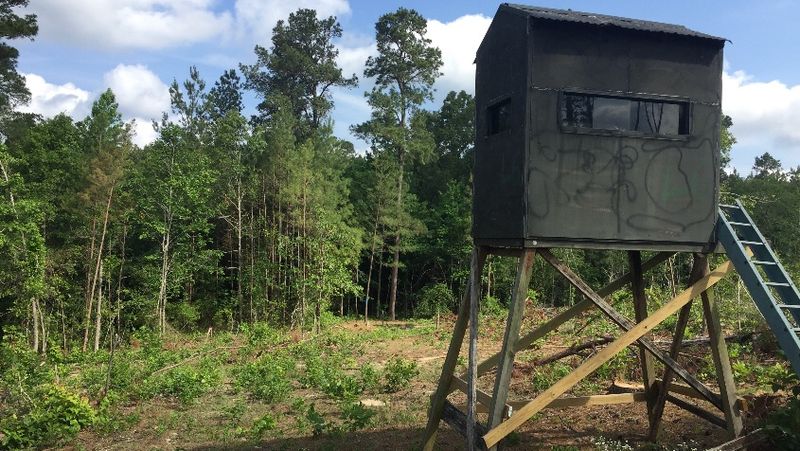
The Boom or Bust Byway does not try to be glamorous. It tells the real story of northwest Louisiana, from the timber rush to the oil boom to the quiet that followed, and it does so without apology.
The byway runs through Claiborne Parish in the piney hills of northern Louisiana, with Homer serving as its anchor town.
Homer is a small, tidy community with a genuine small-town courthouse square that looks like it stepped out of a mid-century postcard. The surrounding landscape is rolling pine forest broken up by small lakes and farmland.
Lake Claiborne State Park is one of the best stops along the route, offering fishing, swimming, and camping on a large reservoir surrounded by pines.
The Museum of Natural History in Homer provides context for the region’s geological and cultural past. Old oil infrastructure still dots the landscape in places, a quiet reminder of the boom years.
The drive is best in late spring when the dogwoods are still finishing their bloom. Traffic is almost nonexistent on most stretches, which makes it ideal for drivers who prefer room to think.
There is something deeply grounding about a road that tells the truth about where it has been.
9. Tunica Trace Byway, St. Francisville
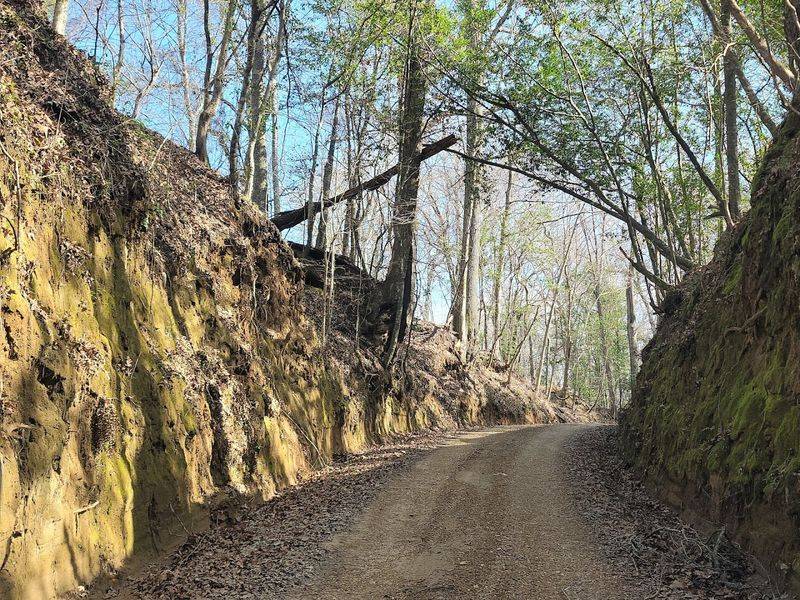
I know, right, you wouldn’t expect Louisiana to have dramatic bluffs and deep ravine forests, but here they are.
The Tunica Trace Byway moves through the Tunica Hills in West Feliciana Parish, a landscape so different from the rest of the state that it genuinely stops first-time travelers in their tracks. This is Louisiana’s best-kept geographic secret.
The byway is centered near St. Francisville, a charming town perched on the bluffs above the Mississippi River in the Florida Parishes region of southeastern Louisiana. St. Francisville is known for its stunning antebellum homes, many of which are open for tours.
The surrounding hills are laced with hiking trails through beech-magnolia forests found nowhere else in the state.
Rosedown Plantation State Historic Site is one of the finest preserved antebellum estates in the entire South.
The Tunica Hills Wildlife Management Area offers trails through ravines filled with wild azaleas and trillium in spring. John James Audubon spent time painting birds in this region, and his presence is still celebrated locally.
The town of St. Francisville itself is walkable, quirky, and full of independent shops and cafes tucked into historic buildings.
Spring is the absolute peak season here, when the gardens are in full bloom. This byway rewards those who take it slowly and let the hills do the talking.
10. Cajun Corridor Byway, Abbeville
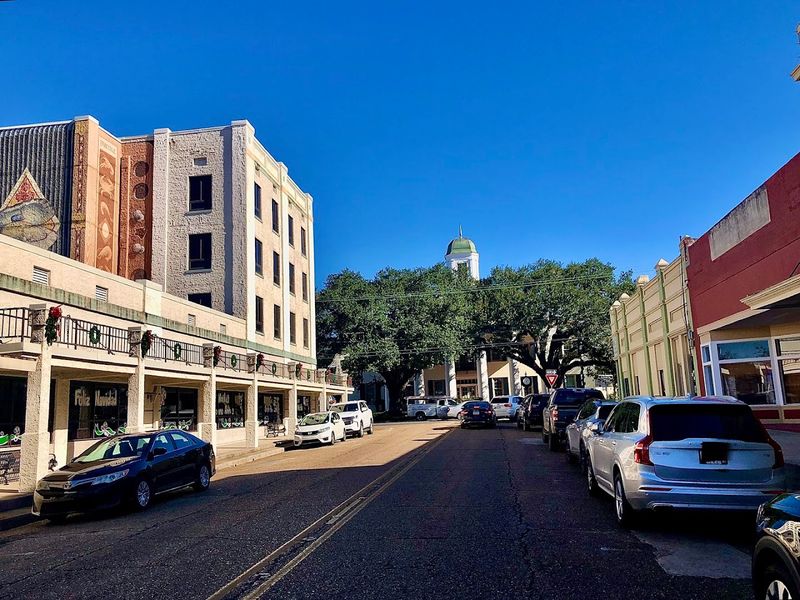
Would you ever think that a small Louisiana town built around a church square could anchor one of the most flavorful road trips in the entire state?
Abbeville is exactly that kind of town, and the Cajun Corridor Byway that surrounds it delivers on every front. This is a route built for people who believe that food, music, and marshland are the highest forms of travel.
The Cajun Corridor Byway winds through Vermilion Parish in south-central Louisiana, connecting coastal marshes with small Cajun communities that have barely changed in generations.
Abbeville sits at the heart of the route, a picturesque town with a central church square that dates back to the 1800s. The parish is famous for its oysters, with local beds producing some of the finest in the Gulf Coast region.
Cypremort Point State Park near the end of the route offers the only public beach on the inland side of the Louisiana coastline.
Vermilion Bay stretches wide and silver to the south, popular with anglers and kayakers alike. The drive between marsh and farmland shifts constantly, keeping the scenery from ever settling into routine.
Late afternoon light on the marsh is something photographers chase for good reason. The pace of life in Abbeville is unhurried and genuinely infectious.
Leave this byway with a cooler full of local seafood and a very strong reason to return.