These 15 Man-Made Georgia Landmarks Feel Like Secrets Waiting To Be Discovered
Georgia holds more than just peach orchards and Southern hospitality. Beyond the familiar images lies a fascinating collection of man-made landmarks that tell unexpected stories about creativity, ambition, and history. Scattered across the state are structures and sites that many travelers pass by without realizing their significance.
These places may not always appear on postcards or travel brochures, yet they offer some of the most memorable and surprising experiences Georgia has to offer.
From bold architectural statements to quietly impressive feats of engineering, these landmarks reflect different eras, ideas, and cultural influences.
Some were built to solve practical problems, while others were created simply to inspire or to leave a lasting mark on the landscape. Visiting them allows you to see Georgia from a new perspective and to connect with stories that go far beyond surface-level tourism.
I want to share with you some of the most fascinating structures and sites that feel like hidden treasures waiting to be explored.
Whether you are a history enthusiast, a curious traveler, or someone who loves discovering places off the beaten path, these landmarks reveal a side of Georgia that is both surprising and unforgettable.
1. The Georgia Guidestones
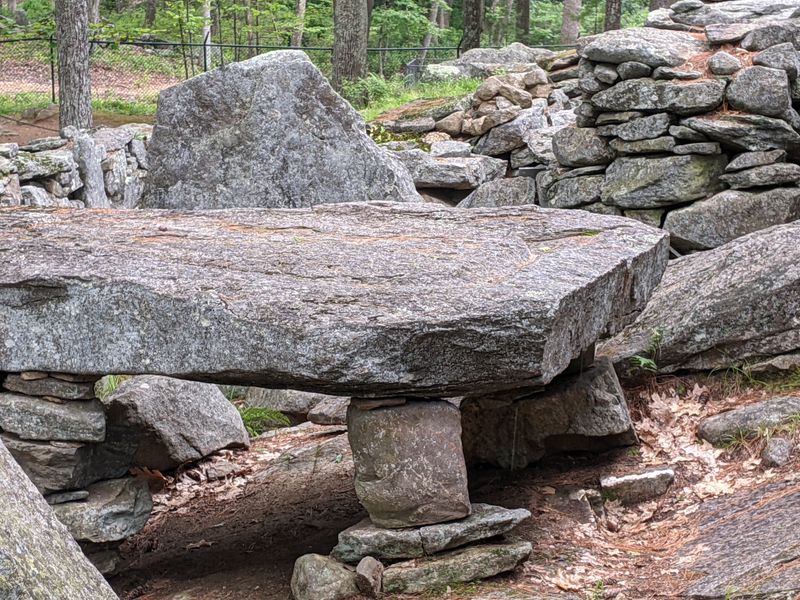
Standing alone in a field, this mysterious monument once puzzled visitors with its cryptic messages carved in eight different languages. You could find them at 1031 Guidestones Road in Elberton until they were destroyed in 2022. The massive granite slabs stood nearly 20 feet tall and offered instructions for rebuilding civilization after an apocalypse.
Nobody knew who built them or why they chose this remote location. The stones were commissioned by someone using the pseudonym R.C. Christian in 1980.
Local granite workers constructed the monument, but the true identity of its sponsor remained a mystery for decades.
Even though the Guidestones no longer stand, the site remains a point of fascination. People still visit the location to see where this enigmatic structure once stood. The monument sparked countless theories and debates about its purpose and meaning throughout its existence.
2. Stone Mountain Carving
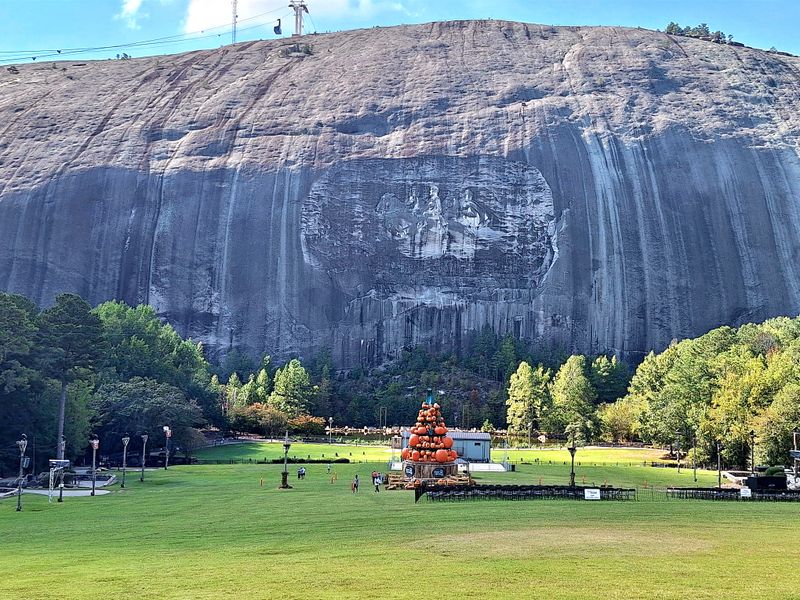
Imagine carving faces into a mountain so large you could see them from miles away. Stone Mountain Park at 1000 Robert E. Lee Boulevard in Stone Mountain features the largest bas-relief sculpture in the world.
The carving spans three acres of granite and depicts three Confederate figures on horseback.
Workers started this ambitious project in 1923 but didn’t complete it until 1972. The sheer scale of the undertaking required specialized equipment and decades of dedication. You can take a cable car to the top of the mountain for breathtaking views of the Atlanta skyline.
Beyond the carving itself, the park offers hiking trails and historical exhibits. The laser show projected onto the mountain face draws crowds every summer evening. This landmark represents both impressive artistic achievement and complex historical conversations that continue today.
3. Forsyth Park Fountain
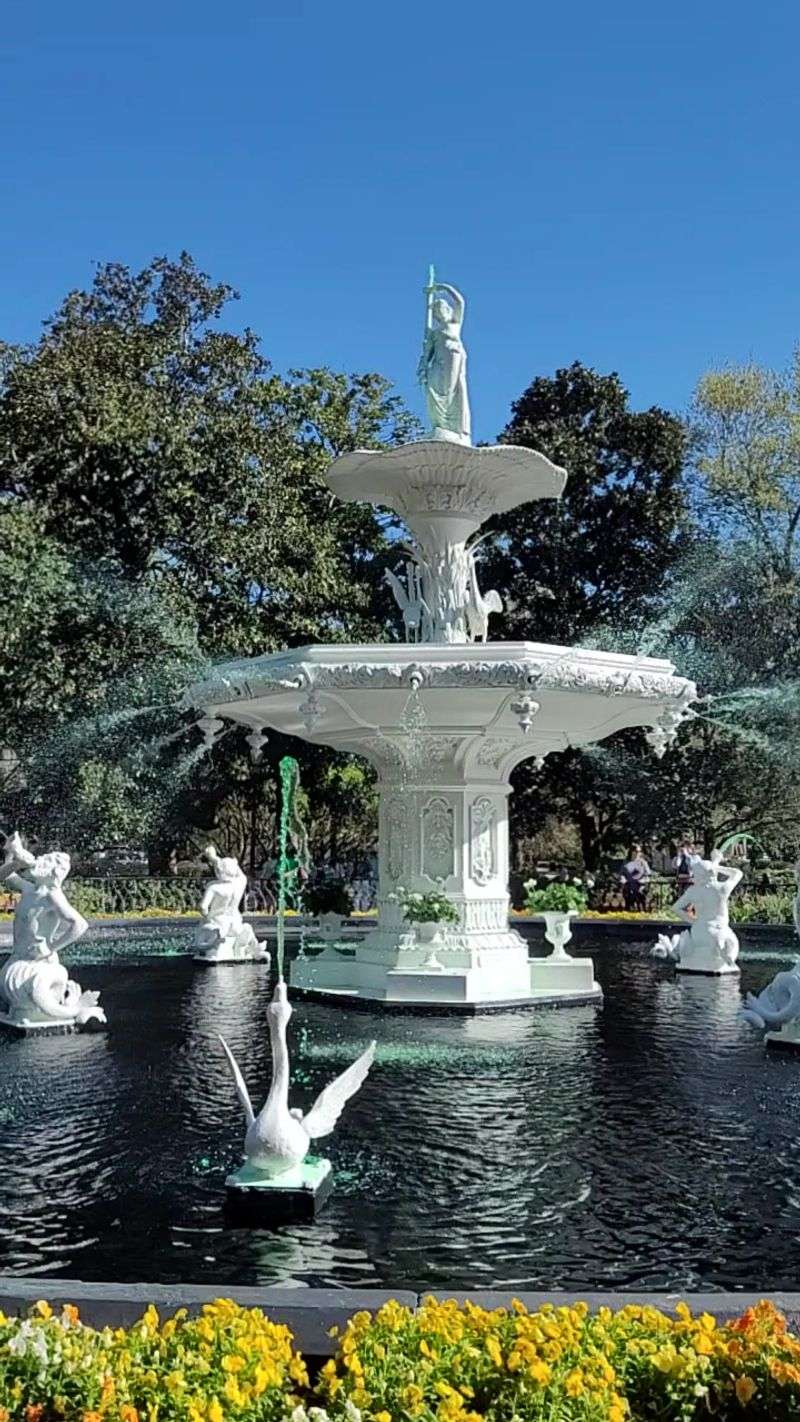
Water cascades from this elegant fountain in tiers, creating a mesmerizing display that has captivated visitors since 1858. Located in Forsyth Park at Gaston Street and Drayton Street in Savannah, this iconic fountain serves as the heart of the city’s most beloved green space. The white cast-iron structure stands as a perfect example of Victorian-era design.
Similar fountains exist in other cities, but Savannah’s version has become synonymous with southern elegance. Photographers flock here at sunrise when the light hits the water just right. The surrounding park offers 30 acres of shade trees and walking paths.
I love how the fountain changes character throughout the day. Morning brings joggers and dog walkers, while evenings attract couples and families. The fountain underwent a major restoration in 1988 to preserve its beauty for future generations.
4. Providence Canyon
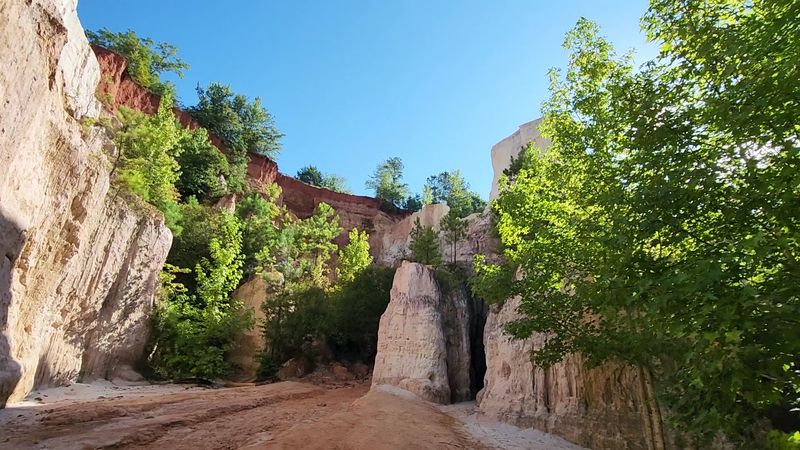
Poor farming practices in the 1800s accidentally created what people now call Georgia’s Little Grand Canyon. You’ll find this stunning geological formation at 8930 Canyon Road in Lumpkin. Erosion carved deep gulleys into the soft soil, revealing layers of colorful sediment in shades of pink, orange, red, and purple.
Walking through the canyon feels like exploring another planet. The deepest ravines plunge over 150 feet below the surface. Hiking trails let you explore both the canyon floor and the rim for different perspectives.
What started as environmental damage became an unexpected natural wonder. The state now protects the area as Providence Canyon State Park. Rare plant species called plumleaf azaleas bloom on the canyon walls each summer.
I recommend visiting during late afternoon when the sun illuminates the colorful walls most dramatically.
5. Babyland General Hospital
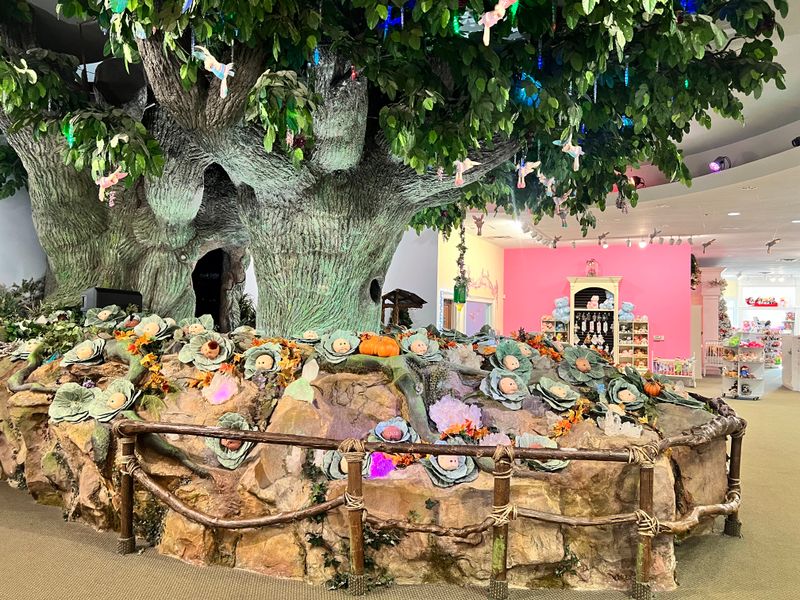
Cabbage Patch Kids are born here, not manufactured. This whimsical attraction at 300 NOK Drive in Cleveland transforms doll-making into an immersive theatrical experience. Visitors watch as nurses in scrubs deliver cloth dolls from a magical cabbage patch in the building’s center.
Creator Xavier Roberts opened this unique facility in 1978, years before Cabbage Patch Kids became a worldwide phenomenon. The building resembles a 1900s medical clinic complete with a nursery and delivery room. Each doll comes with its own birth certificate and adoption papers.
Children absolutely adore witnessing the elaborate birth ceremonies. Adults often visit for nostalgic reasons, remembering their own Cabbage Patch dolls from childhood. The gift shop sells exclusive dolls you can’t find anywhere else.
This quirky landmark proves that imagination and creativity can transform a simple toy into an unforgettable experience.
6. World of Coca-Cola
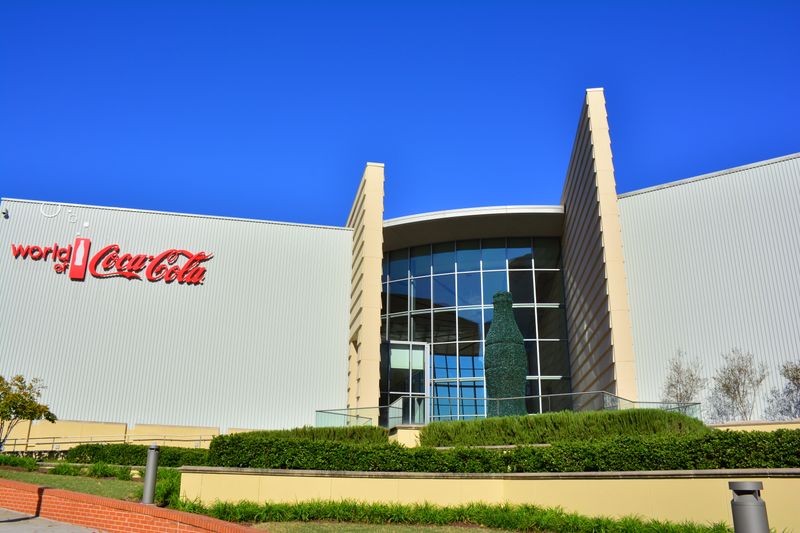
Few brands have shaped global culture like Coca-Cola, and this museum celebrates every fizzy moment. Located at 121 Baker Street NW in Atlanta, the World of Coca-Cola lets you explore the history of the world’s most famous soft drink. Interactive exhibits reveal closely guarded secrets about the beverage’s creation and marketing.
The highlight for many visitors is the tasting room where you can sample over 100 different Coca-Cola products from around the world. Some flavors will surprise you with their unusual combinations. The vault that supposedly holds the secret formula adds an element of mystery to your visit.
I find the vintage advertising displays particularly fascinating. They show how marketing has evolved over more than a century. The gift shop offers exclusive Coca-Cola merchandise you won’t find in regular stores.
This landmark attracts millions of visitors annually who want to connect with this iconic American brand.
7. Consolidated Gold Mine
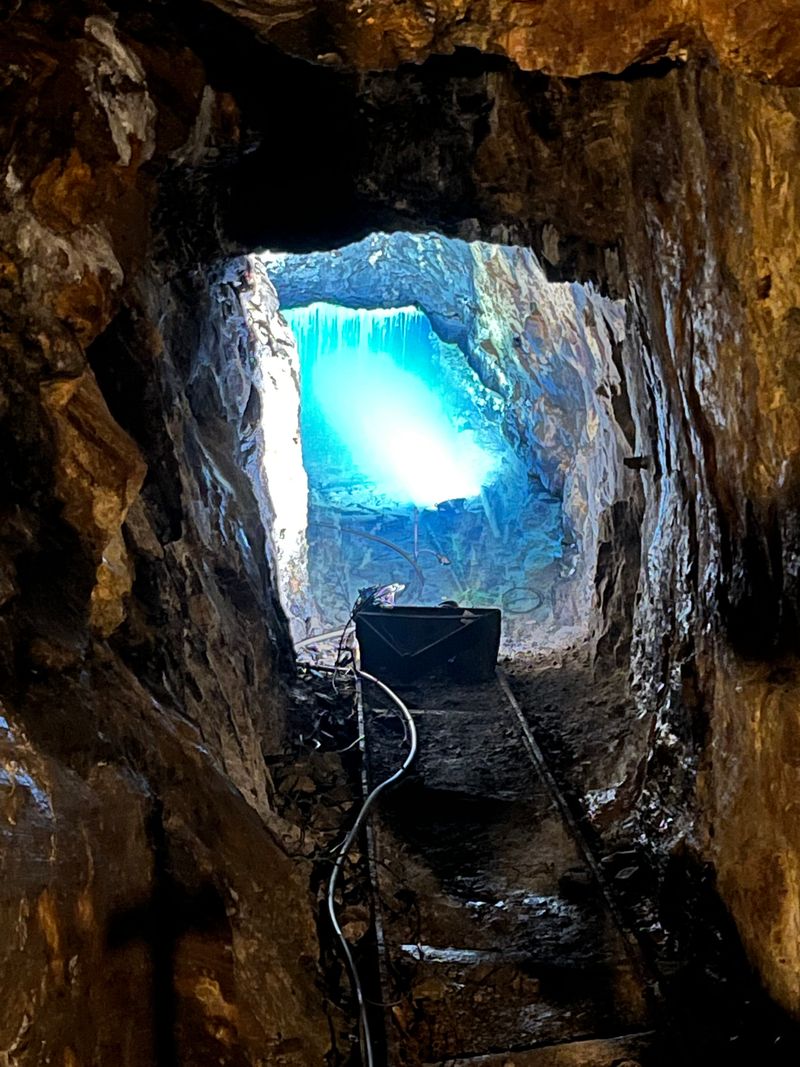
America’s first major gold rush happened right here in Georgia, decades before California’s famous discovery. You can explore this piece of history at 185 Consolidated Gold Mine Road in Dahlonega. The mine operated from the 1830s until the early 1900s, producing millions of dollars worth of gold.
Today, guided tours take you 200 feet underground into the cool, dark tunnels where miners once worked. Your guide explains the dangerous conditions and backbreaking labor involved in extracting precious metal from solid rock. The temperature stays around 60 degrees year-round, so bring a jacket even in summer.
After your underground adventure, you can try panning for gold in the mining flume. Many visitors actually find small flakes of gold to take home. The site includes a museum with mining equipment and historical photographs.
This landmark offers a hands-on way to experience Georgia’s golden past.
8. The Tabernacle

Churches usually don’t host rock concerts, but this building has lived many lives. Standing at 152 Luckie Street NW in Atlanta, The Tabernacle began as a House of God church in 1910. The distinctive architecture features a dramatic arched ceiling and beautiful brickwork that creates amazing acoustics.
The building served as a church until the 1990s when it became a concert venue for the 1996 Olympics. Developers preserved the historic exterior while modernizing the interior for performances. The space now hosts major touring musicians and special events throughout the year.
What makes this landmark special is how it honors its past while serving modern purposes. Original stained glass windows still catch the light during afternoon shows. The intimate setting holds about 2,600 people, making every seat feel close to the stage.
I appreciate how Atlanta saved this architectural gem instead of tearing it down for something new.
9. Callaway Gardens
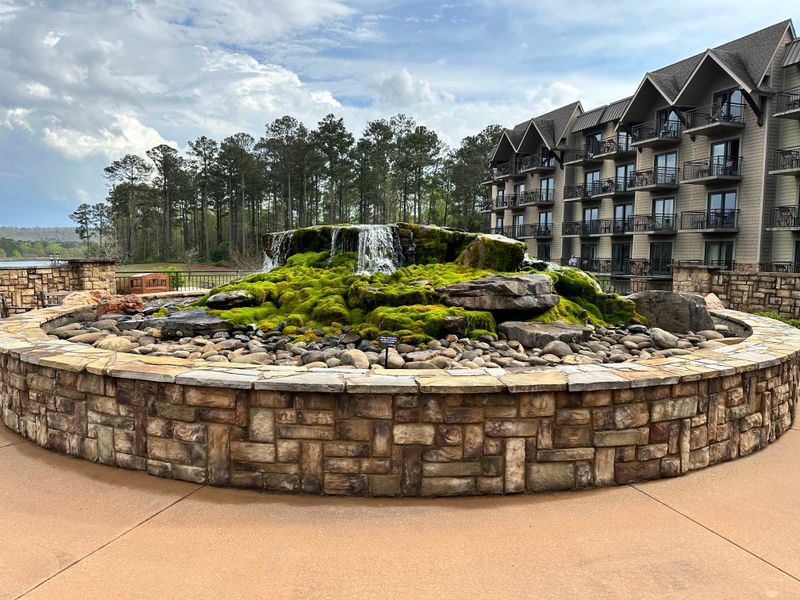
One family’s vision transformed thousands of acres of Georgia countryside into a horticultural wonderland. Cason and Virginia Callaway created these gardens at 17800 US Highway 27 in Pine Mountain starting in the 1930s. They wanted to preserve the native azaleas and create a place where people could connect with nature.
The gardens now encompass 2,500 acres of cultivated landscapes and natural forest. The Cecil B. Day Butterfly Center houses North America’s largest glass-enclosed tropical butterfly conservatory.
Thousands of butterflies from around the world flutter freely among visitors.
Robin Lake Beach offers a refreshing break with its white sand imported from Florida. The gardens host seasonal events including a spectacular Christmas light display with millions of twinkling bulbs. Walking trails wind through different themed gardens showcasing native and exotic plants.
This landmark demonstrates how human creativity can enhance natural beauty rather than diminish it.
10. The Varsity
Ordering food shouldn’t require learning a special language, but this legendary drive-in restaurant has its own unique vocabulary. Located at 61 North Avenue NW in Atlanta, The Varsity has been serving hungry customers since 1928. The famous greeting from employees is a rapid-fire question asking what you want.
This isn’t just a restaurant but a cultural institution that has fed generations of Georgia Tech students and Atlanta residents. The massive facility can serve 600 cars and seat 800 people inside. Menu items include chili dogs, onion rings, and frosted orange drinks that have remained essentially unchanged for decades.
The building itself looks like a slice of mid-century Americana with its distinctive red and white color scheme. Photos of celebrities and politicians who have eaten here line the walls. During football season, the place becomes absolutely packed with fans.
I recommend going during off-peak hours if you want to avoid the crowds and truly savor this historic landmark.
11. The Big Chicken
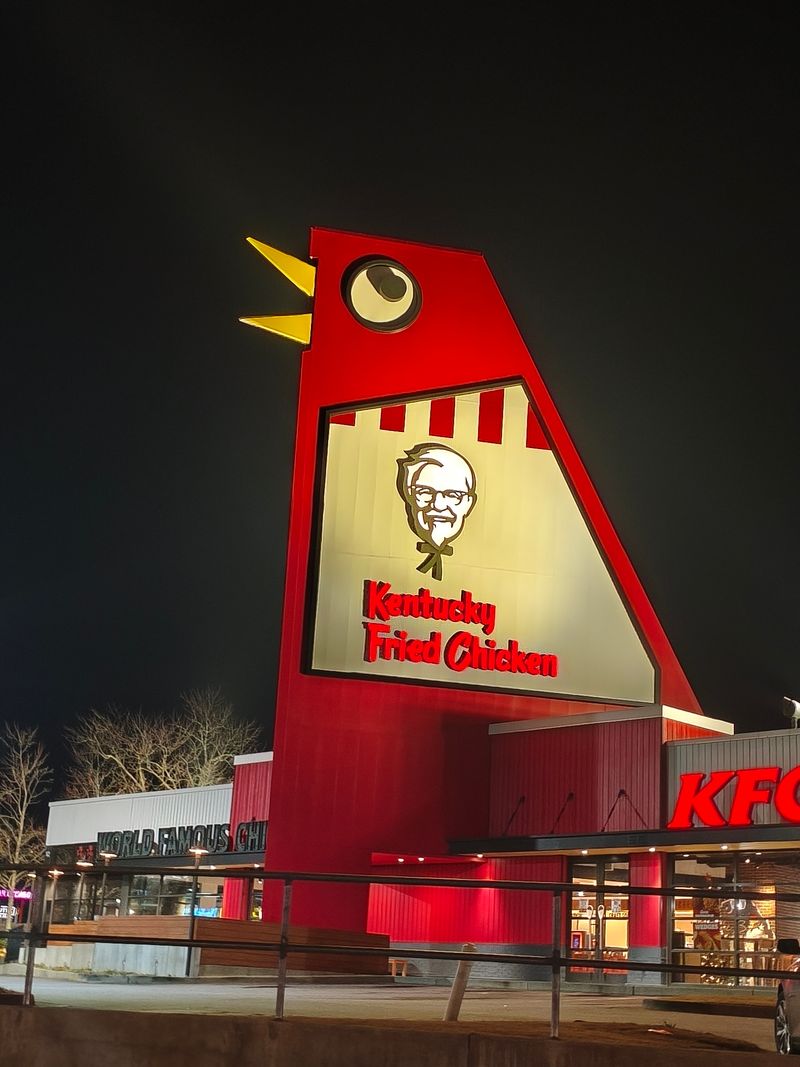
Directions in Marietta often reference a giant metal rooster instead of street names. You can’t miss this 56-foot-tall chicken-shaped KFC restaurant at 12 Cobb Parkway in Marietta. Built in 1963, the enormous bird has become such a beloved landmark that locals successfully fought to save it when the building needed renovations.
The chicken’s eyes once rotated and its beak moved up and down to simulate eating. Technical problems silenced the mechanical features for years until a restoration in 1993 brought them back to life. Pilots flying into nearby Dobbins Air Reserve Base use the Big Chicken as a visual navigation landmark.
This quirky structure represents the kind of roadside architecture that defined mid-century America. The building has survived fires, windstorms, and corporate ownership changes. People travel from across the country just to take photos with this oversized fowl.
The Big Chicken proves that sometimes the most memorable landmarks are also the most delightfully absurd.
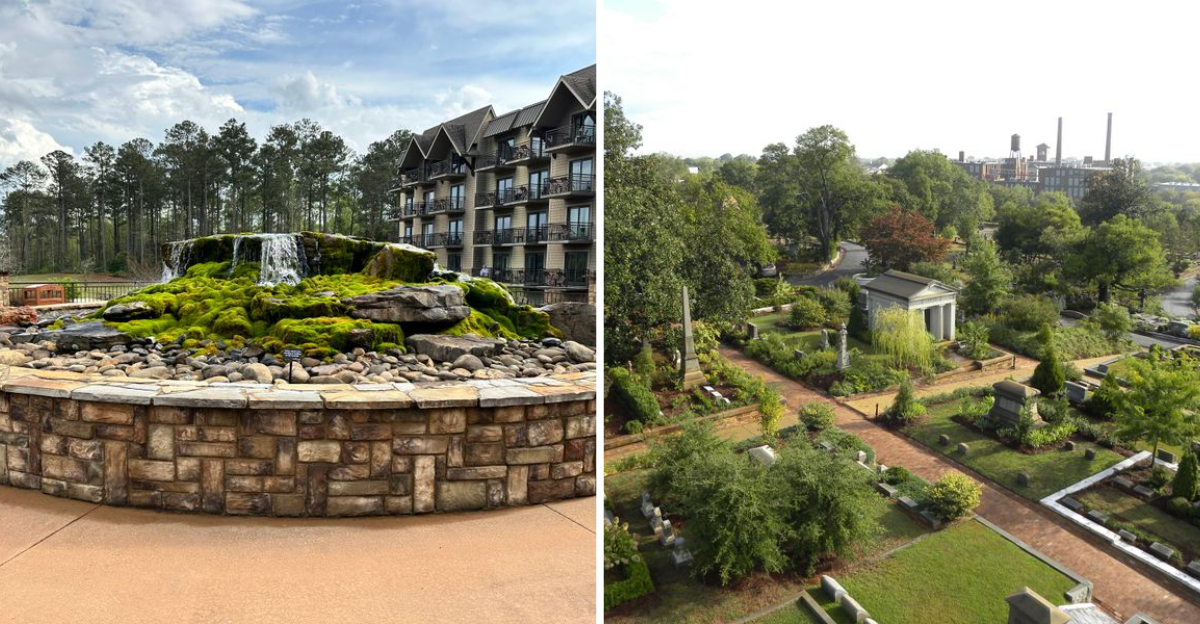
12. Oakland Cemetery
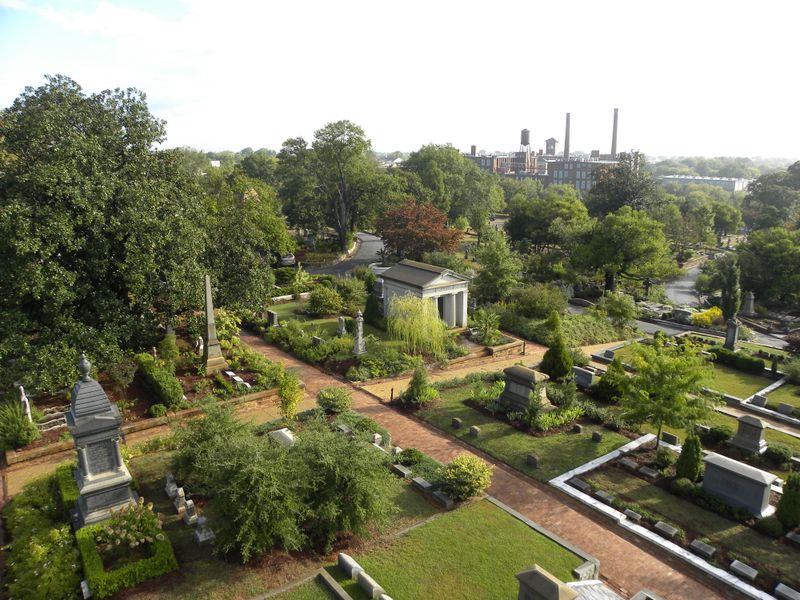
Cemeteries might seem like unlikely tourist destinations, but this Victorian garden cemetery is absolutely worth visiting. Oakland Cemetery sits at 248 Oakland Avenue SE in Atlanta and dates back to 1850. The grounds contain elaborate monuments, sculptures, and mausoleums that showcase incredible artistic craftsmanship.
Famous Georgians including author Margaret Mitchell and golfer Bobby Jones rest here. The cemetery also holds the graves of thousands of Civil War soldiers from both Confederate and Union armies. Walking the shaded paths feels like stepping back in time to explore Atlanta’s rich history.
The Victorian garden design incorporates winding paths, mature trees, and carefully planned landscaping. Special events throughout the year include historical tours and concerts in the cemetery’s natural amphitheater. The nonprofit organization that maintains Oakland has transformed it from a neglected space into a beloved community asset.
I find the sunset tours particularly moving as golden light filters through the old oak trees.
13. Okefenokee Swamp Park
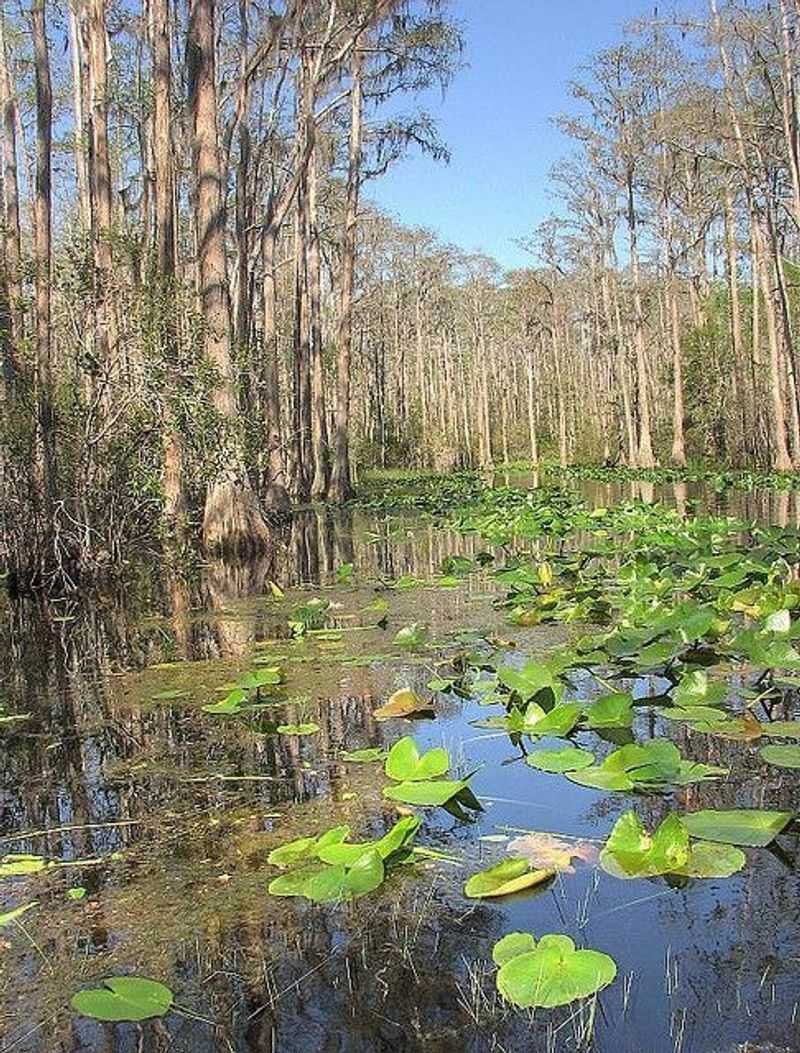
Massive alligators glide through dark water beneath cypress trees draped with Spanish moss. Okefenokee Swamp Park at 5700 Okefenokee Swamp Park Road in Waycross provides access to one of North America’s largest intact freshwater ecosystems. The swamp covers 438,000 acres of pristine wilderness that looks almost prehistoric.
Boardwalks and observation towers let you safely explore this mysterious wetland without getting your feet wet. Boat tours take you deeper into the swamp where you’ll likely spot alligators, turtles, and wading birds. The water appears black due to tannic acid from decaying vegetation, creating an eerie but beautiful landscape.
Native Americans called this place Okefenokee, meaning land of the trembling earth, because the floating peat islands shake when you walk on them. The swamp serves as the headwaters for both the Suwannee and St. Marys rivers. This landmark offers a rare glimpse into an ancient ecosystem that has remained largely unchanged for thousands of years.
14. Andersonville National Historic Site
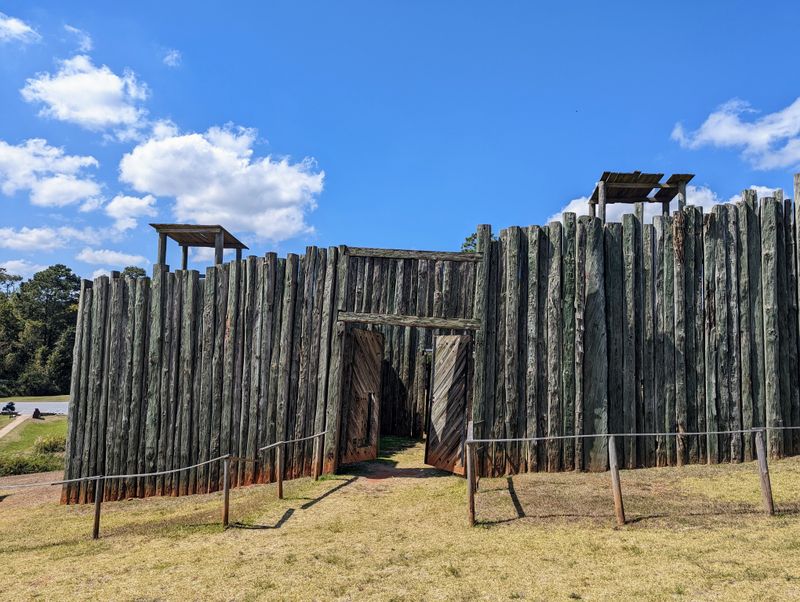
Some landmarks commemorate triumph while others remember tragedy and suffering. Andersonville National Historic Site at 760 POW Road in Andersonville preserves the location of the Civil War’s most notorious prison camp. Confederate forces held Union soldiers here under horrific conditions that resulted in nearly 13,000 deaths.
Walking through the reconstructed prison site creates a sobering experience. Markers show where the deadline stood, a boundary prisoners crossed at risk of being shot. The site also includes the National Prisoner of War Museum honoring all American POWs from every conflict.
The national cemetery here contains row after row of white headstones marking the graves of those who died in captivity. Park rangers provide context about the complex circumstances that led to such suffering. This landmark serves as a powerful reminder of war’s human cost.
I believe places like this matter because they force us to confront difficult truths about our shared history.
15. Springer Mountain Plaque
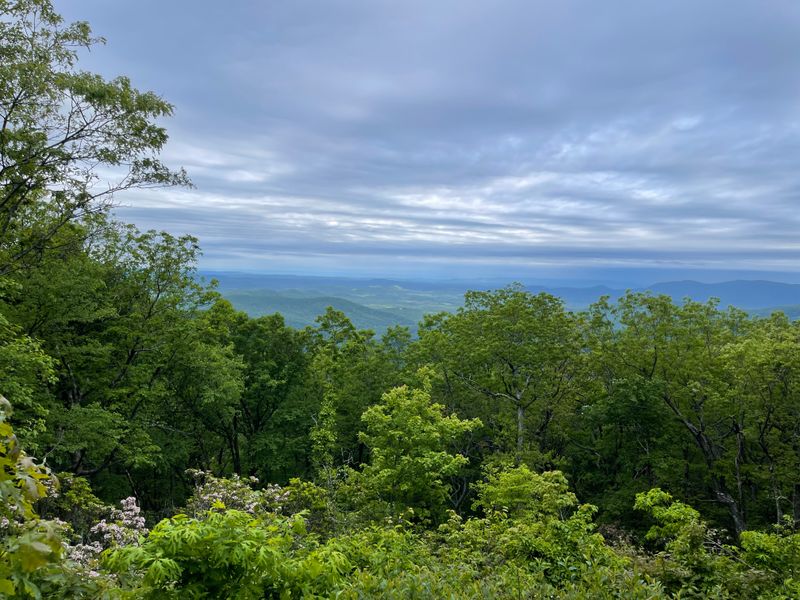
Every epic journey needs a starting point, and this bronze plaque marks the southern terminus of the Appalachian Trail. You’ll find it on Springer Mountain at the end of Forest Service Road 42 near Dahlonega. Thousands of hopeful hikers touch this marker each year before attempting the 2,190-mile trek to Maine.
The plaque itself looks modest compared to its significance. It simply identifies the location as the beginning of the Appalachian Trail. Many hikers take photos here before embarking on their multi-month adventure through fourteen states.
Reaching the plaque requires a moderate hike of about a mile from the nearest parking area. The surrounding forest provides a peaceful setting for reflection before such a major undertaking. Some hikers return years later to touch the plaque again and remember their journey.
This unassuming landmark represents dreams, determination, and the human desire to test our limits. The worn bronze shows how many hands have touched it over the decades.