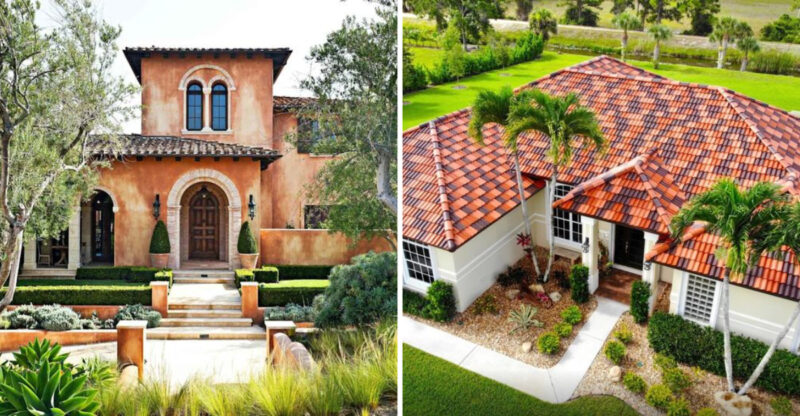
These 10 Maryland Home Design Trends May Not Survive By 2030

Home design trends don’t disappear overnight.
They fade gradually as lifestyles change, technology evolves, and homeowners start valuing practicality over novelty.
In Maryland, a state with a mix of historic charm and modern development, that shift is already becoming noticeable.
Certain home designs that once felt desirable are beginning to feel less aligned with how people actually live.
Many of these designs were popular for good reasons at the time.
They reflected the needs, tastes, and priorities of a different moment.
Today, buyers are looking for flexibility, efficiency, and spaces that adapt easily to daily life.
Features that feel overly formal, high-maintenance, or visually heavy are starting to lose their appeal, especially as long-term living costs and functionality matter more.
As expectations shift, buyers are becoming more selective about what feels timeless versus what feels stuck in a past decade.
Design choices that once signaled status or style can now raise concerns about upkeep or renovation costs.
Stick around as we unpack the styles projected to fade by 2030, and what that means for your home value, renovation plans, and curb appeal game.
1. Overly Ornate Colonial Revival
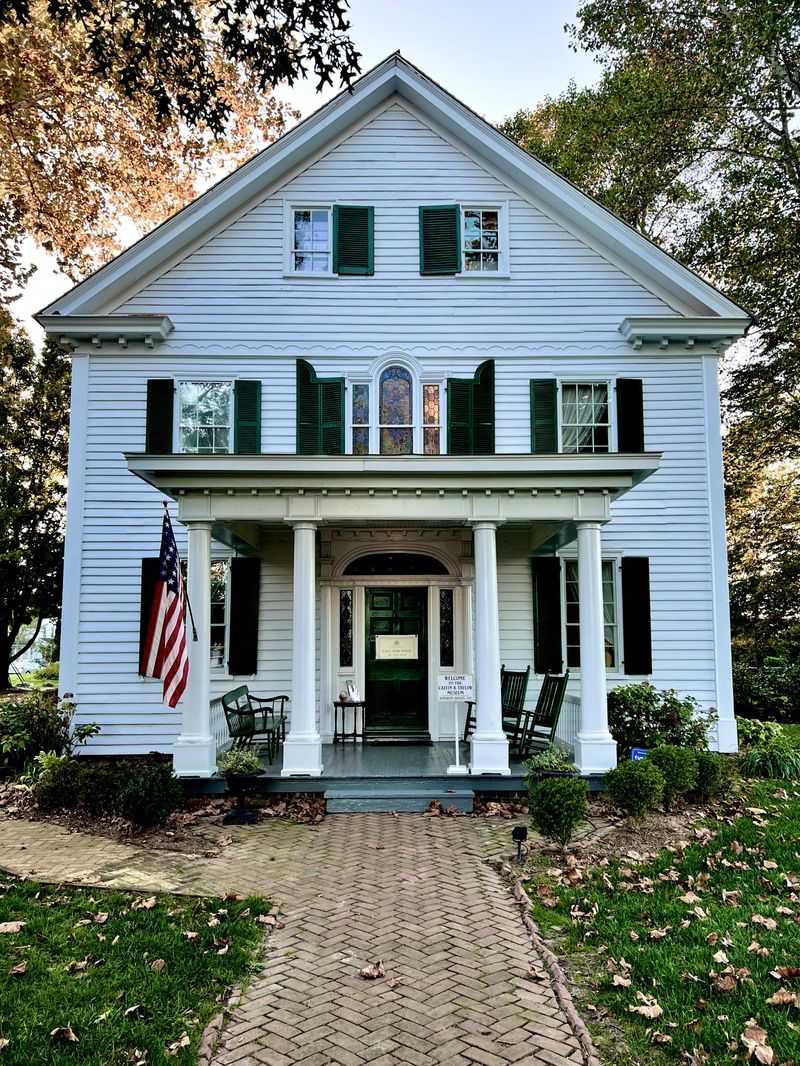
Grand columns and dense crown moldings once screamed Maryland prestige, especially in commuter suburbs outside D.C.
By 2030, that heavy handed Colonial Revival look is expected to cool as buyers chase cleaner lines and easier upkeep.
You see it in listing photos where simple trim, flat panel doors, and lighter color palettes outperform elaborate millwork.
Maintenance is a big driver.
Every groove collects dust, every dent demands touch up, and energy retrofits are harder when walls hide era specific framing quirks.
Appraisers and agents note that buyers value function and sustainability over ornamental layers.
The more ornate the facade, the more mismatched it can feel with today’s high performance windows and solar ready roofs.
In Maryland’s humidity, thick wood details also risk swelling and paint failure.
If you own one, do not panic.
Editing details, repainting in lighter hues, and swapping busy iron for simple railings can modernize without erasing character.
Expect the purest examples to struggle while streamlined reinterpretations win.
2. Split Level Facades

Split level layouts dot many Maryland neighborhoods built during mid century booms, but the disjointed facade is becoming a harder sell.
Buyers browsing Rockville to Columbia now prefer cohesive rooflines and intuitive flow.
With multigenerational living on the rise, stairs splitting short half levels feel inconvenient for strollers and aging in place.
Natural light also gets chopped by partial floors, making energy upgrades pricier per lumen.
Expect demand to shift toward layouts that connect kitchen, living, and outdoor zones on a single plane.
When split levels do move, it is often after major reconfigurations like adding a full mudroom, opening stair walls, or aligning claddings to reduce visual noise.
You can still make one shine. Unify materials, add larger windows where structure allows, and create a clearer front entry sequence.
But by 2030, many buyers will skip ahead to plans with fewer thresholds and better HVAC zoning.
The facade’s choppy rhythm is the tell.
3. Faux Tudor Exteriors
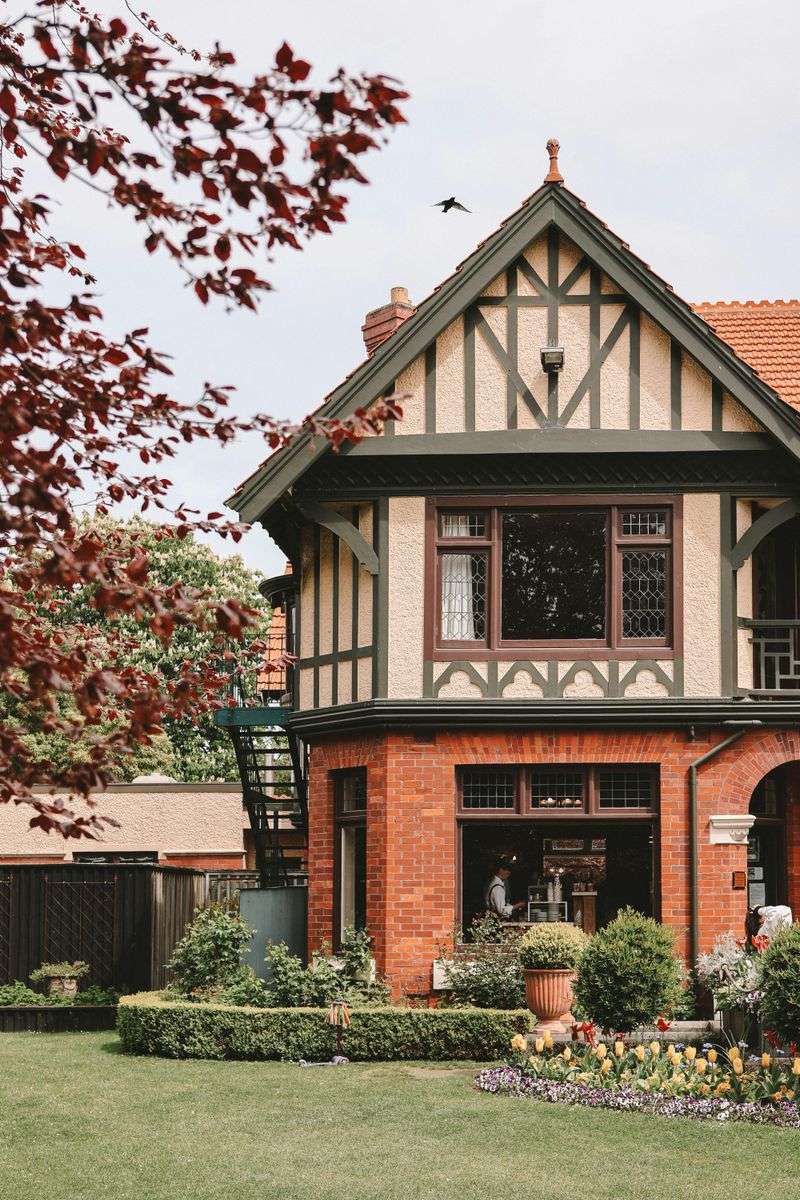
Decorative half timbering without structural purpose is a hallmark of the faux Tudor wave that washed across Maryland cul de sacs.
It is charming from a distance, but buyers increasingly read it as costume.
The dark trim absorbs heat, the stucco panels need upkeep, and the mix can clash with modern black framed windows.
Authenticity is winning. People would rather see clean fiber cement or real wood detailing than applied beams that do not do any work.
By 2030, expect these exteriors to need refreshes to compete.
Painted out timbers, simplified gables, and continuous cladding can reduce patchwork vibes.
Energy retrofits are easier when you eliminate thermal bridges at trim intersections.
If you love the Tudor silhouette, keep the steep roof and add contemporary textures like vertical board, brick soldier courses, or limewash.
The goal is coherence.
Buyers across Montgomery and Howard counties reward homes that feel honest, low maintenance, and future-ready.
That means less pretend Europe and more climate smart Maryland!
4. Excessive Victorian Trim And Details
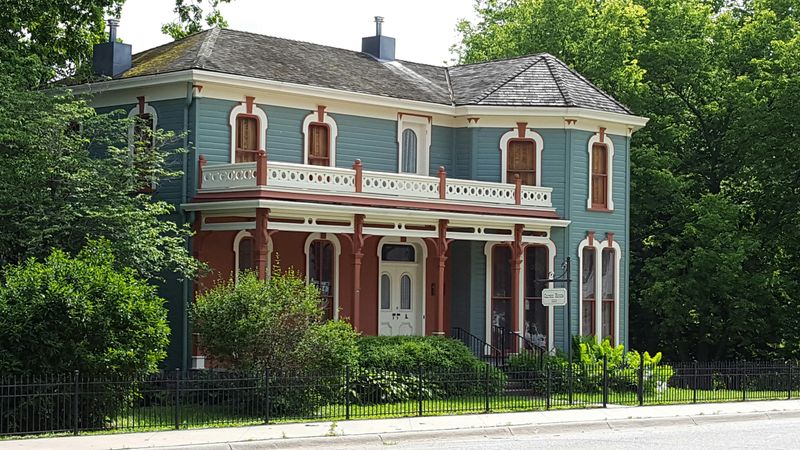
Maryland’s Victorian gems are beloved, but the most elaborately trimmed examples face headwinds by 2030.
Gingerbread brackets, spindled porches, and multi color paint schemes are labor intensive, and humidity makes peeling a recurring battle.
Buyers who commute and travel do not want a weekend hobby scraping balusters.
They still love the history, just not the maintenance.
That is why listings with simplified trims and restrained palettes perform better.
Preservation minded updates can keep charm without endless chores.
Use rot-resistant materials for replacement pieces, consolidate color blocks, and improve ventilation in attics to protect paint.
Inside, lean on period appropriate lighting and plaster details in key rooms rather than filigree everywhere.
The story of Maryland’s Victorians will continue, but the maximalist, every edge decorated approach will cool.
A carefully edited house reads as gracious and durable, and buyers value that mix of romance and practicality.
Less lace, more longevity.
5. McMansion Brick Stone Combos
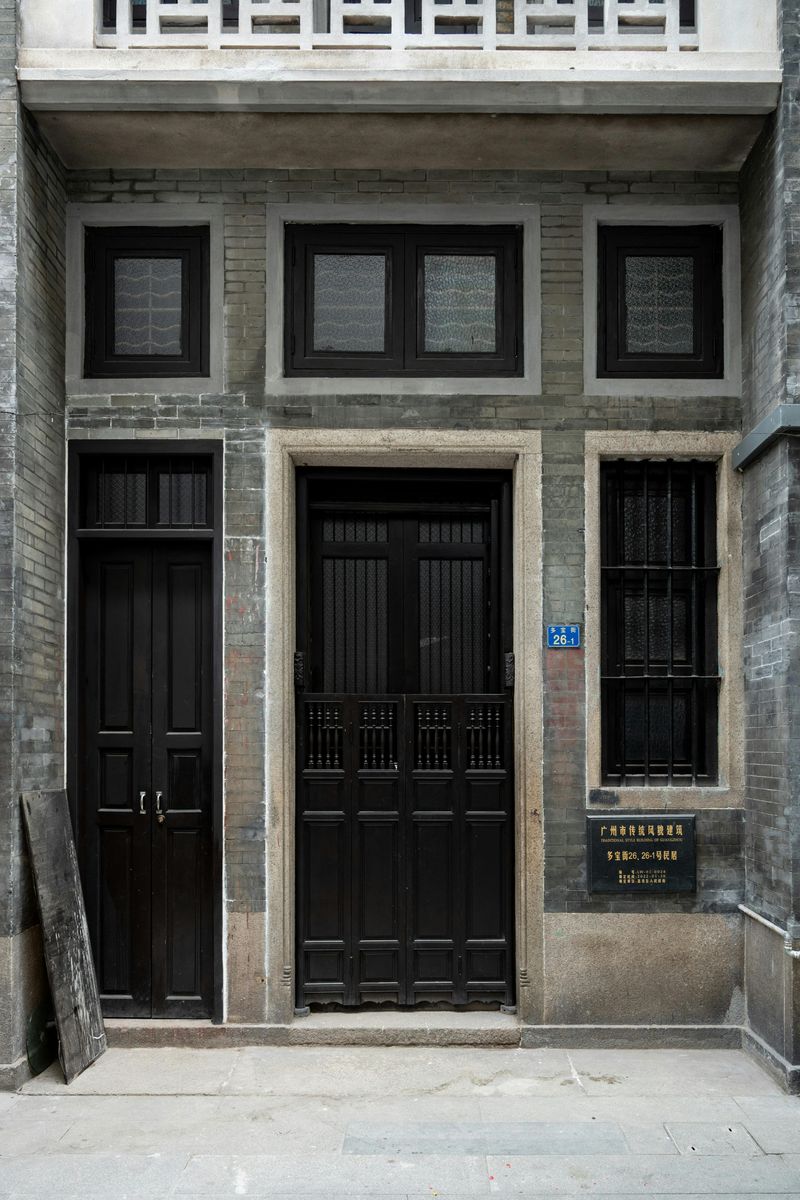
Early 2000s trophy builds across Maryland often combined brick, stone, stucco, and vinyl on one facade.
What once felt grand now reads as busy, and buyers increasingly prefer restrained material palettes.
Too many textures complicate flashing and create moisture risks in our freeze thaw cycles.
Appraisers note that homes with consistent cladding and simpler massing photograph better, attract more clicks, and need fewer repairs where materials meet.
By 2030, the mix and match look is expected to lag, especially in Anne Arundel and Frederick new build corridors.
Sellers can course correct.
Pick the dominant material and let it wrap corners, then simplify secondary gables and trims.
Replace failing stucco bands with fiber cement, and align window proportions so the facade feels intentional.
Add energy upgrades that do not fight the envelope.
The result is calmer curb appeal that fits modern expectations and maintenance budgets.
Flashy for the sake of flashy is out. Cohesive, durable, and efficient is in.
6. Overbuilt Two Story Foyers

The grand two story foyer that wowed in 1999 is losing ground.
Heating and cooling a tall atrium in Maryland’s mixed climate wastes energy, and acoustics amplify every sound.
Buyers want square footage working for them, not echoing above their heads.
With remote work and multi use rooms, ceilings that tall feel impractical.
Appraisals increasingly value finished living area over volume you cannot fully use.
Renovations are trending toward lofting part of the space into a bonus room, library, or storage.
Replace palladian windows with energy efficient units and scale lighting to human height.
You keep daylight without the constant drafty feel. By 2030, expect listings to advertise “converted foyer” as a feature.
It signals comfort, HVAC savings, and better resale.
If you love drama, add it through materials like wood ceilings or sculptural fixtures at normal heights.
The thrill of walking into a cavern is fading, replaced by warm, quietly impressive entrances.
7. Heavy Tuscan Kitchens
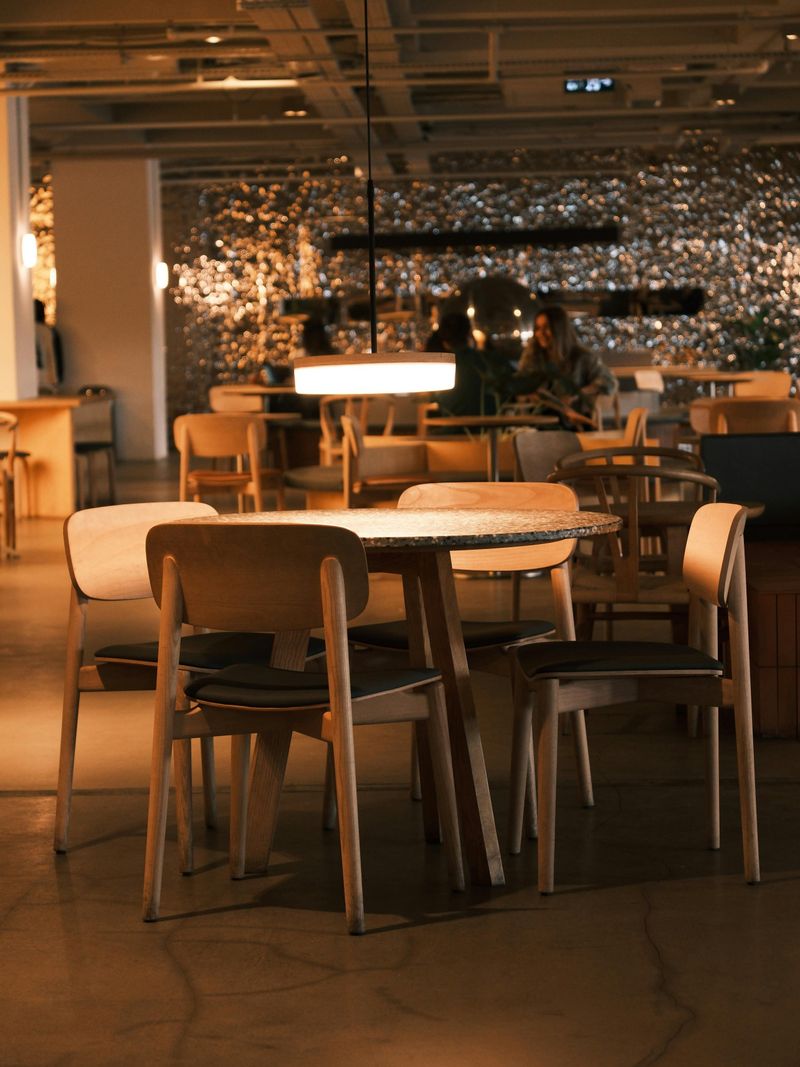
Remember the early 2000s Tuscan kitchen craze with dark cherry, rope moldings, and tumbled stone? Maryland had plenty.
By 2030, these heavy palettes are expected to underperform because they swallow light and fight open plan living.
New buyers want breathable layouts, induction ranges, and surfaces that clean easily.
Ornate corbels and faux distressing trap grease and dust.
Even modest rowhouses feel bigger when cabinetry is simplified and colors bounce daylight.
Updating does not require ripping everything.
Painting existing boxes, swapping busy arches for flat panels, and replacing mosaic travertine with large format tile can change the mood fast.
Add efficient task lighting and choose matte finishes that hide wear.
Stone look quartz outlasts trendy veining and pairs with sustainable wood accents.
In Maryland’s competitive suburbs, kitchens make or break the walkthrough.
The bulky Tuscan vibe is slipping, while warm contemporary kitchens with honest details and quiet tech win hearts and offers.
8. Carpeted Bathrooms
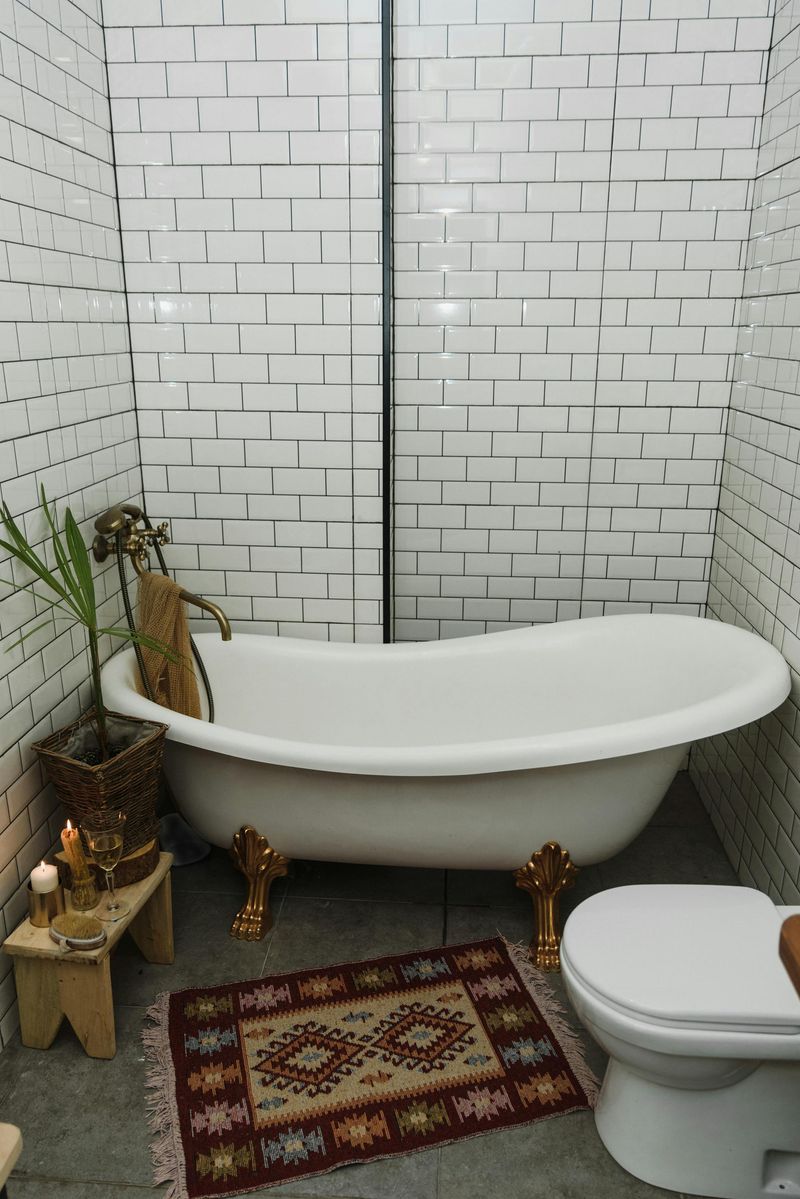
Bathroom carpet still pops up in older Maryland homes and immediate buyer reactions are rarely kind.
Moisture plus fibers equals odor, mildew, and hidden subfloor rot.
Health and maintenance concerns are sending this design to the bin by 2030.
Modern standards prefer slip resistant tile, terrazzo, or luxury vinyl that dries quickly and pairs with efficient ventilation fans.
Agents report faster offers when bathrooms show clean hard surfaces and bright grout.
If you are renovating, pull carpet and check for damage, then install a waterproof underlayment.
Heated floors add comfort without hygiene tradeoffs.
Keep rugs small and washable if you crave softness.
Improve ventilation and daylight to prevent condensation, especially near the Bay’s humidity.
A simple swap can recalibrate a home’s entire impression because bathrooms signal how a property was cared for.
Carpet reads like a shortcut. Hard floors read like stewardship.
Buyers will notice.
9. Builder Beige Everything
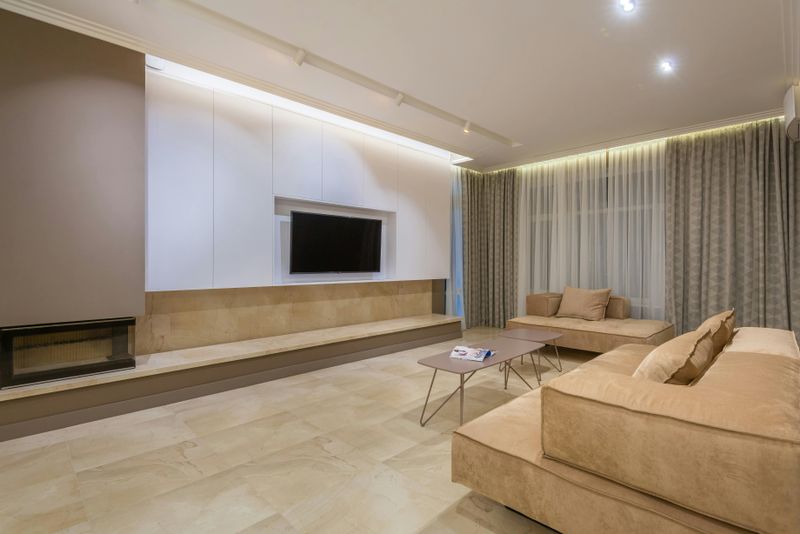
For years, Maryland spec homes defaulted to beige walls, beige carpet, and beige counters.
It was safe for quick sales, but today’s buyers scroll past spaces that feel flat and indistinct.
Natural light gets muddied, and photos blend with every other listing.
By 2030, monochrome beige is predicted to lag behind layered neutrals, wood tones, and selective color that highlights architecture.
Stagers and agents say contrast photographs better and supports value.
Consider elevating with creamy whites, soft grays, or clay neutrals that let trim, doors, and art pop.
Replace wall to wall carpet with durable hardwood or LVP and use area rugs for texture.
In rowhouses, this shift brightens narrow rooms without sacrificing warmth.
Energy-efficient lighting with proper color temperature matters too.
Small investments give your listing a magazine ready look that feels intentional.
Beige will not vanish, but the beige on beige on beige formula is fading fast in Maryland’s competitive markets.
10. Ornamental Lawns Over Natives
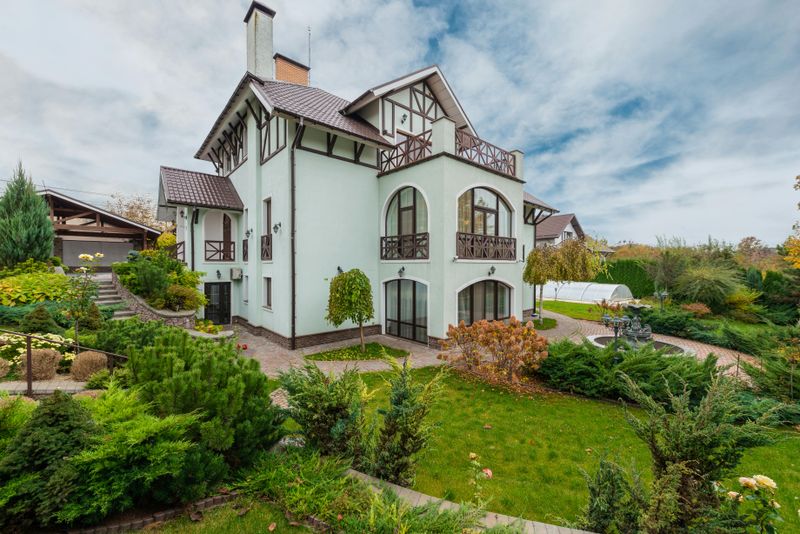
The thirsty front lawn monoculture is losing favor as Maryland leans into Bay friendly landscaping.
Fertilizers run off, irrigation costs climb, and summers are hotter.
Buyers increasingly want native plantings that feed pollinators and need less mowing.
Municipal incentives and HOA updates are nudging this shift.
Ornamental lawns that demand weekly care feel out of step with sustainability goals and busy schedules.
By 2030, expect curb appeal to mean layered natives, rain gardens, and tree canopy rather than golf course turf.
If you are planning upgrades, swap a portion of lawn for perennials like black eyed Susan and switch irrigation to drip.
Permeable paths reduce puddles during coastal storms.
The look is lush, seasonal, and distinctly Mid Atlantic, and it boosts biodiversity near the Chesapeake.
A smaller, purposeful lawn can stay, but purely ornamental carpets are on the decline as buyers prize eco wise design that still looks gorgeous.